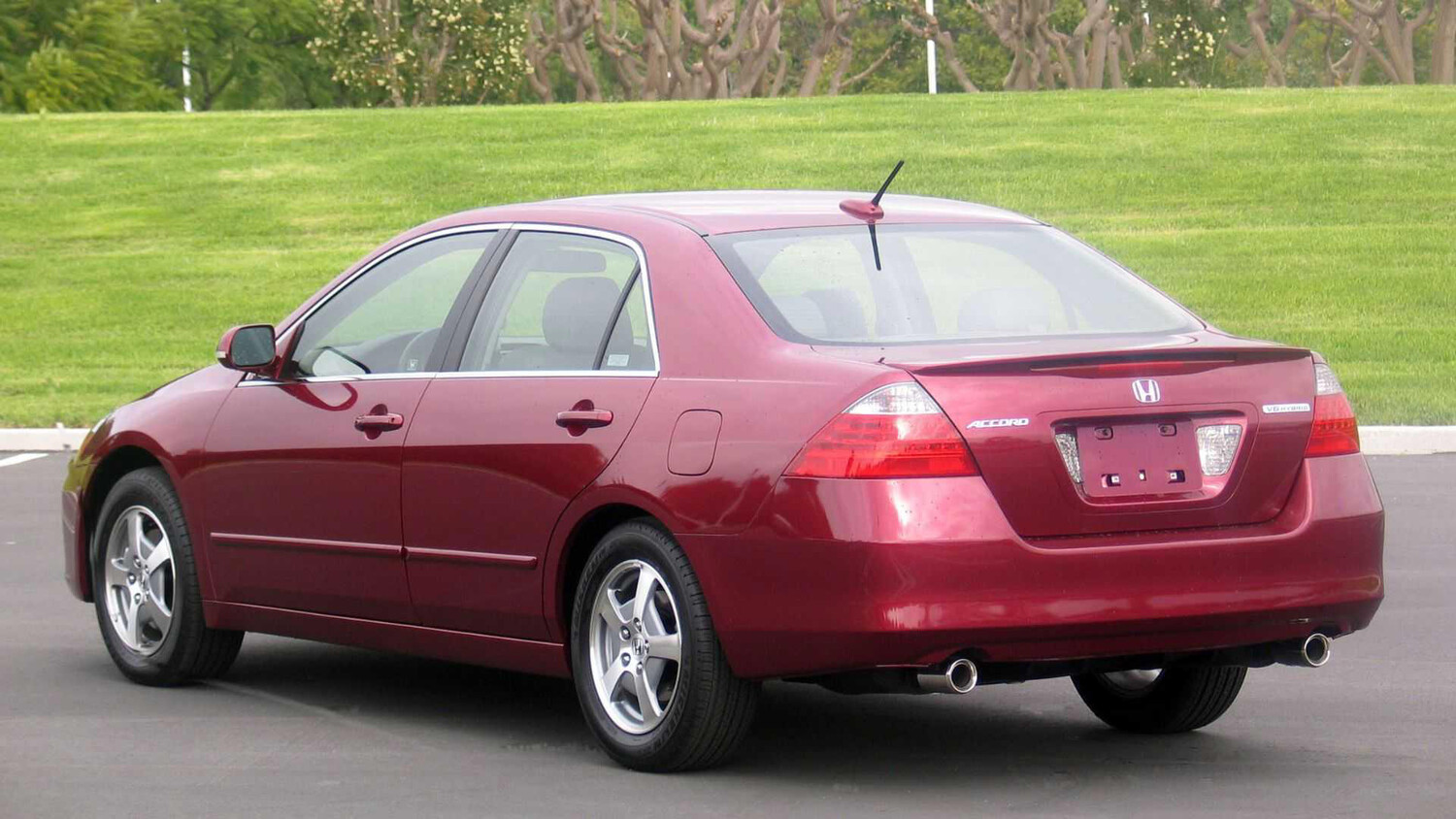
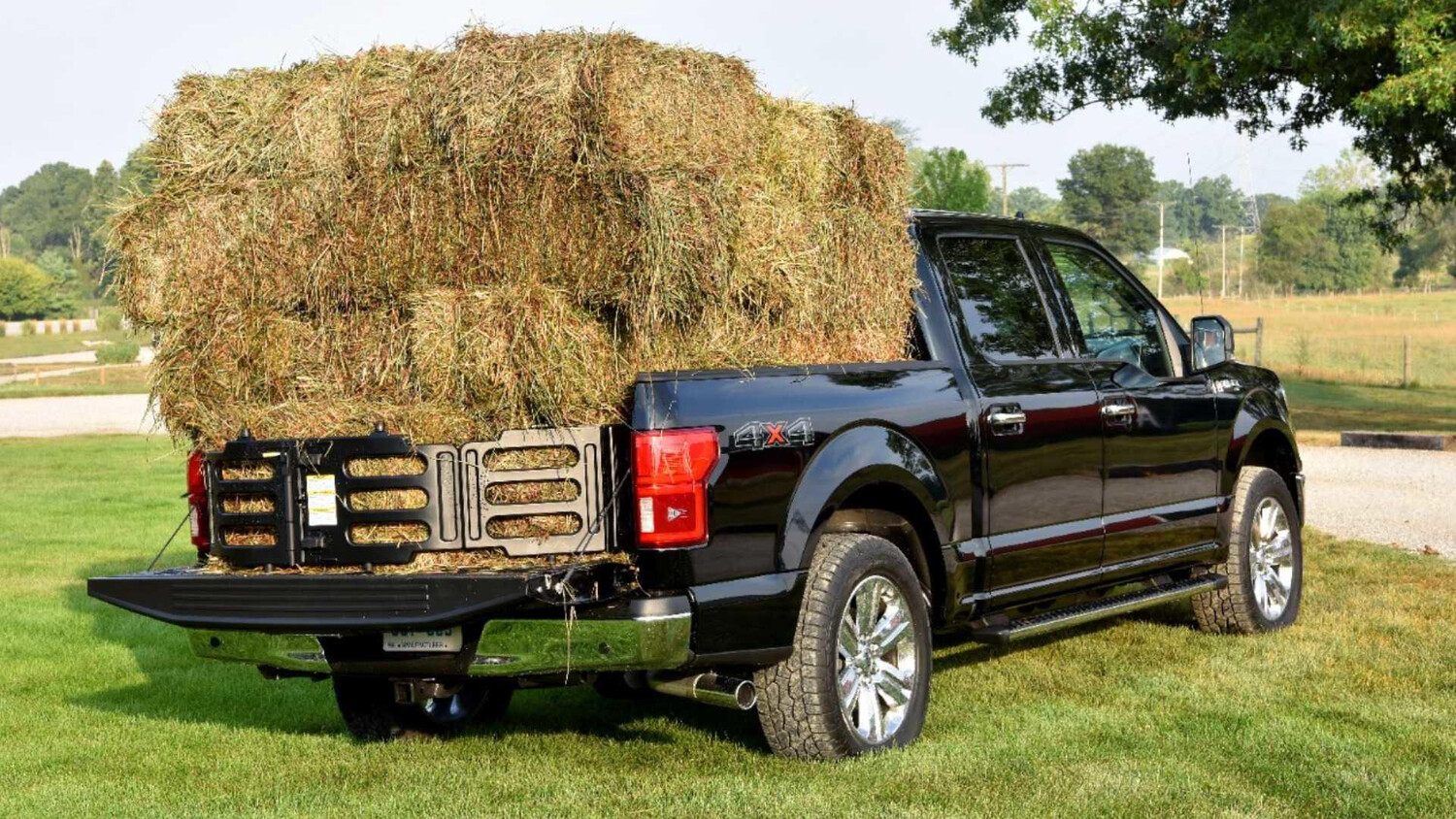
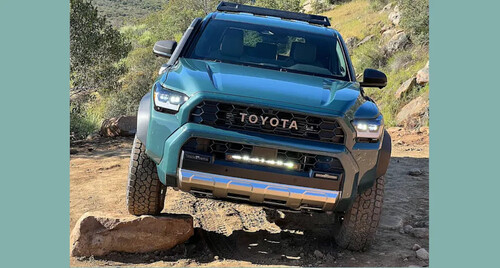
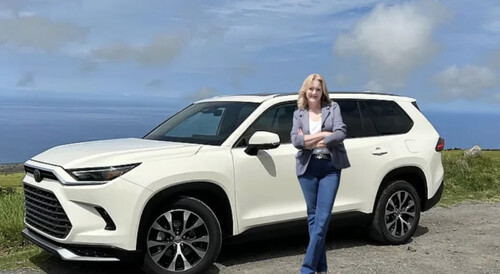
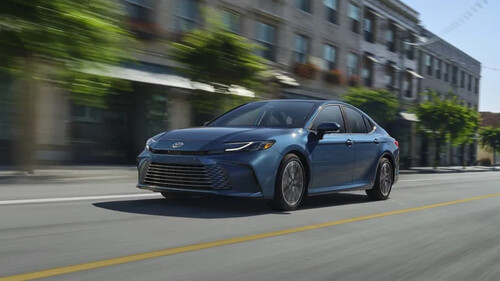
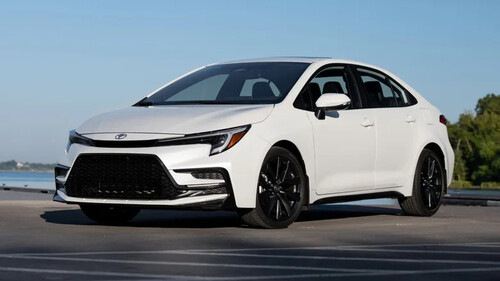
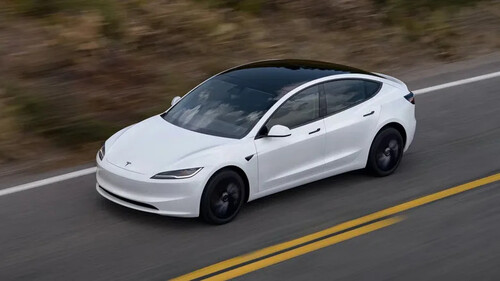
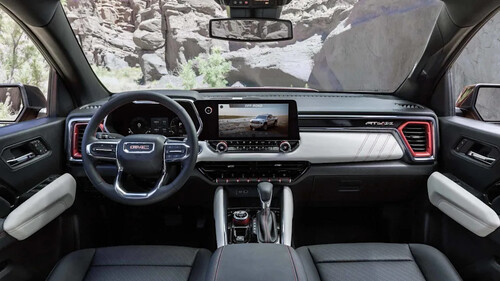
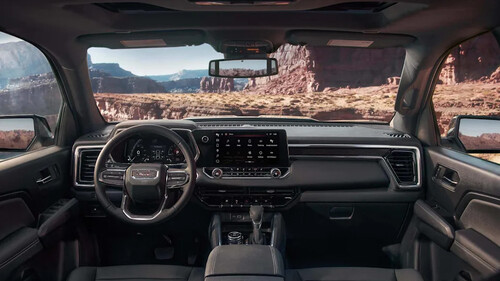
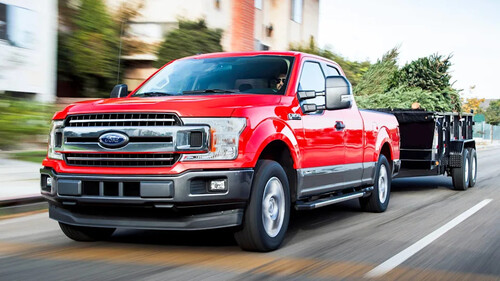
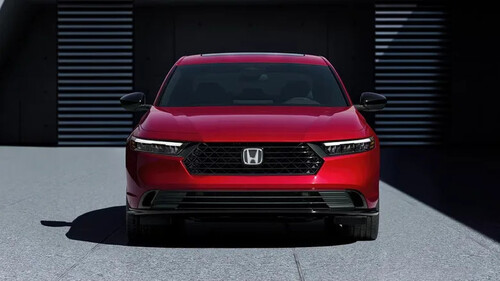
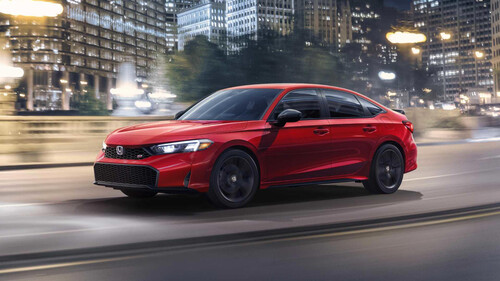
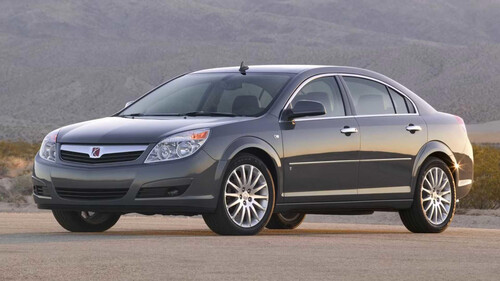
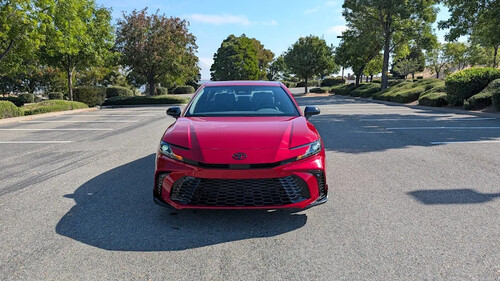
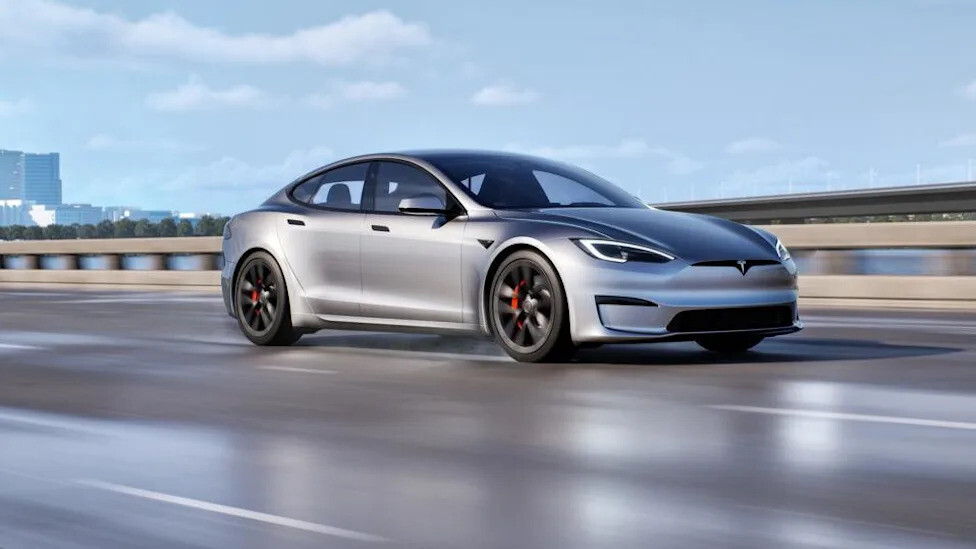
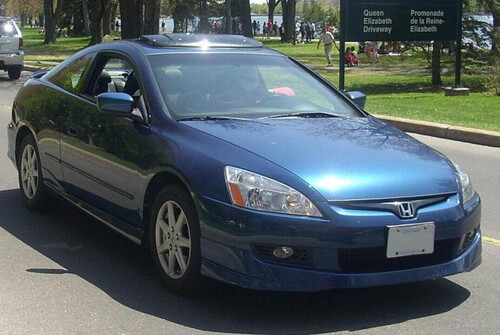
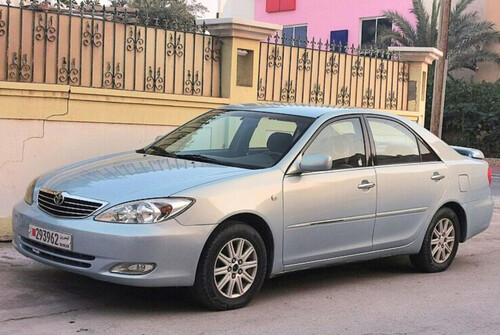
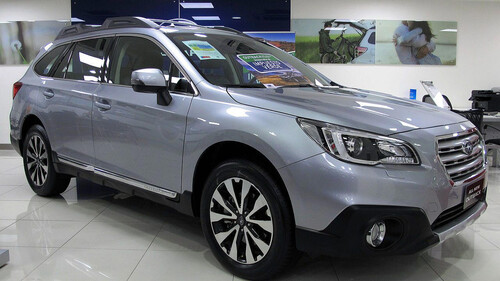
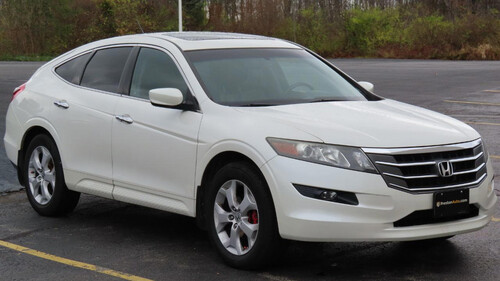
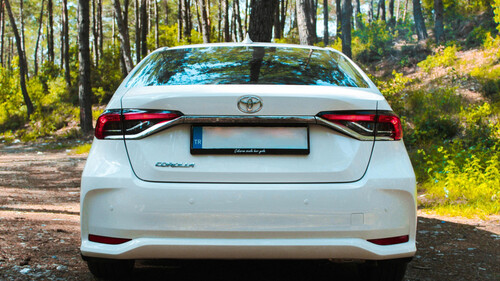
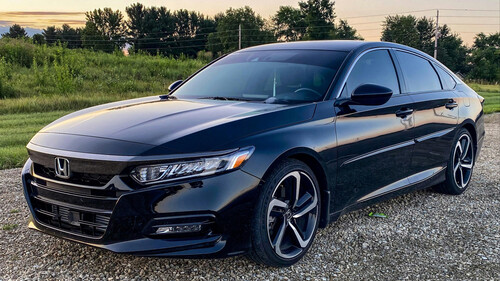
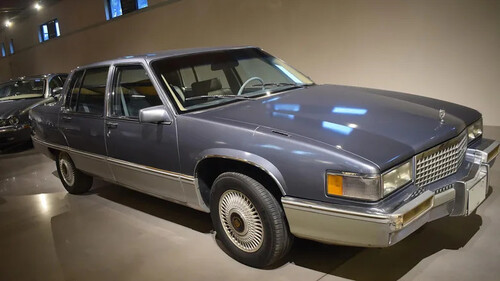
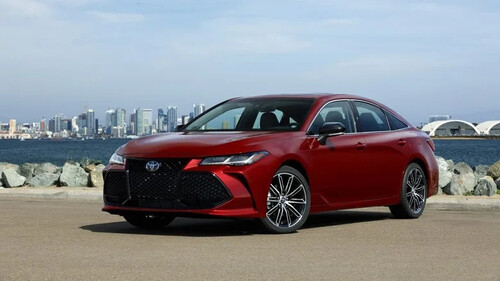
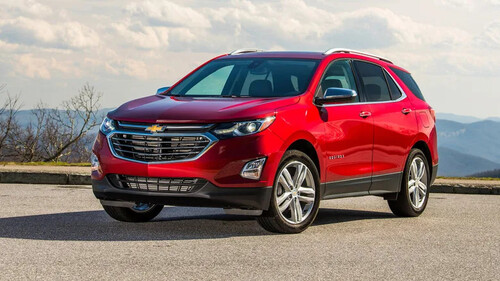
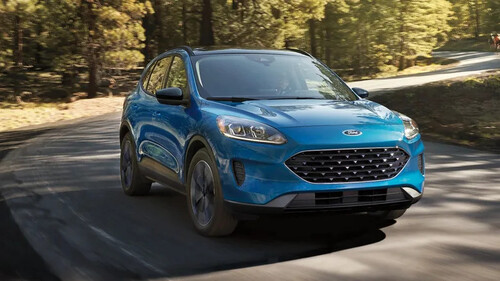
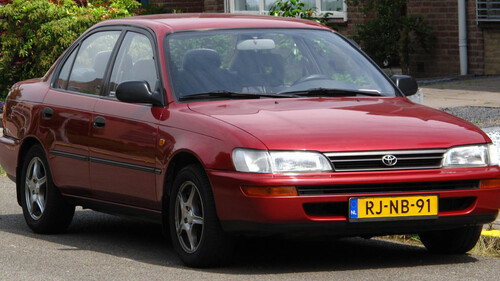
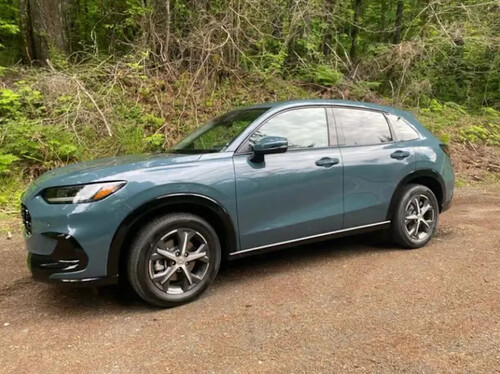
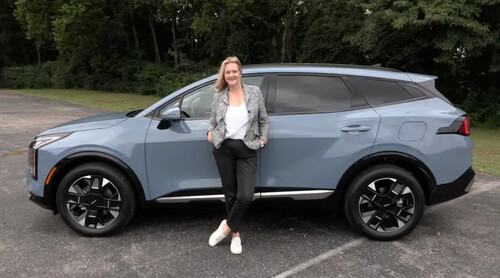
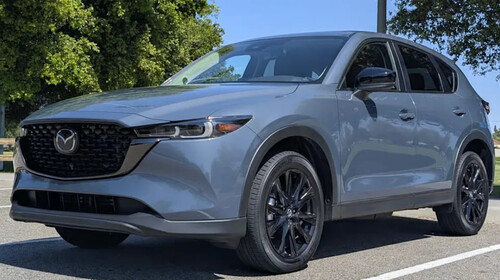
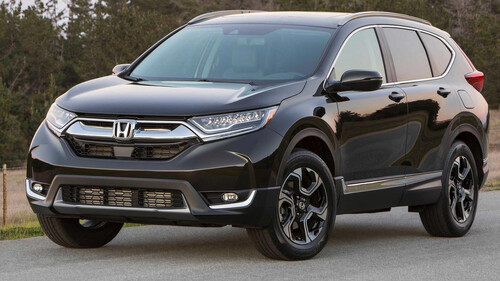
Trends make a huge difference when it comes to selling vehicles, and even though it may sometimes seem like manufacturers are telling you what to buy, it's usually the contrary that plays out. Automakers need to keep an eye on what the public wants, as that tends to secure better results than trying to force certain models down buyers' throats. We're looking at you, electric vehicles. For the most part, these patterns don't tend to run out over a couple of years, but usually over a longer time frame as the world around us changes.The 21st century has played host to one of the most seismic changes in the auto industry, as our roads look very different now from what they did 20 years ago. Taking a peek at what people were buying in 2006 versus now offers a fascinating snapshot into this alteration, and proves how manufacturers need to keep a close eye on developing trends to ensure that they won't be left behind. Japanese Offerings Reigned Supreme In 2006 ToyotaIf we exclude pickup trucks from our investigation, the trend of what Americans wanted from a car back in 2006 becomes abundantly clear. The highest-placed passenger car was the trusty Toyota Camry, the Japanese marque's mid-size sedan offering. It ended up claiming third on the overall list with 448,415 of the things finding new owners, which afforded it a clear lead over its Honda Accord rival. Honda managed to clear 354,441 of these specimens from its dealers, which was enough to leave it fifth overall at the end of the year. Impressively, Japanese cars ended up claiming a 1-2-3-4 result, with the smaller Toyota Corolla and Honda Civic compact sedans coming up next.Chevrolet managed to squeeze into the top ten with two of its models, the mid-size Impala and compact Cobalt sedans, which claimed eighth and tenth overall, respectively. Splitting them in the 2006 ranking was another Japanese contender, the Nissan Altima mid-size sedan. The Impala may have fought its way into the overall top ten list that year, but only 289,000 of the American challengers were shifted, which was well behind its mid-size class rivals. Americans Loved The Traditional Sedan HondaOne clear pattern that emerges from these figures is that the sedan was the dominant force within the auto industry 20 years ago. There were no SUVs or hatchbacks in sight within the top 10, with an impressive seven of the ten best-selling vehicles that year sporting sedan silhouettes. This shouldn't come as a surprise though, as the sedan body style was still at the height of its powers in the mid-2000s, having held the initiative for decades before.Ultimately, things were about to change. Moving towards the 2010s, a new trend was set to throw the sedan market so far into the shade that it needed to light a fire to keep warm. SUVs Have Given Sedans A Good Dusting ToyotaSpin the clock forward to the present day, and we see a very different result. Once again, excluding pickup trucks, we find that the best-selling car is once again a Toyota, but it's now the RAV4 SUV. With 479,288 cars sold during 2025, it's also around 30,000 clear of where its Camry cousin sat 20 years ago. This figure is enough to leave it third overall on the bestseller list. The runner-up spot is its Honda CR-V rival, which claimed fourth overall with 403,768 specimens waved off.The Tesla Model Y EV is next up to claim the final spot on the podium in the car category, with seventh overall. The Camry is the only car from 2006 that remains in the top 10 two decades on, though its figure has dropped to 316,185. Still, this is enough for eighth in terms of US sales, while the Chevrolet Equinox is the final car to make it in with the tenth-best performance. The trend is clear; the SUV has managed to supersede the sedan as the primary car option for most Americans, with four of the top-ten bestsellers being examples of the breed. That said, they're not as dominant as sedans were back in their day, so far. Top Ten Best Selling Vehicles In 2006 and 2025 The Sedan Market Has Been Decimated Honda As a result of SUVs largely taking over, the once-popular sedan models are now sold in much smaller numbers. While the Camry has at least held onto a spot in the top ten, the other cars haven't fared so well. The Corolla and Civic have slumped to 11th and 12th overall, though their small, efficient, and affordable designs have at least kept them ahead of a commanding pack of SUVs, which pretty much dominate the rest of the top 25 best-selling vehicles in the US. In terms of numbers, 248,000 of the former were shifted last year, whereas 238,000 of the latter were sold.The Impala and Cobalt exited production a long time ago in favor of SUV offerings, while the Altima struggles to breach the 100,000 mark. And then we come to the Accord. Having run the Camry relatively close in 2006, Honda's mid-size sedan is still in production, but it can't even squeak into the top 25 these days. Only 150,196 examples were sold during 2025, less than half that of the Camry. SUVs Have Become The Trendsetters HondaThese figures offer a fascinating insight into how the attitudes of car buyers have altered over the last 20 years, with manufacturers putting more effort into providing strong SUV products as opposed to sedans. SUVs have grown in popularity for various reasons, but a key element is that they're much more usable these days. Prior to the 2000s, SUVs used to be thirsty and ungainly things that were far harder to live with than a sedan, which was generally cheaper to run and better to drive while still being practical. Advancements in engine and suspension technology mean modern SUVs are now much better to drive and more fuel efficient, while still retaining the off-road ability and high driving positions that make them attractive.Plus, their wide-opening trunks mean they can fit more inside them than a more restrictive sedan ever could. Global events like the COVID-19 pandemic also played their part, as many Americans wanted to get out and enjoy the beautiful world around them, having been stuck inside for so long. SUVs, with their extra ground clearance and superior practicality, can deal with the great outdoors more effectively than a sedan. They've been selling like hot cakes, and it seems like this pattern will continue long into the future. One Vehicle Class Still Remains Dominant FordWhile SUVs have taken control of the car side of things, they still have to play second fiddle to the mighty pickup truck in the US. In both 2006 and 2025, the Ford F-Series and Chevrolet Silverado full-size trucks have claimed dominant 1-2 overall finishes. The gaps to the closest cars have remained pretty close too, with the F-Series' 347,594 unit advantage over the Camry in 2006 being narrowed slightly to 322,237 over the RAV4 in 2025. Beyond that, the Ram Pickup has picked up its sales marginally over the past 20 years, and sits solidly in fifth overall behind the two best-selling SUVs.More trucks have entered the top 10 when compared to 2006 too, showing that they're also as popular as ever. After all, they can do everything that an SUV can do, and more due to being built more solidly. Whereas three truck models filled the top 10 in 2006, the GMC Sierra and Toyota Tacoma have entered the conversation in 2025 by claiming sixth and ninth in the overall sales ranking. Modern pickup trucks can truly do it all; especially versions with larger cabs that can easily fit full-size families within them. In this spec, they can act as durable workhorses, family buses, and vacation heroes with ease.America has always loved the pickup truck, and it's hard to envision a world where that isn't the case. Beyond that though, as the difference in figures between 2006 and 2025 illustrates, anything is possible.Sources: Chevrolet, Dodge, Ford, Honda, Nissan, Ram, Toyota.