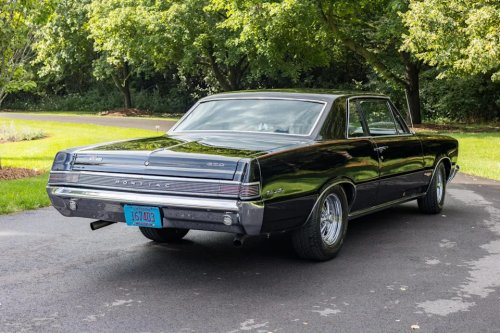
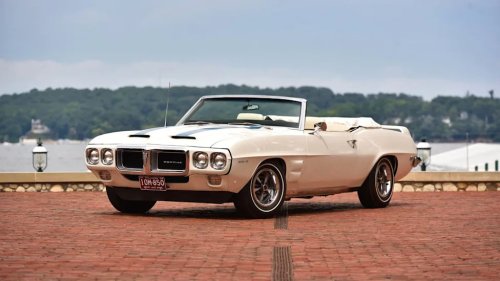
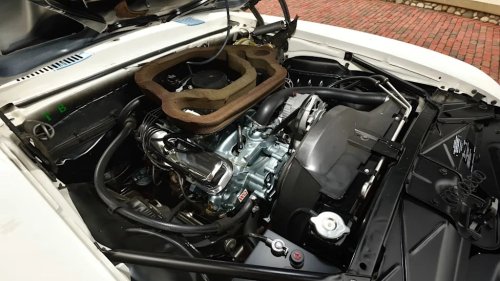
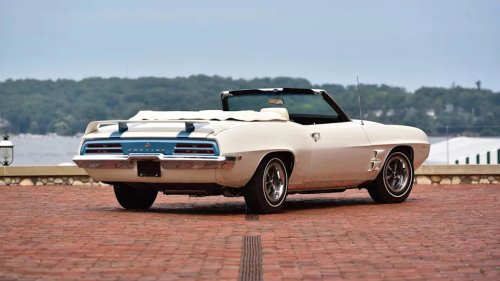
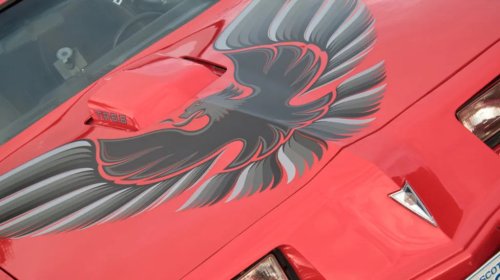
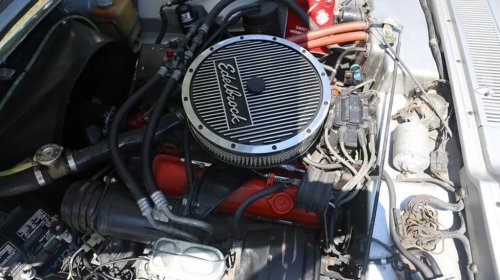
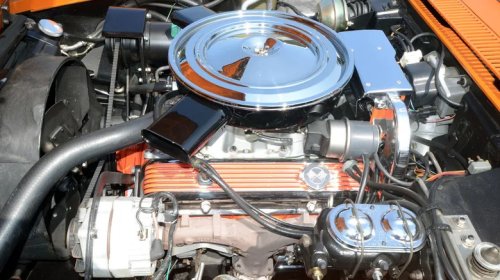
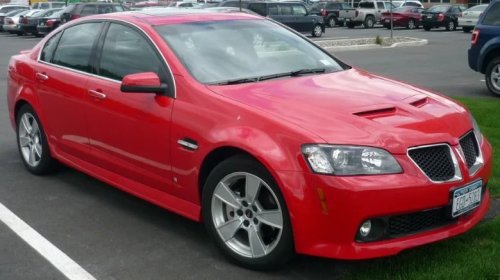
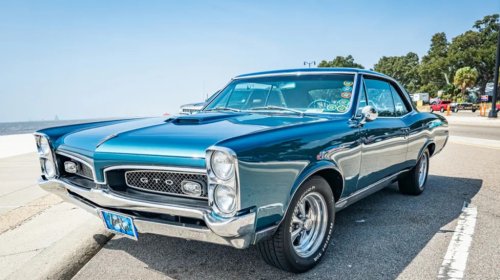
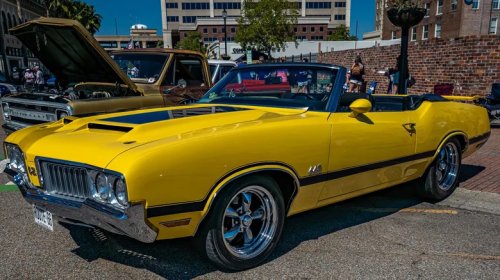
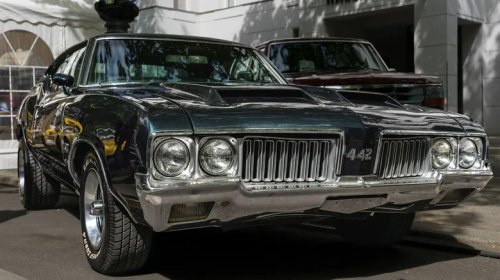
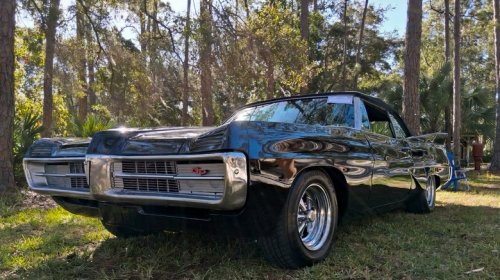
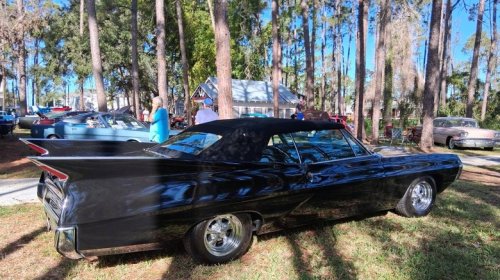
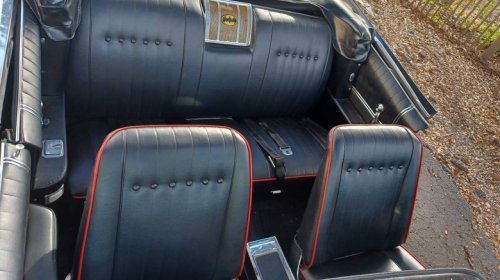
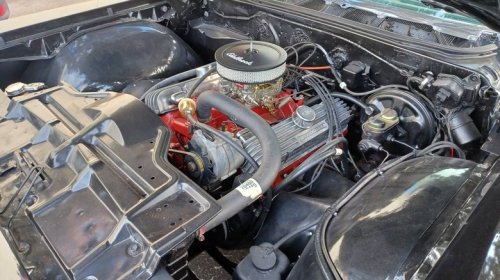
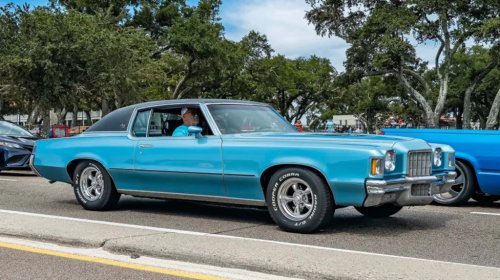
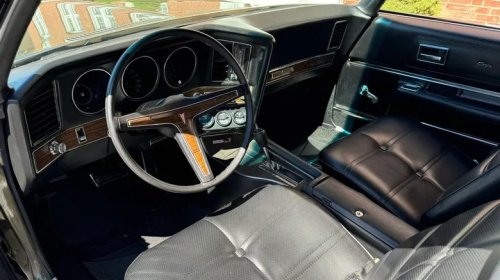
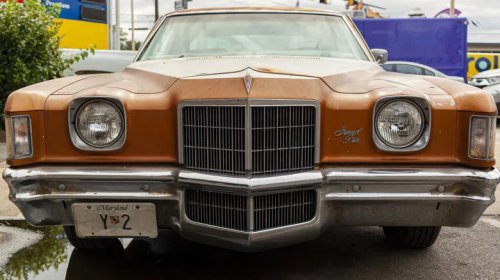
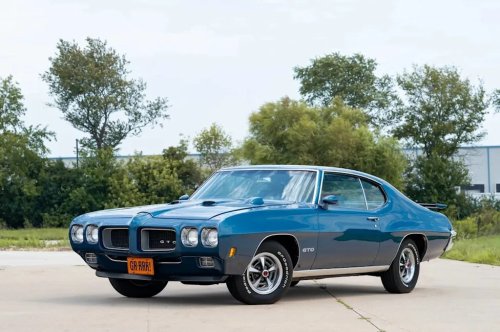
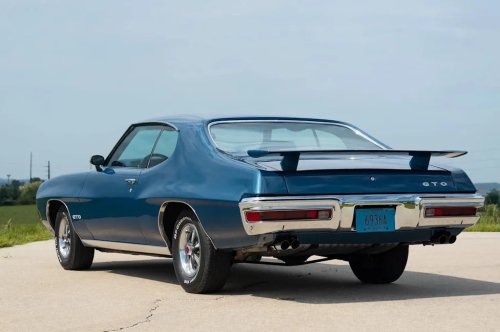
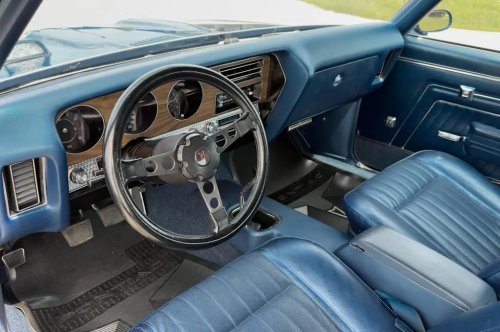
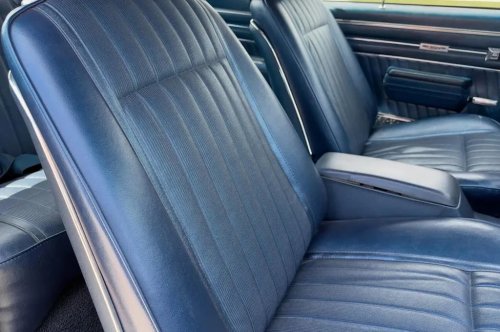
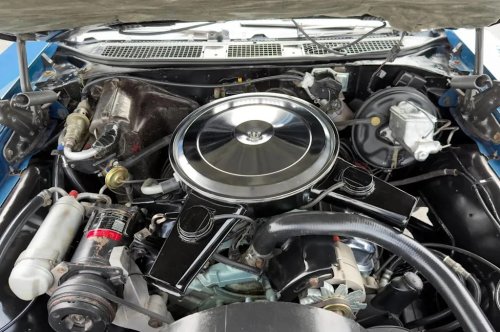
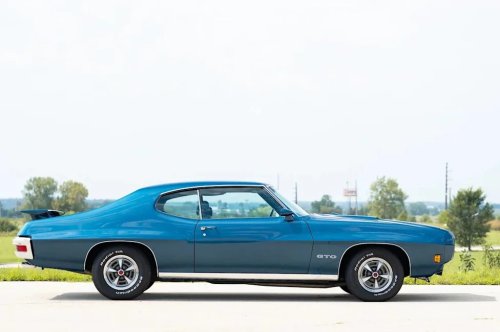
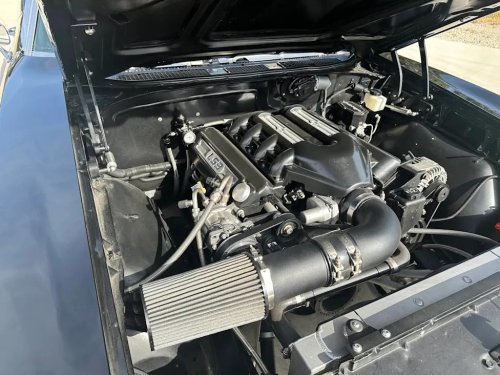
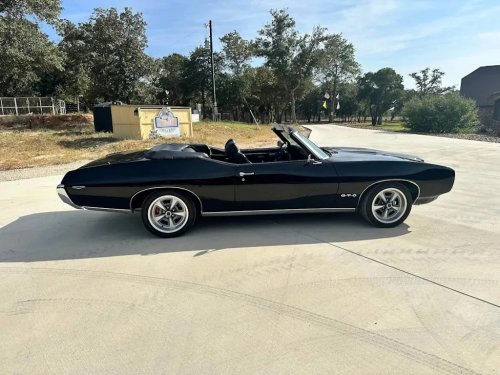
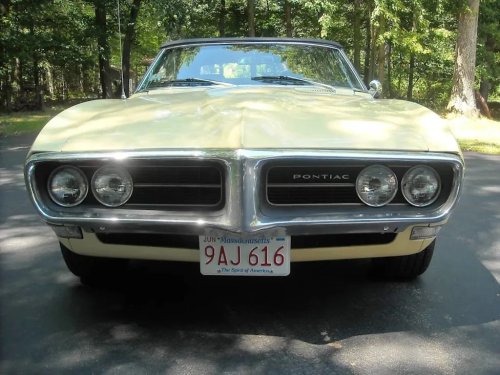
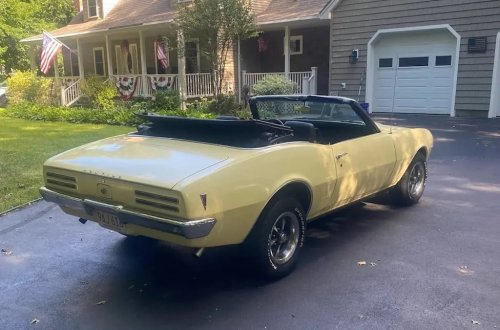
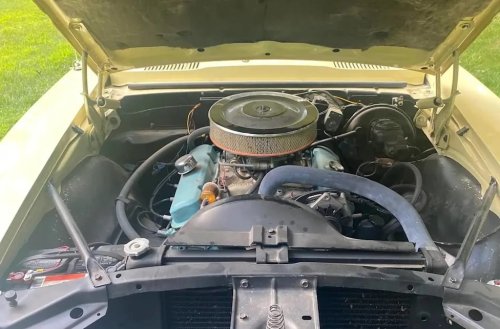
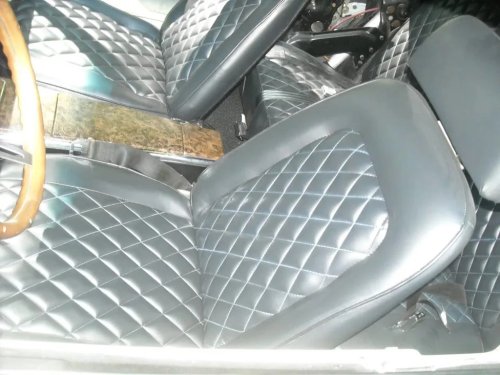
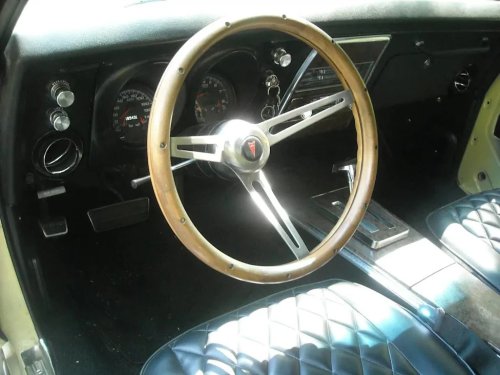
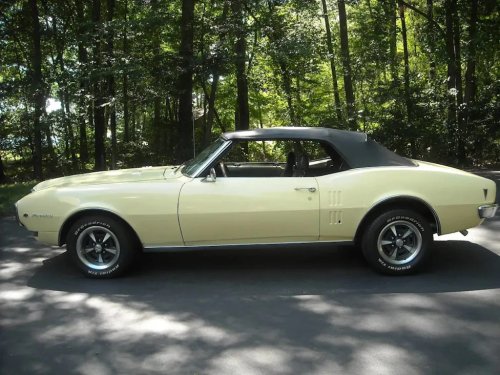
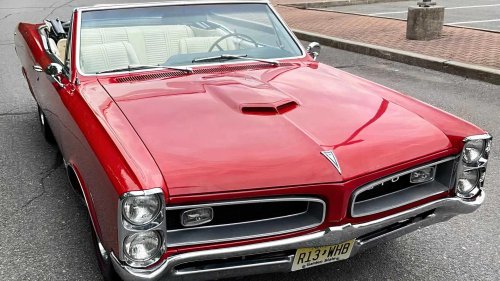
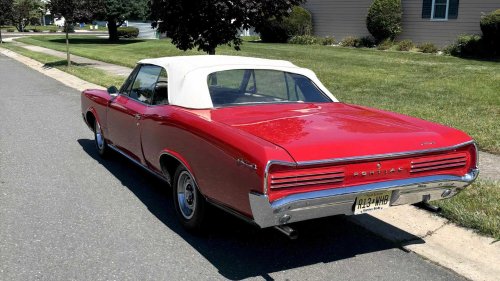
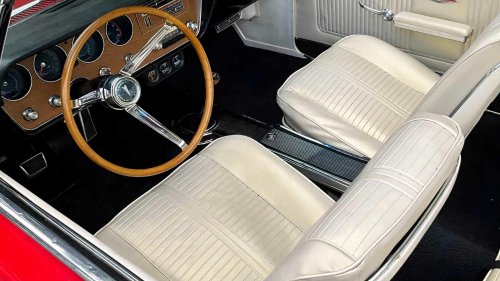
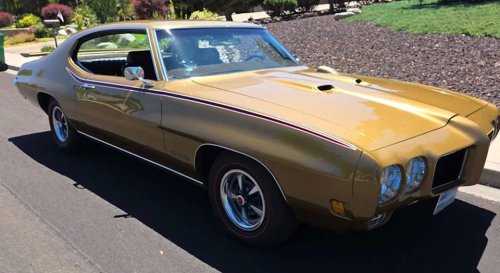
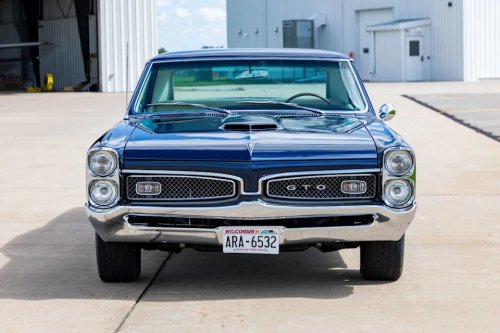
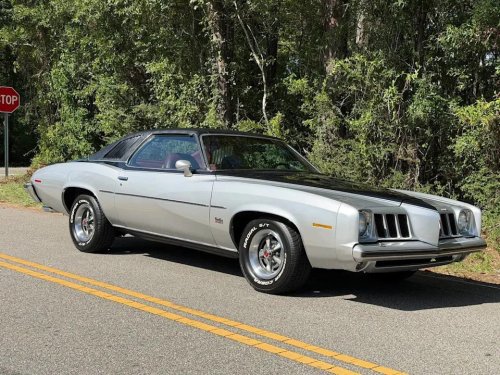
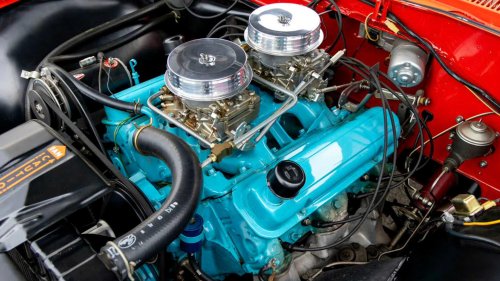
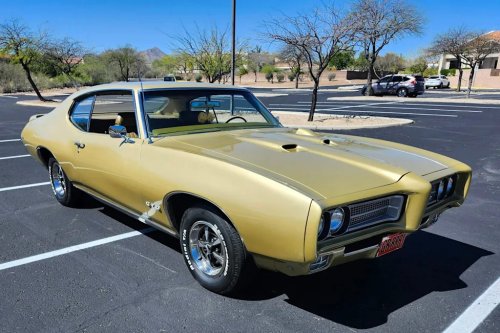
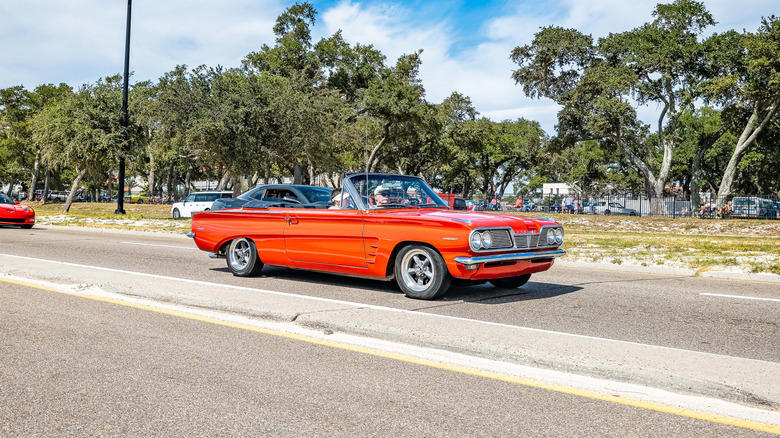
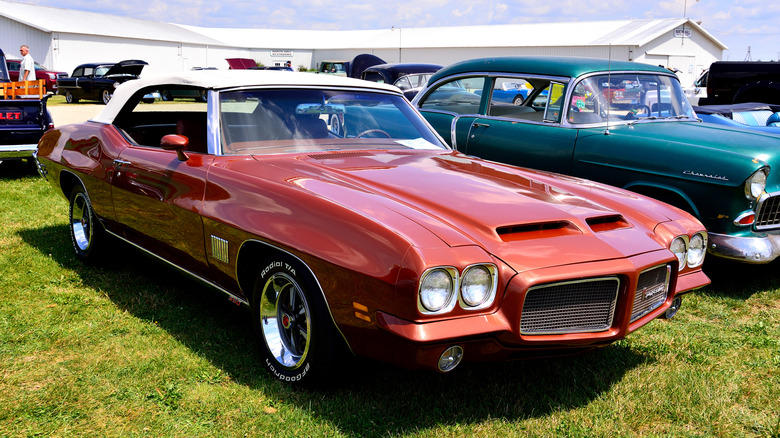
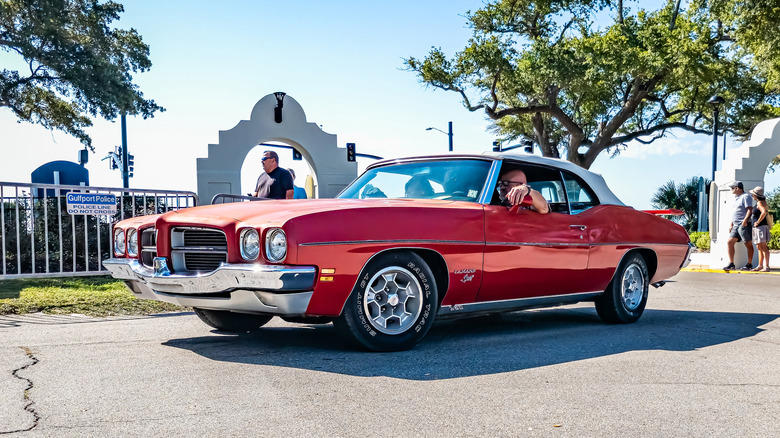
LeMans would reign for three long decadesThe first LeMans appeared in 1961, debuting a line of vehicles that would rank among the best for decades. The first and the second LeMans variants were trims of the Pontiac Tempest, with the third breaking the norm and becoming its own model. The 1961 LeMans featured either a 215-cubic-inch V8, a 326-cubic-inch V8, or a 194.5-cubic-inch, two or four-barrel carburetor, inline-four 'Trophy 4' engine. The V8s produced between 190 and 260 horsepower, respectively. Meanwhile, the Trophy 4's horsepower and torque came in three variations, determined by the engine's compression ratio and the number of carburetor barrels available. The highest power was 166 hp at a 10.25:1 compression ratio and four barrels. Next was 140 horsepower at the same compression ratio but with two carburetor barrels, while the last was 115 horsepower at an 8.6:1 compression ratio and two barrels.Pontiac debuted the next entry a year later, presenting yet another vehicle that had more than a single option for its engine. Many praised the car for its design, a two-door coupe that had a convertible option. In terms of the vehicle's engine, both the 194.5 Trophy 4 and 215 V8 engines made a return. While the Trophy 4 retained its varied horsepower, the 215's four-carburetor version could produce 185 horsepower. The 1963 model offered the Trophy 4 and a 326-cubic-inch V8 as engine options. The Trophy 4 retained the horsepower once more, while the V8 boasted 260 horsepower. Pontiac would introduce a four-barrel High Output version of the motor rated at 355 horsepower later that model year. Interestingly enough, the company would also make six LeMans that year, all of which featured a 421 V8 engine. Introducing the 250-cubic-inch six-cylinder engine1968 brought a new generation, featuring vehicles with an all-new rear-end design, concealed windshield wipers, and an expanded morrokide interior. However, what mattered was the vehicle's engine. Luckily, Pontiac wasn't slacking. It had redone the 230 motor into a 250-cubic-inch six-cylinder engine. This new motor came in two versions. The first had a single-barrel carburetor and was rated at 175 horsepower. The second had four barrels and was only available in the Sprint trim of the LeMans. It could push out a respectable 215 horsepower, similar to the previous year's four-barrel motor. As improvements go, Pontiac didn't stop there. It replaced the long-standing 326 V8 engine with a 350-cubic-inch V8 available in either a 320-horsepower four-barrel High Output version or a 265-horsepower two-barrel version. In 1969, Pontiac presented the 250-cubic-inch six-cylinder and 350-cubic-inch V8. Both engines had a standard and a high-compression version, with the standard 250 having a single-barrel carburetor configuration and pushing out 175 horsepower, and its high-compression variant, with four barrels, could make 230 horsepower. The V8's standard 350, with a two-barrel carburetor, made 265 horsepower, while its four-barrel counterpart was rated at 330 horsepower. The 1970 LeMans offered either a 250 cubic-inch straight-six engine worth 155 horsepower or an option for three V8s: a 350-cubic-inch rated at 225 horsepower, a two-barrel 400 worth 265 horsepower, and a four-barrel 400 capable of 330 horsepower. In 1971, a number of LeMans variants were available to purchase. Their engines included an overhead six-cylinder 250-cubic-inch motor rated at 145 horses, a new 455 four-barrel V8 worth 325 horsepower or its High Output big brother that produced 335 horsepower, and a 350 rated at 250 horsepower. There was also a 400-cubic-inch engine rated at 265-300 horsepower. The 250, 350, and 400 really stuck aroundThe last of the third generation came in 1972, a LeMans with a standard 250-cubic-inch, overhead, six-cylinder engine producing 110 horsepower. Other engines included a 160-horsepower, two-barrel 350 V8, a 175-horsepower, two-barrel 400 V8, a 200-horsepower, two-barrel, dual-exhaust 400 V8, a 220-horsepower four-barrel 455 V8, and a 300-horsepower, four-barrel, High Output 455 V8.The fourth generation of LeMans arrived in 1973, with Pontiac bringing back the previous year's engines like the 250, 350, and 455. The automaker did the same with the 1974 LeMans, although the 350 V8 could now enjoy the four-barrel treatment. The same engines, save for the 455, would carry forward to the 1975 LeMans as well. All the engines, alongside the 455 V8, would make another return in the 1976 models, with the 455 featuring as an option for the LeMans Safari and Grand LeMans Safari. In 1977, Pontiac would release the final fourth-generation LeMans models. This year saw some new entries under the hood, including a 301-cubic-inch V8 worth 135 brake horsepower and a 231-cubic-inch two-barrel, Buick V6 worth 105 horsepower. The 350 and 400 V8s also made a return.



















 +47 others