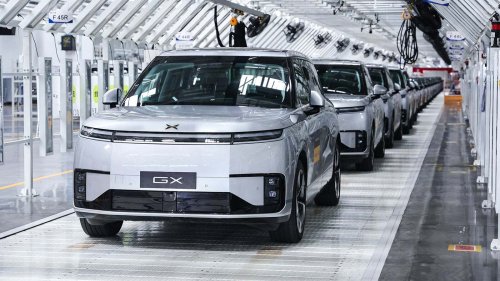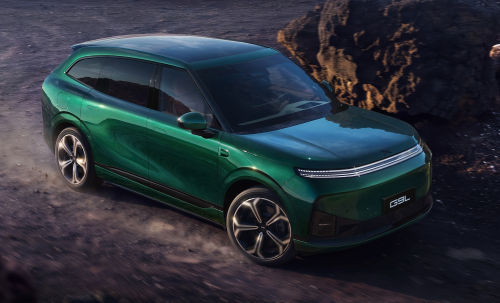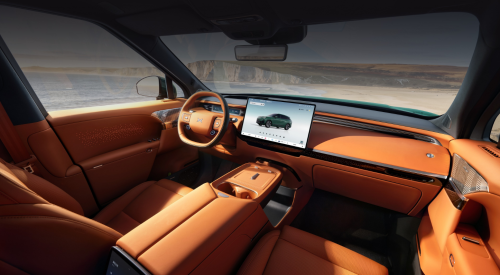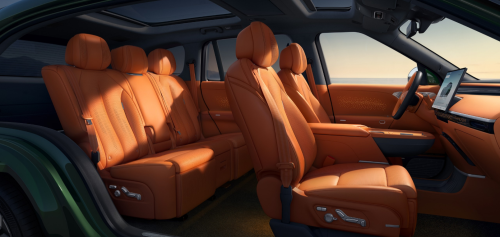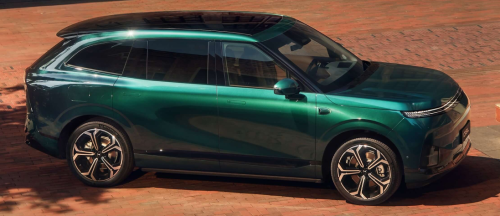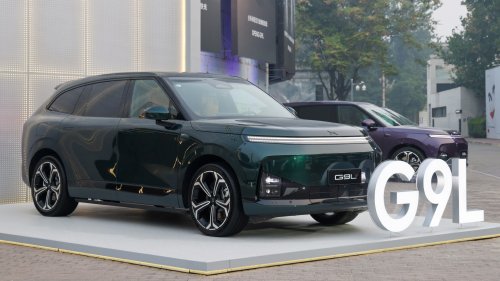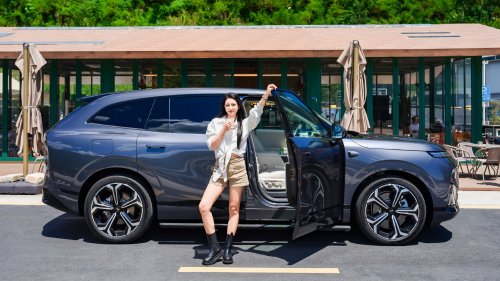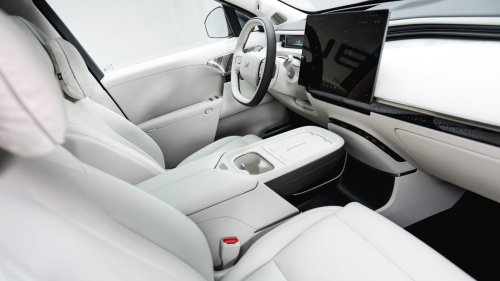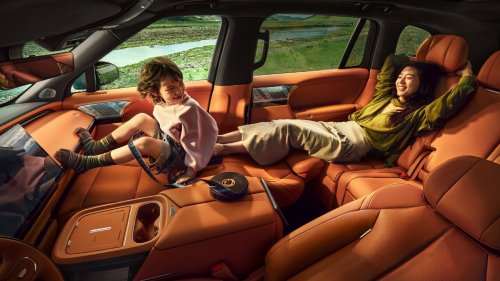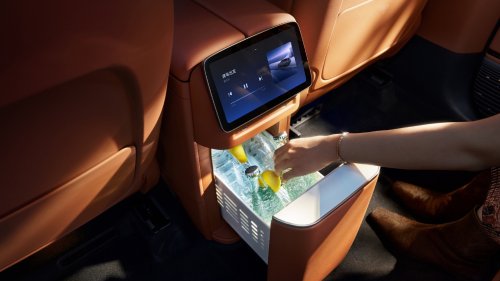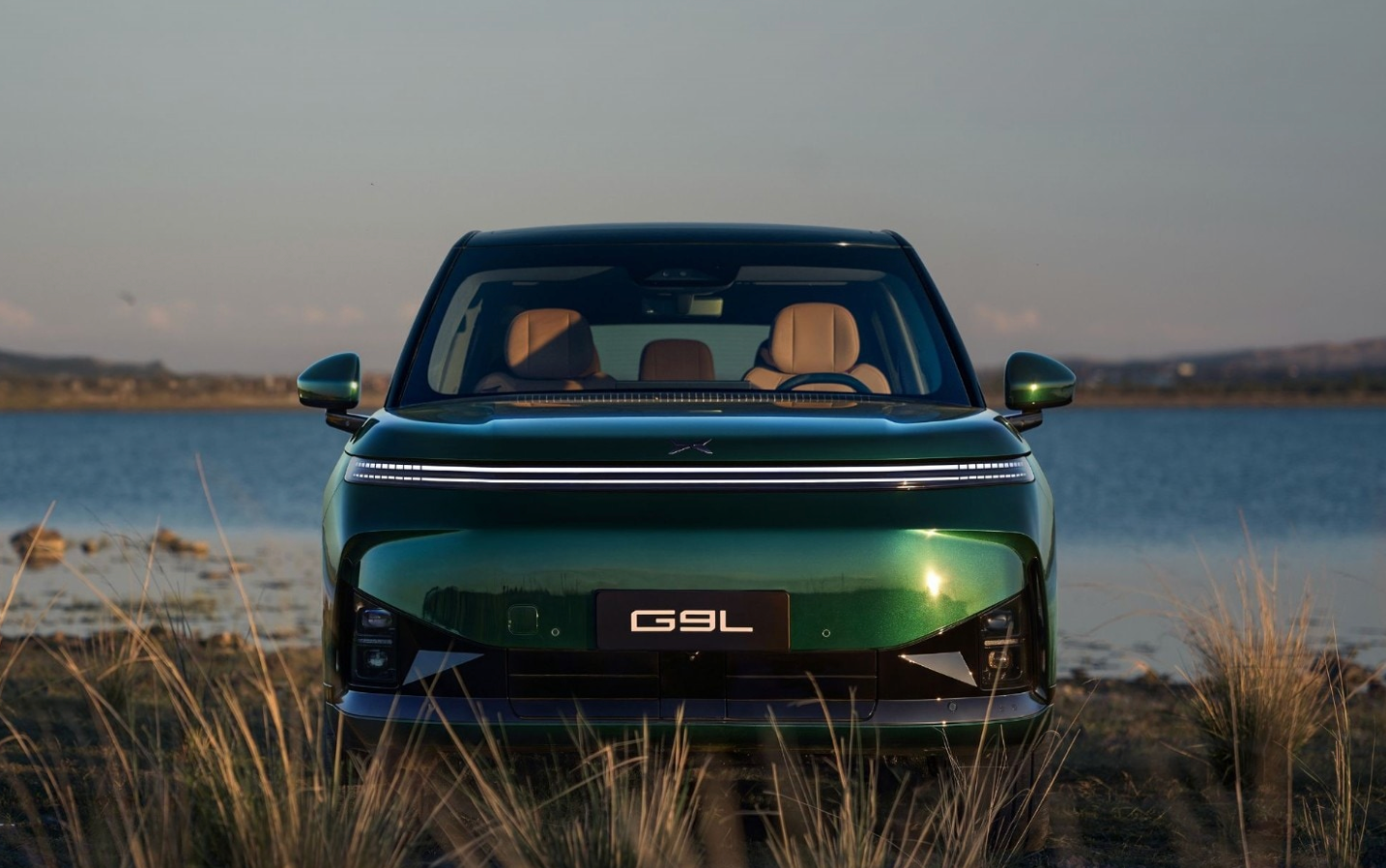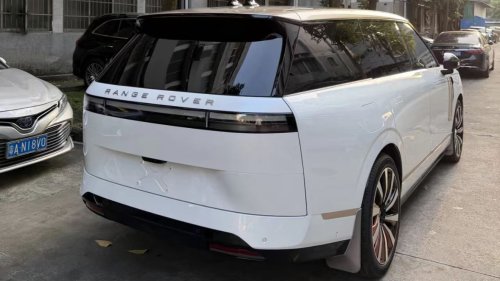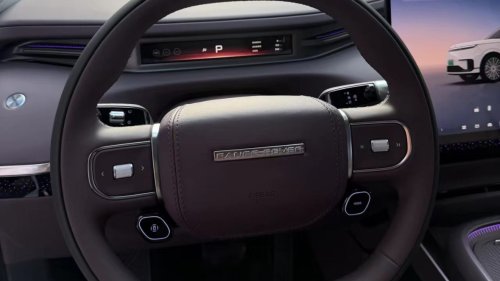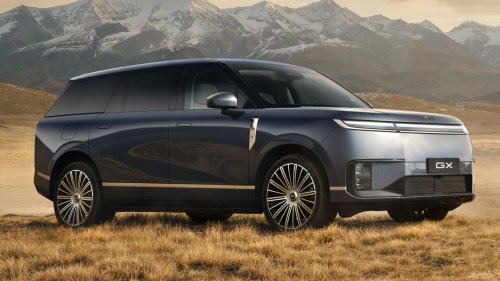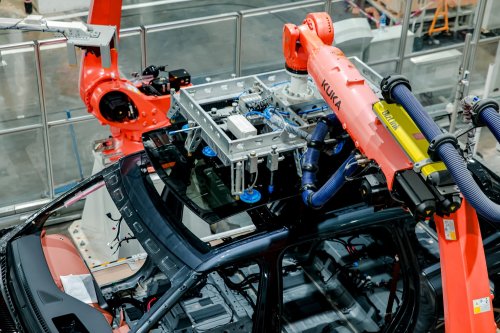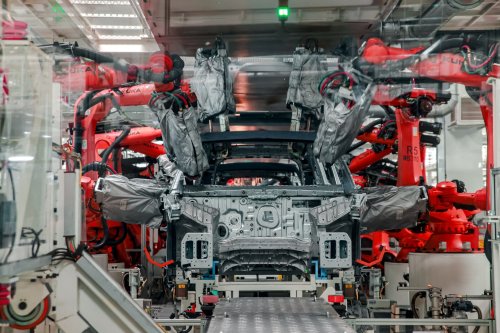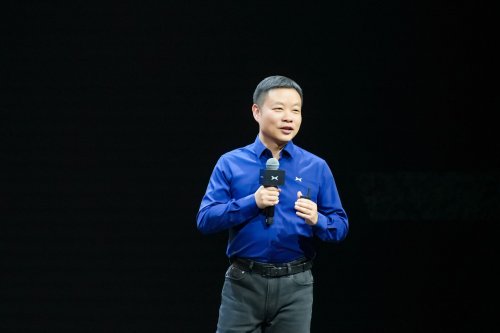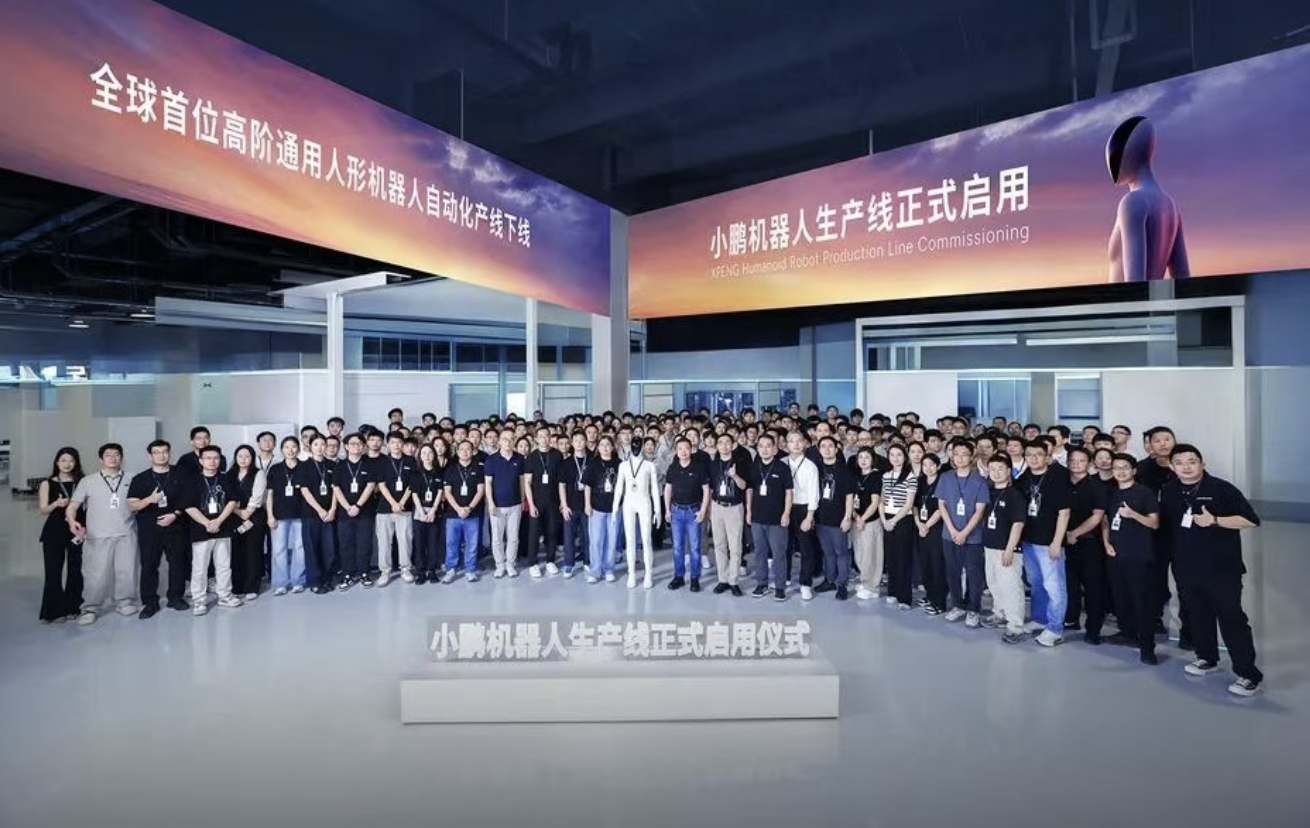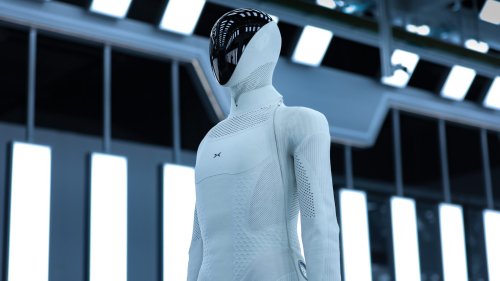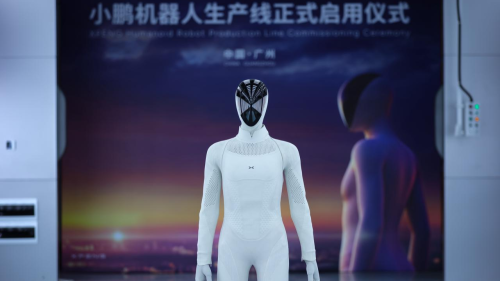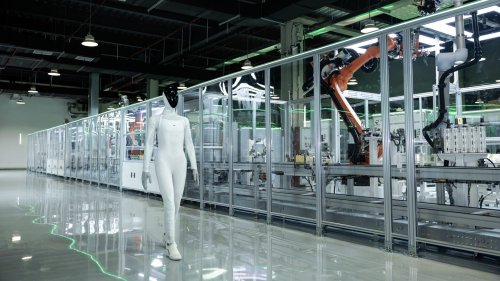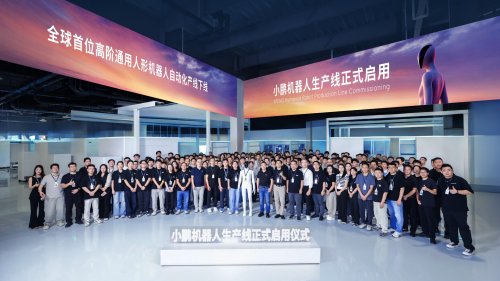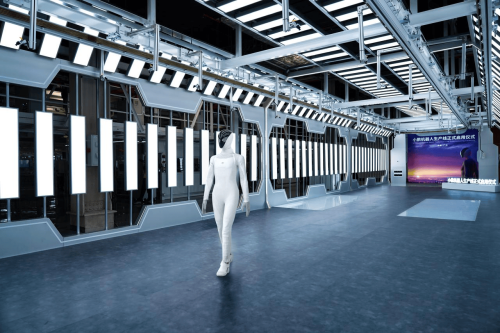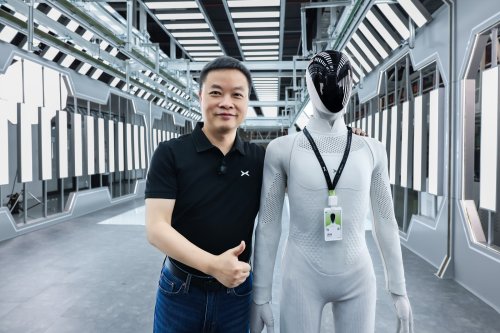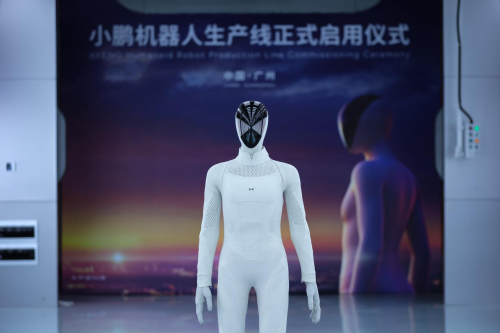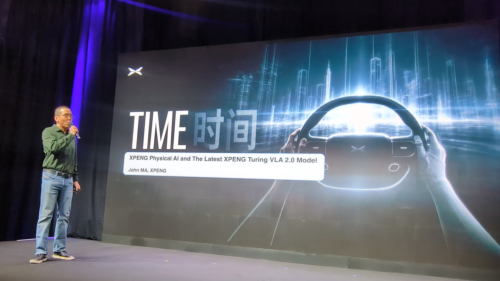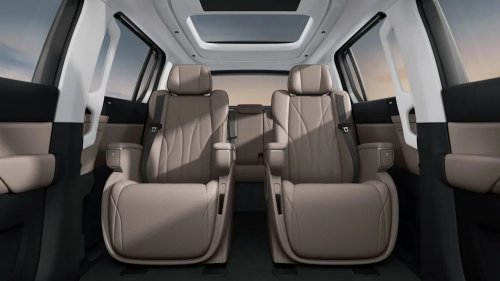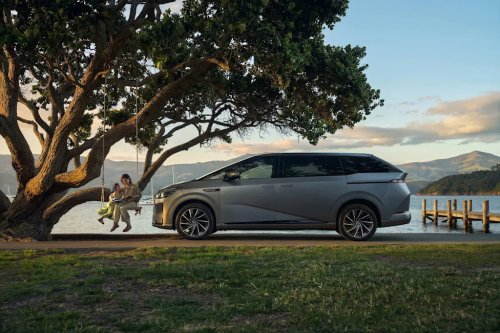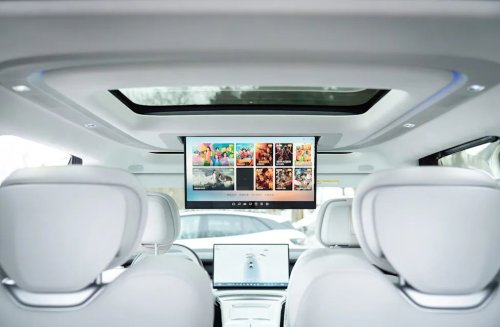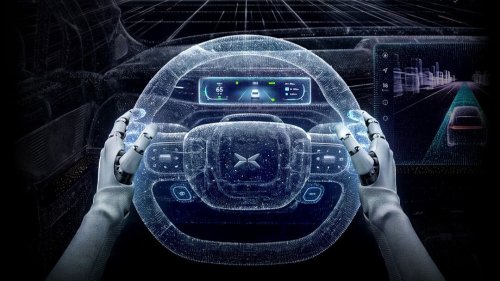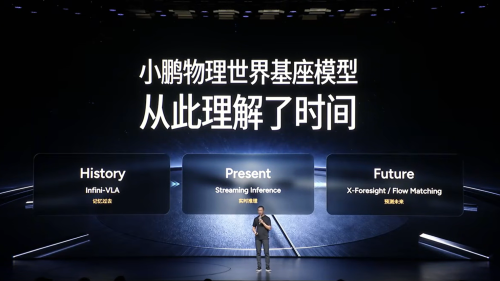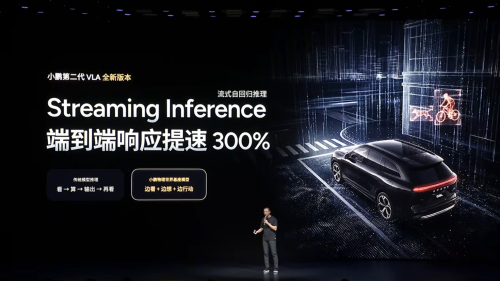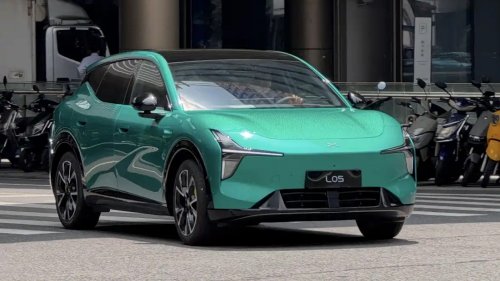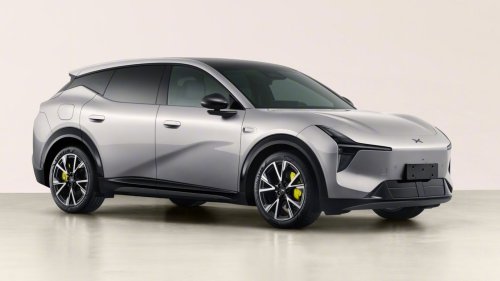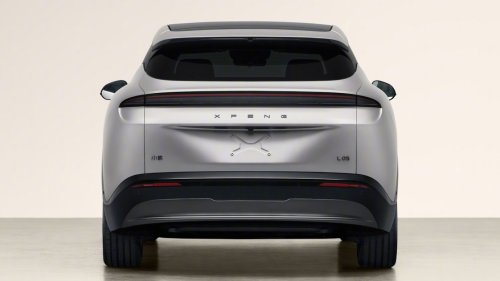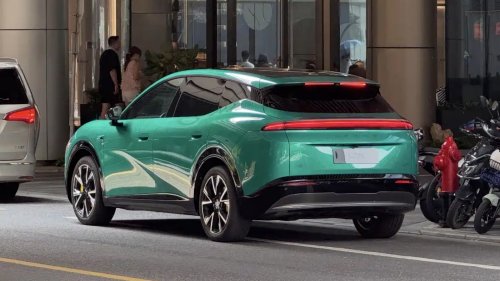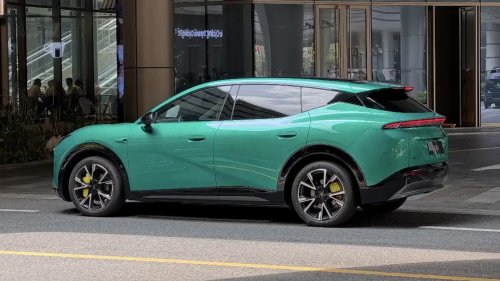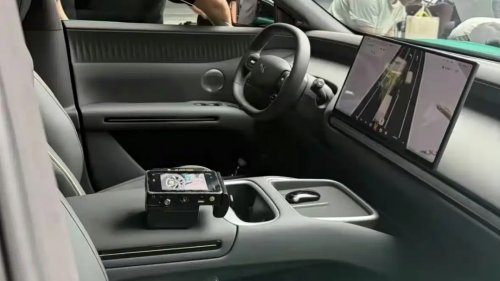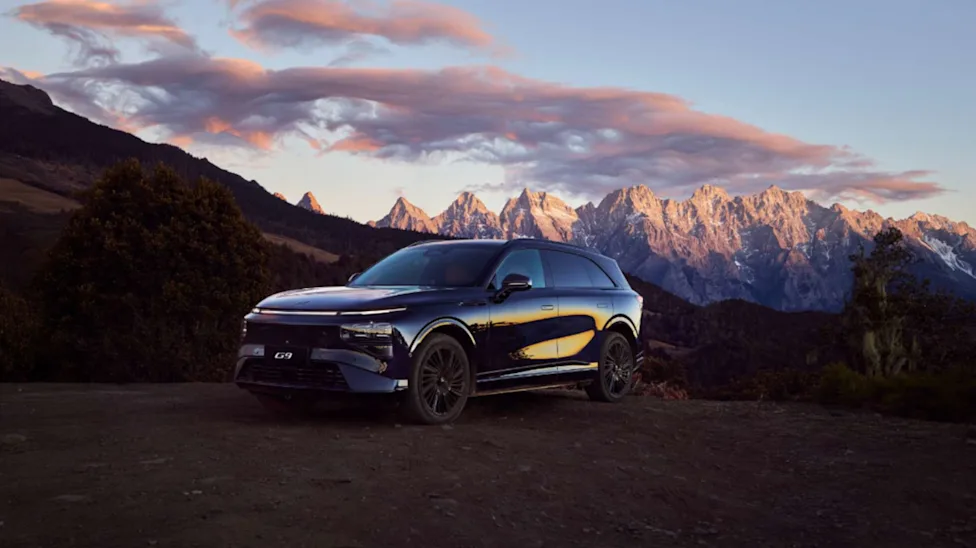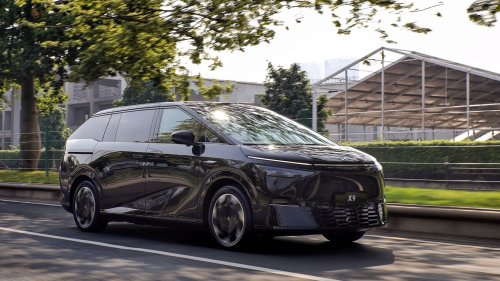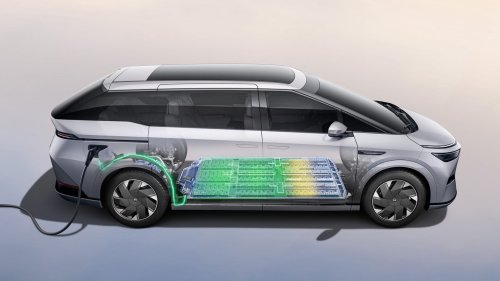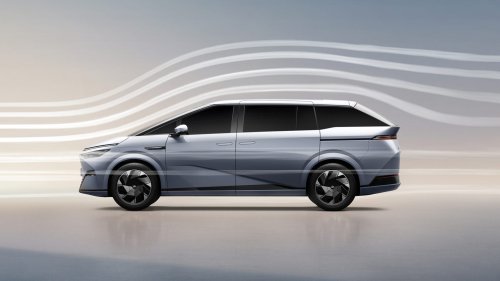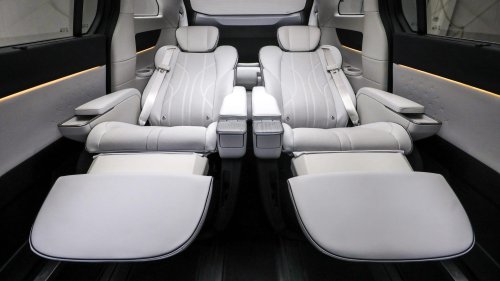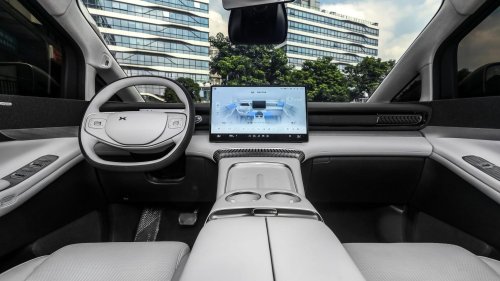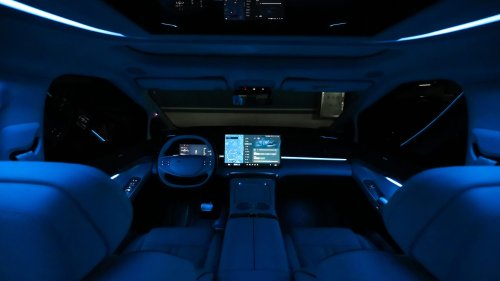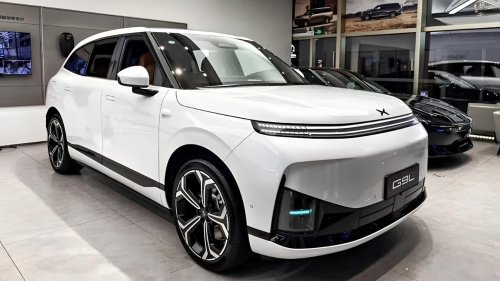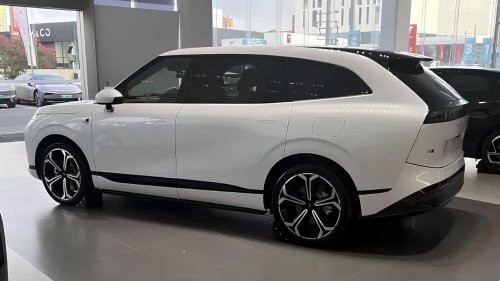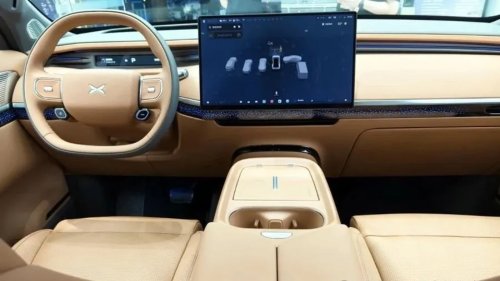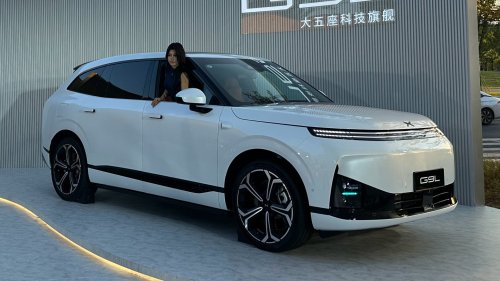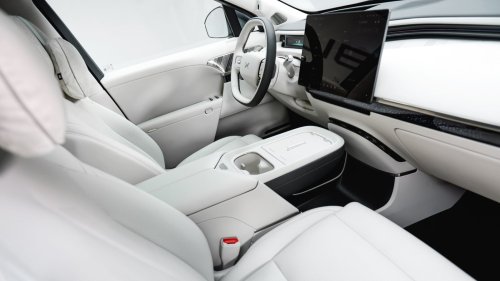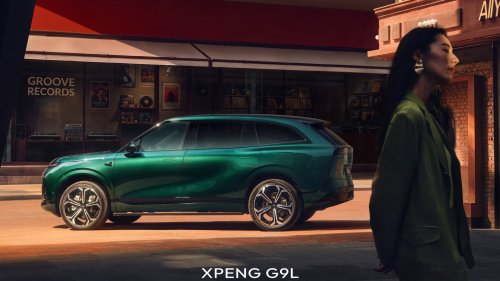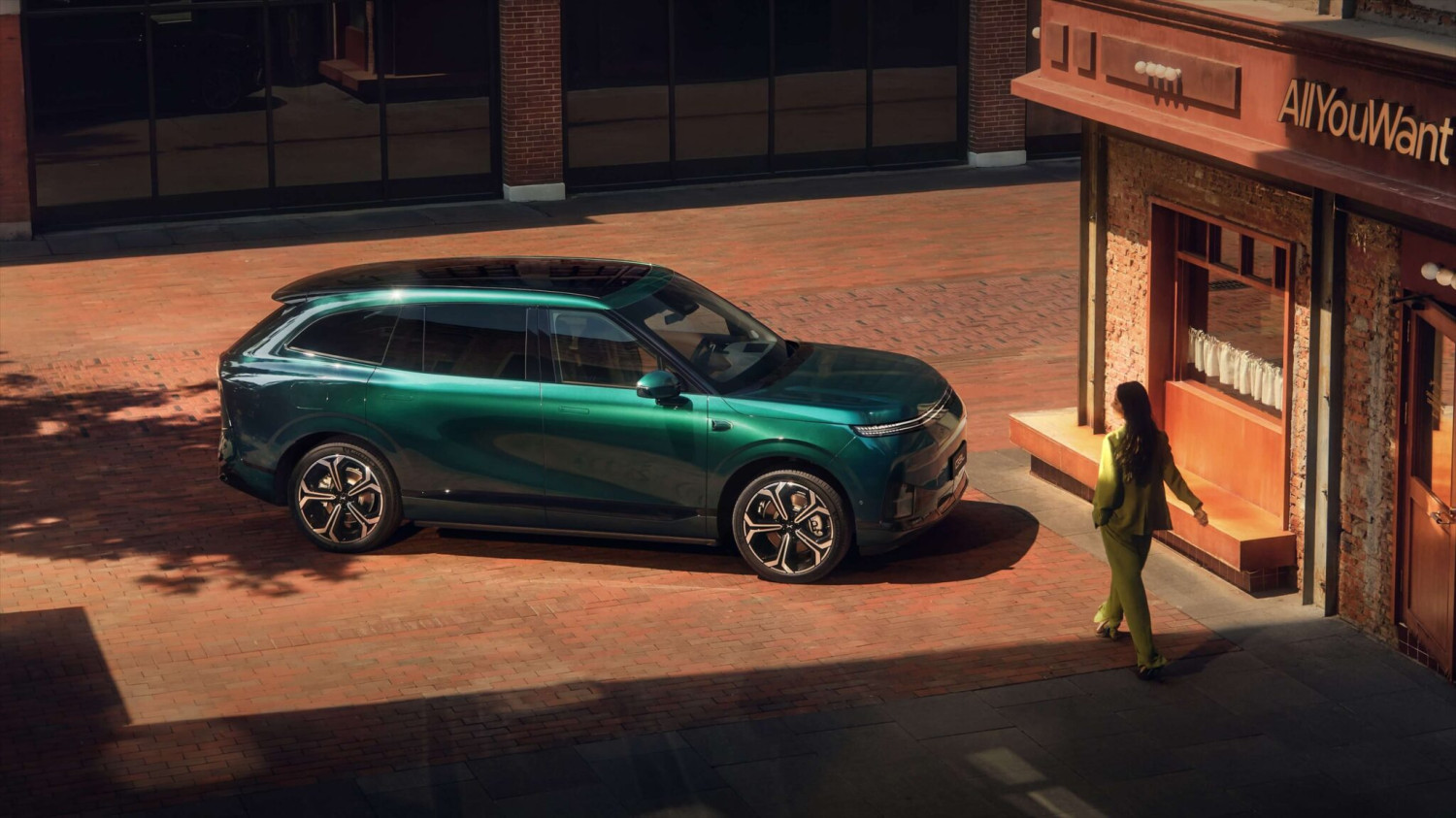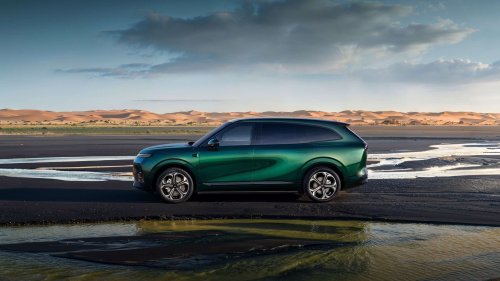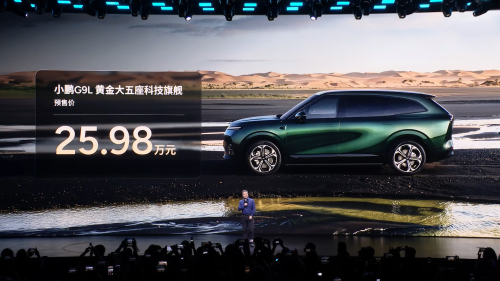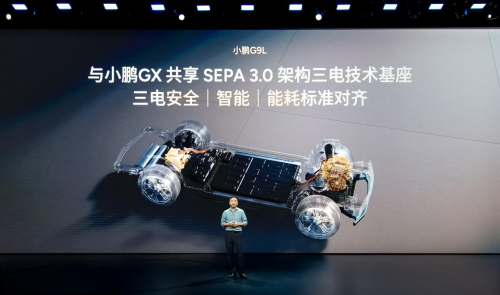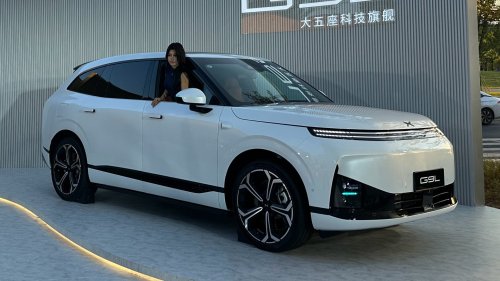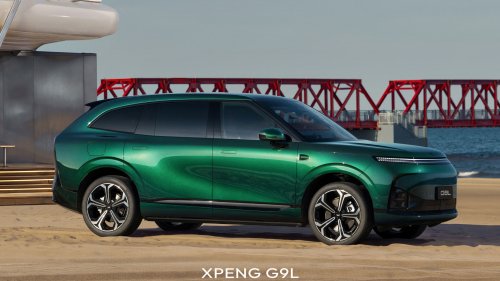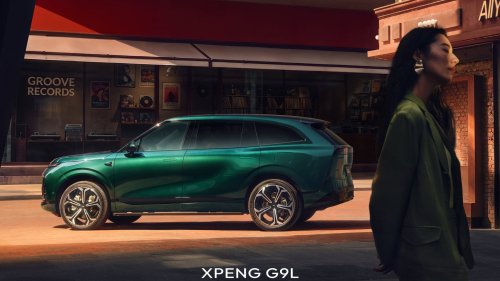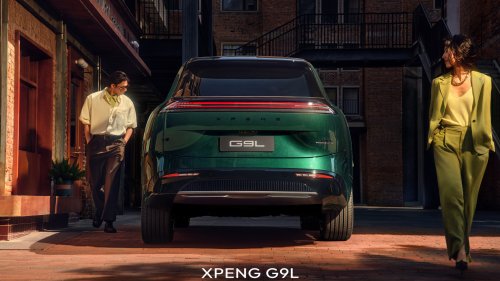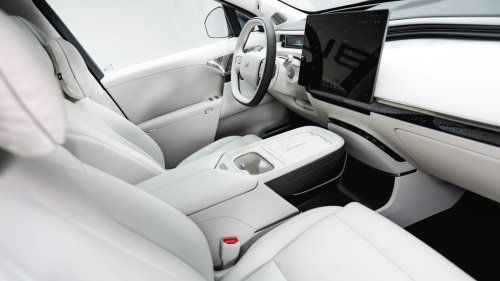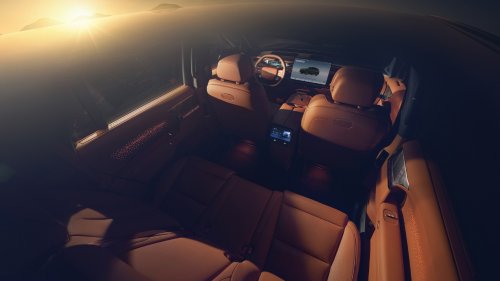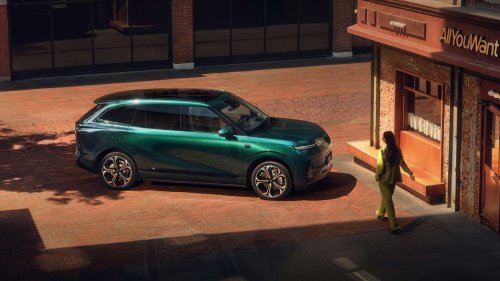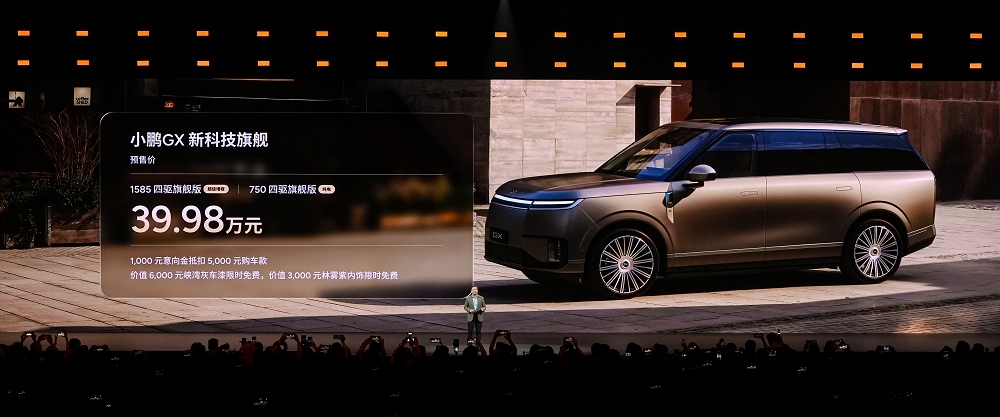
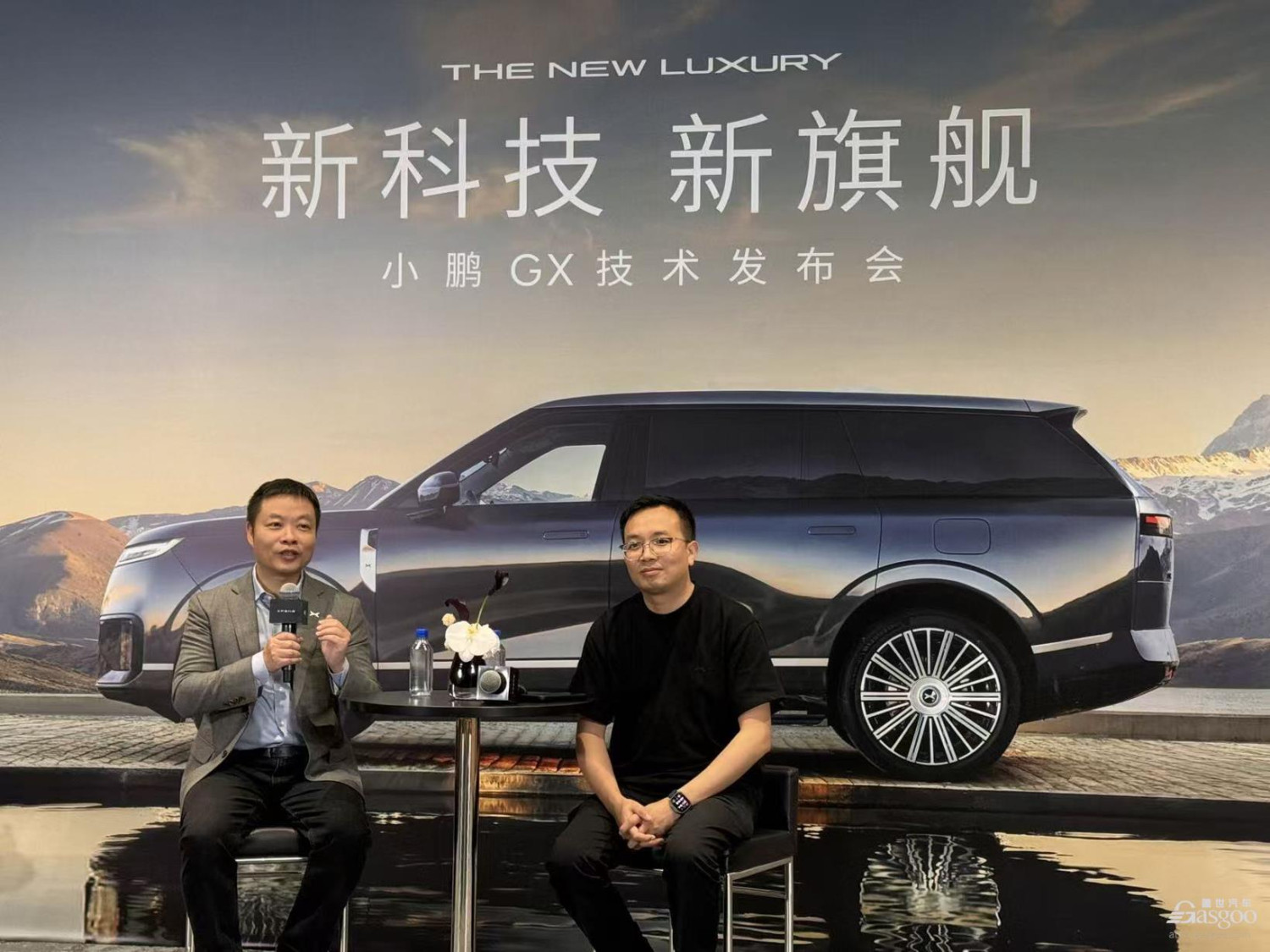
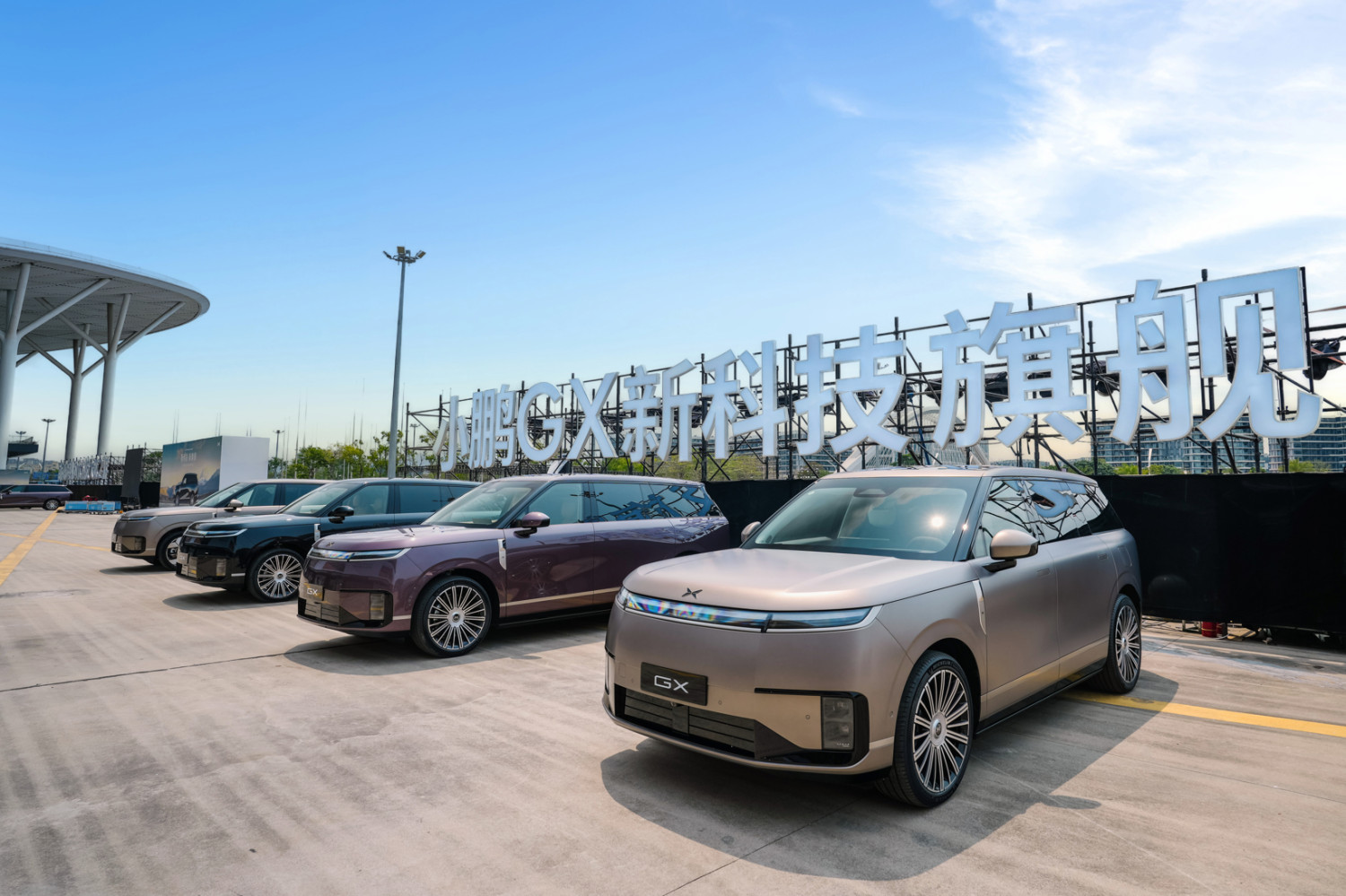



















Gasgoo Munich- When the pre-sale price of 399,800 yuan flashed across the screen on April 15, XPENG's technology presentation for the GX hit a pivotal moment. That figure signals the automaker's second attempt to anchor its brand in the 400,000-yuan premium segment.Image Source: XPENGLooking back to 2022, the G9's launch represented XPENG's first premium push. But tangled configurations and a disconnect with user expectations forced a "relaunch" adjustment. It was an expensive lesson for the company.Four years on, as the GX returns to assault this price bracket as a full-size flagship SUV, the landscape has shifted. The "NIO-XPENG-Li Auto" triopoly has dissolved into a "red ocean" crowded with more than 40 "Series 9" contenders.As technology democratizes and consumers grow more rational, the GX cannot break through on size and specs alone. So, what has actually changed this time for XPENG?From "Feature Lists" to "Underlying Architecture"At a media roundtable following the event, XPENG Chairman and CEO He Xiaopeng and General Manager of Platform Product Matrix Wu Anfei faced the press head-on. Asked about the market's cutthroat competition—where rivals battle over refrigerators, TVs, and plush seats—they were challenged: what is left to compete on?He's response was direct: he believes competition focused on quality and safety has value. But in the deeper discussion that followed, he revealed the GX's true "ace"—steer-by-wire technology and full-domain redundancy.Past battles were fought over "visible" luxury. The GX's war is one of "invisible" underlying reconstruction.Wu disclosed that the GX features an industry-leading steer-by-wire system, giving this 5.2-meter giant a turning radius smaller than an A0-segment city car (5.4 meters). But this is not just about agility; He elevates it to the level of "physical AI.""Others brake in 350 milliseconds and steer in 270; we do 150 and 120," he noted. This millisecond-level compression in latency is not achieved by simply piling on hardware, but through a fully self-developed steer-by-wire chassis and a unified communication network. That is the core generational gap between the GX and both its predecessors and its competitors.Even more noteworthy is the logic behind the "six-fold full-domain safety redundancy." He made a pragmatic trade-off during the interview: the GX does not blindly load consumers with every piece of L4-grade hardware. He reserved "computing redundancy" for Robotaxis, while equipping the car with safety redundancies in braking, steering, communication, and unlocking—features that offer direct value to retail customers.This tiered approach signals XPENG's maturation. If the G9's premium push was an attempt to cover "technology costs" with "brand premium," the GX has learned to use "precise definition" to filter for the technology users actually need. As BOCOM International noted in a report, the GX builds an L4-ready hardware foundation—but one grounded in commercial rationality.From "Hardware Integration" to "AI-Driven"One label repeatedly attached to the GX during the launch was "AI New Luxury." In the group interview, He detailed the thinking revolution behind that definition."In the past, our approach to carmaking was defined by customer thinking and hardware thinking," He admitted. "Starting this year, we are focusing more on how AI drives hardware evolution."This is a subtle but crucial paradigm shift. Traditional carmaking logic dictates: chassis first, then body, then squeeze in the intelligent systems—the "ICE-to-EV" conversion mindset. The GX's logic reverses that.XPENG defines the GX as the debut model for its SEPA 3.0 architecture. The core feature of this architecture is treating the automobile as an "embodied AI agent"—sharing the same lineage as its flying cars and the IRON humanoid robot. This means the vehicle's powertrain, chassis, and steering systems were designed from the ground up to be controlled by AI.This was confirmed during the media Q&A. Addressing the industry controversy over "skipping L3," He reiterated the path of "leaping directly from L2 to L4." His logic: L3-level human-machine co-driving suffers from inherent flaws in liability ambiguity and fragmented experience, while true autonomous driving (L4) must abandon the assumption of "human takeover" from the very start of system design.Consequently, the GX's steer-by-wire chassis eliminates traditional mechanical connections. This is not merely to save space, but to allow AI to control the vehicle with the lowest possible latency and maximum precision. This "AI-native" design philosophy is what fundamentally distinguishes the GX from traditional luxury flagships.An Unburdened "Overwhelming Advantage"Asked why he dared to enter a market crowded with 40-plus large vehicles, He's answer betrayed a confidence that made the challenge seem light: "The GX is different from other flagship cars; it doesn't carry much baggage."This lack of baggage manifests in two ways.First is the extreme optimization of space. Wu noted that to achieve MPV-rivaling space with three rows that fold flat, the GX's design abandoned the "long nose" front hood and floor protrusions typical of large traditional SUVs. This "subtraction" was for a "gain"—returning that space to the user.Image Source: XPENGSecond is an overwhelming advantage driven by technology transfer. He made it clear that the GX is built upon the safety technology of flying cars and the embedded neural network capabilities of robots. This is effectively a "technology transfer": bringing higher-level technology (aviation, Robotaxi) down to the passenger vehicle sector to outclass competitors. For example, the "Forest Wind" AI air conditioner developed with Midea and privacy glass co-developed with Fuyao may seem like home appliance features, but they actually represent a reshaping of the cabin experience using top-tier cross-industry supply chain capabilities.Four years ago, the G9's premium push felt like an exercise in checking spec boxes. Four years later, the GX's debut is a declaration of technological sovereignty.In XPENG's narrative, the GX is no longer just a car. It is the culmination of a decade of accumulation in intelligent driving, chassis engineering, and AI—and the opening chapter for the coming era of global "physical AI." At a time when full-size SUVs are trapped in homogenous internal competition, the GX has chosen a harder path but one with a deeper moat: fighting an L2 battle with an L4 foundation.As He put it at the close of the interview: "XPENG moves upward; the GX leads the way." This time, the company is not merely trying to sell at a higher price point—it is trying to prove that Chinese automotive luxury can be built on irreplaceable underlying technology. That may be the GX's greatest lesson for the industry.