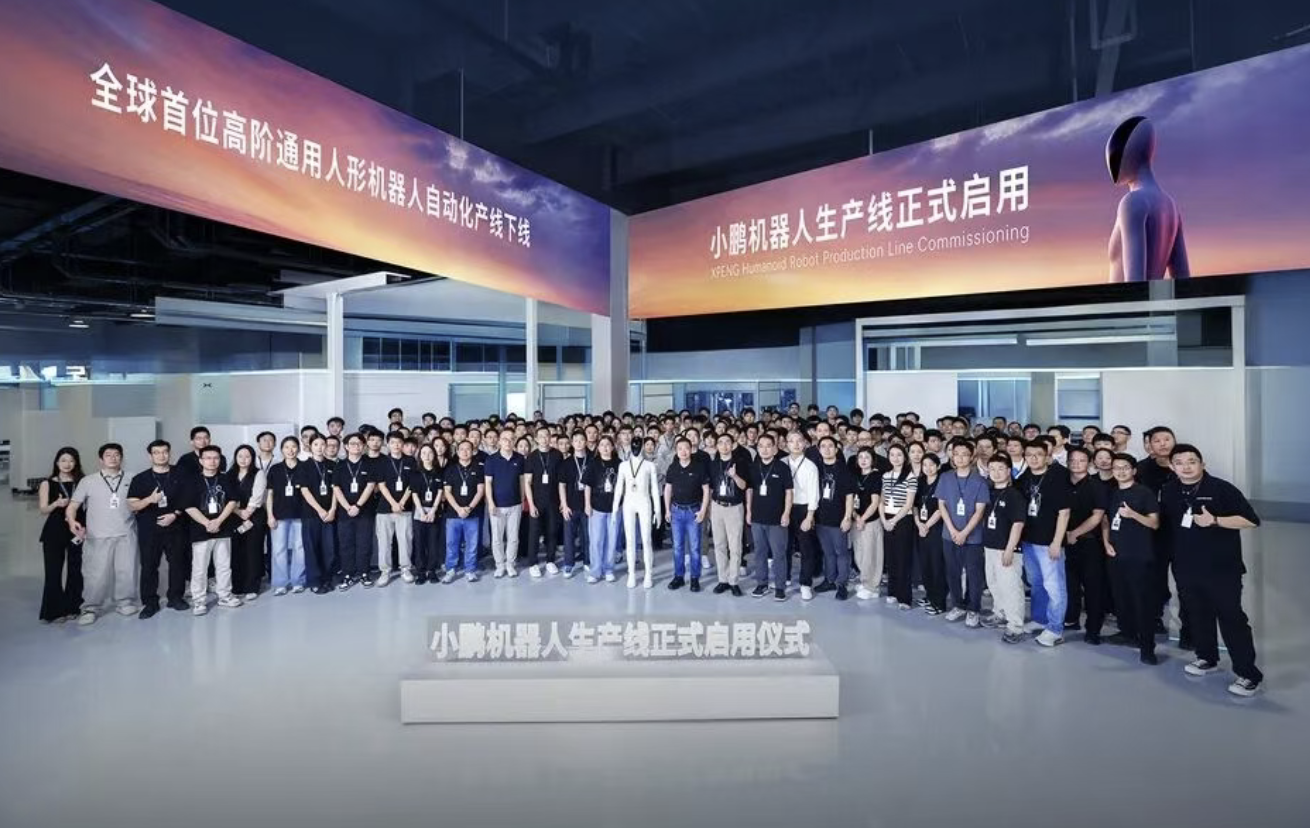
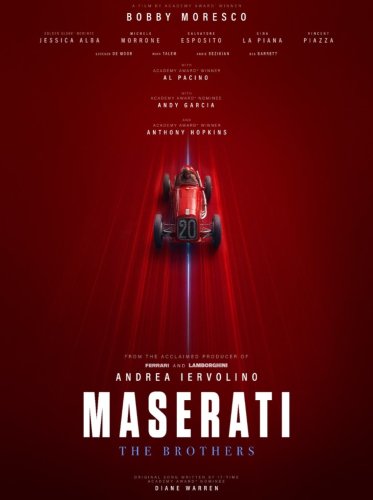
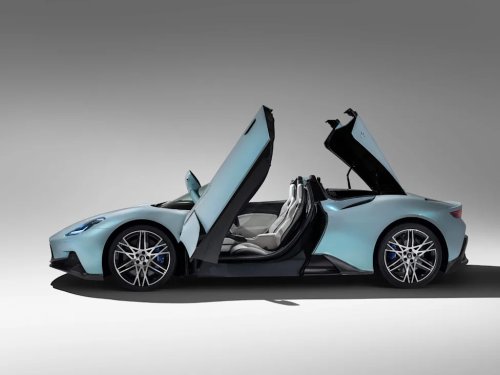
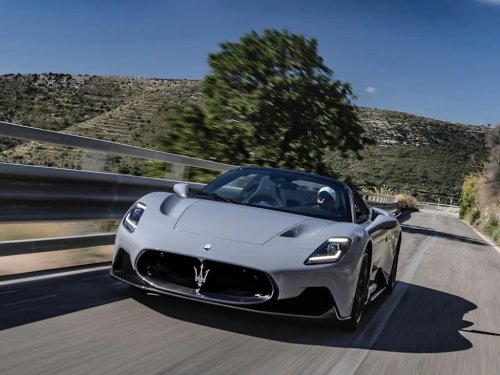
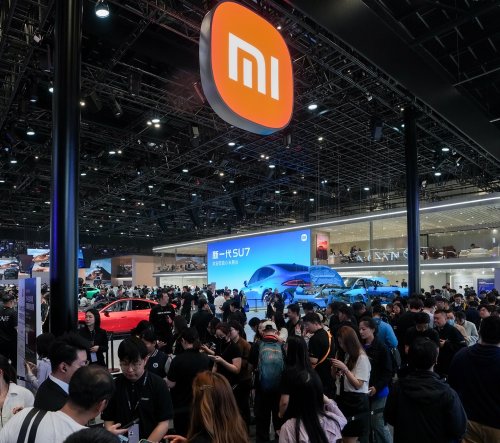
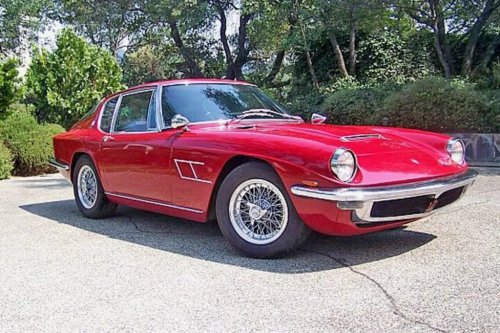
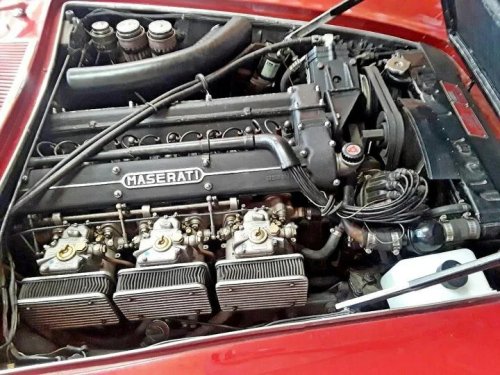
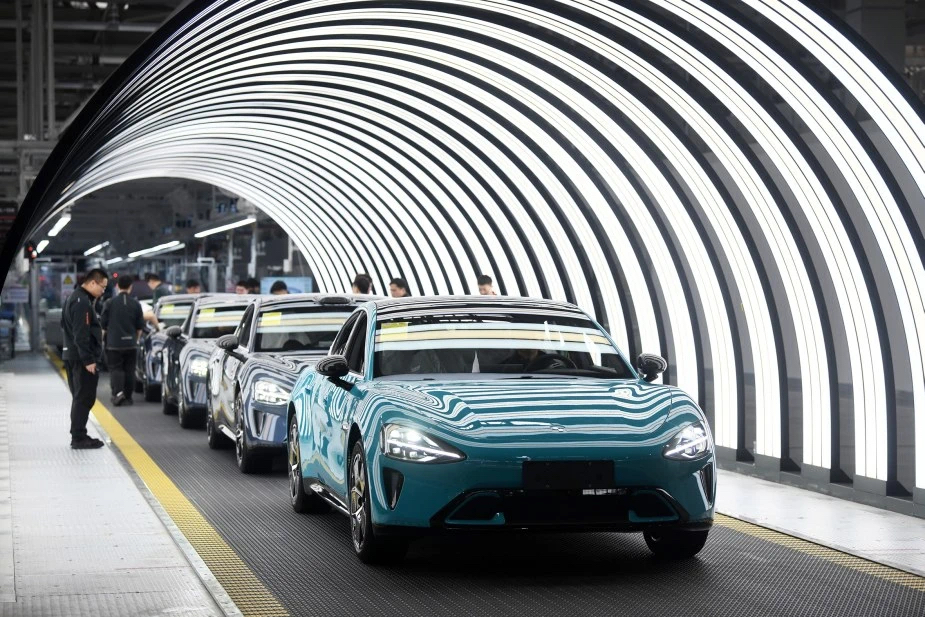
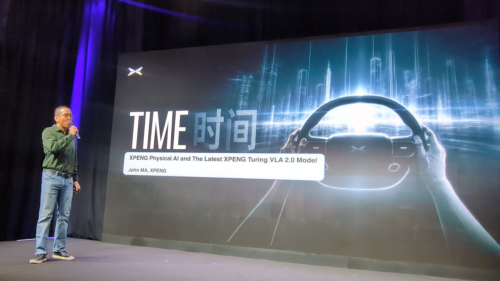
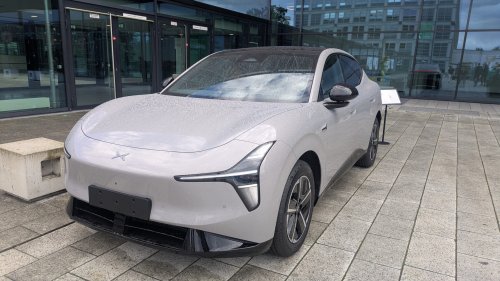
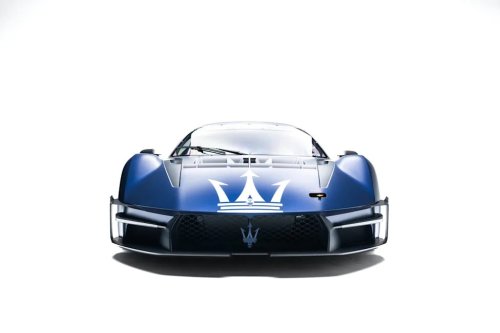
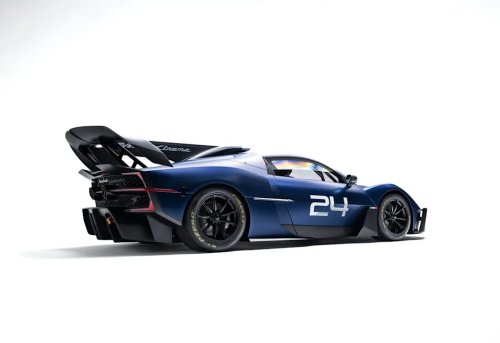
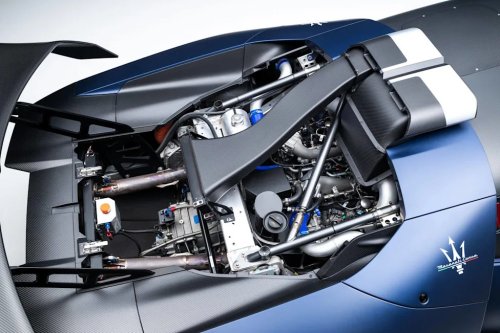
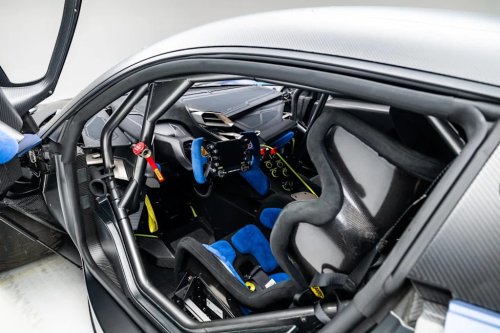
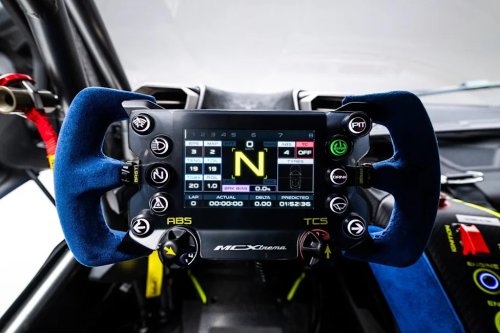
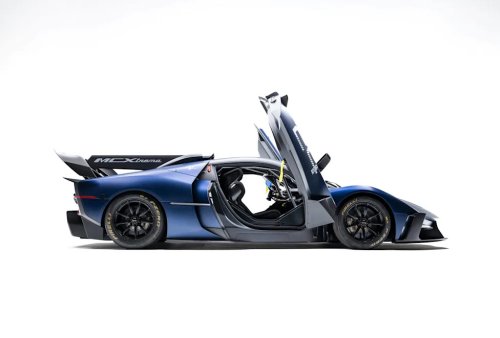
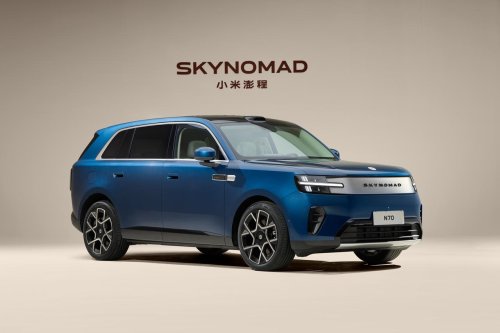
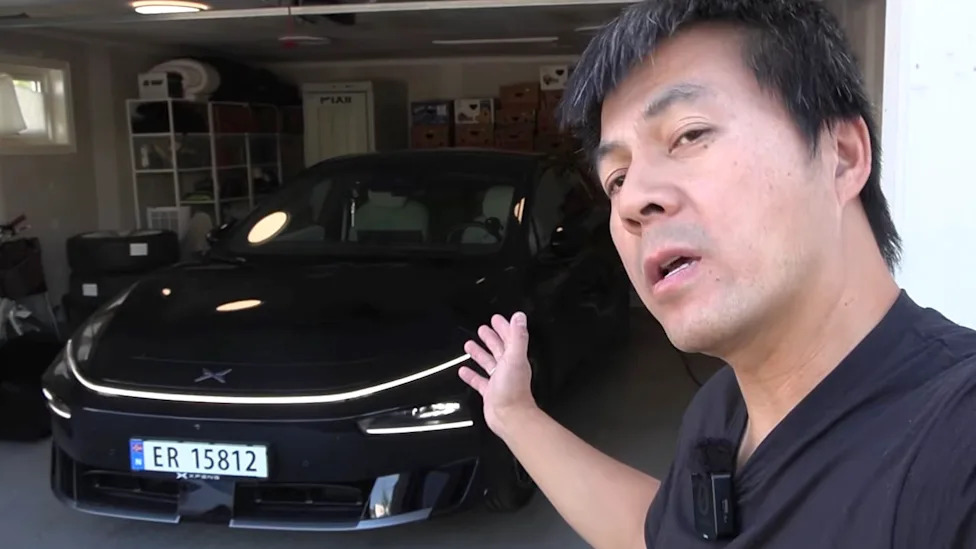
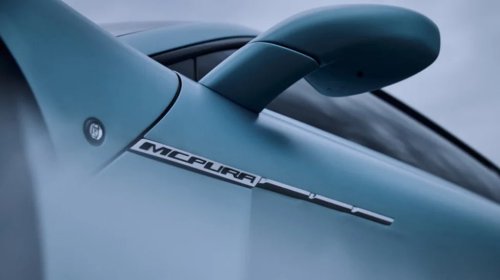
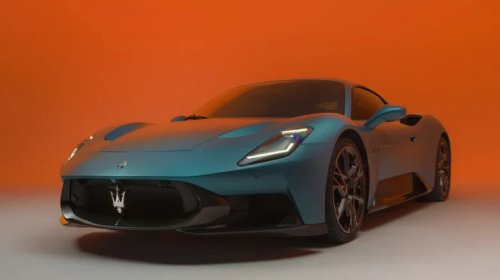
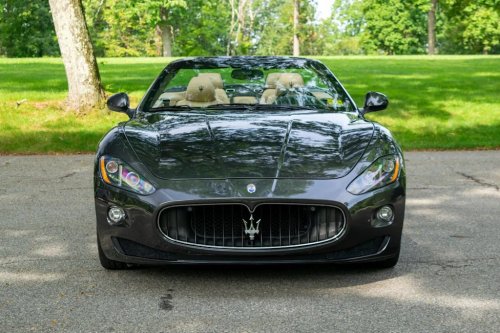
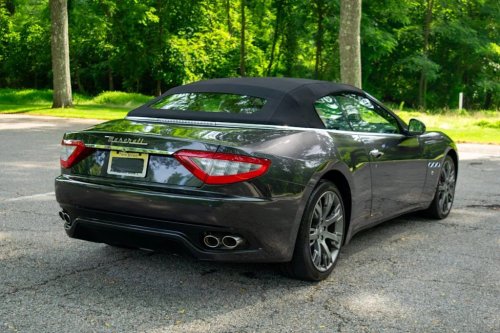
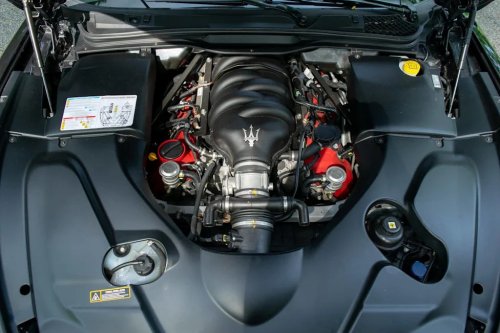
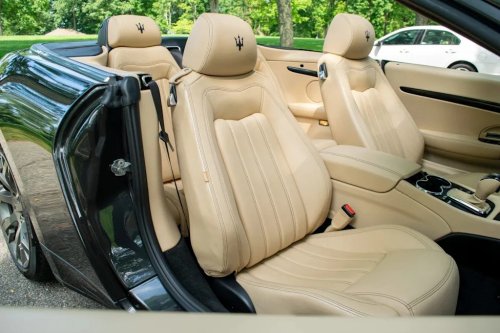
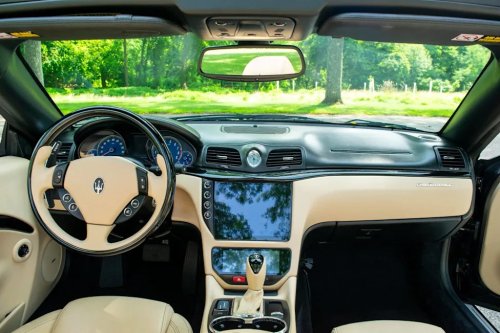
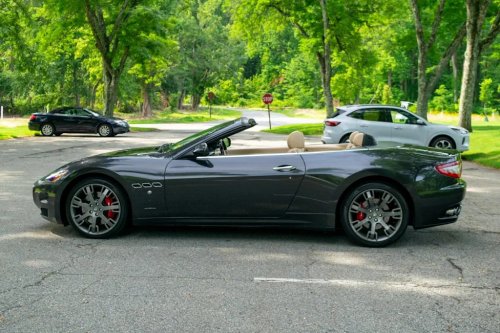
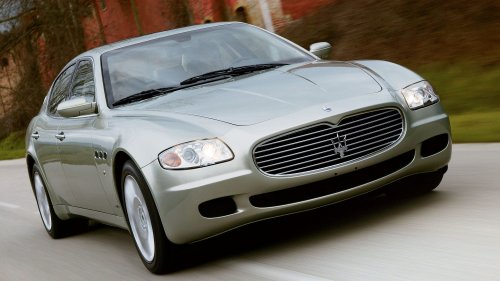
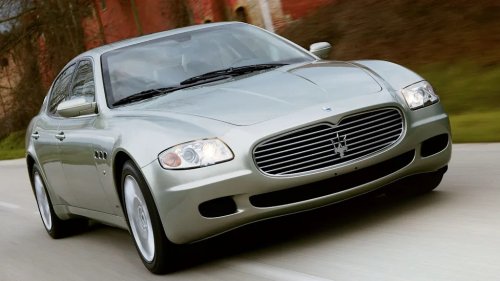
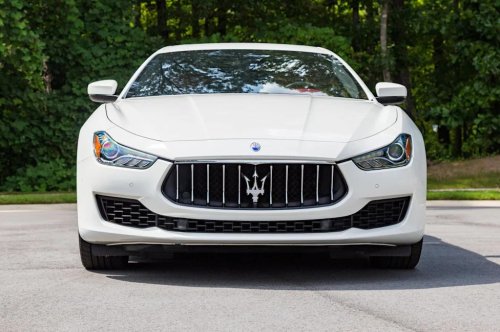
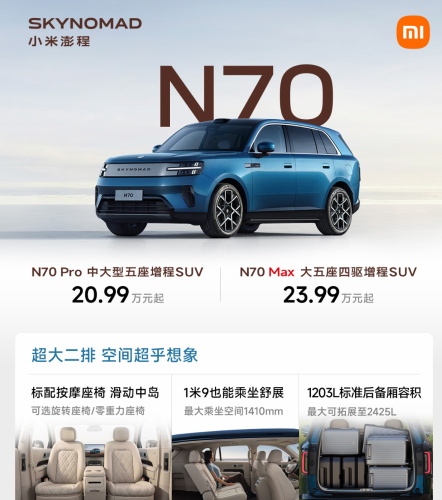
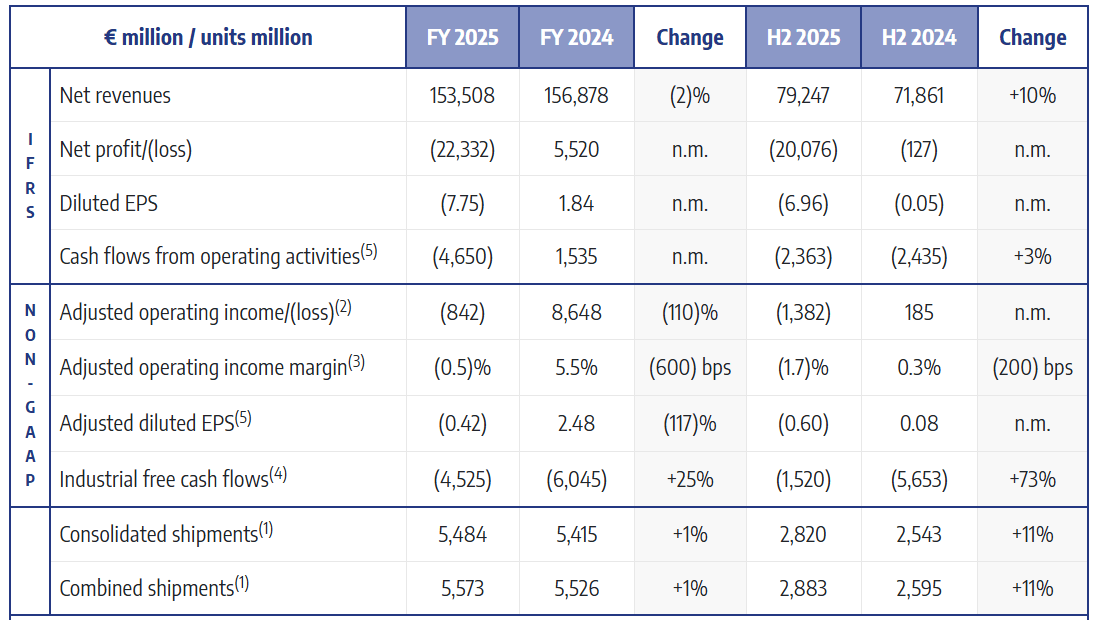
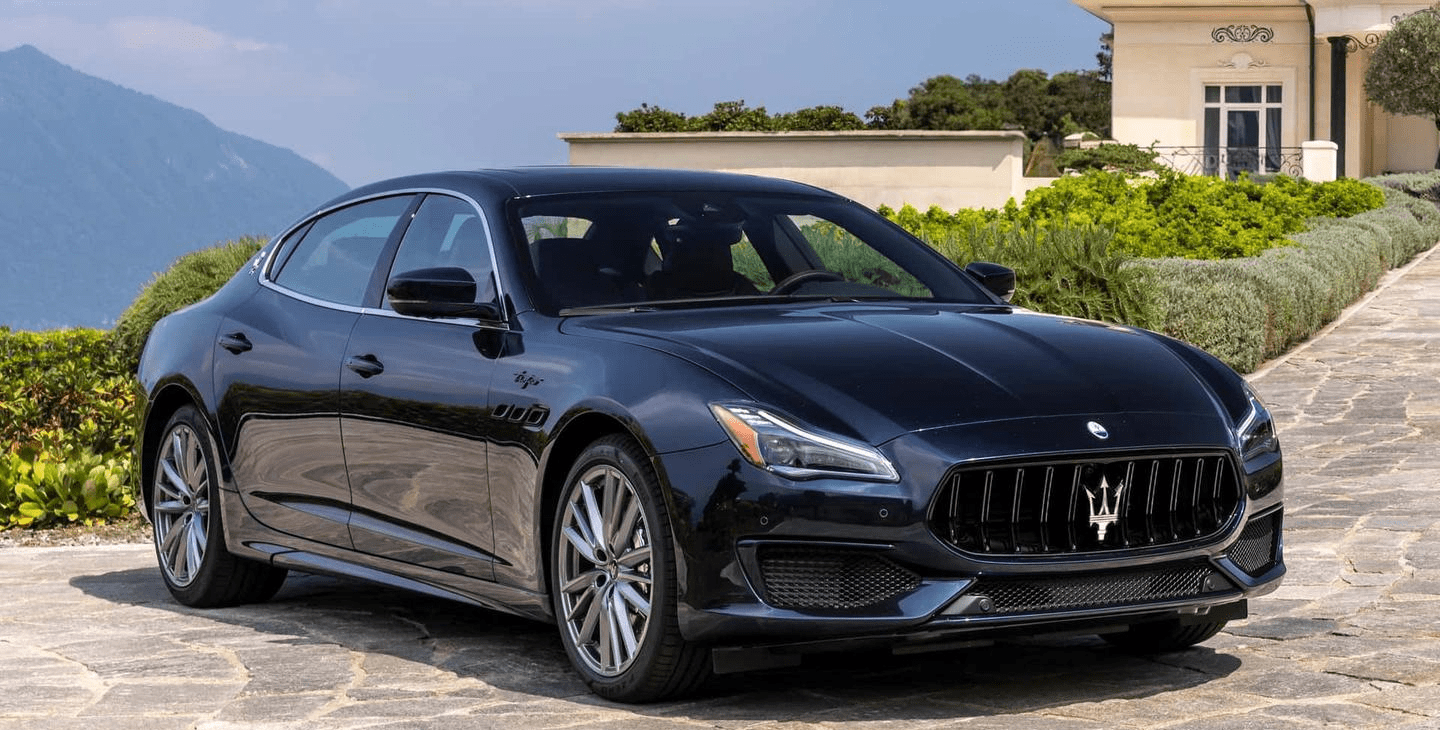
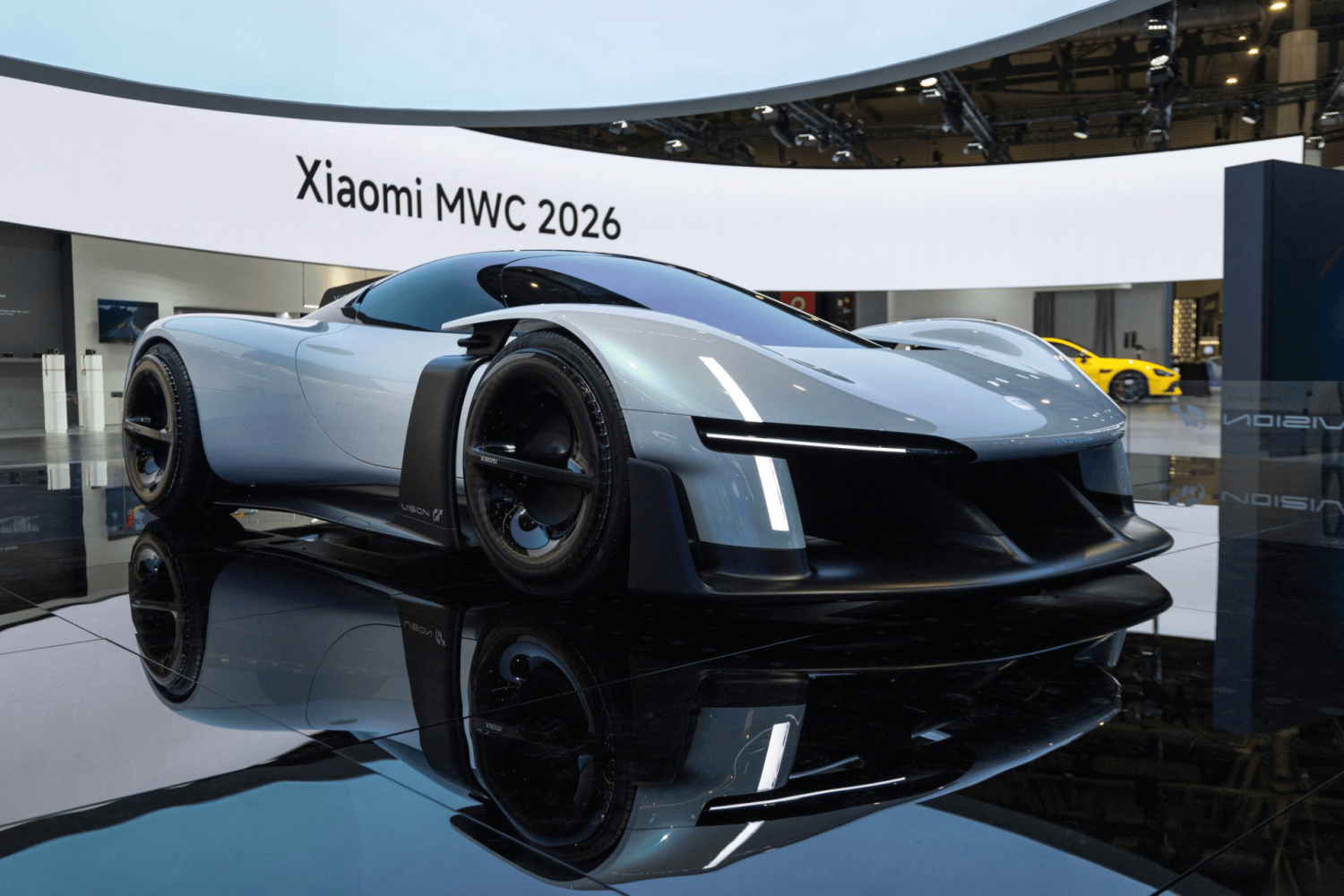
Stellantis company remains silent on reported talks with Xiaomi and XPeng, while hinting at potential collaboration opportunities. Stellantis has denied market speculation that it may spin off or sell Maserati, with Wang Chao, a member of the group’s Asia-Pacific executive committee and vice president of communications, told Chinese media that Maserati will not be sold and that there are no plans to break up the group. He added that such claims lack factual basis. Regarding reports that Stellantis is in talks with Chinese automakers Xiaomi and XPeng to introduce capital for restructuring its European business, the company declined to comment, saying it does not respond to market speculation. The rumors come amid mounting operational pressure. Stellantis reported a net loss of €22.3 billion ($25.6 billion) in 2025, compared with a profit of €5.5 billion ($6.3 billion) a year earlier. Stellantis financial results in 2025 Maserati, the group’s premium brand, is also under strain. Global sales fell to 11,127 units in 2025, down about 58% from 2023 and marking the lowest level in nearly eight years. In China, Maserati once reached a peak of 14,400 units in 2017, accounting for roughly 30% of global sales, but has since declined 2018. In the first nine months of 2025, cumulative sales dropped to 1,023 units, with monthly sales at one point falling to just 83 units. From a product perspective, Maserati has lagged behind in electrification and intelligent technologies. Maserati While the industry is shifting toward high-voltage platforms, advanced driver assistance systems and smart cockpits, its electric vehicles remain based on a 400 V architecture, highlighting a widening technology gap. Stellantis has in recent years sought external partnerships to address these shortcomings. In October 2023, the group invested about €1.5 billion ($1.73 billion) for a roughly 20% stake in Leapmotor and established a joint venture to introduce the company’s electrification technologies into the European market. As for Xiaomi, the company has made clear its intention to enter the European market by 2027. It has already set up an R&D center in Munich, Germany, and showcased its Vision Gran Turismo concept at MWC 2026 in Barcelona, laying the groundwork for market entry. Xiaomi showcased its Vision Gran Turismo concept at MWC 2026 in Barcelona For Chinese automakers, Stellantis offers established distribution networks and sizable production capacity in Europe—capabilities that are difficult for new entrants to build in the short term. For Stellantis, bringing in external technology or capital has become a practical path to ease transformation pressures. In its statement, the company added that it is “engaged in discussions with leading global industry players on various topics,” leaving room for potential future cooperation.



















 +58 others