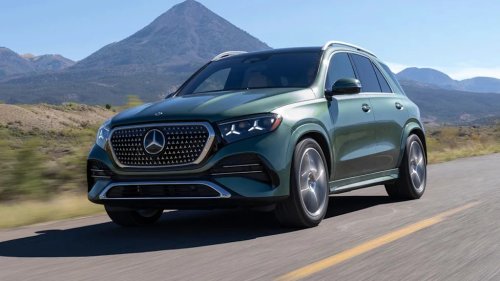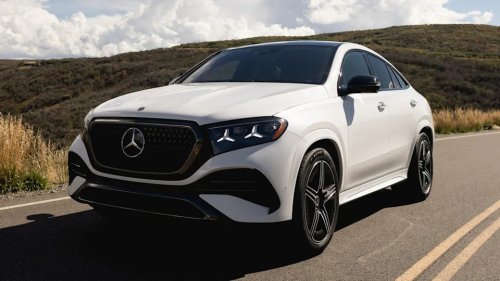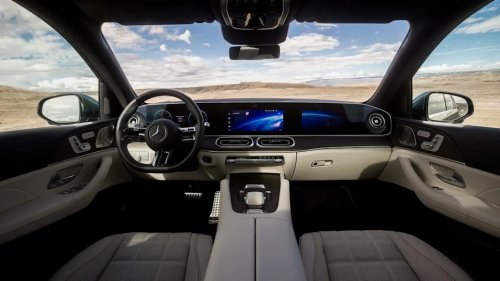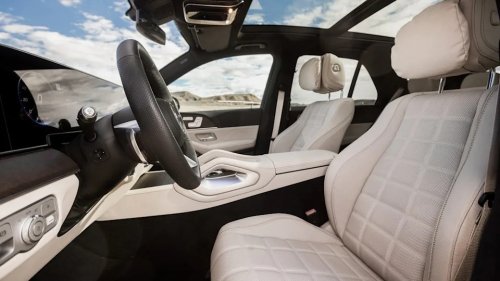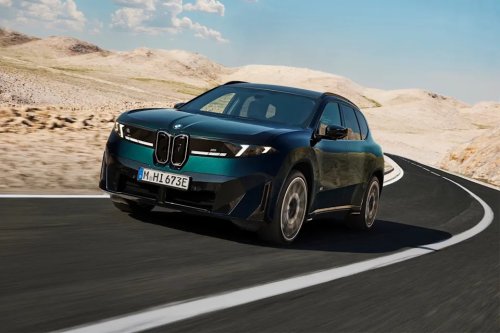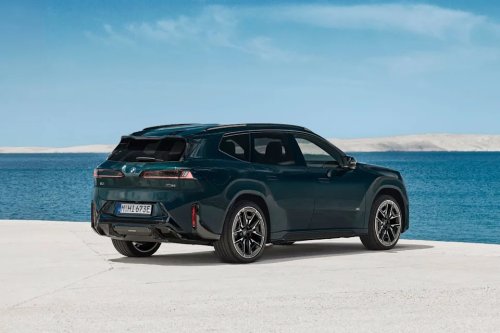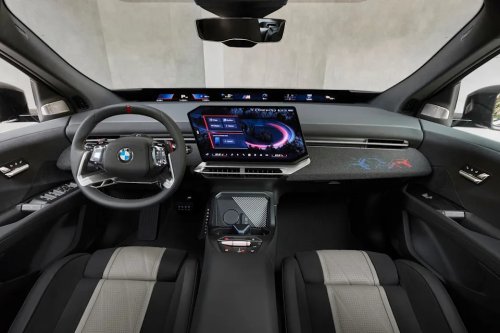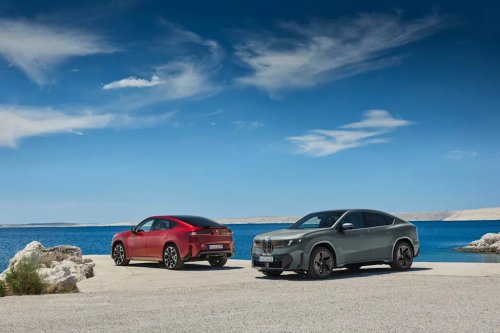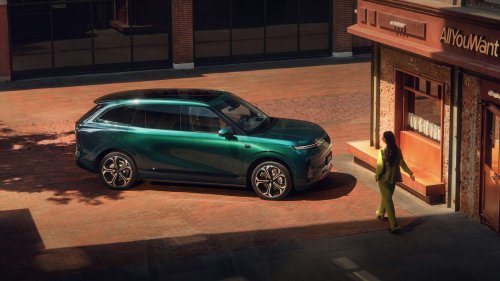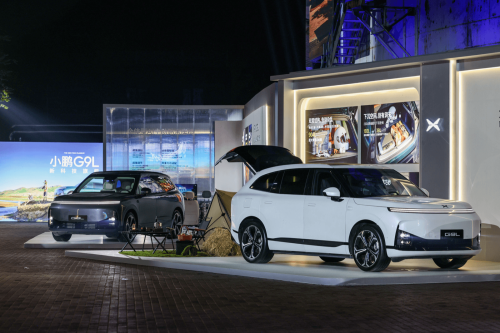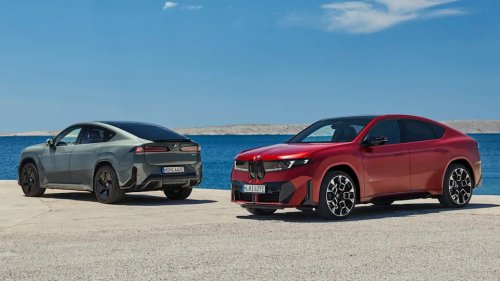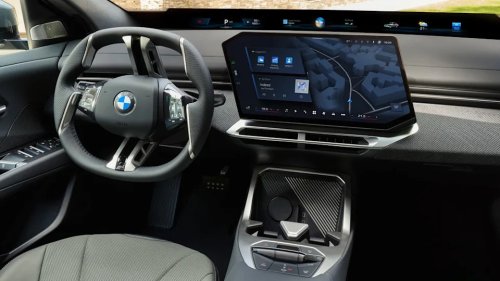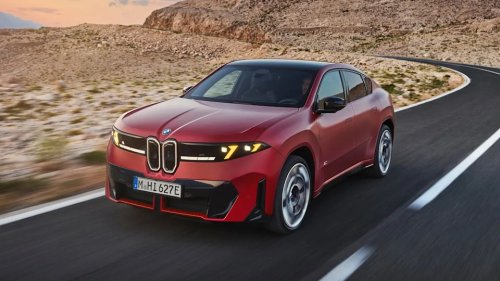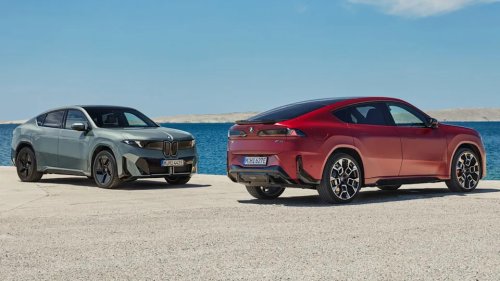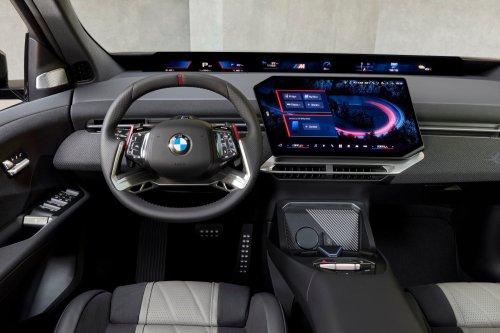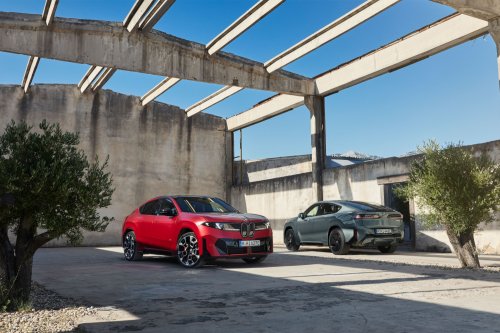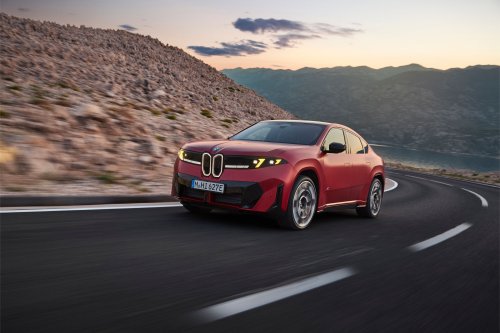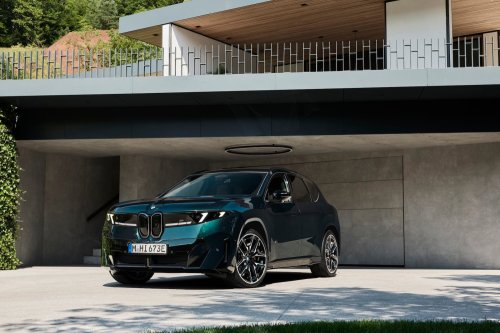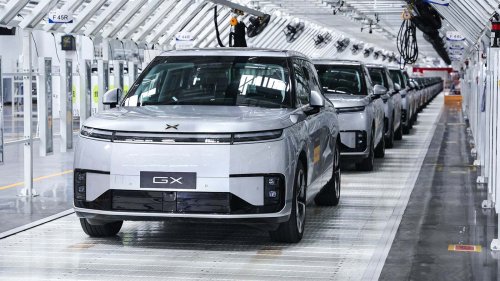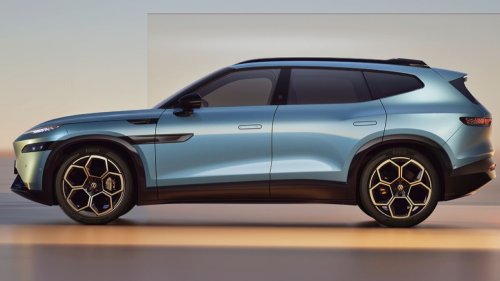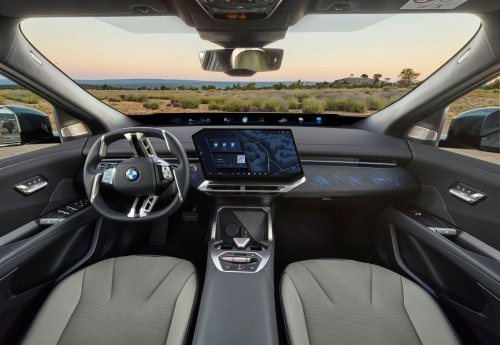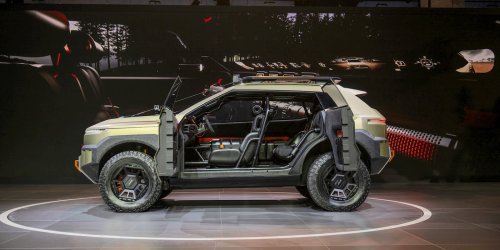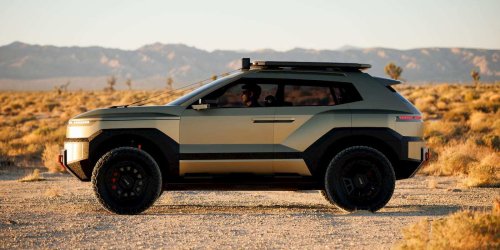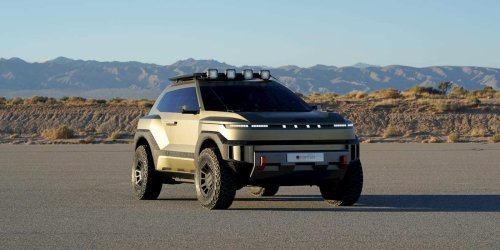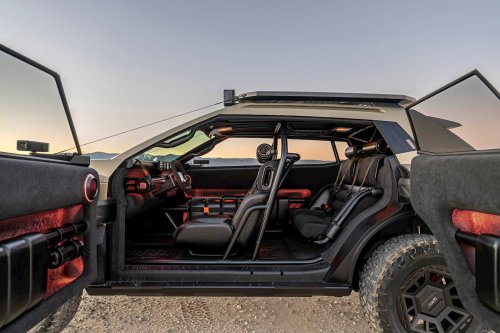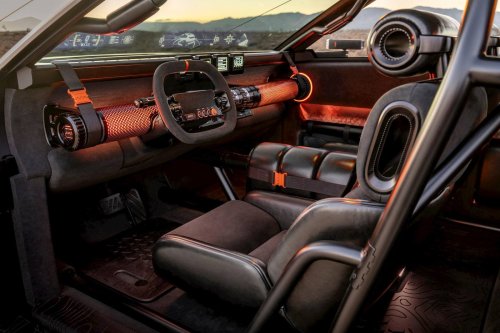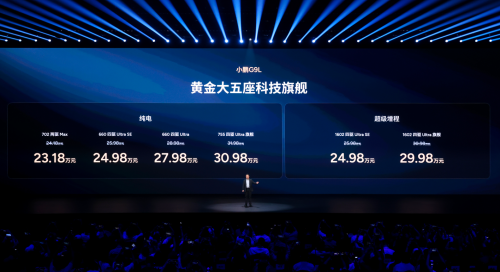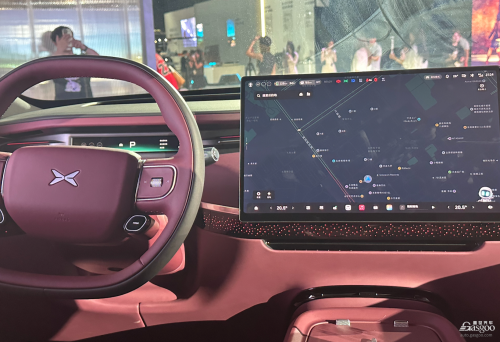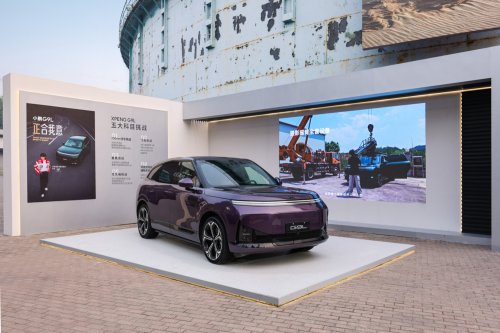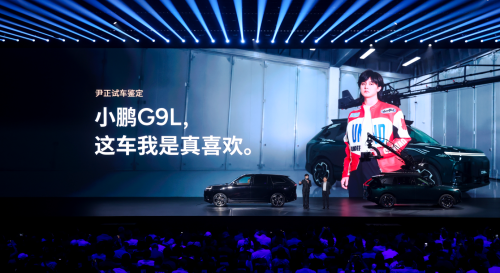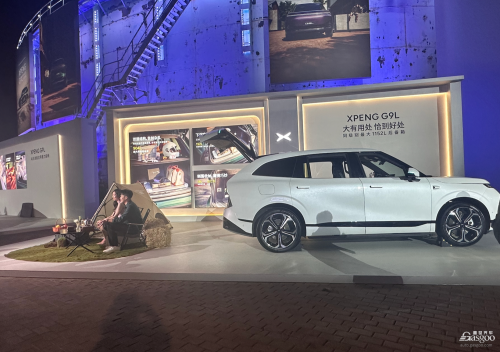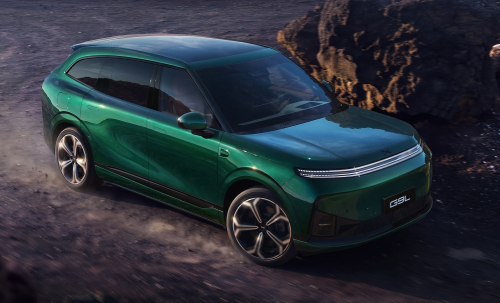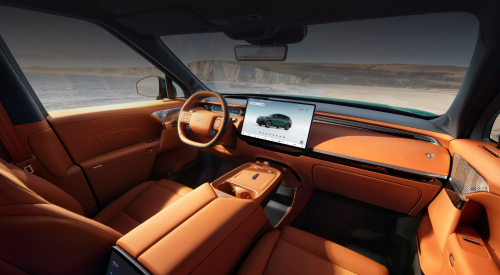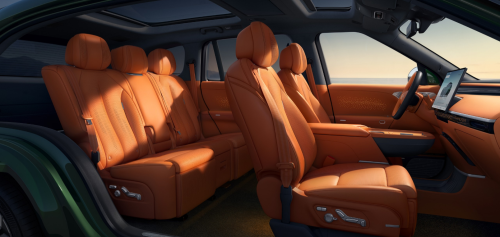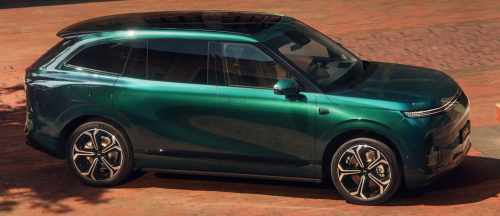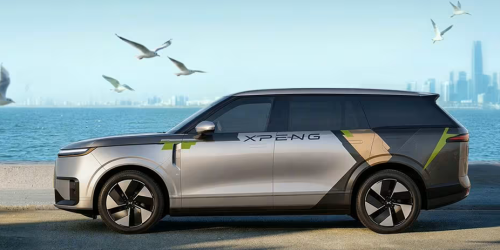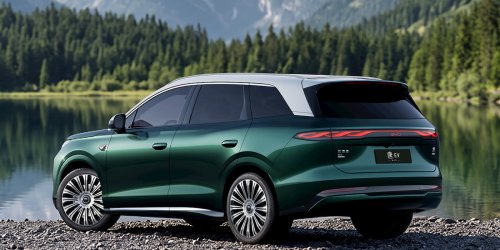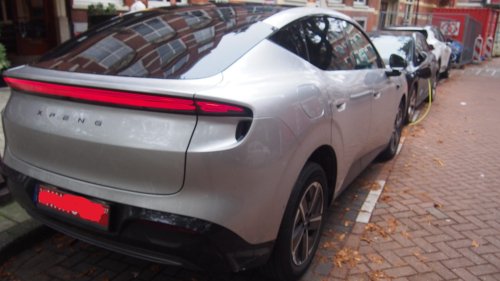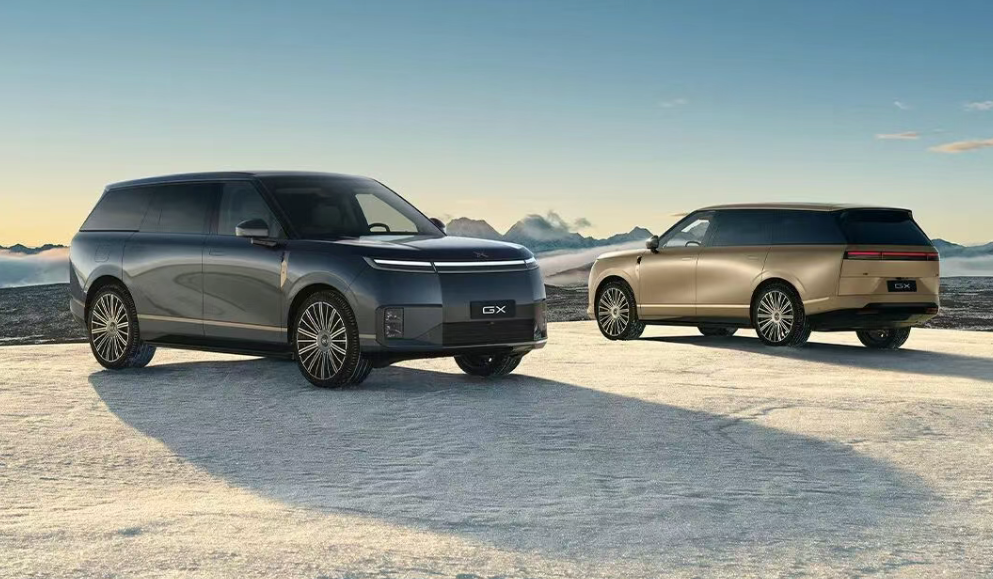
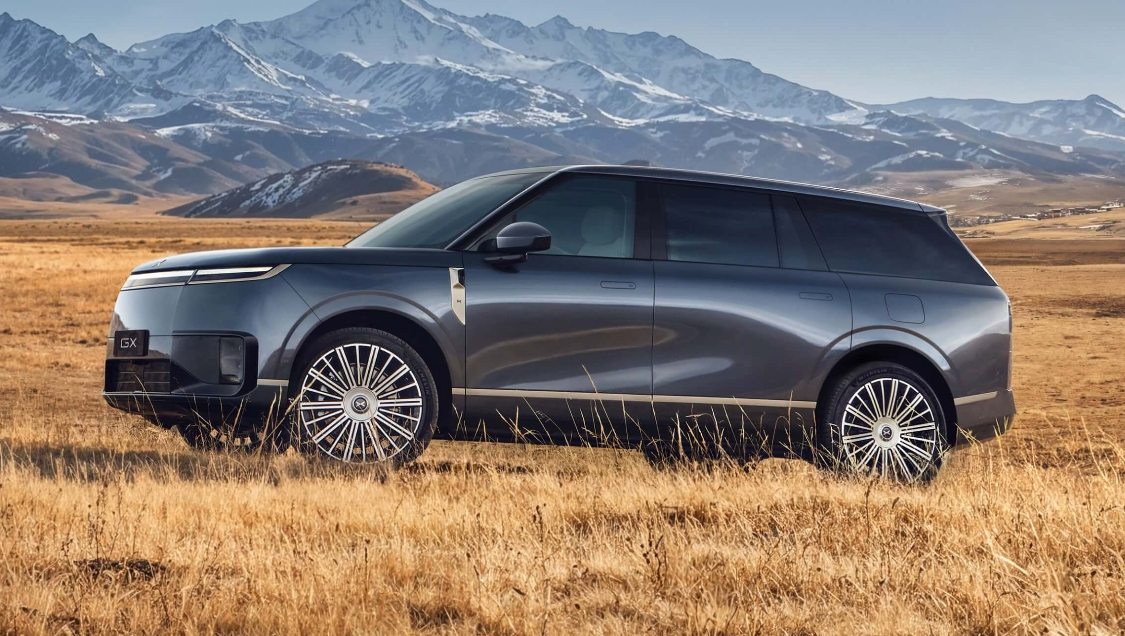
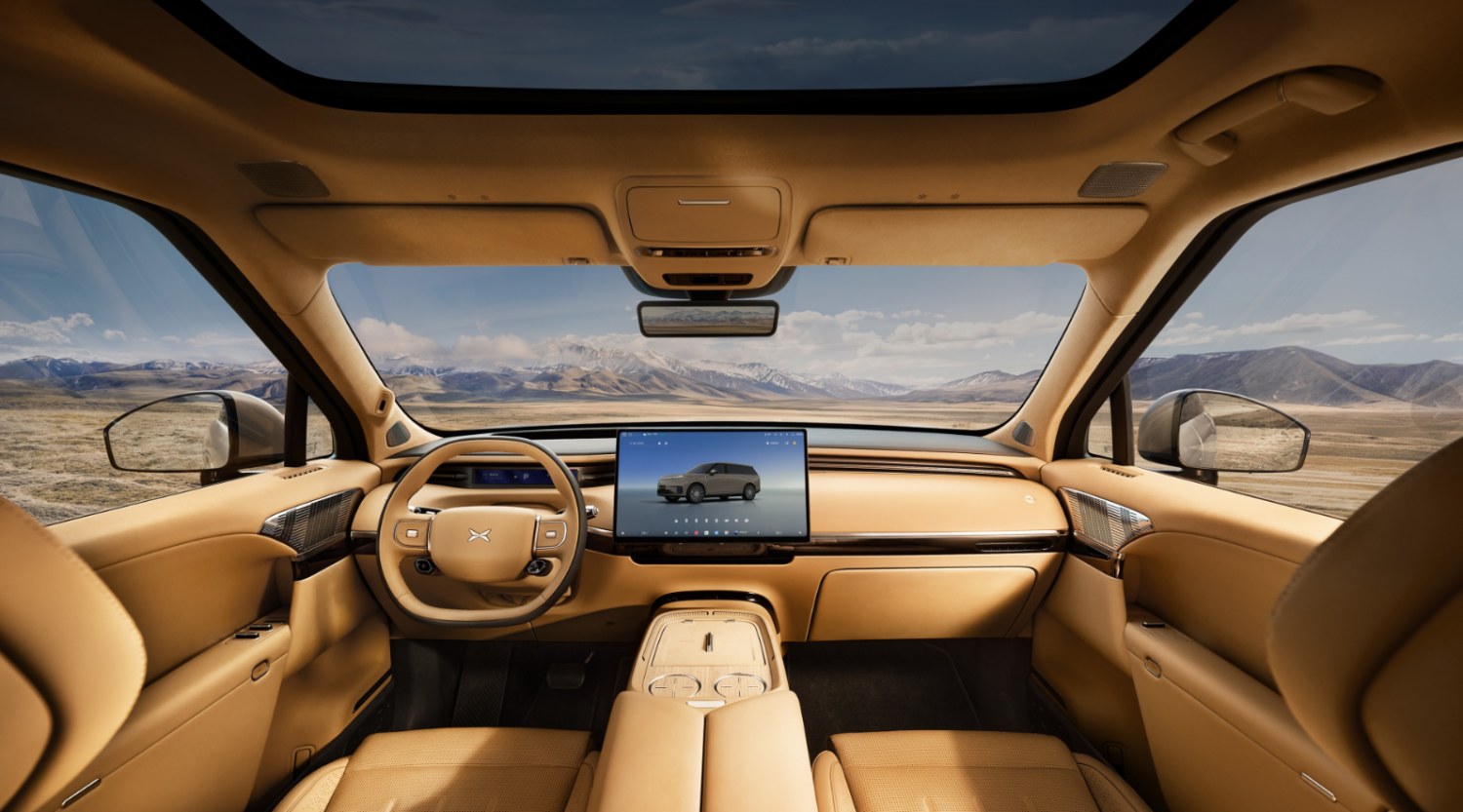



















Gasgoo Munich- On May 20, Chinese new energy vehicle (NEV) maker XPENG put the GX, a new full-size flagship SUV, onto the market. The vehicle will be offered in both battery-electric and extended-range variants, while every trim comes standard with rear-wheel steering and XPENG's second-generation VLA 6.2.0 driver assistance platform.Image source: XPENGXPENG introduced four trim levels for each powertrain configuration. Pricing for the battery-electric GX starts at 279,800 yuan for the Max version and rises to 359,800 yuan for the Ultra Flagship edition. The extended-range lineup begins at 289,800 yuan, with the top-spec variant matching the BEV model at 359,800 yuan.Image source: XPENGThe GX measures 5,265 mm long, 1,999 mm wide, and 1,800 mm tall, riding on a 3,115 mm wheelbase. XPENG claims a drag coefficient of just 0.255 despite the SUV's large body dimensions.Image source: XPENGInside, the vehicle adopts a six-seat 2+2+2 layout, with a power-folding third row and cargo capacity expandable to 1,748 liters. Buyers can choose from Dawn White, Forest Mist Purple, and Platinum Brown exterior finishes, while the cabin features translucent soft-touch leather materials and a floating center-island cockpit design with integrated storage compartments.The technology-focused interior includes a 17.3-inch 120Hz infotainment display alongside a roof-mounted 21.4-inch 3K entertainment screen. Additional features include a 33-speaker audio system, a frost-free in-car refrigerator, and six AI-controlled privacy glass panels capable of changing opacity in 0.16 seconds.XPENG is positioning the GX as China's first mass-produced vehicle engineered from the outset around a Robotaxi-ready architecture. Developed to meet L4 autonomous driving standards, the SUV is equipped with computing hardware delivering up to 3,000 TOPS of effective processing power.Unlike many Chinese smart NEV rivals, the GX relies on a pure vision-based perception system without LiDAR. The platform integrates XPENG's second-generation VLA and VLM large-model technologies, enabling functions such as automatic emergency braking at speeds up to 150 km/h and emergency obstacle avoidance on snow- and ice-covered roads.The chassis combines steer-by-wire technology with active rear-wheel steering, allowing the large SUV to achieve a compact 5.4-meter turning radius.On the safety front, the GX utilizes a 16,000-tonne integrated die-casting structure and is equipped with 11 airbags. XPENG also highlighted what it describes as aviation-grade six-layer redundancy systems covering steering, braking, propulsion, communication, power supply, and door unlocking functions.During the launch event, the company staged what it called the industry's first "720-degree five-stage chain collision test," involving bottom scraping, front, side and rear impacts, as well as a roof strike scenario. According to XPENG, the passenger compartment maintained structural integrity throughout the demonstration.The extended-range GX offers up to 430 km of pure-electric driving capability and a combined range of 1,585 km. The battery-electric version delivers a CLTC-rated range of 750 km and supports 5C ultra-fast charging.All variants are equipped with dual-chamber air suspension systems and CDC adaptive damping technology as standard.XPENG has also emphasized lifestyle-oriented practicality throughout the GX cabin. The SUV incorporates 62 storage compartments, 15 charging ports, and eight accessory expansion interfaces designed for add-ons such as camping lights, fold-out tables, and mobile device mounts. The vehicle additionally supports 6 kW external power discharge functionality.Comfort features include dual zero-gravity seats and a dual-door, dual-zone onboard refrigerator with a 12.5-liter capacity. XPENG says the system can complete rapid odor purification in nine minutes while achieving a sterilization rate of 99.99%.The climate control system uses what the company calls a "silent soft airflow" setup, with forest-style front vents and wraparound rear air distribution intended to minimize direct airflow discomfort for passengers.