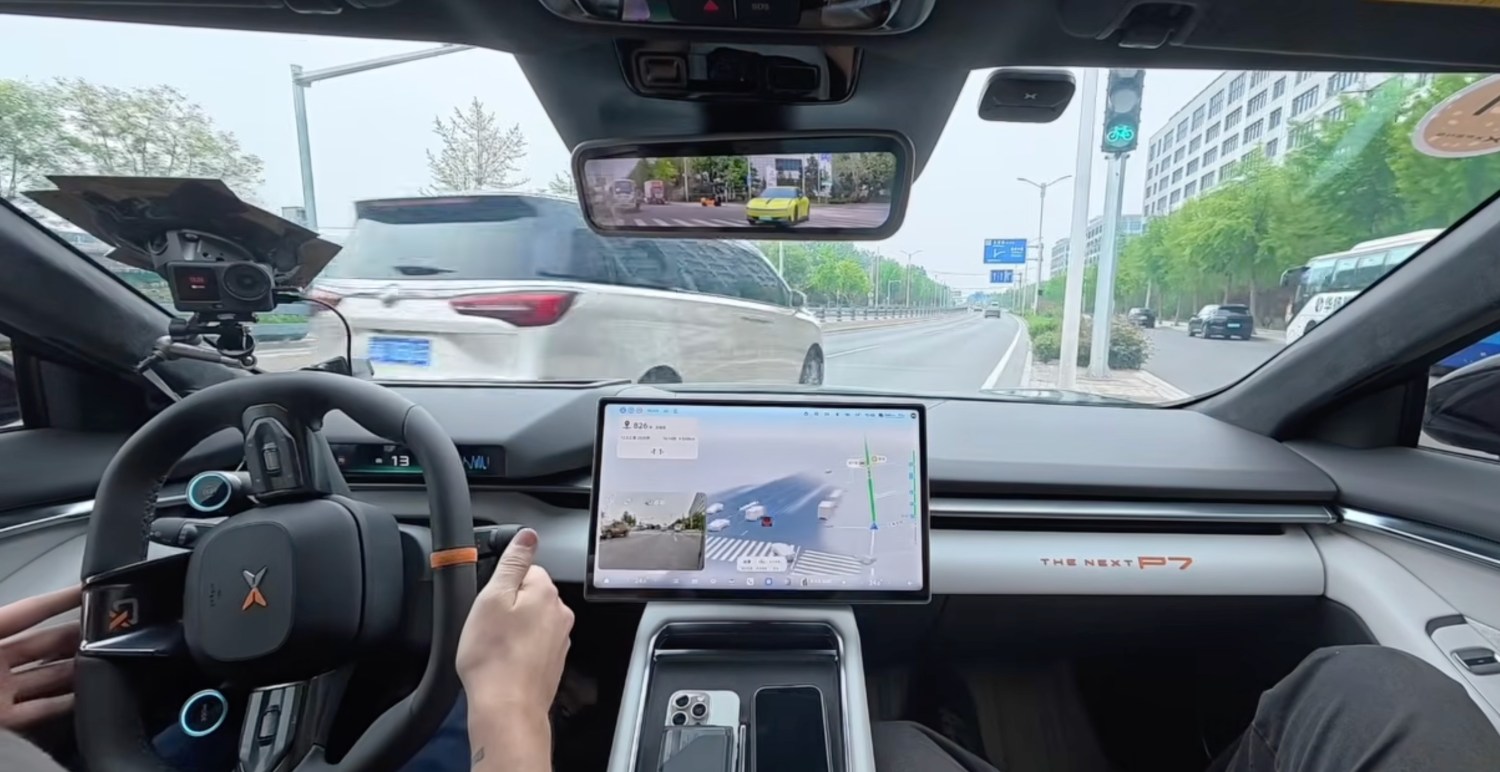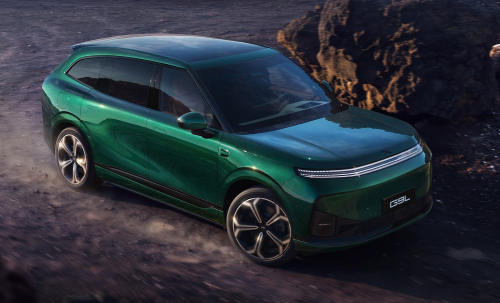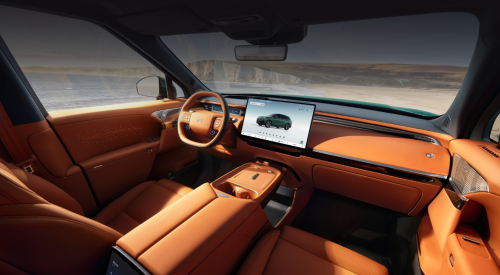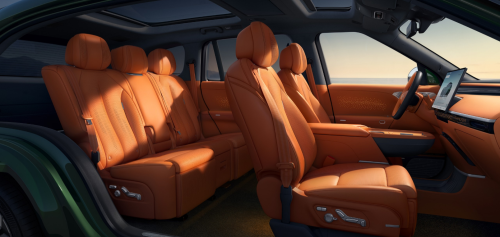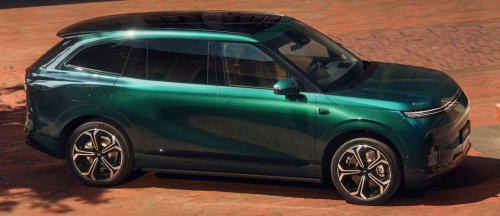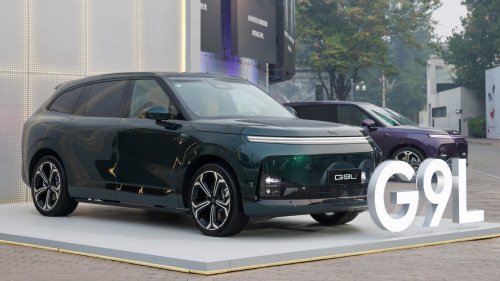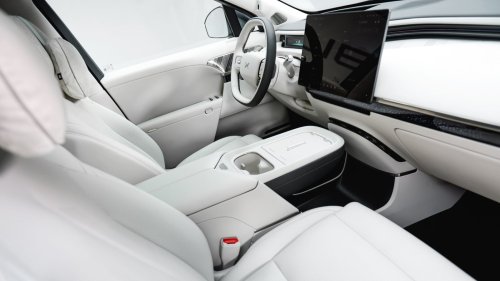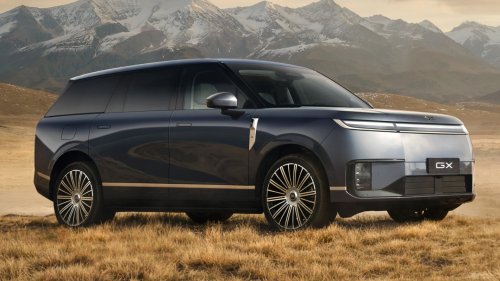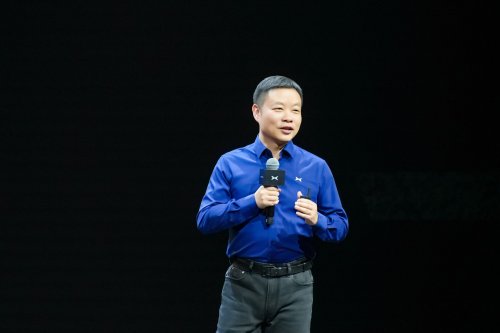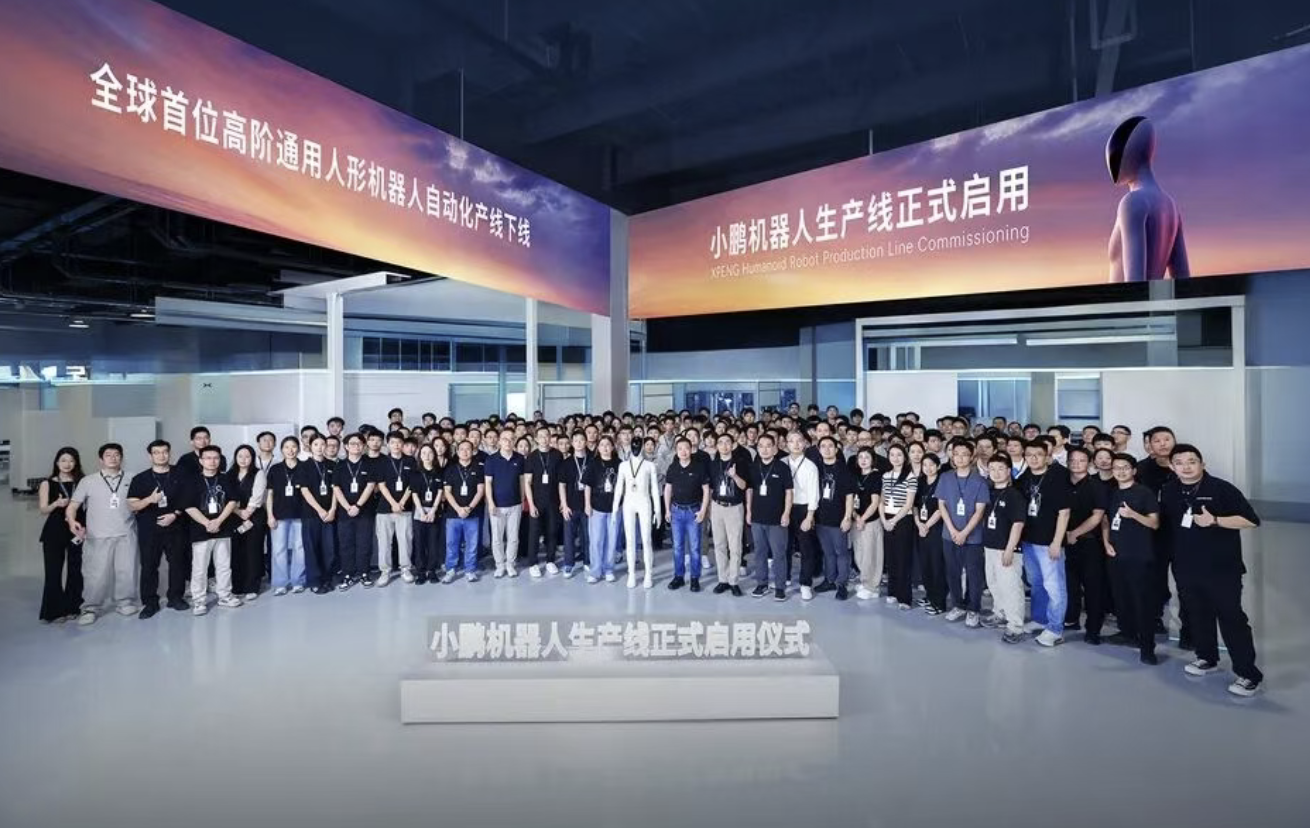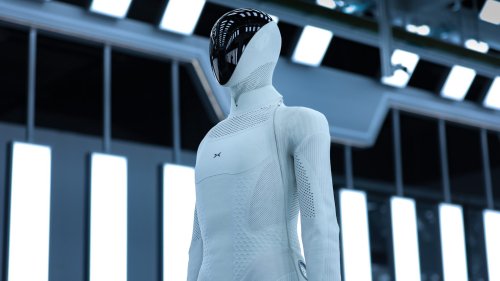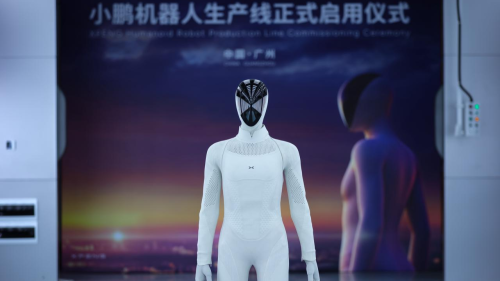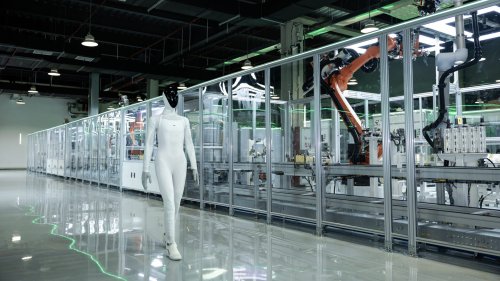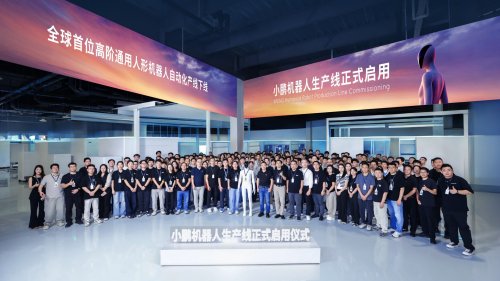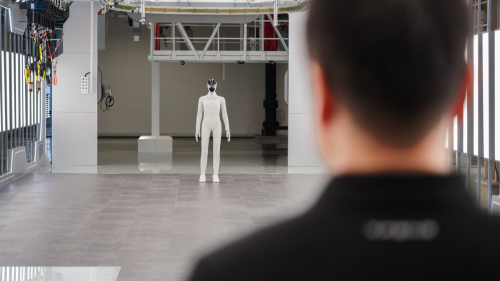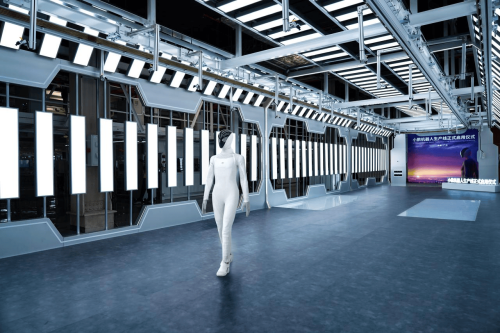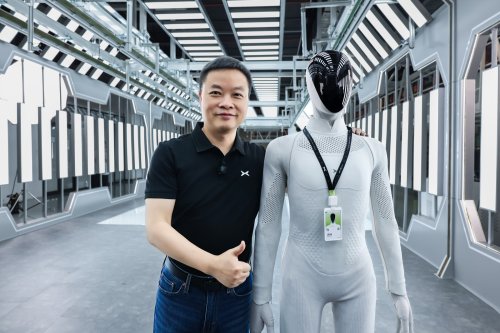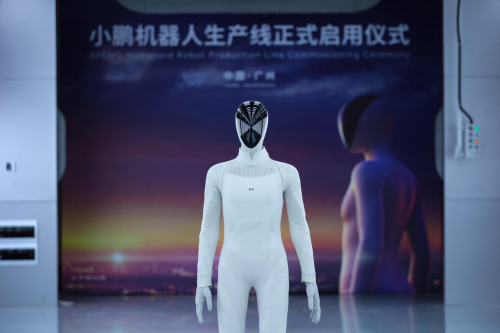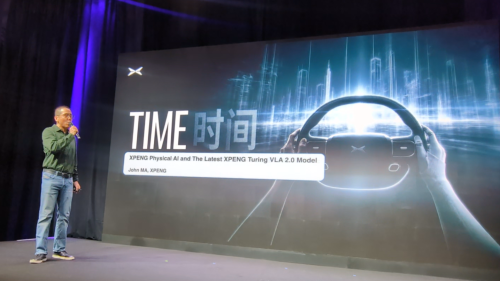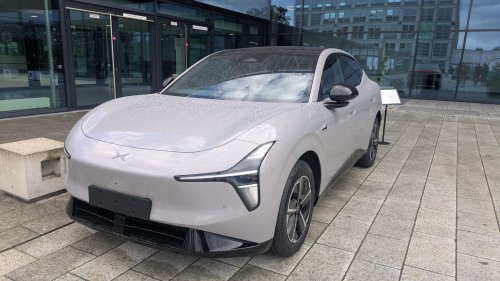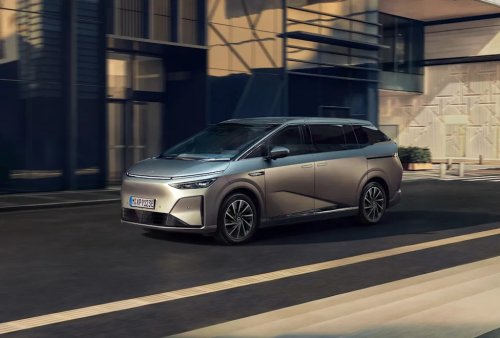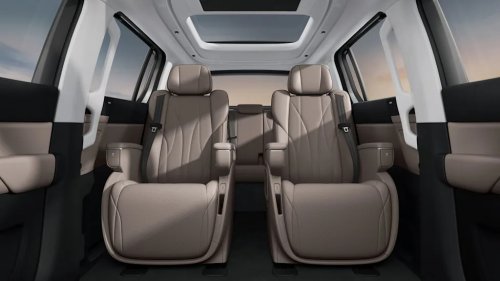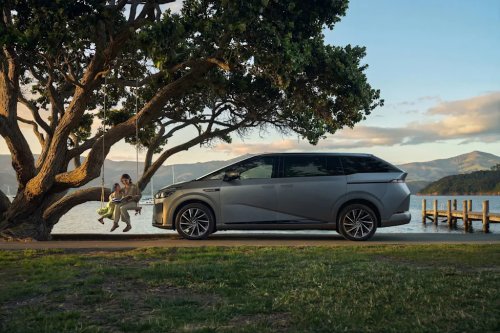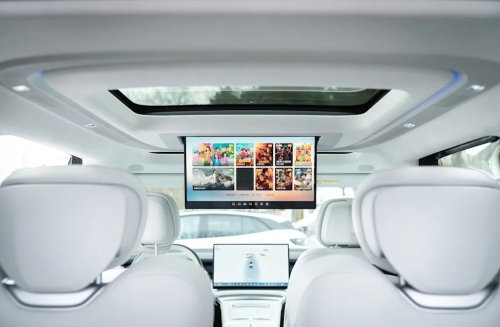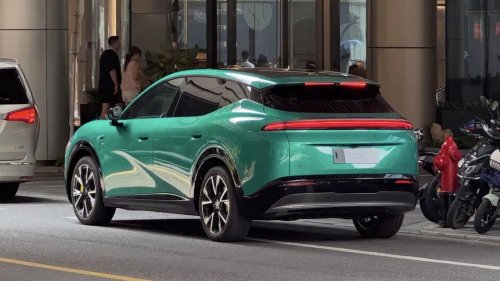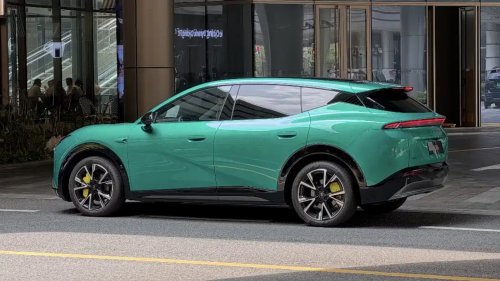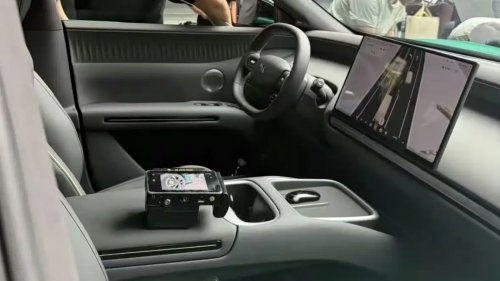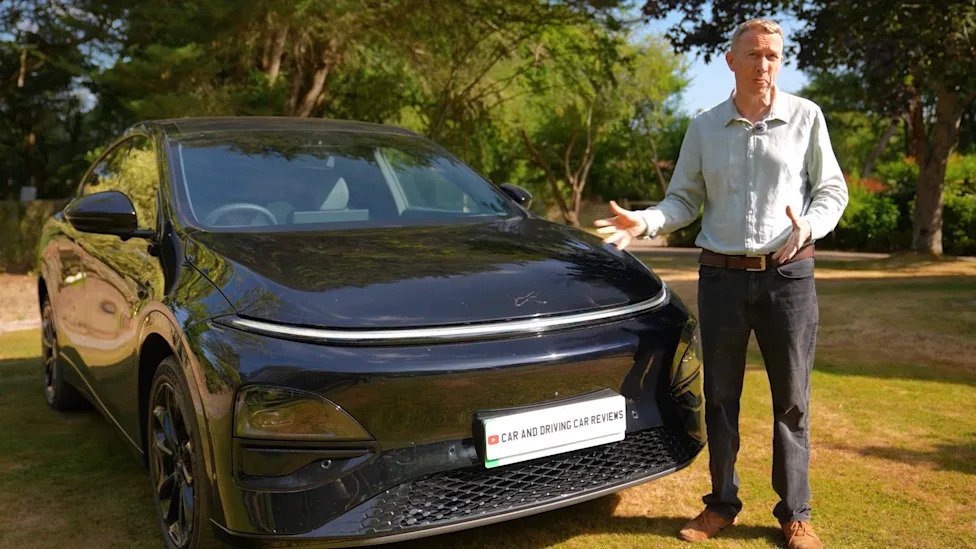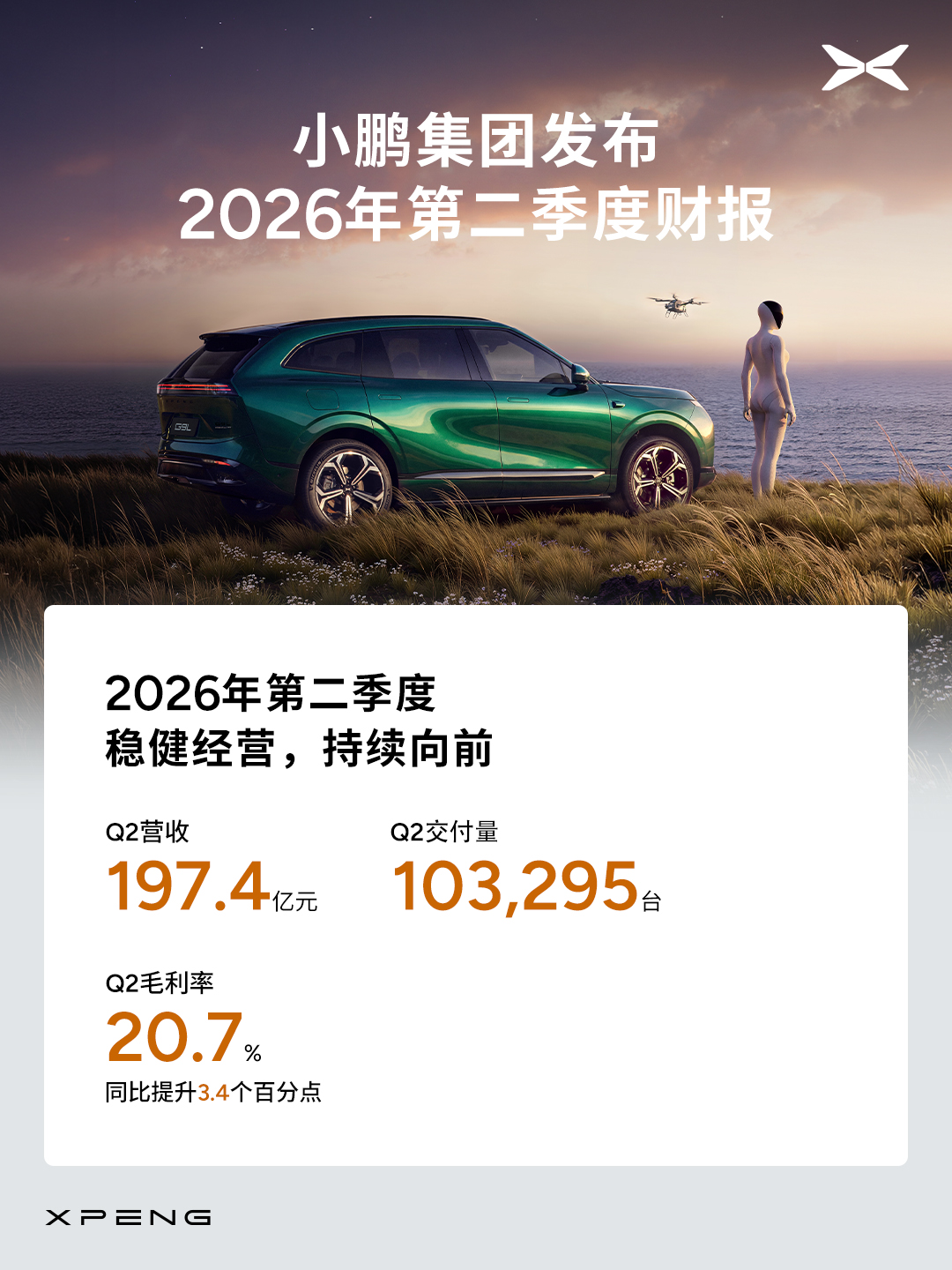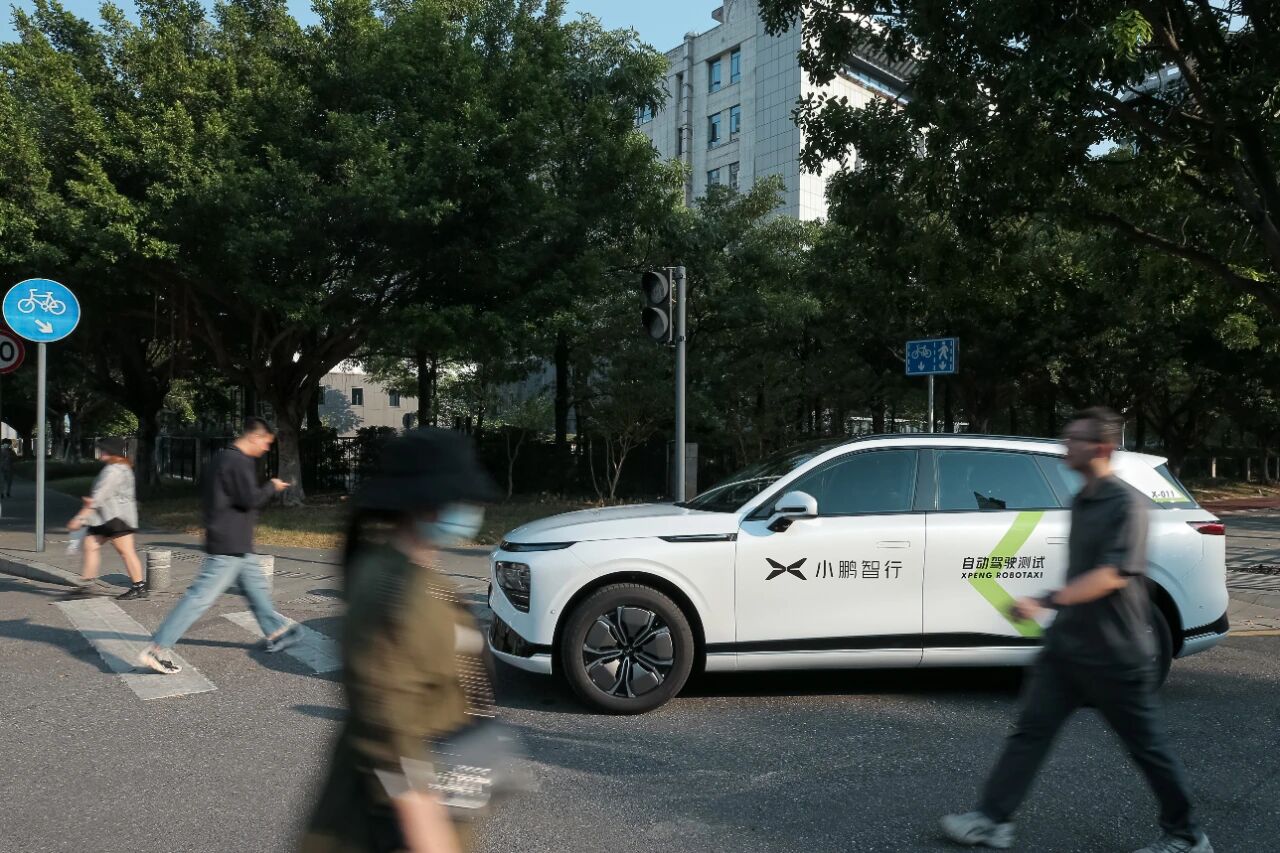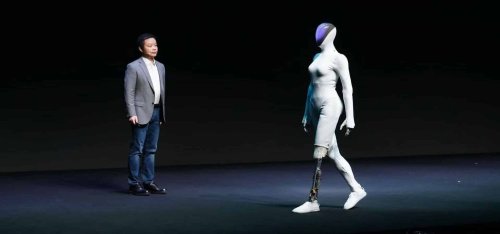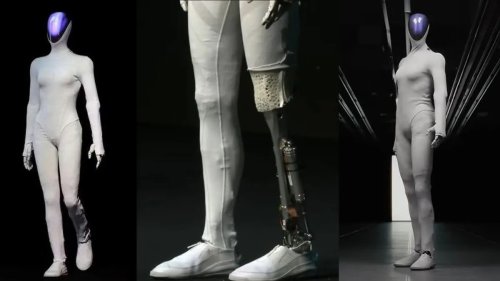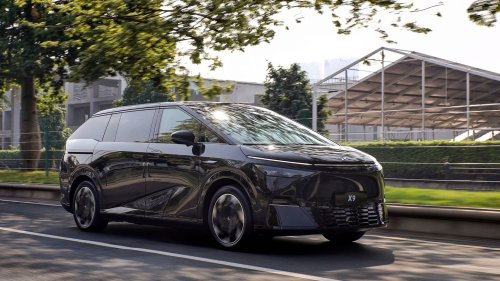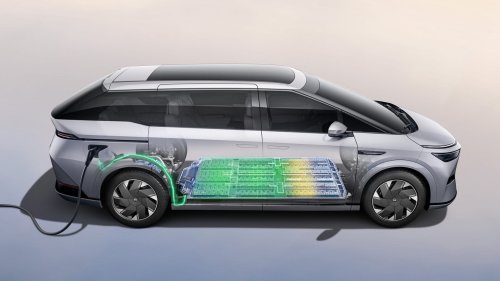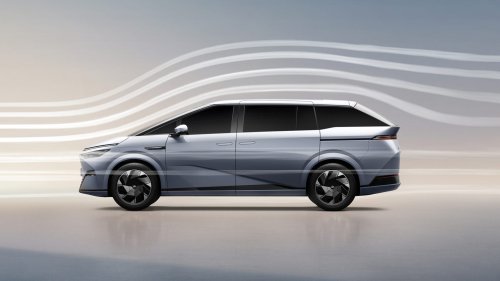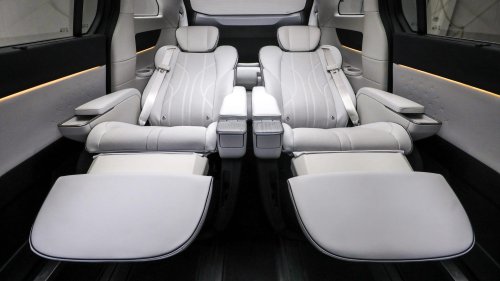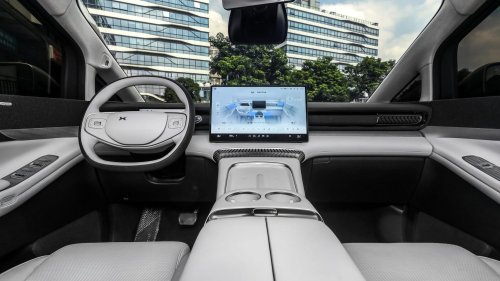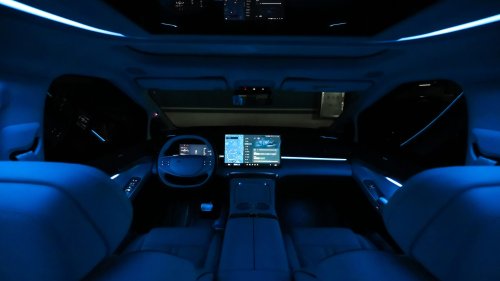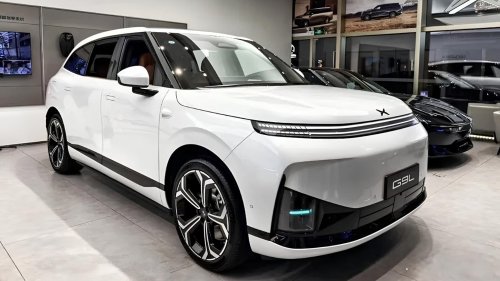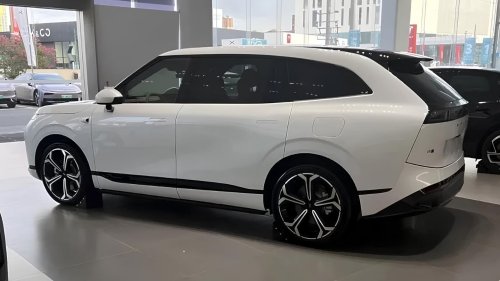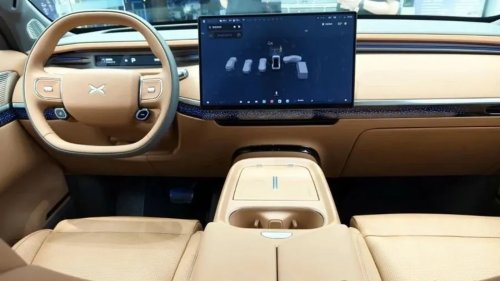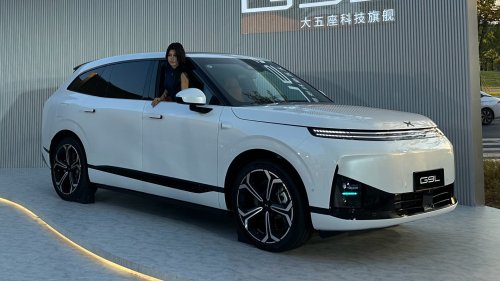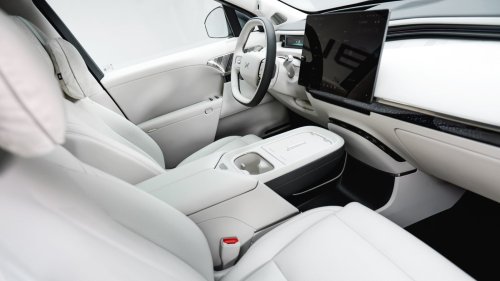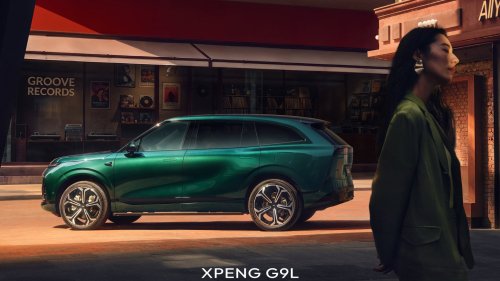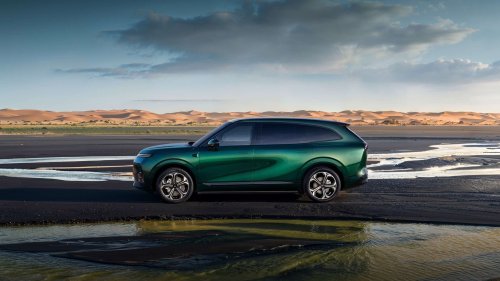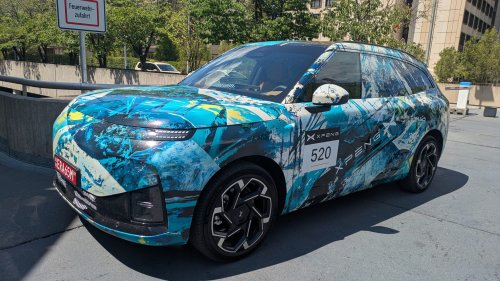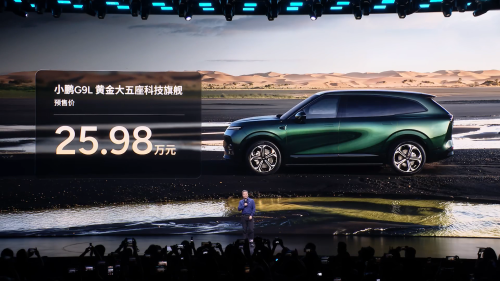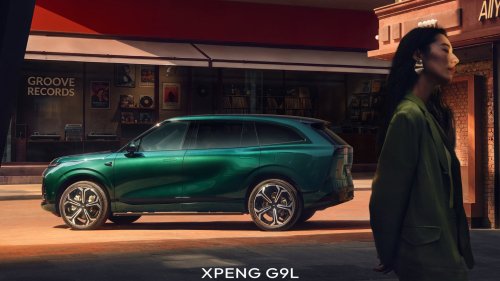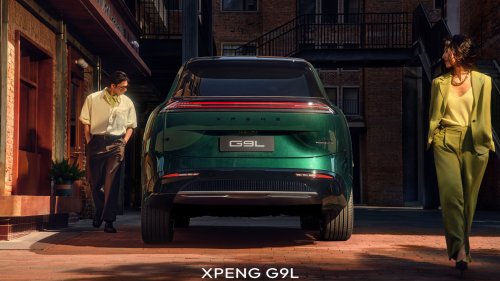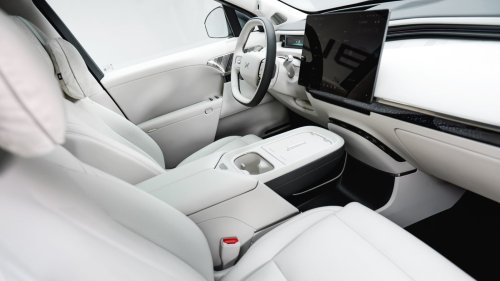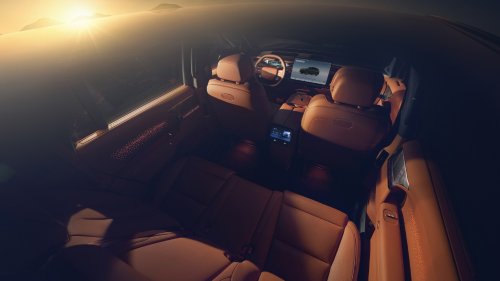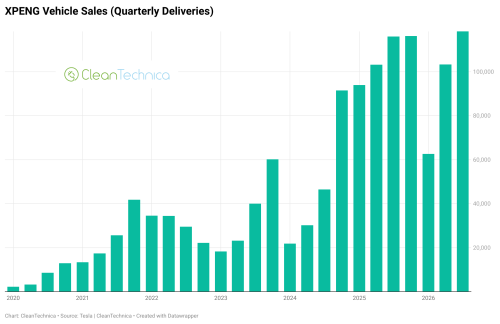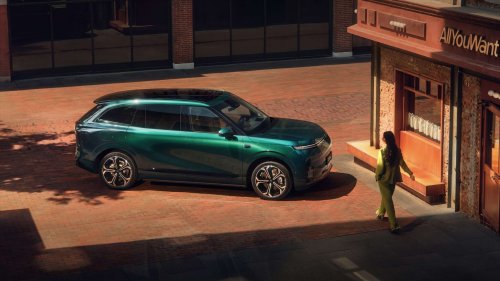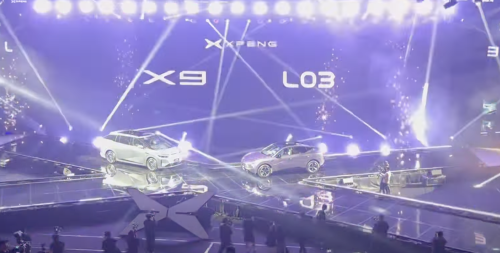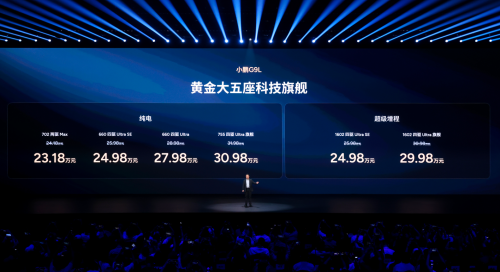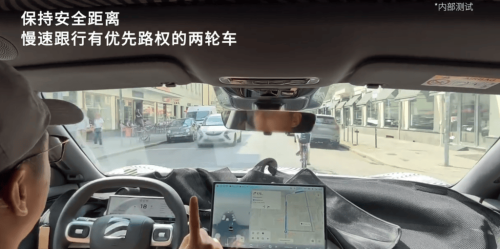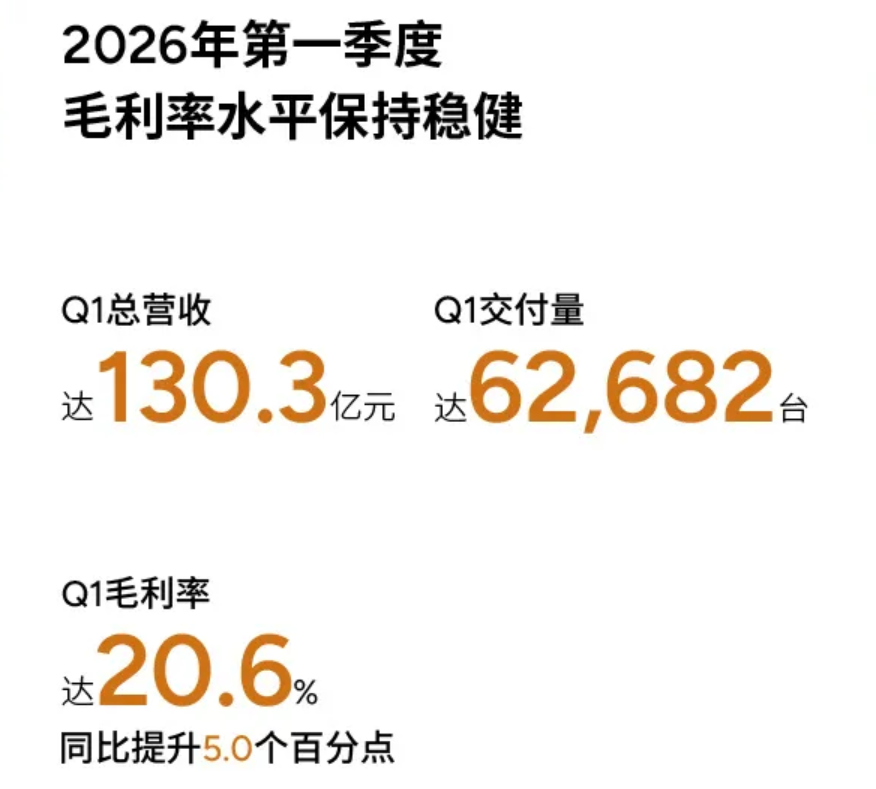
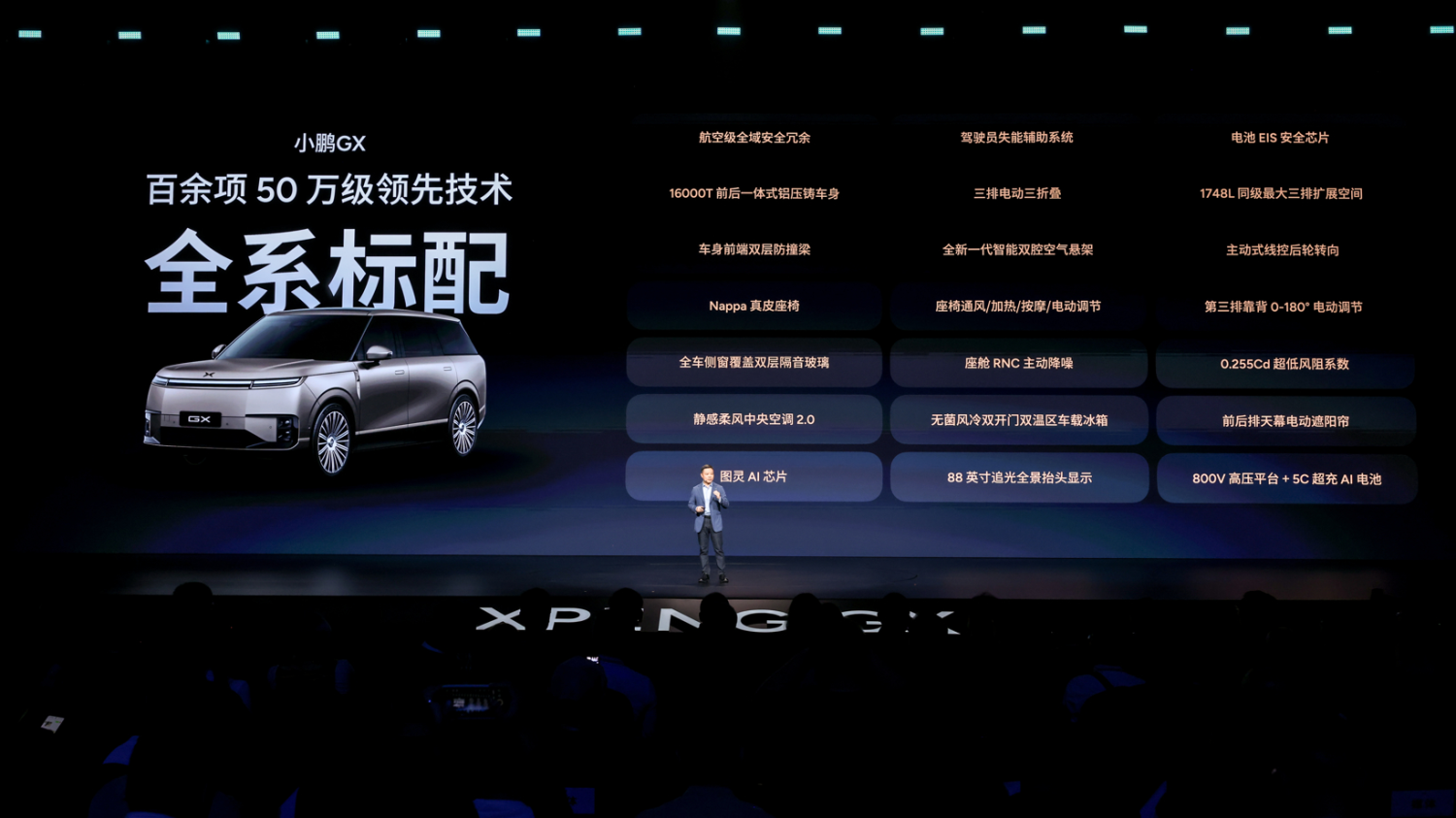



















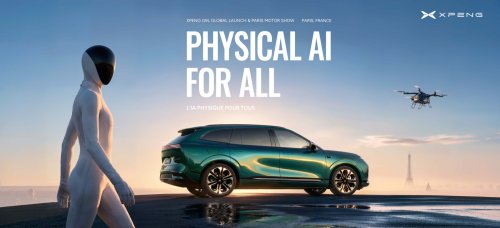
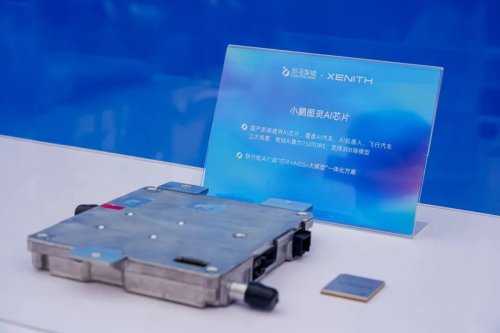

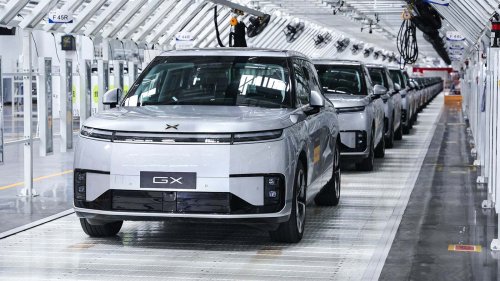
Gasgoo Munich- XPENG released its first-quarter 2026 earnings on May 28.Deliveries climbed to 62,682 units, driving total revenue to 13.03 billion yuan. Automotive sales contributed 11.0 billion yuan, while service and other revenue jumped 41.2% year-on-year to 2.03 billion yuan. Gross margin for the quarter hit 20.6% — a 5-percentage-point increase from the same period in 2025. By the end of the quarter, cash on hand stood at 42.09 billion yuan.Image Source: XPENGIn the earnings report, Chairman He Xiaopeng outlined a busy roadmap: following the GX launch, four new models will enter the delivery cycle in 2026. He also confirmed the timeline for mass production of both Robotaxis and humanoid robots, set for completion this year, as the company pushes to commercialize "Physical AI" technology.Vice Chairman Brian Gu attributed the sustained 20%-plus gross margin to cost controls enabled by proprietary technology and growing overseas revenue. He emphasized that scaling the commercialization of Physical AI applications is now a strategic priority.XPENG moved aggressively on the product front in the first quarter. January saw the release of four models: the 2026 P7+, the G7 Super Range Extender, the G6, and the G9. Both the Ultra and Ultra SE trims feature the second-generation VLA architecture and the Tianji AIOS 6.0 system. In March, the all-electric 2026 X9 hit the market, aligning with the Super Range Extender version in intelligence, range, and safety. On March 6, the G6 Super Range Extender launched at 186,800 yuan. This was followed by the April 2 debut of the 2026 MONA M03, priced from 119,800 yuan. Then, on May 20, the full-size flagship SUV GX officially launched. Offering both pure electric and Super Range Extender powertrains, the GX starts at 269,800 yuan with limited-time benefits and racked up 24,863 binding orders within 12 hours.Image Source: XPENGOn the intelligent driving front, XPENG rolled out its second-generation VLA system to users in March. The company reports that smart driving accounted for over 50% of mileage in the first month — meaning the system handled more than half of actual driving distances. XPENG views this as a turning point, marking the shift of advanced intelligent driving from an optional feature to a core factor in purchase decisions.Meanwhile, XPENG's first fully in-house, mass-production Robotaxi rolled off the assembly line in Guangzhou on May 18. Built on the GX platform, the vehicle uses a vision-only approach, equipped with the proprietary second-generation VLA model and four Turing AI chips delivering 3,000 TOPS of effective computing power. The system operates without high-precision maps or LiDAR and supports cross-city deployment. XPENG plans to launch passenger demonstration operations in Guangzhou in the second half of 2026.Additionally, construction began in February on a mass-production base for the IRON humanoid robot in Guangzhou's Tianhe District. Covering approximately 110,000 square meters, the facility is scheduled to achieve mass production by the end of 2026, with the robots set to enter XPENG retail stores as shopping guides in the first quarter of 2027.Given the current market environment, XPENG forecasts total deliveries for the second quarter of 2026 to range between 100,000 and 106,000 units — a sequential increase of 59.5% to 69.1%. Total revenue is projected to land between 19.60 billion and 20.80 billion yuan, representing a quarter-on-quarter jump of 50.4% to 59.6%.