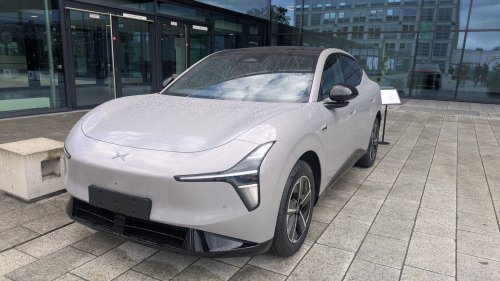
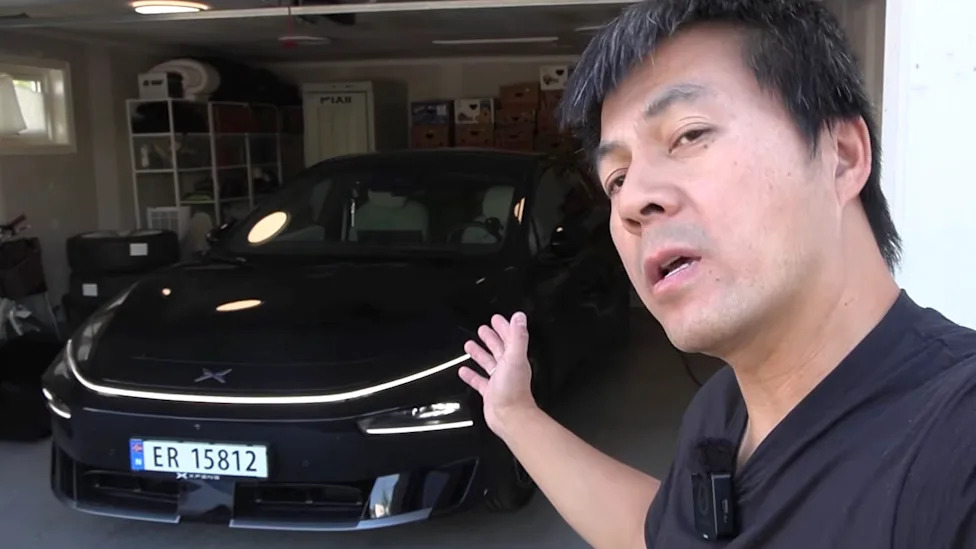
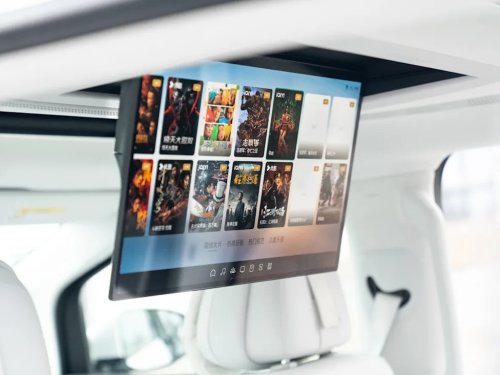
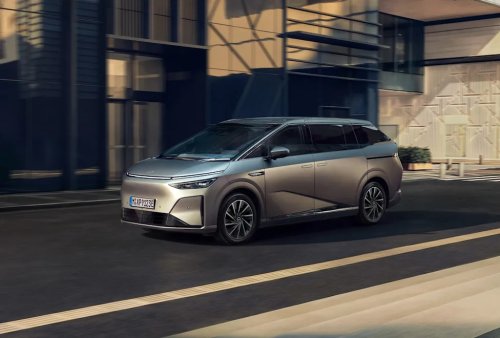
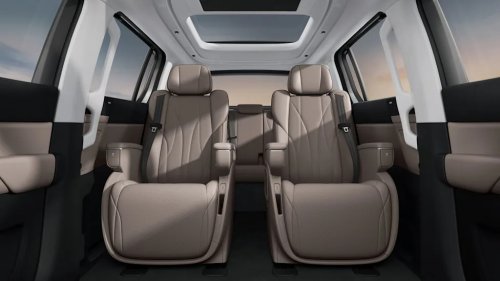
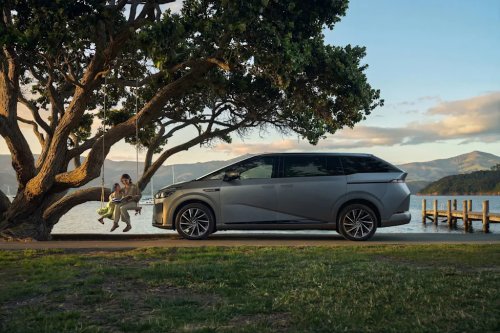
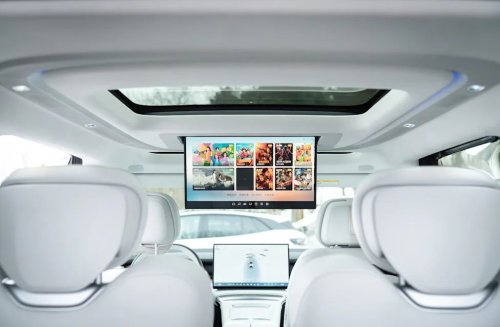
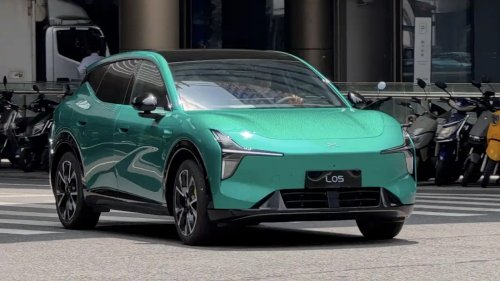
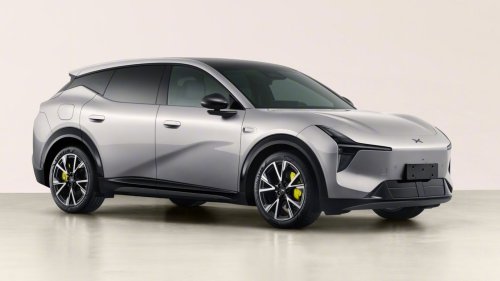
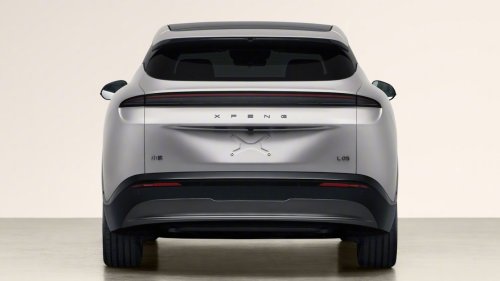
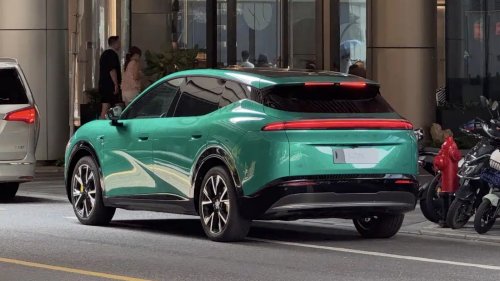
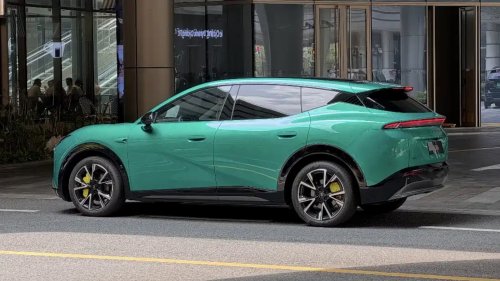
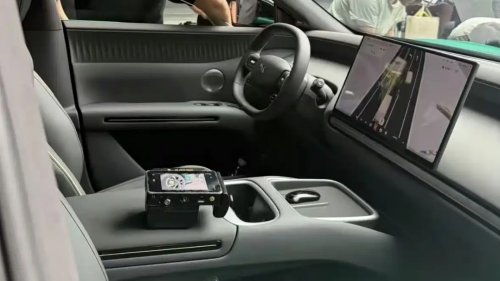
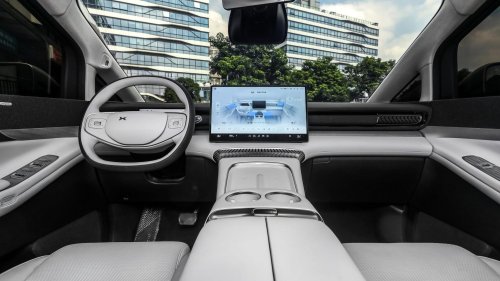
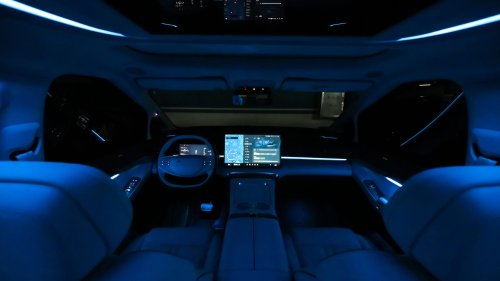
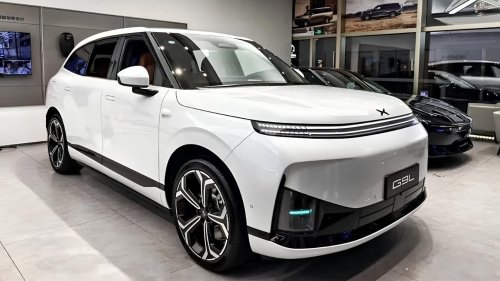
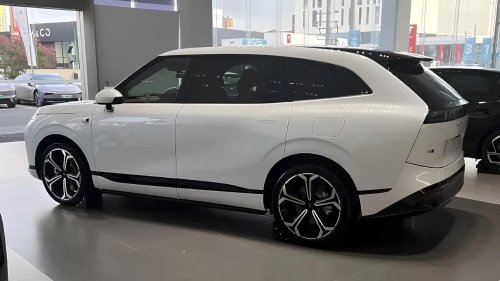
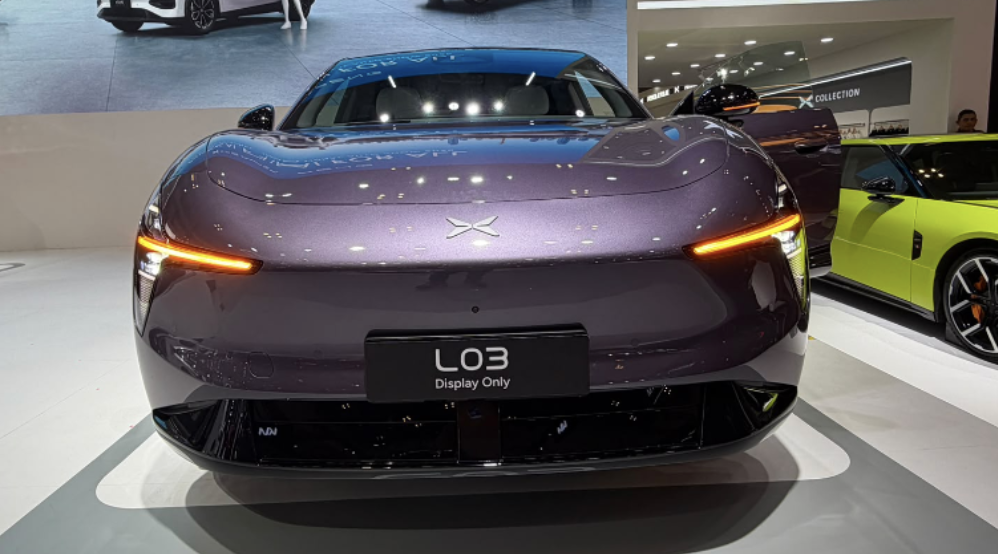
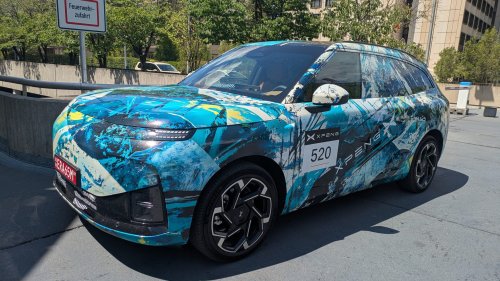
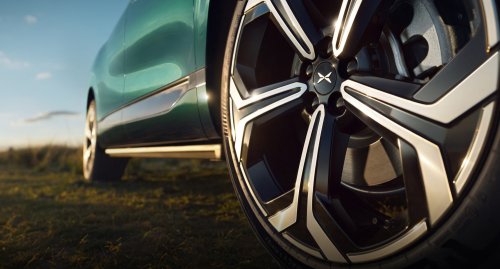
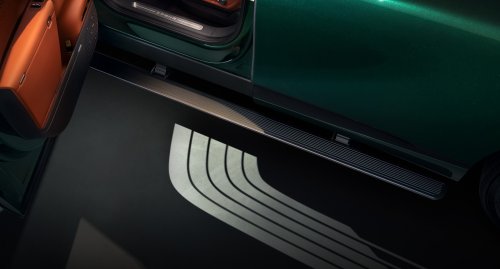
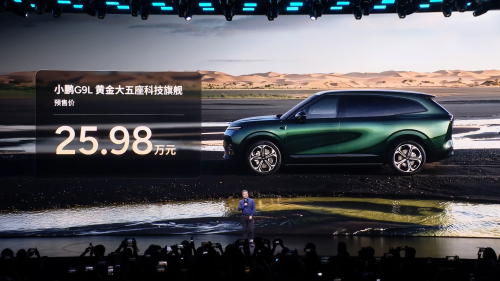
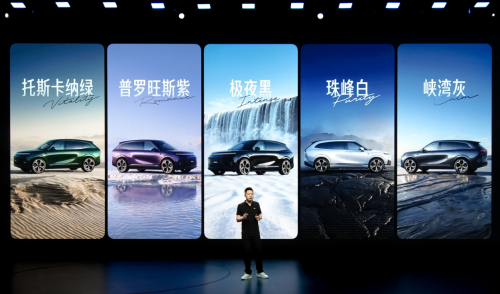
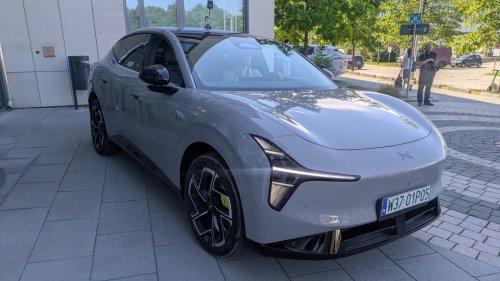
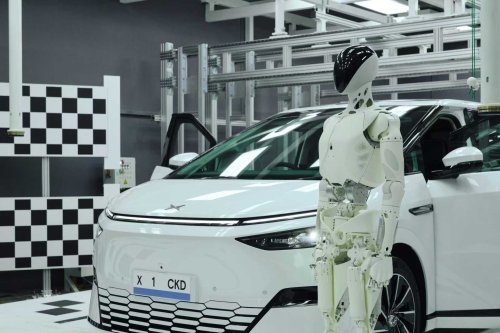
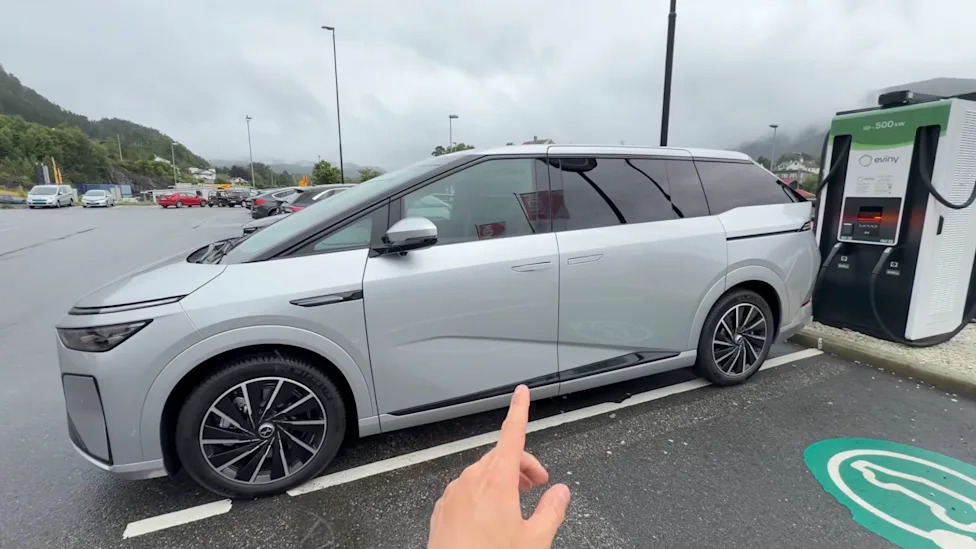
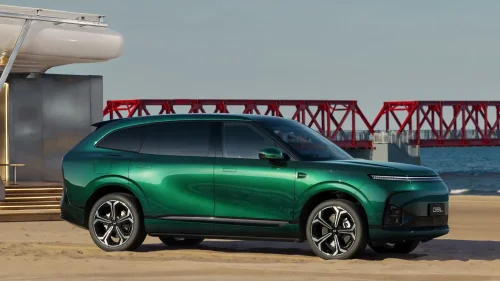
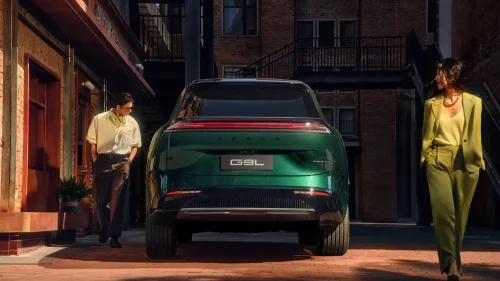
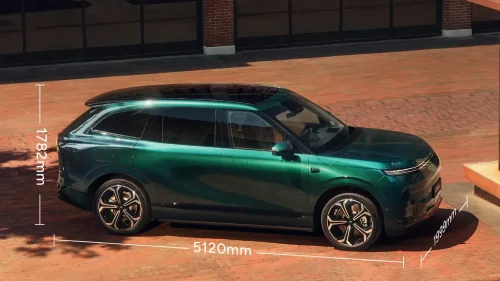
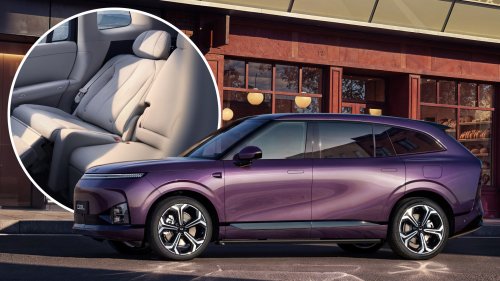
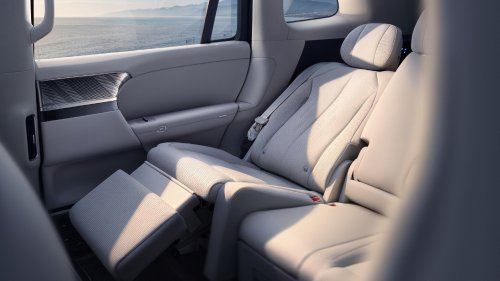
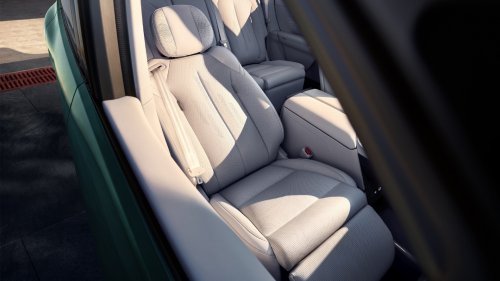
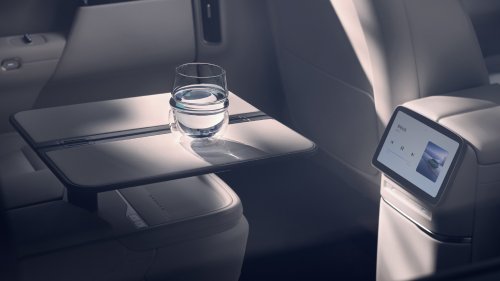
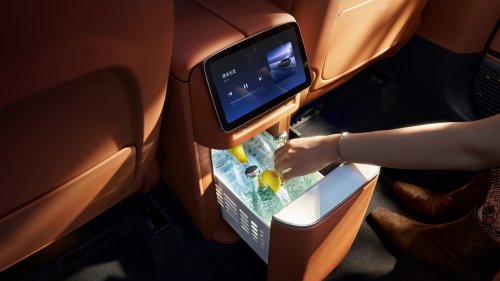
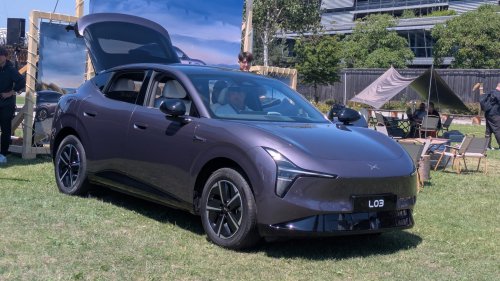
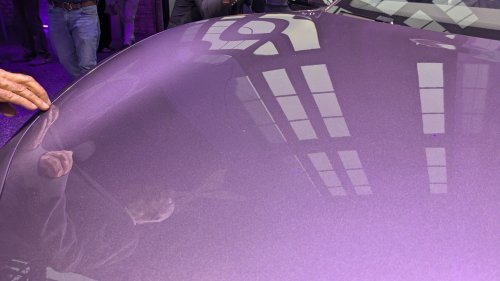
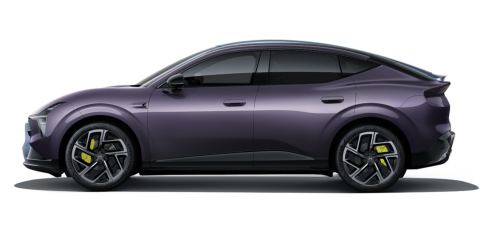
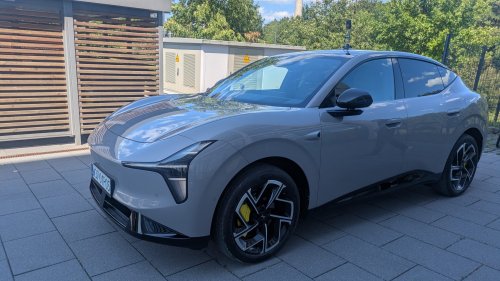
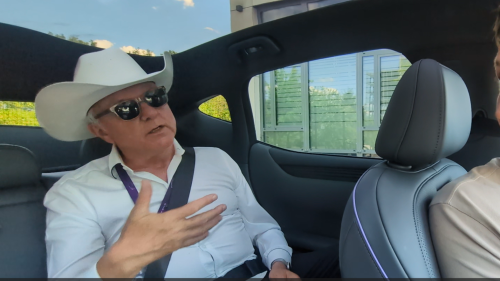
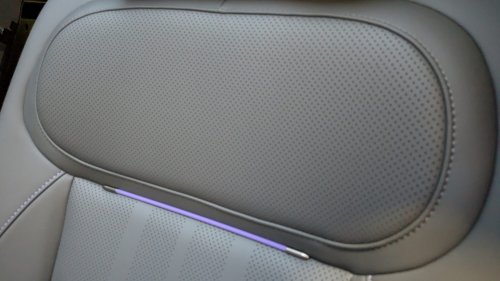
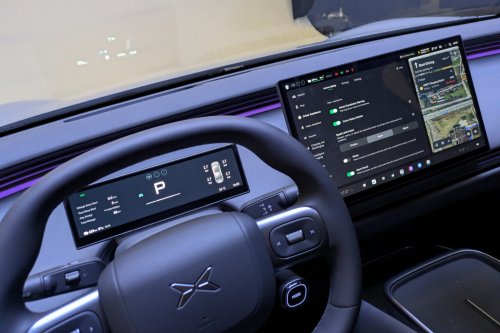
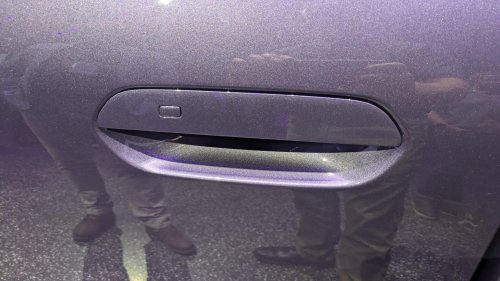
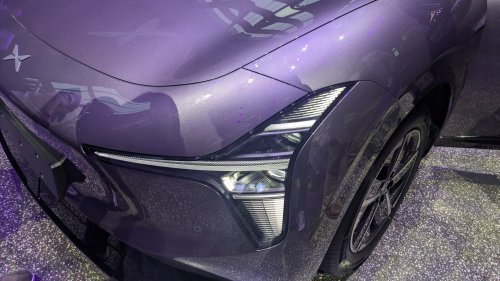
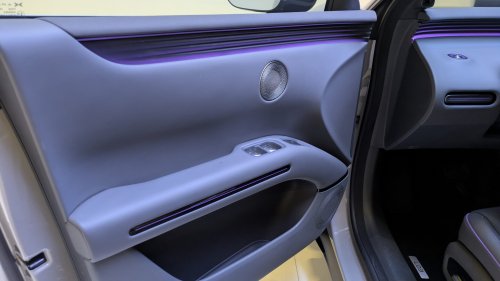
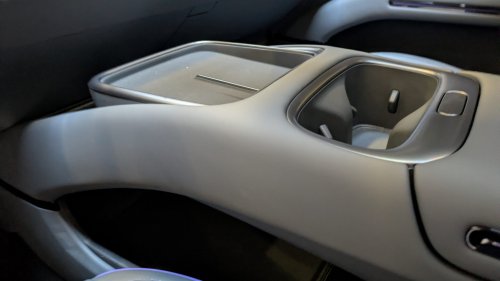
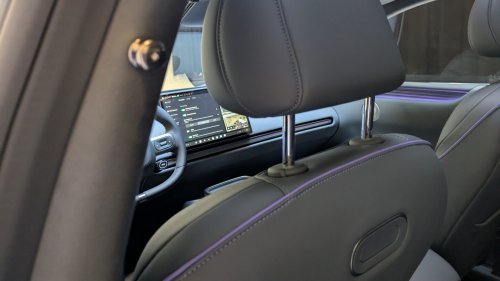
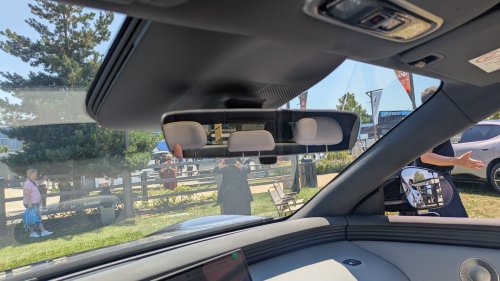
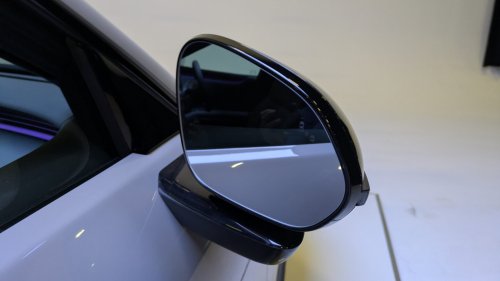
While we have written about the XPENG L03 before, looking at a vehicle on screens and spec sheets only tells you so much. What really sets vehicles apart is the execution. The fit and finish, material feel, and design details. The following video shows my first impressions through the fog of jetlag, having just landed in Munich a few hours earlier. The focus customers for the L03 are couples in their 30’s to mid-40’s who either have young families or are looking to start a family. They are trying to balance the need for practicality with a desire for technology in a car that isn’t boring. This compares to the somewhat older typical Tesla buyer, particularly within China. You can see the difference in customer focus reflected in many of the design choices. While I may be a bit older at 50, the design choices also reflect many of my preferences. XPENG L03. Photo by Larry Evans For the European market, the color choice at launch focuses on black, white, and silver/gray, with just one shade of purple. While color has caught on in China, the European market seems a bit more restrained. In discussions with different people at the launch, most of us preferred the purple color that shifts shade in different light. That also went for many of us who tend to gravitate to other colors. I personally think it would look great in a blue or green. It will be interesting to see if the Chinese market leads to the color’s return to popularity globally and if more colors become available in the future. The L03 is positioned below the G6 against vehicles like the ID.5 in the European market. However, it is a little larger, more powerful, and better equipped at that price point. In many ways, it is more comparable to a Model Y. From mirror to mirror, they are the exact same width of 1920 mm, although the L03 has a slightly wider body, due to frameless mirrors. A track width of 1,640 mm front and 1,658 mm rear is also a little wider than a Model Y. XPENG L03 (purple) over Model Y (blue) scaled to length. Profile photos by XPENG and Tesla. The length is 4650 mm, a couple of inches longer than a RAV4, but several inches shorter than a Model Y. Overlaying profile images of the two vehicles at scale, the difference comes mostly from the front overhang and rear bumper trim. It is also a few fractions of an inch lower than the Y, but the Lo3 has a flatter roof over the passenger compartment before sloping down at a steeper angle over the rear cargo area. In person, it doesn’t look noticeably different in size. However, with the wheels pushed farther out toward the corners, combined with curves and design details, it makes the L03 look a bit more muscular. XPENG L03. Photo by Larry Evans The L03 has floating calipers front and rear, behind 18” wheels in the base model. The Ultra and AWD Performance models have 20” wheels with yellow caliper covers that look like fixed calipers, but the actual calipers are still floating. The lower profile tires on the larger wheels also likely contribute to a sportier feel. Behind the wheels are MacPherson struts up front and a multilink suspension at the rear. Unlike the Chinese market, European models do not have adaptive dampening. However, the Chinese tuning was more focused on comfort, while the European version is intentionally a little stiffer and sportier. Having driven the next P7, XPENG knows how to do a well-balanced, sporty suspension. While I was not yet able to drive the L03 yet, I was able to ride along in a prototype Ultra AWD with 20” wheels, mostly using VLA 2.0. Clearly, somebody had been testing the cornering earlier, based on the fresh wear pattern on the tires. While I couldn’t coax the driver to push it while we were onboard, the suspension seemed to have a good amount of feel. You got a decent sense of what the tires were doing without it feeling harsh going over bumps. It was quiet, without rattles, and the chassis felt stiff. I didn’t notice body roll. The driver also said it had good steering feel. Overall, the ride felt like it could offer a good balance, although it would take some time behind the wheel with some spirited driving to know for sure. Roger Atkins in the back of the XPENG L03. Photo by Larry Evans Despite its length, the L03 passenger compartment is longer and wider than the Model Y. Due to its low floor and a roof line that stays relatively flat until tapering off behind the passengers, headroom is more than adequate. I had the pleasure to ride with longtime CleanTechnica friend Roger Atkins, who at 6’2” easily fit front and rear without taking off his signature cowboy hat. This is helped by subtle indentations in the rear headliner, which was a recommendation that I gave XPENG on the P7+. I can’t say for sure that this is in response to my feedback, but I’ll act like it was my idea. The low floor and large door openings make it easy to get in and out. For me, getting in was like sitting in a chair. I didn’t have to step up or squat down. This should make it useful for people with mobility problems. Due to the roofline, the rear seats also sit up a bit higher than in some EVs. In front, the seats and steering wheel had a good range of motion, making it easy for people of different sizes to find a comfortable seating position. XPENG L03. Photo by Larry Evans The interior of the L03 is fully vegan in Europe. However, the seats feel like high-quality leather. Center sections of the seats are perforated to support ventilation. The seams and stitching are tight and uniform. There are also design aspects of rounded rectangles in the seats that give them a bit more visual interest compared to some traditional car seats. Straight lines can be a challenge with soft materials, but they seem to be executed very well. Speaking of soft, the seats noticeably combine different densities of padding to provide softness in the seat bottom and support in the bolsters. Even though the seat bottoms look fairly flat, you sink in just enough in the soft center portion to be held in place laterally by the stiffer sides without feeling tight or confined. Lumbar support is also good and adjustable for those of us with bad backs. This lets the seats look clean and simple with straight lines, without sacrificing comfort or support. Clearly, some thought went into designing these seats. In the rear, a 40/20/40 split lets customers place long items down the center console, while still having use to the two outboard rear seats. The L03 seats also offer heating, ventilation, and massage. But the softness is not limited to the seats. Above the hip line, high quality soft touch materials are abundant. On the doors, different levels of cushioning are offered in different locations. Noticeable padding is on the door tops, which makes resting your arm on the door top with your hand on the A pillar comfortable. You could also rest your arm on the door top with your hand comfortably on the top of the steering wheel. While keeping both hands on the wheel is recommended, whether you prefer to drive with your hands at 10 and 2, 9 and 3, or 5 and 7, all felt surprisingly comfortable on the relatively small, rectangular, 2-spoke wheel. XPENG L03. Photo by Larry Evans The European model adds a rectangular 8.8” display that moves with the steering wheel and is easy to read. As someone who prefers not to have to look at a center touchscreen while driving, I thought I would like this. However, it seems largely unnecessary, due to the bright, full color 26.8” W-HUD. While HUDs are hard to capture on camera, it clearly displays both speed and navigation, in addition to rear view images when needed. While the look is still minimalist, XPENG also adds stalk controls for wipers, lights, turn signals and shifting. Buttons on the steering wheel let the driver control the air conditioning and audio system (all the infotainment many of us grew up with), as well as drive modes and VLA 2.0 activation. Voice controls allow users to control basically anything else you could need while driving. Essentially, not only is the driver display unnecessary, but the center touch screen becomes largely unnecessary while driving. You could keep both hands on the wheel and eyes on the road at all times, with the HUD providing the necessary information. The center screen use could be limited just to configuring the system or entertainment while stationary. XPENG could realistically have an OTA update with a mode where only the HUD is displayed while driving with the other screens turned off, which could be especially useful at night (hint XPENG). Speaking of voice control, XPENG also touted its XOS 6.0 smart cockpit, which enables full “human-like” conversational operation, although this was not enabled yet. Smart Cockpit XOS 6.0 features Google Maps integration. By combining XPENG’s user interface with Google data, the car can provide the desired experience, while reducing data concerns. It will be interesting to see how these work on the road in the final versions. XPENG L03. Photo by Larry Evans While there is plenty of technology around the car, there does not seem to be cumbersome technology for the sake of having technology. The semi-hidden door handles are manual, even if the windows seal automatically when closing. The hood release is manual, although the rear hatch is powered. The charge door is manual. The glove box opens manually, without having to go into the touch screen. The one area that lets this theme down is the front air vents, especially as the metal manual rear air vents have a satisfying tactile feel. Sometimes, it is just faster and easier to have mechanical operation. XPENG L03. Photo by Larry Evans Similarly, the car is not overly styled for the sake of style. The headlights are functional, without the high mounted light bars and hidden headlights lower down in the front facia. While the stamping around the wheels makes it look a little more interesting, it also stiffens the wheel well. The fender curves make the vehicle look more athletic but also make it easier to see where the wheels are from the driver’s seat. Aerodynamic features are subtle, and the ducts or trim pieces are functional. This helps the vehicle achieve a drag coefficient of 0.228, superior to the Ferrari Luce without ending up looking weird in the process. As XPENGs design head JuanMa López comes from Ferrari, I am sure he is happy with how his design came out in comparison. Vehicles XPENG L03. Photo by Larry Evans The materials and construction combine various soft touch materials above the hip point, only getting into hard plastics as you approach the floor. Soft materials extend from the dashboard all the way to the rear seats. The few hard surfaces above the beltline include a textured strip for the ambient lighting and real metal speaker grilles and knobs. While the door pockets and bottom of the center console are harder plastic, which provides a level of durability, they also contain removable rubber mats that help hold items in place, reduce noise and make cleaning easier. The headliner has been described as velvet or microfiber, but it feels premium regardless of what you want to call it. XPENG L03. Photo by Larry Evans The center console contains a wireless phone charging pad and several plugs of different formats for wired low voltage power needs. The European version does not include the refrigerator or scent diffuser found on some Chinese models. XPENG L03. Photo by Larry Evans Around the vehicle are multiple mounting points for accessories. There are several standard metal ¼” threaded mounting points throughout the vehicle, which would allow various accessories like action cameras to be installed. A number of magnetic mounting points are positioned subtly around the car for things like tissue boxes and sunglass cases. In the back of the vehicle are metal knobs to hold things like dry cleaning and small plastic hooks farther down the B pillar to hold bags. Seat back pockets are deep. Meanwhile, powered attachment points in the seatbacks allow people to mount accessories like entertainment screens. In the rear cargo area is a place to attack peg boards to mount additional items. Vehicles XPENG L03. Photo by Larry Evans While the car looks sleek, the beltline is not overly high. Out the front, visibility is excellent, and the front fender flares, combined with short overhangs and a low hood, make it easy to see where the corners of the car and the front wheels are. That would make the vehicle easy to place on the road without relying on sensors. The front windows extend behind the driver, providing good visibility. The L03 structure relies heavily on ultra-high-strength steel (UHSS). Not only does this provide 5-star crash ratings across the global standards, but it also lets them make the door openings a little larger and the pillars a little narrower, improving visibility. XPENG L03. Photo by Larry Evans While the side rear view mirror housings are relatively small, they are frameless and provide a good view down the sides of the car. In the model I saw, the center rearview mirror was glass and the visibility out the back was somewhat limited. We will have to wait to drive the car to see how well cameras make up for that while reversing. However, all L03 models come with self-parking, which should make reversing a little easier. Visibility also isn’t lacking for rear passengers. As rear passengers sit up a bit higher than in some EVs, there is good visibility out the front of the vehicle. This is also aided by relatively narrow B pillars. The ability for rear passengers to see the horizon ahead of them helps to reduce motion sickness. The rear side windows and the panoramic silver-coated sunroof also extend behind the eyeline of the rear passengers, creating a feeling of openness. However there are more interesting details to explore in Part 2 of this article.



















 +29 others