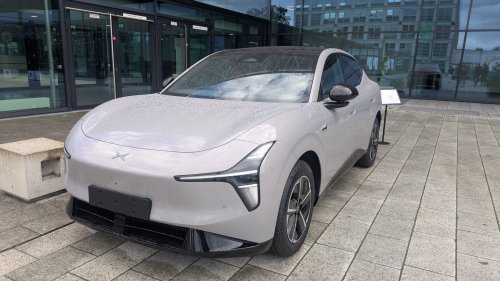
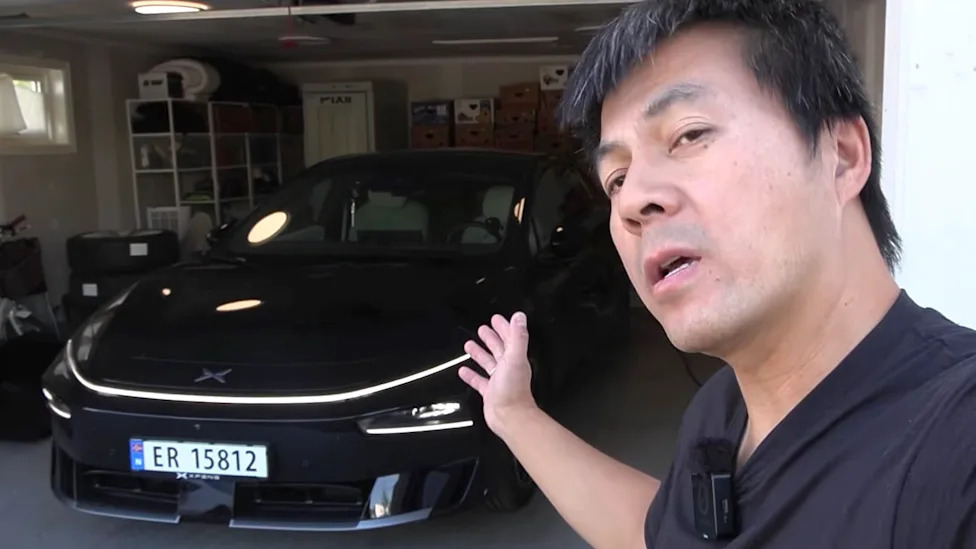
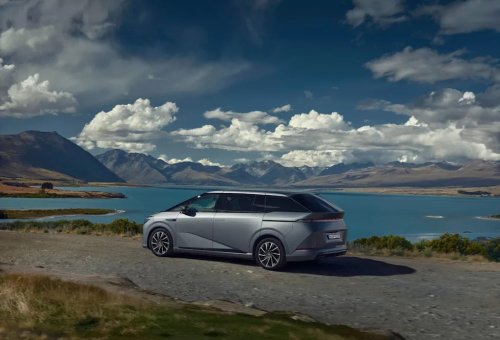
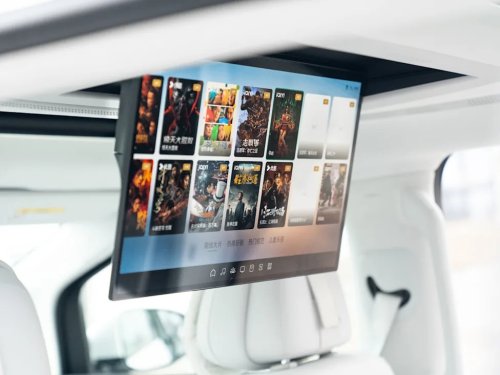
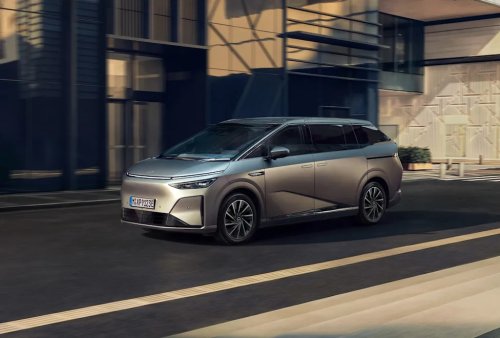
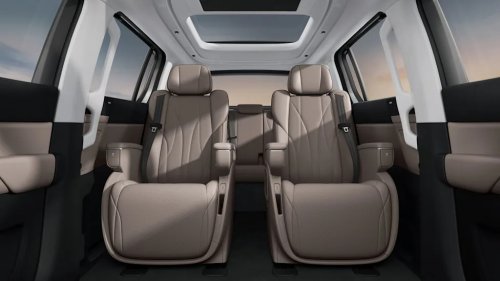
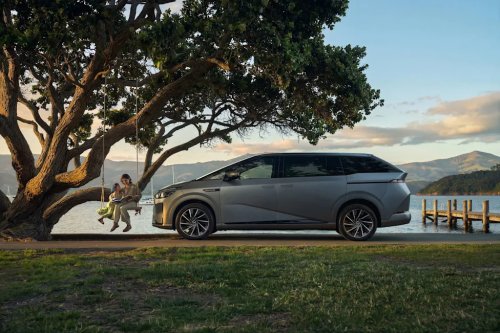
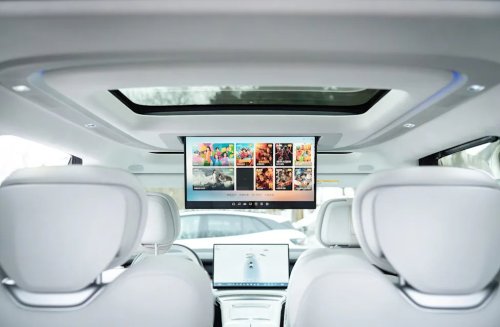
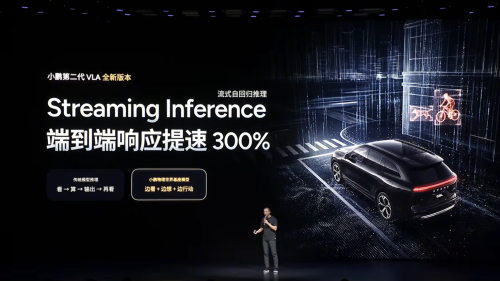
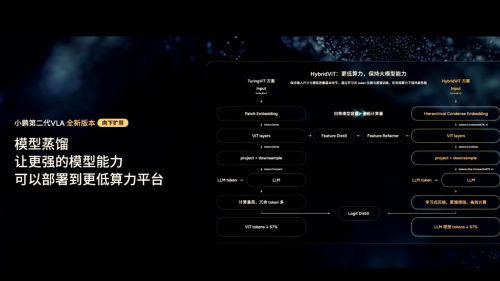
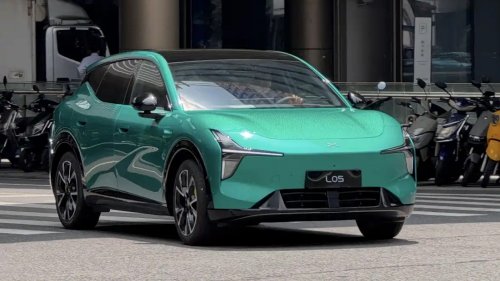
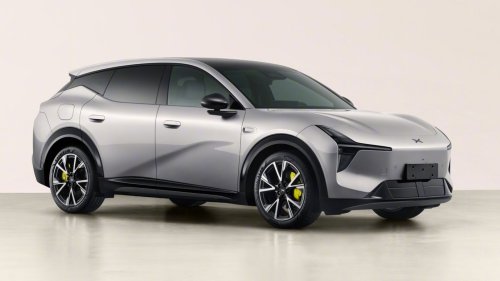
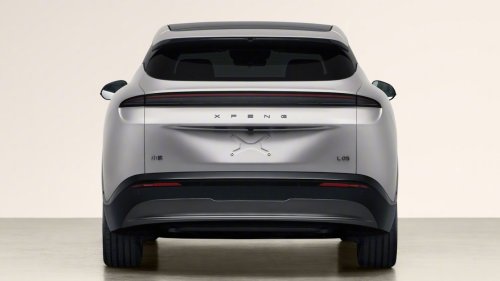
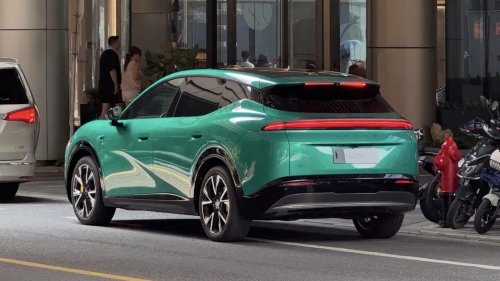
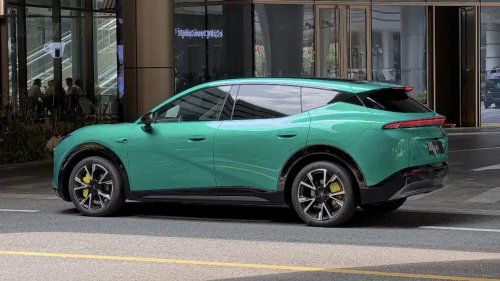
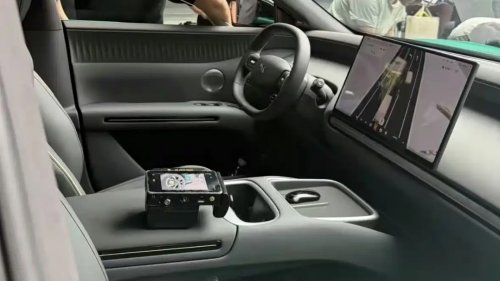
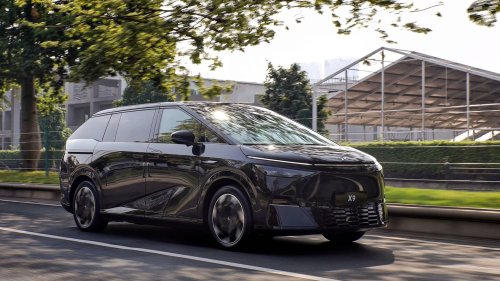
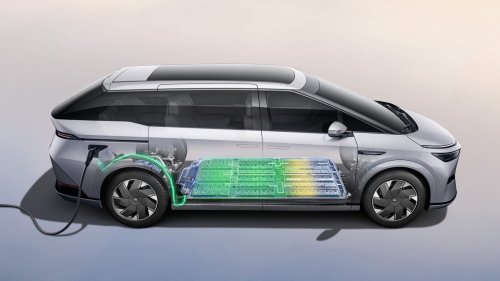
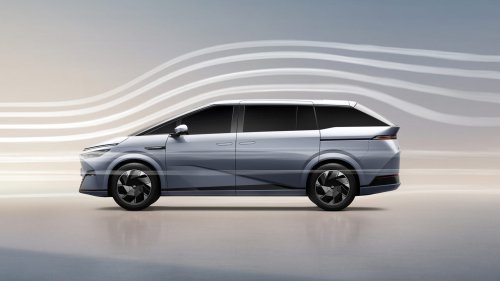
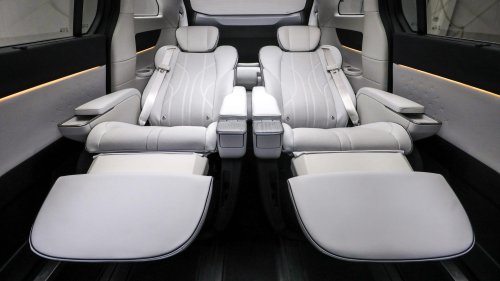
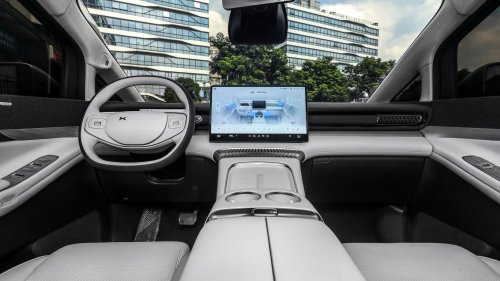
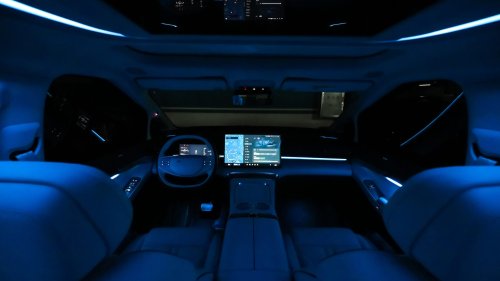
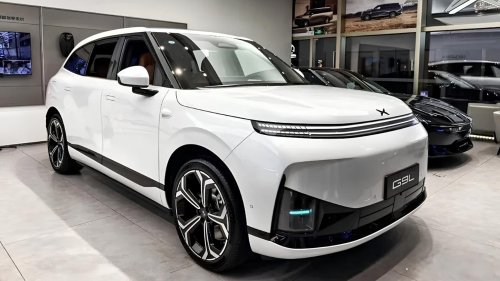
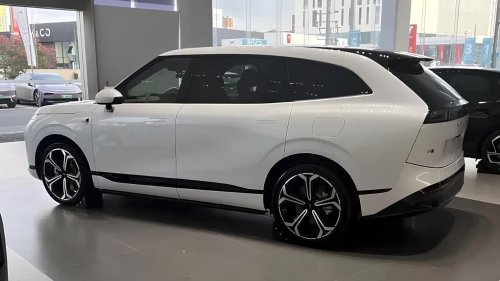
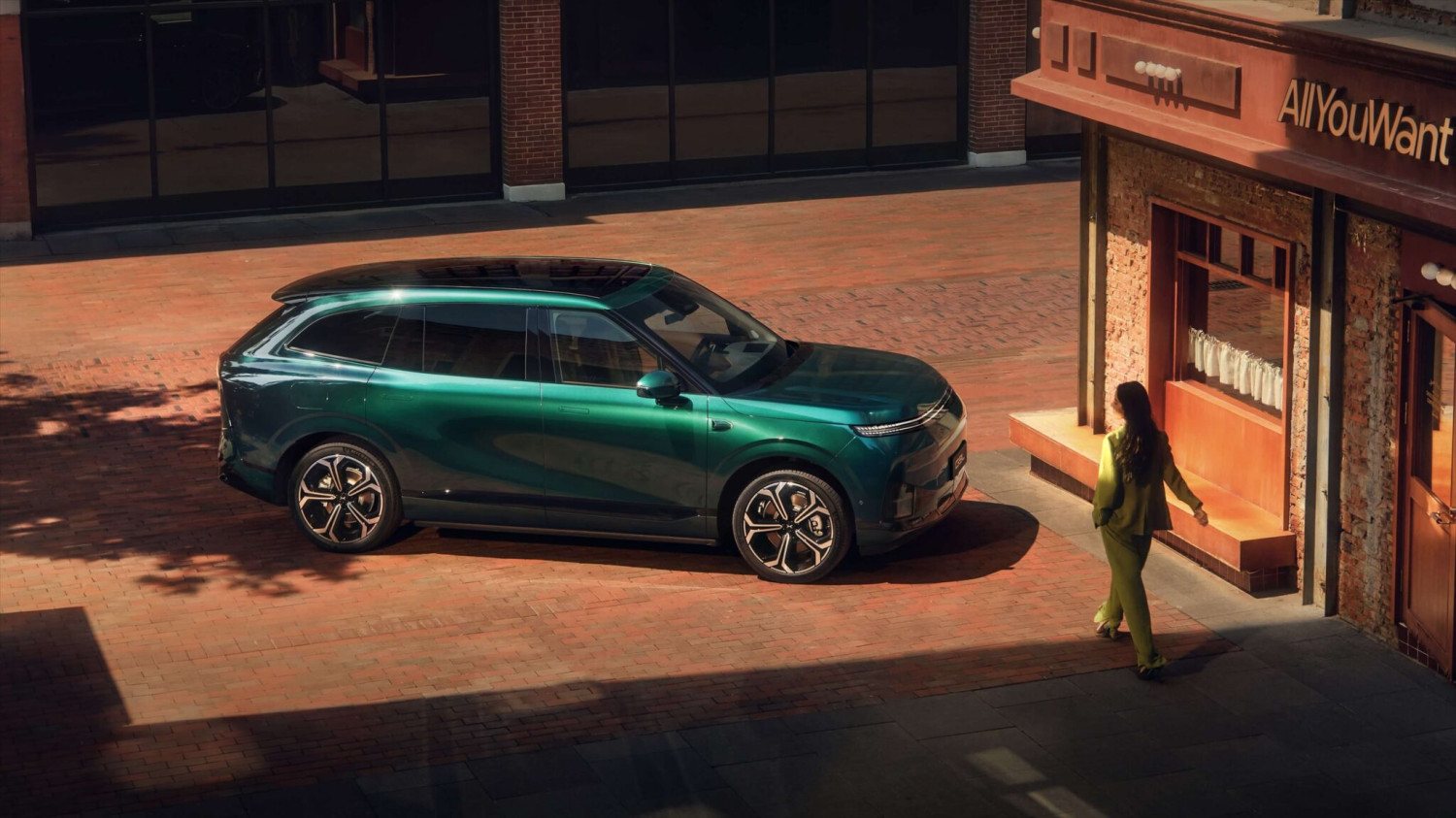
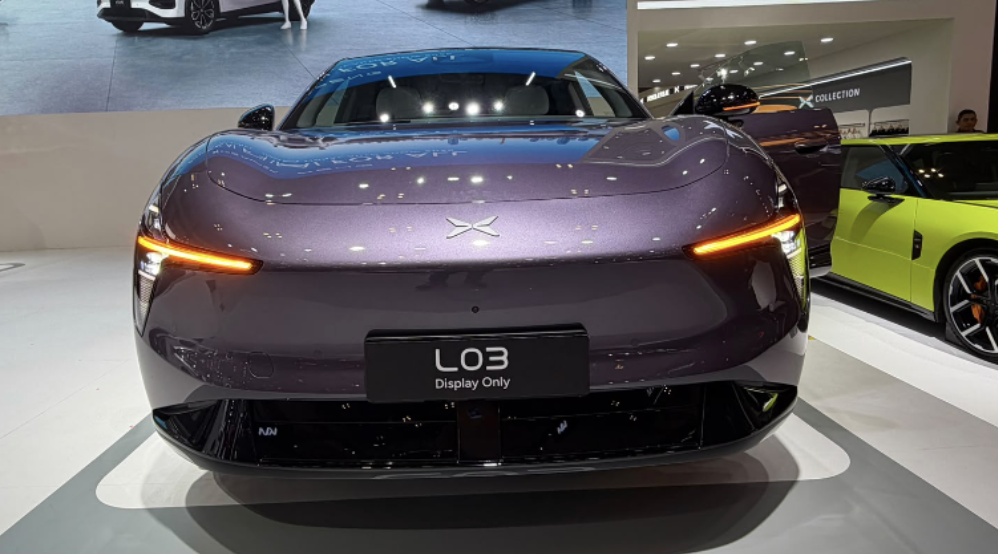
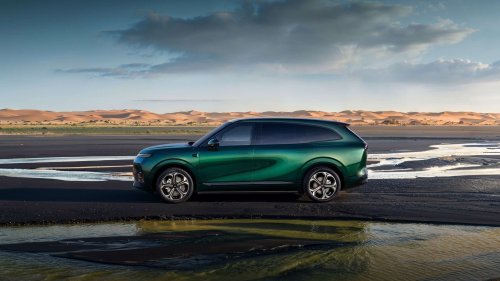
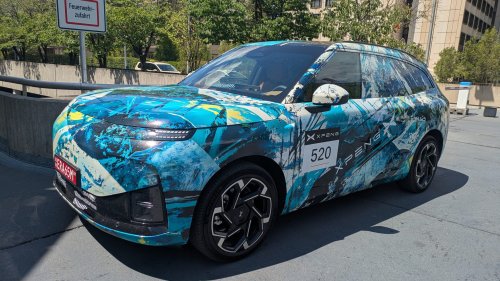
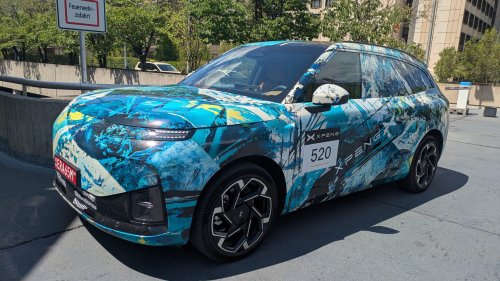
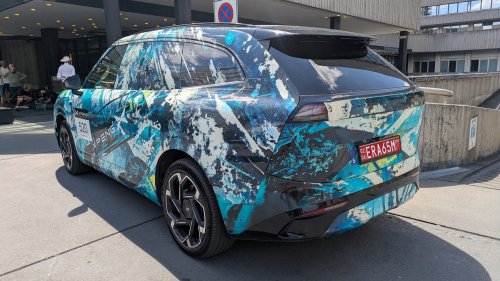
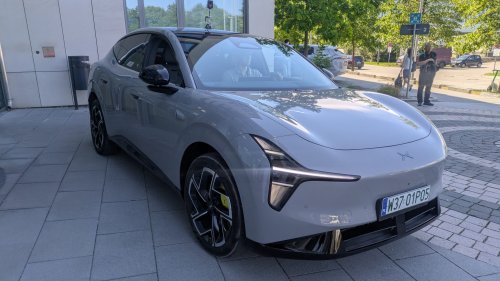
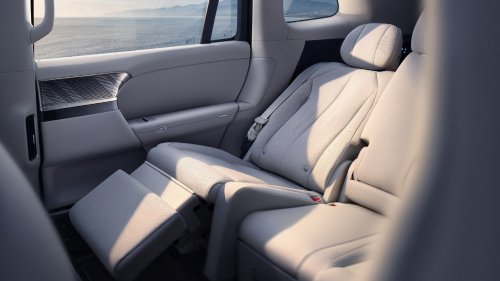
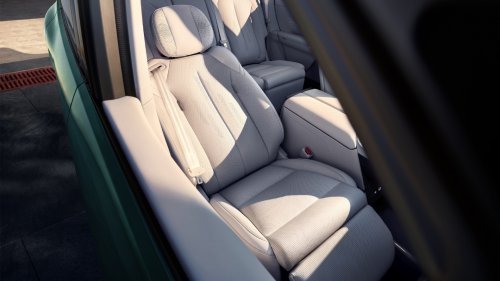
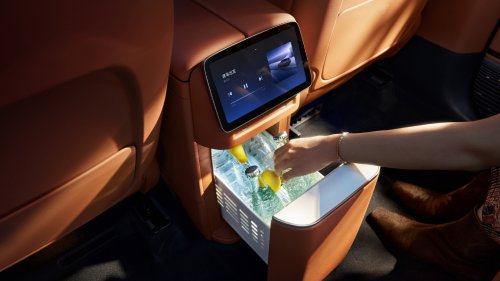
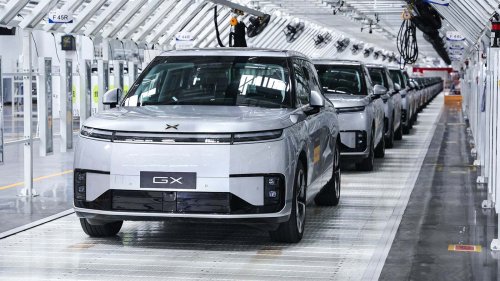
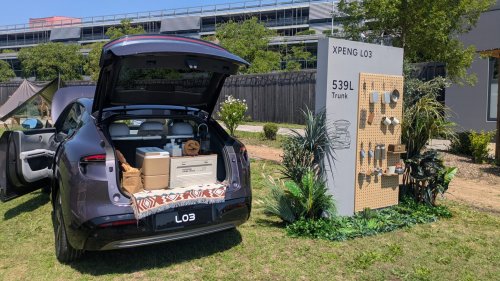
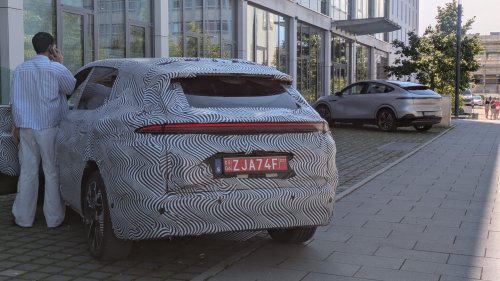
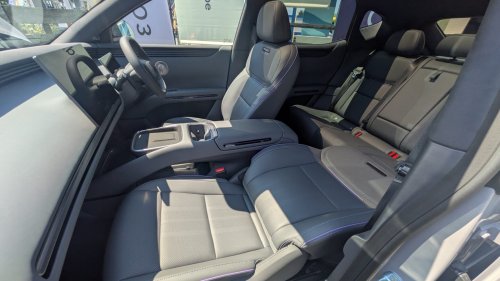
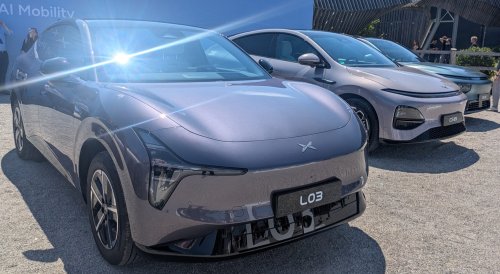
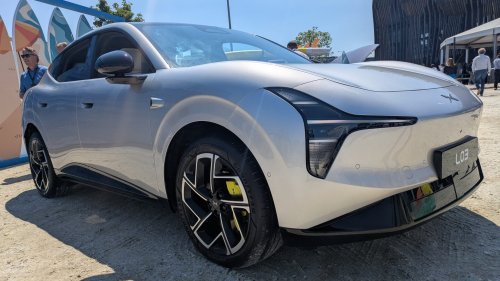
This is the second part of a detailed look at the design the new XPENG L03. Before reading this, I recommend reading Part 1. There has been a lot of discussion about rear cargo space. By the standard of liquid volume up to the top of the rear seat back, the L03 has 539l of cargo space. By cubic measurement up to the top of the rear seatback, which is a German standard, it has 367l of cargo volume. Tesla measures their cargo area in liquid volume up to the roof, which is not a standard measurement, so that makes it difficult to compare based on spec sheets. I can confidently say that the L03 has more room behind the rear seats than a Model YL has behind its third row and has less than the standard Model Y has behind its second row, although the exact amount is hard to say without an apples-to-apples measurement. At 0.9 m (35.4”) from the rear hatch to the second-row seatbacks, the L03’s rear cargo space is long enough to carry full-sized suitcases lengthwise. That is likely more than enough for many drivers. Rather than fixating on the different volume measurements online, I recommend people go to a showroom and take a look in real life to see if the amount of cargo space is enough for their needs. XPENG L03. Photo by Larry Evans. However, if you really do need a little more room, XPENG has a larger L05 on the way, which falls between the Model Y and YL in length. This car has already appeared in Chinese MIIT regulatory filings, and I saw a camouflaged prototype parked outside of XPENG’s Munich offices. Many XPENG models have previously done without a frunk, but the BEV L03 has a decently sized compartment at 102l, big enough for a carryon suitcase. It also has a drain plug, making it easy to clean or to potentially be used as a cooler. Also under the hood is a cap to fill wiper fluid and access to the accessory battery under a small cover. The REEV loses the frunk to place a range-extending engine under the cover. By opening a small flap, people can check the oil level through a traditional dipstick that has been unfortunately disappearing from many ICE models. XPENG L03. Photo by Larry Evans In total, there are 37 different storage locations. Notably, a 10l drawer under the rear seat, large enough for things like shoes, snacks or bedding. That bedding could come in handy. By removing the front headrests and reclining fully, the front seat backs meet the rear seat bottoms, forming a bed, which could be useful to take a nap during charging or for camping. The car is offered with 58.3 and 71.2 kWh LFP batteries on a 400V platform. 3C charging takes the battery from 10-80% in 20 minutes. That makes it charge a bit slower than XPENG’s 800V cars, but still faster than a Tesla. It also supports 6kW V2L. The Standard Range model has 445 km of range and 0-100 km/h in 7.5s, while a Long Range version improves that to 520 km of range and 0-100 km/h in 6.6s. Both of those models have the same 180 kWh motor, but XPENG tuned the base version to be a bit more relaxed. In Europe, an AWD Performance version is also offered with 440 km of range and 285 kW of power, good for 0-100 km/h in 4.5s. XPENG is also offering its EREV version, with up to 215 km of WLTP battery range. Beyond the battery range, total range extends over 1000 km with a 1.5l gasoline motor up front that is not connected to the motor in the rear. This range is far more than what many European drivers would expect from this type of vehicle and more than PHEV competitors. In Europe, smaller vehicles are more likely to be used for towing than in the US. A detachable tow bar is offered across all models, rated for up to 1500 kg. For those looking to tow long distances on holidays but have a useable EV range during the week, the EREV could be an attractive option. While all versions have intelligent driving capability, the Ultra version also adds 3 Turing chips for full VLA 2.0 full scenario navigation. We’ll discuss VLA 2.0 more in a future article. At a pre-tax price of 265,933 NOK ($27,600 USD) in Norway, the L03 is less expensive than the least expensive EV in the US, the Chevy Bolt. Compared to that car, the L03 is dramatically higher quality. It is also a significantly larger vehicle, at over a foot longer. XPENG L03. Photo by Larry Evans However, that brings up a potential criticism. While it hits the sweet spot of the automotive market, the L03 is also not much smaller than XPENG’s G6. It also feels premium, and there are clearly areas where costs could be cut. Considering how tight some European roads can be, particularly in the south, there is clearly room for a smaller car. Maybe we could see a “L01” subcompact? On the other hand, several of us wondered if XPENG could bring some of the Chinese market options to global markets, like refrigerators and zero gravity seats with 14 points of massage. As Chinese cars become established, could we see domestic market versions gain popularity with fans in other markets? Kind of like JDM-focused models or Wolfsburg-edition Volkswagen models in the US? XPENG L03. Photo by Larry Evans Overall, while the L03 looks good on screen, it looks better in person. And it seems better as you explore the details, feel the materials and notice the build quality. Many of us at the event were impressed by details that we discovered without XPENG bringing them up. Of course, like even the best relationships, I am sure some frustrations might arise over time. However, from what I have seen exploring the details of the L03, this XPENG could turn many potential customers into loyal fans.



















 +21 others