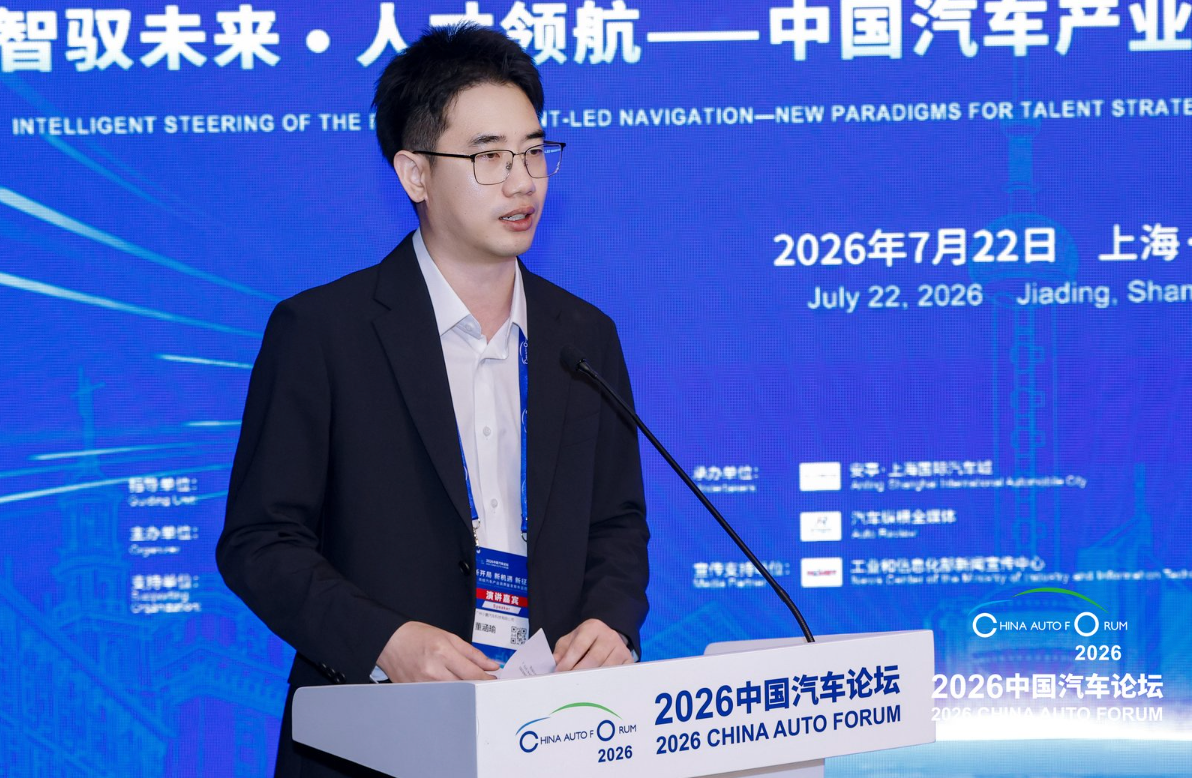
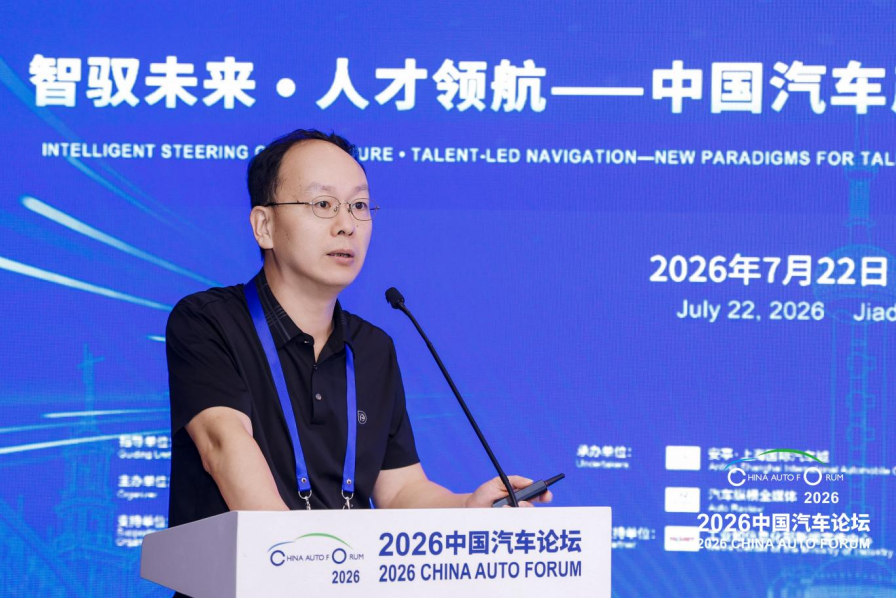
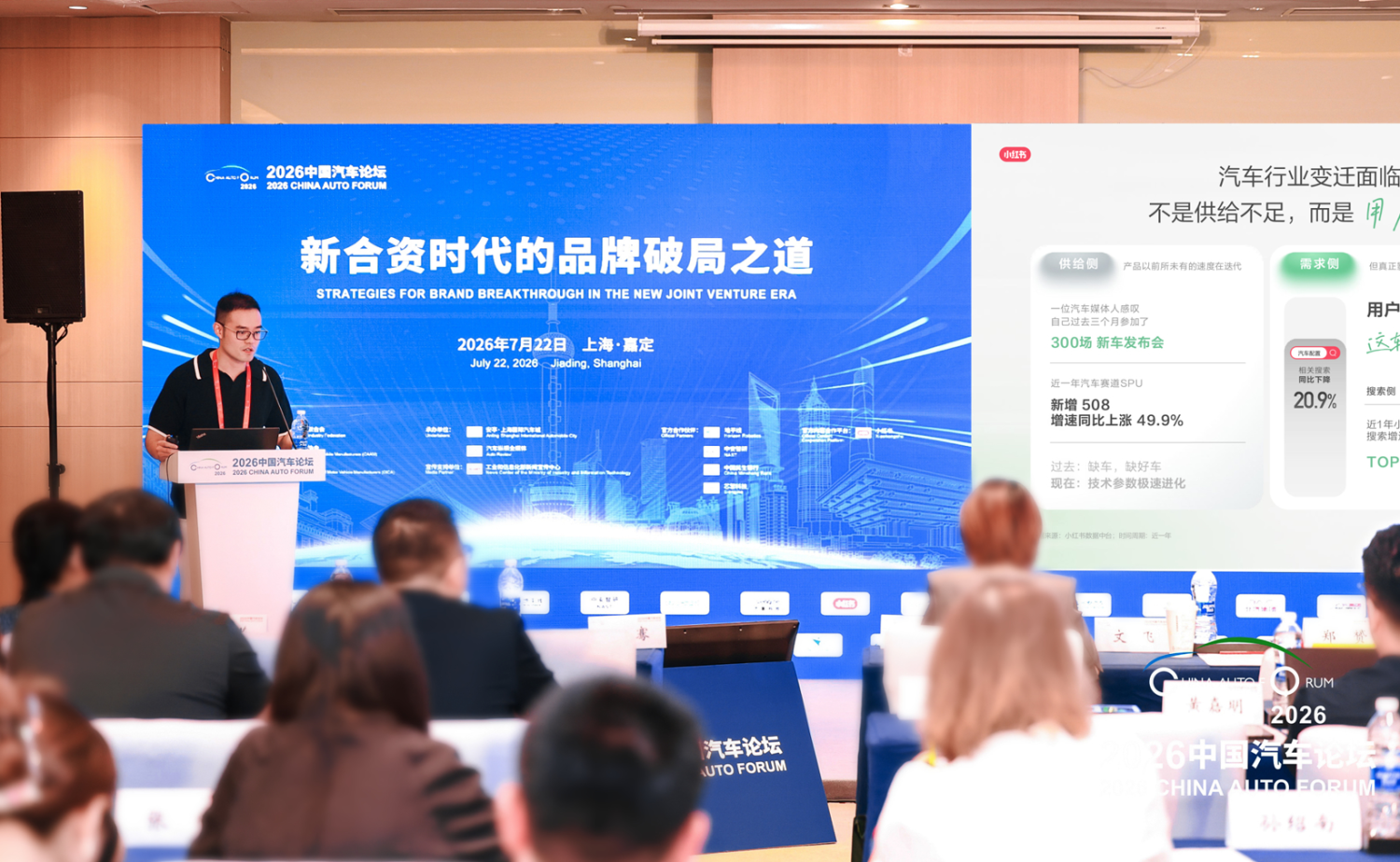
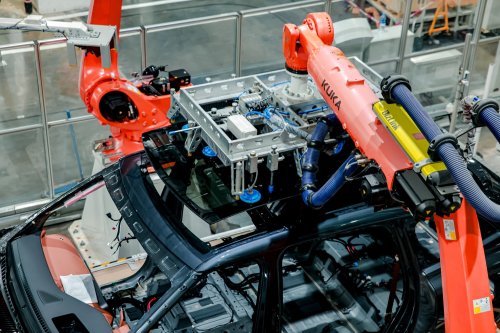
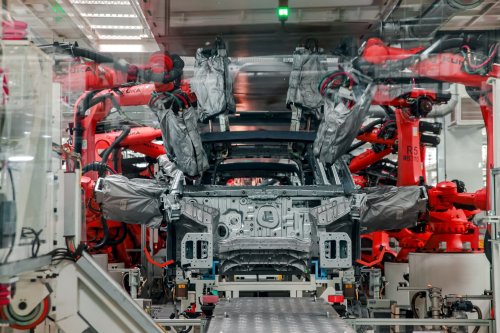
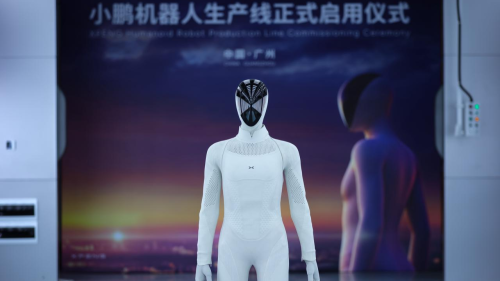
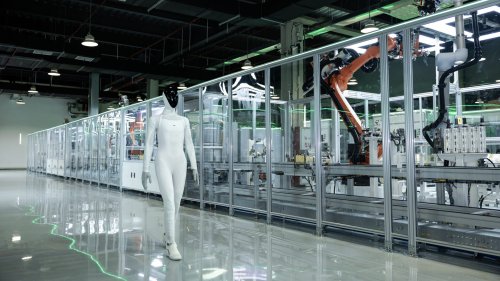
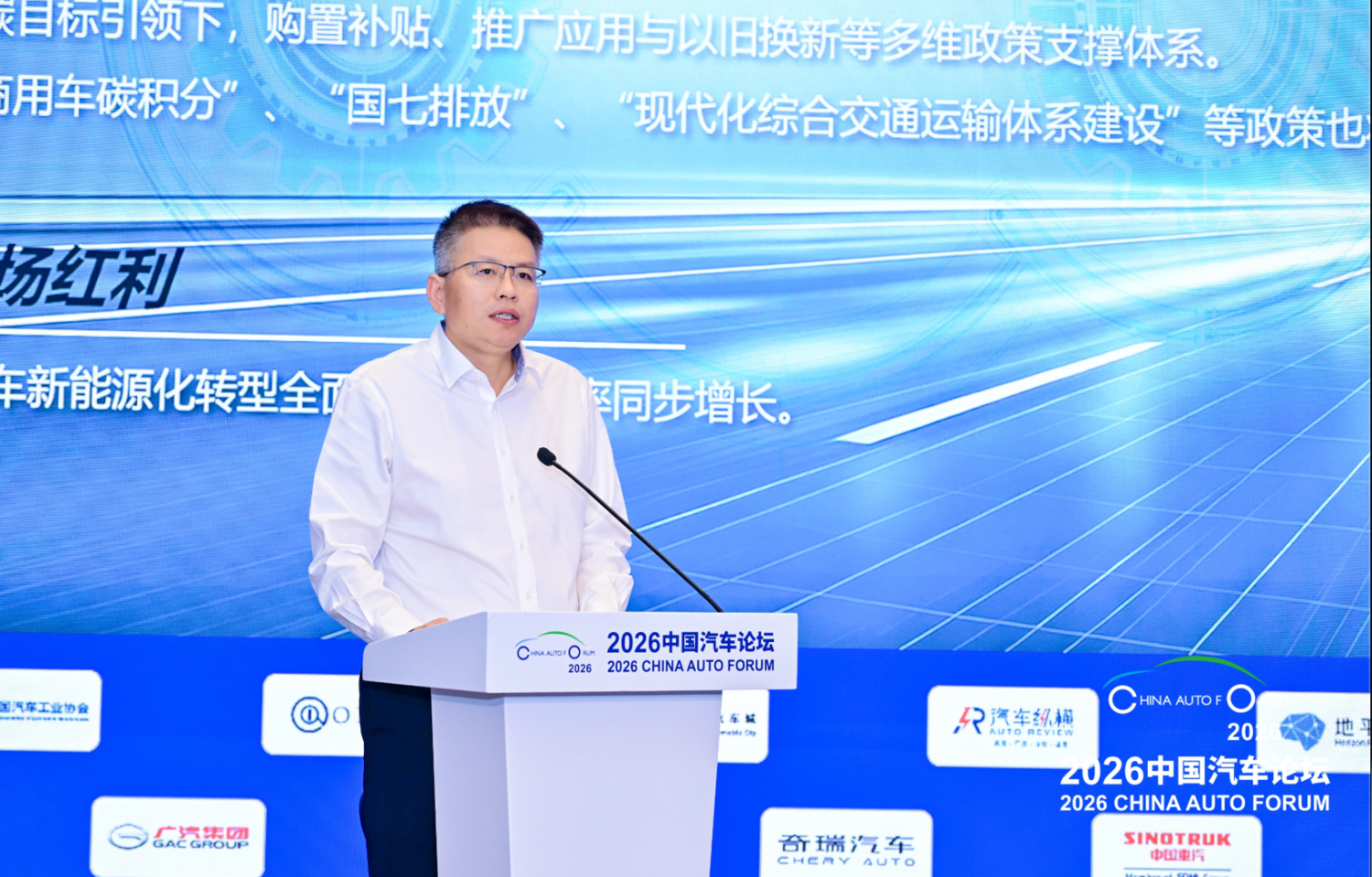
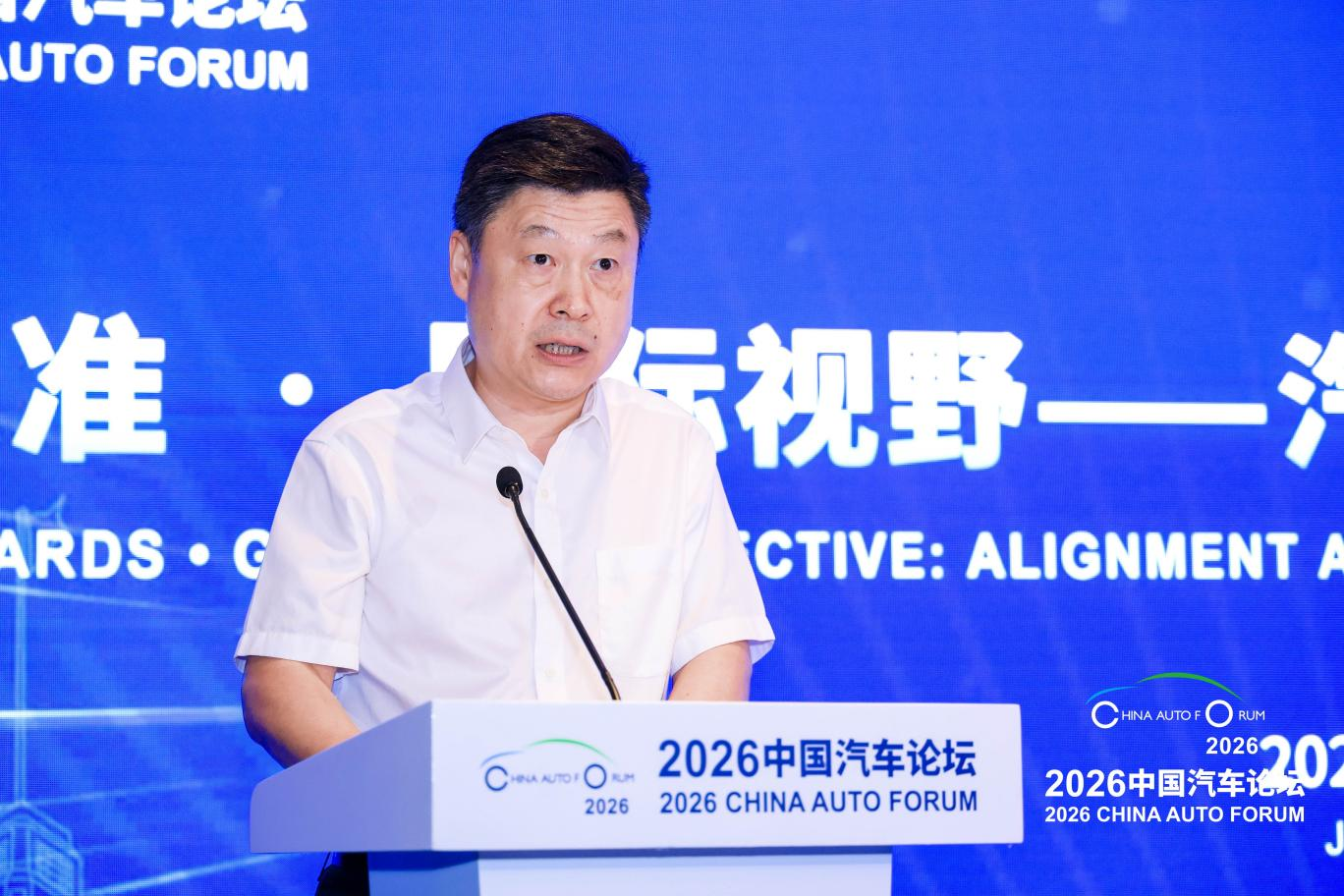
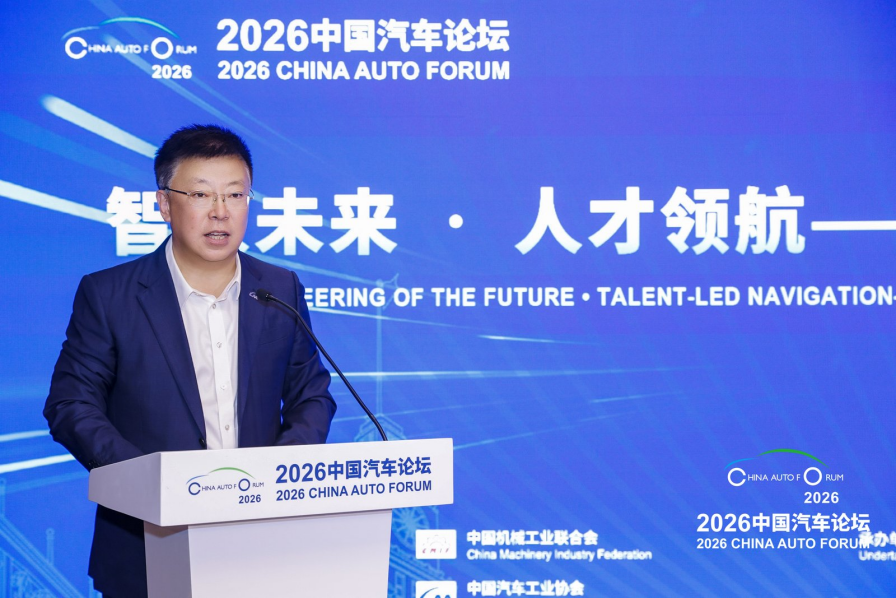
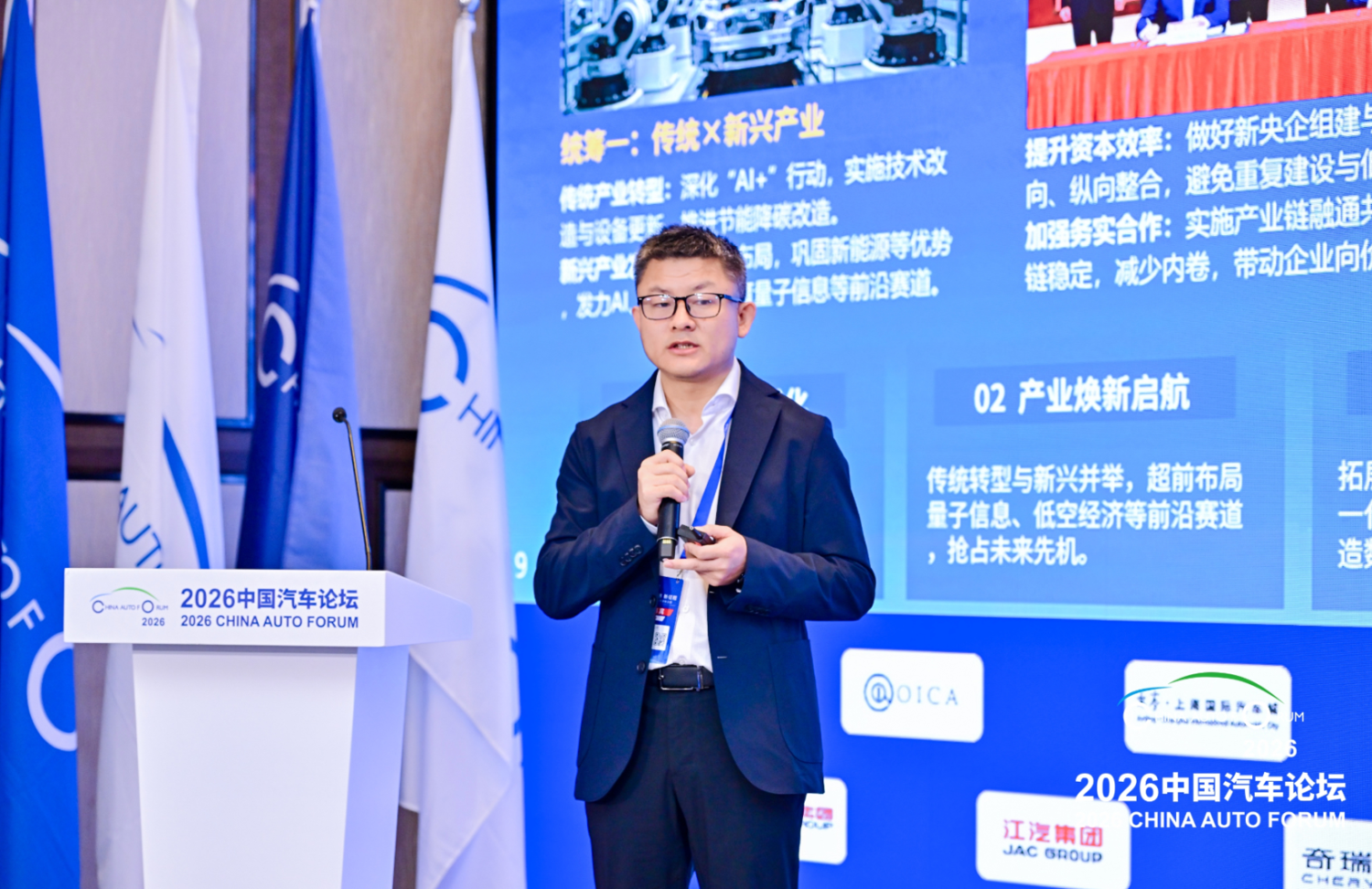
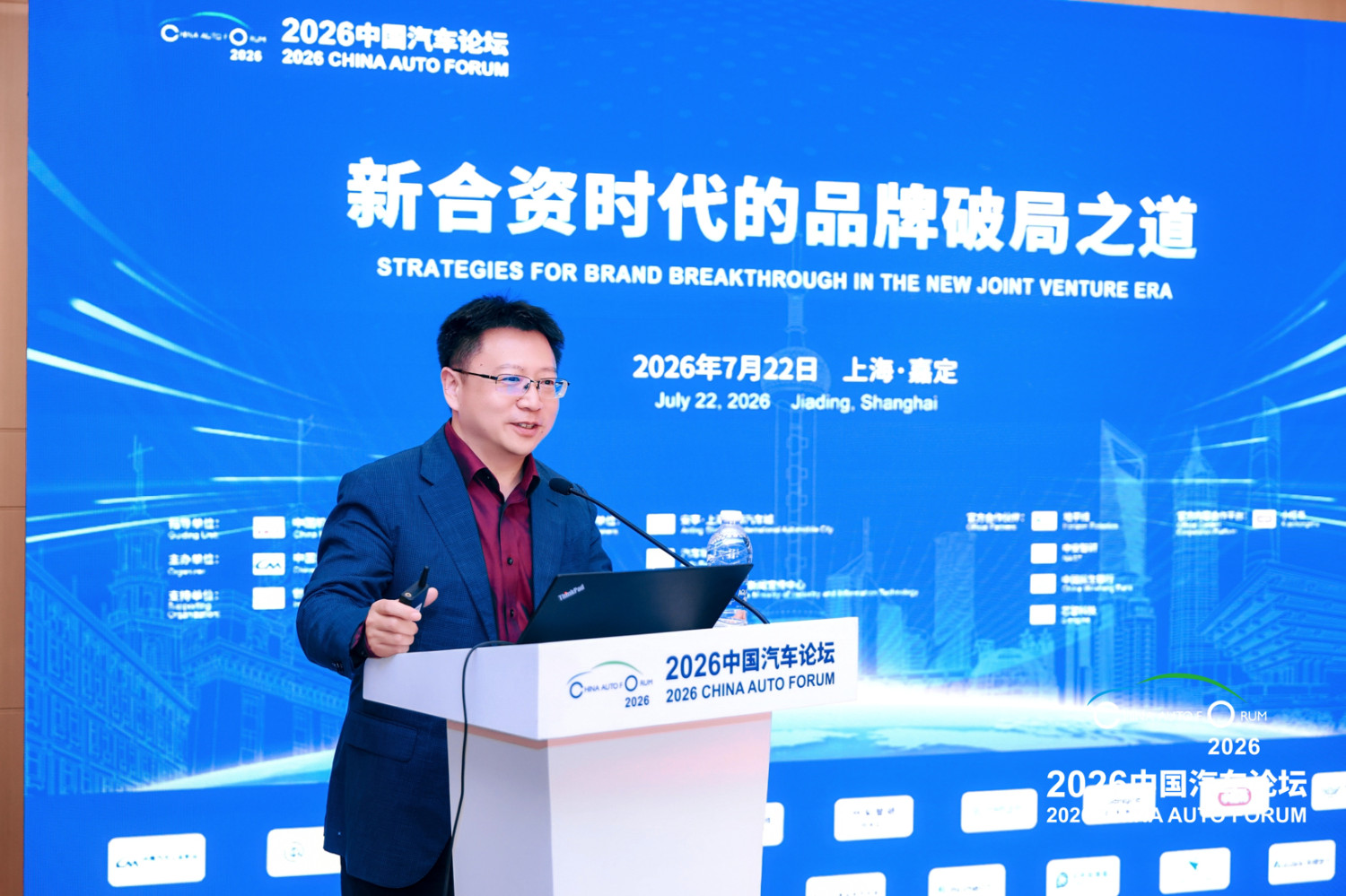
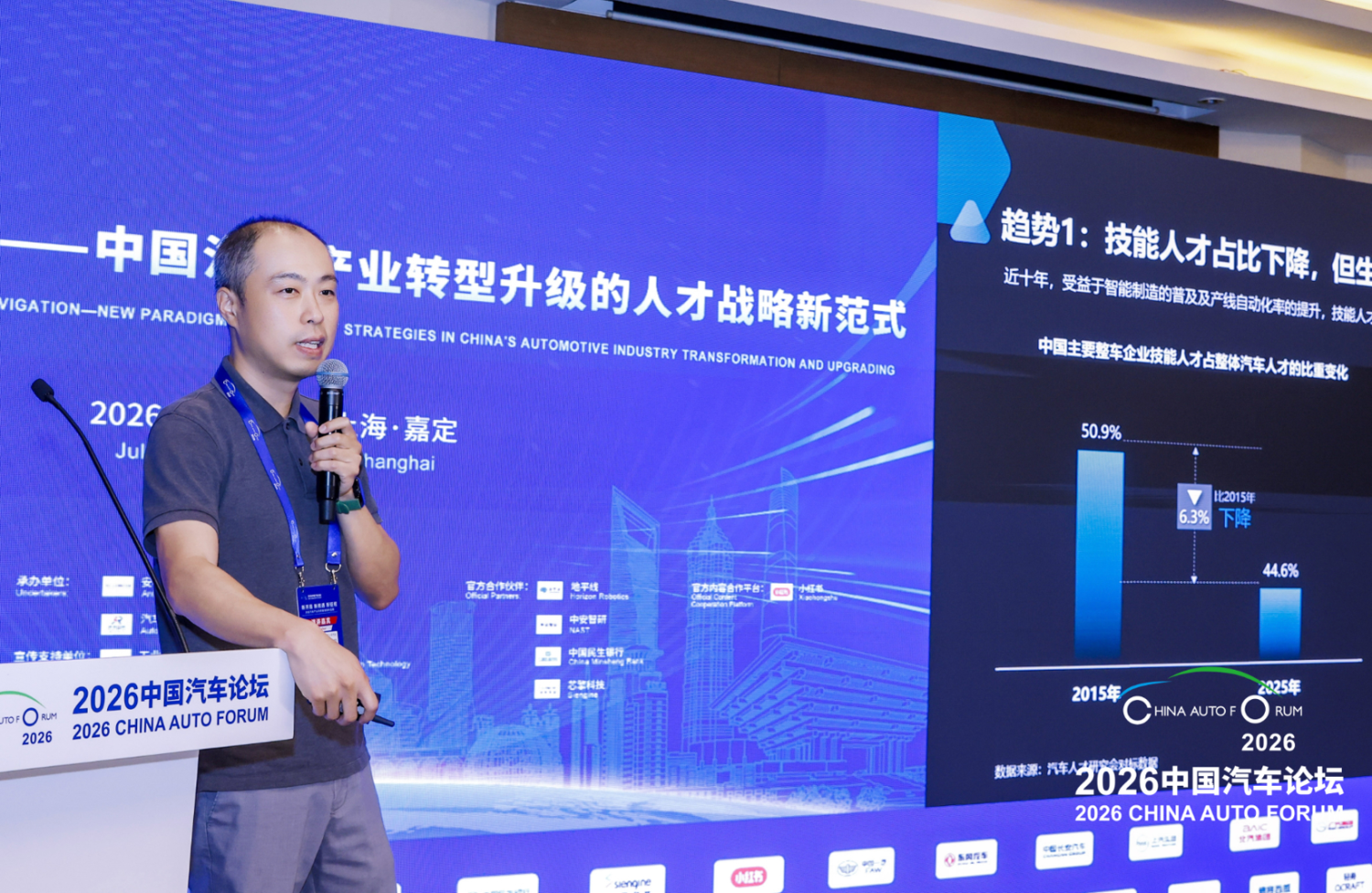
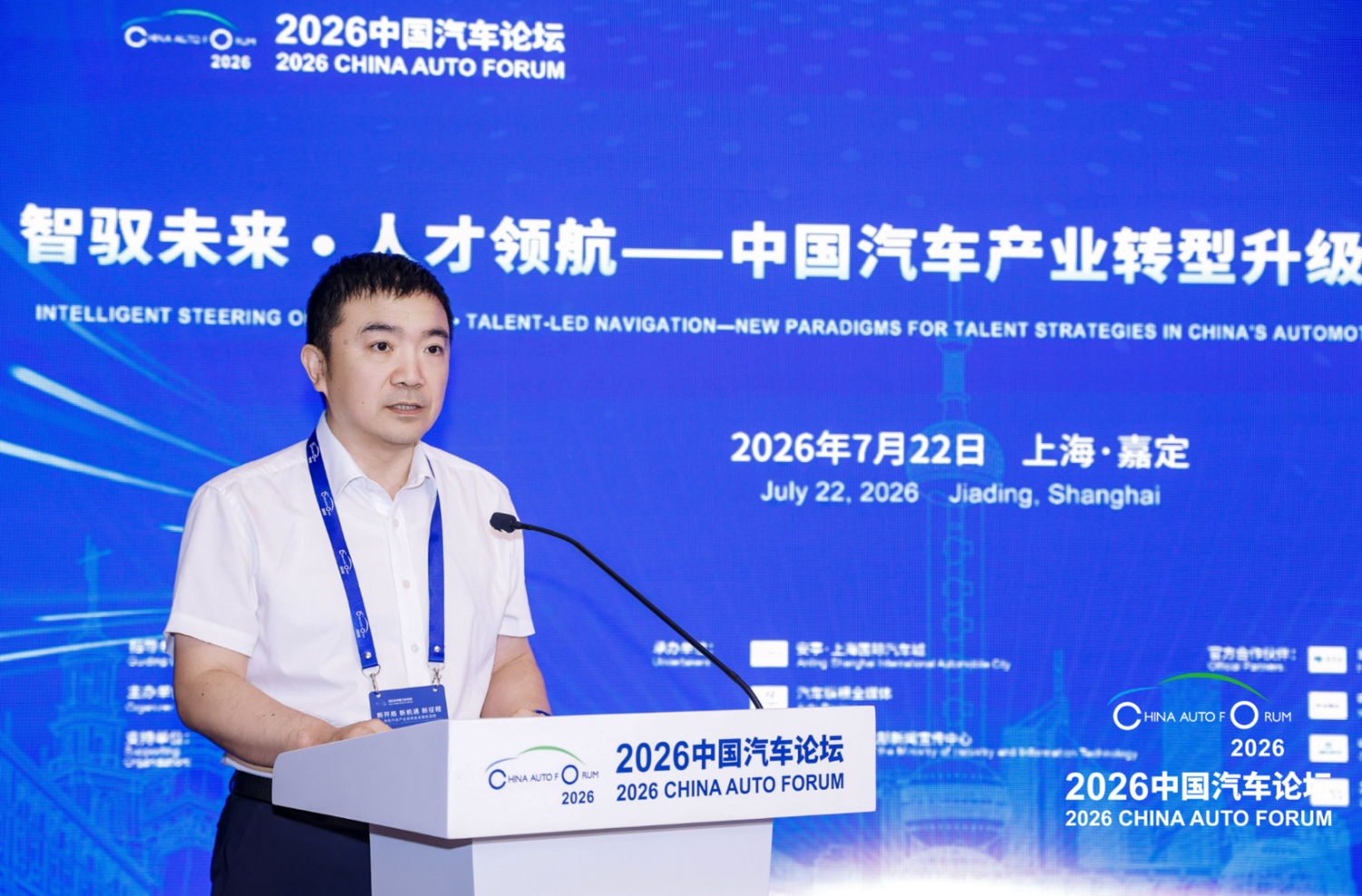
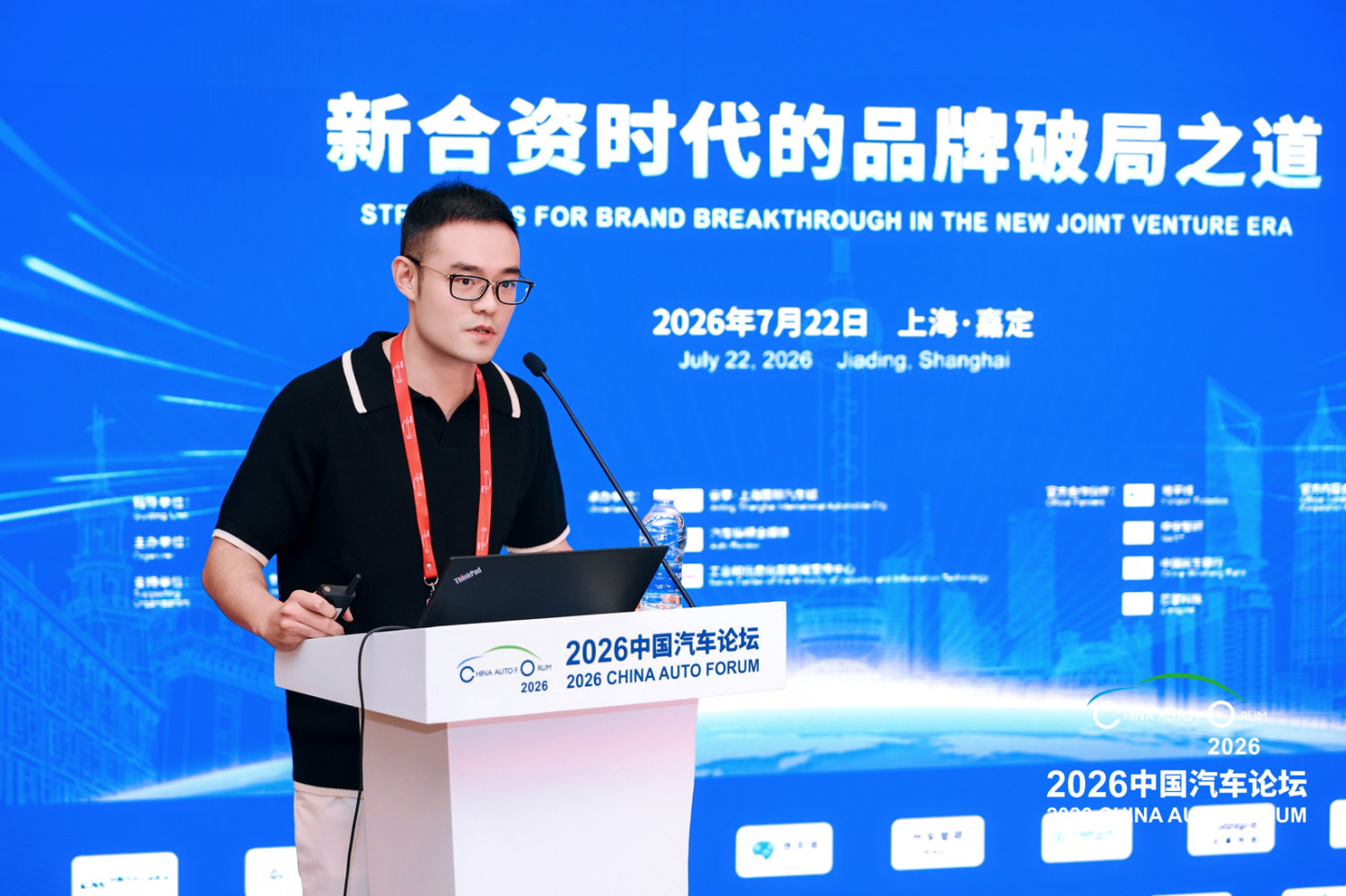
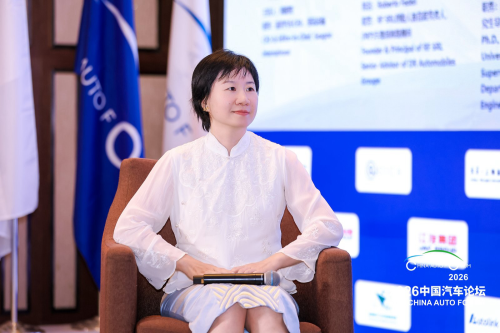
Gasgoo Munich- At a talent session during the 2026 China Auto Forum, Dong Hanyu, XPENG' global head of recruitment, unveiled the company's latest campus hiring figures.Campus hires made up 50% of all new recruits in 2026, with 1,000 people joining in management and technical roles, manufacturing, and frontline sales respectively. Under XPENG's roadmap, the Class of 2027 will bring in nearly 5,000 graduates, lifting that share to 70%. The plan calls for hiring 2,000 in R&D and management, plus 1,500 each in manufacturing and frontline sales.XPENG currently employs 32,000 people. Under this new hiring structure, fresh graduates are set to become the overwhelming majority of future headcount growth.This shift in hiring ratios marks a broader change in XPENG's talent strategy. According to Dong, the company's hiring logic is being overhauled: it is moving away from a model that relied primarily on experienced external hires supplemented by campus recruits. Instead, XPENG is building a long-term system anchored by campus hiring and dominated by young talent.2026 China Auto ForumWhy Campus Hiring Has Become the New Front LineXPENG's restructuring of its talent pool is driven by the dual realities of business operations and technological development — not a short-term tactical shift.Cost control is a primary driver. Following the industry-wide shakeup in 2023, XPENG has doubled down on operational efficiency, making labor cost management a priority. The traditional industry practice of poaching experienced talent brings high salaries, high turnover, and steep integration costs. By contrast, the compensation structure for fresh graduates aligns better with the company's long-term operational rhythm.To support this, XPENG plans to build a complete internal succession mechanism. As Dong explained: vacancies in senior roles will be filled by promoting middle-level staff; gaps in the middle tier will be covered by junior employees; and entry-level openings will be filled by graduates. If this logic holds, it clears a path for internal promotion while ensuring that mass campus hiring does not crowd out opportunities for existing teams.Image source: XPENGTechnological iteration and global expansion are the other key reasons behind XPENG's campus hiring push. The company now positions itself as a global "embodied intelligence" enterprise, spanning smart EVs, flying cars, and humanoid robots — moving beyond traditional vehicle manufacturing.Internally, XPENG has observed that young talent tends to be more receptive to AI tools, faster learners, and more adept at application. As the industry enters a phase where AI deeply empowers R&D, production, and intelligent iteration, the adaptability of younger workers could directly determine the speed of technological advancement.To date, XPENG has poured over 50 billion yuan into R&D, with research staff making up 40% of its workforce. Its operations reach more than 60 countries and regions. Official targets call for overseas revenue to hit 50% and overseas profit to reach 90% by 2030.A steady, large-scale influx of young talent will be the bedrock supporting that technological evolution and overseas expansion.Building a Closed Loop: Implementing a New Talent Development ModelWith its talent strategy set, XPENG is moving to deepen school-enterprise partnerships and implement new training programs across several fronts.To correct misconceptions among students, XPENG plans to offer regular, immersive factory tours. Students can observe the entire manufacturing process — from stamping and welding to assembly and final inspection — gaining an intuitive understanding of the production system. These visits are already integrated into the mandatory career planning curriculum at partner institutions like South China University of Technology.Dong noted that students today rely heavily on social media for company information, where fragmented and often unreliable content can lead to skewed perceptions. Opening factories for on-site visits helps students build an objective, authentic understanding of the company.Image source: XPENGOn the teaching front, XPENG is integrating industry resources directly into university curricula. Company engineers are entering classrooms to teach, incorporating real-world industrial scenarios into professional coursework. Meanwhile, HR teams are co-developing career planning modules that break down hiring criteria and job requirements based on actual recruitment scenarios, bridging the gap between student skills and job demands.In research collaboration, XPENG has established joint R&D mechanisms with institutions like Tsinghua University, the University of Hong Kong, and South China University of Technology. Together, they are tackling cutting-edge projects such as VLA algorithms, humanoid robots, and swarm intelligence. University research findings can be directly deployed in products like XPENG's smart cockpits and robots, while also helping the company secure top research talent early.For skilled frontline roles in manufacturing and sales, XPENG is using a targeted "order class" training model. The company has partnered with 100 vocational colleges nationwide to create custom training courses. Students train on actual XPENG vehicles, learning maintenance for batteries, motors, and electronics. They begin internships during their sophomore year, with top performers offered full-time positions based on their performance.Leveraging its status as a National High-Skilled Talent Training Base, XPENG allows students to earn relevant vocational certifications during their internships, ensuring they are job-ready upon graduation.To retain talent, XPENG has launched the "Explorer Plan," which centrally manages young employees during their first three years. Every new hire is paired with a dedicated mentor for comprehensive coaching in professional skills, general competencies, and career development.The most critical mechanism change separates performance reviews and promotion tracks for graduates during their first three years, so they do not compete for quotas with experienced external hires. This approach prevents high turnover caused by the difficulty graduates face in competing against more experienced colleagues, safeguarding their growth potential.The domestic EV industry faces a shortage of skilled workers numbering in the millions, and competition remains focused on poaching experienced talent. XPENG has chosen to build its own supply system — a complete chain spanning university training, targeted "order class" delivery, and internal development — to reduce reliance on the external labor market.A stable, long-running talent supply system will become a core competitive barrier for automakers in the next phase. As the battleground shifts from products and pricing to technology and systems, a self-sufficient pipeline of young talent will be the foundation for sustainable growth.