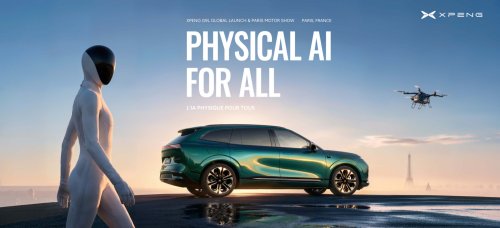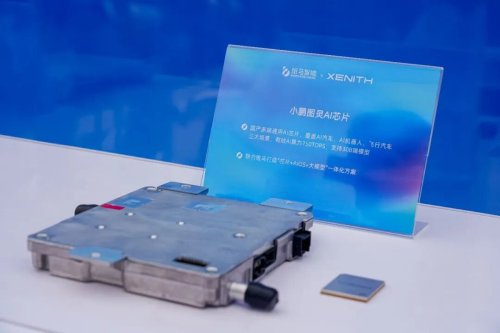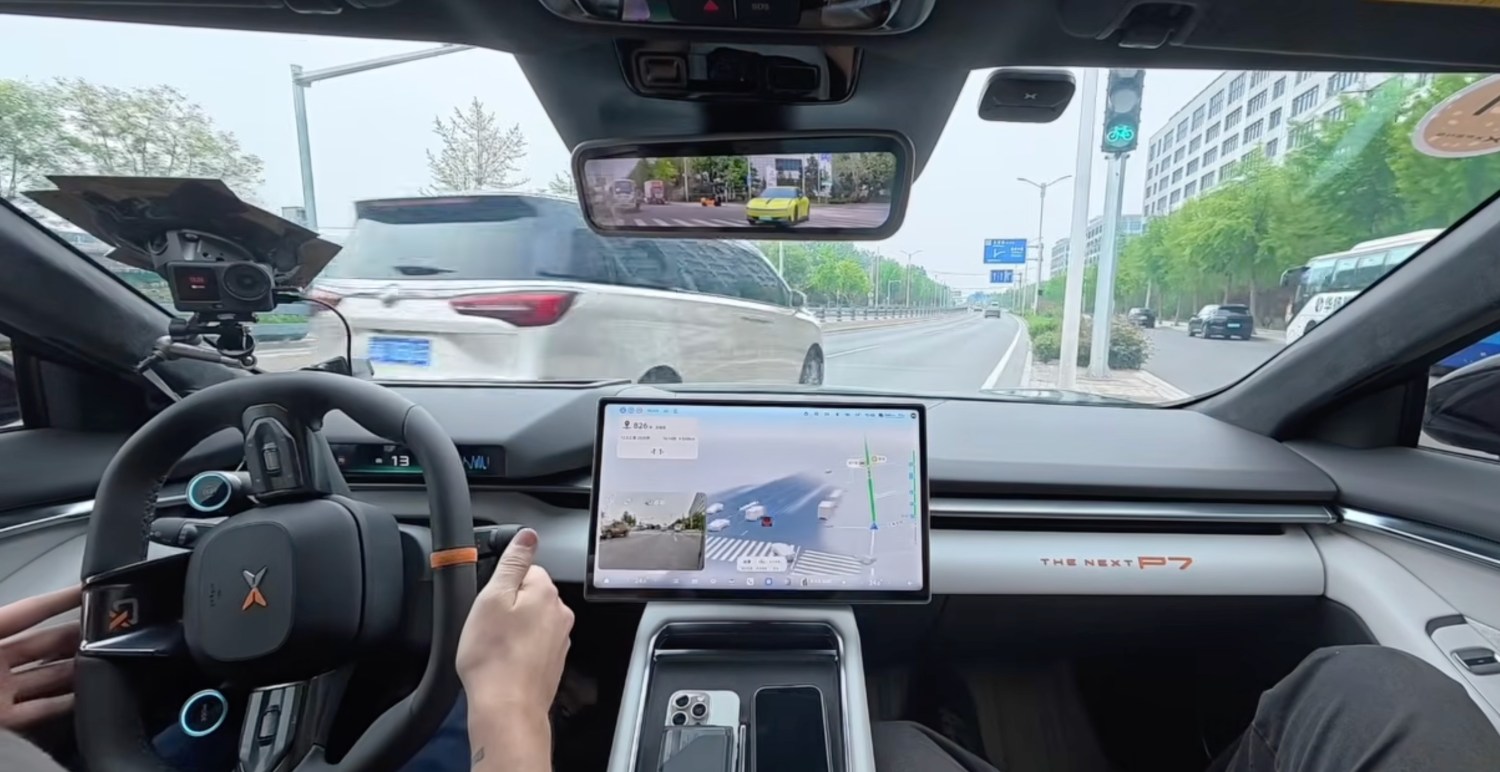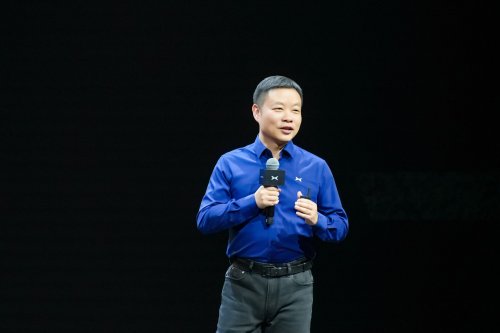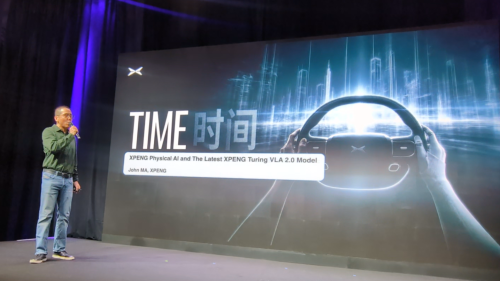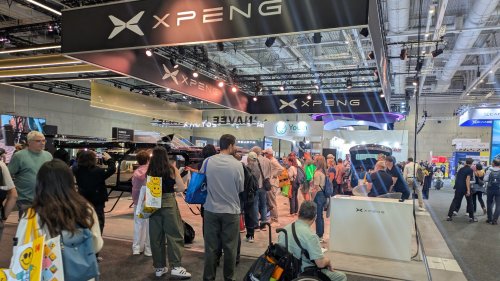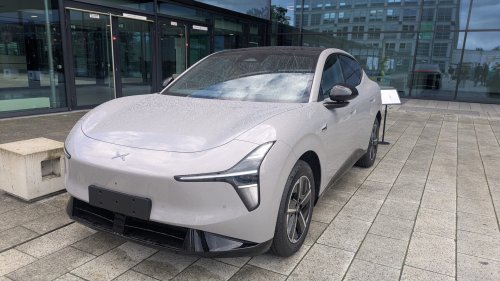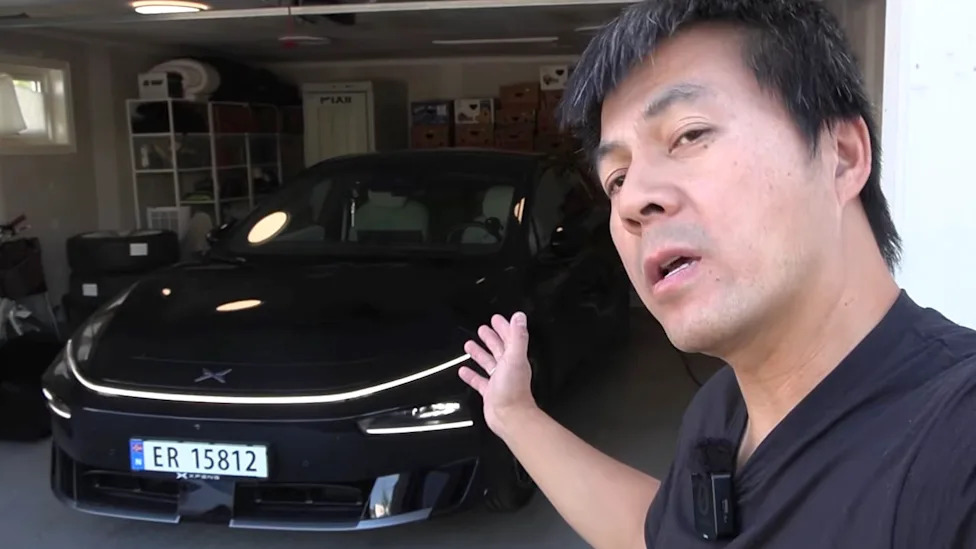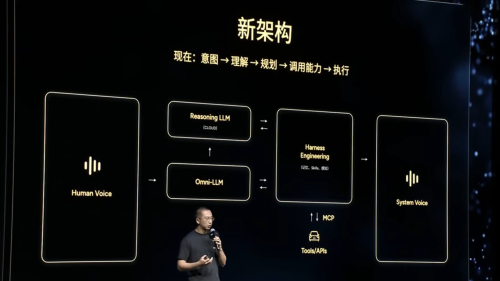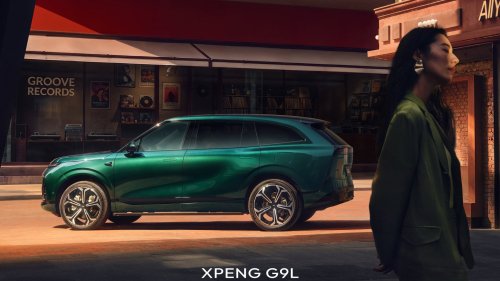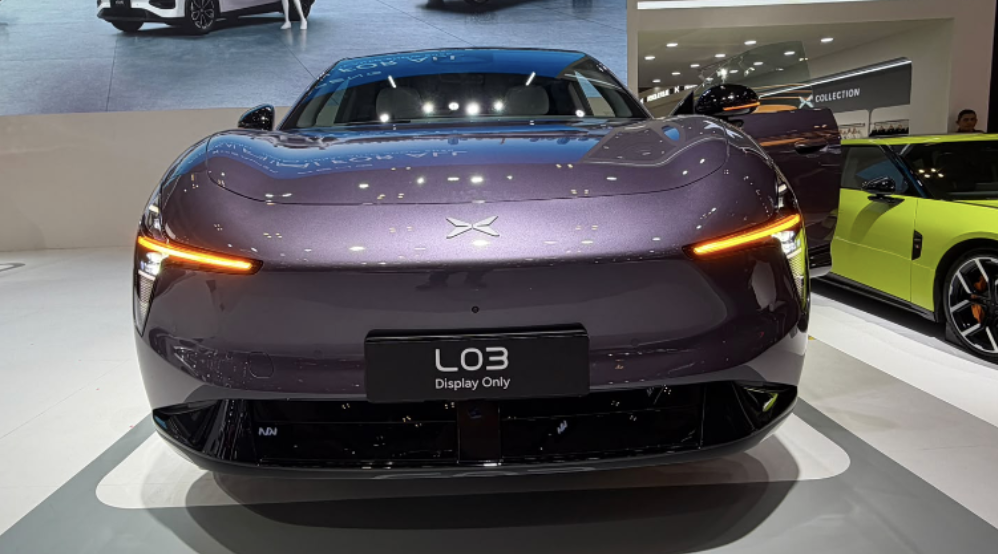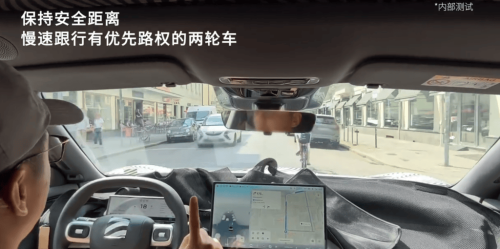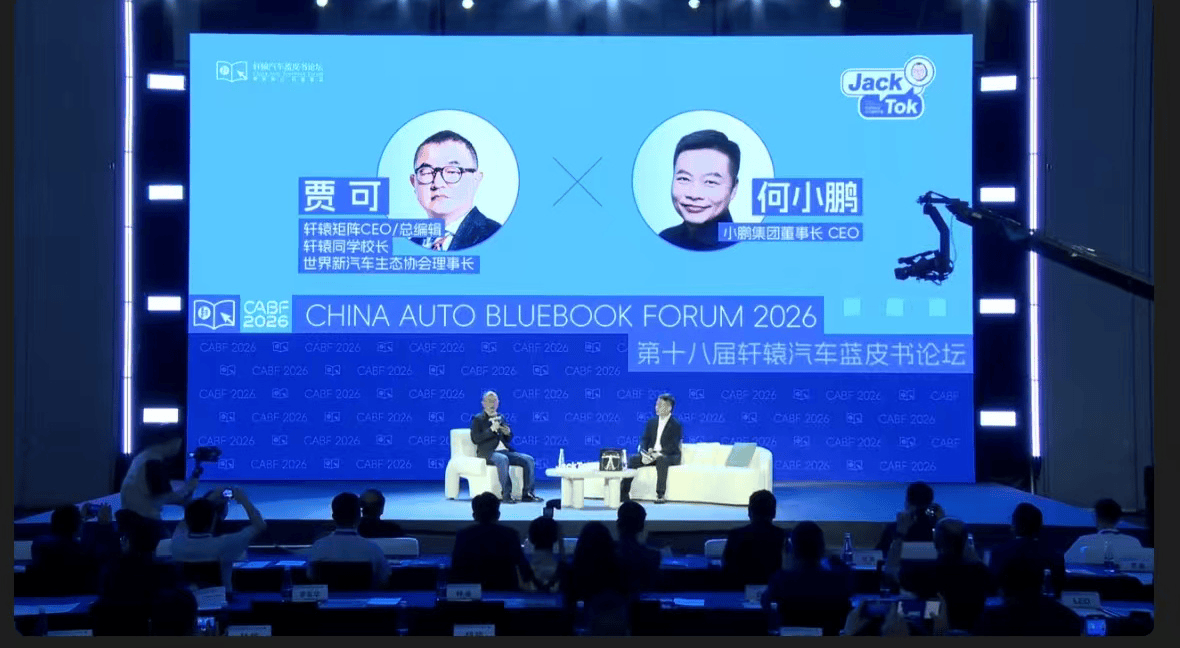
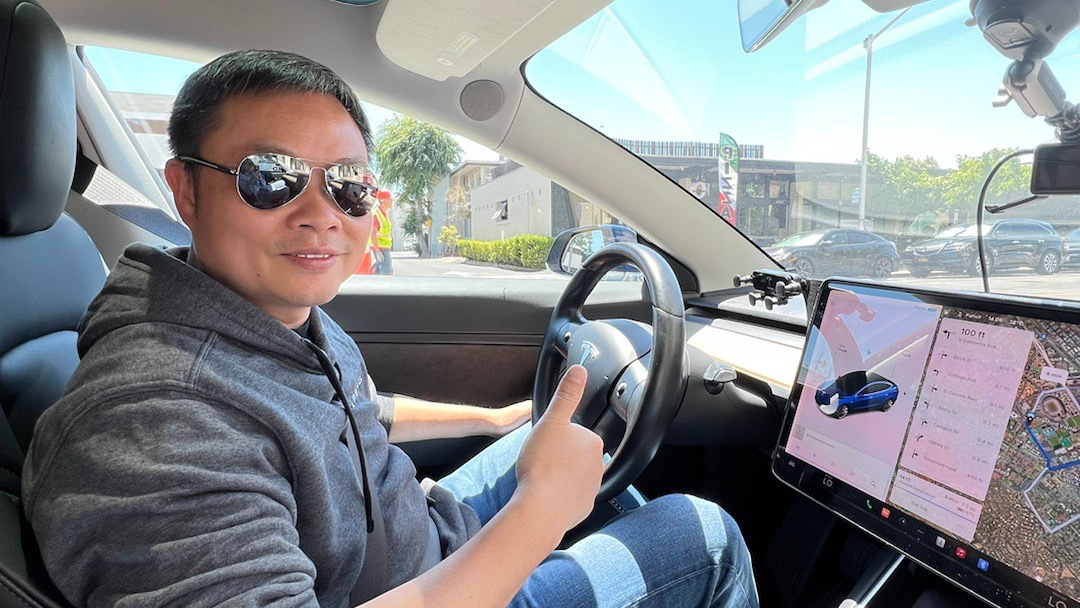
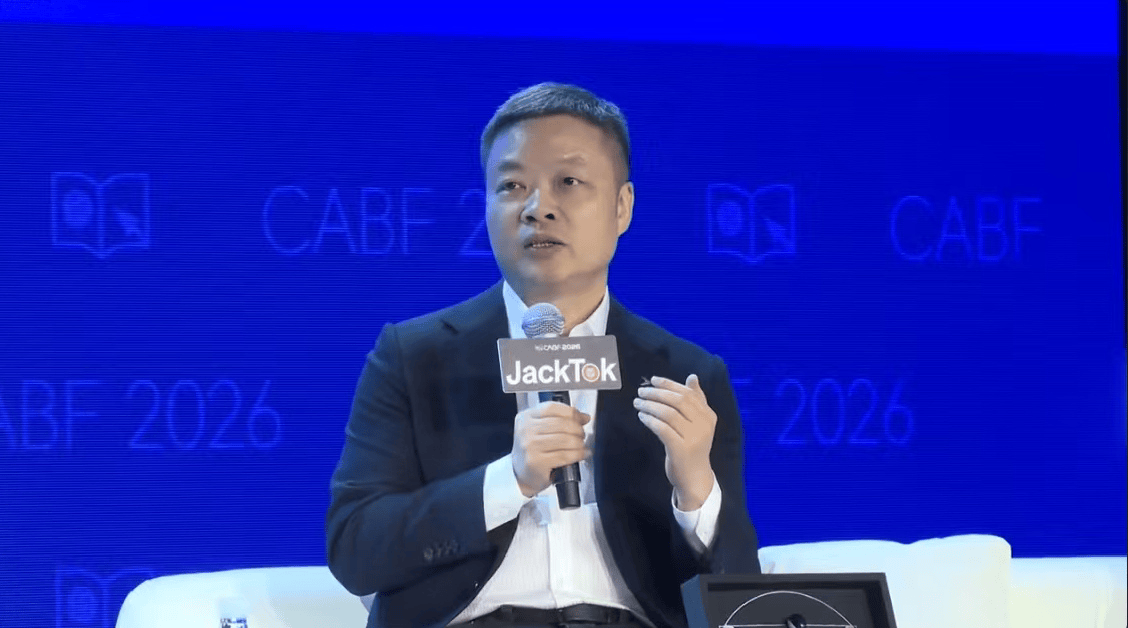



















On May 15, at the China Auto Bluebook Forum 2026 (CABF 2026), XPeng CEO He Xiaopeng said there is a “very high probability” that L4 autonomous driving software capability will be achieved by 2028, while early forms of L5 autonomous driving could emerge around 2030. Compared with the aggressive timelines widely promoted by the industry several years ago, automaker executives have recently become far more cautious about specifying concrete autonomous driving milestones. He’s renewed confidence appears closely tied to changes in AI development pathways. China Auto Bluebook Forum 2026 He said he only fully realized last year the flywheel effect created by “data as fuel.” Following a restructuring of XPeng’s AI research and development framework, the company’s autonomous driving evolution speed increased by roughly sixfold. In the past, the industry relied more heavily on rule-based algorithms and engineering optimization. However, with the integration of large AI models, end-to-end training and massive amounts of real-world driving data, intelligent driving development is increasingly resembling the operational logic of AI companies. At the end of last year, He visited Silicon Valley again to experience Tesla’s latest FSD V14.2 and Robotaxi technologies. Xpeng CEO He Xiaopeng experienced Tesla’s latest FSD V14.2 Following the trip, XPeng internally set a target for its VLA system to match Tesla FSD V14.2 performance by August 2026. From the current competitive landscape, Chinese automakers are rapidly pulling intelligent driving into a new technological arms race. BYD recently unveiled its “Smart Driving for All 2.0” strategy, while Huawei-backed automakers continue accelerating deployment of advanced driver-assistance systems. Li Auto, Xiaomi and NIO are also increasing investment in AI and computing power infrastructure. In the past, competition in the new energy vehicle market centered on batteries, driving range and pricing. Today, the core battleground is increasingly shifting toward software capability, data scale and AI training efficiency. Partly for this reason, XPeng recently changed its Chinese corporate name from “XPeng Motors” to “XPeng Group,” while retaining the English corporate name XPeng Inc. He explained that the boundaries between automobiles, robotics and flying vehicles will become increasingly blurred in the future. Xpeng CEO He Xiaopeng at CABF 2026 Cars will no longer function solely as traditional transportation tools, but gradually evolve into products integrating both the physical and digital worlds. Speaking at the forum, He recalled that XPeng was frequently criticized in previous years for pursuing too many different technologies simultaneously. However, he argued that many advanced technologies require five to ten years of accumulation before reaching true commercialization. He also said the global automotive industry will inevitably undergo a major wave of consolidation. In his view, only around five Chinese automakers may ultimately remain capable of sustaining large-scale sales volumes in the future.