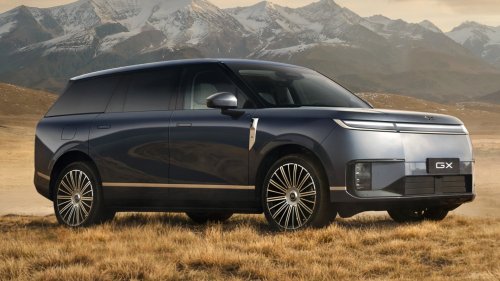
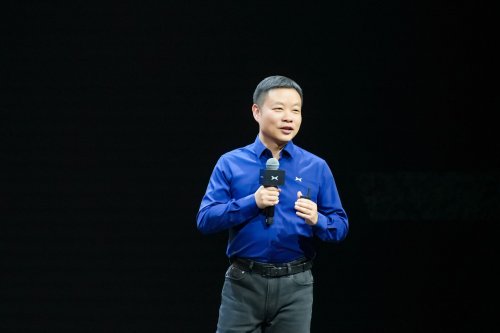
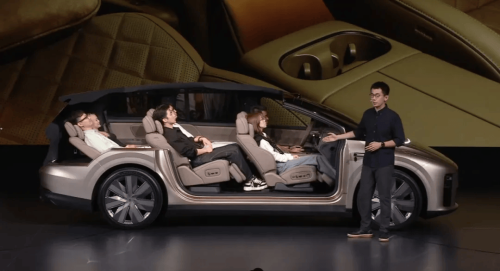
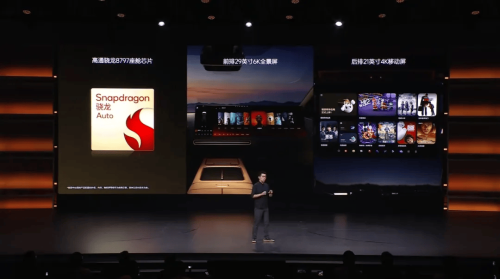
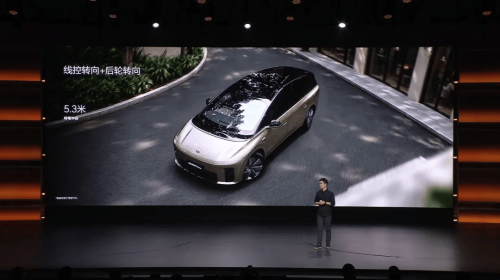
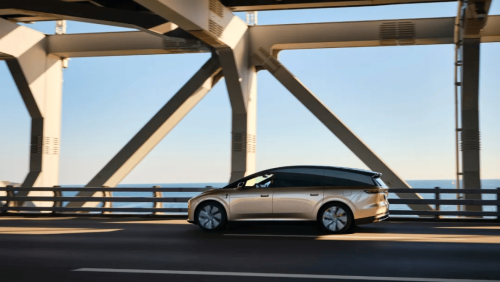
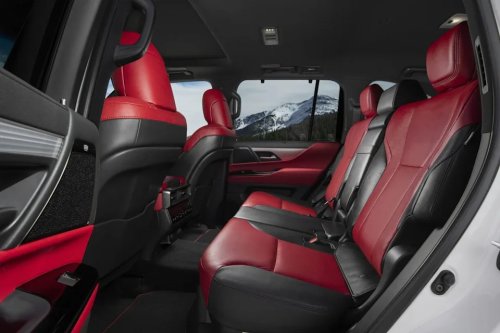
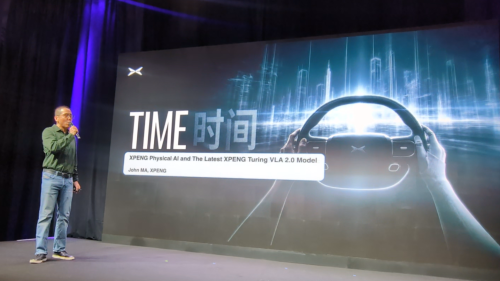
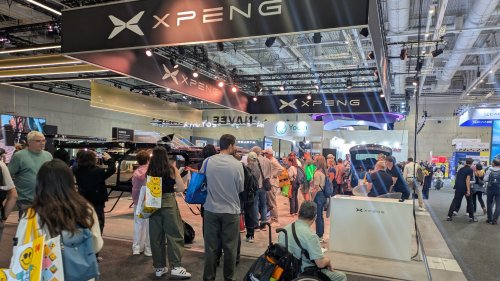
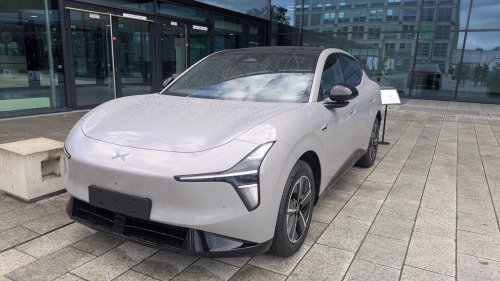
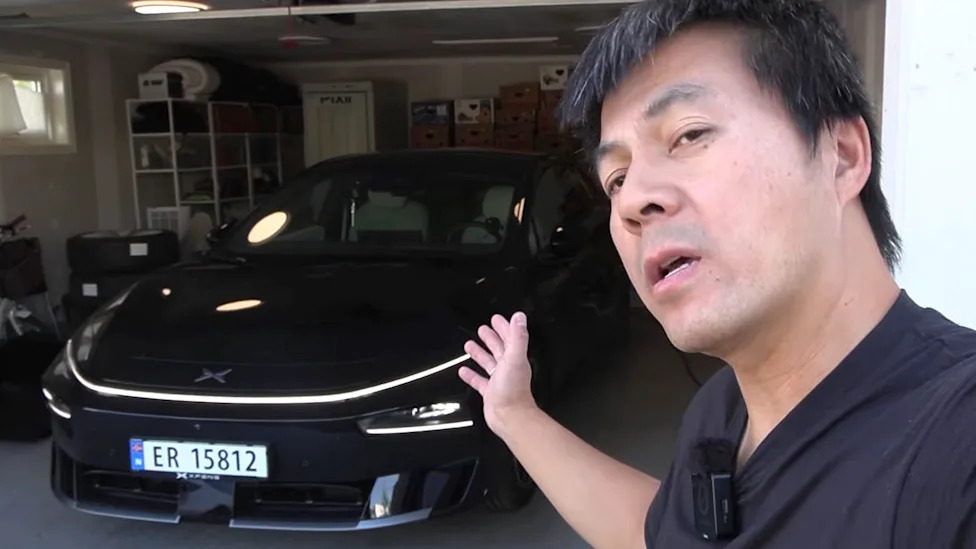
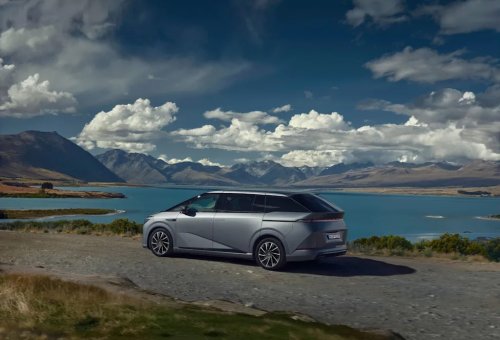
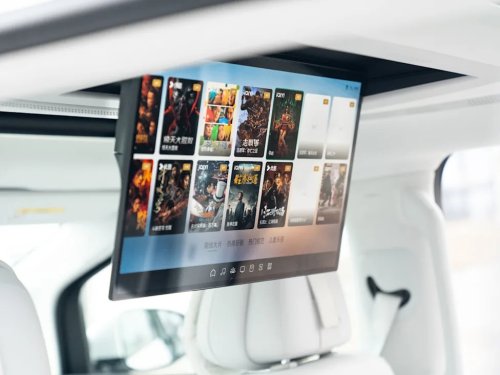
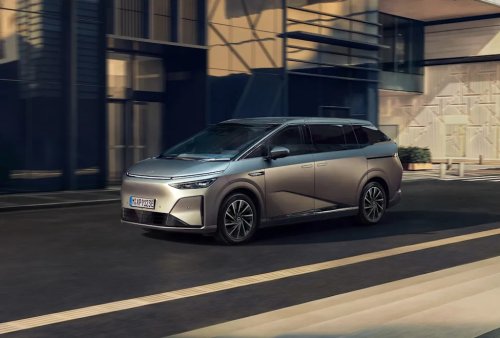
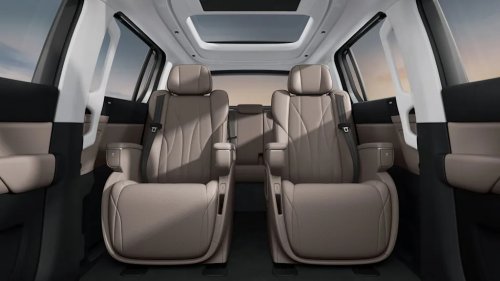
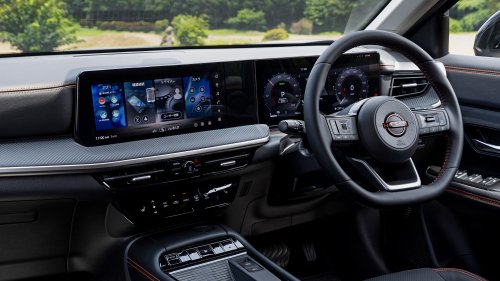
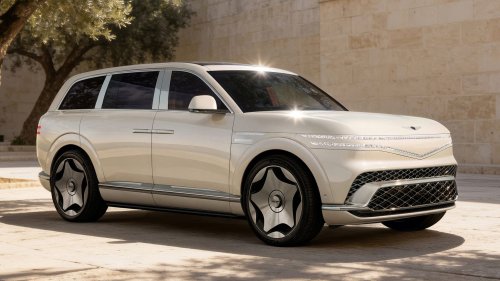
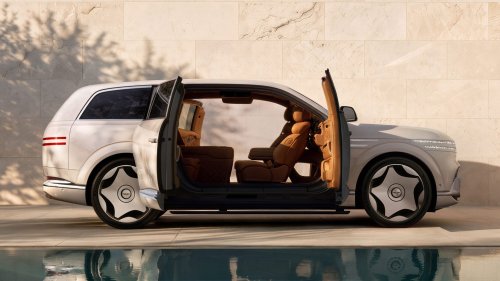
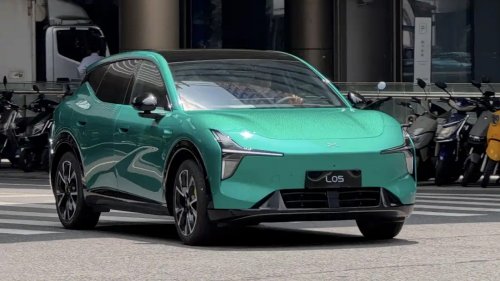
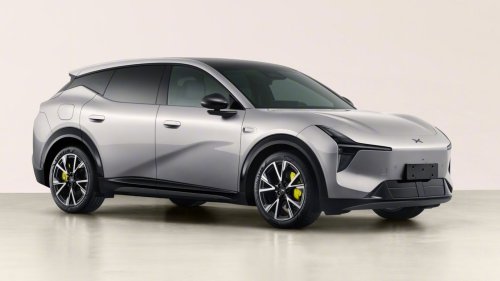
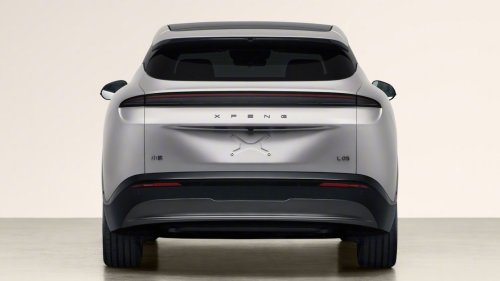
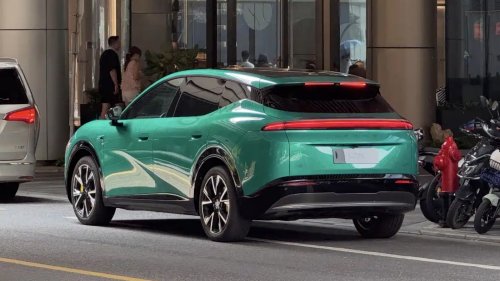
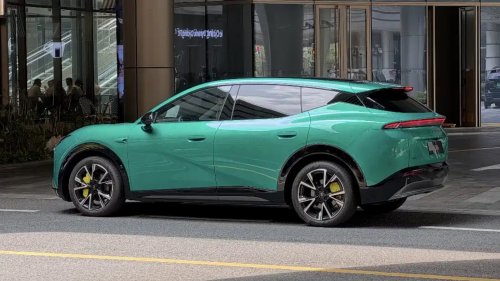
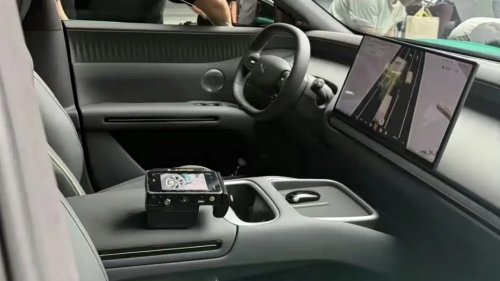
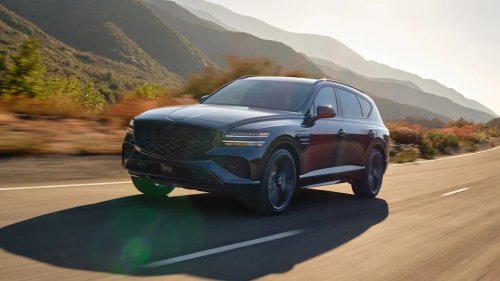
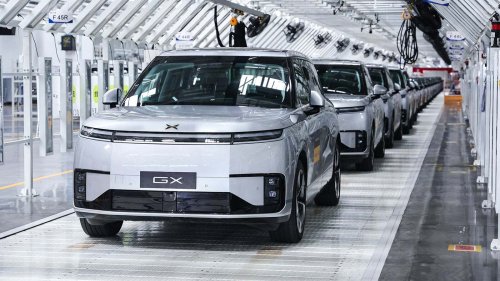
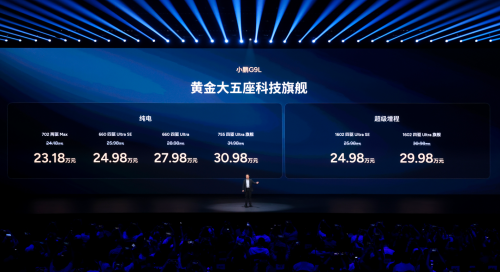
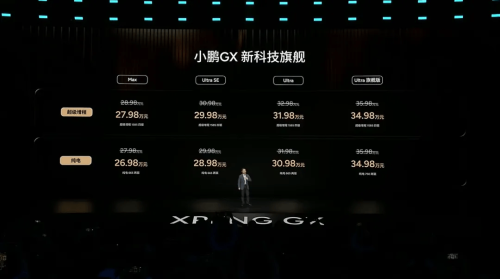
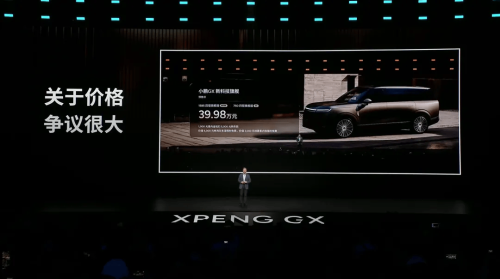
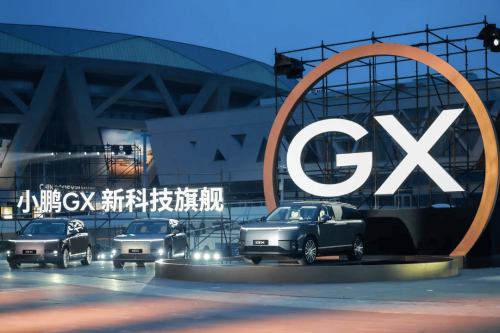
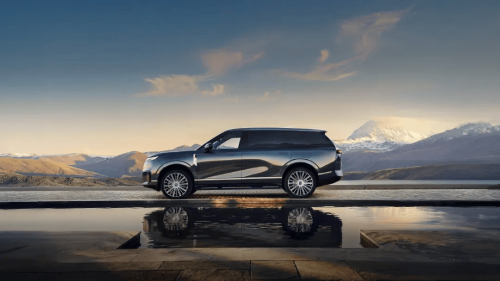
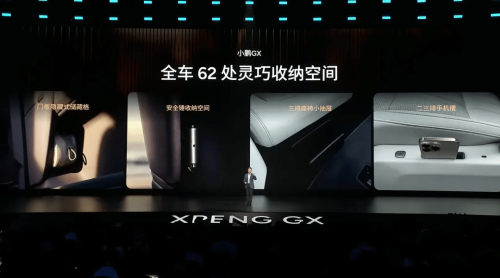
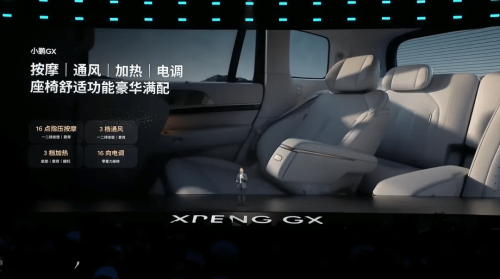
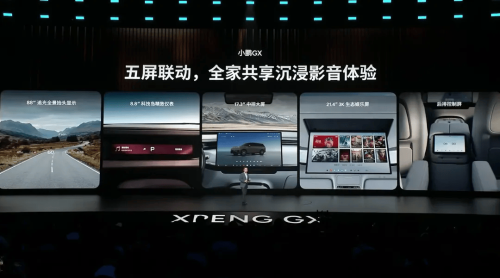
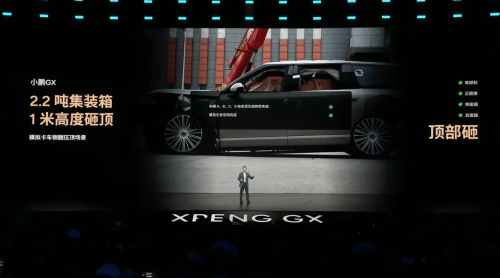
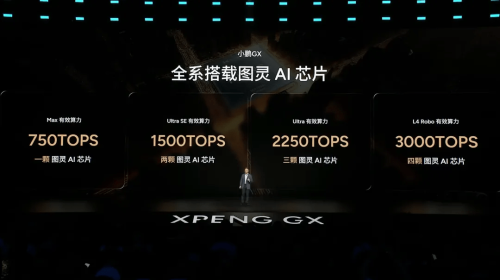
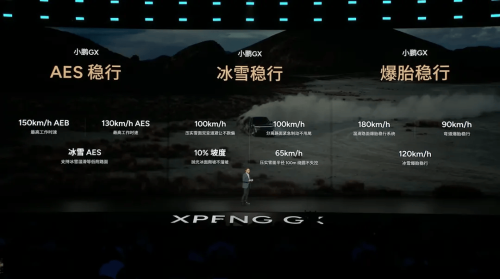
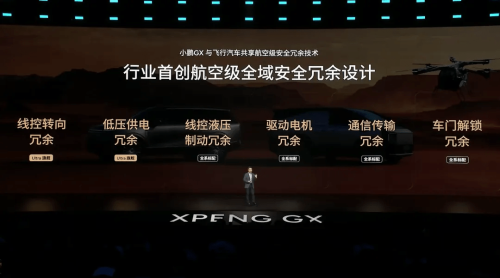
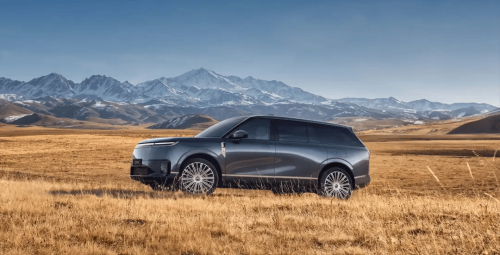
How much should the XPeng GX actually cost? That question erupted across the market on April 16. On the same night, Leapmotor D19, ID.UNYX 08 and IM LS8 all launched major new models, with the 5.25-meter-long Leapmotor D19 full-size SUV starting at just RMB 219,800 ($32,300). XPeng GX’s official pricing As soon as that price was announced, the XPeng GX — which had revealed a presale price starting from RMB 399,800 ($58,800) the day before — was immediately pushed into the center of public debate. Then last night, XPeng answered the criticism with the GX’s official pricing: RMB 279,800-359,800 ($41,100-$52,900), or RMB 269,800-349,800 ($39,700-$51,500) under a limited-time offer. XPeng CEO He Xiaopeng said the pricing was the result of multiple rounds of internal discussions and a difficult final decision. XPeng CEO He Xiaopeng responds to the controvesial pricing The nearly RMB 120,000 ($17,600) gap between the presale and official starting prices also appeared to reflect just how aggressive XPeng wanted to be. So is this simply a pricing stunt, or does the GX truly have the product strength to justify its role as the new flagship in XPeng’s SUV lineup? Built for He Xiaopeng’s Circle Before the GX launch, He Xiaopeng released a video titled “Why I Built This Car.” In it, he said the GX was designed for his friends — entrepreneurs and industry veterans such as 58.com founder Yao Jinbo and 360 founder Zhou Hongyi. A more accurate description of these people, however, may simply be: “people who like to keep pushing boundaries.” The GX therefore needed to be a vehicle that is enjoyable to drive personally, trustworthy enough for family use, and capable of handling both business and family occasions with equal confidence. XPeng GX launch event So how did XPeng define this car? To “look the part” in both business and family scenarios, the vehicle first had to be large, while also delivering a strong sense of luxury inside and out. In typical flagship SUV fashion, the XPeng GX measures 5265/1999/1800 mm in length, width and height, with a 3115 mm wheelbase — firmly placing it in the full-size SUV category. XPeng GX Beyond its upright and imposing exterior design, XPeng added a 2.682㎡ frameless side window area, 695 cm² front-and-rear full-width lighting units, million-pixel AI projection headlights, and standard 21-inch wheels, all intended to reinforce the GX’s flagship positioning. Inside the cabin, the GX follows the same formula seen in many luxury SUVs priced around RMB 300,000 ($44,100): spaciousness, comfort and safety. The vehicle offers 62 flexible storage spaces, including a 1748L trunk with the third row folded down, hidden storage compartments in the door panels, and small drawers integrated into the third-row seats. XPeng GX’s storage spaces The GX is also equipped with a dual-layer, dual-opening in-car refrigerator featuring dual temperature zones, 12.5L capacity, a temperature range from -6°C to 50°C, and an odor purification function said to work within nine minutes. Comfort features include a front passenger seat with 16-point massage, while both first- and second-row seats support heating, ventilation and massage. The front seats are designed as dual zero-gravity seats, while the second-row passenger-side seat adopts an airline-style comfort design. The first and second rows can also be combined into a full flat bed. XPeng GX’s cabin features At the same time, the cabin integrates a five-screen setup consisting of an AR head-up display, digital instrument cluster, center display, rear entertainment screen and rear control screen to maximize in-car entertainment. For a flagship SUV, privacy and security are equally essential. XPeng GX’s screen design The GX uses double-layer acoustic glass across all side windows, paired with privacy dimming glass and rear side-window sunshades for enhanced cabin privacy. If the interior and exterior design represent XPeng’s attempt to enter the premium market, then safety and driving dynamics are what it hopes will convince buyers to open the door. Designed to Inspire Confidence and Driving Enjoyment The XPeng GX is positioned as a vehicle with “dual-capability” powertrain flexibility. The extended-range version offers 430 km of CLTC pure electric range and 1,585 km of combined range, while the battery-electric version provides 665 km or 750 km of range. All variants come standard with 800V architecture and 5C ultra-fast charging capability, allowing charging from 10% to 80% in 11.7 minutes. This six-seat SUV with a 2+2+2 layout primarily targets family users, for whom safety is likely the top priority in purchase decisions. As a result, He Xiaopeng spent considerable time during the launch event discussing the GX’s safety capabilities. For consumers, crash safety remains the biggest concern. XPeng GX’s crash safety testing He said the XPeng GX, featuring torsional rigidity of 56,000 N·m/deg, successfully passed 100 km/h side-impact tests and a roof-crush test involving a 2.2-ton shipping container dropped from one meter. Entry-level versions of both powertrain variants come with nine airbags, while all higher trims feature 11 airbags. In the era of intelligent connected vehicles, advanced driver assistance systems also provide more proactive forms of safety protection, and the GX is no exception. The GX Max version is equipped with one Turing AI chip, the Ultra SE uses two chips, while the Ultra and AWD Ultra flagship versions use three chips. Each Turing chip provides 750 TOPS of effective computing power, meaning dual-chip variants deliver 1,500 TOPS and triple-chip versions reach 2,250 TOPS. XPeng GX’s Turing AI chips This computing capability enables functions such as AES stability control, snow driving stabilization and tire blowout stabilization. XPeng claims the GX can perform AEB braking from speeds as high as 150 km/h, while AES operates up to 130 km/h. However, it is worth noting that the Max version currently does not support second-generation VLA capabilities. XPeng GX’s AES stability control To address extreme situations, all GX models also come standard with a driver incapacitation assistance system. When highway assisted driving is active, the vehicle can autonomously pull over and contact emergency services if the driver becomes incapacitated. In addition, XPeng has equipped the GX with redundant systems for drive motors, door unlocking, steer-by-wire systems and low-voltage power supply — what the company calls “aviation-grade full-domain safety redundancy design.” XPeng GX’s full-domain safety redundancy design The steer-by-wire redundancy system on the AWD Ultra flagship version is supported by a native steer-by-wire chassis, quadruple steering actuation redundancy, the X-VMC integrated motion control system and a hardware redundancy matrix. All variants come standard with front double-wishbone independent suspension, rear H-arm multi-link independent suspension and dual-chamber air suspension. The top AWD Ultra flagship version further adds front steer-by-wire and agile steer-by-wire functionality, which XPeng says allows safe vehicle control even in the event of steer-by-wire failure. XPeng GX’s driving control Whether in standard or flagship form, the chassis setup provides the GX with strong driving dynamics. This, ultimately, is the vehicle XPeng built for “people who like to push boundaries” — a vehicle that is enjoyable to drive, trustworthy enough for family use, and capable of handling both business and lifestyle scenarios. But at least for now, it is still too early to declare victory for XPeng. Who Is the GX Targeting? Compared with its RMB 399,800 ($58,800) presale price, the GX’s official starting price of RMB 279,800 ($41,100), or RMB 269,800 ($39,700) under the limited-time offer, is undeniably aggressive. At that price point, the GX directly overlaps with the top-spec Leapmotor D19 priced at RMB 269,800 ($39,700), as well as the ONVO L90 Pro and Max variants priced between RMB 265,800-279,800 ($39,100-$41,100). The GX’s extended-range version offers a 1585 km range advantage over the Leapmotor D19, while also outperforming the D19 and ONVO L90/L80 in areas such as intelligent driving capability, refrigerator size, standard rear-wheel steering and cabin details. XPeng GX Even the RMB 359,800 ($52,900) AWD Ultra flagship compares favorably against the AITO M8 and NIO ES8 in features such as dual-chamber air suspension and rear-wheel steering. But the GX’s weaknesses are equally clear. The battery-electric version starts with 665 km range, lower than the 720 km offered by the two mid-range Leapmotor D19 trims priced at RMB 249,800 ($36,700). Meanwhile, IM LS8 offers steer-by-wire as a RMB 10,000 ($1,470) option, bringing its entry price for steer-by-wire models down to RMB 301,800 ($44,400). Another issue is that only the top-spec RMB 359,800 ($52,900) GX EV variant offers all-wheel drive. By comparison, the Leapmotor D19 EV lineup comes standard with dual motors, while its RMB 269,800 ($39,700) flagship even adopts a tri-motor setup. The Volkswagen ID.ERA 9X starts from RMB 309,800 ($45,600) with dual motors as standard, while the ONVO L80 offers AWD from RMB 279,800 ($41,100) on its top trim. For buyers focused on outright performance, that could become a key hesitation point. Starting from RMB 279,800 ($41,100), the XPeng GX offers two powertrain types and eight variants. In simple terms, the Max trim focuses on core capabilities, and Ultra SE adds upgraded audio, second-generation VLA and comfort features. Ultra introduces the VLM AI private assistant and intelligent powered doors, while the flagship trim essentially includes every major technology shown in XPeng’s presentations. However, too many variants may also increase the complexity of understanding and choosing the vehicle, potentially becoming a barrier for consumers. XPeng Logo More importantly, the GX’s official starting price is only RMB 1,000 ($150) higher than the top-spec G9 priced at RMB 278,800 ($41,000), while the limited-time GX price is actually RMB 9,000 ($1,320) cheaper. Even though the two models differ significantly in size, cabin materials and configuration details, the pricing inevitably challenges the hierarchy within XPeng’s own product lineup. It is increasingly clear that with G9 sales consistently underperforming expectations, the GX represents another attempt by XPeng to move further upmarket. So has the GX truly secured its role as XPeng’s flagship SUV? From a product perspective, the GX has established a clear technological moat through its full-size dimensions, 2250 TOPS computing power, standard dual-chamber air suspension and RMB 350,000-class steer-by-wire technology. But the real challenge lies in convincing consumers to pay for those computing and chassis technologies. When AWD in the EV lineup is limited to the nearly RMB 360,000 ($52,900) flagship trim, and when the entry-level intelligent driving system significantly trails the Ultra versions, consumer choice may ultimately come down to one thing: trust in XPeng’s future intelligent driving evolution. Can the XPeng GX become the breakthrough product that finally pushes XPeng further upmarket?



















 +11 others