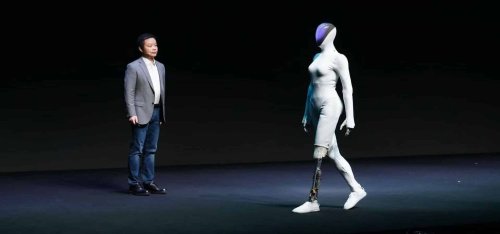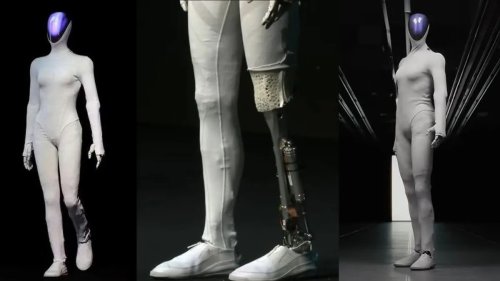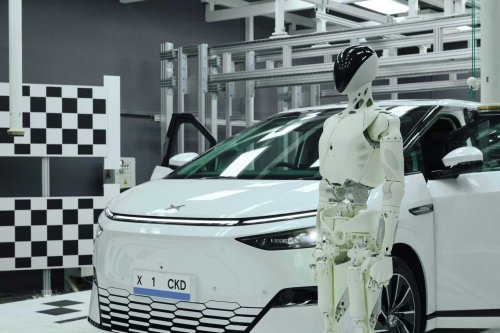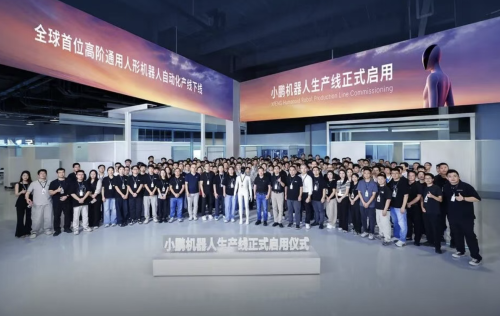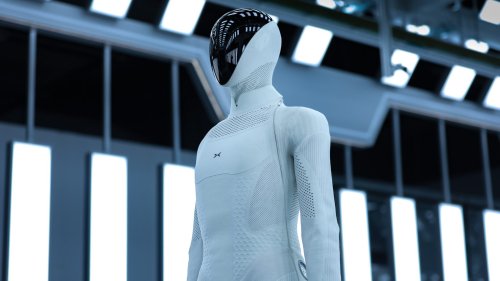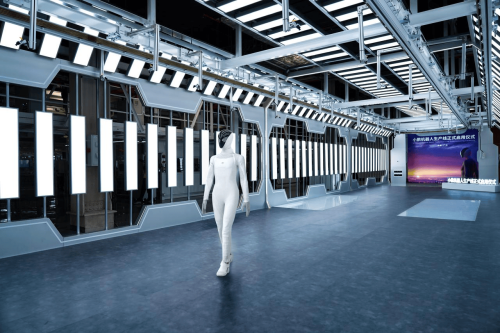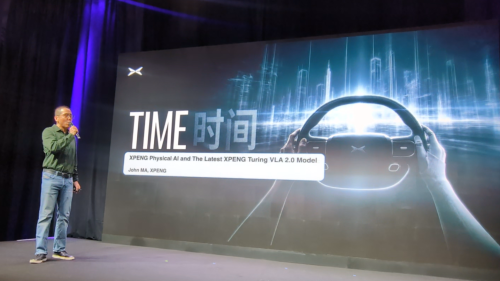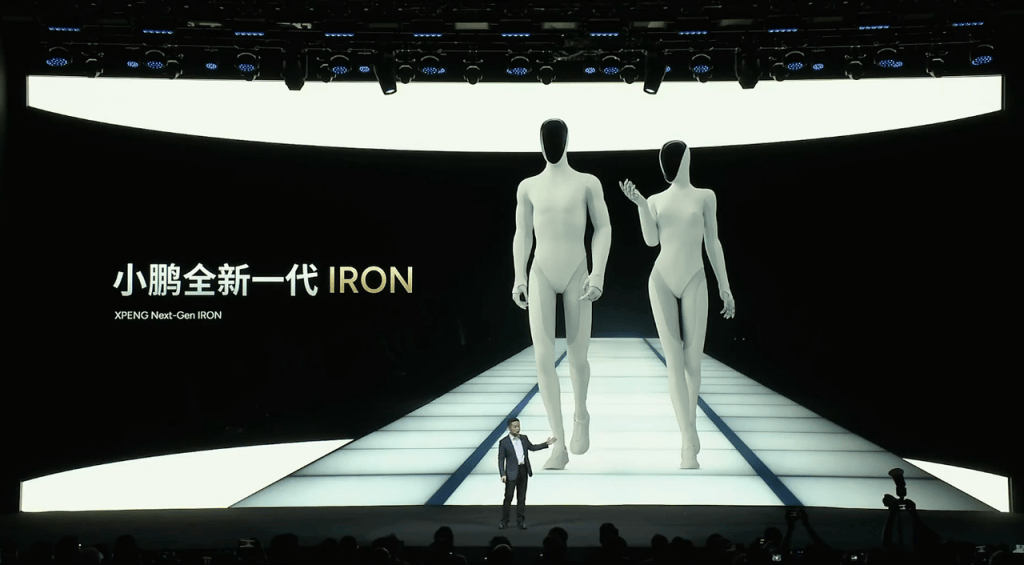
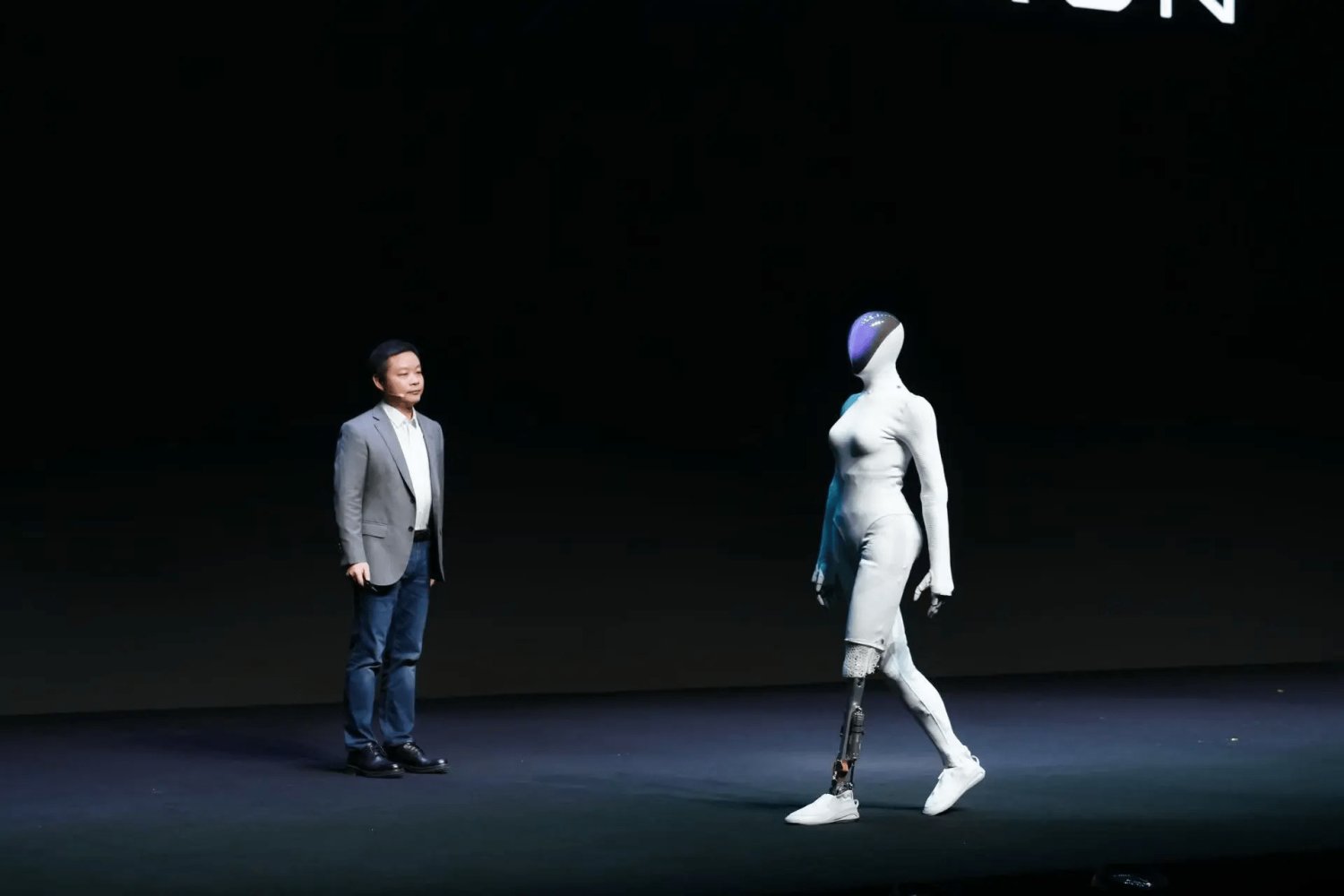
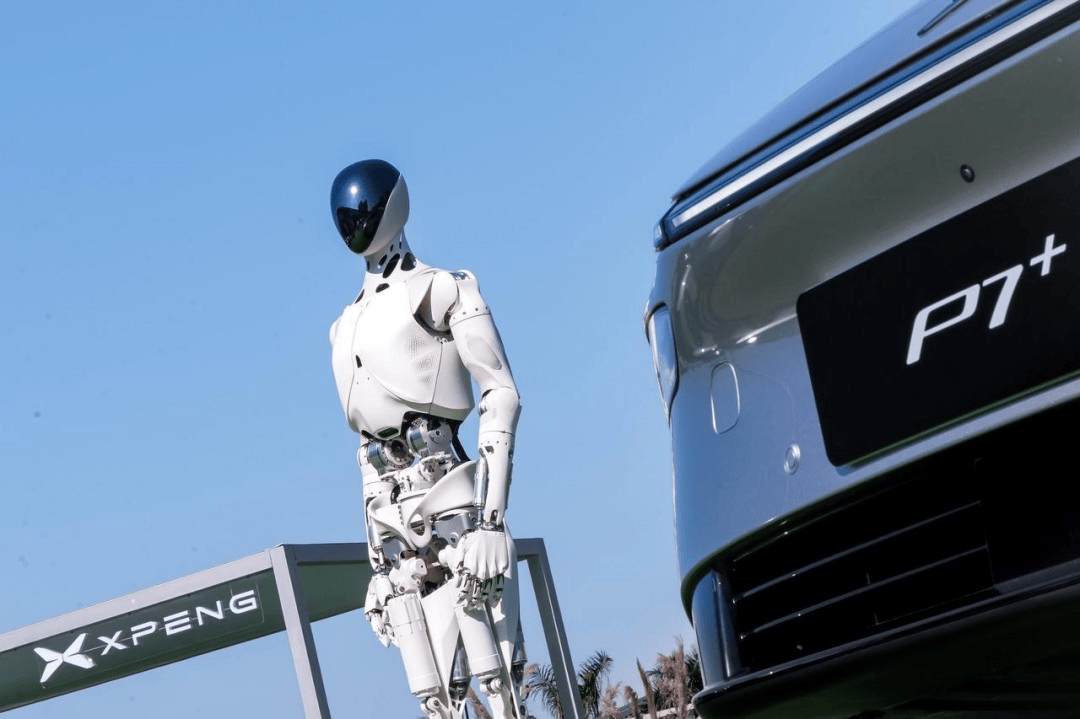



















On June 10, XPeng CEO He Xiaopeng had issued an internal letter announcing that he would personally take charge of the company’s robotics business, according to a Chinese media report. In the letter, He said XPeng’s humanoid robot program is at a critical stage, comparable to where XPeng Auto stood eight years ago before launching its first production vehicle, the G3. Xpeng’s new-gen humanoid robot IRON According to He, the business is now approaching the threshold of mass production and commercial delivery. XPeng’s investment in robotics dates back several years. At the end of 2020, the company established XPENG Robotics (Pengxing Intelligence) to enter the bionic robotics sector. In October 2023, XPeng unveiled its first bipedal humanoid robot, PX5. In November 2024, the fourth-generation humanoid robot, Iron, began training operations at XPeng’s Guangzhou manufacturing facility. During XPeng AI Day 2025, the company officially introduced the next-generation humanoid robot IRON. He Xiaopeng publicly cut open the IRON’s leg structure to dispel public doubts After sparking widespread online debate over its human-like walking posture and limb movements, He publicly cut open the robot’s leg structure to dispel public doubts. According to He’s long-term strategy, automobiles, robotics, and overseas markets will serve as XPeng Group’s three primary growth pillars over the next decade. Humanoid robots are viewed as a key component of the company’s transition from an intelligent EV manufacturer to a physical AI company. He’s direct involvement also signals XPeng’s intention to apply lessons learned from its automotive business. Previously, He personally drove several major projects, including the deployment of large autonomous-driving foundation models and the commercialization of XPeng’s second-generation Vehicle-Language-Action (VLA) architecture. From intelligent vehicles to robotics, XPeng is attempting to replicate its vertically integrated approach, combining full-stack in-house development, hardware-software integration, and supply-chain coordination to support mass production. Xpeng humanoid robot IRON According to the company’s internal roadmap, XPeng plans to begin mass production of humanoid robots in the fourth quarter of 2026. The robots are expected to enter offline retail stores in the first quarter of 2027 to perform functions such as customer assistance and product consultation. Overseas expansion is planned for 2027, while household applications are targeted for exploration in 2028. However, the robotics business remains in a high-investment phase. XPeng’s first-quarter financial results showed revenue of RMB 13.03 billion ($1.92 billion), down 17.6% year-on-year. Net loss widened to RMB 1.78 billion ($263 million), an increase of RMB 1.12 billion ($165 million) from a year earlier. Meanwhile, research and development spending reached RMB 2.91 billion ($429 million), up 46.8% year-on-year. In addition to autonomous driving, humanoid robots, Robotaxi programs, and physical AI have become major contributors to rising R&D expenditures. Across the broader industry, 2026 is increasingly viewed as a pivotal year for humanoid robot commercialization. In a recent research report, Morgan Stanley stated that China’s humanoid robotics industry is moving beyond technology demonstrations and entering pilot deployment in real-world applications, including manufacturing, inspection, service industries, tourism, cultural venues, and household assistance. The investment bank forecasts that China’s humanoid robot sales will reach 28,000 units in 2026, representing year-on-year growth of 133%. Sales are projected to increase to 262,000 units by 2030 and further expand to 2.6 million units by 2035.