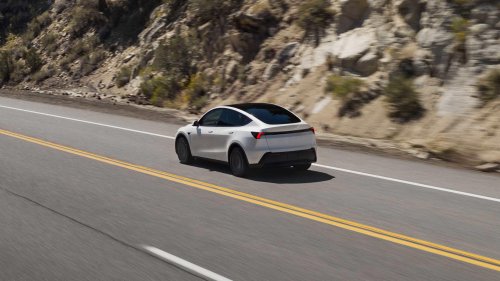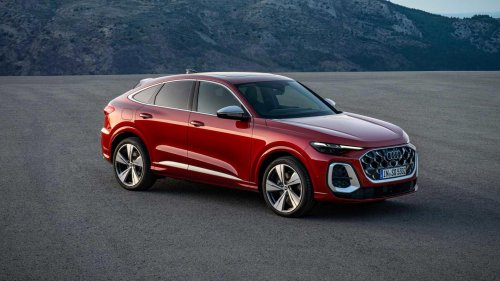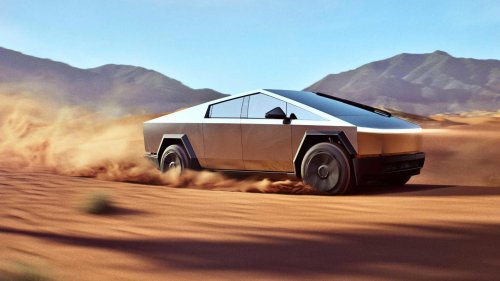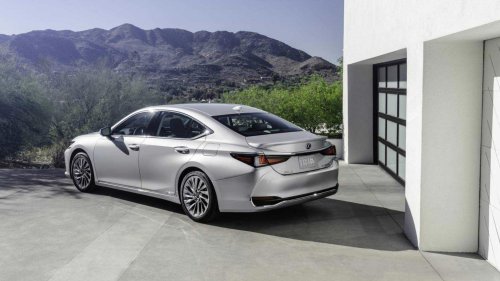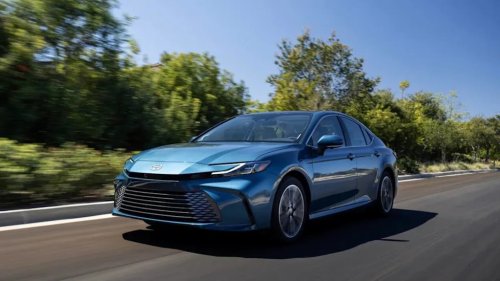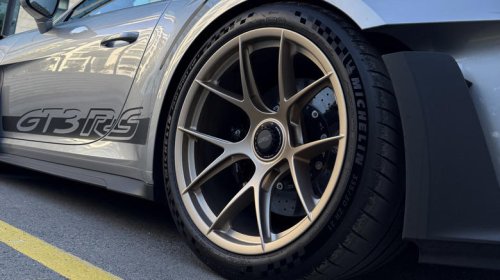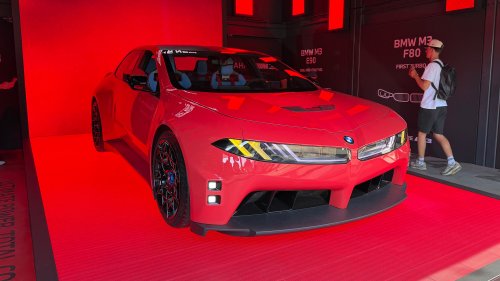
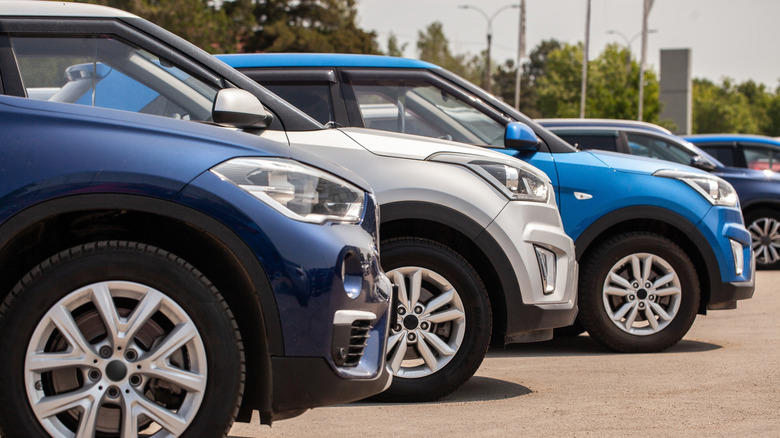



















A person filling out car dealership paperwork with a keyfob and a blue model car next to the clipboard - jd8/ShutterstockBuying a new car in 2026 can be a painful process, especially if you're trying to get the best model to fit your budget. After all, if you can't afford it in the long-term, then spending the money can mean big financial problems later on. However, for some buyers, cost doesn't appear to be a problem, as many of the quickest selling cars of the year are insanely expensive.As of May 2026, CarEdge lists the 2026 BMW M3 Sedan as the fastest-selling car, with an average price of $101,161. While that price may be out of reach for some drivers, it's actually not the most expensive vehicle on the list. That distinction belongs to the 23rd fastest selling car, the 2026 Porsche 911, with an average price of $210,995. Of the top 25 vehicles listed, only eight are priced under $50,000.However, fastest-selling doesn't necessarily equal the most vehicles sold. For example, the 2026 BMW M3 Sedan accounts for just over 500 units sold as of this writing. In contrast, nearly 69,000 units of the 2026 Toyota Camry, J.D. Power's most dependable midsize car, have already sold. This makes the $36,568 Camry the most purchased model in the top 25. CarEdge ranks these vehicles using Market Day Supply, which estimates how long current inventory would last based on the existing pace of sales.AdvertisementAdvertisementRead more: 5 Things You Need To Stop Doing If You Drive An Automatic CarBreaking down the unpredictable car marketA shot of new cars on a car lot - Billion Photos/ShutterstockThe fastest-selling cars of 2026 aren't necessarily moving quicker due to dealer discounts or promotions. In fact, according to Kelley Blue Book, around 70% of new vehicles are sold at full sticker price, or even higher. This means that many of the models selling right now don't need special prices to put buyers behind the wheel. Because of this, incentive buying has dropped in recent years, as strong demand and limited inventory decrease the need for discounts overall.This dynamic creates a market environment that's hard to predict. Since traditional discount programs aren't the norm industry wide, the truth is that, overall, other factors are now affecting the entire car buying process. Drivers are more likely to base their decisions on their own vehicle needs, which are often impacted by availability. That includes whether buyers are shopping new or used, as both markets are experiencing shifting prices and limited inventory levels.Recent sales reflect this behavioral change, as the new vehicle market is coming in slightly below industry forecasts for the year. Higher gas prices and inflation are contributing to that dip, as people are not consistently buying as they have in years past. That hesitation is adding to overall market uncertainty, as 2026 may, or may not, be a good time to buy a car. But even as total demand has not dropped, it has become more uneven, with timing playing a larger role in outcomes overall.AdvertisementAdvertisementWant the latest in tech and auto trends? Subscribe to our free newsletter for the latest headlines, expert guides, and how-to tips, one email at a time. You can also add us as a preferred search source on Google.Read the original article on SlashGear.