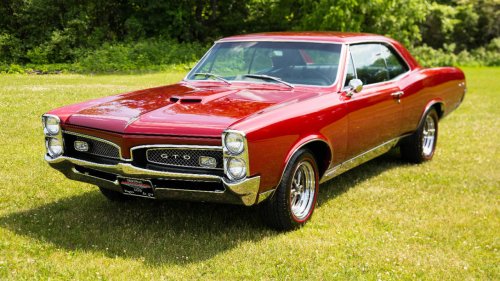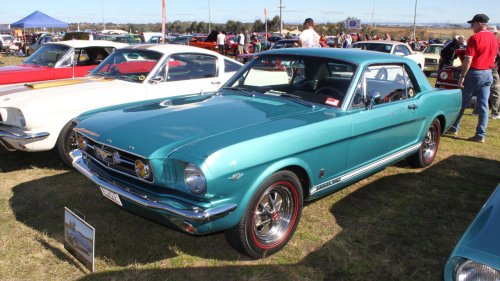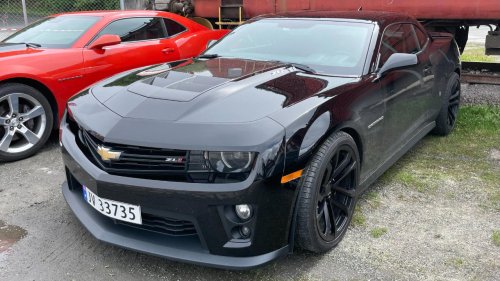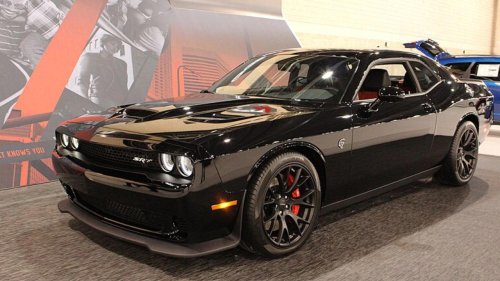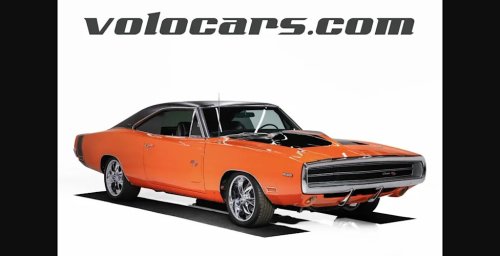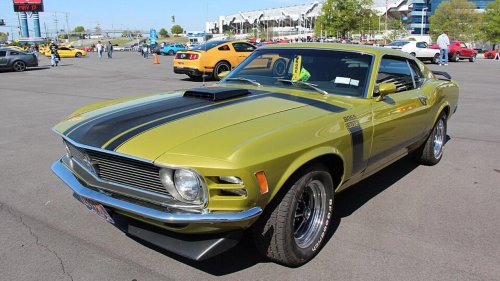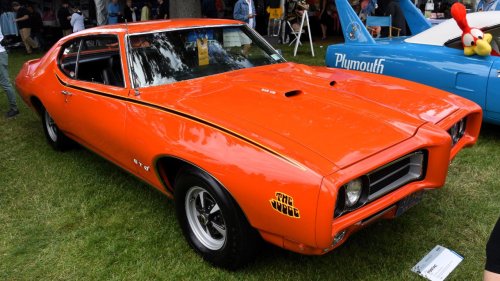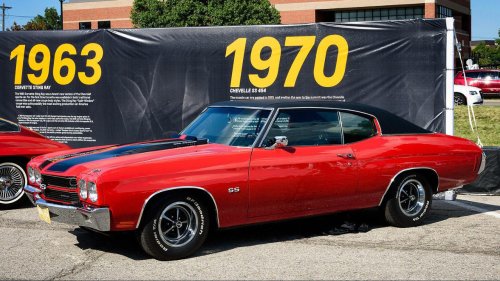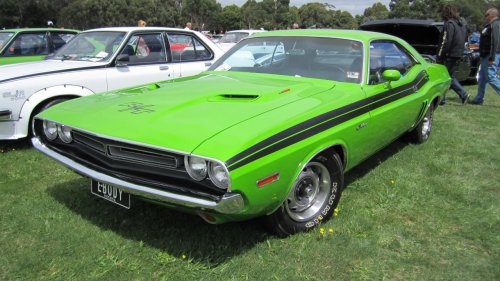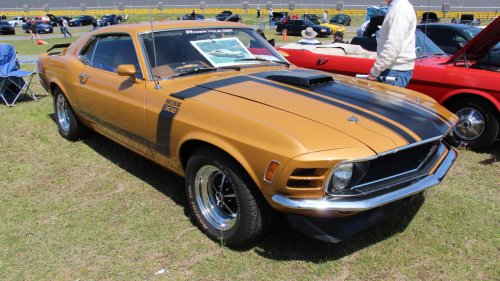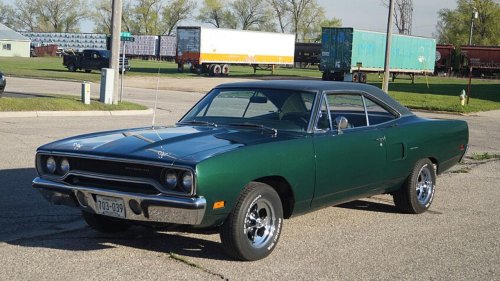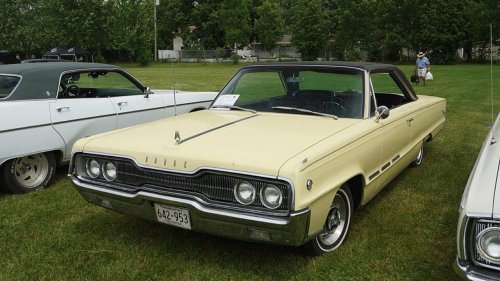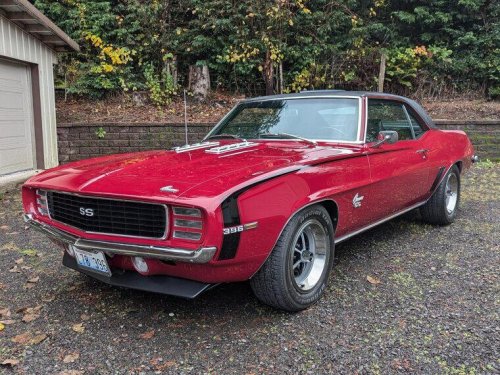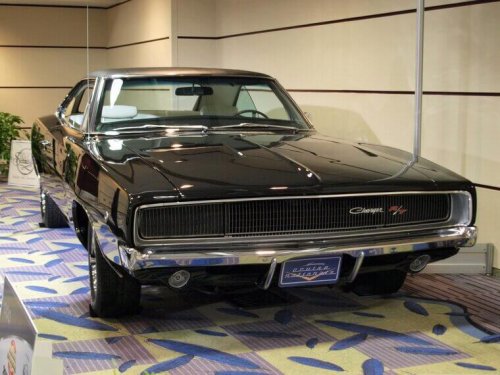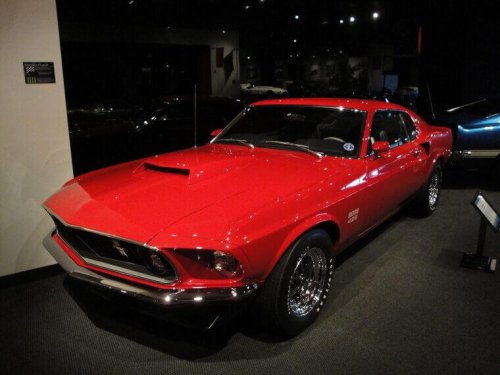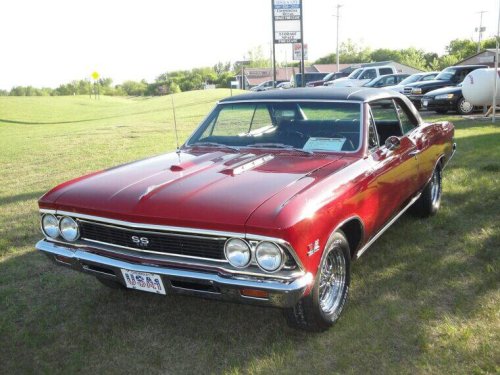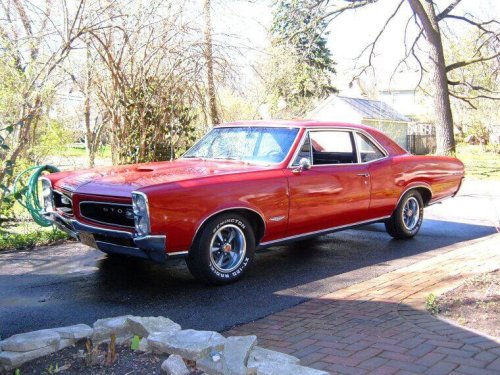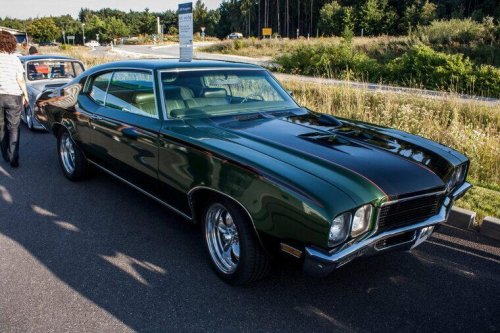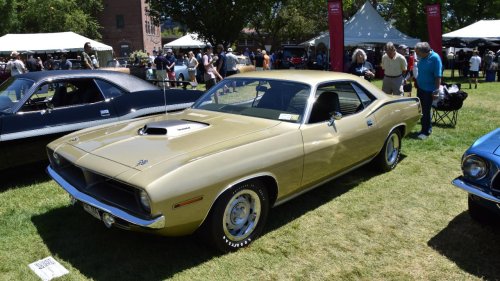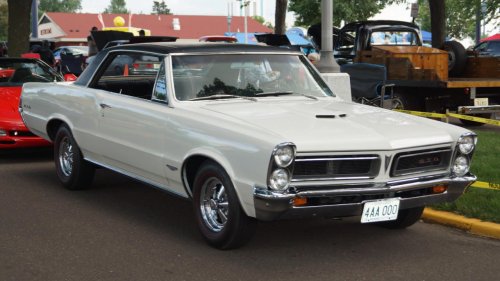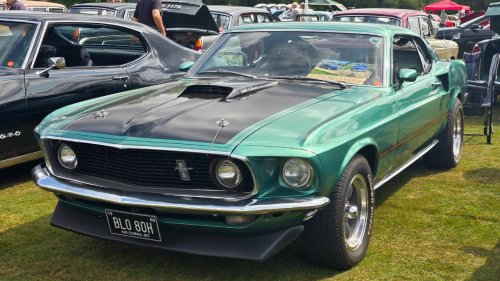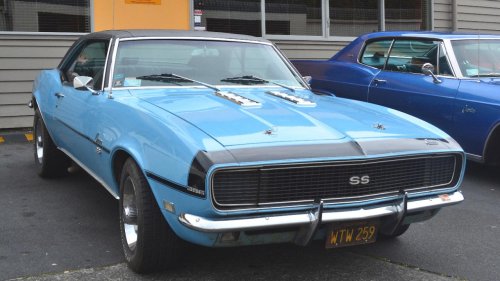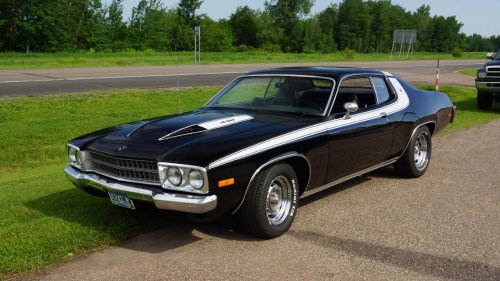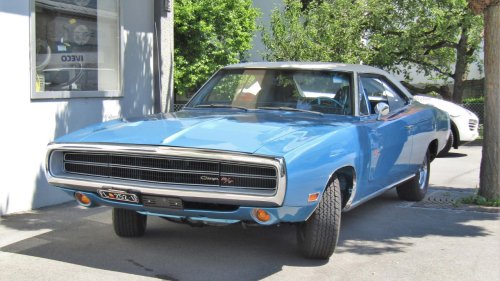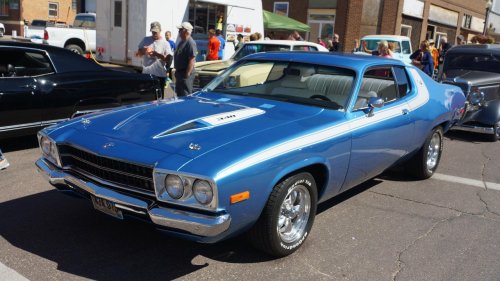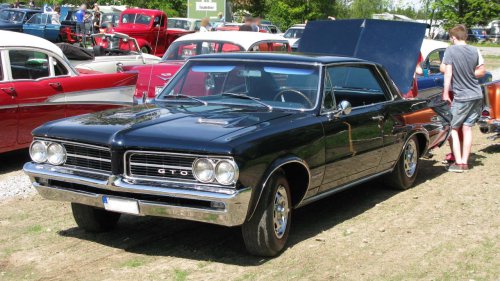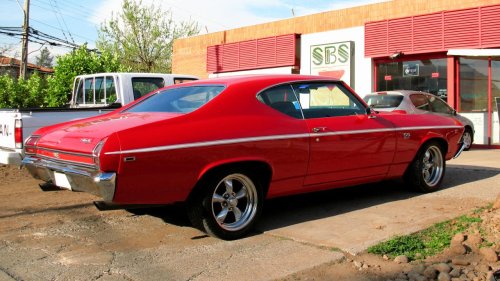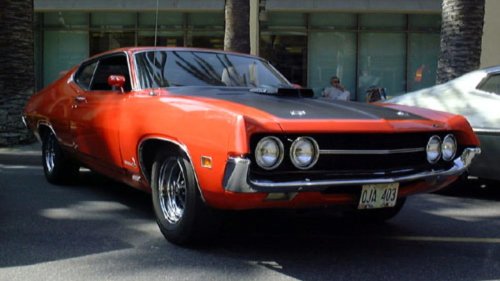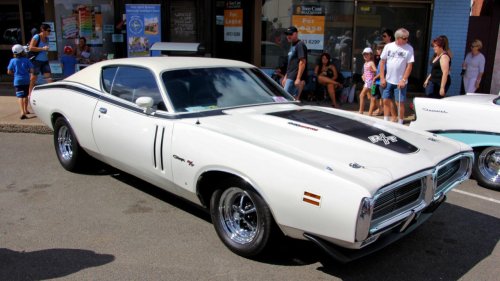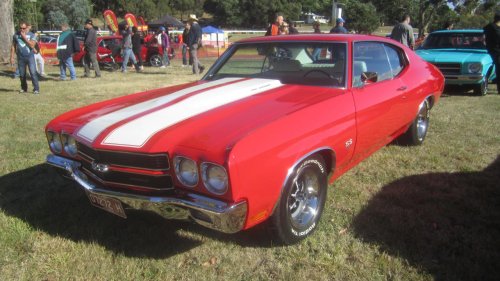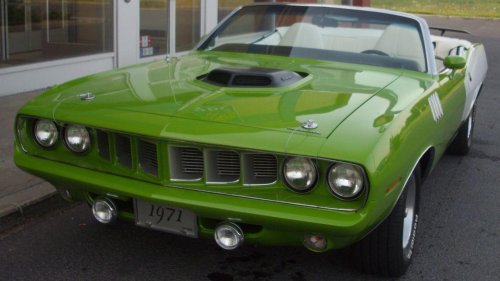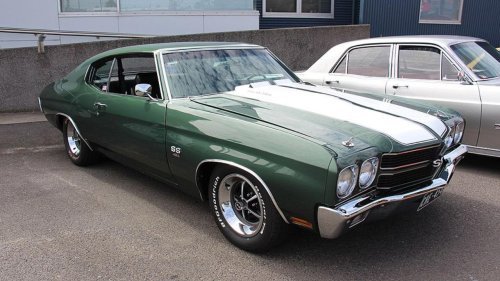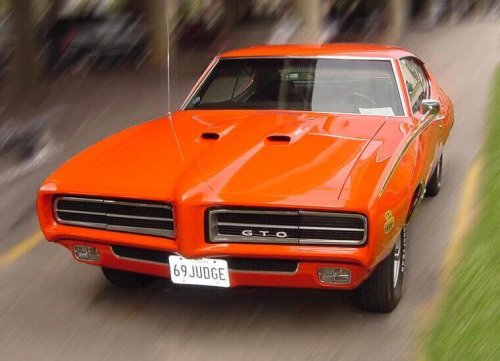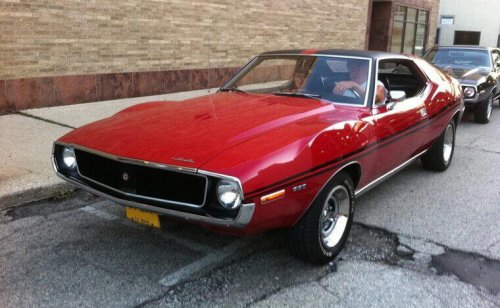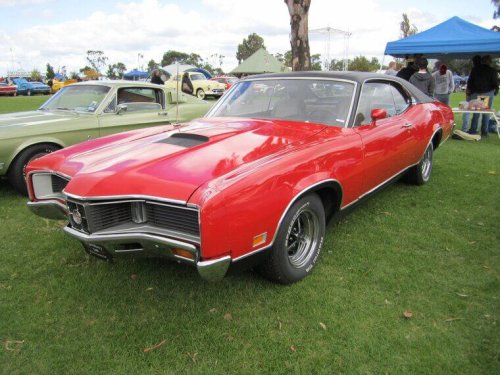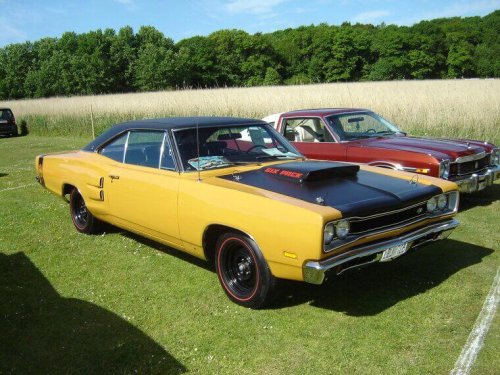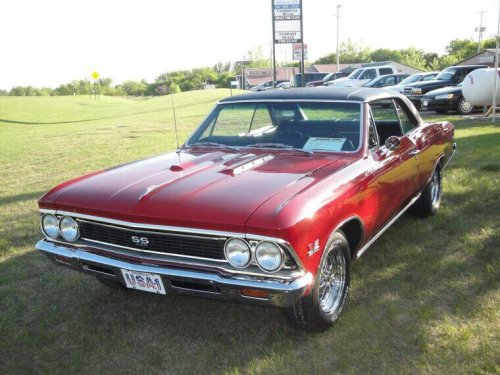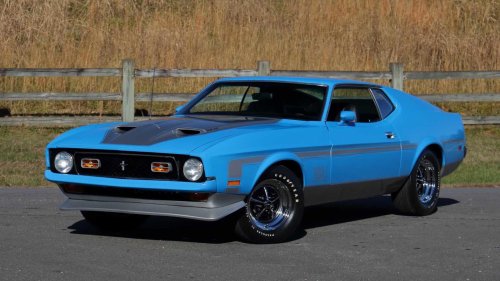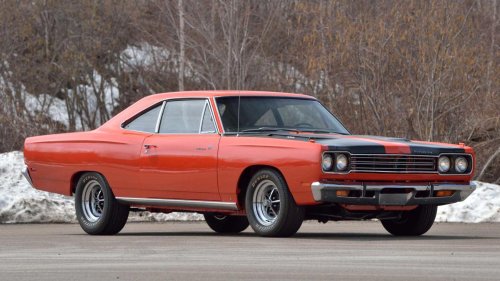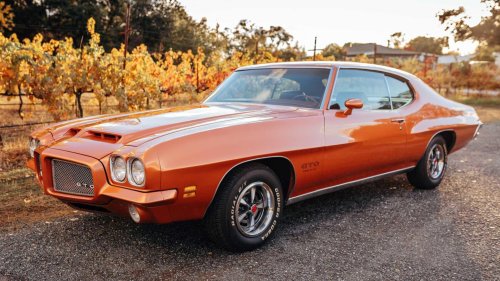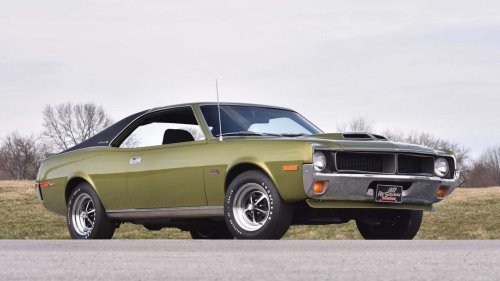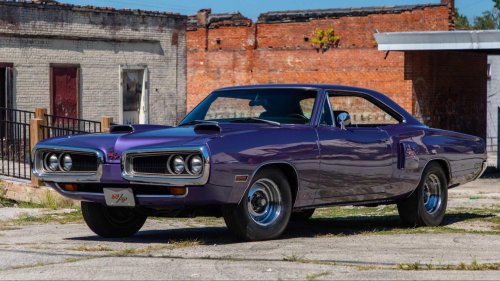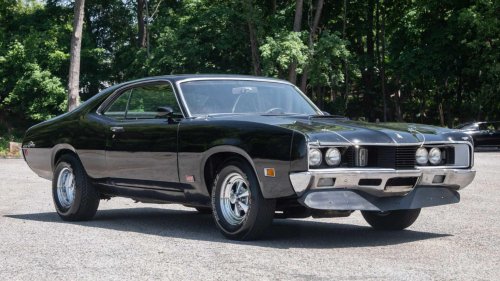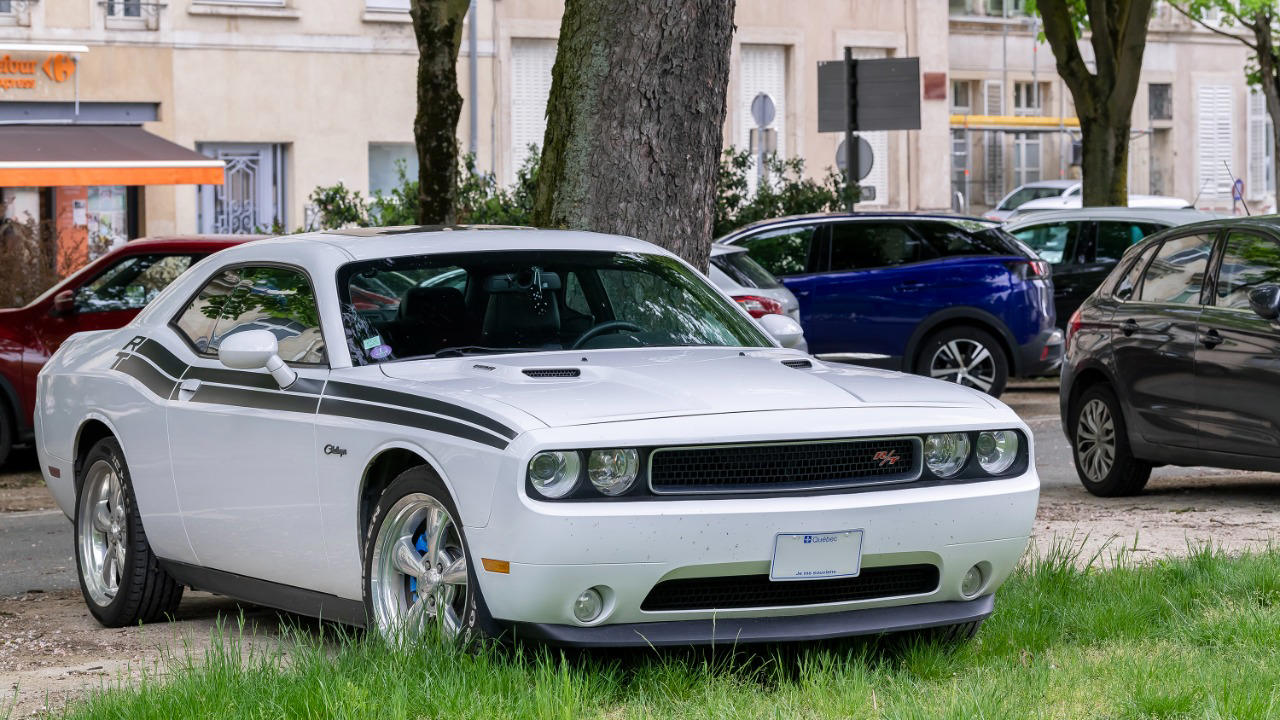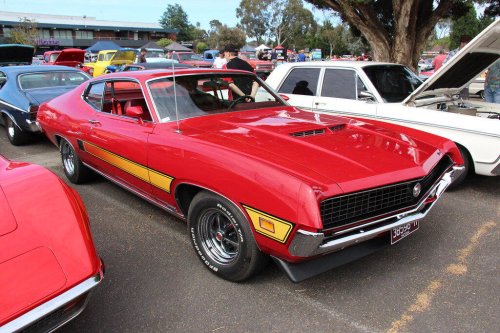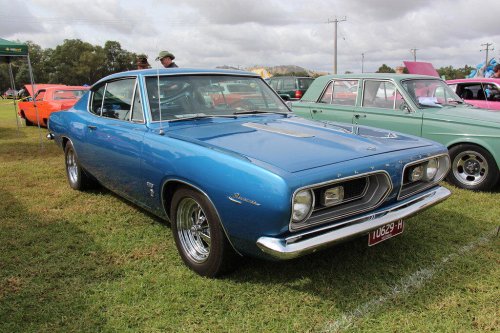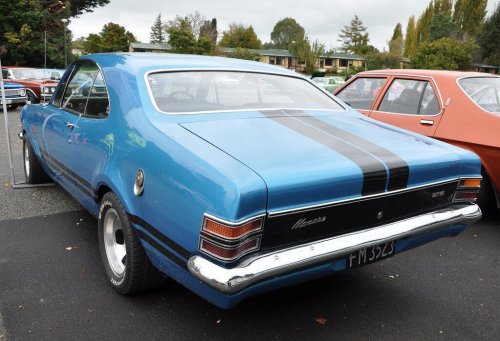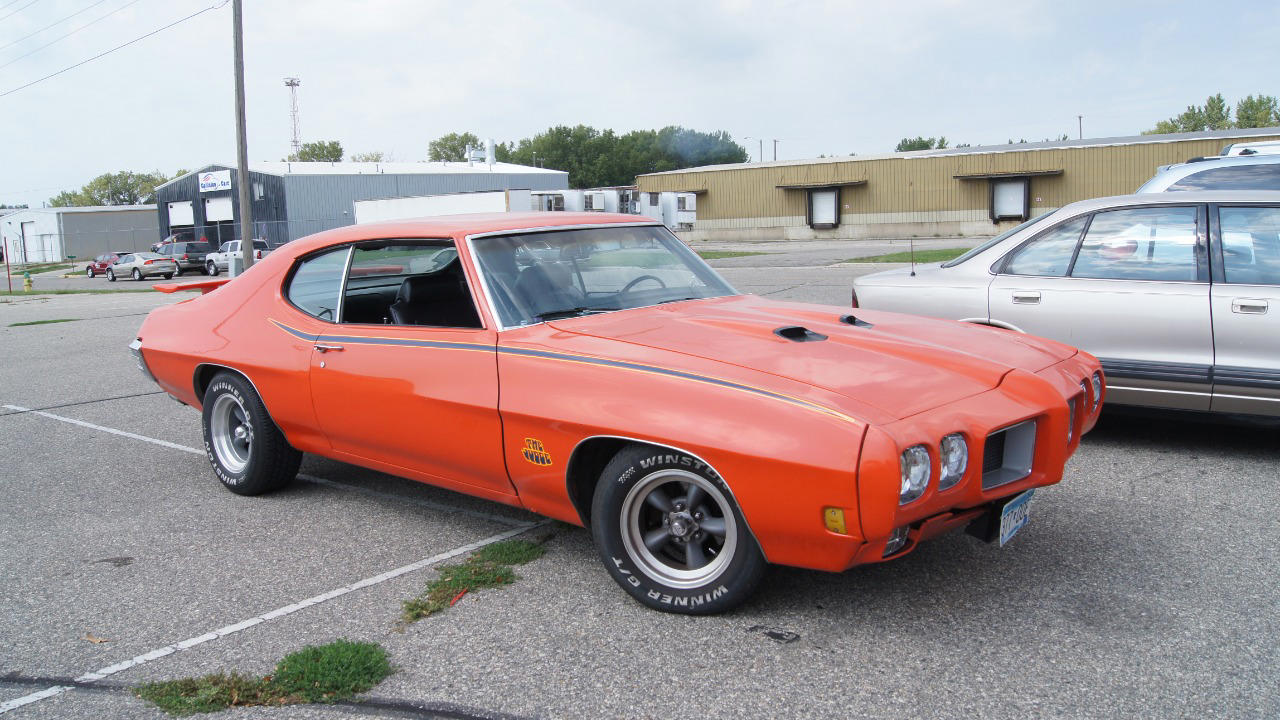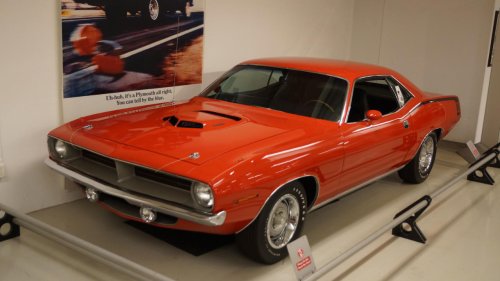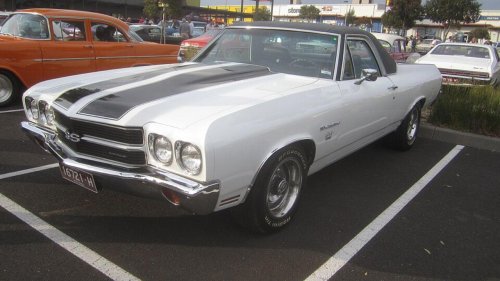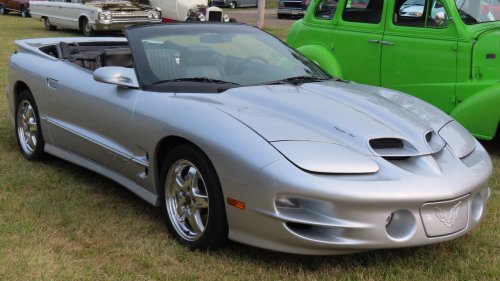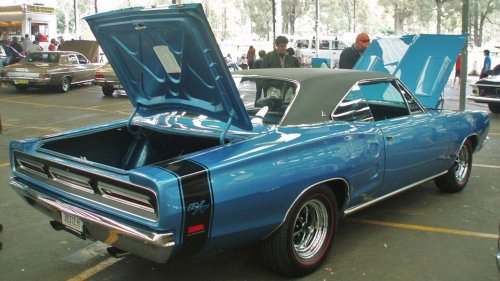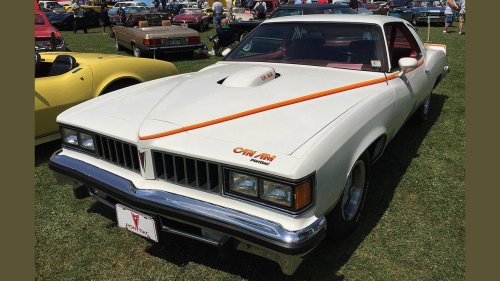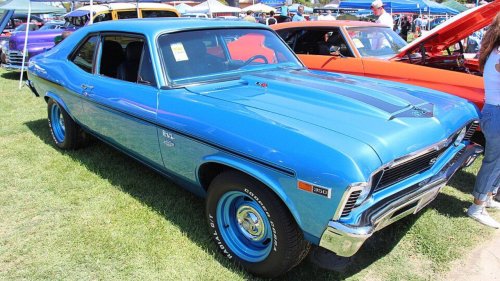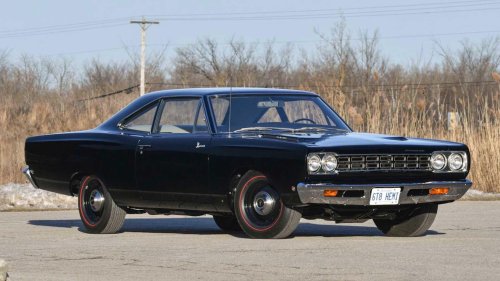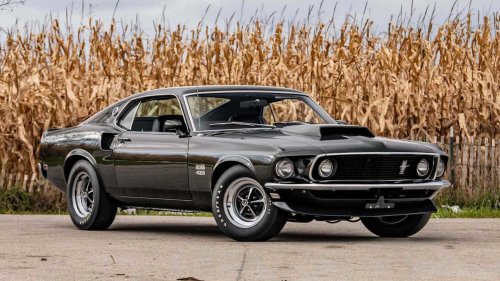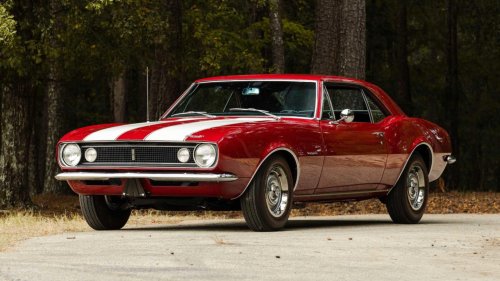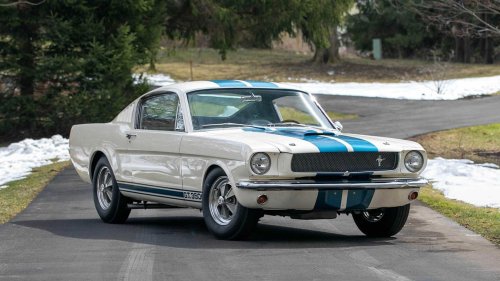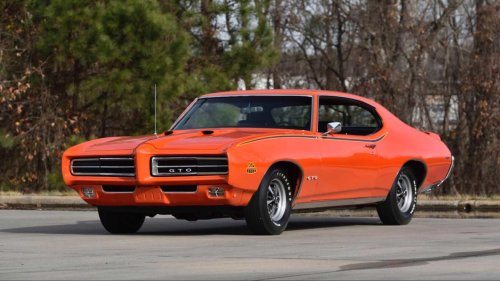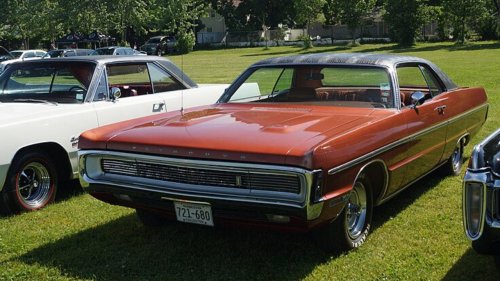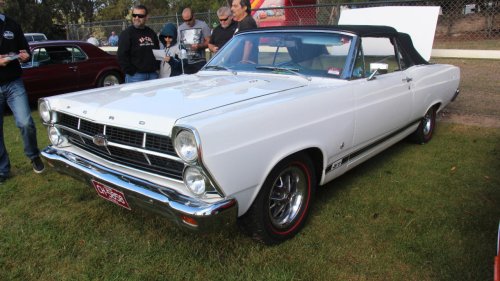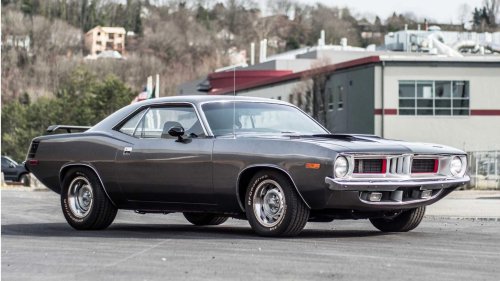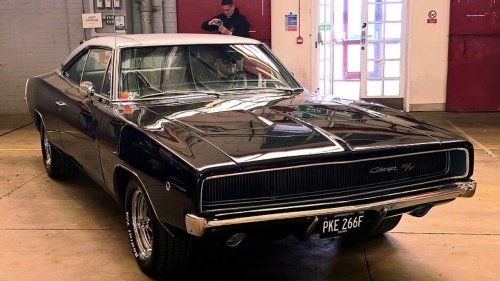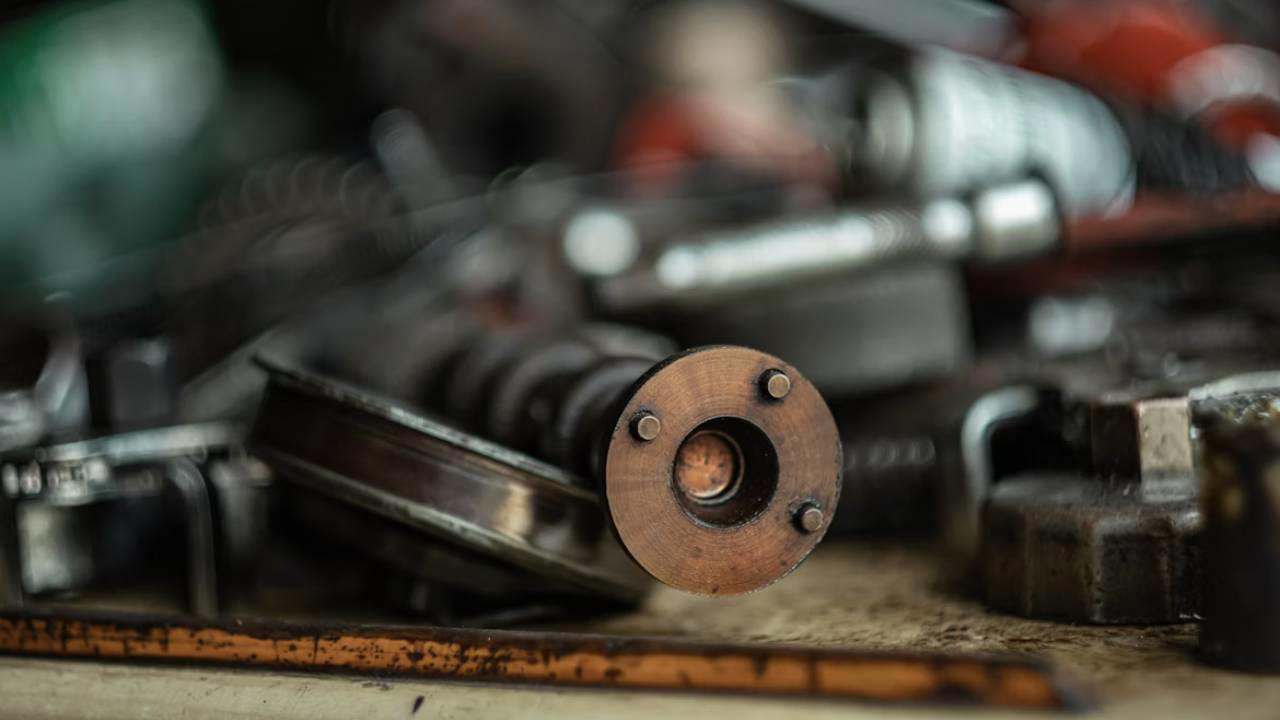
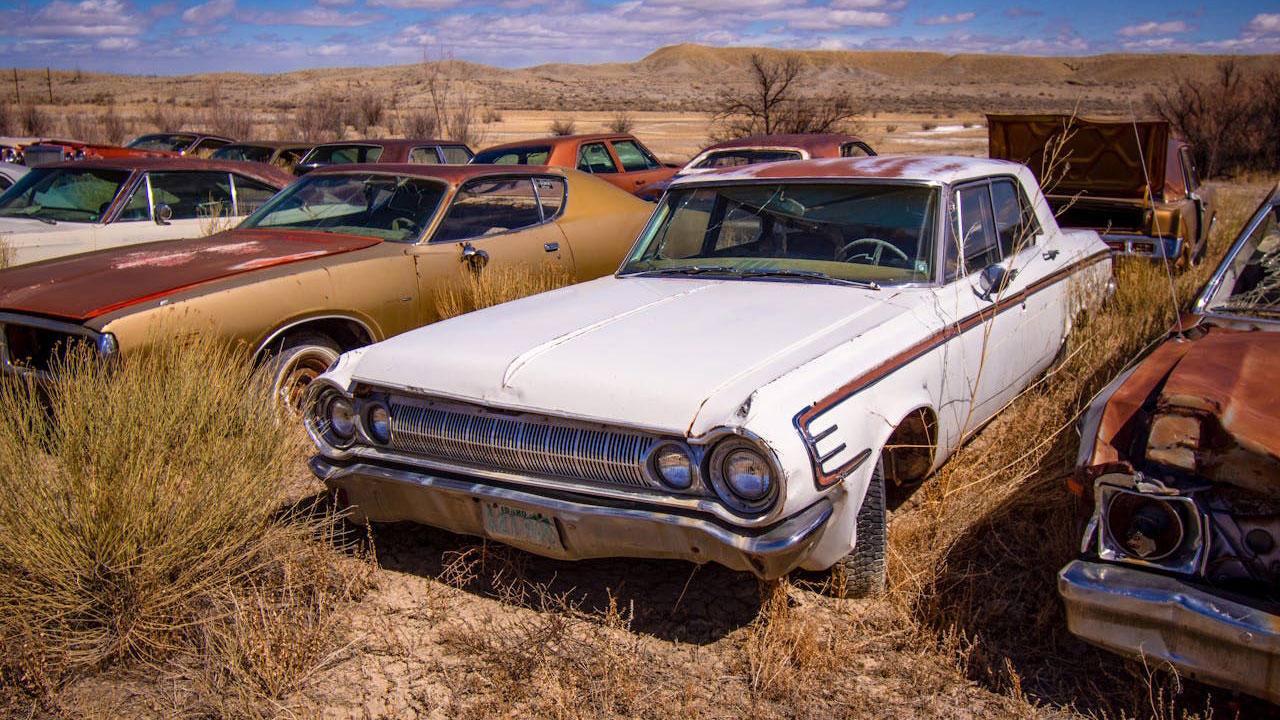



















Finding rare parts for vintage muscle cars can be a challenging yet rewarding endeavor. With the growing popularity of restoring classic vehicles, enthusiasts need effective strategies to locate those elusive components that are essential for a successful restoration. This comprehensive guide aims to provide practical insights and strategies to ensure your vintage muscle car project runs smoothly. Understanding the Market for Vintage Muscle Car Parts As the demand for vintage muscle cars like the 1969 Chevrolet Camaro continues to rise, so does the need for original parts. The market for these components is dynamic, influenced by factors such as rarity, condition, and historical significance. Understanding the current demand and value of specific parts can help enthusiasts make informed purchasing decisions. For instance, original engine blocks or factory-installed components can command high prices due to their scarcity. Knowing the history and specifications of your specific vehicle model is crucial. A deep understanding of the car’s original design and parts list can aid in identifying correct and authentic components. This becomes particularly important for models like the 1970 Dodge Charger, where specific trims and options can affect both restoration accuracy and value. Additionally, the authenticity of parts significantly impacts their valuation, as collectors and restorers often prioritize original parts over reproductions. Utilizing Online Resources Effectively Image credit: Tahamie Farooqui via Unsplash The internet is a treasure trove for vintage car enthusiasts. Websites like eBay Motors and Hemmings are popular platforms where rare parts for cars like the 1971 Ford Mustang can be found. These online marketplaces provide a wide selection of components, but it’s essential to verify the authenticity and condition of parts before making a purchase. High-quality images, detailed descriptions, and seller ratings can be helpful indicators of a part’s reliability. Setting up alerts and notifications on these platforms can keep you updated on newly listed parts matching your search criteria. This proactive approach can be particularly beneficial when searching for rare items that don’t frequently appear on the market. Additionally, online forums and communities, such as those found on Reddit or dedicated car enthusiast websites, offer valuable advice and firsthand reviews from other collectors and restorers. Networking with Enthusiasts and Experts Networking plays a crucial role in sourcing rare parts for vintage cars like the 1973 Pontiac Firebird. Joining car clubs and attending vintage car shows can connect you with a community of enthusiasts who share your passion for classic vehicles. These gatherings are excellent opportunities to exchange information, share resources, and even discover parts that fellow collectors are willing to sell or trade. Building relationships with knowledgeable restorers and collectors can provide access to a wealth of expertise and resources. These connections can lead to insider information on where to find specific parts or recommendations for trusted sellers. Additionally, social media platforms like Facebook and Instagram can be powerful tools for connecting with other enthusiasts. By joining groups or following pages dedicated to your specific car model, you can stay informed about events, part sales, and restoration tips. Exploring Salvage Yards and Swap Meets Salvage yards are often overlooked gold mines for vintage car parts. Reputable yards specializing in vintage models, such as those housing 1968 Plymouth Road Runner parts, can be invaluable resources. Visiting these locations allows you to assess the condition of parts in person and potentially negotiate better prices. It’s important to come prepared with knowledge about the specific parts you need and their market value to ensure fair transactions. Swap meets are another excellent resource for finding rare parts. These events bring together sellers and buyers in one location, offering a diverse array of components. When attending a swap meet, having a clear list of needed parts and their specifications can streamline your search. Engaging with vendors and fellow attendees can also yield useful tips and recommendations for future purchases. Image Credit: Get Lost Mike via Pexels Working with Specialty Retailers and Reproduction Part Manufacturers Specialty retailers, such as Year One and Classic Industries, are renowned for their extensive inventory of vintage muscle car parts, including those for models like the 1967 Pontiac GTO. These retailers specialize in hard-to-find original components and high-quality reproduction parts. Working with reputable retailers ensures access to a wide selection of parts with a proven track record of quality and authenticity. When original parts are not available, reproduction components can be a viable alternative. However, it’s essential to weigh the pros and cons of using reproduction parts versus originals. While reproduction parts may be more readily available and affordable, their quality and fit may vary. Evaluating the quality and compatibility of reproduction parts with your vehicle is crucial to maintaining the integrity of your restoration project. Like Fast Lane Only’s content? Be sure to follow us. Here’s more from us: Unboxing the WWII Jeep in a Crate The Fastest Farm Truck Ever Built *Created with AI assistance and editor review.