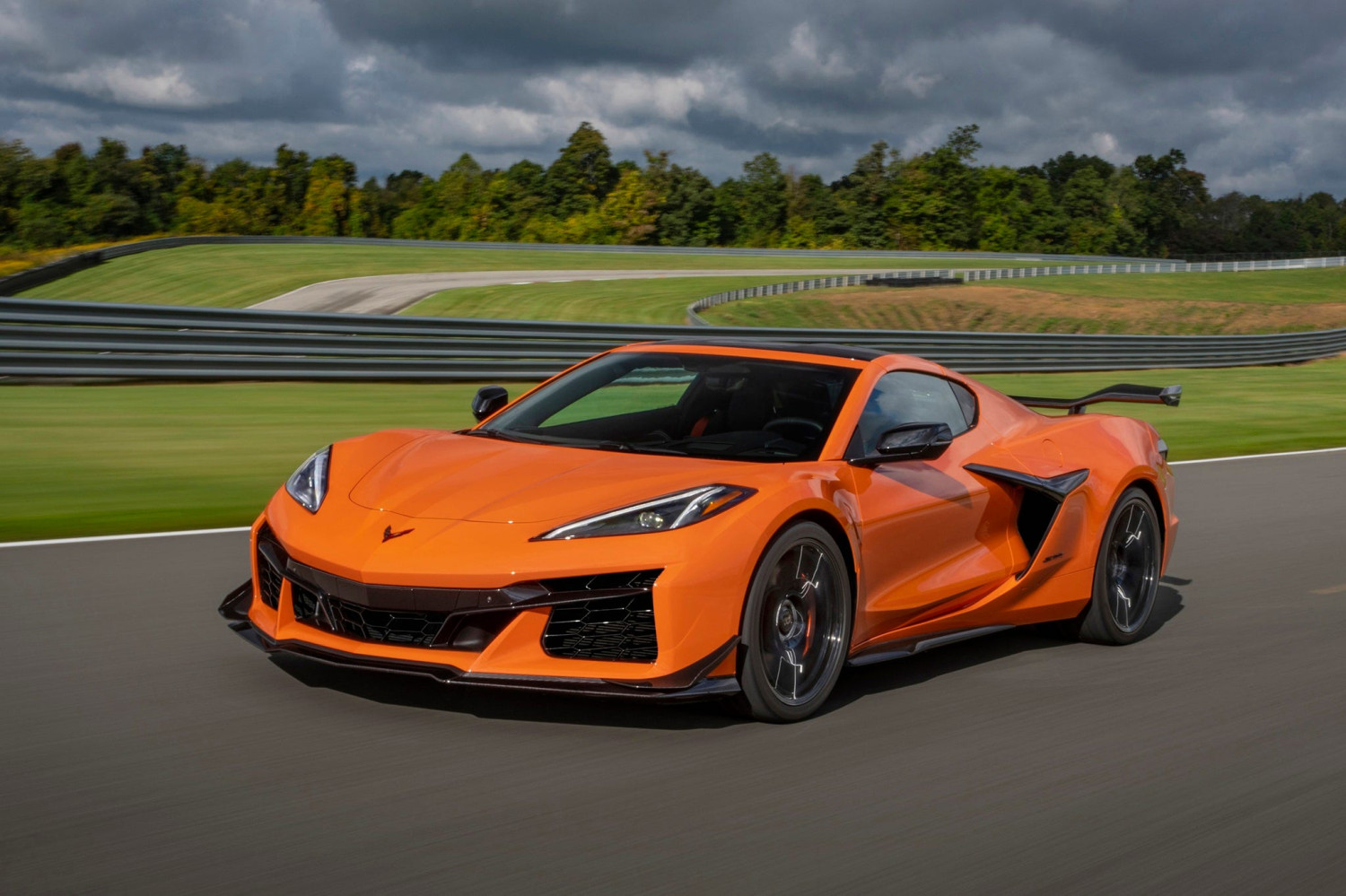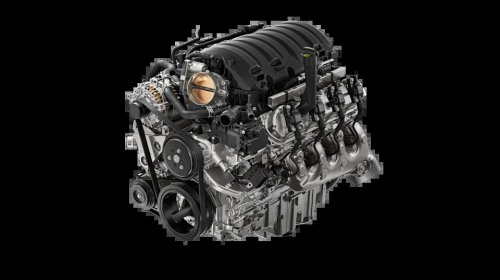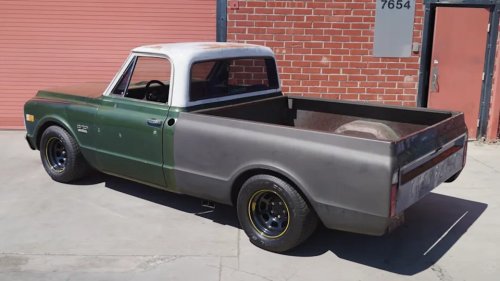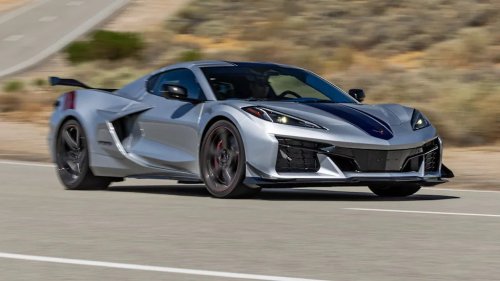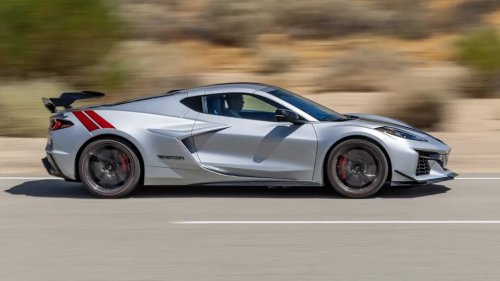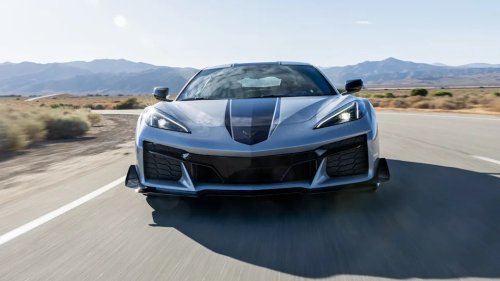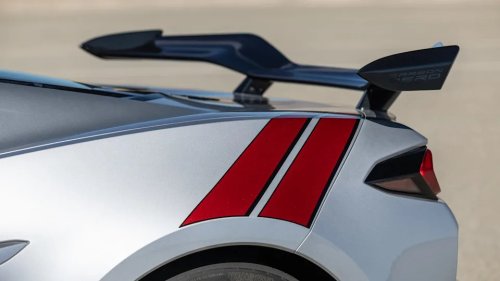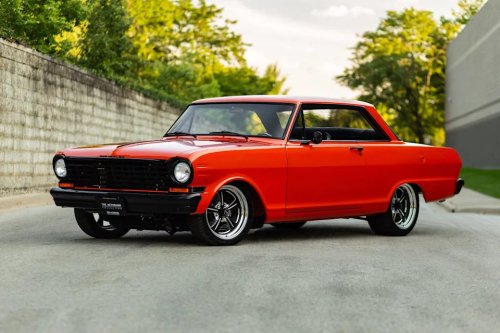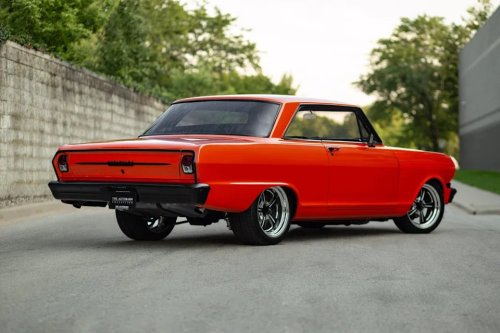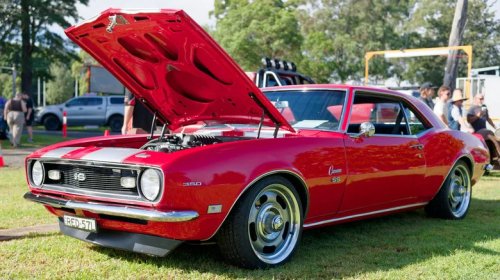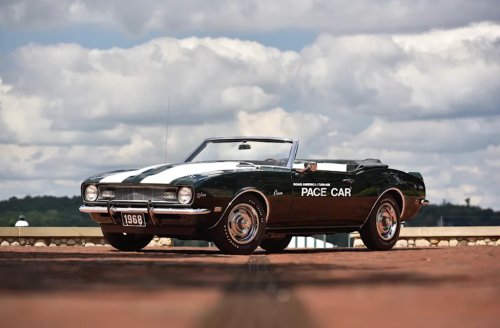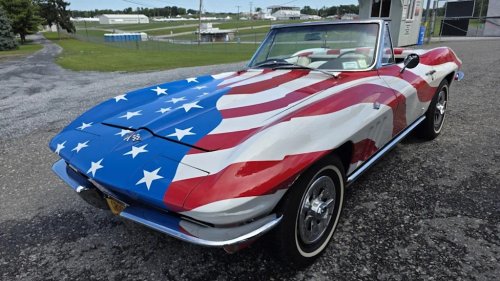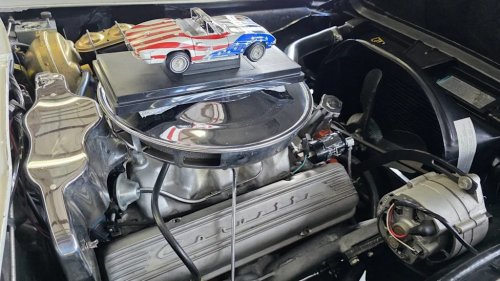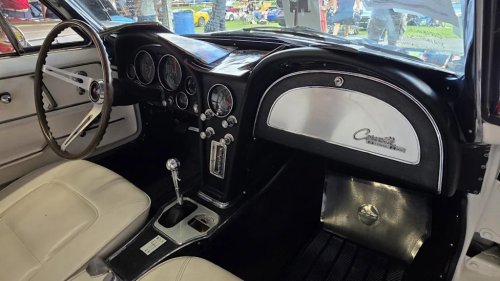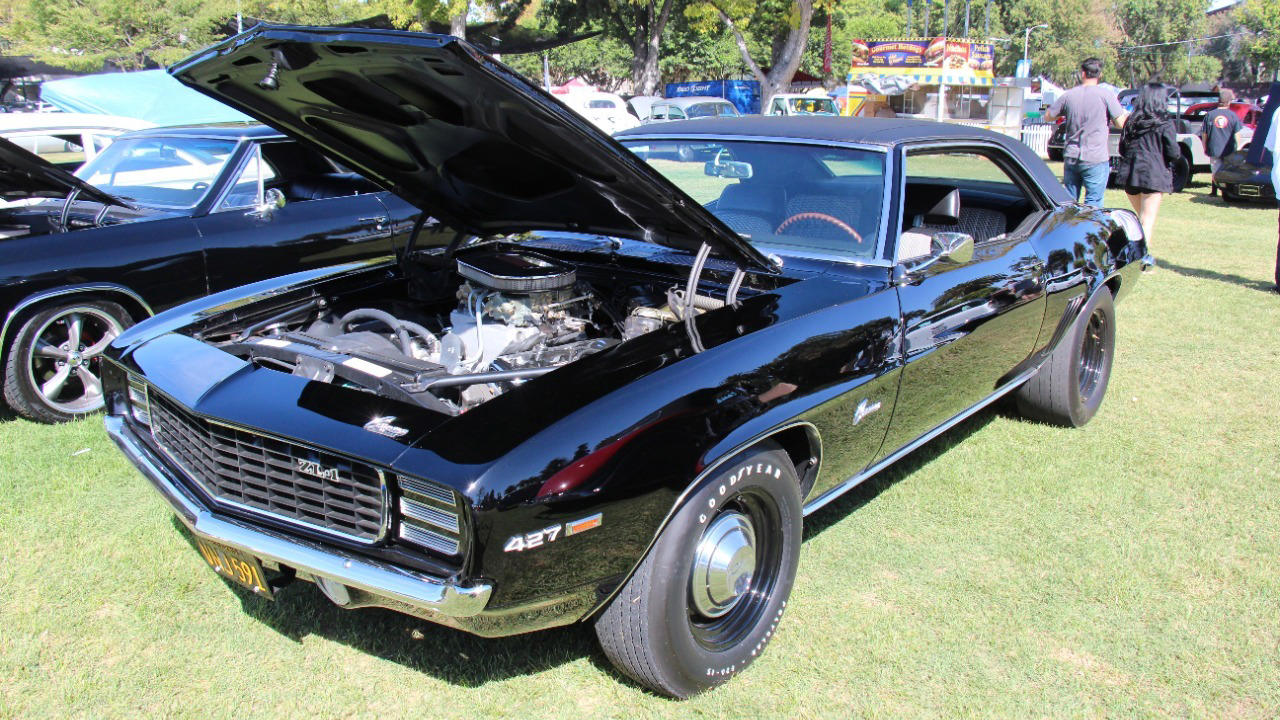



















Chevy engineers knew the ZL1 was underrated and kept it that wayThe ZL1 badge has always carried a quiet asterisk. On paper, Chevrolet’s wildest big blocks and supercharged V8s looked impressive enough, yet insiders knew the official numbers left a lot on the table. From the original 1969 aluminum 427 to the modern Camaro ZL1, engineers consistently signed off on ratings that kept the lawyers calm and the insurance companies less alarmed, while the cars themselves told a very different story on dynos and dragstrips. That tension between what Chevrolet claimed and what its hardware actually produced created one of the great open secrets in American performance. The ZL1 was built to be faster than the brochure suggested, and the people who designed it were content to let owners discover the truth for themselves. The original ZL1 was built for racing, not honesty The story starts with a racing engine that was never supposed to be a regular production option. Chevrolet engineers created an all-aluminum 427 cubic inch big block for Can-Am racing, then found a way to sneak it into street cars under the corporate radar. The intent was simple: give a few favored teams and dealers a factory weapon that could dominate on track and strip. That engine, coded RPO ZL1, carried an official rating of 430 horsepower. Period descriptions of the aluminum 427 cubic stress that it was “officially rated at 430 horsepower, real-world output exceeded 500 horsepower.” Another detailed breakdown of the 1969 Corvette version repeats the figure, noting that Chevrolet rated the ZL1 at 430 horsepower but that independent dyno work pegged it closer to 560. One account of the same 427 ci (7.0 liter) V8 lists 430 bhp at 6,600 rpm, then immediately adds that, like many muscle-era engines, the factory number was conservative. Those overlapping figures, 430 on paper and something between 500 and 560 in practice, are not a rounding error. They are evidence of a pattern. Engineers understood that the ZL1’s all-aluminum construction, high compression, and race-bred internals pushed it far beyond the rest of the big block lineup. Yet Chevrolet still stamped a number that fit neatly beside tamer 427s in sales literature. COPO Camaros and the corporate gray zone Nowhere was that disconnect more obvious than in the tiny run of Central Office Production Order Camaros that carried the ZL1. Histories of the Chevy Camaro ZL1 describe how dealers used the COPO system, originally meant for fleet paint and heavy-duty parts, to request the racing 427 for a handful of customer cars. The result was the 1969 Chevrolet Camaro ZL1, a street-legal shell wrapped around what was essentially a Can-Am engine. Later video retrospectives on the Chevrolet Camaro Capo ZL1 underline just how extreme that combination was. The engine had been engineered for wide-open throttle endurance, not grocery runs, and it turned a relatively light pony car into something closer to a factory drag car. Another deep dive into how good the Chevrolet big block actually was points out that most people at the time barely knew this engine existed, precisely because it lived in a gray area between sanctioned production and racing skunkworks. Inside that gray area, engineers had every incentive to keep the official rating modest. Corporate policies restricted overt racing activity, insurance companies were already nervous about high-advertised horsepower, and federal regulators were beginning to pay attention to emissions and safety. A 430-horsepower sticker gave Chevrolet plausible deniability while still delivering a car that, in the right hands, could embarrass anything wearing a showroom price tag. The 427 ZL1’s fearsome reputation Enthusiast accounts of the Chevrolet 427 ZL1 describe it as a name “whispered in automotive circles with equal parts reverence and fear.” That language reflects more than nostalgia. The 427 figure itself became shorthand for a kind of performance that felt barely contained, especially when paired with a lightweight body. Another video focused on the banned 427 ZL1 repeats the 427 metric and frames the engine as something corporate leadership tried to keep out of public view. The same displacement appears in a modern tribute piece about a limited run of 427 cubic inch V8s produced in 427 units to honor Chevrolet’s legendary big block. That modern engine is based on an all-aluminum ZL1-style block originally developed for racing applications, and the description explicitly notes that the original ZL1 427, introduced in 1969, was famous for its exceptional power and often underrated at the time. That word, underrated, is not casual. It captures an internal understanding at Chevrolet that the ZL1’s true capability exceeded what the brochure claimed. Engineers knew the 427 ZL1 was built for high rpm durability and big airflow, and they watched racers extract far more than 430 horsepower once the engines were tuned and uncorked. The conservative rating was a strategic choice, not a miscalculation. Why Chevrolet sandbagged the numbers Several overlapping pressures pushed Chevrolet engineers to keep the ZL1’s output understated. The most obvious was insurance. By the late 1960s, insurers were already using advertised horsepower as an easy risk proxy. A car that claimed 430 horsepower slotted into a different box than one that admitted to 500 or 560, even if the real-world difference was minimal. Internal politics played a role as well. Corporate policy frowned on overt racing programs, which is why the ZL1 existed through channels like COPO and behind-the-scenes engineering work rather than as a proudly marketed flagship. A modest rating helped keep the 427 ZL1 off the radar of executives who were nervous about liability and public relations. Marketing logic across the broader lineup added another constraint. Chevrolet needed to protect the perceived hierarchy of its engines. If a limited-run ZL1 suddenly appeared with a rating that blew past every other big block, it would undercut the rest of the catalog and raise difficult questions about why so much extra performance had been held back from regular buyers. Labeling the ZL1 at 430 horsepower allowed Chevrolet to claim parity with its hottest iron block 427s while quietly delivering more. From Corvette to Camaro, the same quiet excess The ZL1’s path through Chevrolet’s portfolio shows how consistently that strategy played out. In the Corvette, descriptions of the 1969 ZL1 highlight that the aluminum 427 cubic inch big block was one of the rarest and most extreme engines the brand ever installed in a production car. The same accounts repeat the 430-horsepower rating, then point to dyno evidence that pushed the estimate to 560. That gap became part of the car’s mystique, a wink between engineers and the small group of buyers who could afford the option. The Camaro story was even starker. The COPO cars were built in tiny numbers, sold through dealers who understood exactly what they were getting. Auction listings for surviving 1969 Chevrolet Camaro ZL1 examples treat the engine as the centerpiece, often referencing its racing origin and the fact that it was originally developed for Can-Am competition. Contemporary reports describe how these cars punched far above their rated output on track, reinforcing the sense that the factory numbers were intentionally soft. Later coverage of GM’s forbidden ZL 1 427 engine, labeled as a 430-horsepower piece on paper, adds that many believed those were just figures chosen for convenience. That perspective aligns with the pattern seen across Corvette and Camaro applications: a consistent 430 label attached to hardware that behaved like a 500-plus-horsepower engine in the real world. The modern Camaro ZL1 carries the same DNA Decades later, when Chevrolet revived the ZL1 badge for the fifth and sixth generation Camaro, the company operated in a very different regulatory and marketing environment. Yet the habit of underrating performance did not disappear. The supercharged LT4 V8 in the current Camaro ZL1 is officially rated at 650 horsepower and 650 pound-feet of torque, figures that already place it at the sharp end of modern muscle. Independent dyno sessions tell a more interesting story. One widely shared test of a stock 2017 Camaro ZL1 with a 6-speed manual on a Dynojet chassis dyno produced 567 rear wheel horsepower. The results were recorded as 567 at the wheels, which implies crank output well above the official rating once drivetrain losses are accounted for. Another owner who strapped a newer Camaro ZL1 1LE to a dyno at BG Products in Wichita, Kansas, captured similarly stout numbers, again suggesting that the car delivered more power than Chevrolet admitted. These modern figures echo the pattern established in 1969. Engineers know the limits of their hardware and test it extensively. When a bone stock car repeatedly shows 560 plus horsepower at the wheels, the people who signed off on a 650 crank rating understand that they have left themselves a margin. That margin covers production tolerances, fuel quality, heat soak, and marketing comparisons, but it also preserves a familiar gap between what the brochure promises and what the car can actually do. Engineers, lawyers and the art of the dyno sheet The decision to keep the ZL1’s true output understated is not simply a matter of corporate caution. It reflects the push and pull between engineers, who want to build the quickest car possible, and lawyers, who worry about warranty claims and liability. By rating an engine at 430 horsepower when it consistently produces 500 or more, Chevrolet gives itself a buffer against customer complaints and regulatory scrutiny. The same logic applies to the modern Camaro ZL1. A car that reliably shows 567 rear wheel horsepower on a Dynojet has a comfortable cushion above its advertised 650 crank figure. If a particular example runs a little soft due to altitude, fuel, or temperature, it is still likely to meet or exceed the number on the window sticker. From an engineering perspective, that is a safer place to be than chasing a headline figure that only the very best engines can reach. There is also a competitive angle. Understated ratings create pleasant surprises for owners and generate word of mouth that no marketing campaign can buy. When enthusiasts share dyno sheets that show their cars outperforming rivals with similar or higher claimed power, the brand benefits. The original ZL1 427 built its legend this way, through stories of Corvettes and Camaros that ran like race cars despite modest official specs. The modern ZL1 follows the same script. How the underrated legend shaped value and myth The gap between claimed and actual power has had lasting effects on how ZL1 cars are valued and remembered. Auction listings for 1969 Chevrolet Camaro ZL1 models emphasize their rarity and the mystique of an engine that was both officially rated at 430 horsepower and widely believed to produce far more. Collectors pay substantial premiums for these cars not only because of their low production numbers but also because of the stories that surround their performance. More from Fast Lane Only Unboxing the WWII Jeep in a Crate 15 rare Chevys collectors are quietly buying 10 underrated V8s still worth hunting down Police notice this before you even roll window down