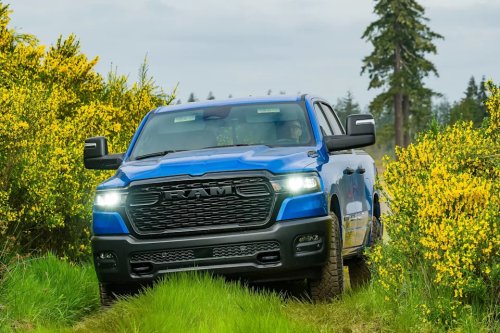
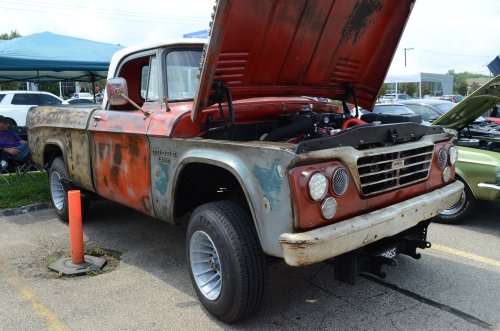
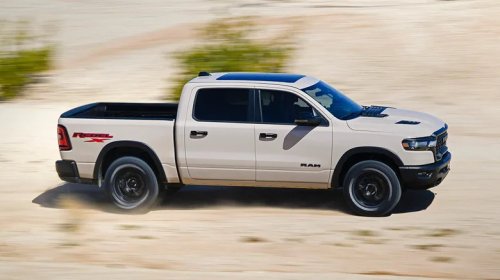
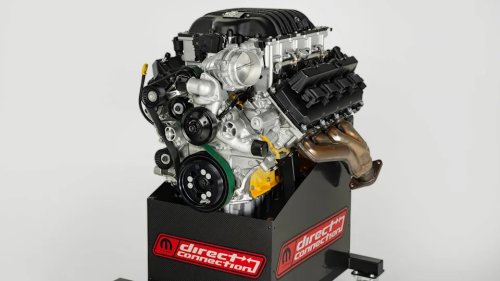
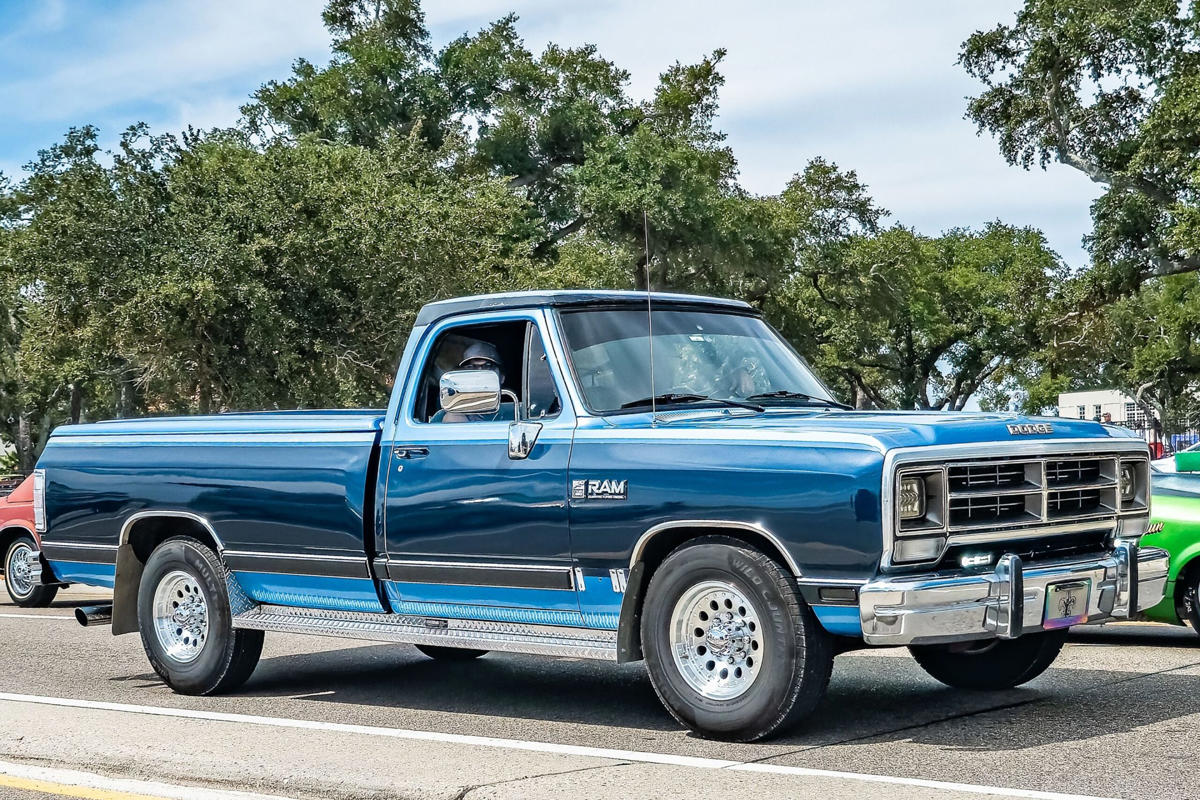
Long before modern diesels the 1989 Dodge Ram Cummins changed truck expectationsIn 1989, the automotive world witnessed a groundbreaking shift in the pickup truck market with the introduction of the Dodge Ram featuring the Cummins diesel engine. This partnership not only set new benchmarks for performance and reliability but also altered consumer expectations for diesel-powered trucks long before modern diesels became the norm. The Birth of a Game-Changer The collaboration between Dodge and Cummins marked a pivotal moment in the automotive industry. This partnership was born out of a necessity to enhance the performance and appeal of Dodge’s pickup trucks. The primary goal was to integrate an engine that could deliver superior power and reliability, qualities that Cummins engines were renowned for in the commercial vehicle sector. By aligning with Cummins, Dodge sought to differentiate its trucks from competitors, offering something unique in a market dominated by gasoline engines. The 1989 Dodge Ram came equipped with the 5.9-liter, inline-six turbocharged Cummins diesel engine. This engine was a technical marvel for its time, providing 160 horsepower and 400 lb-ft of torque. These specifications were unprecedented for light-duty trucks, enabling the Dodge Ram to outperform many of its rivals. The Cummins engine featured a robust design with a cast-iron block and head, which contributed to its durability and longevity. This engine was also equipped with a Bosch rotary fuel pump that enhanced fuel efficiency, a critical factor for both commercial users and everyday drivers. Upon its release, the market reaction to the Dodge Ram Cummins was overwhelmingly positive. Consumers were impressed by the engine’s performance, reliability, and fuel economy, which were significant improvements over existing gasoline options. The introduction of the Cummins engine not only boosted Dodge’s brand perception but also attracted a new demographic of buyers who prioritized durability and power over traditional aesthetics. The success of this model set the stage for the future integration of diesel engines in light-duty trucks. Redefining Diesel Performance The 1989 Dodge Ram Cummins redefined diesel performance by setting new standards for power and efficiency. The engine’s 400 lb-ft of torque was a game-changer, allowing for improved acceleration and better towing capabilities compared to gasoline engines. This significant torque advantage made the Dodge Ram an ideal choice for consumers who needed a truck for heavy-duty tasks, such as towing boats or hauling heavy loads. The Cummins engine was also celebrated for its durability and reliability, attributes that quickly endeared it to truck enthusiasts and professionals alike. Built with a focus on longevity, the engine was capable of achieving high mileage with minimal wear, which was a crucial selling point for consumers looking for a long-term investment. The use of a turbocharger not only boosted power but also improved fuel efficiency, offering better mileage than many of its gasoline-powered counterparts. This combination of power and efficiency made the 1989 Dodge Ram Cummins a formidable contender in the pickup truck market. In terms of towing and hauling capabilities, the Dodge Ram Cummins set a new benchmark. The engine’s power allowed it to handle heavy loads with ease, revolutionizing what consumers expected from a diesel truck. This model paved the way for future diesel trucks to focus on towing and payload capacities, setting the stage for the modern pickup trucks we see today. The 1989 Ram Cummins demonstrated that diesel engines could offer a compelling mix of performance, efficiency, and reliability, changing the perception of diesel trucks for good. Impact on the Truck Market The success of the 1989 Dodge Ram Cummins had a profound impact on the truck market, influencing competitors to rethink their strategies and offerings. In response, several manufacturers began exploring the integration of diesel engines in their own pickup trucks. This shift marked the beginning of a new era where diesel engines became a critical component in the competitive landscape of light-duty trucks. Brands like Ford and General Motors started to invest in diesel technology, recognizing the growing consumer demand for powerful and fuel-efficient engines. This shift also led to a change in consumer preferences, as more buyers began to consider diesel trucks for their superior towing and hauling capabilities. The demographics of truck buyers evolved, with an increasing number of consumers prioritizing functionality and performance over traditional brand loyalty. This trend was further supported by the rising demand for diesel engines across various industries, from agriculture to construction, where reliability and efficiency were paramount. The introduction of the Dodge Ram Cummins in 1989 set off long-term market trends that continue to influence the automotive industry today. The ripple effects of this model are evident in the increased focus on developing advanced diesel technologies and optimizing engine performance for better fuel economy and lower emissions. As a result, the legacy of the 1989 Ram Cummins persists, serving as a benchmark for innovation in diesel engine design and application. Legacy and Reputation The enduring popularity of the 1989 Dodge Ram Cummins is a testament to its impact on the automotive industry. This model continues to be celebrated by collectors and diesel aficionados who appreciate its historical significance and engineering prowess. The 1989 Ram Cummins has earned a place among the most reliable diesel pickups, thanks to its robust design and lasting performance. Awards and accolades further cemented the 1989 model’s reputation. It received numerous recognitions for its innovative design and performance, contributing to Dodge’s prestige in the truck market. As the years passed, subsequent models of the Dodge Ram built upon the strong foundation laid by the 1989 Cummins, enhancing features and integrating new technologies to meet evolving consumer demands. The evolution of the Dodge Ram Cummins over the years highlights the continuous advancements in diesel engine technology. Modern models have expanded on the original’s strengths, incorporating cutting-edge features such as electronic fuel injection and advanced emissions controls. These improvements have ensured that the Dodge Ram remains a competitive and sought-after choice in the pickup market, maintaining the legacy initiated by the 1989 model. Modern Diesel Engines and the Cummins Legacy The advancements in diesel engine technology since the introduction of the 1989 Dodge Ram Cummins have been remarkable. Modern diesel engines now offer increased power, better fuel efficiency, and significantly reduced emissions compared to their predecessors. Innovations such as common rail direct fuel injection and variable geometry turbochargers have further enhanced engine performance, making diesel trucks more appealing to a broader audience. Cummins continues to play a significant role in today’s market, with its engines featured in a variety of current pickup truck offerings. The company’s commitment to innovation is evident in its ongoing development of cleaner and more efficient engines. The legacy of the Cummins-powered Ram lives on, influencing modern diesel engine design and maintaining a strong presence in the industry. Notably, Cummins’ collaboration with brands like Nissan underscores its reputation for reliability and performance, as seen in initiatives like Nissan’s deal with Cummins. Looking ahead, the future of diesel engines is being shaped by a growing focus on sustainability and alternative fuels. As environmental regulations become more stringent, manufacturers are exploring hybrid and electric powertrains to complement traditional diesel offerings. Despite these changes, the foundational principles of power, efficiency, and durability that defined the 1989 Dodge Ram Cummins continue to guide the development of future diesel technologies. The influence of this iconic model is likely to persist as the industry evolves, reflecting the enduring impact of the partnership between Dodge and Cummins. More from Fast Lane Only Unboxing the WWII Jeep in a Crate 15 rare Chevys collectors are quietly buying 10 underrated V8s still worth hunting down Police notice this before you even roll window down



















 +54 others