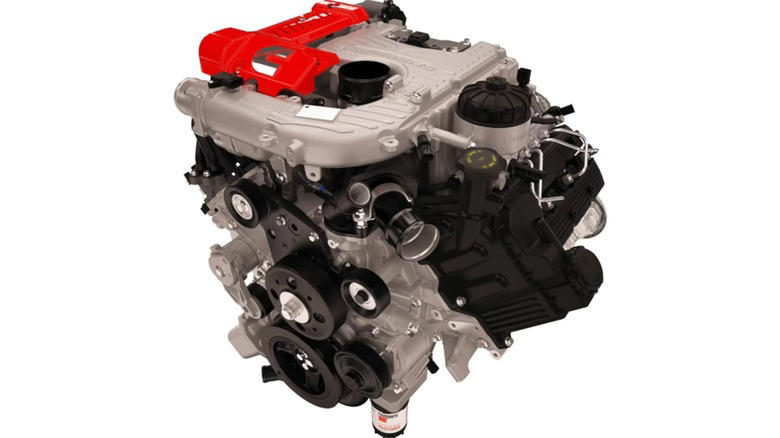
Fuel system malfunctionsAutomotive fuel systems — in both gas and diesel vehicles — are responsible for moving fuel from the gas tank to the engine. The systems are comprised of a storage tank, a fuel pump, a filter, a series of fuel lines, injectors, and more. The fuel pump is the heart of the system. While older vehicles had mechanical fuel pumps driven by the camshaft or crankshaft, most modern cars have electric fuel pumps that rely on a solenoid to create the suction force that propels fuel toward the injectors.Like most modern cars, the Titan XD with the 5.0L Cummins engine has an electric fuel pump. Unfortunately, the Titan XD's fuel pump is another known failure point for the Cummins-powered pickup. Many owners even report experiencing fuel pump failure well below the 100,000-mile mark. According to most experts, the issue stems from a manufacturer's flaw — the pump is unable to filter out contaminants and particles found naturally in diesel fuel. These impurities enter the pump's internal parts, causing damage and, eventually, complete failure. When this occurs, you're likely to experience symptoms like engine misfires, a rough idle, and various other performance issues.Nissan will replace faulty fuel system components for affected drivers — for a cost. However, dealer fixes rarely solve the problem, and many drivers complain of replacing their fuel pumps multiple times within a very small stretch of mileage. The better fix, according to experts and Titan owners alike, is to install a fuel air separation system (FASS). These systems do a much better job of filtering contaminants out of diesel fuel. The downside is these systems are expensive — roughly $700 to $800. Nissan doesn't cover these systems or pay for their installation, so drivers who want to fix their fuel system issues must fend for themselves.