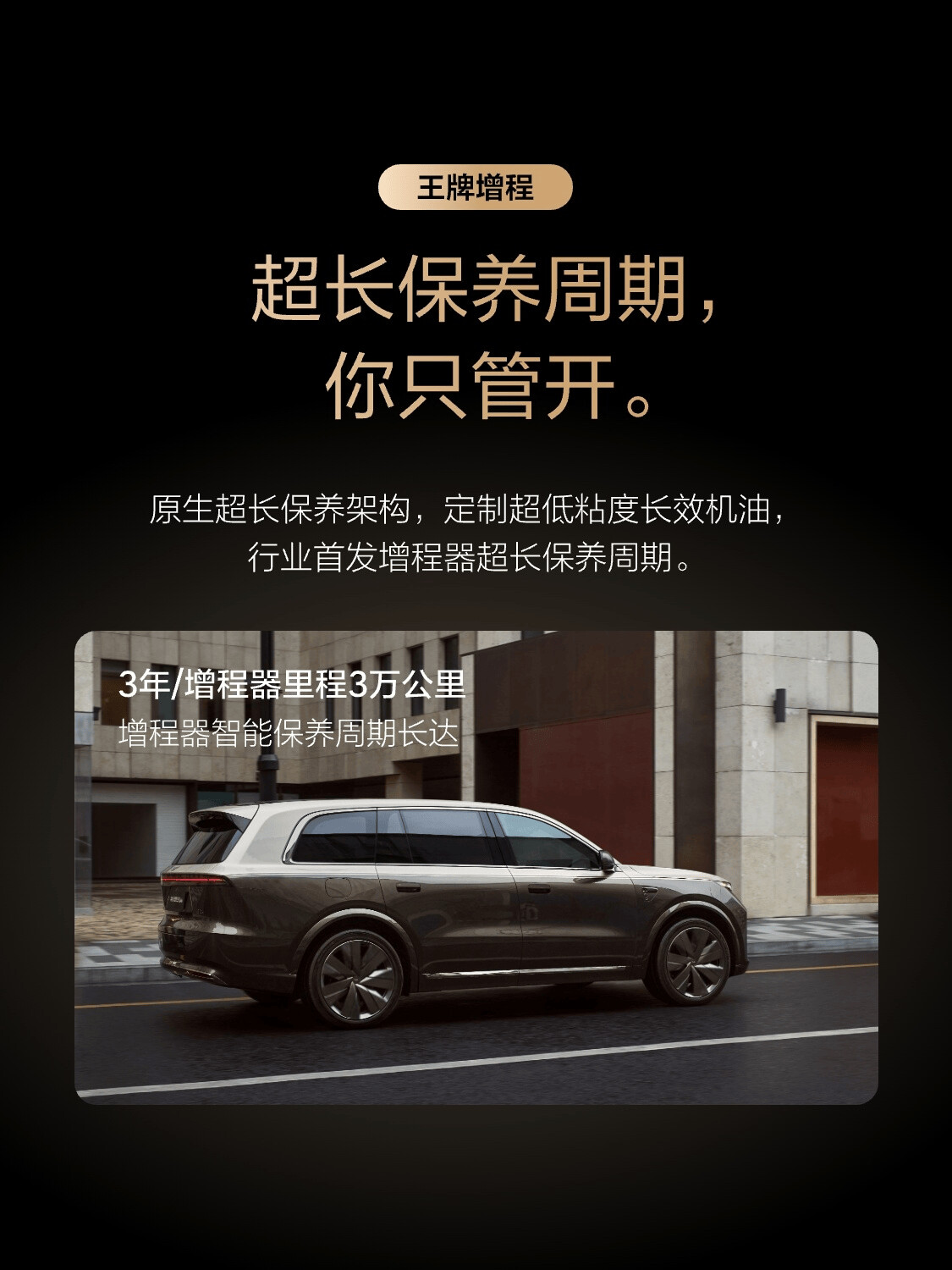
Ryan King · 5 months ago@ryanking86Li L9 Livis Bets on 5C Charging and 30K km Maintenance for EREV Differentiation Liked by+70 othersLeapmotorLi AutoPost commentRelated PostsThe ICE Meltdown Continues — July’s China EV Sales Report (44% BEV Share) 62 · Gabriel White · 1 months agoPeugeot E-208 Rental Car ReviewJackson Leblanc · 12 days agoThe EPICLAND X9's Battle for a Breakthrough in the 9-Series Segment 87 · Emily Labelle · 1 months agoMy Trip To Brazil To See The Rapid Rise Of Chinese Cars, Part 2: Dealer VisitsAmelia Martin · 13 days agoSamsung SDI and GM Reach Partnership; AISTALAND GX7 Debuts Harmony Cockpit 6, 43 · Madeleine Côté · 2 months agoTop Selling Electric Vehicles in the World — 27% EV Share in August!Alexander Mitchell · 13 days agoChina July model sales rank: Geely Xingyuan 1st, Leapmotor A10 2nd, Tesla Model Y 3rd 61 · Grace White · 2 months agoEurope EV Sales Report: Record Month — BEVs Reach 30% Market Share!Daniel Green · 14 days agoLeapmotor July Deliveries Exceed 100,000 Units for the First Time; Geely Auto Group Establishes Sales General Company 71 · Parker Lavoie · 2 months agoUK EV sales surge 36% to record 99,199 as Tesla Model 3 leadsOwen Tremblay · 15 days agoRankings of ADAS component suppliers in China (Jan. - May 2026): Chin’s local suppliers gain momentum | Gasgoo Automotive Research Institute 83 · Caleb Harris · 2 months agoChinese NEV sales rankings in September 2026: BYD, Leapmotor, Changan NevoKaitlyn Martin · 16 days agoThe Big ICE Meltdown — June’s China EV Sales Report 33 · Audrey Clark · 2 months agoChina Floods The 2027 World Car Of The Year Field With 27 Contenders 70 · Adam Lavoie · 17 days agoAuto Market Also Has "Crazy Thursday": 8 Press Conferences and 7 New Models on the Same Day 82 · Zoë Labelle · 3 months agoMan Uses Chinese EV Battery to Run Entire Home For 24 Hours 44 · Audrey Côté · 18 days agoHalf-Year Auto Market Exam: SAIC Reclaims Top Spot, Three Automakers Double Overseas Growth 39 · Victoria Tremblay · 3 months agoHalf Of The World Car Of The Year Contenders Are Chinese 80 · Samuel Wright · 18 days agoWeekly EV Highlights | Xiaomi EV Announces Second Product Series; Leapmotor Officially Enters North American Market 38 · Leo Scott · 3 months agoYouTuber Powers His Entire House for 24 Hours Using a Leapmotor EV 60 · Grace Bouchard · 21 days ago





 +70 others