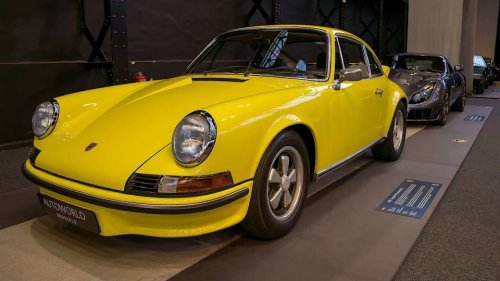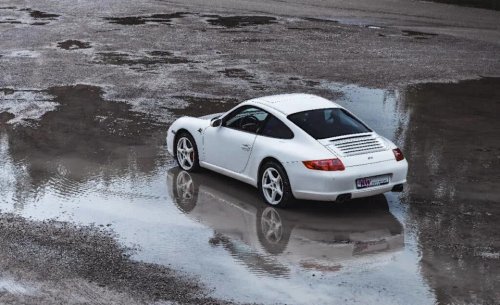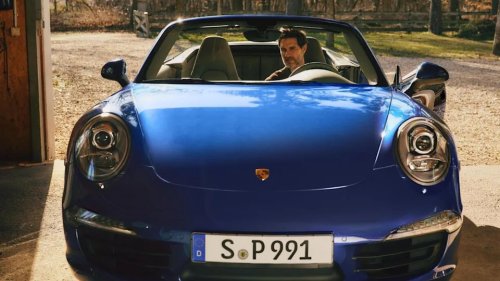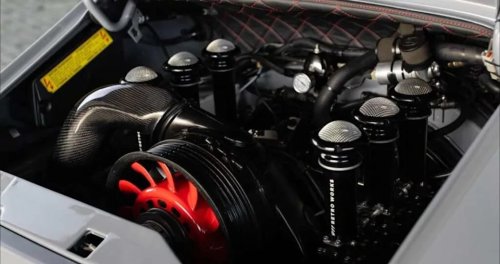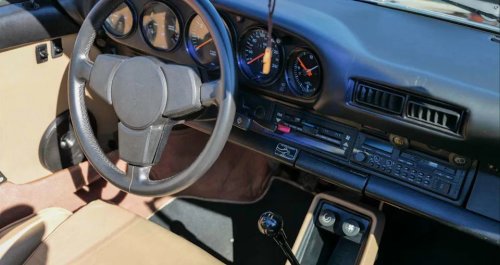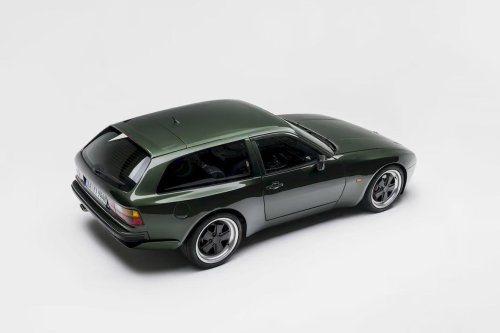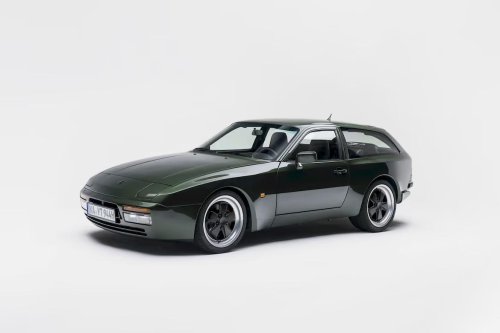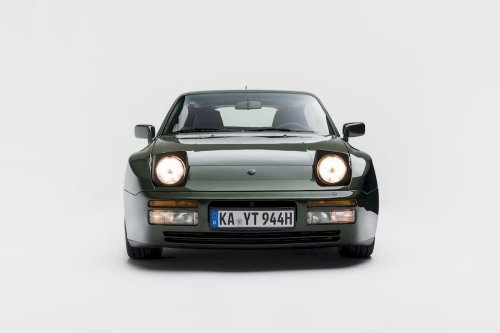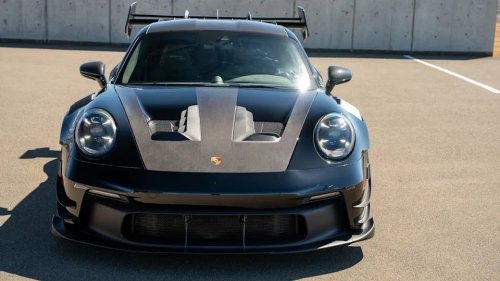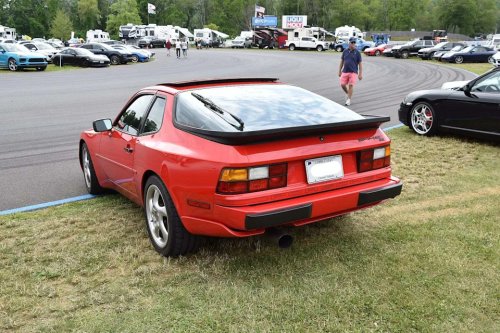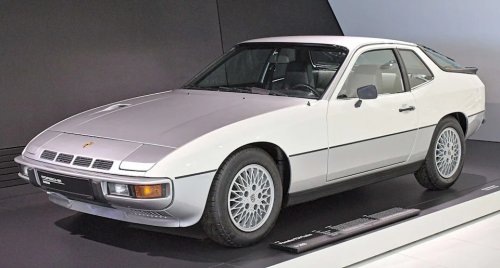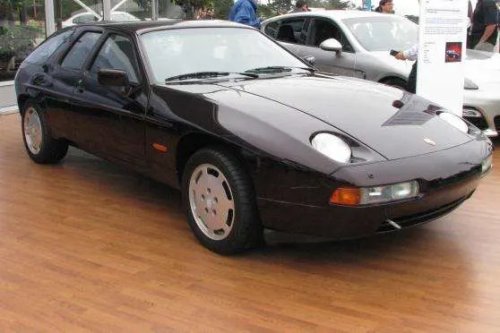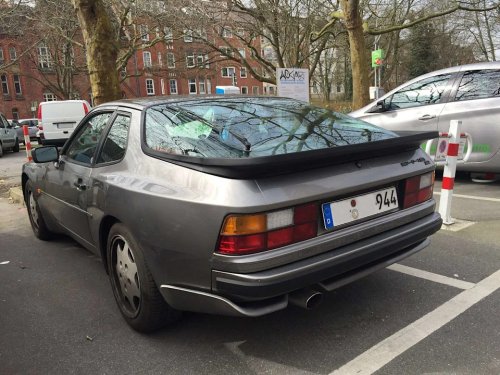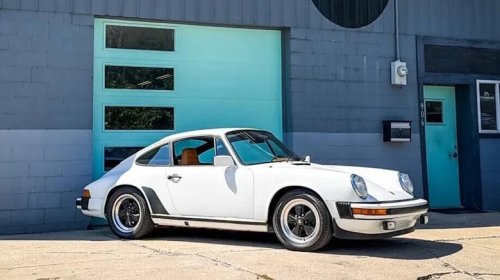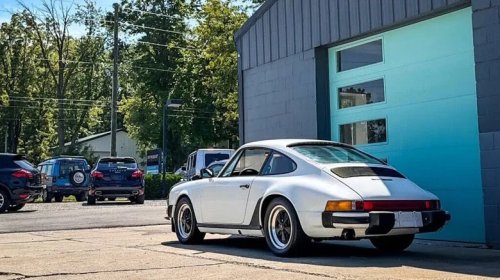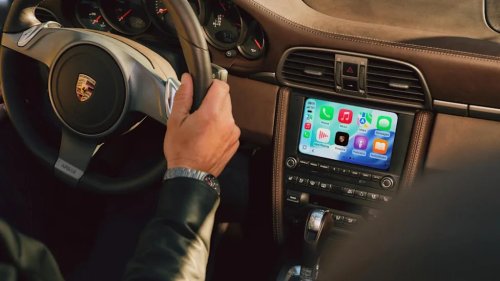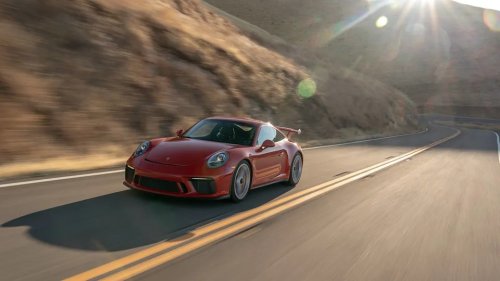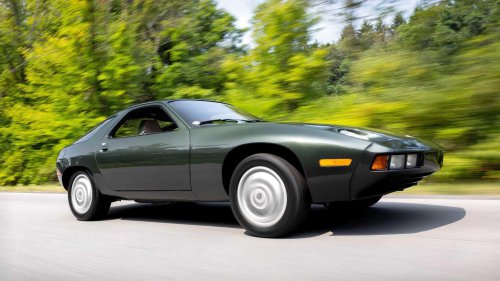
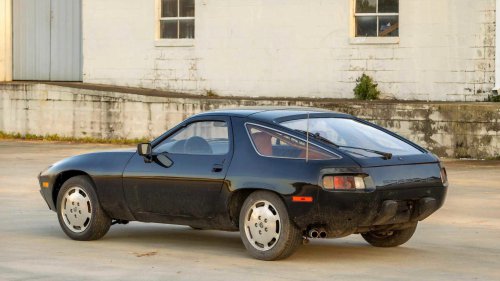
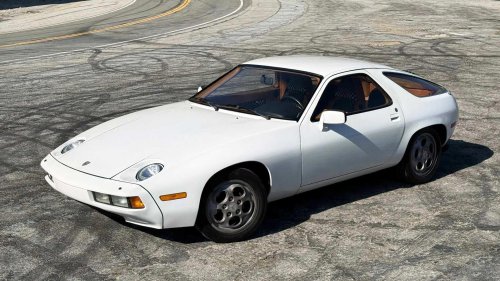
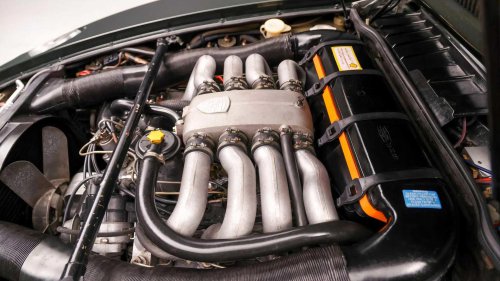
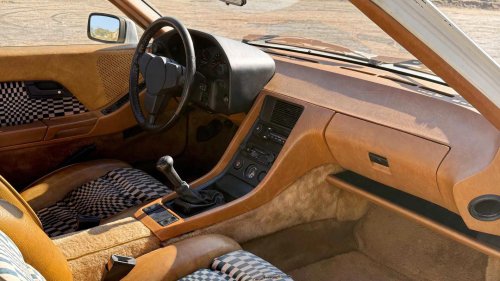
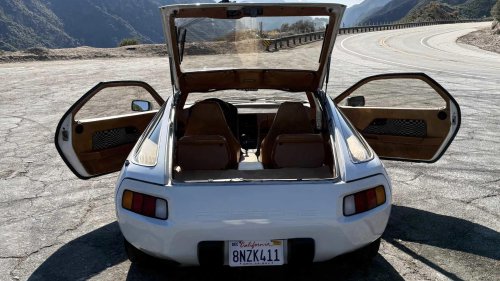
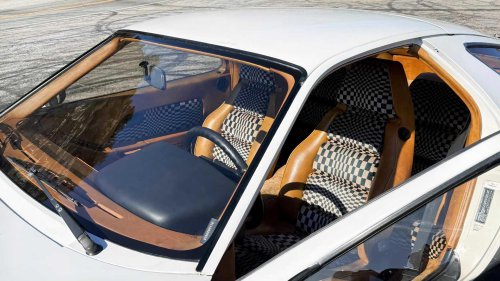
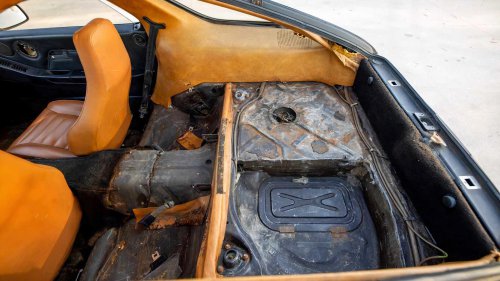
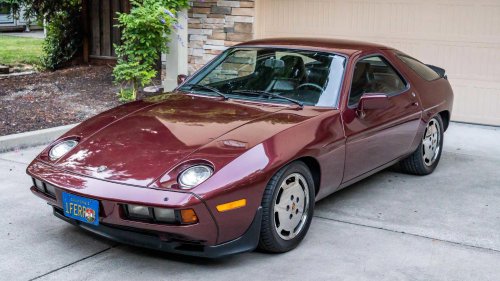


















For decades, Porsche has been defined by a single engineering formula. Seasoned gearheads know that Porsche’s bread and butter has always been a formula centered around a rear-mounted engine, that distinctive silhouette, and a driving experience built around precision handling. That formula became so closely associated with Porsche’s success that it shaped the brand’s reputation across motorsports and global luxury-performance markets. However, there was a time Porsche began to lose faith in its classic recipe.You see, it was the mid-1970s, and stricter emissions regulations and rising safety standards were taking the industry by storm. Thus, this led Porsche to reconsider a future that demanded more refinement and greater stability. So, in a bold move, Porsche engineers and executives pursued a dramatically different vision for what a flagship performance model could become. Why Porsche Believed The 928 Would Replace The 911 via Bring A TrailerNow, while seasoned gearheads already know where this story is going, before we dive into the 928, we have to take a step back and highlight its predecessor, the 911. Featuring a 2.0L flat-six engine pumping out 130 horsepower, Porsche released the 911 to the market in 1964. Interestingly, the 911 was originally unveiled as the 901 at the Frankfurt Motor Show in September 1963. And Porsche actually decided to rename the stunner as the 911 after a naming conflict with Peugeot became apparent.All the same, the 911 was built to provide a higher level of performance than a Porsche had ever delivered through improved refinement and usability. But don’t get it twisted, it was never designed to be a luxury grand tourer as much as it was to deliver a pure driving experience. However, a decade later, their goals and vision definitely needed to be tweaked, and that’s exactly where the 928 comes into the picture.Porsche unveiled the 928 in 1977 at the Geneva Motor Show, and it officially made it to market as a 1978 model year. Unlike the 911, the 928’s success hinged on being a more stable and technologically advanced performance machine, not just a sports car focused on raw driver engagement. Instead, Porsche envisioned the 928 as a high-speed grand tourer that could blend long-distance comfort, cutting-edge engineering, and high-performance capability into a single flagship model.via Bring A TrailerThe shift reflected a broader strategic evolution happening inside Porsche during the 1970s. Company leadership, particularly under CEO Ernst Fuhrmann, believed the rear-engine layout that had defined the 911 for over a decade presented long-term engineering limitations. Increasing emissions regulations, growing safety standards, and changing buyer expectations, especially in the United States, signaled that Porsche was in need of something new if it wanted to remain competitive in the global performance market.The 928 represented Porsche’s answer to those concerns. By moving the engine to the front and pairing it with a rear-mounted transaxle, Porsche engineers created a platform that delivered near-perfect weight distribution, improved high-speed stability, and a smoother driving experience.Despite Porsche’s confidence in the new model, replacing the 911 was a great deal more complicated than the company expected. The 911 had already built a loyal enthusiast following, backed by a strong motorsport legacy and a distinctive driving character that many buyers were unwilling to abandon. Even as Porsche invested heavily in the 928’s development, demand for the 911 remained strong, forcing the company to continue refining the rear-engine sports car alongside its new front-engine flagship. How The 1978 Porsche 928 Introduced A New Era Of V8 Grand Touring Performance via Bring A TrailerPorsche saw the 928 as a way to reposition its brand identity. Rather than relying solely on lightweight, race-inspired sports cars, the company wanted to expand into a more sophisticated grand touring category that could compete with high-end European performance manufacturers. The 928 was designed to bring in a diversified assortment of gearheads, including drivers who wanted Porsche-level performance but with greater comforts and more daily driver potential.At the heart of the 1978 model was Porsche’s first production V8 engine. In U.S. specification, the 4.5L engine produced approximately 219 horsepower and 245 lb-ft of torque, delivering significantly more low-end power than the high-revving flat-six found in the 911.Performance figures reinforced the 928’s grand touring credentials. You see, the 1978 model could launch from 0 to 60 in about 7 seconds, while reaching a top speed of approximately 143 mph. Just as importantly, the car offered a quieter cabin and an improved ride quality compared to Porsche’s earlier sports cars.via Bring A TrailerThe industry quickly recognized the significance of Porsche’s new flagship. The 928 earned the 1978 European Car of the Year award, a rare achievement for a high-performance sports coupe and a clear signal that Porsche had successfully introduced a new interpretation of performance luxury. The 928 Did Change Porsche Engineering Even Though It Didn’t Replace The 911 via Bring A TrailerWhile the Porsche 928 never achieved its original mission of replacing the 911, dismissing it as a failed experiment overlooks its impact on the company’s engineering philosophy. In many ways, the 928 forced Porsche to expand beyond its original bread-and-butter performance formula that had defined the brand since the 356 era.As seasoned gearheads might remember, the 928 served as Porsche’s full commitment to water-cooled engine development. For decades, Porsche had delivered air-cooled performance, a design philosophy that worked brilliantly for lightweight sports cars but presented growing limitations as power outputs, emissions requirements, and customer comfort expectations increased. The 928’s liquid-cooled V8 demonstrated that Porsche could maintain performance credibility while improving reliability, thermal efficiency, and long-distance drivability.The 928 also helped establish Porsche’s long-running transaxle program, which included the 924, 944, and 968. These models expanded Porsche’s product range and introduced a new generation of buyers to the brand. More importantly, the transaxle layout refined Porsche’s understanding of weight distribution, chassis balance, and high-speed stability. Those lessons influenced how Porsche engineers approached performance tuning long after the 928’s production run ended.via Bring A TrailerBeyond mechanical innovation, the 928 quietly redefined Porsche’s interpretation of performance luxury. The model proved that Porsche buyers were willing to embrace greater refinement, advanced interior ergonomics, and technology-driven performance features without abandoning the brand’s sporting identity. That balance between everyday usability and high-performance capability would build the foundation for later machines like the Panamera and Cayenne, two models that dramatically expanded Porsche’s global market success.In hindsight, the 928 did not replace the 911 because the 911 represented something deeply emotional for Porsche fans. However, the 928 succeeded in proving that Porsche could evolve. It broadened the company’s engineering confidence, introduced new performance technologies, and helped drive the modernity that led to the diversified Porsche lineup that exists today. How Much Does A 1978 Porsche 928 Cost Today? via Bring A TrailerWhen the Porsche 928 debuted for the 1978 model year, it arrived as one of the most technologically ambitious and expensive vehicles Porsche had ever produced. In the United States, the 928 carried a starting MSRP of approximately $28,500. Adjusted for inflation, that original price translates to roughly $135,000 to $140,000 in today’s market, reinforcing just how seriously Porsche intended the 928 to take on the well-established European luxury performance models.However, gearheads should note that for years, early 928 models were still disregarded in favor of the 911's continued popularity, which maintained stronger collector loyalty and motorsport credibility. The 928’s sophisticated electronics, unique drivetrain layout, and elevated maintenance costs also contributed to softer resale values in the decades that followed its initial release.However, collector interest in the 928 has steadily grown as a better understanding of the model’s significance in Porsche’s evolution has emerged. According to auction tracking data collected by Classic.com, the 1978 Porsche 928 has been averaging around $37,671 over the last 12-months, with the top sale reaching $92,928 and the lowest sale coming in at just $11,677.via Bring A TrailerGearheads should note that 928s coming in on the lower end of the price spectrum are often project cars like this 1978 Porsche 928 that sold for just $12,750 via Bring A Trailer in September 2025.An example that sits more in the middle of the road is this 1978 Porsche 928, finished in a stunning forest green. With around 28,000 miles on the clock, one lucky gearhead was able to get behind the wheel of this 928 for $32,000.On the extreme end of the price spectrum, we have this 1978 Porsche 928 example. Finished in an Oak Green Metallic and still in pristine condition, one gearhead with some deep pockets swooped up this 928 for nearly $93K. The 928 Remains An Overlooked Grand Tourer Cars & Bids Enthusiasts remain particularly drawn to the early 928 as it sits as a historically significant engineering milestone, not just as another traditional Porsche motorsport heritage. As appreciation continues for Porsche’s transaxle-era innovation and the brand’s broader engineering legacy, the 1978 928 is increasingly recognized as an undervalued entry point into classic Porsche ownership. While it may never reach the investment heights of iconic 911 variants, the 928 offers collectors a distinctive blend of performance, design, and historical importance that continues to gain respect within the enthusiast community.The Porsche 928 ultimately proved that innovation does not always require replacing tradition to shape the future. While it never succeeded in ending the 911’s dominance, the 928 expanded Porsche’s engineering boundaries and demonstrated Porsche’s desire to challenge its own identity. Today, the 928 embodies the fact that some of Porsche’s most important breakthroughs came from risk-taking rather than preservation. And that’s exactly what gearheads should remember most about the 928.Sources: Classic.com, J.D. Power, Porsche