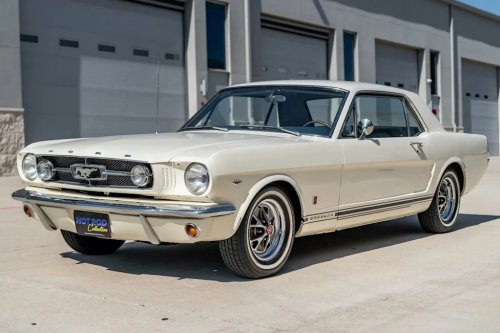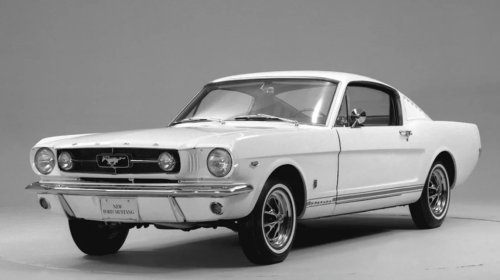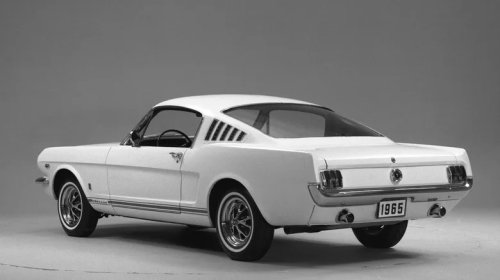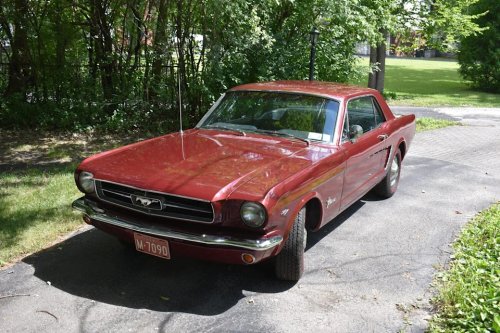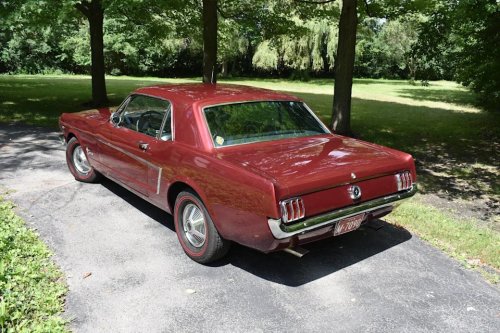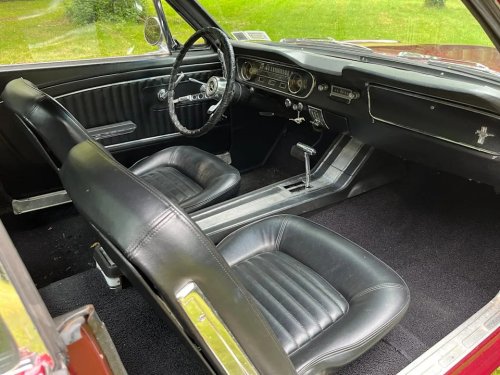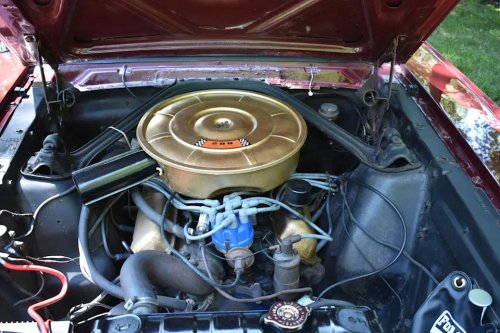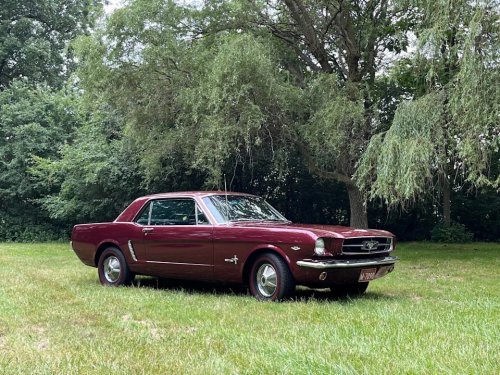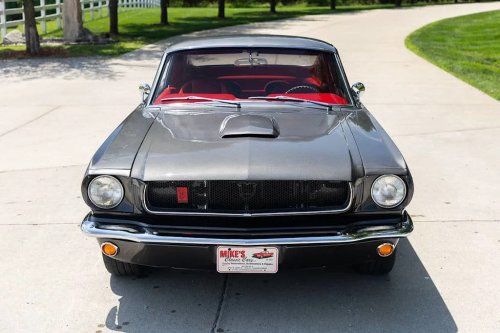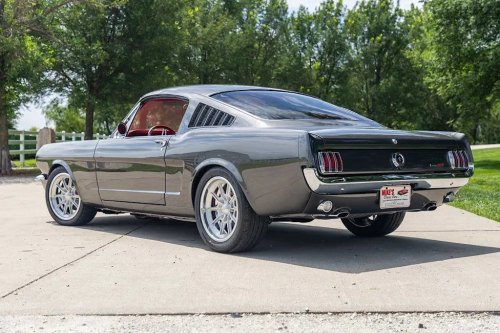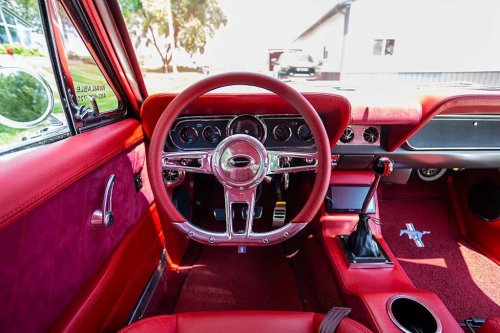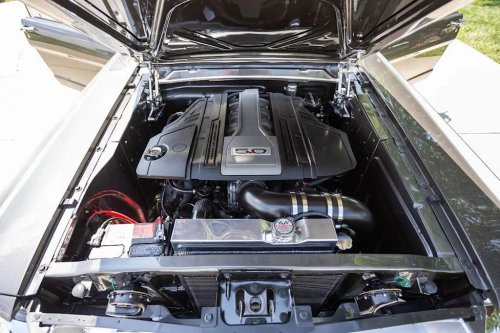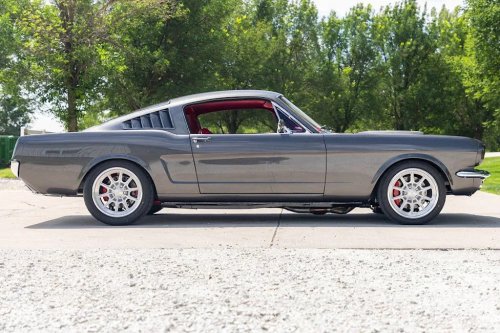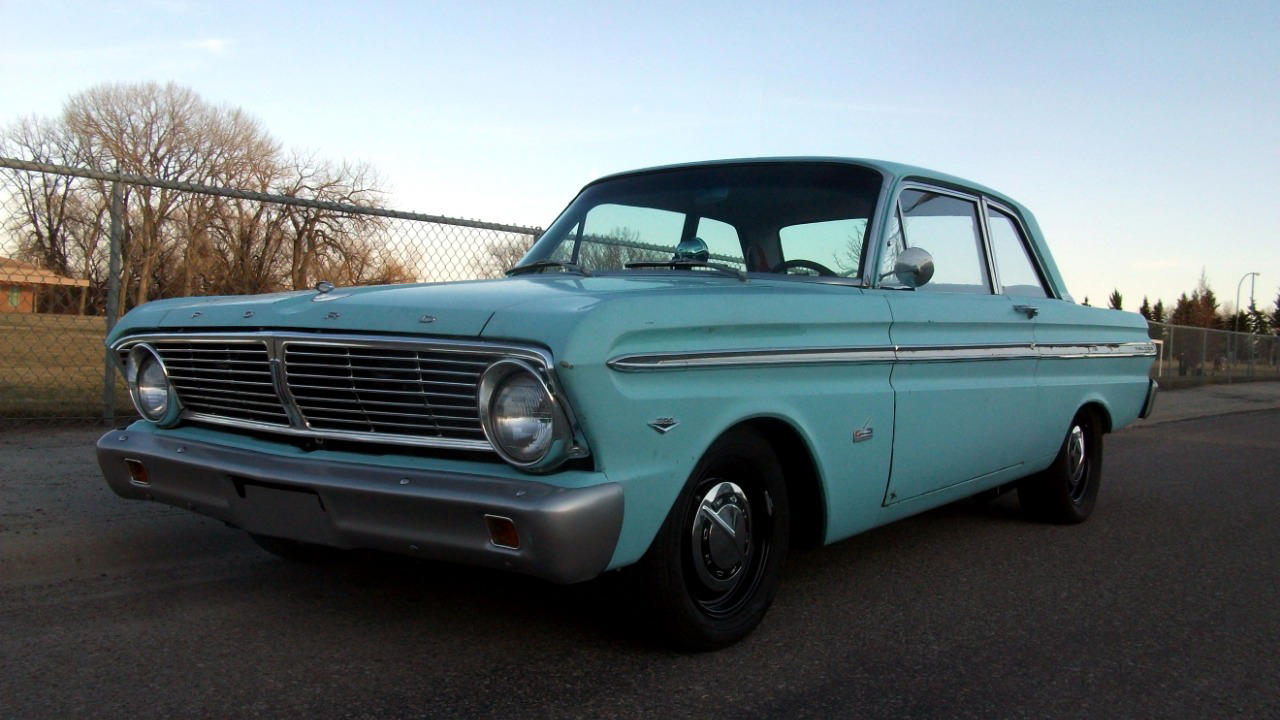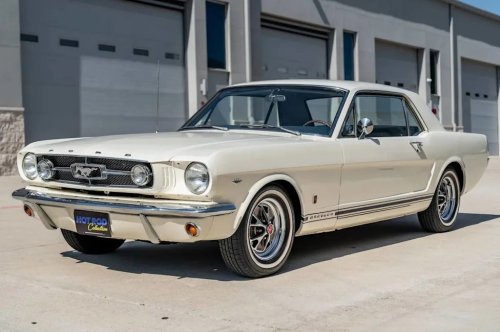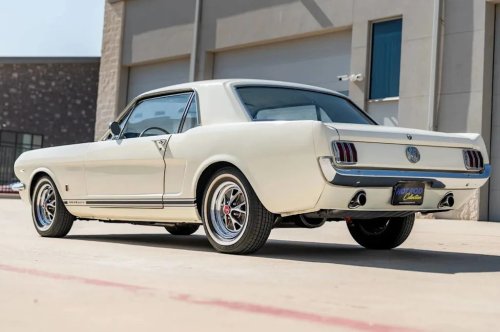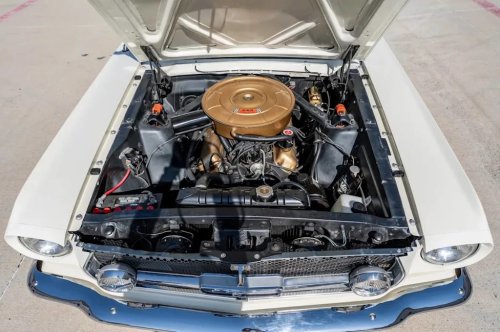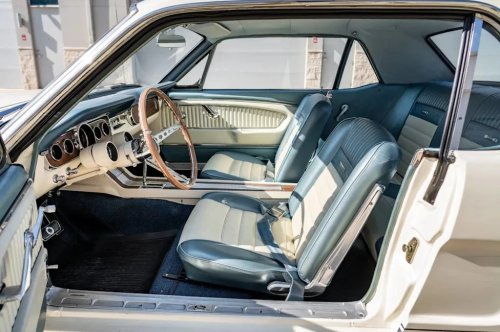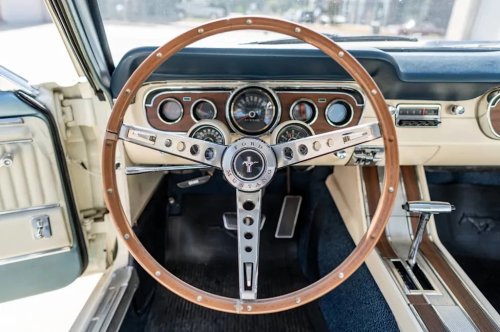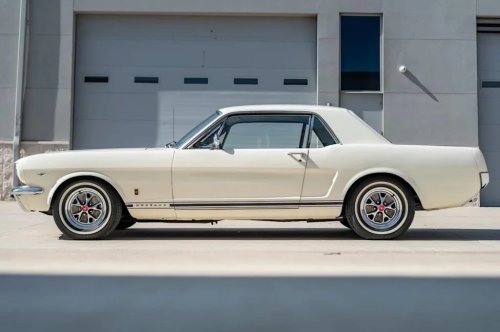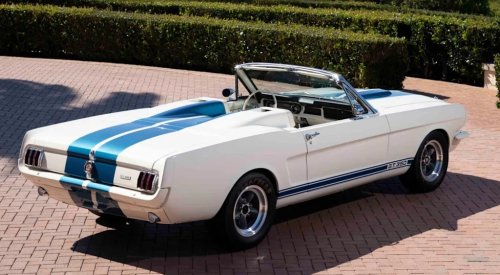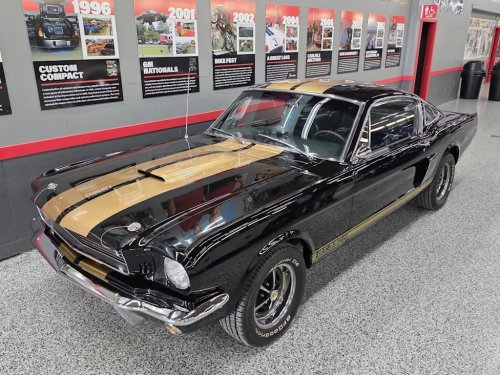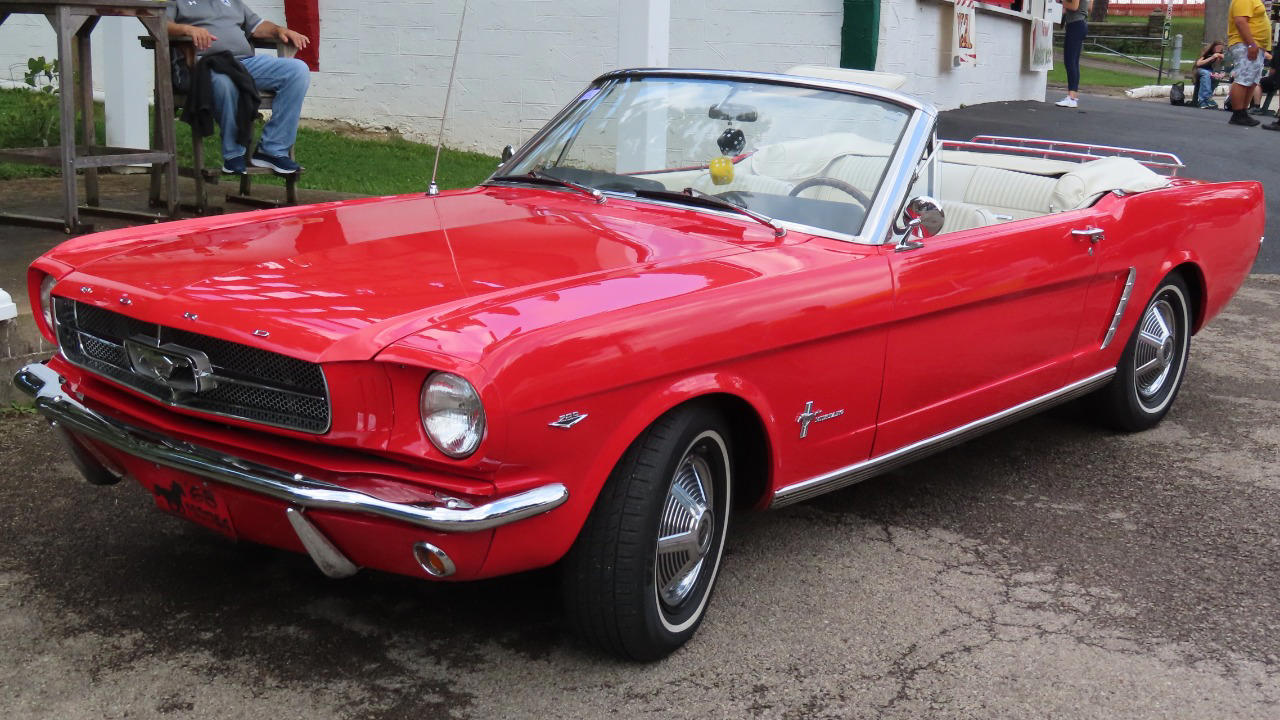



















The 1965 Mustang was meant to be simple but became something biggerThe 1965 Mustang began as an exercise in restraint, a compact sporty car meant to slot cheaply into Ford showrooms and borrow as much as possible from existing hardware. Instead, it triggered a cultural surge that reshaped what Americans expected from an affordable car and turned a simple product brief into a lasting performance and style phenomenon. The gap between those modest intentions and the car that emerged is where the real story of the first Mustang lives. From Falcon roots to instant icon When the Mustang project took shape, Ford already had a full slate of conventional models. With Ford’s lineup dominated by sedans like the Falcon, Galaxie, and Fairlane, the company wanted a sporty-looking car that could be built on proven underpinnings rather than an exotic new platform. The idea was pragmatic: dress up familiar mechanical pieces with a fresh body and interior, then sell it to younger buyers who had been ignoring traditional family cars. The simplicity of that plan is clear in the way early Mustangs leaned on existing parts. Chassis components and drivetrains traced back to the Falcon, which kept costs low and manufacturing straightforward. Yet the styling team wrapped those humble bones in a long-hood, short-deck shape that looked far more expensive than it was. Contemporary accounts describe how the car arrived in showrooms as an “Unforgettable Debut,” a compact coupe that immediately stood apart from the Falcon, Galaxie, and Fairlane that surrounded it on the floor, as highlighted in a Ford history feature. Ford expected the Mustang to be a solid hit, not a runaway one. Internal projections targeted 100,000 M in the first year, a figure that already looked ambitious for a niche sporty model. According to enthusiasts dissecting period data, the company thought 100,000 M Mustangs would validate the idea and keep the accountants happy while the rest of the lineup, including the Falcon and Fairlane, continued to carry the volume. The sales explosion that no one forecast Reality quickly outpaced those careful forecasts. The 1965 Mustang became the most successful vehicle launch since the 1927 Model A, a comparison that shows how far it exceeded the “simple sporty car” brief. Within months, Ford had to scramble to increase production, and the car moved from an experiment to a central pillar of the brand. Contemporary summaries of that first model year describe the Mustang as a car that looked like a sports machine or even a Gran Turismo sports touring car, but in the configuration most people bought it behaved more like a well-trimmed compact. It prioritized comfort and straight-line speed over razor-sharp handling, which made it approachable for drivers who would have been intimidated by a true sports car. That blend of appearance and practicality, captured in period road tests that described how the Mustang balanced looks, ride quality, and acceleration rather than handling, helped it appeal to buyers who wanted something exciting that still fit daily life. Evidence from later retrospectives reinforces how broad that appeal became. The Mustang was marketed as sleek, sporty, and affordable, and it captured the imagination of a new generation of drivers who craved style without supercar prices. Museum accounts note that the Mustang (Ford Mustang) sold more than 400,000 units within the first year, a result that dwarfed the original 100,000 M target and signaled that Ford had tapped into a much deeper desire for accessible excitement. Design that looked expensive, priced to be simple On the surface, the 1965 Mustang did not rely on radical engineering. Its genius lay in how it packaged familiar hardware in a body that looked like nothing else at its price. Analysts of the original styling emphasize that the design was neatly executed rather than flamboyant, with clean lines and proportions that suggested motion without crossing into overt aggression. One design historian notes that the first Mustang projected a confident stance that felt more like a friendly invitation than an outright aggressive one, a balance credited in a styling analysis. That visual polish hid a very deliberate pricing strategy. The Ford Mustang was introduced at a level that made it attainable for a broad slice of buyers. One detailed parts and history overview notes that the base car arrived at around $2,368 for a coupe, a figure that put it within reach of young professionals and families who might otherwise have shopped for a Falcon. The same source describes how the Ford Mustang name quickly came to resonate with freedom, power, and style, even though the underlying business plan focused on volume and value. The pricing and positioning are laid out in a retrospective from a specialist supplier that brands the model as Iconic 1965 Ford. The design almost took a very different turn. Archival commentary on the development process reveals that the Mustang was nearly approved as a four-door, and it was almost called a Cougar instead. A period video history explains that, on a side note, the Mustang was almost a four-door and it was almost called a Cougar, before the team locked in the now-familiar two-door silhouette and name, as recounted in a model-year overview. That fork in the road shows how fragile the formula was. A sedan body or a different badge might have turned the car into just another compact rather than an icon. A car for America, not just enthusiasts Part of the Mustang’s unexpected impact came from how easily it slipped into everyday life. Commentators who specialize in classic cars often point out that when people think of classic cars in America, they probably think Ford Mustang. One buyer’s guide video framed it bluntly: when you think of classic cars in America, you probably think Ford Mustang, even though there are faster classics and better built classics, as discussed in a 1965 buyer’s guide. The car earned that reputation by being flexible rather than extreme. A period description of a 1965 Ford Mustang V8 Convertible notes that the 1965 Ford Mustang was the car to have if a driver needed a daily commuter and it was the car to have if that same driver wanted a weekend cruiser. It could be driven to work, taken on a long highway trip, or parked at a drive-in and still look glamorous, all while being easy to drive and enjoyable to look at, as highlighted in a listing for a 1965 Ford Mustang. Corporate communications from later years emphasize how journalists quickly recognized this breadth. A factory-backed retrospective notes that journalists described how the 1965 Mustang had strong potential for customization and appealed to a new generation of drivers, which enhanced its desirability. That official summary of how journalists saw the 1965 Mustang appears in a factory social media. National Mustang Day celebrations echo that framing. Organizers describe the Mustang (Ford Mustang) as sleek, sporty, and affordable, a car that captured the imagination of a new generation of drivers and sold more than 400,000 units within the first year. That combination of style and accessibility is central to the way the model is presented in museum material. From simple sporty car to performance platform Even as the Mustang gained a reputation as a friendly daily driver, a parallel story was unfolding under the hood. The original car could be ordered with modest engines, but Ford quickly realized that buyers wanted more power and sharper responses. The turning point came with the Mustang GT Package, which was first introduced in 1965. That option bundle was explicitly designed to change the Mustang from being a simple sporty car into something different from the regular Mustangs, with upgraded suspension, brakes, and visual cues that signaled more serious intent, as described in a technical retrospective. That move set the template for the Mustang as a platform rather than a single product. Enthusiast commentary notes that this is the point where the Mustang stopped being just a popular car and started becoming a performance platform. The fastback body style and the growing catalog of performance parts turned the car into a canvas for racers and modifiers, a shift celebrated in an enthusiast reel that traces how the Mustang Fastback evolved. The Shelby connection amplified this transformation. Shelby American changed forever when it introduced its first model based on the Ford Mustang for the 1965 model year. With carefully selected modifications, Shelby transformed the style-conscious Mustang into a world-class sports car capable of serious competition. The company emphasized that racers could run virtually “off the shelf,” which meant that the same basic car a commuter bought could be turned into a track weapon with factory-backed parts, as described in a Shelby historical post. The GT idea did not stop with 1965. Later interpretations of the GT package, including a 1968 Mustang GT 2+2 Fastback in Harvest Gold Metallic, carried forward the formula of better brakes, suspension, and visual cues like fog lamps and classic turn signals on the hood. A modern review of such a car describes how it was enhanced with the GT package and optional wide 275 tires to handle demanding terrain, a reminder that the performance branch of the Mustang family tree grew directly from that first decision to turn a simple sporty car into something more, as seen in a modern GT review. A name that came to define American car culture As the Mustang’s reputation grew, it began to stand for something larger than its original spec sheet. Corporate storytelling now frames the Ford Mustang as a symbol of freedom for an entire generation, with accounts of how the car arrived in an era when the Falcon, Galaxie, and Fairlane dominated Ford showrooms and injected a sense of personal expression into a market of sensible sedans. That narrative is fleshed out in a corporate history piece that links the model to broader cultural shifts. Enthusiast media also underline how deeply the car has embedded itself in American consciousness. A video history marking the millionth example notes that 60 years ago, on Mar 2nd 1966, the Ford Motor Company rolled the 1 millionth Mustang off its assembly line. That milestone, reached only about two years after launch, demonstrates how quickly the simple sporty car grew into a mass-market fixture, as documented in a factory-focused video. The car’s ongoing presence in culture helps explain why, when people think of classic cars in America, they probably think Ford Mustang. The model appears in films, music, and advertising as shorthand for individualism and open-road adventure. A modern buyer’s guide reiterates that association by opening with the observation that when someone thinks of classic cars in America, they probably think Ford Mustang, a sentiment captured in the 1965 buyer’s guide mentioned earlier. More from Fast Lane Only Unboxing the WWII Jeep in a Crate 15 rare Chevys collectors are quietly buying 10 underrated V8s still worth hunting down Police notice this before you even roll window down