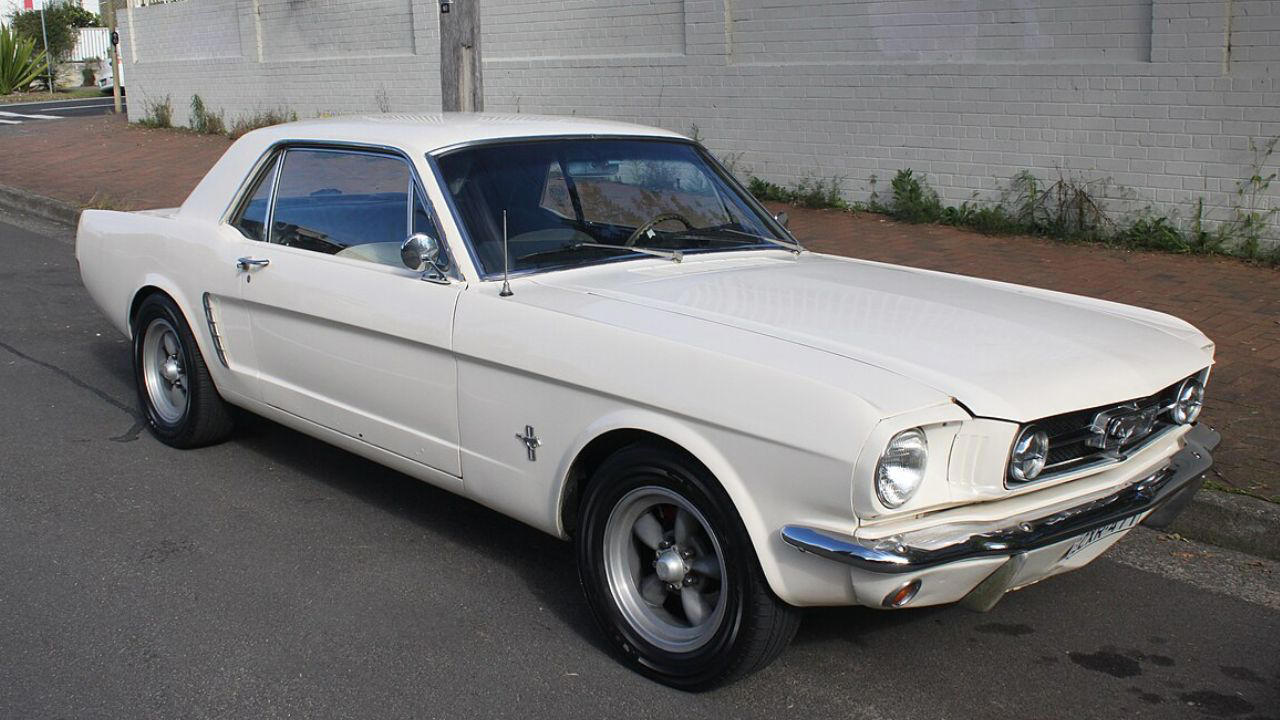
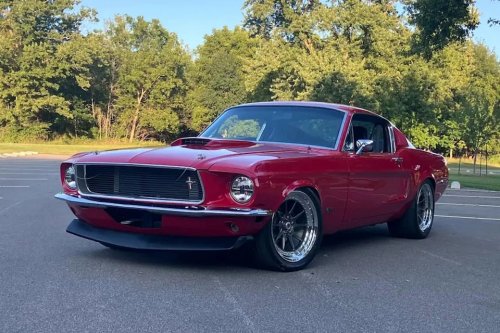
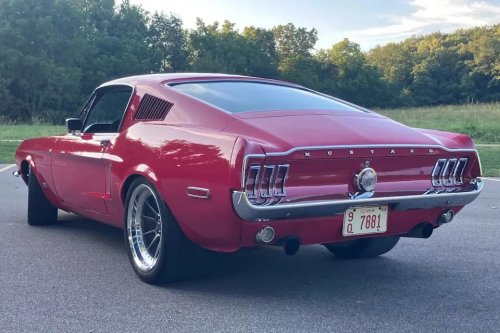
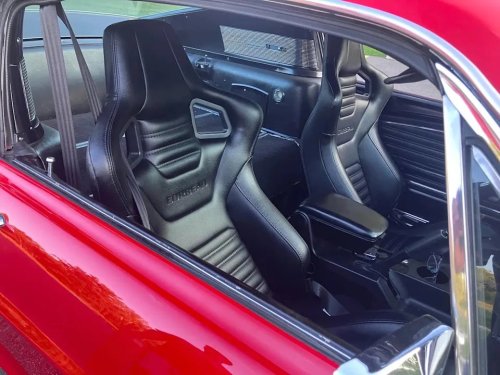
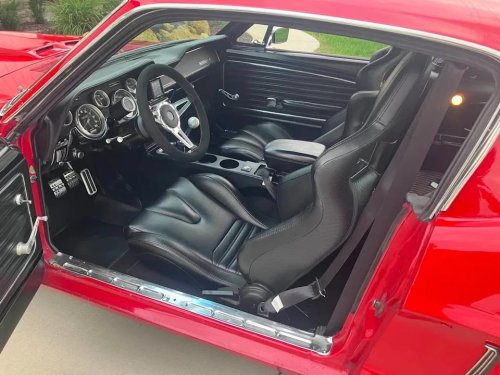
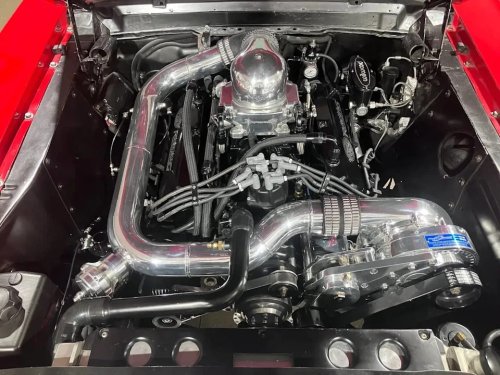
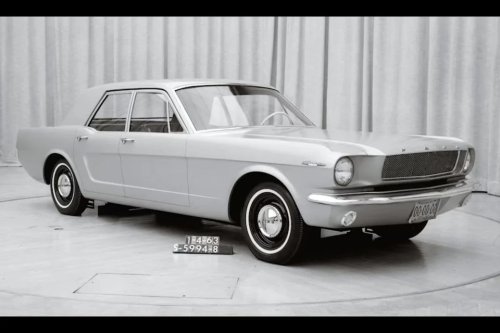
The 1965 Ford Mustang K-code is often overshadowed by its more well-known variants, but this model offered a surprising level of performance that caught enthusiasts off-guard. With its unique engine specifications and racing pedigree, the K-code Mustang represents a significant chapter in the evolution of American muscle cars. The Genesis of the Mustang The Ford Mustang made its debut in April 1964, and it was an immediate sensation. With its sleek design and affordable price, it quickly captured the hearts of the American public. The Mustang was not just a car; it was a cultural phenomenon that epitomized the spirit of the 1960s. Advertisements boasted about its speed and style, while the vehicle became a symbol of youthful rebellion and freedom. The Mustang became synonymous with the American dream, offering buyers a taste of performance without breaking the bank. Initial consumer expectations were high, with many anticipating a combination of style and speed. However, the early Mustangs offered varied performance levels, leading to some disappointment among enthusiasts seeking something more potent. As Ford sought to capitalize on the Mustang’s popularity, the introduction of performance-oriented variants became essential. The K-code was one of those models that aimed to deliver an exhilarating driving experience while maintaining the Mustang’s iconic charm. Understanding the K-code Designation The K-code designation refers to a specific engine option available in the 1965 Mustang lineup. It was the high-performance version of the 289 cubic inch V8 engine, which was already a popular choice among buyers. The K-code featured a four-barrel carburetor and a higher compression ratio, which allowed it to produce 271 horsepower—significantly more than the standard 289 engines that offered between 190 and 225 horsepower. This performance boost made the K-code a standout option for those seeking speed and agility on the road. In comparison to other Mustang engine options available in 1965, the K-code was a clear choice for performance enthusiasts. The standard six-cylinder engine, while adequate for daily driving, lacked the power and excitement that the K-code could deliver. The 289 high-performance engine set the K-code apart, making it not only a collector’s item but also a vehicle that could hold its own against competitors from Chevrolet and Dodge during the muscle car era. Engineering Innovations Behind the K-code The engineering behind the K-code Mustang was revolutionary for its time. Ford implemented several key features that enhanced performance and handling. The use of a high-flow intake manifold and larger valves allowed for improved airflow, which contributed to the engine’s increased horsepower. Additionally, the K-code Mustang was equipped with a heavy-duty suspension system that provided better handling and stability, particularly during high-speed maneuvers. The heart of the K-code was the 289 cubic inch V8 engine, which was not only powerful but also lightweight. This combination of power-to-weight ratio made the K-code Mustang exceptionally agile. Ford’s decision to use lightweight materials in the construction of the Mustang, including aluminum components, helped to enhance performance further. The design emphasized a low center of gravity, which improved cornering abilities and overall driving dynamics. Performance Metrics: More Than Meets the Eye The performance metrics of the K-code Mustang were impressive for its time. The car could accelerate from 0 to 60 mph in just over six seconds, which was competitive against many contemporaries. Its top speed approached 120 mph, a benchmark that few vehicles in its class could achieve. Real-world performance often exceeded advertised specifications, thanks to a combination of engineering excellence and the thrill of driving a performance-oriented vehicle. Anecdotal evidence from owners and reviews from the period indicate that the K-code Mustang was not only fast but also reliable. Many owners reported that they enjoyed driving their K-code Mustangs on both the street and the track. The combination of power and handling made it a favorite among racing enthusiasts. The K-code’s reputation for performance quickly grew, solidifying its status as a formidable contender in the muscle car market. The Racing Heritage of the K-code Mustang The K-code Mustang’s racing heritage played a crucial role in establishing its performance reputation. Ford actively promoted the K-code in various racing events, including drag races and road courses. The vehicle’s impressive acceleration and handling capabilities made it a popular choice among amateur racers and professionals alike. This participation in motorsports was not just about winning; it was also about showcasing the Mustang’s potential to a broader audience. Notable racing successes included wins in local and regional competitions, which helped to solidify the K-code’s reputation as a performance brand. The Mustang’s success on the track translated into a loyal following among car enthusiasts, leading to a culture of racing that embraced the K-code as a symbol of speed. This racing heritage would go on to influence subsequent generations of Mustangs, ensuring that performance remained a key component of the brand’s identity. Collectibility and Market Value Today Today, the K-code Mustang is highly sought after among collectors and enthusiasts. As demand for classic muscle cars continues to rise, the rarity of K-code models significantly influences their market value. Because only a limited number of K-code Mustangs were produced, finding one in good condition can be a challenge. This scarcity has driven up prices, with well-preserved examples fetching premium amounts at auctions and private sales. Factors influencing the value of K-code models include their condition, originality, and documentation. A K-code Mustang with its original engine and matching numbers is particularly desirable among collectors. Enthusiasts often turn to resources like HotCars for insights on market trends and valuation. As the classic car market evolves, the K-code remains a symbol of American muscle car history, ensuring its place in automotive lore. Owner Experiences and Enthusiast Communities K-code Mustang owners often share their experiences about performance and reliability in various forums and social media groups. Testimonials reveal a strong sense of community among K-code enthusiasts, who appreciate not only the car’s performance but also the camaraderie that comes with ownership. Members of groups like the Vintage Mustang Forum often exchange tips on restoration, maintenance, and performance upgrades, fostering a deep appreciation for these classic vehicles. The culture of restoration and preservation is particularly strong among K-code Mustang owners. Many enthusiasts take pride in restoring their vehicles to original specifications, ensuring that future generations can appreciate the K-code’s legacy. The enthusiasm for these models is evident at car shows and meet-ups, where owners gather to showcase their K-codes and share their passion for this iconic muscle car. The Legacy of the 1965 Mustang K-code The legacy of the 1965 Mustang K-code is one of performance and innovation. Its impact on the automotive landscape is undeniable, influencing not only the Mustang’s subsequent generations but also the entire muscle car market. The K-code set a benchmark for performance that many competitors sought to match, and its engineering innovations paved the way for advancements in American muscle cars. As we look ahead, the K-code’s future in the classic car market remains bright. With increasing interest in vintage vehicles and a growing appreciation for American automotive history, the K-code is likely to remain a coveted model for years to come. Its unique combination of performance, engineering, and cultural significance ensures that it will continue to be celebrated by enthusiasts and collectors alike. More from Fast Lane OnlyUnboxing the WWII Jeep in a Crate15 rare Chevys collectors are quietly buying10 underrated V8s still worth hunting downPolice notice this before you even roll window down