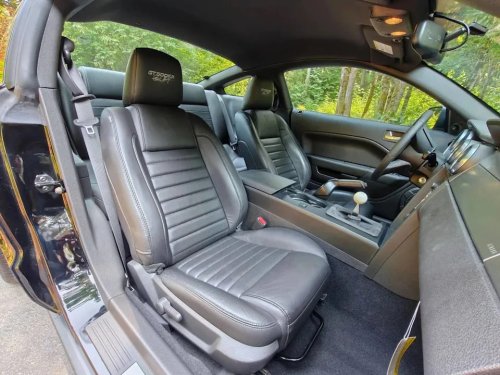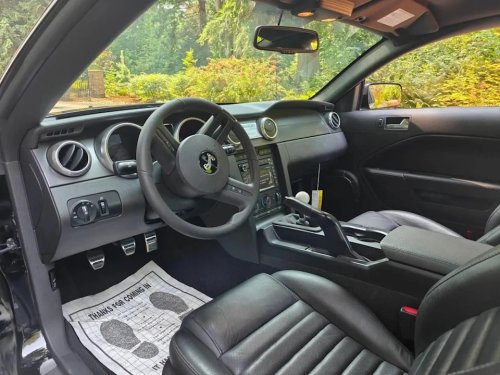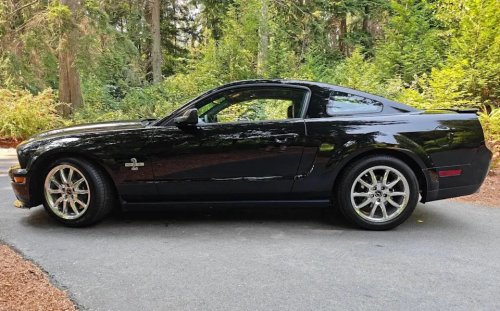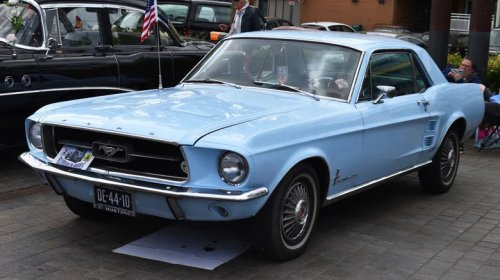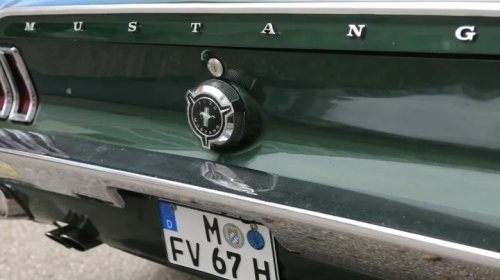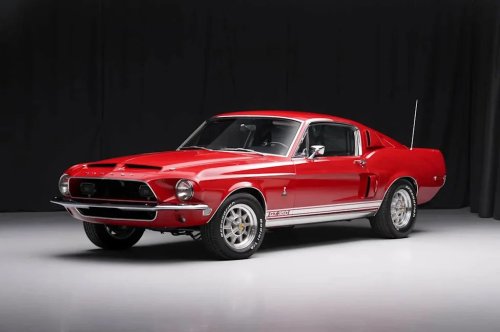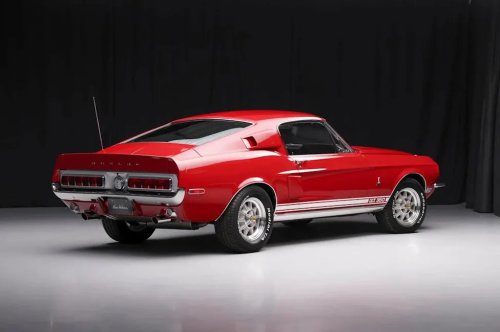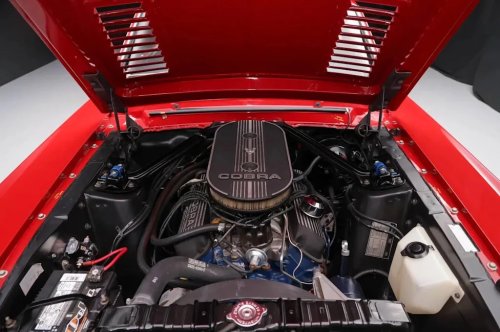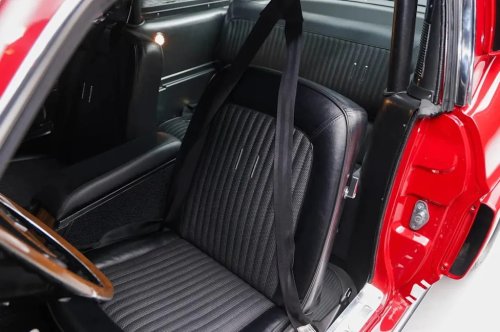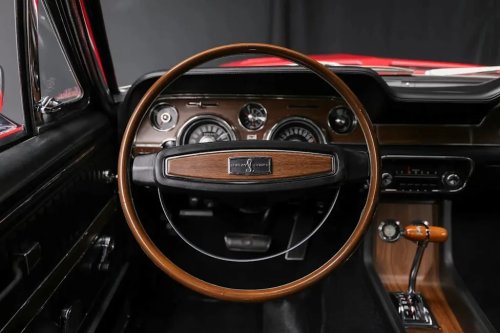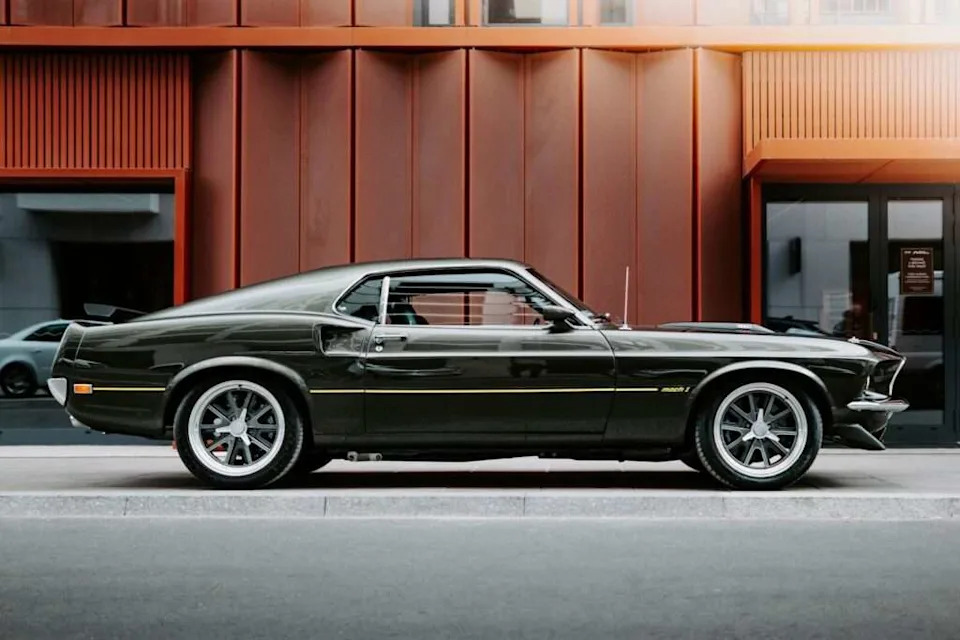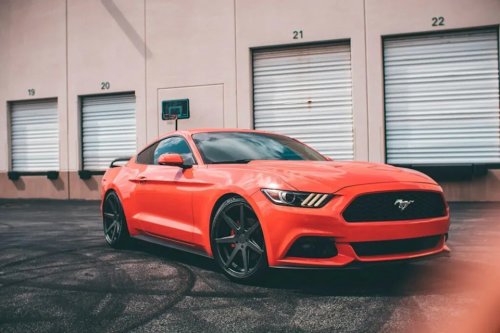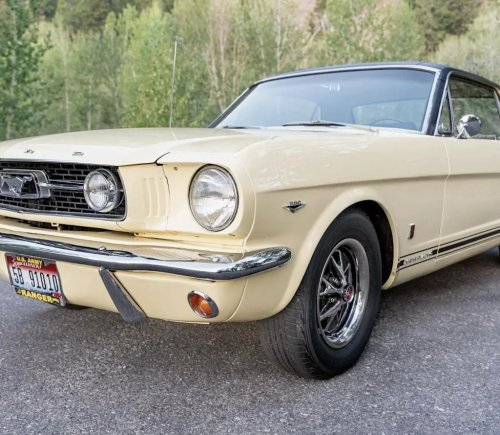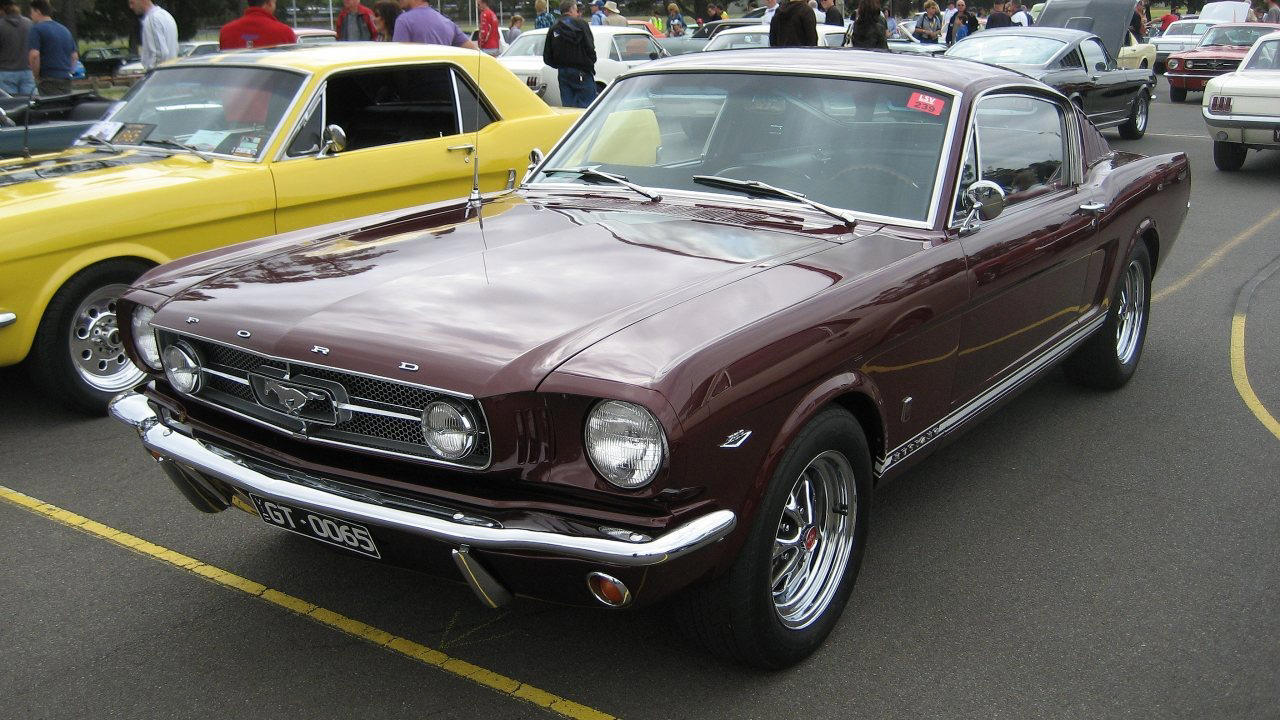



















Ford’s 1965 Mustang GT made 290 hp and brought real performance to the massesThe 1965 Mustang GT marked the moment when Ford’s pony car stopped being a stylish commuter and started acting like a real performance machine. With a high-compression 289-cubic-inch V8 rated at 271 hp from the factory and capable of roughly 290 hp in period tune, the GT package wrapped serious speed in a body that ordinary buyers could actually afford. That mix of horsepower, handling hardware, and showroom accessibility reshaped American car culture and set a template performance brands still chase. Nearly 60 years later, the first-generation GT remains a reference point for how to democratize fun: take proven V8 power, add meaningful chassis upgrades, then price it where young drivers and returning GIs can sign on the dotted line. The result was not just a faster Mustang, but a new idea of what a mainstream performance car could be. What happened When the Mustang debuted for 1964, its core mission was volume. Ford built it on the Falcon platform, kept the base six-cylinder simple, and sold style first. The strategy worked, but performance-minded buyers quickly pushed for more. Ford answered with the 1965 Mustang GT, a factory package that turned the stylish coupe and fastback into a legitimate driver’s car. The GT option centered on the 289-cubic-inch “Hi-Po” V8, a small-block that enthusiasts often call the K-code. In stock form it used a high 10.5:1 compression ratio, a solid-lifter camshaft, and a four-barrel carburetor to produce 271 hp at 6,000 rpm and 312 lb-ft of torque at 3,400 rpm. Tuned with typical period upgrades, that same engine could deliver around 290 hp without sacrificing street manners, giving the compact Mustang power levels that had previously belonged to heavier full-size muscle. That 289 Hi-Po V8 has since been recognized as one of the standout Ford small-blocks. Lists of the best Blue Oval V8s routinely place the high-performance 289 alongside later legends like the 428 Cobra Jet and modern modular units, since the compact engine responded well to revs and modifications while remaining relatively light. Enthusiasts still point to the early high-compression 289 as a key step in Ford’s performance evolution, and it regularly appears in rankings of the best Ford V8. The GT package was not just an engine code. Ford bundled a set of functional upgrades that separated the car from standard six- and two-barrel V8 Mustangs. Buyers received a stiffer suspension with heavier front springs, revised shocks, and a larger front anti-roll bar that helped the relatively light coupe change direction with more confidence. Quick-ratio steering sharpened response, while front disc brakes replaced the base drums and gave the car real stopping power after high-speed runs. Visually, the GT treatment added fog lamps in the grille, dual exhaust pipes that exited through the rear valance with bright trim, and GT badges on the fenders. Inside, the package typically included a five-dial instrument cluster with a proper tachometer, along with optional Rally-Pac gauges mounted on the steering column. Together, those changes made the car look and feel more like a purpose-built sports machine than a dressy compact. The “GT” badge itself carried weight. Ford had already used those two letters in European touring car and endurance racing, where “Gran Turismo” signaled a machine capable of fast, long-distance travel. On the Mustang, the GT emblem was meant to connect showroom buyers to that racing heritage. Later analysis of Ford’s performance branding traces how the company used GT on cars that promised a blend of speed, handling, and everyday usability, and the 1965 Mustang GT sits near the root of that story. Enthusiast breakdowns of the badge’s history explain how Ford reserved “GT” for models with genuine chassis and power upgrades, not just cosmetic kits, and the original Mustang package is often cited as an early example of the GT badge philosophy. Performance on the road matched the visual promise. Period tests recorded 0 to 60 mph times in the low 7-second range for a 289 Hi-Po GT with a four-speed manual, and quarter-mile passes in the mid-15s at close to 90 mph. For a relatively light car that could be ordered with a radio, power steering, and a back seat, those numbers put the Mustang GT in the same conversation as more expensive imported sports cars and larger American muscle machines. Ford also leaned into motorsport to validate the package. While the most focused competition cars wore Shelby badges, the underlying formula was the same: a K-code 289, firmer suspension, and better brakes. Success in SCCA racing and endurance events created a feedback loop where showroom GTs borrowed credibility from the track, and track cars benefited from the production volume that kept parts cheap and plentiful. Why it matters The 1965 Mustang GT mattered because it shifted performance from a niche pursuit into something thousands of buyers could experience on daily commutes and weekend back roads. Before the Mustang, high horsepower often came in big, heavy intermediates or full-size coupes that were fast in a straight line but clumsy in corners. The GT package proved that a relatively compact, mass-market car could deliver real speed and handling without exotic engineering or luxury pricing. Pricing is central to that impact. The Mustang itself launched as an affordable car for younger drivers, and the GT option layered performance on top of that accessible base rather than starting from a high-end platform. Buyers could walk into a Ford showroom and, for a manageable premium over a regular V8 coupe, leave with disc brakes, a tuned suspension, and a high-output 289. That equation created a new kind of performance customer, one who might have been priced out of a Corvette or imported sports car but could still afford a Mustang payment. The car’s influence shows up clearly in how later enthusiasts rank significant Mustangs. When experts compile lists of the greatest versions, the first-generation GT and its close siblings, such as the 1965–1966 GT fastback and K-code cars, consistently appear alongside icons like the Boss 302, the 1969 Mach 1, and the modern Shelby GT350. These rankings treat the early GT as a foundational performance model that helped define what the nameplate would stand for. Guides to the best Ford Mustangs typically highlight the 1965 GT’s mix of V8 power, optional four-speed manual, and relatively low curb weight as the blueprint for later driver-focused variants. The 1965 GT also helped turn the Mustang from a styling fad into a long-term franchise. Without a credible performance version, the car might have remained a fashionable compact that aged out once buyers moved on to the next trend. Instead, the GT and its racing connections gave the Mustang a second identity as a serious enthusiast car. That dual personality, part commuter and part weekend weapon, is one reason the model has survived through multiple fuel crises and shifting tastes. On the technical side, the GT package nudged Detroit toward a more balanced view of performance. The combination of disc brakes, suspension tuning, and a rev-happy small-block encouraged engineers and buyers to think about lap times and back-road pace, not just quarter-mile slips. While the late 1960s would still bring big-block drag monsters, the seeds of the American “pony car” concept were already in the 1965 GT: compact dimensions, responsive steering, and a V8 that liked to spin. The GT badge itself became a marketing tool that other brands studied. By tying those two letters to a consistent set of upgrades, Ford taught buyers that “GT” meant more than stripes and wheels. Over time, that helped create a vocabulary of performance trims across the industry, from Z/28 and SS to R/T and SRT. The original Mustang GT sits near the beginning of that alphabet, a car that taught mainstream shoppers how to read the language of badges and options. Culturally, the 1965 GT helped define the image of the American youth performance car. It arrived at a moment when baby boomers were reaching driving age and looking for something that reflected their tastes. The GT’s soundtrack, a throaty small-block through dual exhausts, and its long-hood, short-deck profile became shorthand for freedom in movies, music, and advertising. That image stayed powerful enough that later films and television shows often reach back to first-generation GTs when they want an authentic slice of 1960s performance. The car’s legacy also shows in how collectors and builders treat it today. Original K-code GTs command a premium in the classic market, especially when paired with the fastback body and four-speed manual. Restomod shops regularly start with GT or GT-clone shells, keeping the basic proportions and visual cues while upgrading brakes, suspension, and powertrains. The fact that modern builders still chase the same formula confirms how well the original package was conceived. For Ford, the 1965 GT created a template for performance derivatives that continues into the present. Every generation since has offered some version of the idea: a Mustang that sits above the base V6 or four-cylinder, uses a stronger V8, and adds chassis tuning that rewards enthusiastic driving. Whether it is a 5.0 GT from the 1980s, a supercharged 2003 Mach 1, or a current Coyote-powered GT, the lineage traces back to that first combination of a hot small-block, disc brakes, and a badge that promised more than appearance. What to watch next The story of the 1965 Mustang GT is still evolving, both in the collector world and in how Ford leverages its heritage. As the classic market matures, early GTs and K-code cars are likely to see continued attention from buyers who want a link to the birth of accessible performance. Limited production numbers for genuine high-performance 289 cars, combined with their role in Mustang history, give them a built-in appeal that newer models cannot replicate. Enthusiasts are also watching how restomods and modern reinterpretations treat the GT formula. Many builders now install contemporary crate engines, electronic fuel injection, and upgraded disc brakes at all four corners while keeping the original car’s proportions and GT visual cues. That approach raises questions about authenticity, but it also shows how adaptable the original concept is. The idea of a relatively compact, V8-powered coupe with real handling upgrades still resonates, even when the mechanical pieces change. On the manufacturer side, Ford continues to lean on the GT name as it navigates new powertrain technologies. The company has already used the badge on high-performance versions of the Mustang with turbocharged four-cylinders and modern V8s, and it has extended GT branding to other models and even dedicated supercars. How Ford chooses to apply “GT” in an era of electrification and hybrid performance will determine whether the badge keeps the meaning it gained in the 1960s or drifts into pure marketing. More from Fast Lane OnlyUnboxing the WWII Jeep in a Crate15 rare Chevys collectors are quietly buying10 underrated V8s still worth hunting downPolice notice this before you even roll window down The post Ford’s 1965 Mustang GT made 290 hp and brought real performance to the masses appeared first on FAST LANE ONLY.