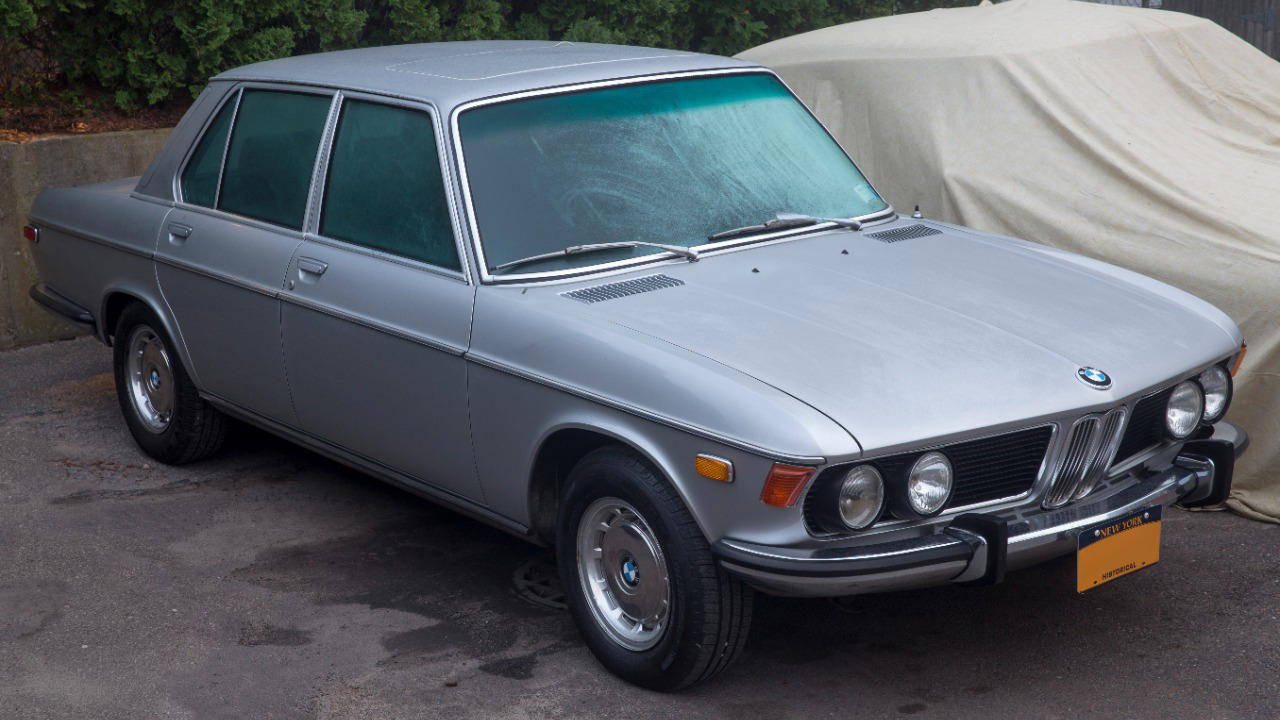


















The 1972 BMW Bavaria offers style but maintenance can feel anything but simpleThe 1972 BMW Bavaria looks every bit the classic sporting sedan, with clean lines, slim pillars, and a purposeful stance that still turns heads in modern traffic. Living with one, though, often means trading the simplicity of its style for a maintenance routine that can feel intricate, expensive, and unforgiving of neglect. Owners and specialists describe a car that rewards commitment with character and driving pleasure but punishes shortcuts with rust, leaks, and hard-to-source components. The big sedan that wanted to be a sports car BMW positioned the Bavaria as a large four-door that could run with contemporary luxury flagships while still feeling like a driver’s car. Period photos show a low hood, airy greenhouse, and subtle chrome that give the car a light, almost delicate look compared with bulkier rivals. Enthusiasts still single out the long-hood, short-deck proportions, captured in images from BMW Bavaria front to BMW Bavaria rear, as a template for later sport sedans. Under that sheetmetal sat the familiar BMW inline six, part of the M30 family that would power the brand for decades. Contemporary owners often refer to the engine as overbuilt and long-lived when maintained, which helped the Bavaria earn a reputation as both a usable daily driver and a credible show car. One guide notes that the 1972 BMW Bavaria found its place as both a reliable daily driver and an esteemed show car, and that Its engineering meant many examples could survive heavy use if owners stayed ahead of wear. At the same time, the same guide stresses that, like any vintage vehicle, regular upkeep is essential for the car to stay on the road. Rust, the flaw that never left the showroom For all its mechanical appeal, the Bavaria carries a structural weakness that no amount of tuning can erase: rust. Commenters who remember the car new recall how sales staff struggled to make customers understand that corrosion was more than just ugly paint bubbles. One account notes that they Could not make customers understand rust was more than just ugly, hinting at structural decay that could threaten the car’s integrity rather than just its shine. That warning still plays out in modern ownership stories. On a discussion tag devoted to Bavaria, one owner wrote about a Huge Issue with Frame Rust after they Got a 72 Bavaria a couple weeks ago and discovered how far corrosion had progressed. The post, dated Jul 19, 2025, shows how easily an attractive car can hide structural issues along sills, shock towers, and subframe mounts. Rust in these areas turns a stylish sedan into a major fabrication project, often far beyond the casual hobbyist’s skills or budget. Earlier commentary on the model paints a similar picture. One writer described a tired car as the Right Place, Wrong Time for a used buyer, a Bimmer that had aged into a money pit by the time a second or third owner took over. The same piece, illustrated through the Discovered photo pool, shows how a neglected BMW Bavaria can look presentable from a distance while hiding serious structural decay underneath. Mechanical strength with fussy details Beyond the body shell, the Bavaria’s mechanical package mixes stout fundamentals with fussy aging parts. Owners of the E3 platform, which includes the Bavaria, describe the 3.5 liter m30 carbureted engine in North America as durable when serviced. One review of a BMW E3 Bavaria 3.5 liter m30 carbureted from North America even calls it a very reliable and inexpensive classic car, while listing Faults that mostly revolve around age related wear rather than design defects. That combination explains why some examples still serve as long-distance tourers. Common BMW traits show up in these older cars as well. Service guides on Common BMW Service Issues point out that inline six models are prone to Oil Leaks from gaskets and seals, and that Leaking oil can lead to further damage if ignored. Another summary of most reported BMW problems by model also flags Oil Leaks and explains that, Despite the fact that it is not a problem with the newer versions of BMW, older engines can seep from valve covers, oil pans, and timing covers. In a Bavaria, those leaks mix with heat and age to swell rubber, stain suspension components, and accelerate deterioration of already scarce bushings. Steering and suspension components bring their own headaches. One video on common BMW maintenance mistakes warns that owners might pay $1,200 for rack replacement if they skip fluid changes, citing BMW specialist data that connects neglected service to premature failures. While that example focuses on later models, the principle carries over to the Bavaria’s hydraulic systems, where old fluid and worn seals can turn into expensive rebuilds. Parts supply: broad catalogs, narrow details Finding parts for a 1972 BMW Bavaria is easier than it was a decade ago, but the experience still demands patience and research. General suppliers list extensive catalogs of BMW Bavaria parts, from brake components to tune up kits. One such catalog of BMW Bavaria parts shows a wide range of maintenance items that keep the car moving, including filters, ignition components, and cooling system pieces. These platforms give owners a baseline of availability for consumables. Specialist European parts houses go further, stocking model specific items such as suspension bushings, window seals, and interior trim. A dedicated section for Bavaria parts lists chassis and engine components tailored to the E3 platform, signaling that the car has enough of a following to justify curated inventory. This support matters when owners confront brittle plastics or unique rubber pieces that generic catalogs often miss. For truly obscure items, owners turn to auction and marketplace listings. One search page for Parts & Accessories for 1972 BMW Bavaria shows used trim, switches, and interior bits that no longer exist as new old stock. Another shop dedicated to Bavaria Bmw Parts lists items such as BMW E3 2800 Bavaria Hood Grilles OEM Left Right 1800343 1800344 PARTS or REPAIR with a price of $29.00 and a label of Buy It Now, plus $5.00 delivery in 2-4 days. That kind of listing illustrates both the opportunity and the compromise: rare original pieces, sometimes only suitable for PARTS or REPAIR, at prices that reflect their scarcity rather than their condition. Even core mechanical items can require online hunting. An engine parts page for 1972 BMW Bavaria shows a For 1972-1974 BMW Bavaria Timing Chain 53512GWND 1973, described as Brand New and priced at $73.25 with Free shipping. The listing identifies it as a Bavaria Timing Chain and highlights how owners must often juggle part numbers, production years, and seller descriptions to ensure compatibility. Another seller name, Proth, appears in the same context, adding another layer of brand recognition that owners must track. Restoration stories from the trenches Real world restoration threads show how these parts and problems add up in practice. In one detailed build on an enthusiast forum, an owner documents a 1972 Bavaria restoration from teardown to reassembly. Photos and notes reveal rust repairs along the frame rails, replacement of worn bushings, and careful sourcing of trim that had been missing for years. The thread makes clear that even a seemingly complete car can hide dozens of small deficits that only surface once the project is underway. Another social media post highlights a personal example: Our 1972 Bavaria Manual 5 sp Mechanical fan delete, Spal electrical, with the owner asking, When was the last time you’ve seen one of these? and calling it my 1972 BMW Bavaria, a rare classic. The post, shared in Mar, goes on to say I love this car, and believe me, I don’, hinting at a mix of affection and frustration that many Bavaria owners share. Modifications such as a mechanical fan delete and Spal electrical fan show how modern upgrades can ease cooling issues but also introduce new wiring and reliability variables. Longtime enthusiasts echo that tension between love and labor. One commentator who has owned multiple examples writes about the Bavaria with clear affection, yet admits that rust, aging interiors, and scarce trim can make the car feel like a long term commitment rather than a casual hobby. Some compare the driving experience to the more glamorous E9 coupe, noting that in an environment where a nice E9 3.0CS is 60 g, a decent Bavaria offers a similar feel at a fraction of the purchase price, though it can be just as rust prone as any other old pre-galvanized car. Maintenance culture: DIY dreams and real costs Among BMW enthusiasts, maintenance cost debates are almost a sport. One Bimmerforums thread on an E30 M3 asks, So what’s so hard about maintaining an E30 m3?, with one reply suggesting that $1000/yr is enough for one in top condition already if your a DIY. Another user, 33035, replies on 06-04-2006 02:31 PM that you should be fine, reinforcing the idea that hands on owners can contain costs if they are willing to learn and wrench. That DIY culture extends to older models like the Bavaria, where factory diagnostic tools play a smaller role and basic mechanical skills go a long way. However, the age of the platform introduces challenges that newer E30 owners do not face. Rubber lines, fuel tanks, and electrical connectors may all be past their design life, and previous owners might have applied questionable fixes that now need to be undone. Video guides on 10 Common BMW Maintenance Mistakes That Cost Thousands warn that skipping basics like fluid changes can lead to bills such as $1,200 for rack replacement, reinforcing the idea that penny wise neglect can be pound foolish. Service writeups on Common Issues and Servicing Points for the E30 M3, particularly sections on Engine and Drivetrain Issues and Timing Chain and Tensioner, show how even later performance models require careful timing component inspection. Although the Bavaria’s M30 engine uses a different layout, the concept still applies: chains, guides, and tensioners age, and ignoring them can turn a running car into a non runner overnight. Everyday drivability versus collector expectations Modern buyers approach the 1972 BMW Bavaria from two main angles. Some see it as a charismatic daily driver that can handle modern traffic with the right upgrades. The Classic Car Guide that calls the 1972 BMW Bavaria both a reliable daily driver and an esteemed show car emphasizes that Its robust engineering made it suitable for regular use, provided that owners accepted the need for consistent maintenance. These drivers prioritize mechanical soundness, upgraded cooling, and perhaps subtle brake and suspension improvements over concours level originality. Others treat the Bavaria as a collectible, especially when the car retains original paint, interior, and matching numbers drivetrain. For them, sourcing correct trim and hardware becomes a priority. Shops dedicated to Bavaria Bmw Parts cater to this group, offering small items like badges and moldings that help finish a period correct restoration. Social media channels such as the Discovered feed of a European parts supplier show how brands cultivate this audience with photos of classic BMWs and curated part offerings. More from Fast Lane Only Unboxing the WWII Jeep in a Crate 15 rare Chevys collectors are quietly buying 10 underrated V8s still worth hunting down Police notice this before you even roll window down