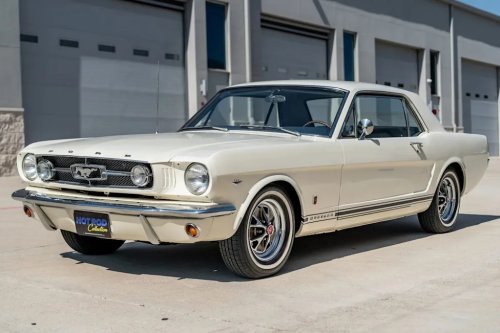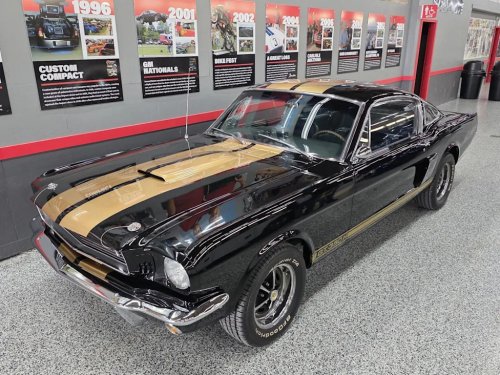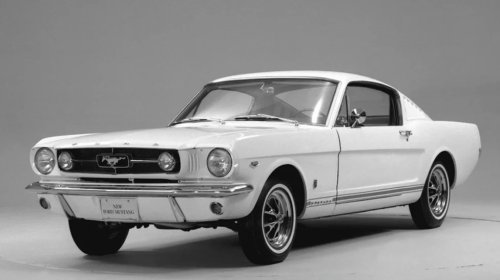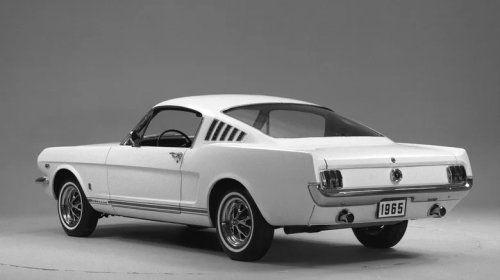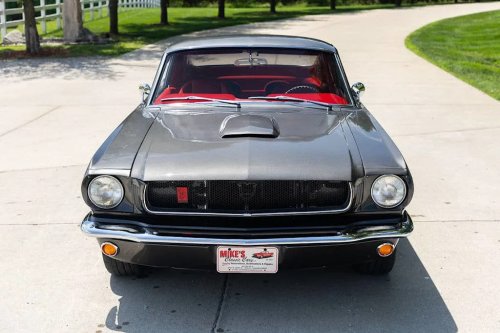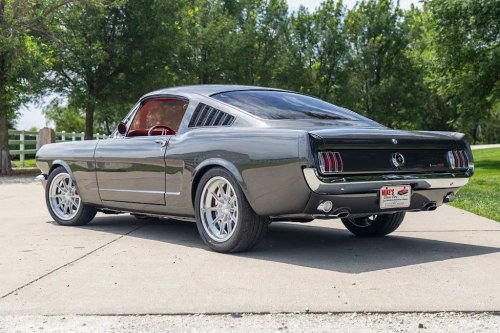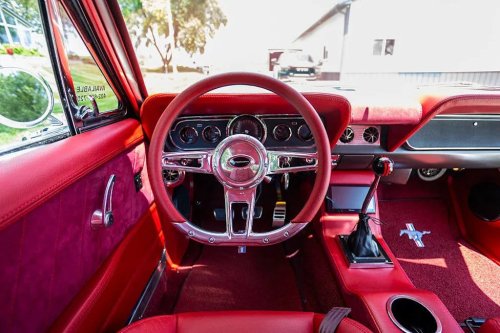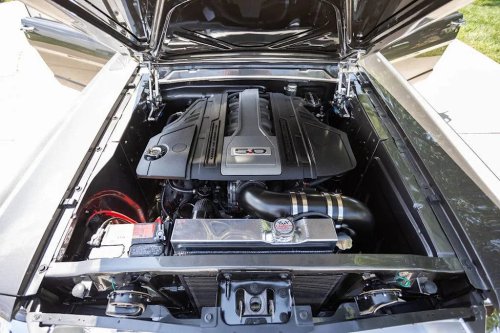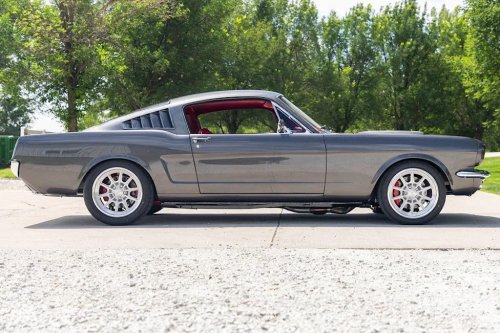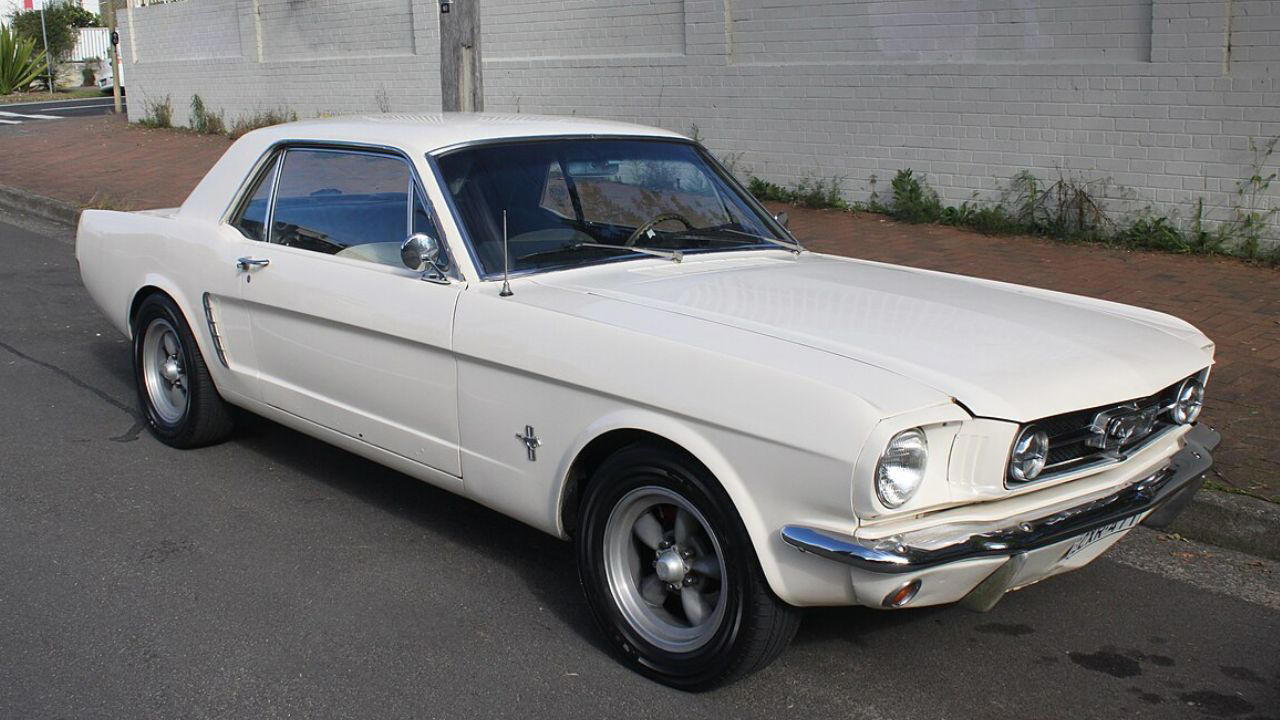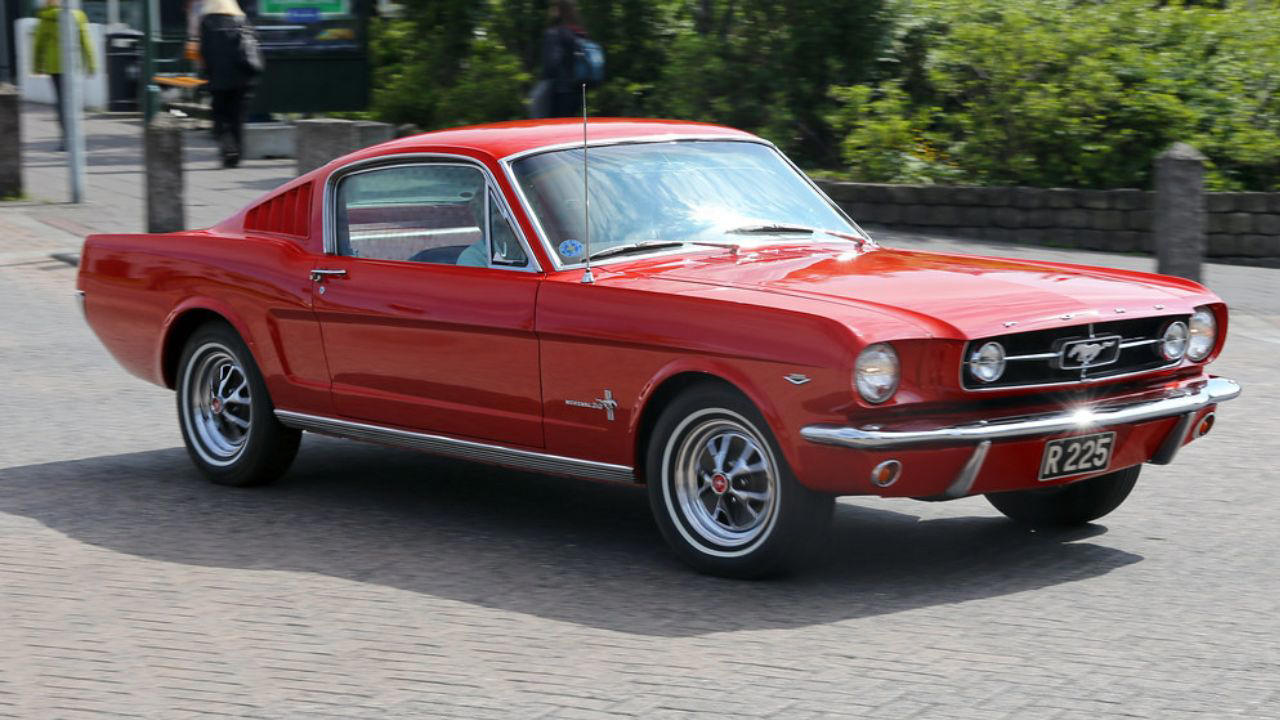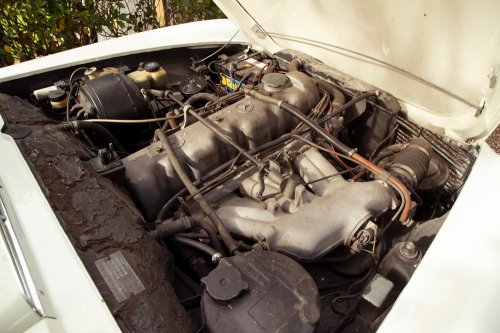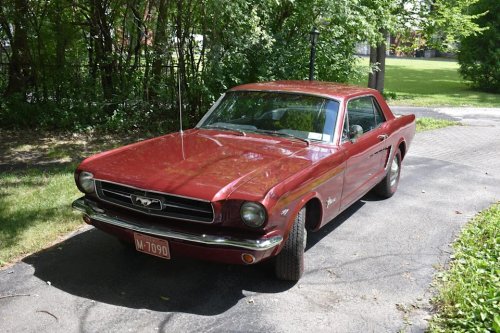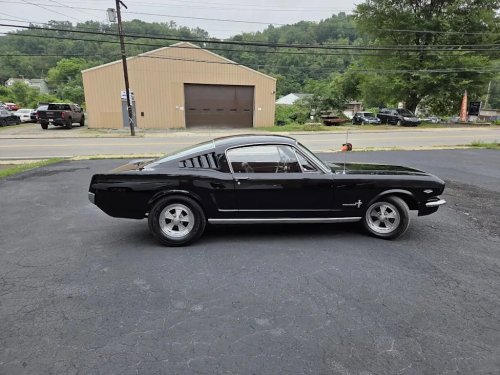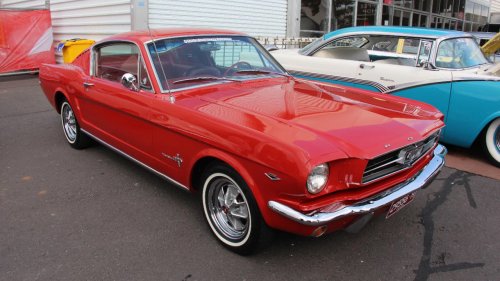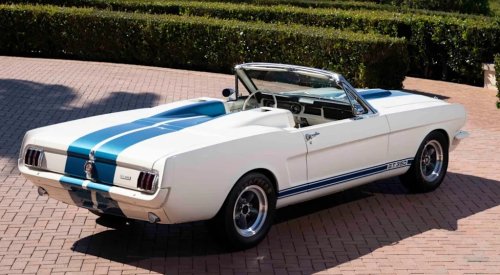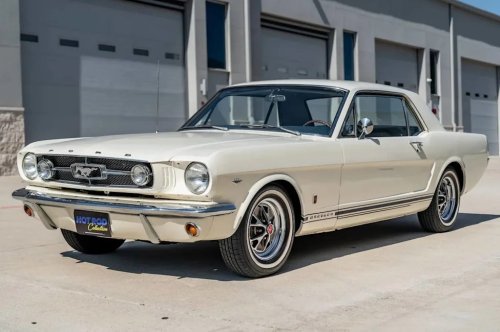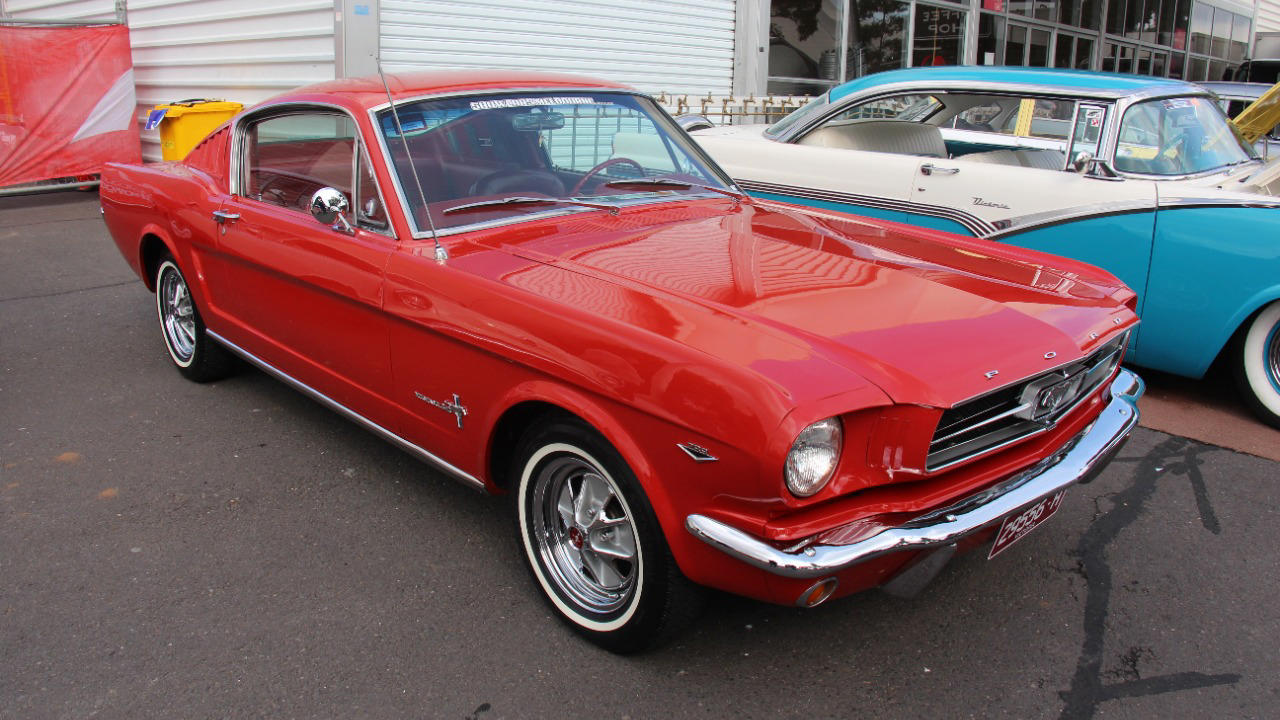



















A simple option turned the 1965 Mustang K-Code 289 into something specialThe 1965 Mustang K-Code 289 looked like any other mid-sixties pony car parked at the curb, yet a single option code on the fender tag quietly transformed it into one of Ford’s sharpest small-block performers. What seemed like a modest engine choice unlocked a high-revving V-8, tougher hardware and, eventually, the foundation for Carroll Shelby’s most focused GT350s. That unassuming letter K turned a basic Mustang into something special for racers, collectors and anyone who cared more about how a car pulled through the gears than how much chrome it wore. The quiet power of the K-Code option On paper, the K-Code designation simply indicated a specific version of Ford’s 289 cubic inch V-8. In practice, that option meant a high-performance solid lifter engine that changed the entire character of the car. Period descriptions of the K-Code designation make clear that it was reserved for Mustangs built with Ford’s high-revving, solid lifter 289 CI V-8, an engine that quickly earned a reputation among enthusiasts and collectors. Unlike the more common A- and C-code 289s, the Hi-Po version relied on stronger internals and a hotter camshaft to survive sustained high-rpm use. Owners who have compared Differences in K, point to unique features inside the K block that separated it from the regular production pieces. The question “Are there differences in the A,C and K code 289 blocks?” has a clear answer for anyone who has torn these engines down: the high-performance casting and internals were built to take abuse that would punish lesser versions. From option code to street legend The magic of the K-Code was not only raw power but how it was delivered. The solid lifter 289 rewarded drivers who used the full tachometer, encouraging spirited driving and making the car feel far more exotic than its price suggested. Owners who chose this option often paired it with close-ratio manual gearboxes and stiffer suspensions, so a K-Code Mustang tended to be a sharper tool than a visually similar car with a base engine. That character helps explain why the K cars became the platform of choice for racers and tuners. A later enthusiast described Converting my A-code into a replica Hi-Po, then Shelbyizing it to GT350 specs, as the heart of a personal rebuild. The same story highlights how Shelbyizing a car to GT350 specifications depended on the high-performance 289 as its core. Even when starting from an A-code, the target was always the K-Code specification, which shows how central that option had become to the Mustang performance story. Carroll Shelby and the K-Code fastback Carroll Shelby recognized the potential of the K-Code package early. When he set out to turn Ford’s new pony car into a world-class sports car, he started with the already exceptional K-Code fastback. Accounts of the 1965 Ford GT350 describe how Jan and his team took the basic Mustang, already equipped with the high-performance Code engine, and transformed it into a World Class Sports Car. Starting with the K-Code gave Shelby a stout engine, a strong bottom end and a factory-supported performance base that could handle further tuning. To meet racing rules and performance targets, Shelby and Ford worked closely. One detailed history notes that Kicking the Mustang into high gear was the launch of the Shelby GT350, a car forced on Shelby by Iacocca as part of his deal with Ford. That Kicking the Mustang narrative shows how Lee Iacocca pushed for a serious performance halo, and the K-Code fastback was the natural starting point. Shelby could focus on suspension, weight reduction and fine-tuning, confident that the K engine was already capable. How the GT350 sharpened the K-Code formula The transformation from K-Code Mustang to GT350 involved far more than badges. Shelby’s shop removed the rear seat of the Mustang fastback and replaced it with a lightweight fiberglass tire tray and spare wheel to save weight and help balance. That change is documented in a discussion of how Carroll Shelby removed fastback’s rear seat and reworked the interior for performance purposes. On the outside, the GT350 used a lighter hood made out of fiberglass instead of pressed steel, a detail highlighted in technical summaries of the GT 350 Shelby. Even the steering wheel changed. One buyer guide notes that the early cars used a large-diameter wood-rim wheel, which was then reduced to a bespoke GT350 wheel measuring 15 inches for better ergonomics, and neither came with a horn button provision. That kind of detail appears in a handy 1965-66 Shelby that helps modern shoppers understand how these cars left Shelby’s facility. The GT350R and the racing answer to Corvette For Carroll Shelby, the K-Code platform was not only about street performance. It became the core of his racing effort against Chevrolet. Descriptions of the 1965 Shelby GT350 explain that this was Carroll Shelby’s racing answer to Chevrolet’s Corvette, and that it began with stripped K-code Mustangs shipped from Ford. Those Mustangs arrived bare, ready for Shelby’s team to add roll cages, race suspensions and further engine tuning. The GT350R program shows how far a simple factory option could be stretched. The same basic 289 block that powered a Plain Jane street car became the heart of a track weapon once Shelby’s crew had finished with it. The fact that Mustangs with K engines were shipped specifically for this purpose underlines how central that code was to Ford’s competition strategy against Chevrolet and its Corvette. Rarity, numbers and the 65 K GT convertibles Part of the K-Code mystique comes from production numbers. The engine was never as common as the base and mid-level V-8s, and certain body styles were built in especially small quantities. One longtime owner on a vintage forum recalled having a 65 K GT convert and reported that from the estimates he found, there were approx. 65 K GT convert and about 151 K GT converts in total. That estimate appears in a discussion titled 65 Mustang GT, which reflects the ongoing effort among enthusiasts to pin down exact figures. These numbers help explain why collectors chase K-Code convertibles so aggressively. The combination of the high-performance 289, GT equipment and open-top bodywork is rare in any era. When production estimates hover around 151 K GT examples, every surviving car carries significant historical and financial weight. Plain Jane looks, serious hardware Not every K-Code Mustang shouted about its capabilities. Some cars were ordered with minimal exterior trim, modest colors and steel wheels, a combination that hid the performance hardware beneath the surface. One account describes a Mustang that looks basic, a Plain Jane 65 that hides a 289 high performance K engine under the hood. That story of a Mustang that looks reinforces how deceptive these cars could be. For many buyers, that was the point. The K-Code option allowed a driver to spend money on performance instead of brightwork. The car could pass as a commuter ride while running with serious machinery when the road opened up. Today, that sleeper quality adds to the appeal, since surviving examples often retain understated paint and trim that contrast with their mechanical specification. Replicas, restomods and one-of-none builds The strength of the K-Code concept has inspired builders to recreate or reinterpret it decades later. One modern project started with a 1965 Ford Mustang K-Code and evolved into a one-of-none, all-black GT350R-style car. Coverage of this build describes how a Ford Mustang Code of None All Black Shelby tribute, highlighting how the original K platform still attracts ambitious fabricators. Another enthusiast story involves Converting an A-code 289 into a replica Hi-Po, then Shelbyizing it to GT350 specs. That process, described in detail by the owner, shows how carefully builders chase original K-Code details, from engine internals to suspension geometry. The K-Code transformation of a 65 GT becomes a blueprint for those who want K performance even if their car did not leave the factory with that letter on the data plate. Inside the enthusiast and technical communities The K-Code’s status is reinforced daily in online communities and technical forums. Discussions about Differences in K, A,C- code engine blocks, 1965,1966 often link out to supporting resources and tools. One such thread connects to the Concours Mustang group, where restorers trade photos, casting numbers and build data to verify whether a block is a genuine high-performance piece. The same conversation trail leads to platform infrastructure such as Simple Machines Forum and related licensing pages. The forum software itself is documented at Discovered Differences, while broader information about the system appears at Discovered. Even tools like the W3C validator, accessible through a link that reads Discovered Differences, and hosting services such as Discovered Differences turn up in these threads. That digital ecosystem supports the meticulous documentation that K-Code owners rely on to keep their cars authentic. Driving experience and buyer expectations Modern buyers approaching a K-Code Mustang or a Shelby GT350 often arrive with high expectations shaped by decades of legend. Guides aimed at prospective owners try to balance that mythology with practical advice. The previously mentioned buyer resource that explains the 15 inch GT350 steering wheel and its lack of horn button provision also walks readers through chassis quirks, maintenance needs and originality checks. That Shelby GT350 buyer’s treats the K-based cars as serious investments that demand careful inspection. On the road, drivers who have experienced both standard and K-Code 289 cars consistently highlight the difference in urgency. The high-performance 289 pulls harder at the top of the rev range, responds more sharply to throttle inputs and sounds more aggressive when worked. For many, those traits justify the extra mechanical noise of solid lifters and the need for more attentive maintenance. How a single letter reshaped Mustang history Looking back, the K-Code option did more than add horsepower to a single model year. It created a performance identity that Ford and Shelby could build on. Without that high-performance 289, the GT350 might have required a more radical engine swap, which could have complicated emissions, warranty support and production logistics. Instead, Ford provided a stout base, and Shelby refined it into a car that Jan and his team could confidently market as a World Class Sports Car. The racing success of the GT350R, built from stripped K-code Mustangs shipped directly from Ford, further cemented the letter’s importance. When Carroll Shelby lined up against Chevrolet and its Corvette, he did so with an engine that originated as a simple option on a mass-market pony car. That path from order sheet code to track-proven weapon is a large part of why the K-Code 289 remains legendary. More from Fast Lane Only Unboxing the WWII Jeep in a Crate 15 rare Chevys collectors are quietly buying 10 underrated V8s still worth hunting down Police notice this before you even roll window down