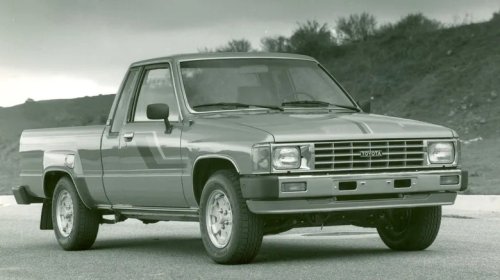
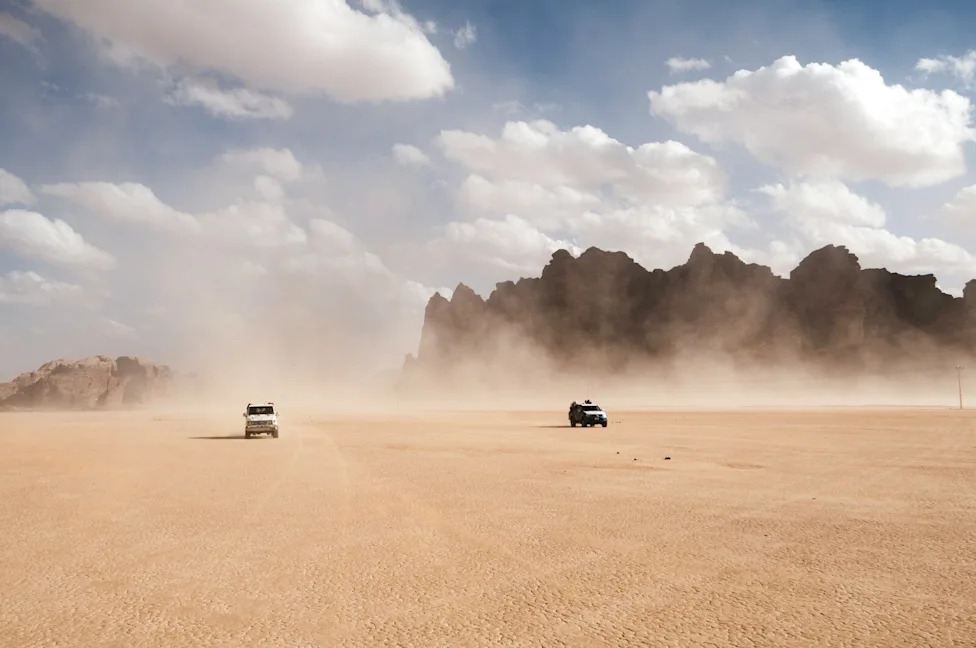
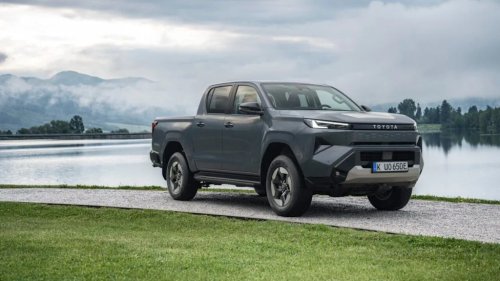
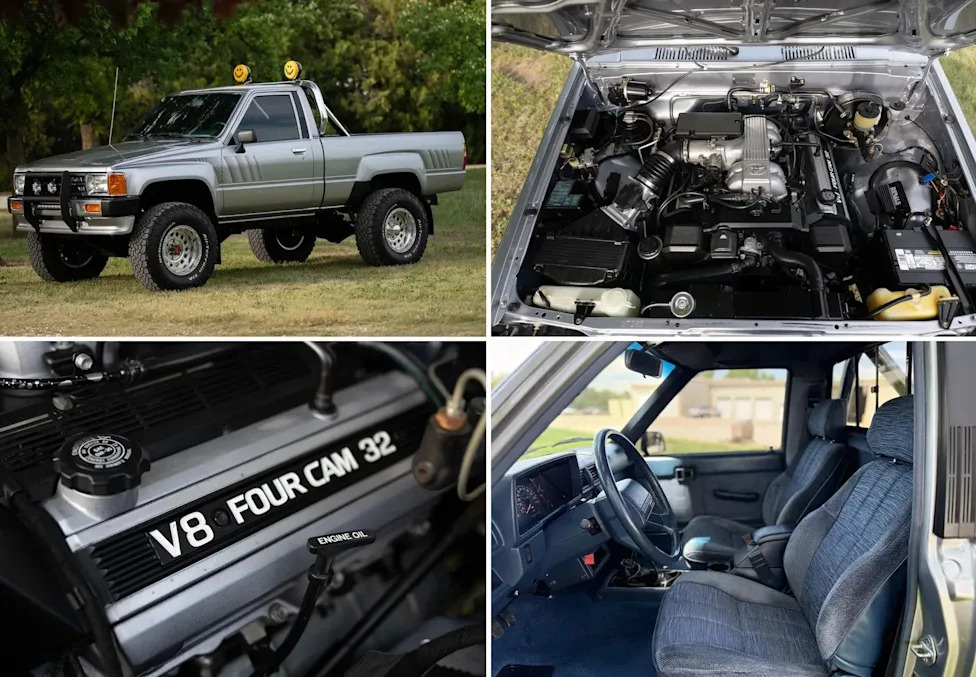
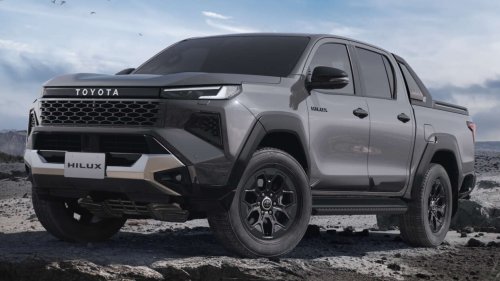
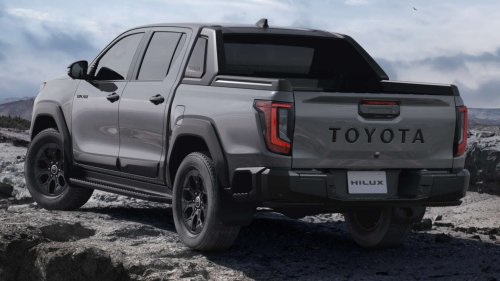
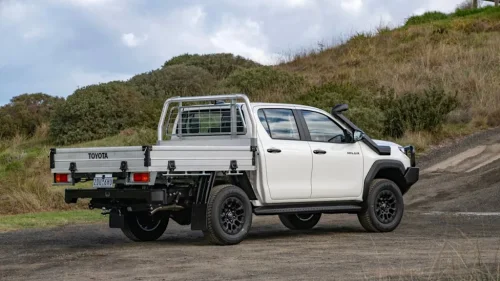
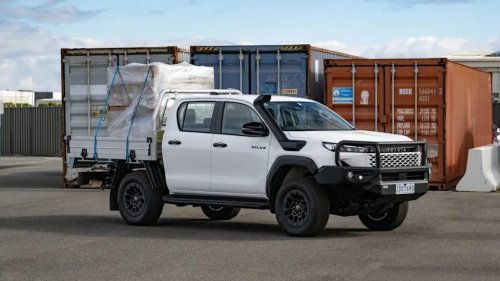
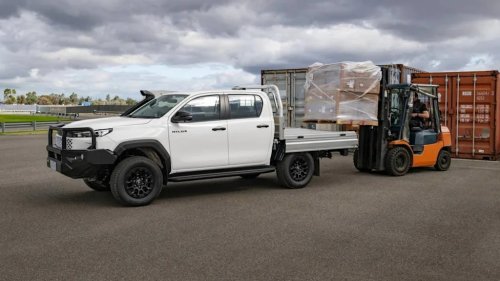
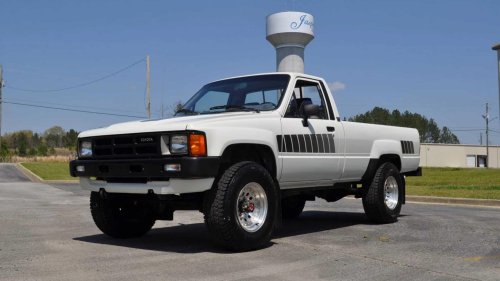
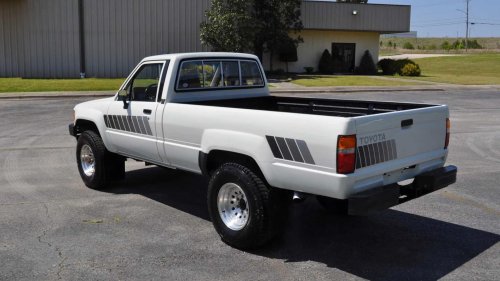
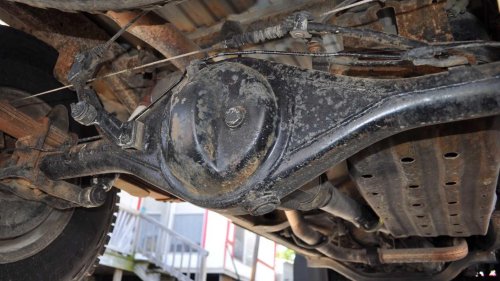
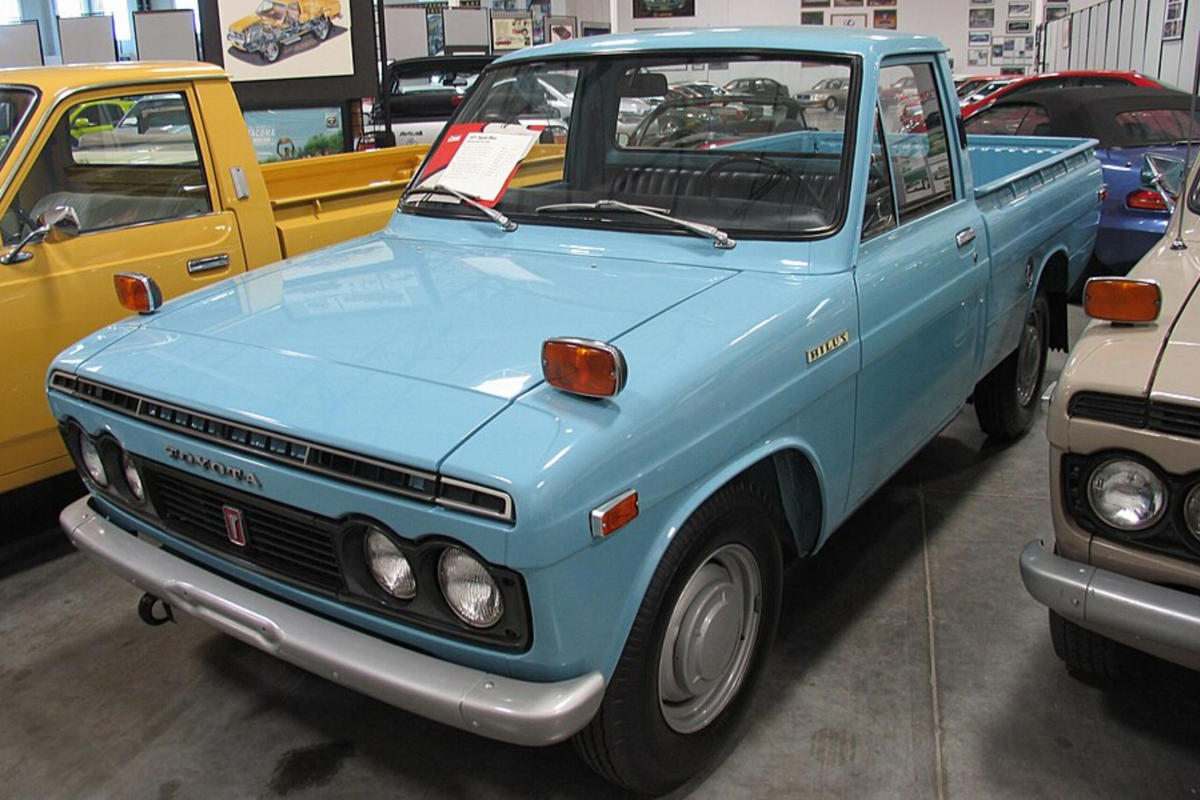
Simple and durable the 1970 Toyota Hilux built a reputation worldwideThe 1970 Toyota Hilux stands out as a pivotal model in automotive history, earning a reputation for simplicity and durability that has spanned decades. This iconic truck became a staple in various markets worldwide, celebrated for its robustness and reliability in challenging environments. We will explore the factors that contributed to the Hilux’s enduring legacy and its impact on the global automotive landscape. The Origins of the Toyota Hilux Launched in 1968, the Toyota Hilux emerged as a product of Toyota’s commitment to engineering excellence and market expansion. Initially conceived to fill the gap between light trucks and full-sized pickups, the Hilux quickly gained traction for its practicality and affordability. The 1970 model was particularly noteworthy, as it marked a significant evolution in design and capability, setting new standards in the compact pickup segment. Underlying the Hilux’s design was Toyota’s philosophy of simplicity and durability. Engineers focused on creating a vehicle that was not only easy to maintain but also robust enough to endure the rigors of daily use. This approach was reflected in the straightforward design, which emphasized functional elements over superfluous features. The resulting vehicle was practical and efficient, making it an ideal choice for a wide range of users—from farmers to urban dwellers. The Hilux’s initial reception in key markets like Japan, North America, and Australia was overwhelmingly positive. In Japan, it catered to the growing demand for compact utility vehicles, while in North America, it offered a cost-effective alternative to larger, less fuel-efficient pickups. In Australia, the Hilux’s ruggedness made it a popular choice for rural and remote areas. This early success laid the foundation for the Hilux’s global dominance in the decades to follow. Engineering Marvel: Simplicity and Durability The Toyota Hilux’s reputation for toughness is largely attributed to its robust construction. The vehicle’s ladder-frame chassis provided a solid foundation, ensuring stability and strength even in the harshest conditions. Paired with durable engine components, the Hilux was engineered to withstand significant wear and tear, making it a reliable workhorse for both personal and commercial use. One of the standout features of the Hilux was its versatility and adaptability. Whether traversing the arid deserts of the Middle East or navigating the rocky terrains of Africa, the Hilux proved capable of handling diverse landscapes with ease. This adaptability was a key factor in its widespread adoption across different regions, where drivers needed a vehicle they could trust in unpredictable environments. Reliability was further enhanced by specific engineering choices, such as a robust drivetrain and a well-designed suspension system. These elements worked in tandem to provide a smooth and dependable driving experience, even under heavy loads or challenging conditions. The emphasis on reliability helped cement the Hilux’s status as a dependable vehicle, ensuring its place in the annals of automotive history. Global Popularity and Cultural Impact The international appeal of the Toyota Hilux is a testament to its superior design and engineering. As the vehicle gained popularity in regions with challenging driving conditions, such as Africa and the Middle East, it became synonymous with durability and dependability. The Hilux’s ability to perform reliably in these settings solidified its reputation as a trusted companion for drivers around the world. Beyond its practical applications, the Hilux emerged as a cultural symbol of reliability. It was frequently featured in media, including television shows and films, where it was often portrayed as the “world’s toughest truck.” This portrayal resonated with audiences, elevating the Hilux to an almost mythical status. The vehicle’s cultural impact is further underscored by its inclusion in lists of the greatest 4x4s of all time, highlighting its enduring appeal. Several iconic moments in the Hilux’s history have contributed to its legendary status. From surviving extreme conditions to being featured in daring stunts, these stories have captured the public’s imagination and reinforced the vehicle’s reputation for indestructibility. Such narratives have become an integral part of the Hilux’s legacy, inspiring a sense of admiration and loyalty among its enthusiasts. Comparisons with Contemporaries During the 1970s, the automotive industry was replete with vehicles vying for dominance in the competitive truck market. The Hilux, however, managed to outshine many of its contemporaries due to its unique combination of durability, simplicity, and cost-effectiveness. While other trucks offered advanced features, the Hilux focused on delivering a reliable and straightforward driving experience, which set it apart from the competition. The success of the Hilux did not go unnoticed by rival manufacturers, who quickly sought to emulate its winning formula. The vehicle’s popularity spurred innovation and changes in competing models, as automakers sought to incorporate similar elements of reliability and efficiency into their own designs. This ripple effect had a profound impact on the industry, driving advancements in engineering standards and design practices. The legacy of the 1970 Hilux is evident in the influence it has had on future generations of pickup trucks. Its emphasis on practical design and robust engineering set new benchmarks for the industry, inspiring subsequent models to prioritize functionality and reliability. This enduring influence is a testament to the Hilux’s pioneering role in shaping the direction of the automotive landscape. Modern-Day Recognition and Legacy Decades after its initial release, the Toyota Hilux remains a popular choice among consumers, thanks to its enduring reputation for reliability and toughness. Modern iterations of the Hilux continue to embody the principles of simplicity and durability that defined the 1970 model, ensuring its relevance in today’s market. The vehicle’s lasting appeal is reflected in its continued success across various regions, where it remains a preferred option for drivers seeking a dependable and capable vehicle. The influence of the 1970 Hilux is also apparent in Toyota’s modern vehicle lineup. Many of the design philosophies and engineering principles that characterized the original Hilux have been carried forward into contemporary models, underscoring the brand’s commitment to producing vehicles that prioritize quality and reliability. This legacy is a testament to the Hilux’s impact on Toyota’s approach to vehicle design and manufacturing. In addition to its practical value, the Hilux has earned a reputation as a classic vehicle among collectors and automotive enthusiasts. Its historical significance and proven reliability have made it a sought-after item, cherished for its connection to a bygone era of automotive engineering. As a collector’s item, the Hilux continues to capture the imagination of those who appreciate its storied past and enduring legacy. Challenges and Criticisms Despite its many strengths, the 1970 Toyota Hilux was not without its limitations. Critics often pointed to the vehicle’s basic interior features and lack of advanced technology as drawbacks, particularly when compared to more modern offerings. While these elements underscored the Hilux’s focus on simplicity, they also highlighted areas where the vehicle fell short of contemporary expectations. Environmental concerns have also been raised regarding older models of the Hilux, particularly in terms of emissions and fuel efficiency. As awareness of environmental issues has grown, these aspects have become more significant considerations for consumers and manufacturers alike. The Hilux’s environmental impact has prompted discussions about the need for more sustainable automotive solutions in the future. In response to these challenges, Toyota has made concerted efforts to evolve and adapt the Hilux to meet the changing demands of the market. Subsequent models have incorporated advancements in technology and design to address these criticisms, ensuring that the Hilux remains relevant and competitive in an ever-evolving automotive landscape. This commitment to innovation and improvement is a testament to Toyota’s dedication to maintaining the Hilux’s esteemed status in the industry. More from Fast Lane Only Unboxing the WWII Jeep in a Crate 15 rare Chevys collectors are quietly buying 10 underrated V8s still worth hunting down Police notice this before you even roll window down



















 +25 others