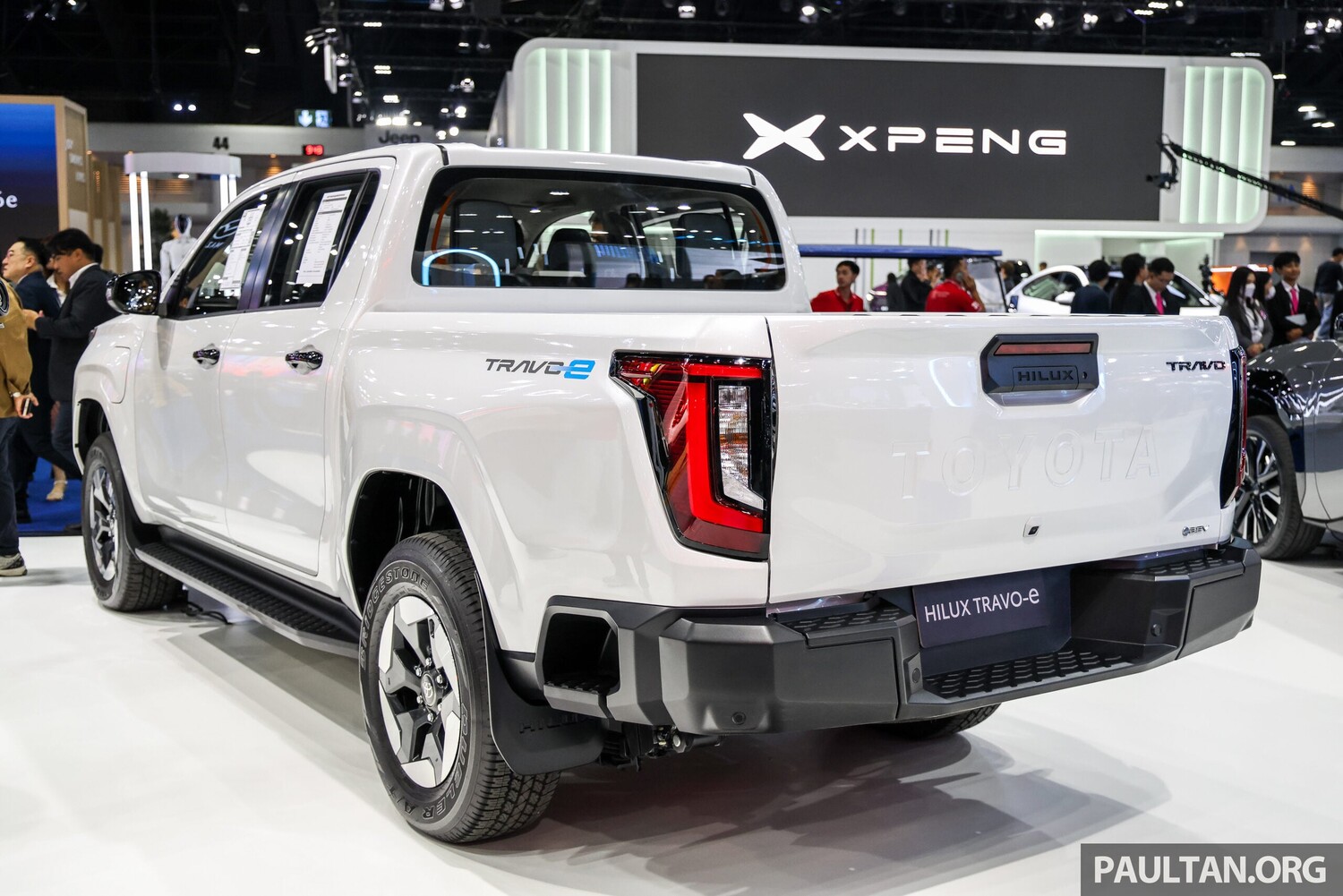
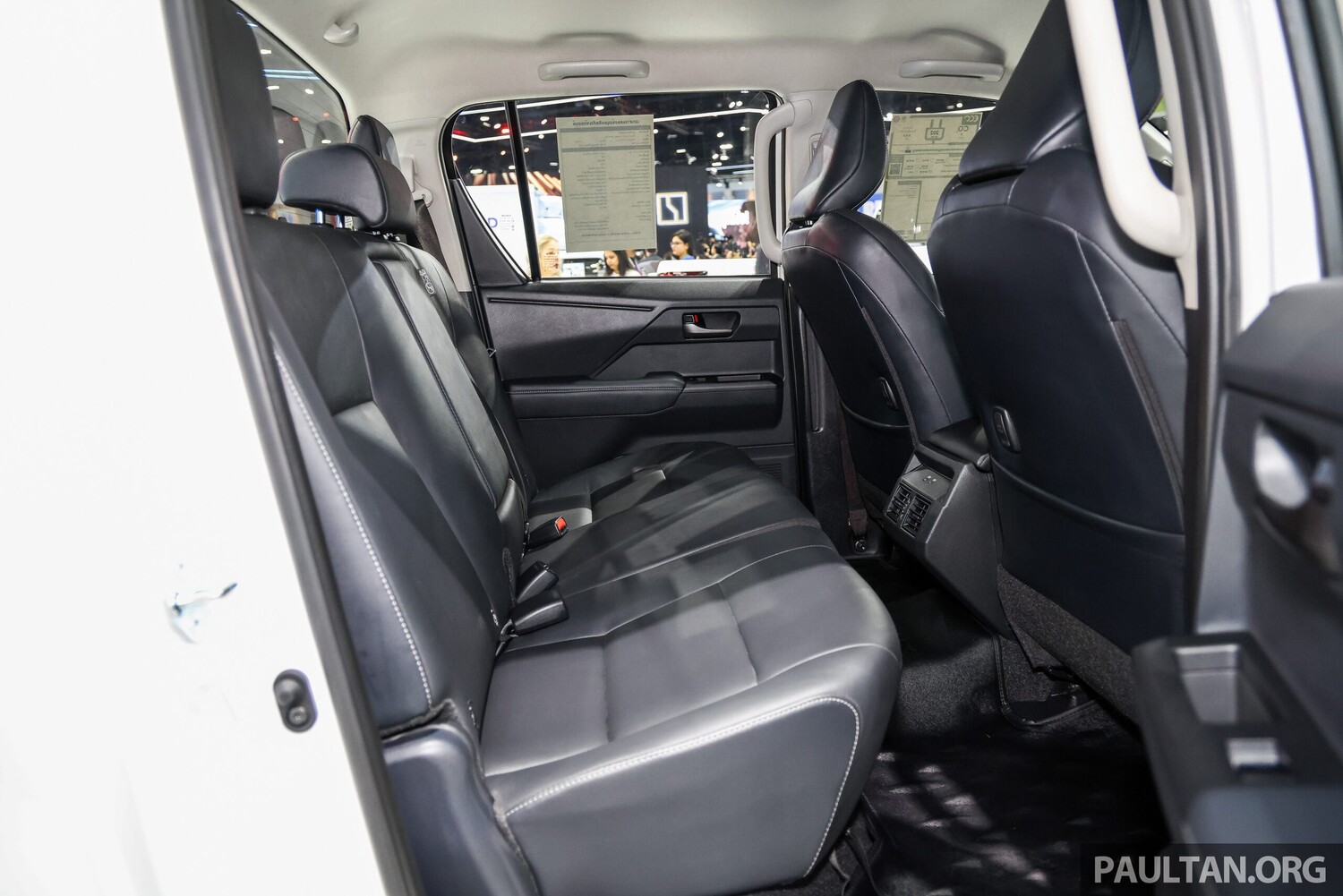
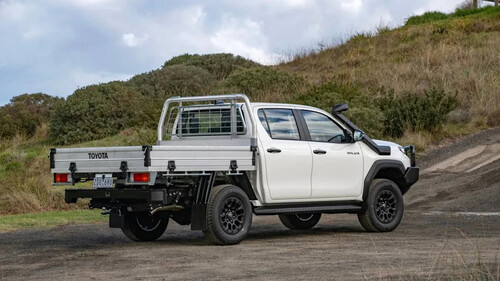
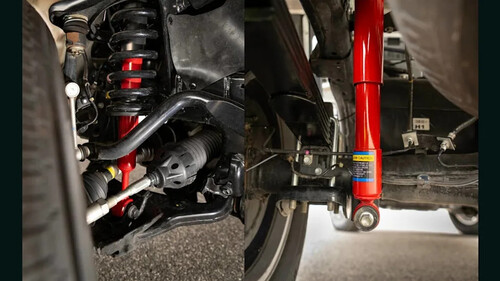
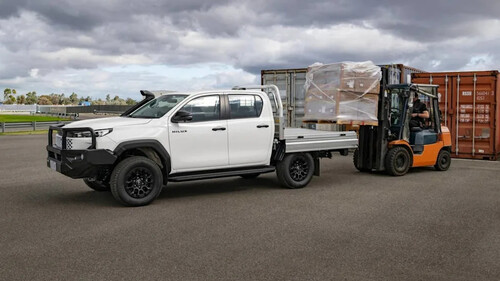
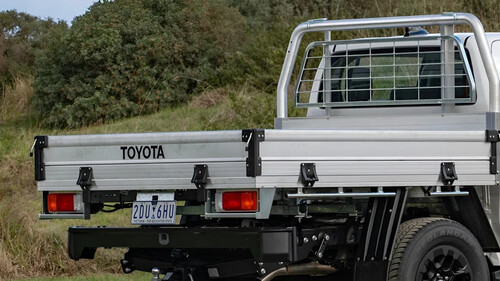
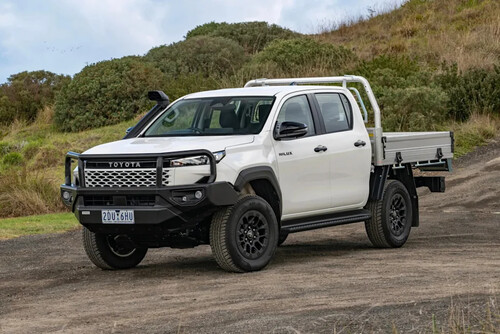
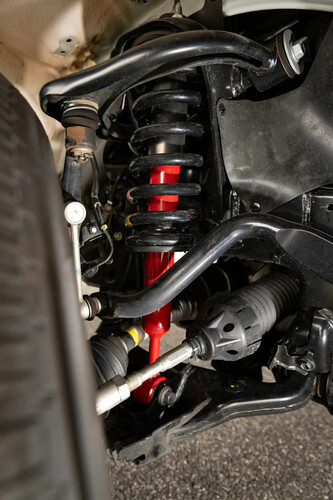
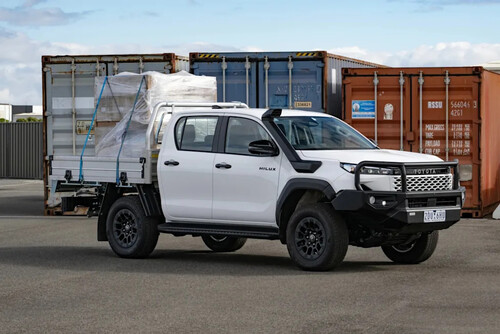
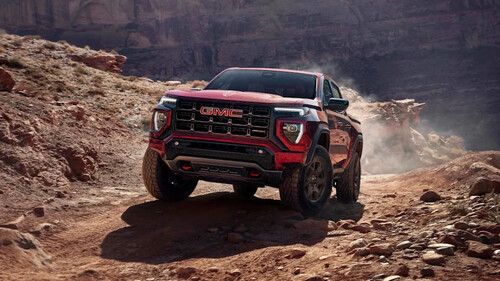
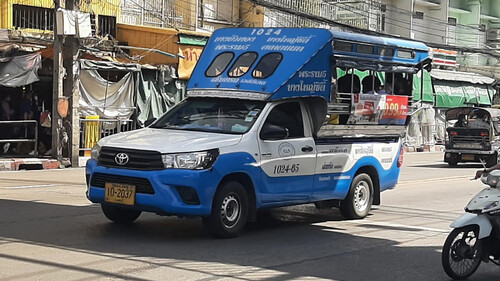
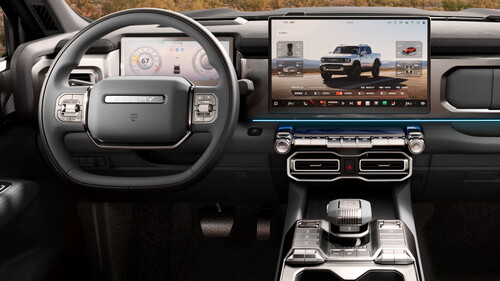
Having been on the fence with EVs for a while now, UMW Toyota Motor is finally entering the market in a big way with the launch of three new models. Here, we’re focusing on the new Toyota Hilux EV, which marks the debut of the ninth-generation Hilux (which carries the Travo suffix in Thailand) in the country, ahead of the mainstream combustion-engined versions. The price is as per what was leaked earlier in the week, with the double cab electric pick-up truck – CBU fully imported from Thailand – retailing at RM226,300 on-the-road without insurance. This figure includes a five-year, unlimited-mileage warranty and an eight-year, unlimited-mileage battery warranty, and buyers are able to extend the latter to a total of ten years of coverage at RM5,700. Still riding on the same Innovative International Multi-purpose Vehicle (IMV) ladder frame platform that debuted on the seventh-gen Hilux, the EV is powered by dual motors – the front one makes 112 PS (82 kW) and 205 Nm of torque, the rear, 176 PS (129 kW) and 268 Nm. Total system output is 196 PS (144 kW). These motors are juiced by a 59.2 kWh battery is rather small for such a heavy vehicle, and the result is a range of just 257 km on the WLTP cycle. Through its front fender-mounted port, the Hilux EV supports up to 125 kW of DC fast charging, taking 30 minutes to top up the battery from 10 to 80%. It also accepts up to 10 kW of AC charging for a 10 to 100% charge in 6.5 hours. The electric powertrain also hampers the truck in other ways. Payload capacity, usually over a tonne (hence these trucks being known as one-tonne pick-ups) on regular Hilux models, is down to just 715 kg. This is likely due to the lack of a solid rear axle (as there is a motor in the way), with a de Dion setup, still with leaf springs, performing suspension duties instead. Also affected is the truck’s towing capacity, which is less than half that of the usual 3.5 tonnes at 1.6 tonnes. However, the Hilux EV still features the same 212 mm ground clearance and 700 mm maximum water wading depth as the other versions; the Diamond Shield battery cage also enables it to shrug off damage from rocks or debris during off-road driving. A new electric power steering system comes as standard on all Hilux models, offering greater precision and a lighter weight for easier parking. The ninth-gen Hilux is more of a heavy facelift rather than an all-new model, retaining the centre cab section of its predecessor. However, the front fascia has been modernised, sporting much slimmer LED headlights with C-shaped daytime running lights, joined together by a black bar with the Toyota script (instead of the usual oval T logo). The X-shaped bumper frames a protruding hexagonal lower section housing the LED fog lights and silver skid plate, giving the truck a tougher aesthetic. The hexagonal motif is repeated in the more angular flared fenders, while the rear carries new triangular taillights – replete with wraparound “tails” – in an upside-down configuration compared to before, giving it a look similar to the Ford F-150 in the US. There are also built-in steps that provide easier access to the bed, something we first saw on the current Ford Ranger. Setting the EV apart from the standard Hilux is the lack of a front grille (the ICE versions have a body-coloured grille akin to the facelifted Corolla Cross) and the fitment of unique 17-inch alloy wheels with a two-tone aero design, likely to maximise the truck’s meagre range. Available colours are solid Super White II and Ash (grey) and Platinum White Pearl, the latter being an RM800 option. Inside, the new Hilux bears a striking similarity to the Land Cruiser Prado/250, with the hexagonal shape again appearing on the steering wheel airbag boss and the centre air vents and dual-zone air-con controls. There’s also an increased use of stitched soft-touch materials on the dash and door cards, and as before, there are dual gloveboxes and cupholders by the corner air vents. The tech has been ramped up significantly, with twin 12.3-inch displays for instrumentation and infotainment, the latter featuring wireless Apple CarPlay and Android Auto. There’s also a Qi wireless charger, and this time it’s a built-in OEM tray, not an aftermarket add-on under the armrest. On the centre console, you’ll find a knob to engage the new Multi-Terrain System (MTS), which enables new off-road modes – for dirt, rock, mud, sand and moguls – for the traction control. There’s also a new Prius-style electronic gear selector instead of the usual mechanical lever. Standard kit includes keyless entry, push-button start, rear air-con vents, an eight-way power-adjustable driver’s seat, SofTex faux leather upholstery, an electronic parking brake, eight speakers, a front dash cam and a 360-degree camera system with a Multi-Terrain Monitor (MTM) off-road view. Buyers can add a rear dash cam at RM380, as well as a Type 2 AC charging cable costing a whopping RM4,000. As for driver assists, the addition of EPS and EPB enable Level 2 semi-autonomous driving features such as adaptive cruise control with stop and go and lane centring assist. These go on top of the usual functions such as autonomous emergency braking, blind spot monitoring, rear cross traffic alert, parking AEB and auto high beam. Seven airbags (including one for the driver’s knee) and stability control are also fitted. The Hilux EV is the first Toyota model in Malaysia to be supported by a global app GALLERY: 2026 Toyota Hilux Travo-e in Bangkok Compare prices between different insurer providers to save the most on your car insurance renewal compared to other competing services. Many payment method supported and you can pay with instalment using Atome, Grab PayLater or Shopee SPayLater. Use the promo code 'PAULTAN' when you checkout for 10% discount!