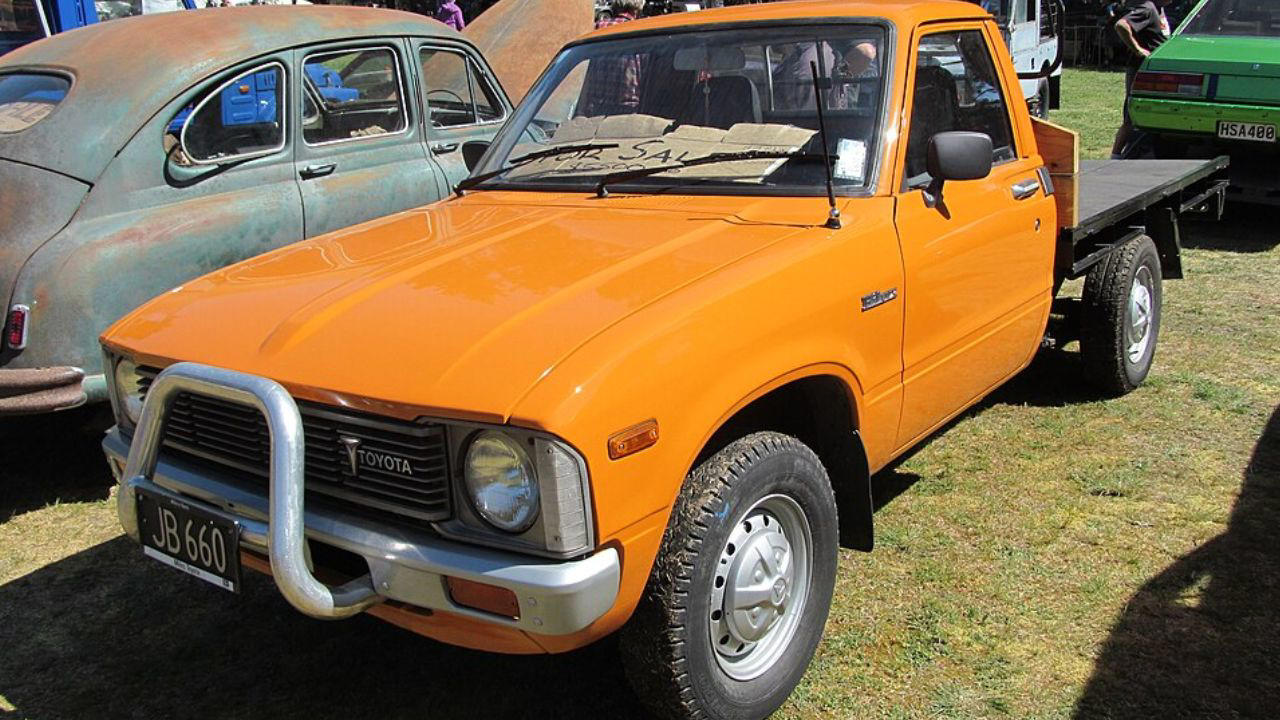
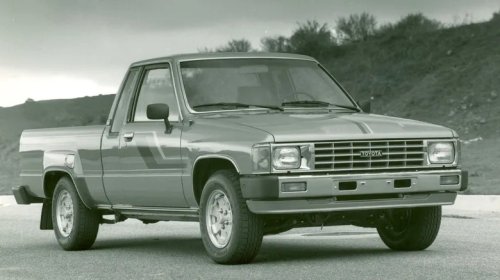
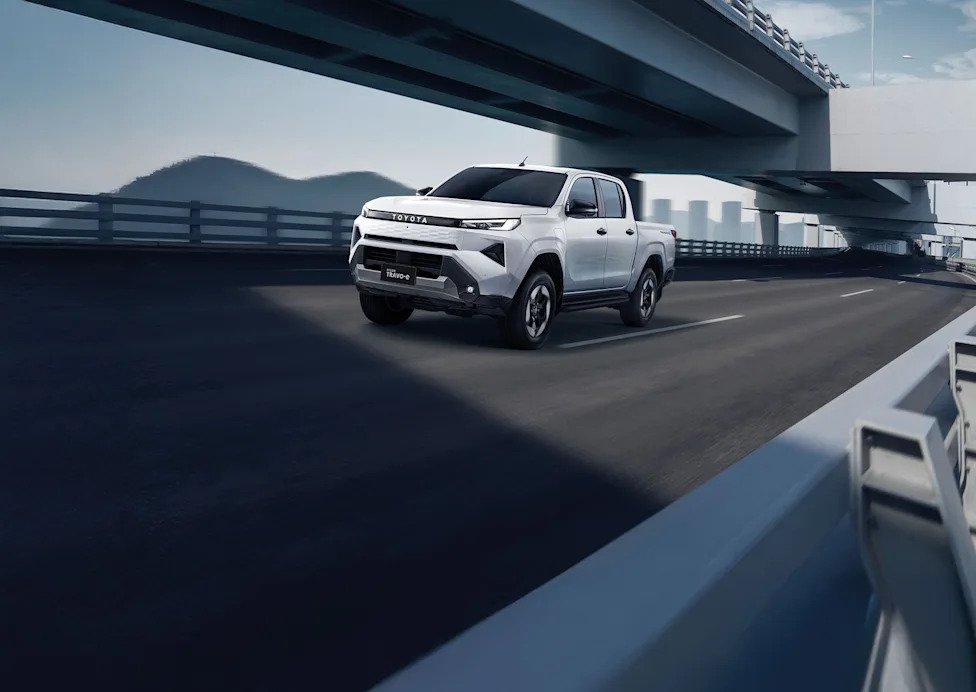
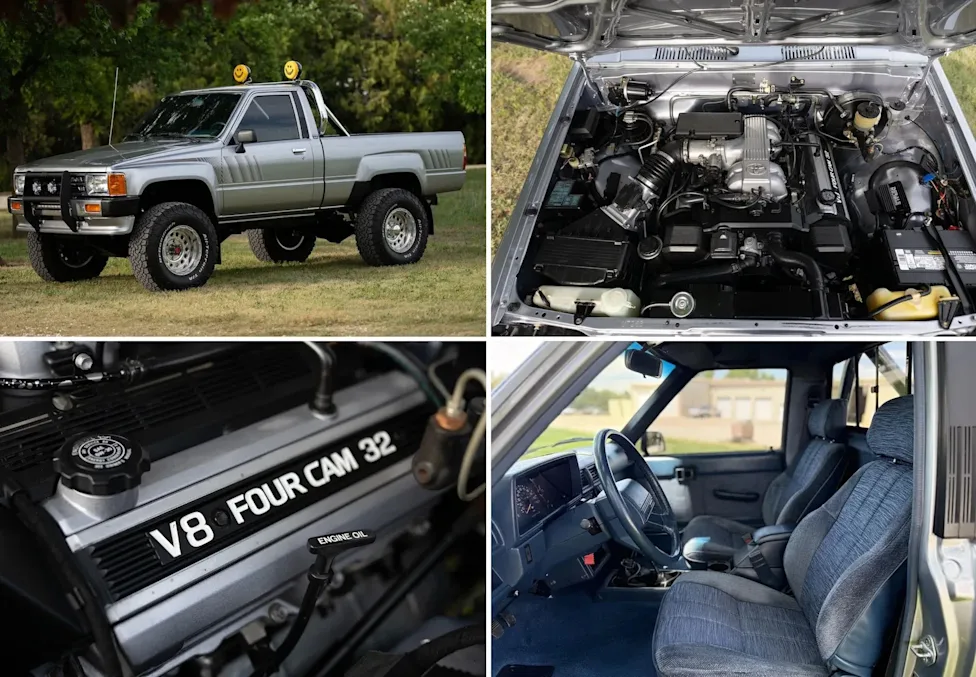
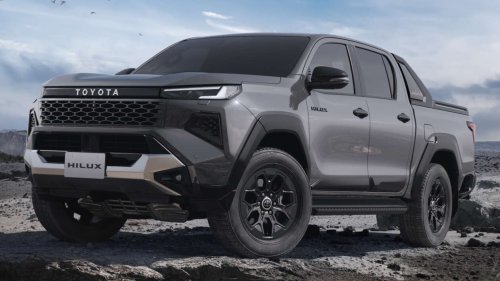
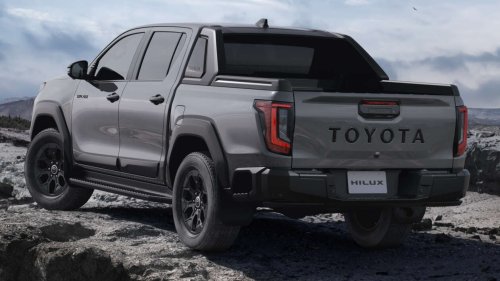
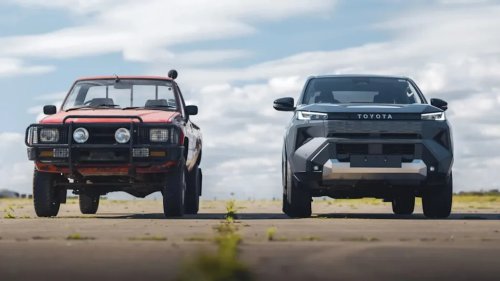
Small but tough the 1979 Toyota Hilux earned global respectThe 1979 Toyota Hilux may not have been the largest pickup on the road, but it quickly became known for its durability and ruggedness. Over the years, this small but mighty vehicle has earned admiration across the globe, solidifying its place in automotive history. The Birth of a Legend The Toyota Hilux made its debut in 1968 as a compact pickup truck designed to meet the growing demand for versatile and reliable utility vehicles. By 1979, the model had evolved significantly, introducing features that would set it apart from its competitors. This iteration marked a pivotal moment in the Hilux’s history, as it began to gain a reputation for robustness that few vehicles could match. The 1979 model showcased a range of design and engineering enhancements. It was equipped with a more powerful engine, offering a 2.0-liter inline-four that delivered improved performance. The emphasis on durability was evident in its construction, including a reinforced chassis and a suspension system designed to handle rough terrains. These features enabled the Hilux to perform exceptionally well in diverse environments, from urban settings to rugged landscapes. The initial market reception was overwhelmingly positive. In regions like Southeast Asia, Australia, and Africa, where reliable transportation was crucial, the Hilux quickly became a favorite. Its success in these markets laid the foundation for its global acclaim, as it was hailed not only for its durability but also for its affordability and practicality. Performance and Durability The 1979 Toyota Hilux was powered by a reliable engine that offered both efficiency and strength, making it a standout in the 4×4 segment. The 2.0-liter engine, paired with a robust drivetrain, provided the power necessary to navigate challenging terrains without compromising on fuel efficiency. This balance of power and economy made the Hilux an ideal choice for both urban drivers and those needing a reliable vehicle for more demanding environments. Field tests conducted across various continents revealed the Hilux’s resilience in harsh conditions. Whether traversing the arid deserts of Australia or the mountainous regions of South America, the Hilux consistently demonstrated its ability to withstand extreme temperatures and rugged landscapes. It was not uncommon for drivers to report the vehicle’s capability to endure over 500,000 kilometers with minimal maintenance, a testament to its engineering excellence. Consumer testimonials further cemented the Hilux’s reputation for long-lasting performance. Stories abound of Hilux pickups that have survived floods, snowstorms, and treacherous off-road adventures. Many owners have recounted tales of their Hilux vehicles becoming family heirlooms, passed down through generations due to their unwavering reliability. Cultural Impact and Popularity The Toyota Hilux’s influence extended beyond its functional capabilities, as it became a cultural icon featured in various forms of media. From appearances in action-packed movies to being a staple on television shows that highlighted rugged adventures, the Hilux captured the imagination of audiences worldwide. Its portrayal as a dependable and tough vehicle resonated with viewers, further enhancing its image as an automotive legend. Beyond entertainment, the Hilux found its place in the hearts of different communities and industries. In agricultural sectors, it became the go-to choice for farmers needing a reliable workhorse. Similarly, in construction and mining industries, its durability and load-bearing capabilities made it indispensable. Its versatility allowed it to adapt to various needs, whether as a utilitarian work vehicle or a trusted companion for off-road enthusiasts. This widespread adoption significantly influenced consumer perception of Japanese vehicles in the global market. The Hilux’s success challenged preconceived notions about the quality and reliability of Japanese automobiles, paving the way for greater acceptance and admiration. Today, it remains a symbol of Toyota’s commitment to producing vehicles that prioritize durability and innovation. Comparison with Competitors During the late 1970s, the pickup truck market was highly competitive, with several manufacturers vying for dominance. The 1979 Toyota Hilux faced stiff competition from other popular 4x4s of its time, such as the Ford Ranger and the Chevrolet LUV. Despite this, the Hilux managed to carve out a niche for itself, primarily due to its unique combination of affordability, reliability, and performance. The Hilux’s pricing strategy played a significant role in its success. It offered exceptional value for money, providing features and capabilities that were often found in more expensive models. Its reputation for low maintenance costs and long-term reliability made it an attractive option for budget-conscious consumers. In terms of performance, the Hilux’s off-road capabilities and fuel efficiency were unmatched by many of its competitors, further enhancing its appeal. Critical acclaim from automotive experts and publications also contributed to the Hilux’s enduring appeal. It frequently appeared on lists of top 4×4 vehicles, praised for its engineering and design. The Hilux’s inclusion in rankings such as The 10 Greatest 4x4s of All Time underscored its reputation as a formidable contender in the pickup truck segment. Legacy and Modern Influence The legacy of the 1979 Toyota Hilux is evident in the evolution of the model line. Subsequent generations have built upon the foundational strengths introduced in the 1979 version, incorporating advancements in technology and design while maintaining the core attributes of durability and reliability. This commitment to innovation has ensured that the Hilux remains relevant in the modern automotive landscape. The demand for vintage Hilux models has surged in recent years, with enthusiasts and collectors seeking out these classic vehicles for their historical significance and enduring performance. The 1979 Hilux, in particular, is highly sought after, often commanding premium prices in the used car market. Its status as a collector’s item reflects its timeless appeal and the deep respect it commands among automotive aficionados. Toyota’s design philosophy continues to be influenced by the lessons learned from the 1979 Hilux. Modern Toyota trucks and 4x4s are designed with a focus on durability and reliability, principles that have been integral to the brand’s success. The Hilux’s story serves as a reminder of the importance of engineering excellence and customer satisfaction in developing vehicles that stand the test of time. Enduring Respect and Admiration The 1979 Toyota Hilux’s legacy endures in today’s automotive world, as it continues to be celebrated for its reliability and ruggedness. Its story is one of resilience and innovation, inspiring manufacturers to prioritize quality and durability in vehicle production. As a symbol of Toyota’s commitment to excellence, the Hilux has set a benchmark for what a reliable utility vehicle should be. Its influence extends beyond the realms of automotive design, serving as a testament to the power of meticulous craftsmanship and thoughtful engineering. The Hilux’s success has inspired countless imitations, yet few vehicles have managed to capture the same level of admiration and respect. The lessons learned from its development continue to guide Toyota’s approach to vehicle manufacturing, ensuring that the brand remains synonymous with quality and dependability. As new generations of drivers discover the Hilux, its reputation as a tough and reliable vehicle continues to grow. The 1979 model, in particular, remains a touchstone for automotive enthusiasts and a source of inspiration for those who value durability and craftsmanship. Its enduring legacy is a testament to its exceptional design and engineering, qualities that have solidified its place in automotive history. More from Fast Lane Only Unboxing the WWII Jeep in a Crate 15 rare Chevys collectors are quietly buying 10 underrated V8s still worth hunting down Police notice this before you even roll window down