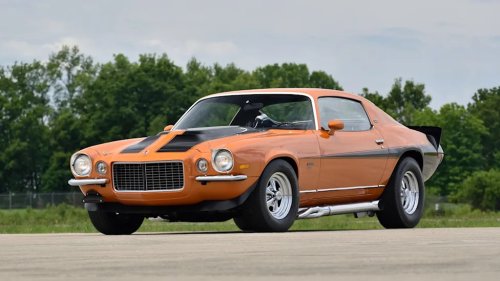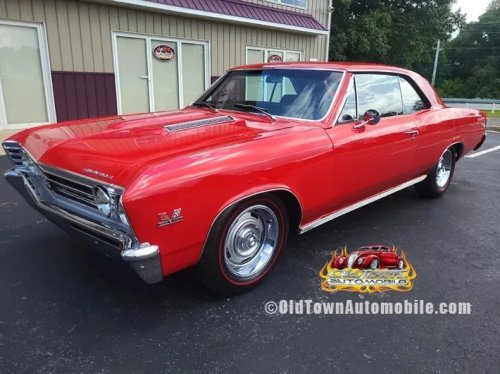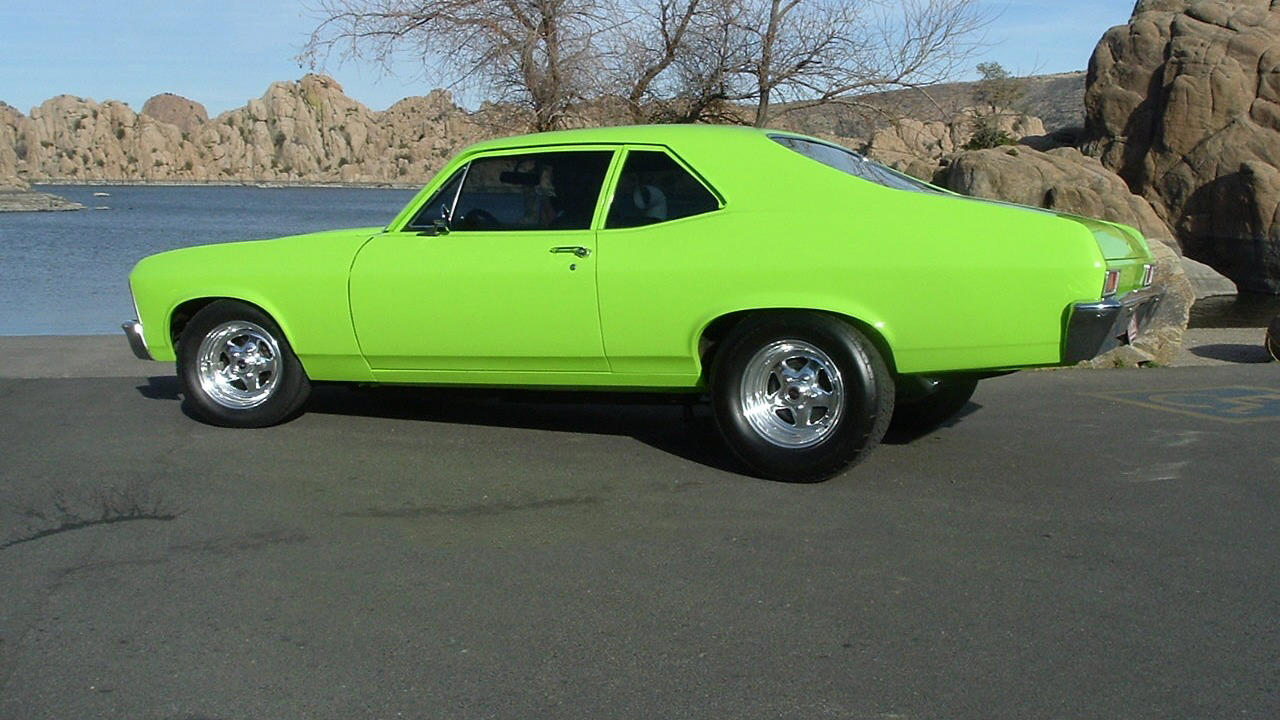


















The 1970 Chevrolet Nova SS arrived at the height of the muscle era with a simple formula: a compact body, a big V8, and almost nothing that did not help it go quicker. It was not the flashiest car in Chevrolet showrooms, but in many ways it distilled the Super Sport idea into its purest form. More than fifty years later, that mix of straightforward engineering and serious performance still gives the Nova SS a particular pull for enthusiasts and collectors. What happened By 1970, Chevrolet had already used the Super Sport badge on everything from the Impala to the Camaro, turning SS into shorthand for extra power and sharper handling across the line. The Nova had joined that group earlier in the decade, and the 1970 model year marked one of its most focused iterations. Period specifications show that buyers could order a Nova SS with a 350 cubic inch small-block V8 or step up to a 396 cubic inch big-block, both paired with heavy-duty suspension, upgraded brakes, and performance-oriented gearing that set the car apart from the basic commuter versions documented among other Chevrolet SS models. The Nova itself sat on a compact platform that had started life as an economy car. In SS trim, that modest foundation became an advantage. The car weighed less than full-size Chevrolets that also carried the SS badge, which meant the available V8s had less mass to move. Contemporary road tests recorded strong acceleration for the 350 and especially for the 396, with quarter-mile times that put the Nova SS in the same conversation as better-known muscle coupes. Visually, the 1970 Nova SS did not shout about its capabilities. The body carried clean, almost sedan-like lines with only subtle cues to hint at what was underneath. The package added specific badging, a blacked-out grille, and available stripes, along with 14-inch wheels wrapped in performance tires. Inside, the cabin remained close to the standard Nova layout, with simple gauges, basic trim, and few luxury options. That restraint contrasted with the more lavish interiors of some rivals, but it also kept the price down and the focus on performance hardware. Under the skin, the SS package bundled several mechanical upgrades. The suspension used stiffer springs and shocks, along with larger anti-roll bars, to keep the relatively short wheelbase stable at speed. Power front disc brakes were available and became a near-essential choice for drivers planning to use the car’s full potential. Manual transmissions, including a close-ratio four-speed, were popular among enthusiasts, although many cars left the factory with automatic gearboxes that suited street use and drag racing alike. The 396 cubic inch V8 sat at the top of the Nova SS range and effectively turned the compact into a factory hot rod. With a high compression ratio and large-port cylinder heads, the engine delivered strong midrange torque and a broad powerband. Period advertising leaned on that big-block option to give the Nova SS credibility next to larger Chevelles and Camaros that shared similar engines. In practice, the lighter body meant the Nova could surprise drivers who expected a plain compact and instead found themselves next to a car that pulled hard through each gear. While the Nova SS never reached the production volumes of the Chevelle SS, it carved out a distinct niche. It appealed to buyers who wanted serious performance without the insurance premiums and sticker prices that followed the most flamboyant muscle cars. Dealers often ordered SS cars with few extras, which kept them affordable for younger customers and reinforced the stripped-back character that now defines the model’s reputation. Why it matters The 1970 Nova SS matters because it captures a particular moment in American performance history when power was still rising but complexity had not yet taken over. The car’s engineering is straightforward: a ladder-frame style unibody, coil-spring front suspension, leaf springs at the rear, and a big V8 that can be serviced with hand tools. That simplicity has long-term consequences for enthusiasts, since it makes the Nova SS easier to maintain, modify, and restore than many of its contemporaries. Collectors often point to the balance between weight and power as the Nova SS’s signature trait. With the 350 V8, the car offered brisk performance that was manageable for daily use. With the 396, it stepped into serious muscle territory, yet the compact footprint kept it more agile than full-size coupes. Drivers who experienced both often describe the Nova as feeling more immediate and less isolated, a result of the short wheelbase, direct steering, and limited sound insulation. That rawness, once seen as a cost-cutting measure, now reads as character. The car also illustrates how Chevrolet used the SS badge as a modular performance toolkit. Across the lineup, Super Sport packages typically combined more powerful engines with suspension and brake upgrades, plus modest visual changes. The Nova SS followed that formula closely, which means it shares many components with other SS Chevrolets of the period. For owners, that parts commonality is a practical advantage. It keeps replacement pieces available and enables period-correct upgrades that stay within the original engineering logic of the car. From a design perspective, the 1970 Nova SS stands apart from more ornate muscle cars. Its body panels are largely flat and unadorned, with minimal chrome and straightforward bumpers. That plainness has helped the car age well. Where some high-stripe, high-spoiler machines can feel locked to a specific moment in fashion, the Nova’s clean lines invite subtle customization or faithful restoration with equal success. Builders of pro-touring and restomod projects often choose the Nova shell precisely because it provides a neutral canvas for modern wheels, suspension, and drivetrain upgrades. The model’s role in motorsport and street culture also shapes its legacy. The Nova SS was a common sight at local drag strips, where its light weight and strong engines made it a natural bracket racer. Many cars were modified early in their lives with aftermarket intake manifolds, headers, and rear-end swaps, which means unmodified survivors are rarer today. That history gives each remaining stock example extra significance, while modified cars continue to serve as platforms for grassroots competition. Insurance and regulatory pressures that arrived in the early 1970s add another layer of meaning. The 1970 model year sits near the peak of gross horsepower ratings, just before compression ratios dropped and emissions controls began to cut output. For the Nova SS, that timing means later versions of the car, though visually similar, did not always match the performance of the 1970 specification. Enthusiasts often single out this year as a sweet spot where the car retained its simple structure but still benefited from the full power of its big-block and high-compression small-block engines. Market values reflect that perception. While the Nova SS has historically traded below the most famous muscle cars, interest has risen as collectors look for models that combine authentic period performance with relative affordability. The car’s mechanical simplicity lowers restoration costs, and the shared parts with other Chevrolets keep long-term ownership practical. For younger buyers entering the classic market, the Nova SS offers an accessible route into genuine muscle performance without the six-figure prices attached to top-tier nameplates. The car also resonates with contemporary debates about what performance should look like. Modern sports cars rely on electronic driver aids, turbocharging, and complex automatic transmissions to deliver speed. The Nova SS represents an earlier idea: that a strong engine, a manual gearbox, and a well-chosen final drive can provide all the excitement most drivers need. That contrast does not make one approach better than the other, but it explains why a relatively humble compact from 1970 continues to attract attention in an era dominated by software and sensors. Culturally, the Nova SS has become a symbol of understated capability. It rarely occupies the center of muscle car nostalgia, yet it appears regularly in period photographs, films, and enthusiast stories as the car that surprised rivals at stoplights and track days. That underdog image feeds into its current appeal. Owners often describe a quiet satisfaction in driving a car that looks almost ordinary until the engine starts and the exhaust note signals something different. What to watch next The future of the 1970 Nova SS sits at the intersection of changing regulations, evolving collector tastes, and a shifting automotive industry. As more cities and regions consider restrictions on internal combustion vehicles, classic car owners face questions about where and how they will be able to drive. Enthusiast groups and industry organizations have begun to advocate for exemptions or limited-use provisions that would allow historic vehicles, including performance models like the Nova SS, to remain on public roads for events and occasional use. At the same time, the restoration and modification scene around the Nova continues to evolve. Builders increasingly combine period-correct appearances with modern mechanical upgrades such as fuel-injected crate engines, overdrive transmissions, and improved suspension geometry. Those changes aim to retain the car’s straightforward character while addressing contemporary expectations for reliability and drivability. The Nova’s simple chassis and generous engine bay make it a natural candidate for such projects, and that adaptability helps sustain interest among new generations of enthusiasts. Another trend to watch involves documentation and originality. As surviving cars age, detailed records of factory options, build sheets, and ownership histories become more valuable. Collectors are paying closer attention to whether a given Nova SS retains its original engine, transmission, and color combination, or whether it has been heavily modified over time. That scrutiny can create a split market in which highly original cars command a premium, while modified examples remain attractive to drivers who prioritize performance over strict authenticity. There is also growing discussion about alternative powertrains for classic platforms. Some companies now offer electric conversion kits for vintage muscle cars, and the Nova’s relatively light weight and simple layout make it a potential candidate. Purists often resist the idea of removing a big-block V8 from a car whose identity is tied to its engine, but others see conversions as a way to keep classic shapes on the road in regions with strict emissions rules. How that debate plays out will influence the long-term visibility of models like the Nova SS in everyday traffic. On the cultural side, media and digital platforms continue to shape how the Nova SS is perceived. High-profile builds on streaming series, social media channels, and auction broadcasts can quickly raise the profile of a particular model year or specification. If a standout 1970 Nova SS project gains attention for its performance or craftsmanship, that visibility can ripple through the market, affecting both values and the kinds of modifications other owners pursue. Finally, demographic shifts within the collector community will play a major role. As enthusiasts who grew up with 1960s and early 1970s muscle cars age, younger buyers with different reference points are entering the hobby. Some of them connect with the Nova SS not through childhood memories, but through its practical qualities: compact size, relatively low cost of entry, and mechanical simplicity. Others may view it as a blank slate for creative builds that blend vintage styling with contemporary performance technology. More from Fast Lane Only Unboxing the WWII Jeep in a Crate 15 rare Chevys collectors are quietly buying 10 underrated V8s still worth hunting down Police notice this before you even roll window down