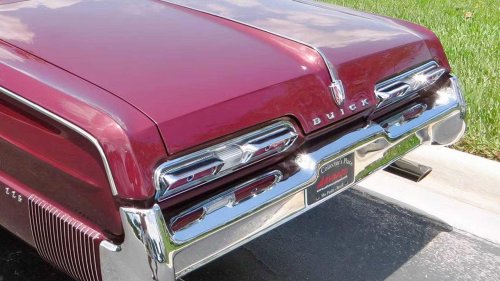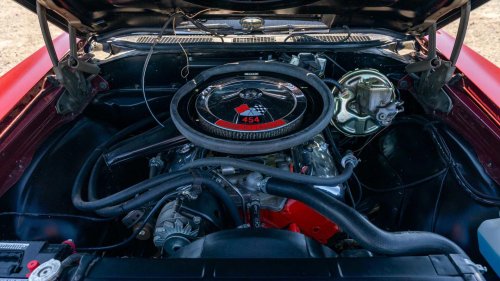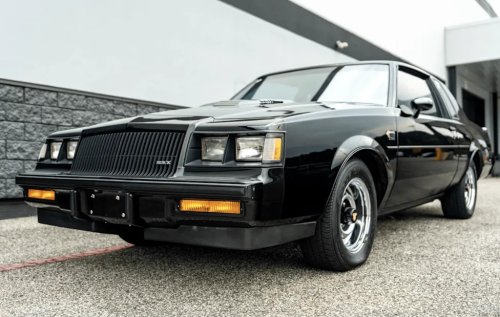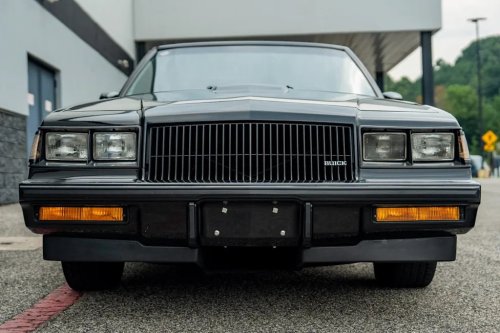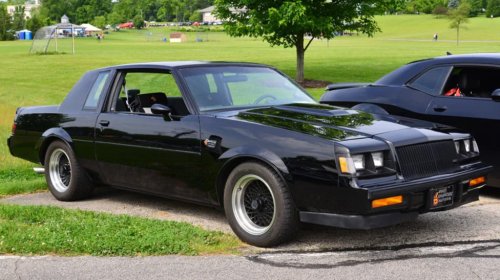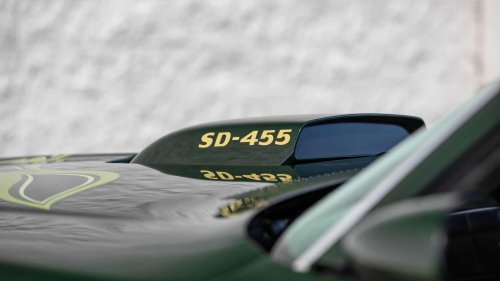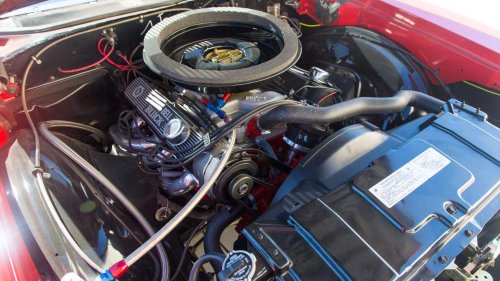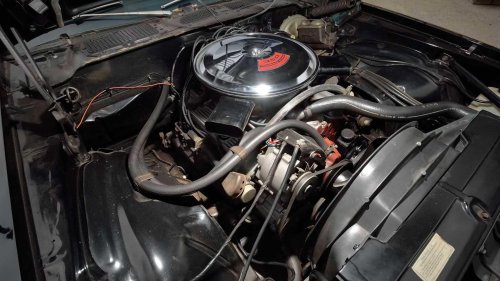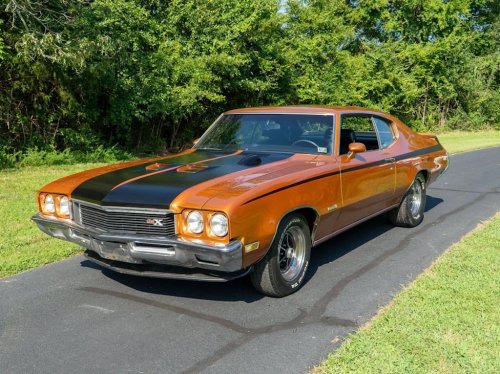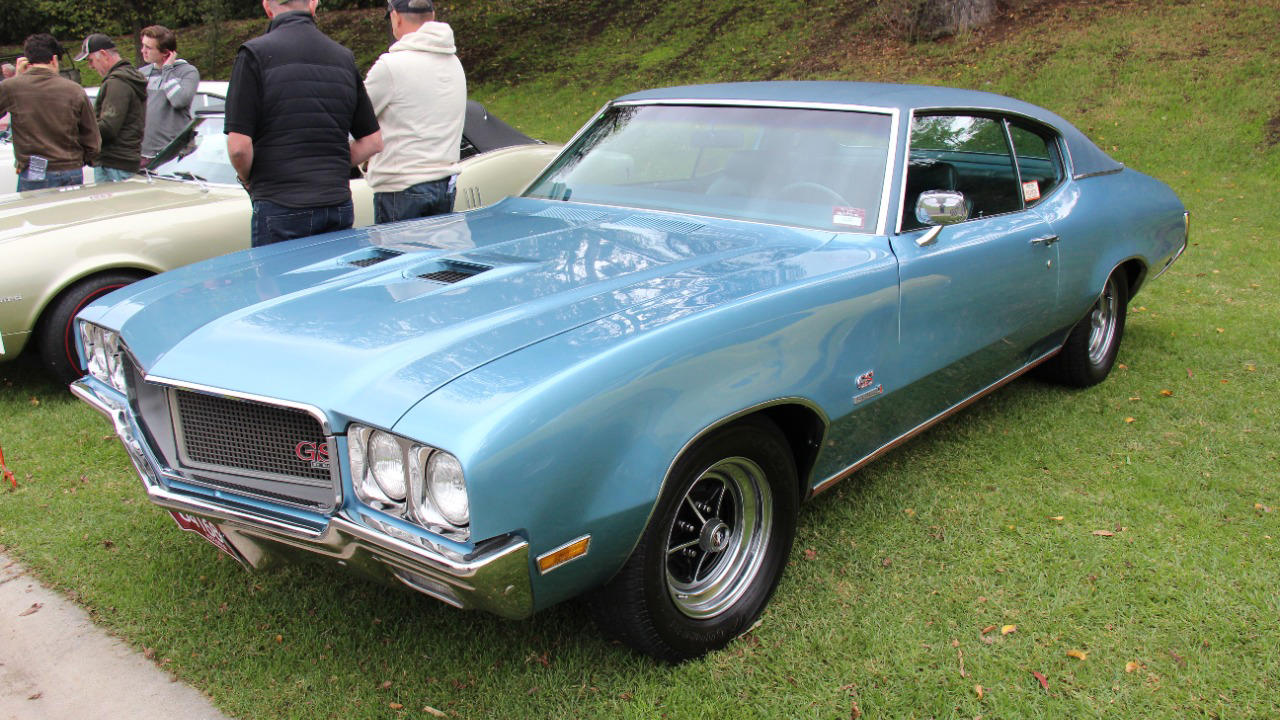



















Buick refined the GS Stage 1 into something drivers still respectAmong Detroit’s heavy hitters, the Buick GS Stage 1 carved out a different kind of muscle car legend. It did not shout the way some rivals did, yet it combined brutal torque with genuine comfort in a way drivers still admire. Buick refined the GS Stage 1 into a package that balanced engineering, civility, and straight-line violence, and that mix is why it still commands respect more than half a century later. Fast with class, by design From the start, the GS idea was about blending performance with a premium feel. The Buick GS, short for Gran Sport, arrived as a powerful yet refined muscle car that paired strong V8 performance with Buick’s trademark comfort and upscale character, as described in period Gran Sport coverage. Inside, the emphasis on genuine materials and quiet cruising set it apart from stripped-out street brawlers. One drag racing comparison notes that a GS Stage 1 could be priced at $3,284 and still justify the cost with genuine wood grain trim, comfortable bucket seats, and extensive sound deadening that made highway miles feel almost genteel even as the car hid serious power under the hood, according to a detailed drag test. That combination of manners and muscle was not accidental. Buick engineers treated the GS as a statement that luxury buyers did not have to surrender performance. The Stage 1 package became the clearest expression of that philosophy, taking an already strong big block and reworking it for torque, drivability, and durability rather than just headline horsepower. The Stage 1 engine that shocked rivals The heart of the legend is the 455 cubic inch V8 that powered the Stage 1 cars. Contemporary enthusiasts describe how the factory 455 engine was officially rated at 360 horsepower, with torque at 510 ft/lbs, and how dyno tests often suggested output closer to 420 hp, which fed a long-running belief that the engine had been deliberately underrated from the factory, as recounted in one detailed 455 overview. Another comparison of the 1970 Buick GS 455 Stage 1 with a later Buick performance icon repeats the key figures: powered by the 455 cubic inch (7.5L) V8, the Stage 1 version delivered a factory-rated 360 horsepower and 510 lb-ft of torque, making it the highest torque-rated American engine of its time, according to a detailed comparison. Buick did not stumble into those numbers. The Stage 1 package was described as comprehensive, with Buick engineers optimizing every engine component, from camshaft and compression to carburetion and ignition, in a factory blueprinting approach that treated each engine like a carefully assembled performance piece rather than a generic big block, as one in-depth engine breakdown explains. The focus was on real-world performance, not just peak dyno readings that looked good in brochures. Big valves, bigger torque Key to Stage 1’s character was its cylinder head design. Stage 1 heads featured larger intake and exhaust valves that dramatically improved airflow. One technical overview notes that Stage 1 heads carried intake valves sized at 2.125 inches and exhaust valves at 1.75 inches, figures that ranked among the largest ever fitted to a production car of the era, according to a detailed valve analysis. Hemmings-era coverage reinforces the same point, describing how Buick’s Stage 1 for 1970 used heads machined to accept larger 2.125 and 1.75-inch valves and was rated at 360 hp as a result of that breathing advantage, according to a detailed comparison test. This hardware was paired with a cam profile and compression ratio that favored torque at usable revs. Several sources describe how the 510 lb-ft of torque arrived at just 2,800 RPM, a figure that meant instant response in street driving and easy tire spin from a rolling start, as one video-focused torque explanation highlights. That low-RPM surge made the GS Stage 1 feel effortless, more like a big luxury car that happened to be ferociously quick whenever the driver leaned into the throttle. Chassis tuning that matched the power Buick did not stop at the engine. The 1970 GS came with the F41 heavy-duty suspension package, which included stiffer springs, firmer shocks, and thicker anti-roll bars that helped the car stay composed when the driver used all that torque, according to a detailed suspension overview. This setup gave the GS Stage 1 a more confident stance in corners than its size might suggest, and it helped the car put power to the ground without feeling completely overwhelmed. That balance between ride and control is a big part of why the GS Stage 1 still feels sophisticated by classic muscle standards. While some rivals sacrificed comfort for lap times, Buick tuned its heavy-duty hardware to preserve a smooth highway ride, which suited buyers who expected a Buick to remain quiet and composed even as it out-accelerated most of the muscle car field. On the strip: numbers that still impress Performance testing from the period shows how thoroughly the Stage 1 package delivered. One widely cited test of a GS 455 Stage 1 recorded a 13.2-second quarter-mile at approximately 102 mph, and the car earned a reputation as the fastest production car of its time based on that run, as recounted in a detailed quarter-mile report. Another comparison between a 1970 Oldsmobile 4-4-2 W-30 and a Buick GS Stage 1 notes that the Oldsmobile turned a 13.89-second quarter-mile pass at 101.1 m (162.7 k), while the Buick GS Stage 1 cut that time further in the same test environment, according to a thorough matchup. Enthusiasts took those numbers and gave the GS Stage 1 a nickname that still circulates: “Hemi killer.” One detailed video account describes how this model was known as a Hemi killer and considered a formidable street car, combining that 13.2-second performance with a reputation for embarrassing more flamboyant rivals, as captured in a focused street legend. The car did all this while looking relatively understated compared with winged Mopars or stripe-heavy Chevrolets. Stage 1 vs. the world Comparisons with rivals underline how carefully Buick refined the GS Stage 1. In a head-to-head with the Oldsmobile 4-4-2 W-30, testers highlighted how the Buick’s torque advantage translated into stronger midrange pull and slightly better quarter-mile times, even though both cars were rated in the same general horsepower neighborhood. Hemmings-era coverage notes that Buick built 2,465 Stage 1s, each Rated at 360 hp and equipped with those 2.125 and 1.75-inch valves, which made the car rare enough to feel special but not so scarce that it disappeared from the streets, according to the same detailed production summary. Other sources point out that the Stage 1 version delivered a factory-rated 360 horsepower and 510 lb-ft of torque, and that combination made it the highest torque-rated American engine of its time, even compared with some famous big-block Chevrolets and Mopar Hemis, as highlighted in a detailed Stage 1 comparison. That statistic alone explains why modern drag racers still line up GS Stage 1 cars against Oldsmobile 4-4-2 W-30s and other icons in nostalgia events. GSX: when appearance met Stage 1 substance If the GS Stage 1 was Buick’s sleeper, the Buick GSX was its extrovert sibling. The 1970 Buick GSX was primarily an appearance package that layered bold graphics, spoilers, and bright colors over the GS body, and period accounts list the cost of this appearance package at $1,195, a significant premium that bought visual drama as well as exclusivity, according to a detailed GSX breakdown. One description of the most famous color combination refers to this Saturn yellow model with a blacked-out hood, dual intake scoops, a hood tach, a lower front air dam, a pedestal mount rear spoiler, and stripes that run up the sides, which turned the GSX into a rolling billboard for Buick performance, as seen in a focused feature. Under that showy exterior, the Stage 1 performance package made it even more powerful, with repeated references to how the Stage 1 performance package made it even more powerful than the standard GSX setup, according to a detailed GSX history. Production numbers were low, with one account stating that 678 Buick GSX cars were built and 400 of those were Stage 1 models, a combination of rarity and performance that has driven some examples to sell for over $200,000 in modern auctions, as recounted in a detailed collector overview. Refinement through the early 1970s As emissions regulations and insurance pressures tightened, Buick kept refining the Stage 1 concept rather than abandoning it overnight. Coverage of the 70 Gs Stage 1 highlights how it had 360 hp along with a bigger cam, bigger valves, stronger valve springs, a different distributor timing curve, different carburetor jetting, and a cold air intake, all of which pointed to an engineering effort to squeeze performance from a changing regulatory environment, according to a detailed Stage 1 summary. Another technical review notes that the new big block was rated at 350 hp and 510 lb-ft (691 Nm) of torque and that this torque figure was not surpassed by an American production engine until much later, which underscores how far ahead of its time the GS Stage 1 was in terms of twist, as explained in a detailed torque analysis. The 1971 and 1972 cars carried the concept forward even as official ratings dropped. One museum description of a 1971 Buick GSX Stage 1 coupe explains that the Stage 1 package still included the 455 engine with high lift cams and notes that it was named by Motor Trend as the quickest American Production Muscle Car, which reflects how the car remained a performance benchmark even in a changing market, according to a detailed museum profile. Coverage of the 1972 Buick GS Stage 1 describes it as the final and perhaps most refined chapter in Buick’s muscle car lineup, Built on the Skyl based platform and officially rated at 270 horsepower, with The Stage 1 still regarded as a true performance car that was fast, powerful, and rare, especially with a 4-speed manual, according to a detailed 1972 overview. Holding the line as the muscle faded By 1973, the muscle car era was fading, yet Buick still found a way to keep the Stage 1 spirit alive. One detailed account of the 1973 Buick Century Gran Sport Stage 1 explains that, featuring a sleek, understated design, the Buick Century Grand Sport Stage 1 housed a potent 455 cubic-inch V8 engine that produced enough power to remain a serious contender on both street and strip, according to an enthusiast model profile. Another club write-up notes that while the industry was beginning to scale back performance due to regulations, Buick held strong with the Stage 1 package and powered the Century with a 455 that delivered serious performance wrapped in luxury, as described in a detailed club feature. More from Fast Lane Only Unboxing the WWII Jeep in a Crate 15 rare Chevys collectors are quietly buying 10 underrated V8s still worth hunting down Police notice this before you even roll window down