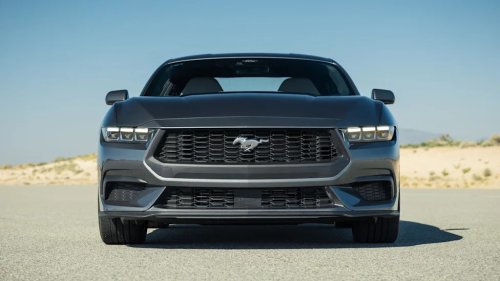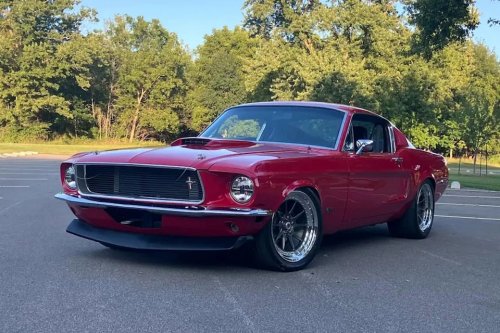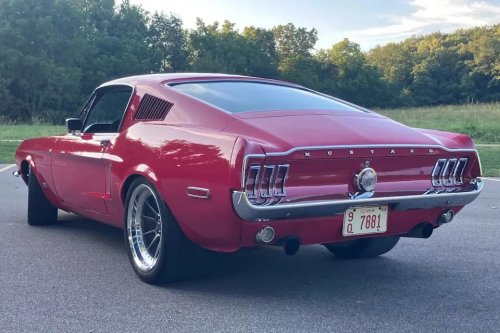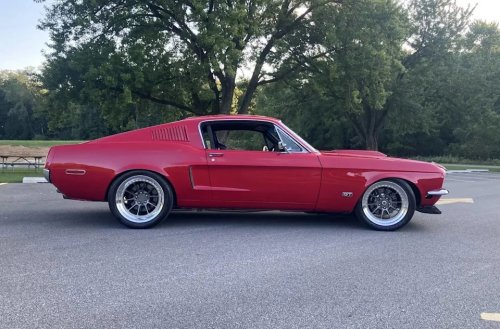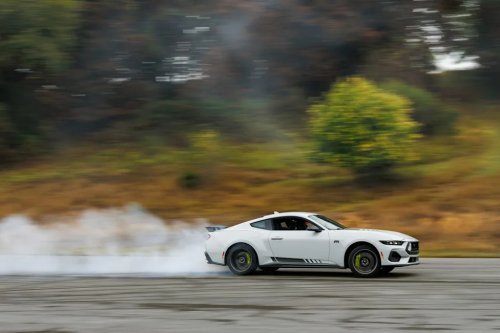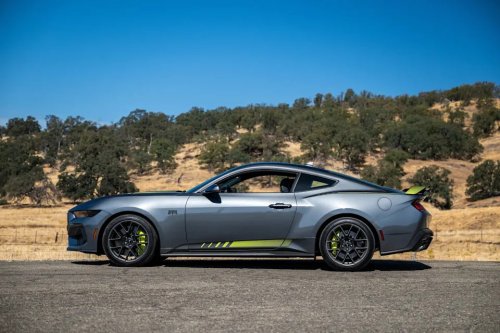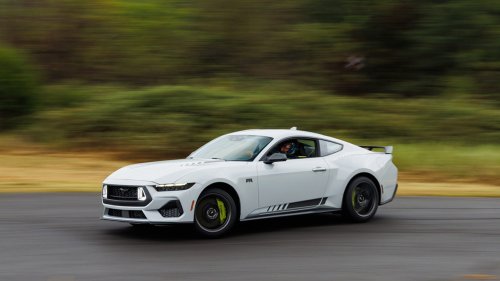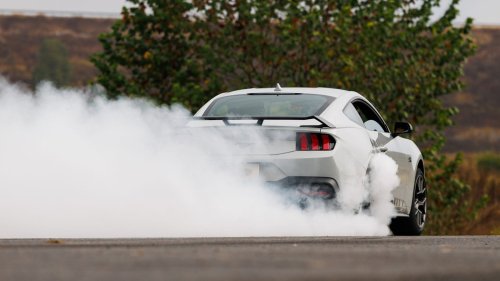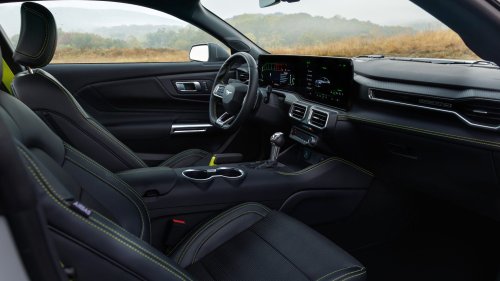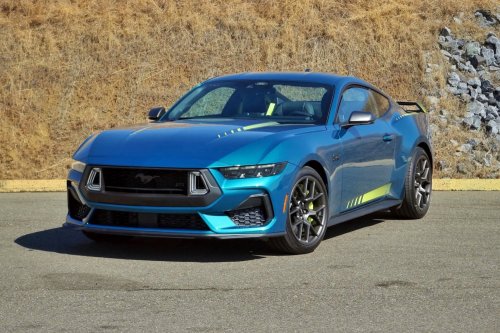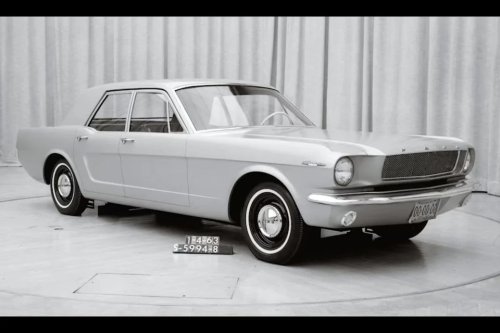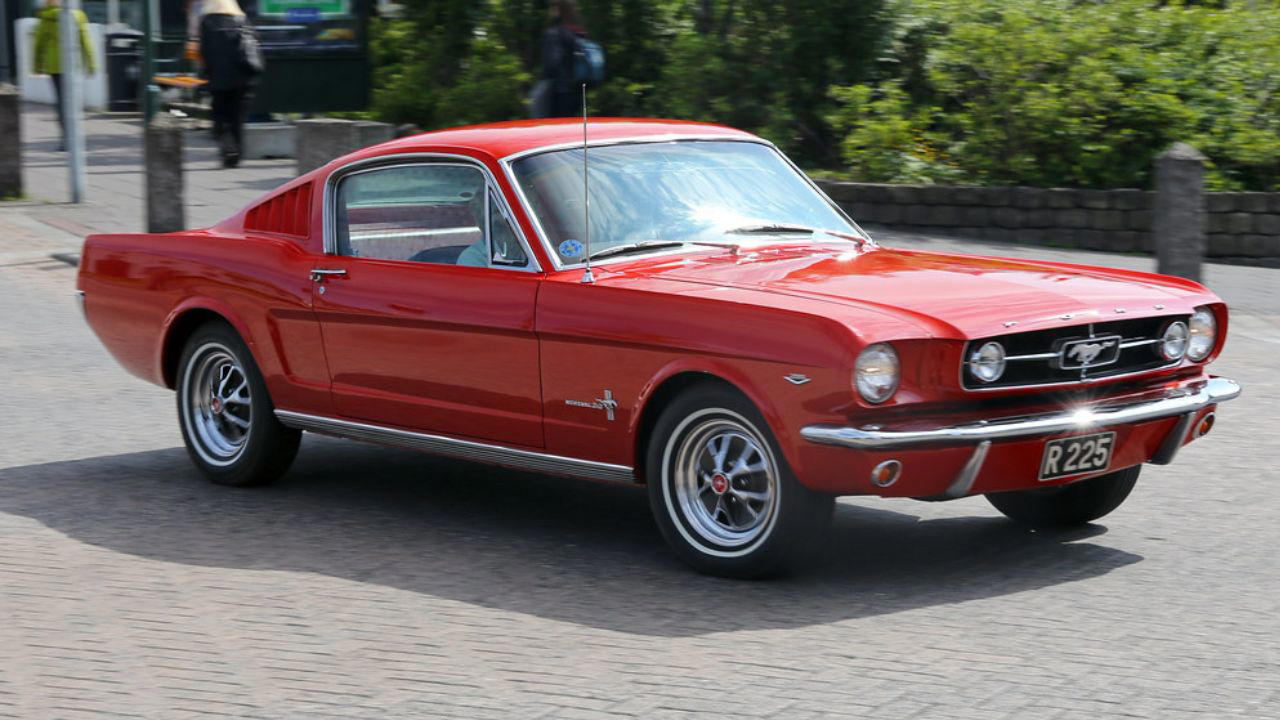



















The 1965 Ford Mustang Fastback quickly won over driversThe 1965 Ford Mustang Fastback arrived as more than a new body style. It crystallized what drivers wanted from an American car in the mid‑1960s: styling that looked racy even at a standstill, performance that felt accessible, and a price that put that experience within reach of a broad middle class. Within months, the fastback configuration helped turn the Mustang from a successful launch into a full‑blown cultural force. Nearly six decades later, that first‑generation fastback still shapes how enthusiasts judge both classic muscle and modern pony cars. Its mix of sleek roofline, practical 2+2 layout, and flexible powertrain options continues to influence how Ford tunes and markets the Mustang, and it still guides what collectors seek when they decide which vintage pony car to chase. What happened When Ford extended the Mustang lineup beyond the original coupe and convertible, the fastback was the piece that completed the picture. The 1965 Mustang Fastback introduced a sweeping roof that flowed into the tail, a pair of functional rear air vents on many models, and a 2+2 seating layout that could fold flat to expand cargo space. It was not simply a styling exercise; it was designed to give the Mustang more visual speed and to make it more useful for drivers who wanted both weekend fun and weekday practicality. Under the skin, the fastback shared the same basic platform as its siblings, but buyers could pair the new roofline with the full spread of powertrains. That meant everything from modest six‑cylinder engines to the 289 cubic inch V8 in both standard and high‑performance tune. A later review of a surviving 1965 Mustang GT with a 289 V8 and manual transmission describes how that combination still feels eager and flexible, with a free‑revving character that suits the car’s compact size and relatively light weight, and that same report notes how collectors now debate whether such a car justifies a price of $69,500. The fastback’s shape was not only about boulevard appeal. Ford quickly aligned the body style with competition. The sloping roof and improved aerodynamics made the fastback the natural choice for road racing, especially as the Mustang entered series where it faced European and American rivals. Ford’s own recounting of its motorsport achievements links the early Mustang fastbacks with a broader run of historical racing victories, from domestic touring car championships to high‑profile endurance events. The fastback became the silhouette that enthusiasts associated with track‑ready Mustangs, especially once Shelby‑tuned versions built on the same basic body. On the showroom floor, the fastback immediately broadened the Mustang’s appeal. Buyers who saw the coupe as too formal or the convertible as too frivolous gravitated to the new profile. The car looked closer to a European GT, yet it retained the Mustang’s accessible pricing and options structure. That blend of image and attainability helped the Mustang sustain its early sales momentum, which had already surprised Ford executives when the nameplate launched. Over time, the 1965 fastback also became a template for later reinterpretations. When Ford revived retro‑inspired styling in the mid‑2000s and again refined the car for the current generation, designers repeatedly returned to the gentle fastback arc, the kicked‑up rear haunches, and the long hood that defined the original 2+2. Modern performance variants still trade on that lineage, even as they incorporate far more power and technology than the early cars could offer. The market has grown more discriminating about which 1965 fastbacks it values. While well‑preserved GT models and carefully restored high‑spec cars can command strong prices, not every customized example attracts bidders. One recent auction of a heavily modified 1965 fastback, complete with non‑original bodywork and modernized details, failed to produce a sale on two separate attempts. Coverage of that listing highlighted how the car’s alterations, which erased much of the original character, left no clear audience among collectors who either want authenticity or fully engineered restomods with documented upgrades. At the same time, the 1965 fastback continues to serve as a benchmark when commentators compare classic and modern Mustangs. Analysts who recently stacked a current Mustang against its 1965 ancestor noted that the modern car’s base price exceeds the original’s inflation‑adjusted cost by more than eight thousand dollars, yet the new model delivers dramatically higher performance, safety, and comfort. One comparison framed the current car’s pricing by pointing out that the 2025 Mustang costs than a 1965 Mustang would in today’s dollars, while also offering far more capability. Why it matters The 1965 Mustang Fastback matters because it locked in the formula that still defines the pony car. Affordable performance had existed before, but the fastback wrapped that idea in a shape that signaled speed and modernity without requiring exotic engineering or luxury‑car budgets. The car’s quick acceptance among drivers showed that there was a large audience for a sporty 2+2 that could handle commuting, road trips, and weekend autocrosses with equal ease. That formula continues to influence how Ford positions the Mustang against rivals. Recent comparison testing between the latest Mustang and the final generation of the Dodge Challenger framed the Ford as the car that still balances agility, straight‑line speed, and livability in a way that traces back to the first‑generation fastback. In that evaluation, the 2024 Mustang’s chassis tuning, steering feel, and powertrain options helped it edge out the outgoing 2023 Challenger in key categories of performance and everyday usability, with testers concluding that the 2024 Mustang carried forward the spirit of the original while the Challenger leaned more heavily on brute force and nostalgia. For enthusiasts, the 1965 fastback has become a reference point when they assess how much car they are getting for the money. The original delivered strong acceleration for its era, especially with the higher output 289 V8, yet it did so with a relatively simple live rear axle, unassisted steering on many examples, and drum brakes unless upgraded. Modern Mustangs, by contrast, offer independent rear suspension, multi‑piston disc brakes, stability control, and advanced driver aids. Those additions contribute to the price gap that analysts highlight, but they also transform how the car can be used, from daily commuting to track days. Collectors see the 1965 fastback as a bellwether for the broader classic Mustang market. Values for authentic, well‑documented cars influence how insurance companies set agreed‑value policies, how restoration shops price their work, and how younger buyers decide whether to enter the classic segment. The debate over whether a clean 289 GT is worth nearly seventy thousand dollars reflects a larger conversation about how much premium the market should place on originality, matching‑numbers drivetrains, and period‑correct options compared with tasteful modifications that improve drivability. The fastback’s role in motorsport history also continues to matter. Early racing successes for Mustang fastbacks helped legitimize the idea that an American compact coupe could compete with European sports cars on road courses. Ford’s own celebration of its racing history links those early wins to a lineage that includes later triumphs in touring car series, rally stages, and endurance races. By placing the original Mustang fastback in that continuum of Ford racing achievements, the company reinforces the idea that the car was not just a styling success but a genuine performance platform. In the broader automotive culture, the 1965 fastback has become a visual shorthand for the Mustang brand. Film and television often choose that body style when they want to signal a character’s taste for classic American performance. Restomod builders use it as a canvas for modern drivetrains, from fuel‑injected small blocks to electric conversions. Even when those projects depart significantly from stock, they rely on the enduring appeal of the original roofline and proportions to attract attention. The contrast between highly valued originals and less successful customs underlines how specific the market’s expectations have become. The modified 1965 fastback that failed to sell twice demonstrates that buyers are not simply chasing any car with a Mustang badge. They respond to coherent stories, whether that means a carefully preserved survivor, a faithful restoration, or a thoughtfully engineered performance build. Cars that sit in a vague middle ground, with styling changes that blur the identity of the original without delivering clear performance benefits, struggle to find buyers even when the base car is a desirable fastback. Modern pricing comparisons also shape how enthusiasts think about value. When analysts point out that a current Mustang costs significantly more than its 1965 counterpart would in today’s money, they invite readers to weigh that difference against the gains in power, safety, and technology. For some, the simplicity and analog feel of the original fastback still win. For others, the idea of a modern Mustang that can match or exceed the acceleration of historic high‑performance variants while remaining quiet and comfortable on long drives justifies the premium. The 1965 fastback’s influence even extends to later generations that tried to reinterpret the Mustang formula. Enthusiast discussions of underappreciated models, such as the early 1970s cars that grew larger and more complex, often compare those cars back to the lithe 1965 fastback to argue whether the nameplate drifted too far from its roots or simply adapted to new regulations and tastes. Similarly, coverage of 1990s Mustang GT convertibles and coupes frequently references the original fastback when describing how the brand navigated changing performance expectations and design language. What to watch next The future of the 1965 Mustang Fastback’s reputation will likely be shaped by two parallel trends: how the classic market evolves and how Ford steers the modern Mustang through tightening emissions rules and shifting consumer preferences. On the classic side, demographic change will determine whether values for first‑generation fastbacks hold, climb, or soften. As collectors who grew up with these cars age, younger buyers may favor different eras. Even so, the first‑generation fastback’s iconic status, frequent screen appearances, and central role in Mustang lore give it an advantage over less instantly recognizable variants. Auction results that show strong interest in authentic cars and hesitation around poorly conceived customs suggest that buyers will continue to reward originality and well‑documented upgrades. Market observers will watch how pricing for high‑quality 1965 fastbacks tracks against rising costs for modern performance cars. If new Mustangs continue to climb in price faster than inflation, the relative appeal of a classic car that can still deliver engaging performance may increase. Analysts already use the inflation‑adjusted comparison between a 1965 Mustang and a 2025 model, where the newer car is more than eight thousand dollars higher, as a talking point in debates about attainable performance. That gap may widen if regulatory and technology costs keep pushing new‑car prices upward. On the new‑car front, Ford faces the challenge of keeping the Mustang relevant in an era of electrification and changing performance norms. The latest generation leans heavily on the heritage of the 1965 fastback, with a familiar profile, rear‑drive layout, and available V8, yet it also incorporates advanced electronics, driver assistance systems, and digital interfaces. Recent comparison tests that pit the newest Mustang against rivals such as the Dodge Challenger show that Ford is still positioning the car as the driver’s choice, with handling and feedback that resonate with enthusiasts who value the connection they feel in older cars. More From Fast Lane Only: Unboxing the WWII Jeep in a Crate 15 rare Chevys collectors are quietly buying 10 underrated V8s still worth hunting down Police notice this before you even roll window down