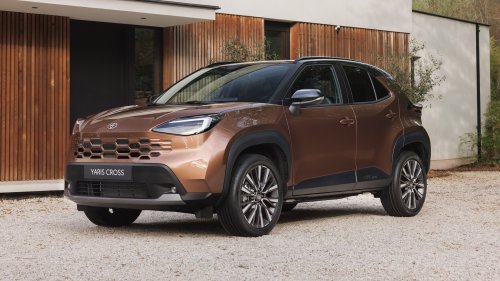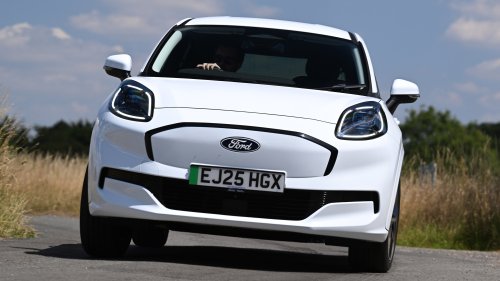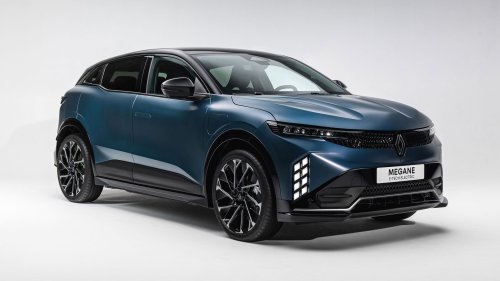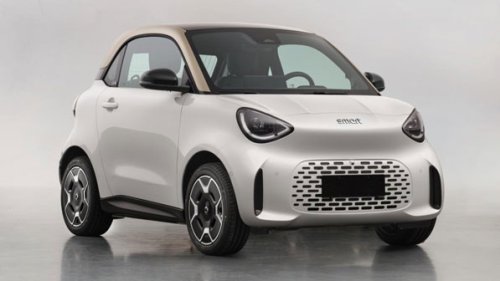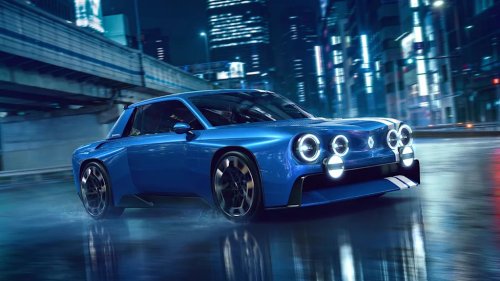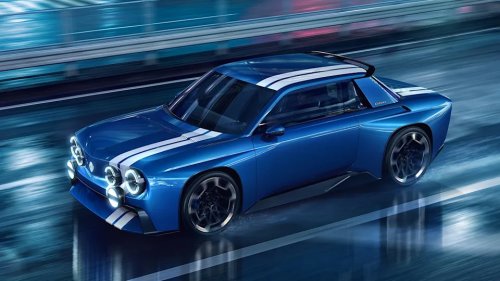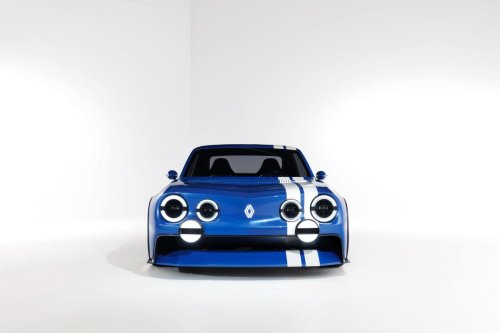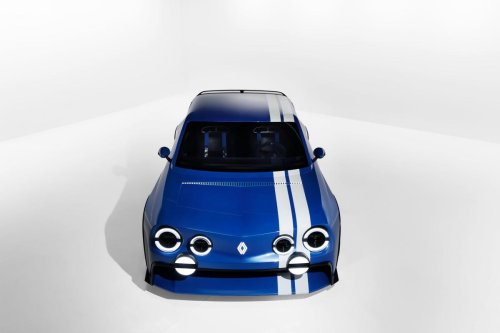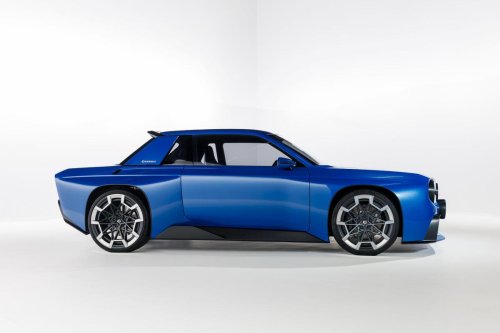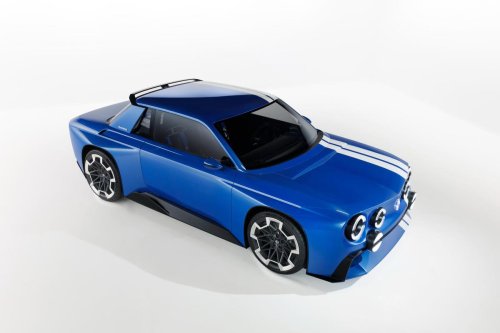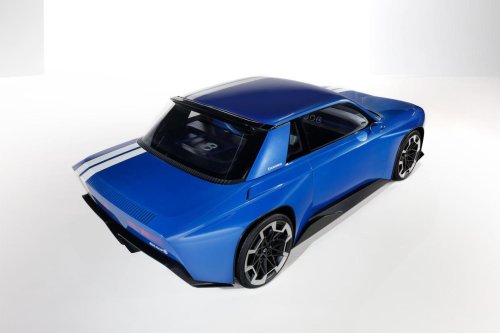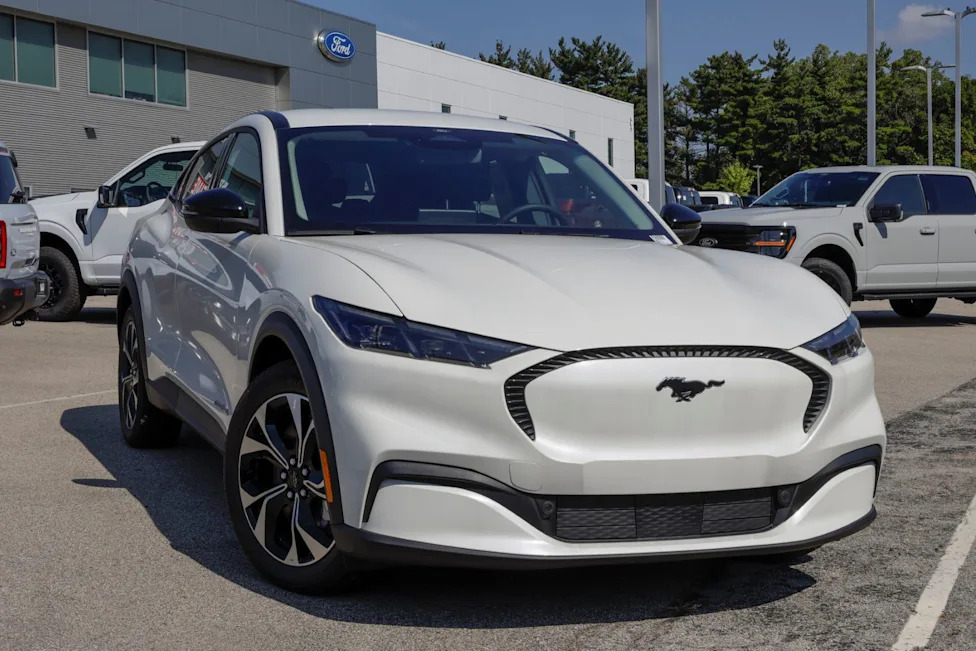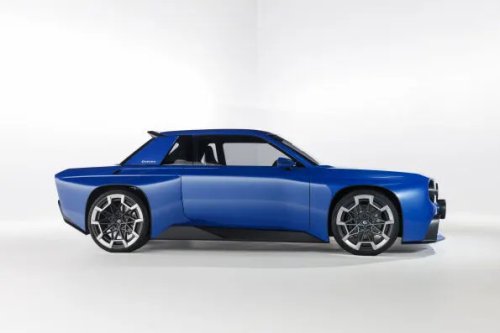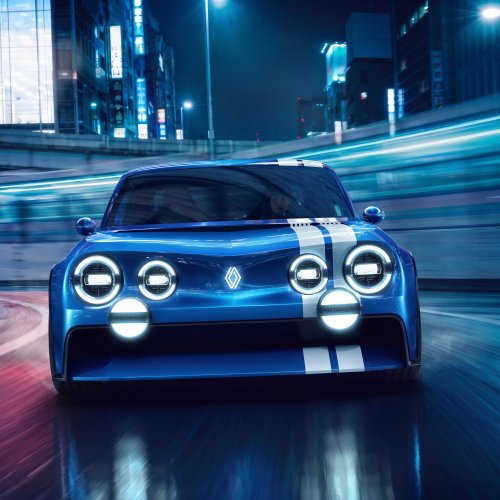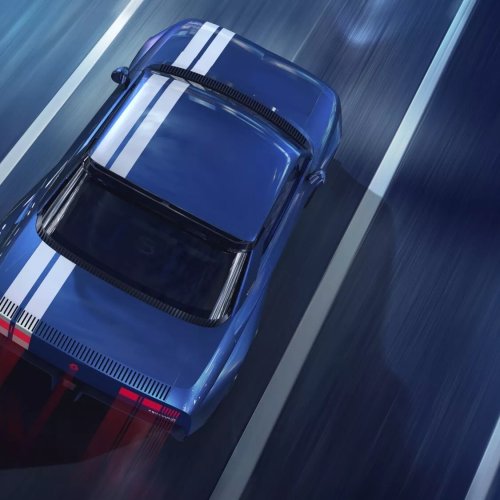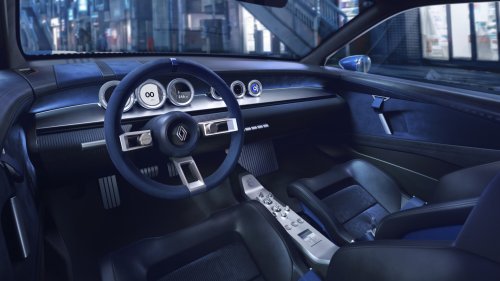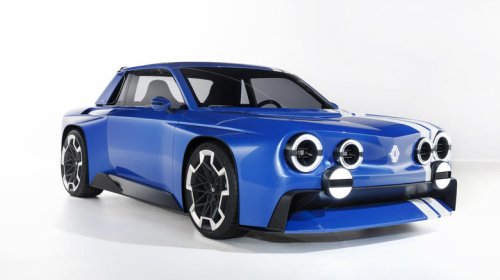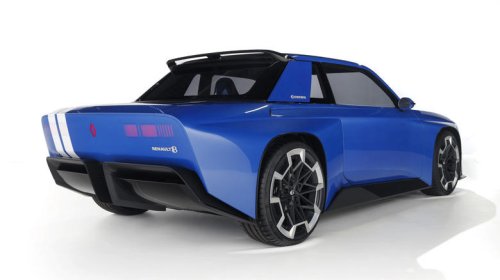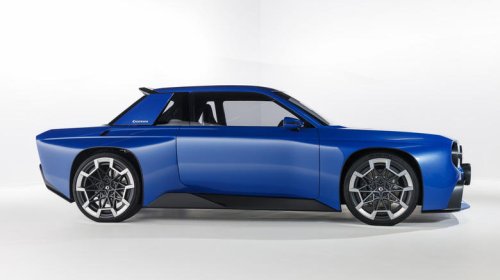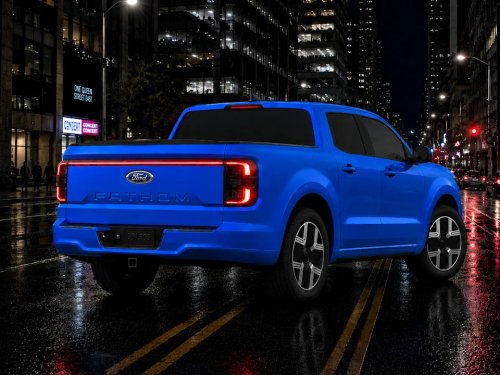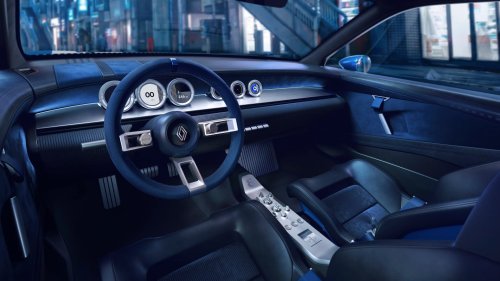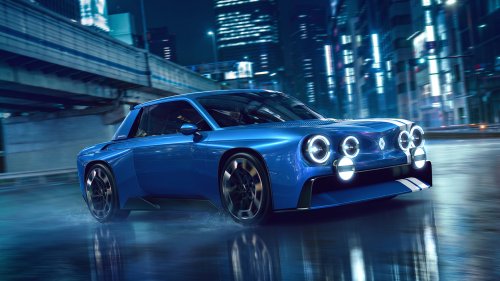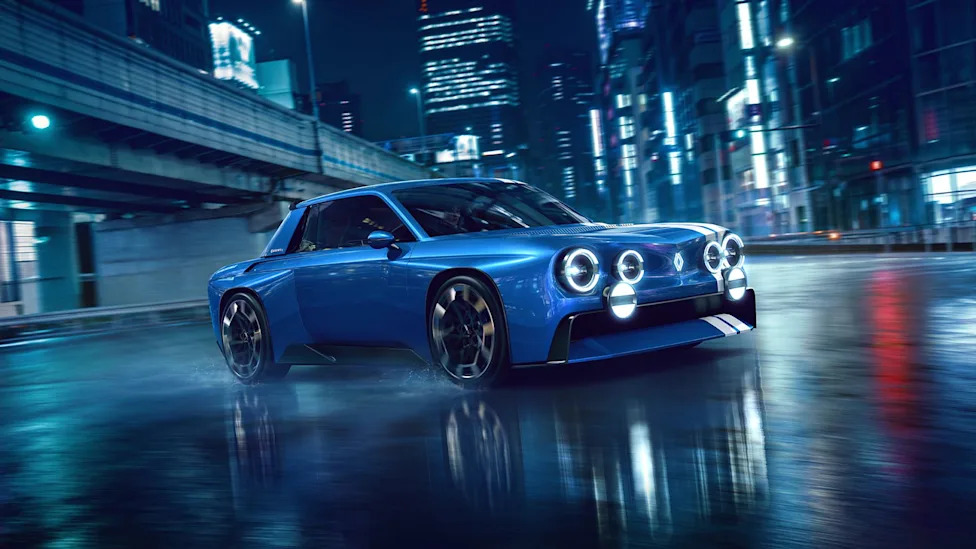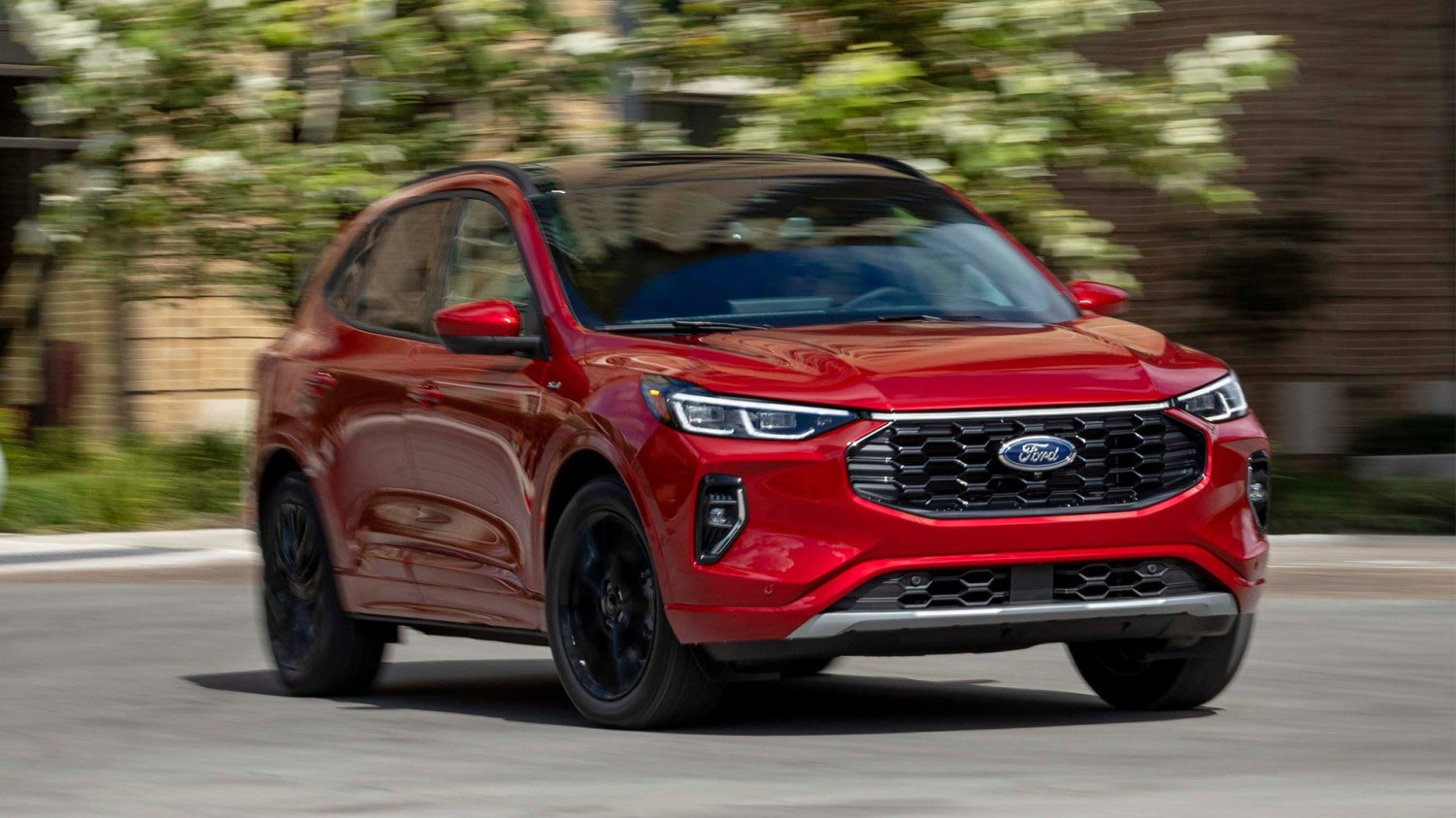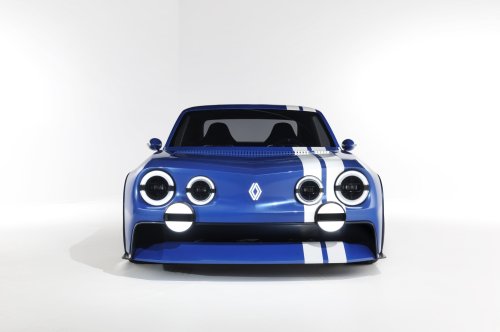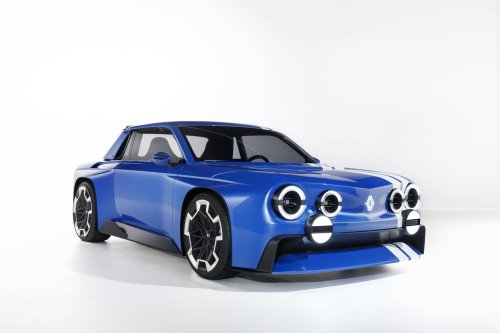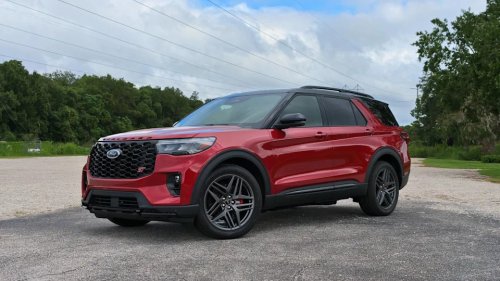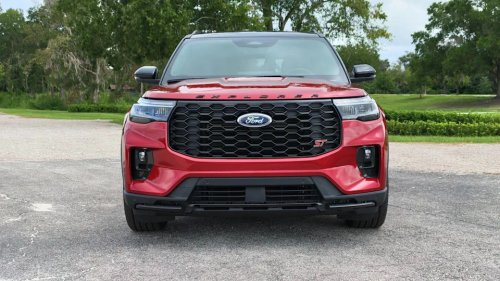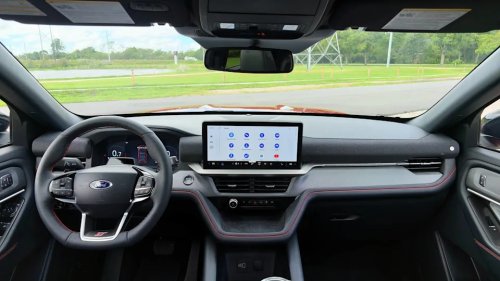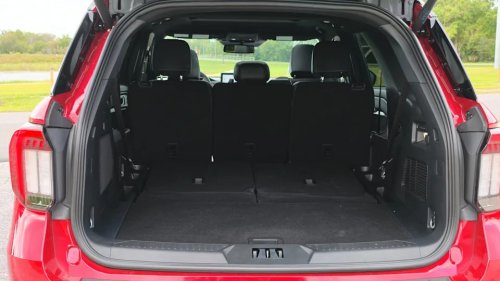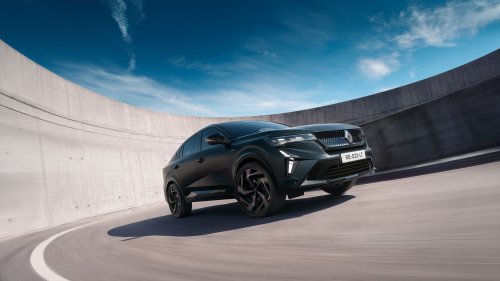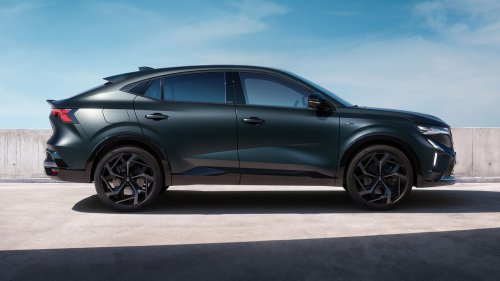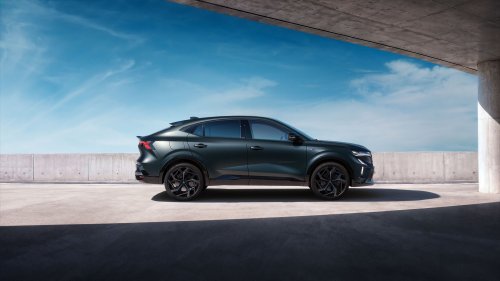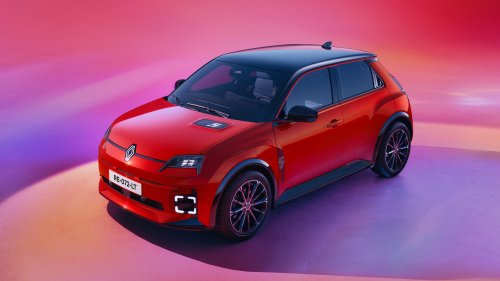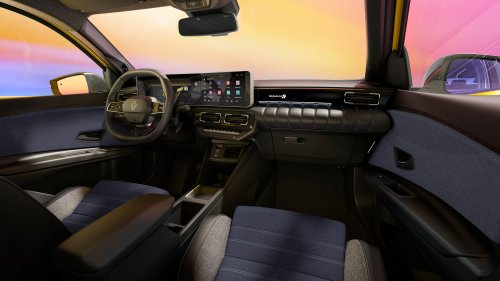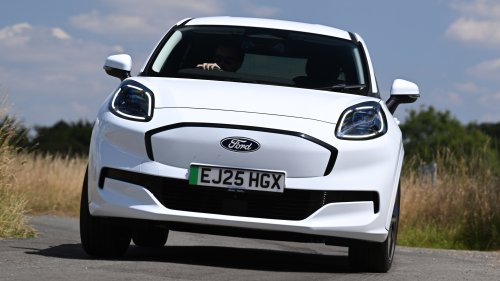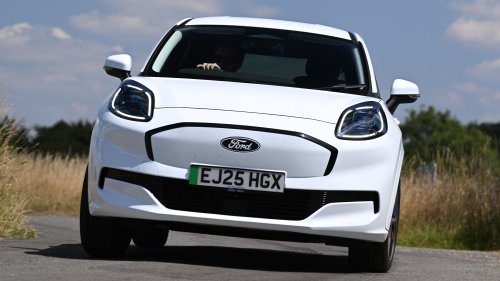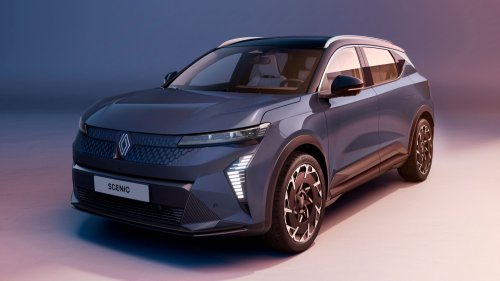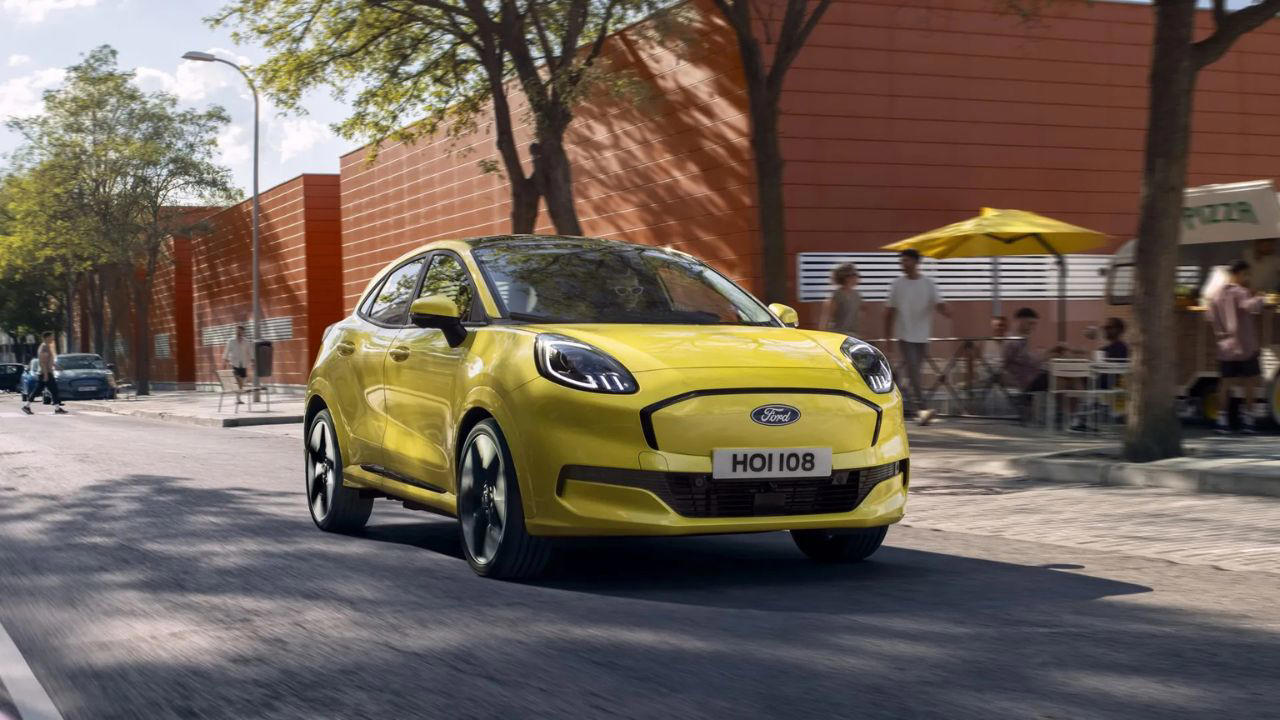



















Ford is preparing a second-generation Puma that will go fully electric around 2028, and the project is already attracting attention for one unusual detail. Instead of relying solely on in-house hardware, the compact crossover is expected to draw heavily on technology from Renault, including the platform that will also underpin the reborn Renault 4. The result is shaping up as a Franco-American mash-up aimed squarely at Europe’s fast-shifting small EV market. The Puma Gen-E will sit at the heart of a broader tie-up between Ford and Renault that covers compact hatchbacks, crossovers, and light commercial vehicles. This partnership could reshape how mainstream brands tackle the expensive transition to electric power, especially in price-sensitive segments where margins are thin and rivals are multiplying. What will actually change with the Ford Puma Gen-E in 2028 According to early product briefings, the next Puma will move from a combustion-derived platform to a dedicated electric architecture shared with the upcoming Renault 4. Reporting on Ford’s small-car strategy in Europe indicates that the Gen-E will use the same basic underpinnings and battery technology as the new Renault 4 crossover, giving Ford a shortcut into a modern, compact EV toolkit without developing one from scratch. The plan is for the Puma successor to arrive around 2028, timed closely with Renault’s own rollout of its small electric SUV family, and to lean on the same scalable components for motors, power electronics, and battery modules as the French model described in Renault 4. Visually, the Gen-E is expected to stay close to the current Puma’s formula, with a compact footprint and a high-set driving position that fits European city streets and tight parking. Under the skin, however, the switch to a Renault-derived EV platform should unlock a flat floor, a longer wheelbase relative to the overall length, and more cabin space, especially in the rear. Battery packs are likely to be mounted low in the chassis, which should improve handling and free up luggage room in the nose or under the boot floor compared with the current car’s packaging compromises. The powertrain range is tipped to cover everyday commuting and longer trips rather than chasing headline performance. Sources around Ford’s European strategy describe a family of small EVs with battery sizes and motor outputs tuned for affordability and efficiency, not for drag-strip runs. That approach matches the wider five-car electric plan for Ford of Europe, which includes a rally-inspired compact hatch and other small models developed with partners, as outlined in the brand’s five-car European strategy. Inside, the shared architecture with Renault should allow Ford to integrate the latest driver-assistance systems and over-the-air software updates, since these are baked into the platform electronics. Buyers can expect a fully digital instrument cluster, a large central touchscreen, and a simplified control layout that borrows from Ford’s newest EVs while still leaving room for physical controls where European customers expect them. The Puma’s current focus on practical touches, such as flexible storage and easy-clean materials, is likely to carry over, now supported by more efficient packaging. Why a Renault-linked Puma EV matters for Ford and for the market The decision to base the Puma Gen-E on Renault hardware is less about novelty and more about survival in a segment under intense pressure. Developing a bespoke small-car EV platform is expensive, and Ford has already pulled back from some unprofitable compact projects in Europe. By tapping Renault’s small EV toolkit, Ford can spread costs, shorten development times, and bring a competitive electric crossover to market at a price that still makes sense for buyers who currently drive petrol Pumas or Fiestas. This cooperation sits within a broader Ford Renault alliance on compact electric vehicles and light vans. Reporting on the partnership describes a program in which Renault supplies the underlying EV architecture and some powertrain components, while Ford focuses on design, tuning, and branding for its own models. The arrangement is expected to cover multiple vehicles, including a Fiesta successor and the Puma Gen-E, and to feed into a shared production footprint in Europe. Coverage of the agreement highlights how the two groups plan to co-develop small EVs and commercial vehicles to tackle cost and regulatory pressures across the region, a strategy detailed in analysis of the French origins of Ford’s next-gen small cars. The stakes are high because the small EV segment is heating up quickly. Renault is preparing the new 5 and 4, Stellantis is rolling out compact electric Peugeots, Opels, and Fiats, and Volkswagen is working on its own budget-focused electric hatchbacks. At the same time, premium brands are coming down in size, with reports that BMW is planning an electric i1 for around 2028, aimed at the same city-friendly footprint that the Puma occupies today. The upcoming BMW i1 underlines how crowded the lower end of the EV market will become just as Ford’s new crossover arrives. For Ford, the Puma Gen-E is also a way to keep a foothold in the role once played by the Fiesta. With the Fiesta discontinued in Europe, the brand risks losing younger and budget-conscious customers to rivals that offer stylish, compact EVs. The new Puma-based electric crossover, paired with a Renault-based Fiesta successor, gives Ford a two-pronged response in hatchback and crossover form. Reporting on Renault’s electric small-car program suggests that the same hardware family will underpin both the retro-styled Renault 5 and Ford’s future supermini, creating a cluster of related models that share costs yet target different buyer tastes, as described in coverage that asks whether Renault is about to revive a Ford-badged supermini for the EV era in new EV era. The partnership also has implications for charging and software ecosystems. If Ford and Renault align on charging interfaces, battery management, and digital services, owners could benefit from broader charging-network compatibility and faster rollout of software features. That kind of cooperation is increasingly common among legacy carmakers that need scale to compete with Tesla and Chinese manufacturers on both hardware and digital experience. How the Puma Gen-E sets up Ford’s next moves after 2028 The Puma Gen-E is not just a single product, it is a test case for how far Ford is willing to go with platform sharing in Europe. If the Renault-based crossover lands well with customers, it opens the door for deeper collaboration on future generations of small EVs and possibly on mid-size models. Analysts already expect the Ford Renault tie-up to stretch across multiple vehicle cycles, with shared updates to battery chemistry, motor efficiency, and software stacks that can be rolled out across both brands’ lineups. In practical terms, the Puma Gen-E will likely arrive into a market where price pressure is intense and incentives are less generous than during the first wave of EV adoption. That environment will reward manufacturers that can keep costs down without stripping out the features buyers now expect, such as fast charging, advanced driver assistance, and connected infotainment. The cost-sharing embedded in the Ford Renault deal is designed to achieve exactly that, particularly in segments where buyers are cross-shopping against combustion cars and entry-level Chinese EVs. The next step in this strategy will be how Ford positions the Puma Gen-E relative to its other European EVs. The brand already sells electric crossovers based on Volkswagen’s MEB platform and has larger models on its own architectures. The Puma Gen-E will sit below those in size and price, effectively acting as the gateway into Ford’s EV range. Its success or failure will influence whether Ford continues to outsource small-car platforms or brings more of that development back in-house once volumes grow. There is also a competitive dynamic among alliances. While Ford and Renault join forces on compact EVs and vans, other groups are forming their own clusters. Stellantis spreads its small EV technology across Peugeot, Opel, Citroën, and Fiat, while Volkswagen looks to share platforms with partners in China. The Puma Gen-E, built on Renault hardware, becomes one visible manifestation of this broader realignment, where brand identity is shaped more by design, tuning, and software than by unique mechanical foundations. More from Fast Lane Only Unboxing the WWII Jeep in a Crate 15 rare Chevys collectors are quietly buying 10 underrated V8s still worth hunting down Police notice this before you even roll window down *Research for this article included AI assistance, with all final content reviewed by human editors