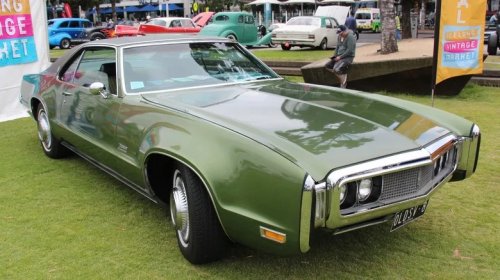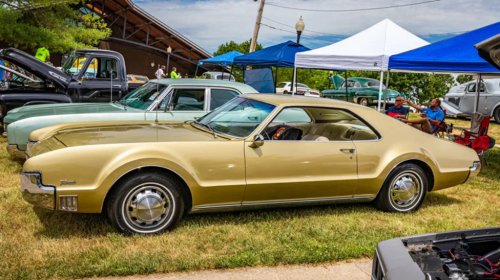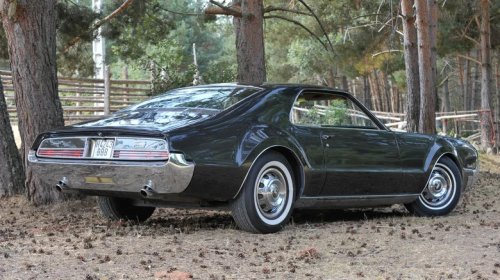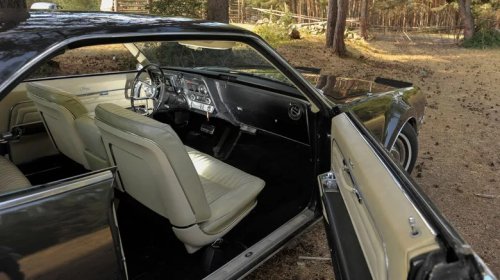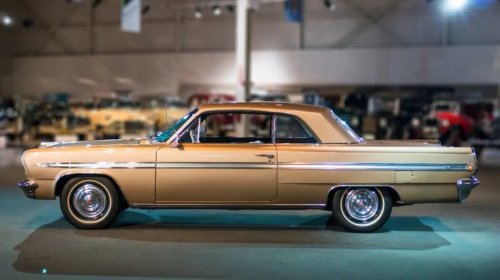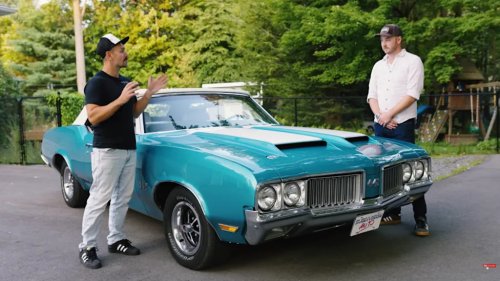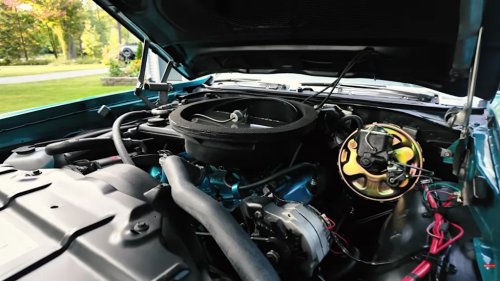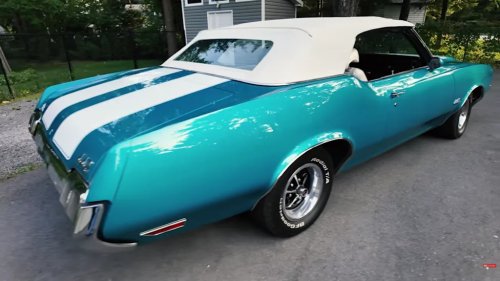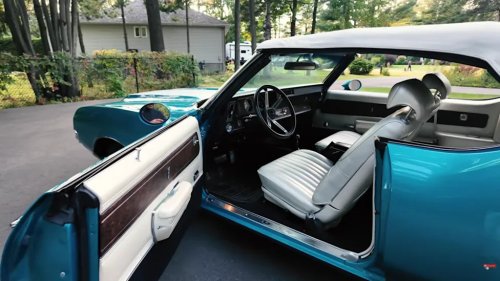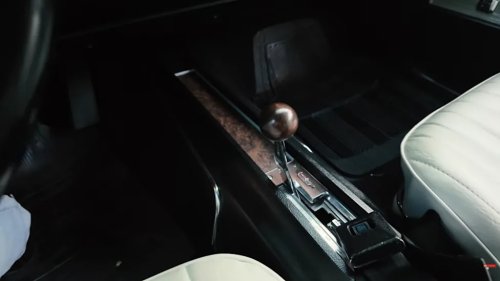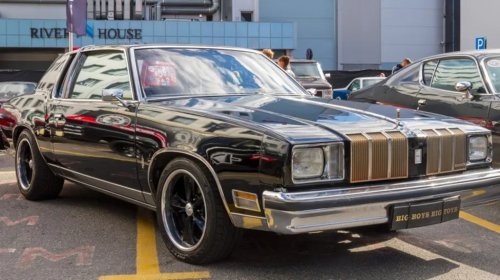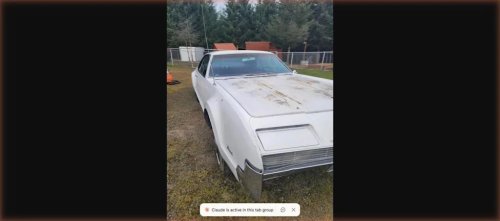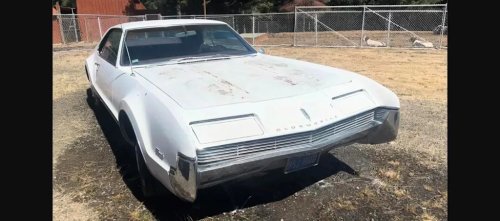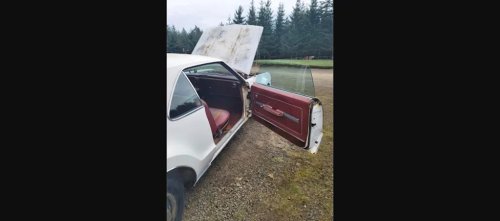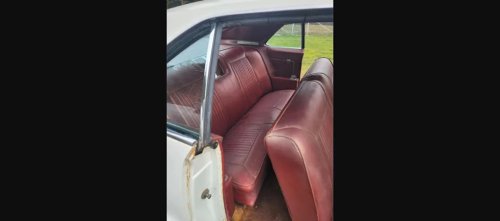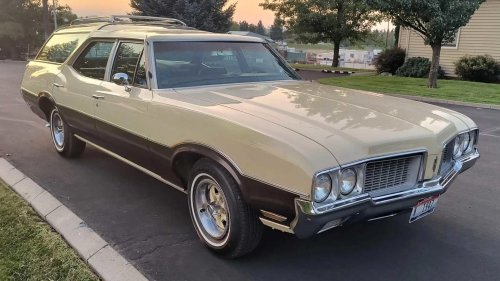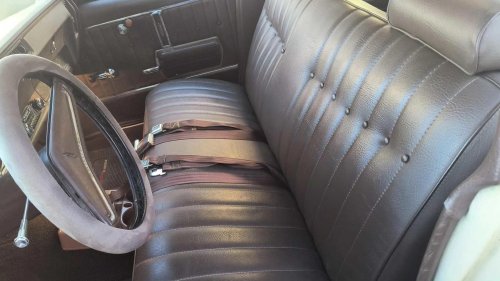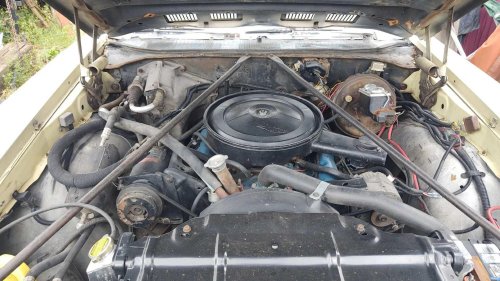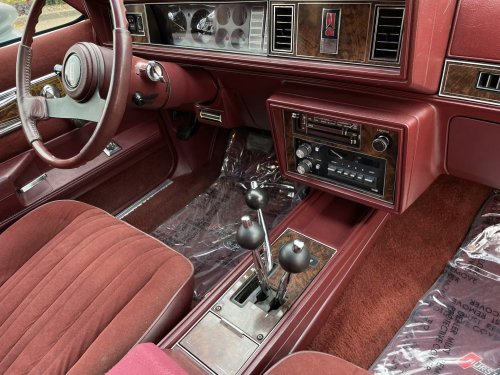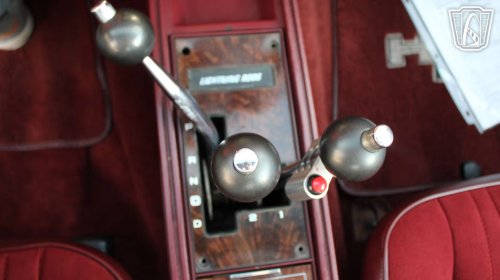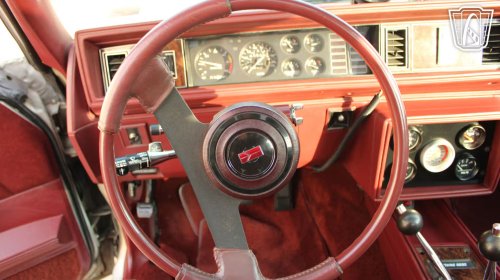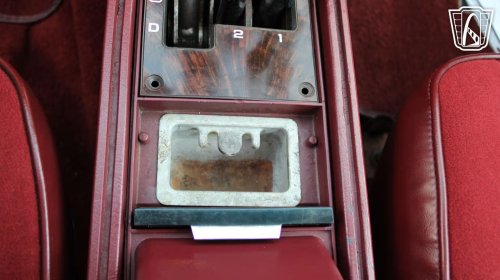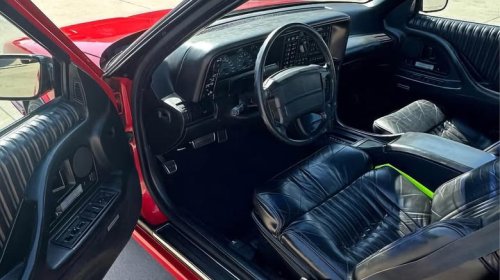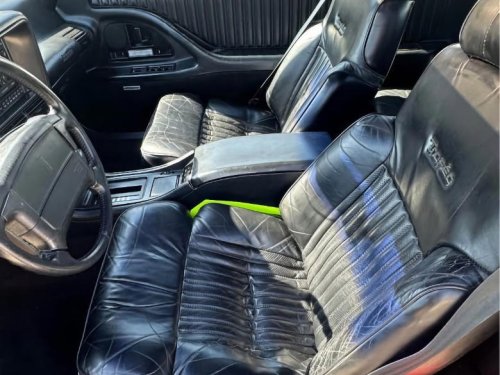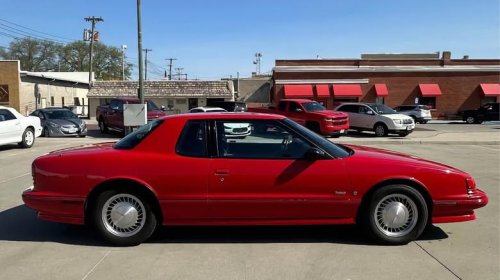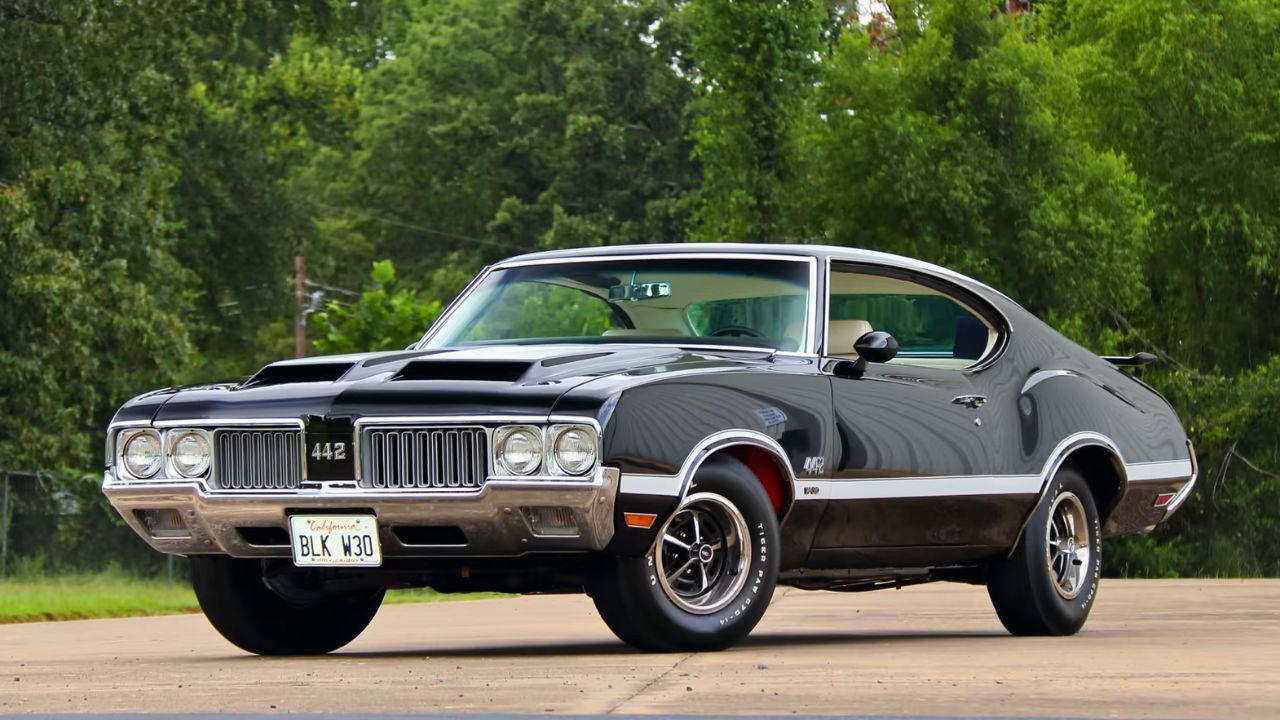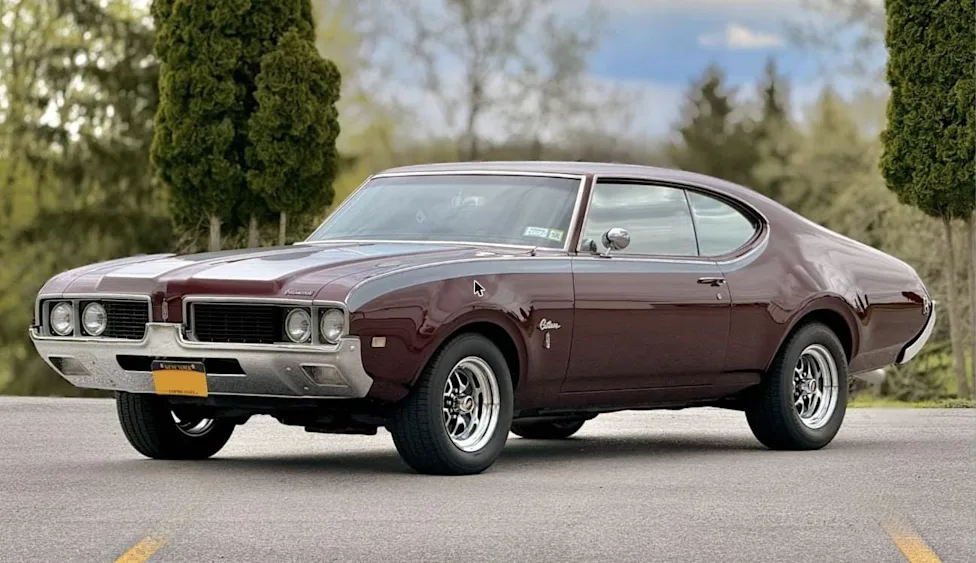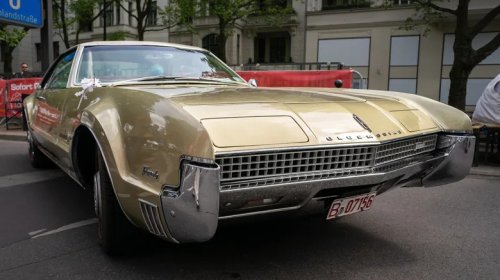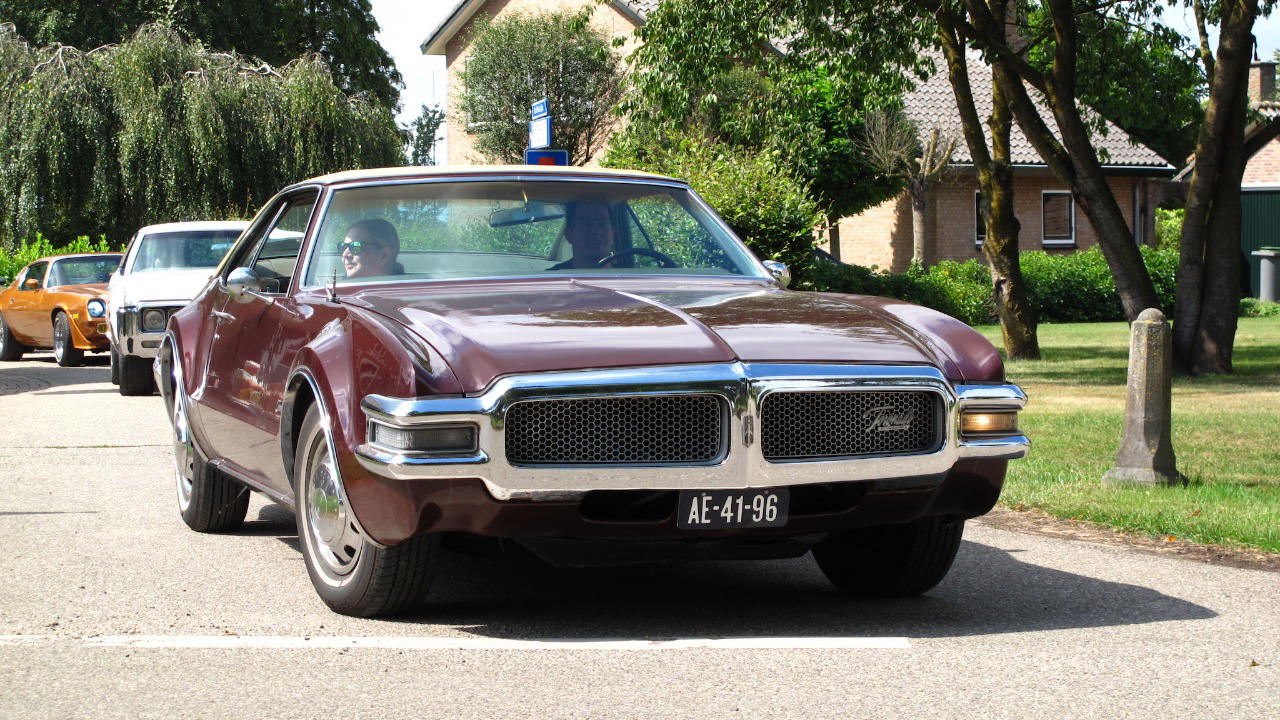



















The 1968 Oldsmobile Toronado introduced innovation but came with costly maintenanceThe 1968 Oldsmobile Toronado arrived as a futuristic grand tourer that pushed Detroit engineering into unfamiliar territory. Its Front Wheel Drive layout, dramatic fastback body and powerful V8 made it a technological statement as much as a luxury coupe. That same ambition, however, created a car that could be expensive to keep on the road, especially once the novelty faded and the repair bills arrived. Today, the 1968 Toronado sits in a curious place. Enthusiasts praise its innovation and presence, yet owners trade stories about specialty parts, complex driveline work and labor costs that can easily outrun the car’s purchase price. A radical layout with All Power To The Front Wheels The core of the Toronado story is its drivetrain. Oldsmobile committed to a Front Wheel Drive configuration at a time when American performance and luxury cars were almost universally rear drive. Period descriptions of the car emphasize that it sent All Power To The Front Wheels, a phrase that captured both the novelty and the engineering challenge of putting a big block V8 ahead of the cabin and driving the front axle. Under the hood sat a 455 cubic inch V8, a figure repeated in multiple accounts of the first generation Toronado. Video explainers on the model point out that Oldsmobile dropped 455 cubic in of V8 into a car and sent all that power to the front wheels, describing it as the most powerful front drive passenger car of its era. Owner reviews echo that figure, with one 1968 Oldsmobile Toronado 455 c.i from North America calling the car the King of front wheeler and celebrating its torque rich character. This powertrain required a compact yet durable transmission layout that could live beside the engine rather than behind it. Oldsmobile engineers created a chain driven setup that packaged the automatic transaxle alongside the V8, an arrangement that fascinated period reviewers and still intrigues collectors. For buyers in 1968, the result was a big coupe that felt different from anything else in a showroom filled with conventional rear drive rivals. Design: futuristic fastback and hidden tricks The 1968 Toronado did not rely on engineering alone to make its point. Enthusiast groups describe the Design of the Toronado in that year as highly aerodynamic for a full size American coupe, with a sloping roofline and fastback rear end that gave the car a sleek profile. A separate enthusiast post titled 1968 Toronado. So futuristic! captures how owners still see the styling as advanced, even decades after the car left production. Earlier Toronados had already experimented with unusual styling features. A video on strange car inventions notes that the Tornado when it was introduced in 1966 and through 1967 had headlamps that popped up when the driver turned on the headlamp switch, a hidden setup that looked clean when the lights were off. By 1968 the Toronado had evolved visually, but it kept the spirit of integrated lighting and sculpted bodywork that made the model stand out. Inside, coverage of the 1968 Oldsmobile Toronado as a classic highlights a cabin filled with period luxury cues. While the Oldsmobile Toronado is considered a classic, it has not had much exposure outside dedicated circles, yet those who seek it out often mention wide, comfortable seats, a dramatic dashboard and details that match the bold exterior. The car was designed to feel premium and slightly futuristic, not just powerful. Innovation that created a niche, not a mass hit Despite the Toronado’s technical ambition and luxury appeal, it never became a mainstream volume seller. A social media post that opens with the line 1968 Toronado. So futuristic! adds that Despite its innovation and luxury appeal, the Toronado was a niche vehicle, and its production numbers were far less than mainstre… mainstream Oldsmobile models. That limited footprint has long term implications for parts availability and specialist knowledge. Historical analysis of the first generation notes an UNDERWHELMING DEBUT for the Oldsmobile Toronado after its initial splash. Later model years saw visible external changes such as a new eggcrate grille and flush headlights, but sales did not match more conventional Oldsmobile sedans and coupes. The car’s front drive layout and unique styling attracted enthusiasts, yet many buyers stayed with simpler, cheaper-to-service options. That niche status matters today. A car that sold in smaller numbers will naturally have fewer donor vehicles, fewer reproduction parts and fewer technicians who grew up working on its specific quirks. For the Toronado, those quirks include the front drive chain case, unique suspension geometry and body panels that do not interchange with other Oldsmobile models. What owners love: character, comfort and Classic status Supporters of the 1968 Toronado tend to talk first about how it feels rather than how much it costs. The HotCars feature on the 1968 Oldsmobile Toronado frames it as a Classic, stressing that All Power To The Front Wheels gave the coupe a distinctive driving character. The article notes that while the Oldsmobile Toronado is considered a classic, it has not had much exposure outside the enthusiast world, which only adds to its appeal for those who like owning something different. Owner testimonials reinforce that impression. The Carsurvey review of a 1968 Oldsmobile Toronado 455 c.i from North America, use the phrase King of front wheelers ” to capture the sense of authority the car projects. That same review praises the car’s highway comfort and the way the front drive layout helps in poor weather, something that set it apart from rear drive muscle and luxury coupes of the same period. Later Toronado generations kept some of that character. A 1991 Oldsmobile Toronado review on an ownership site notes that Mechanical issues, while occasional, do not overshadow the satisfaction derived from the Toronado’s strong V6 engine and classic vibe, and that owners still appreciate the model for its blend of history and innovation. That comment comes from a different era of Toronado, but it captures a pattern that started in the 1960s: the car’s charm often softens the impact of its mechanical demands. Where the costs begin: complex front drive hardware The same engineering that made the Toronado special also makes it expensive to maintain. The front wheel drive layout with a 455 cubic inch V8 places heavy loads on components that are not shared with other Oldsmobile products. The chain driven transaxle, front hubs, driveshafts and steering components are all specific to the model, which complicates both parts sourcing and labor. Modern repair databases treat the Toronado as a specialty vehicle. The reliability and cost estimates for the Oldsmobile Toronado on RepairPal outline a range of common repairs, from suspension bushings to engine work. While the site aggregates multiple model years, it shows that average annual repair costs for the Toronado sit above the typical mainstream car, a reflection of age, complexity and parts scarcity. Service quote platforms tell a similar story. On YourMechanic, the page listing estimates for the Oldsmobile Toronado includes jobs such as brake pad replacement, starter replacement and water pump service, with labor times that can climb because technicians must work around the car’s unusual packaging. For a front-drive classic with a big block V8, even routine maintenance can require more disassembly than a comparable rear drive car. Specialized components add another layer. The Toronado’s front suspension geometry and heavy-duty front brakes must cope with the weight of the V8 and transmission over the driven axle. Replacing worn control arms, ball joints, or brake hardware can involve hunting for rare parts or paying premium prices for reproduction items. Enthusiast forums and project car threads describe owners who started with simple jobs and discovered a chain of related wear items once the front end was apart. Bodywork, trim and the hidden headlight legacy Exterior maintenance on a 1968 Toronado can also be costly. The fastback roof and long doors look dramatic, but they create large, heavy panels that are prone to sagging hinges and rust in neglected cars. A Reddit thread titled 1968 Oldsmobile Toronado. Debated long and hard features a buyer who was surprised to find a straight frame, limited bumps and bruises, and no rust, and who describes being still blown away at that luck. The subtext is clear: solid bodies are the exception, not the rule. The legacy of the early hidden headlight system still affects restorers. The video on strange headlight inventions explains that the Tornado, when it was introduced in 1966 and through 1967, had headlamps that popped up when the driver used the headlamp switch. While the 1968 model revised the front fascia, it remained part of a lineage that experimented with non-standard lighting hardware. Owners who retrofit or repair these systems often face intricate mechanisms, vacuum lines or electrical components that are far more complex than simple sealed beam buckets. Trim pieces and interior parts are equally challenging. The 1968 Toronado used unique dashboard layouts, door panels and badges that do not cross over to other Oldsmobile lines. Social media groups dedicated to the Toronado frequently host posts from owners searching for one specific chrome strip or interior bezel, sometimes for months. When those parts do appear, they command prices that reflect scarcity rather than intrinsic material value. Why niche status raises the repair bill The Toronado’s niche status affects more than parts availability. It also shapes who is willing to work on the car and how much they charge. General repair shops may have limited experience with a chain-driven front drive transaxle from the late 1960s, which can lead to longer diagnostic times and higher labor totals. Owners often turn to specialist shops or independent mechanics who know the platform, and those experts price their time accordingly. Online communities help bridge some of that gap. The Facebook group post that begins 1968 Toronado. So futuristic! shows how owners swap advice about sourcing parts and choosing shops. Another group focused on Toronado history and features describes the Design of the Toronado as both a strength and a challenge, since the aerodynamic body and front drive layout require attention to alignment, cooling and structural integrity that differs from other classics. There is also the simple reality of age. Any car from 1968 will need regular attention to rubber seals, fuel lines, brake hoses and electrical connections. In a Toronado, those jobs are layered on top of model specific quirks. For example, replacing a leaking power steering hose or worn engine mount may require partial disassembly of the front subframe or careful support of the transaxle, which adds hours to what would be a straightforward task on a simpler platform. Balancing passion and practicality For some enthusiasts, these costs are part of the appeal. Owning a 1968 Oldsmobile Toronado means living with a piece of engineering history that asked whether there could exist a car weighing more than two tons carrying within it a massive V8 and still drive its front wheels with confidence. Video retrospectives on the first Oldsmobile Toronado describe it as a technological marvel, with narrators thanking figures like Uncle Johnny for introducing them to the car and even invoking God when they talk about the luck of finding a good example. More from Fast Lane Only Unboxing the WWII Jeep in a Crate 15 rare Chevys collectors are quietly buying 10 underrated V8s still worth hunting down Police notice this before you even roll window down