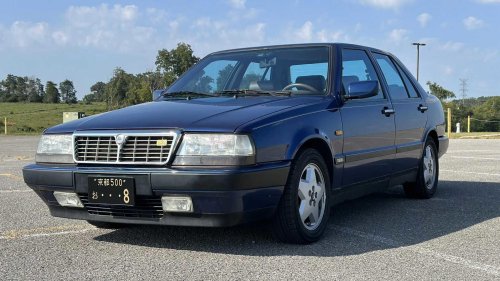
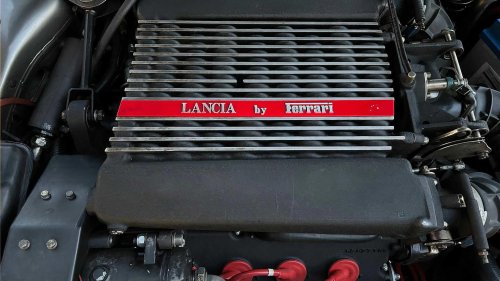
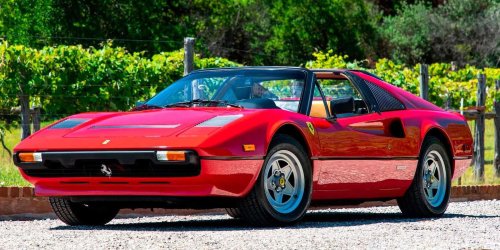
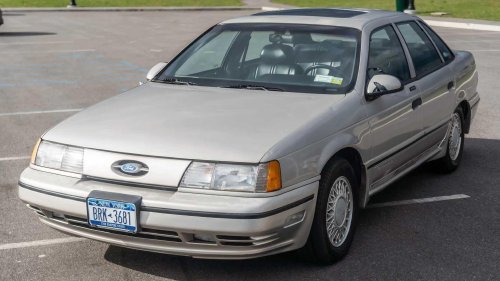
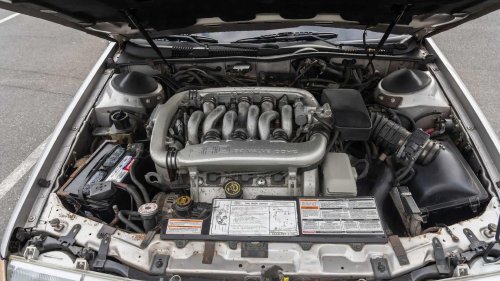
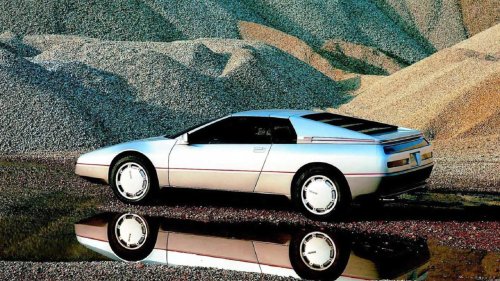
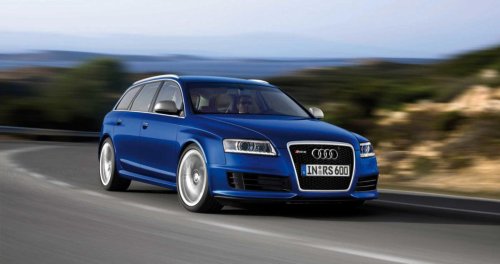
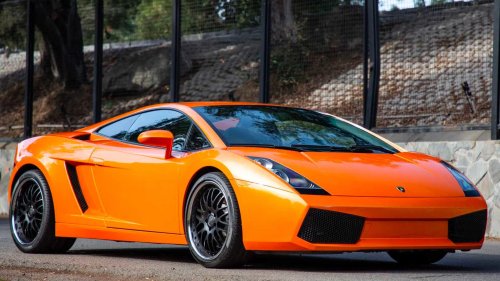
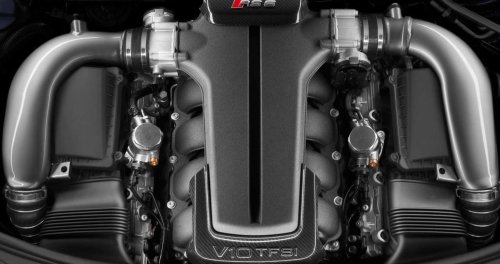
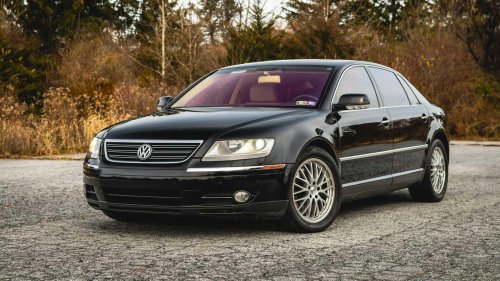
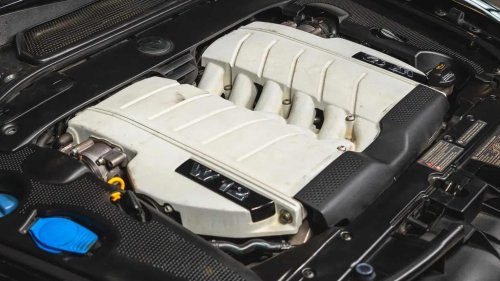
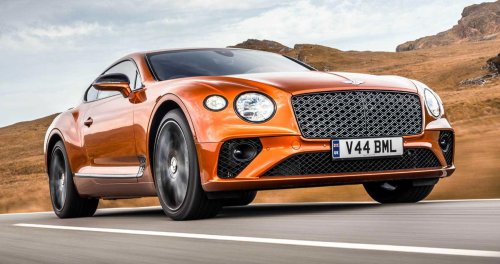
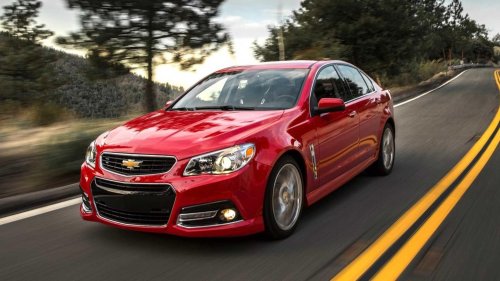
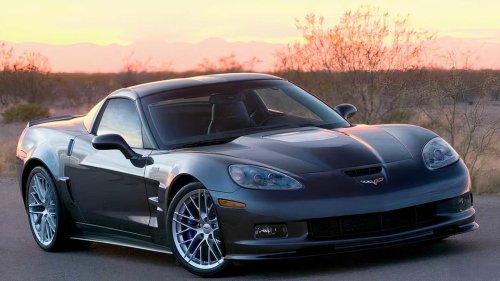
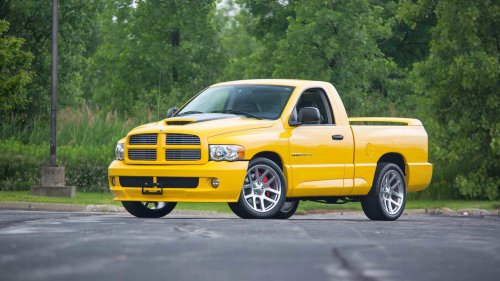
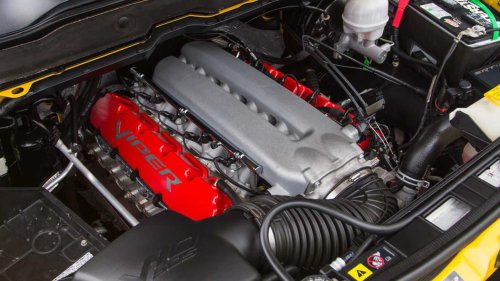
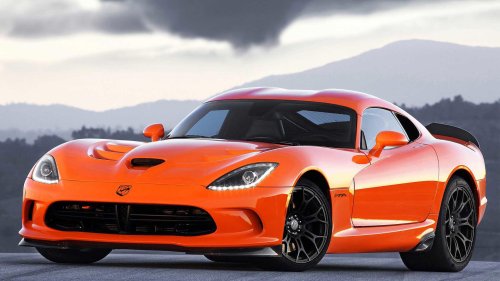



















The automotive world loves a good secret. While many enthusiasts crave flashy spoilers and loud paint, there is a special thrill in a sleeper car. These high-performance machines hide their true potential behind a mundane body that looks like a standard family commuter or work truck.Manufacturers build these vehicles to showcase engineering dominance or to save costs by sharing expensive engines across different platforms. Sometimes, it is about giving a regular bread and butter model enough prestige to compete with luxury rivals like BMW or Mercedes. The real appeal is the element of surprise. You get the raw power and speed of a supercar in a practical package that flies under the radar. Lancia Thema 8.32 2.9-Liter V8 From The Ferrari 308 Via: Bring a TrailerDuring the 1980s, the Lancia Thema was a handsome but largely conventional executive sedan. It shared a platform with the Saab 9000 and Fiat Croma, designed to ferry Italian businessmen in comfort. However, Lancia wanted to elevate the brand to compete with the high-performance sedans coming from BMW M and Mercedes-AMG. The solution was to borrow a heart from the most famous name in automotive history: Ferrari.Bonhams The Thema 8.32 featured a 2.9-liter V8 engine pulled straight from the Ferrari 308 and Mondial Quattrovalvole. This made it the only front-wheel-drive car to ever factory-ship with a Ferrari engine. To make the power plant suitable for a luxury sedan rather than a mid-engine sports car, several changes were made. The most significant was the switch from a flat-plane crankshaft to a cross-plane design. This change eliminated the signature Ferrari scream in favor of a smoother, more refined vibration pattern that buyers expected in a premium car.Mecum Auctions Engineers also revised the valves and the firing order to prioritize torque. Despite these changes, it remained a mechanical masterpiece. The exterior stayed remarkably subtle, with the only major hint of its power being a retractable rear spoiler that remained flush with the trunk lid until the driver activated it. It offered a unique blend of Italian hand-stitched leather luxury and supercar-derived performance. The 8.32 could sprint from 0-60 mph in 6.8 seconds. While that sounds modest today, it was remarkably quick for a luxury sedan in 1986. Ford Taurus SHO (First Generation) 3.0-liter V6 From The Canceled GN34 Project Bring A TrailerIn 1989, the Ford Taurus was one of the best-selling family cars in America, known more for its jellybean shape than its speed. That changed with the introduction of the SHO, which stood for Super High Output. This sleeper looked almost identical to the standard sedan, yet it featured a high-tech 3.0-liter V6 engine developed entirely by Yamaha, designed to make muscle cars look slow.Bring A TrailerThe history of this engine is fascinating. Ford originally commissioned Yamaha to build it for a mid-engine supercar project internally called the GN34. That car was intended to be a direct rival to the Ferrari 328. When Ford eventually canceled the GN34 project to save money, they were still under contract to buy the engines. To recoup the investment, they decided to put the exotic V6 into the front-wheel-drive Taurus.Italdesign The engine was unlike anything else in the Ford catalog. It featured a 7,000 RPM redline and a beautiful intake manifold with a variable induction system. This system used long and short runners to optimize airflow across the entire rev range. Because it had to fit into a sedan, the engine was mounted transversely instead of longitudinally as originally planned for the supercar. It transformed a soft-riding commuter into a high-revving performance machine that could easily keep pace with the best sports sedans from Europe.The first-generation SHO reached 0-60 mph in 6.6 seconds. For 1989, this was incredible performance from a car that looked like a typical rental. Audi RS 6 Avant (C6) 5.0-Liter V10 From The Lamborghini Gallardo AudiAudi has a long history of building fast wagons, but the C6 generation RS 6 Avant remains their most ambitious project. At a glance, it looked like a standard family hauler used for grocery runs and school drops. However, underneath the hood lived a massive 5.0-liter V10 engine. This power plant shared its basic architecture, including cylinder spacing and the aluminum block design, with the naturally aspirated V10 found in the Lamborghini Gallardo.Via: Bring a trailer Audi decided to use this exotic engine to push the boundaries of the super-wagon segment. To ensure it had the muscle to move a heavy, all-wheel-drive chassis, they added two turbochargers. This was a significant departure from the Lamborghini version of the V10, which relied on natural aspiration for high-revving thrills. The Audi version also received a dry-sump lubrication system to ensure the engine could sit as low as possible in the engine bay, improving the center of gravity.Via: Audi The result was a vehicle that actually outproduced the contemporary Gallardo in terms of raw power. It was an engineering marvel that combined the traction of Quattro all-wheel drive with the lung-crushing acceleration of an Italian exotic. The C6 RS6 Aavant remains a fan favorite because it offers supercar speed without drawing any unwanted attention in traffic. It remains the only twin-turbo V10-powered wagon in history.The RS 6 Avant was capable of hitting 0-60 mph in just 4.5 seconds. It delivered effortless speed that could shame many dedicated two-door sports cars of its era. Volkswagen Phaeton W12 6.0-liter W12 From The Bentley Continental GT Bring A TrailerThe Volkswagen Phaeton is perhaps the most ambitious project in the history of the German brand. Ferdinand Piëch, the chairman of Volkswagen at the time, wanted to build a luxury car that surpassed the Mercedes-Benz S-Class in every measurable way. Piëch ridiculously demanded a vehicle that could cruise at 186 mph all day in blistering heat while keeping the cabin at a perfect 72 degrees. The end product was a car that looked like a larger Passat but contained the engineering of a private jet.Bring A Trailer To achieve this level of effortless performance, Volkswagen used a 6.0-liter W12 engine. This unique power plant was the exact same unit found in the Bentley Continental GT. The W-shaped configuration allowed for a massive 12-cylinder displacement in a compact space, providing the smoothness and silence required for a flagship luxury sedan. Unlike the twin-turbocharged version found in the Bentley, the Phaeton used a naturally aspirated setup. This choice prioritized a linear, velvet-smooth power delivery over raw, aggressive speed.Via: Bentley The Phaeton was a Bentley in a discreet Volkswagen suit. It featured a complex 4-motion all-wheel-drive system and an adjustable air suspension that could soak up any road imperfection. It remains the ultimate stealth luxury car because most people in traffic would never guess it shared its mechanical DNA with a legendary British grand tourer.The W12 Phaeton could accelerate from 0-60 mph in 5.9 seconds. It moved its massive weight with a level of grace and silence that few other cars could match. Chevrolet SS 6.2-liter LS3 V8 Taken From The Corvette C6 ChevroletThe Chevrolet SS is one of those cars that slipped completely under the radar—and that’s exactly what makes it such a perfect sleeper.At a glance, it looks like a generic, slightly upscale sedan. No wild styling, no aggressive wings, nothing that screams performance. Most people wouldn’t give it a second look in traffic.But underneath, it’s basically a rebadged Australian muscle car.Chevrolet The SS packs a 6.2-liter LS3 V8 pushing out 415 horsepower, sent to the rear wheels through either an automatic or—if you knew what to look for—a rare six-speed manual. It could hit 60 mph in around 4.5 seconds, putting it right in line with much more obvious performance machines.What really seals the deal is how invisible it is. Unless you know what an SS badge means, it just blends in. And that’s why it’s become such a cult favorite—because it delivers serious V8 performance in a package that almost nobody expects. Dodge Ram SRT-10 8.3-liter V10 From The Dodge Viper Via: Mecum AuctionsWhile most sleepers are sleek sedans or wagons, the Dodge Ram SRT-10 took a much louder approach to the concept. At first glance, it appeared to be a standard regular-cab pickup truck with a hood scoop and 22-inch wheels. However, beneath that hood lived the massive 8.3-liter V10 engine taken directly from the Dodge Viper. This was not a detuned version or a light modification; it was the raw, heavy-duty heart of America’s most famous supercar.Via: Mecum Auctions Dodge engineers wanted to create a truck that would reclaim the title of the fastest production pickup in the world. By shoehorning the Viper engine into the Ram chassis, they created a machine with 500 horsepower and a massive 525 lb-ft of torque. Unlike many other supercar-engined everyday cars that underwent significant changes for daily use, the SRT-10 remained remarkably close to its source. It even utilized the Viper’s Tremec six-speed manual transmission, allowing the driver to row through the gears just like in the two-door supercar.DodgeThe performance was earth-shattering for a utility vehicle. It featured a performance-tuned suspension and heavy-duty brakes to handle the immense power. In 2004, it officially set a Guinness World Record for speed, proving that you could have the soul of a Viper in a vehicle designed to carry a load of lumber. It remains one of the most outrageous examples of factory engineering ever sold to the public.The Ram SRT-10 hit 0-60 mph in just 4.9 seconds. It delivered a level of acceleration that was previously unthinkable for a full-size pickup truck.Sources: Stellantis, Ford, Audi, Volkswagen