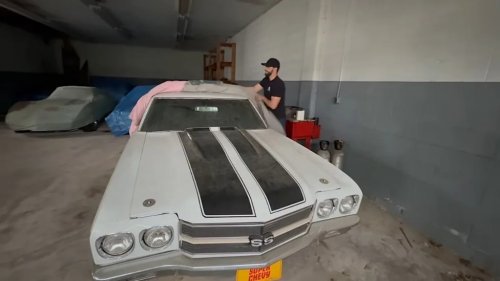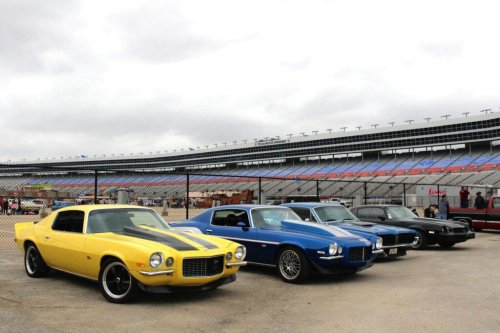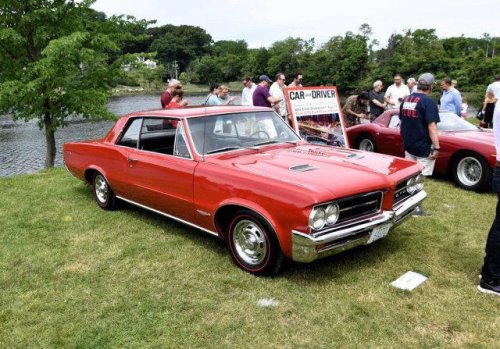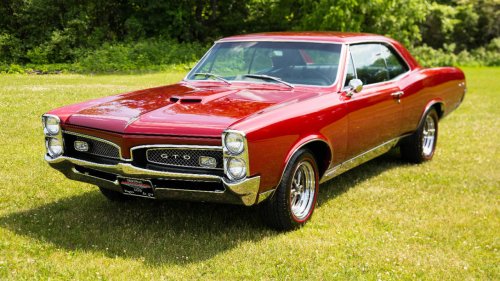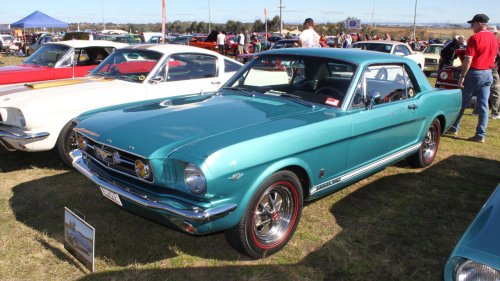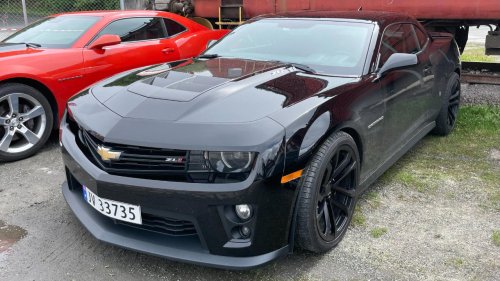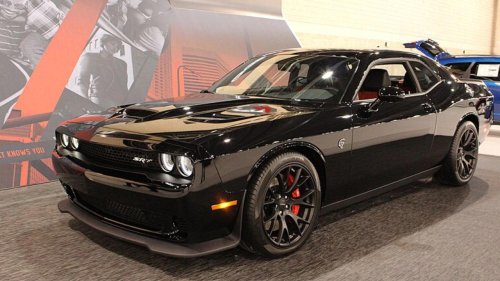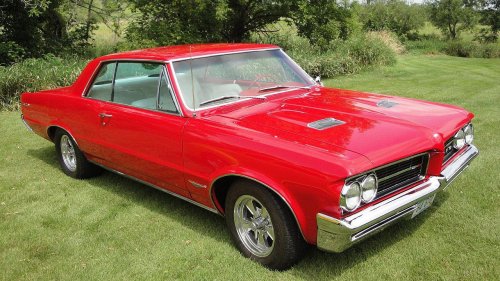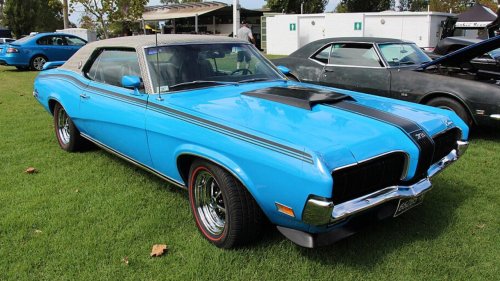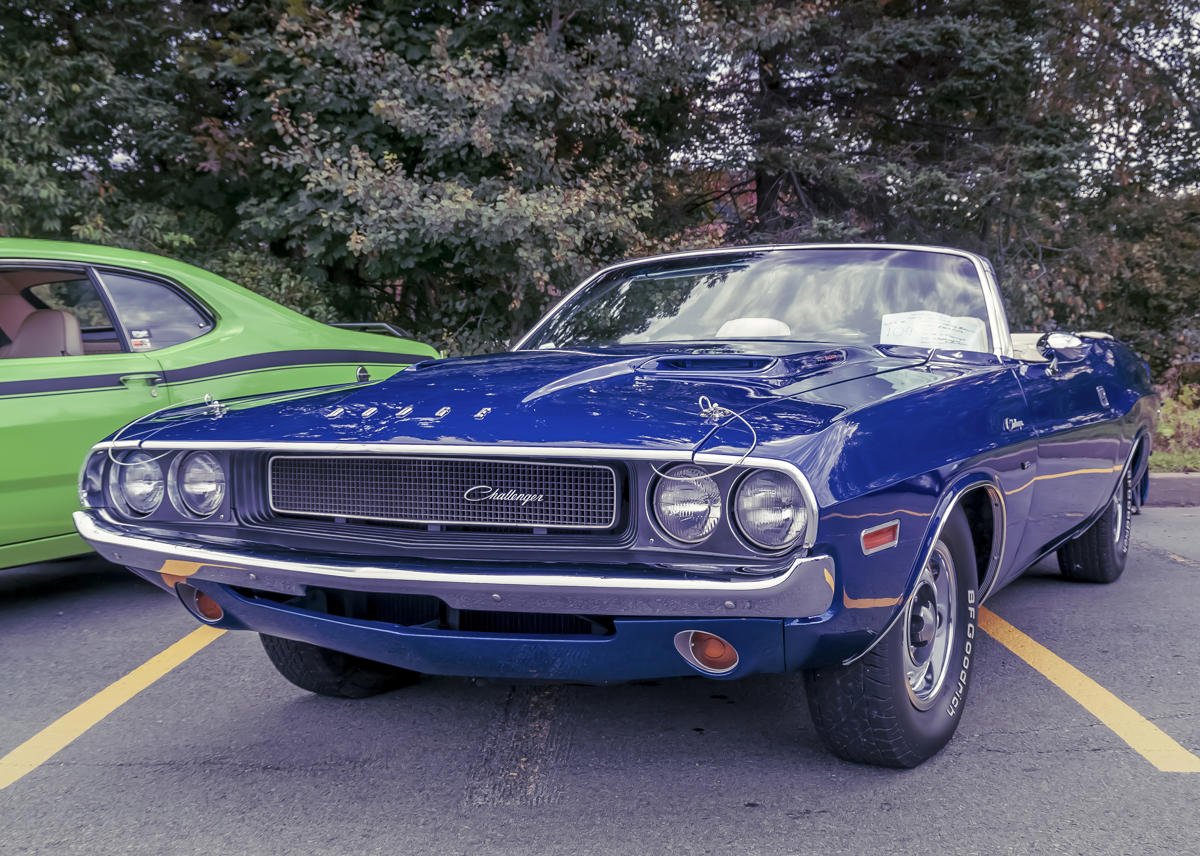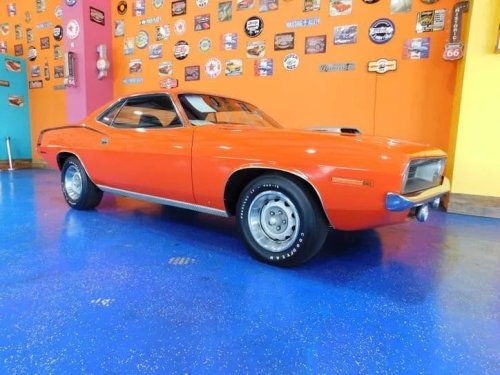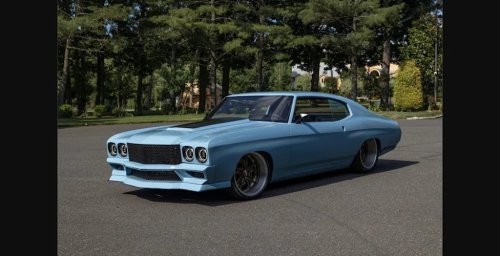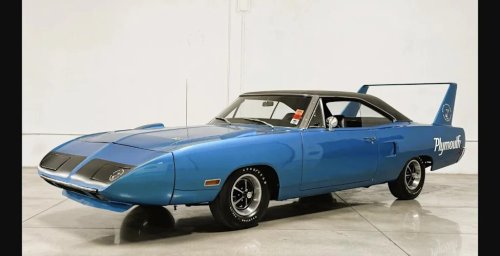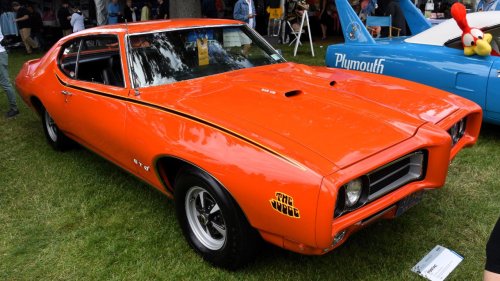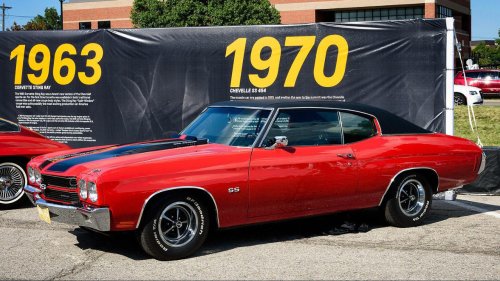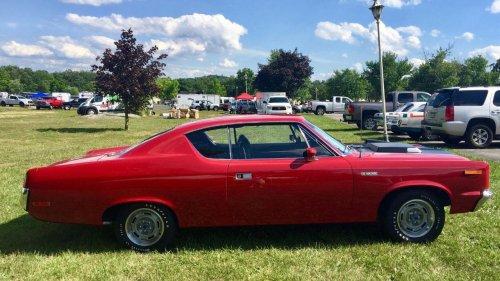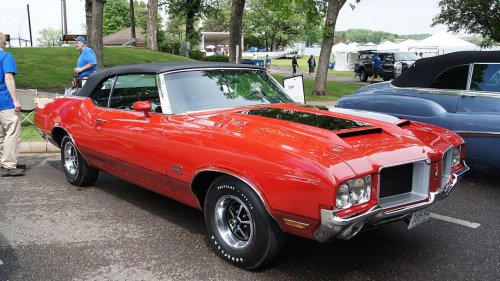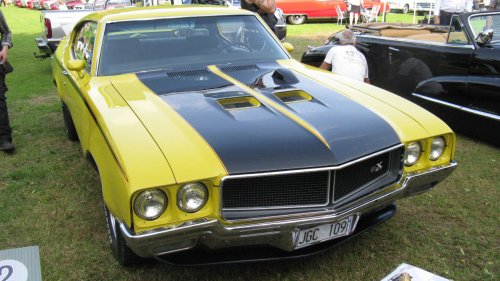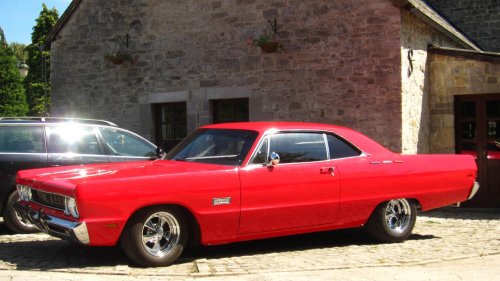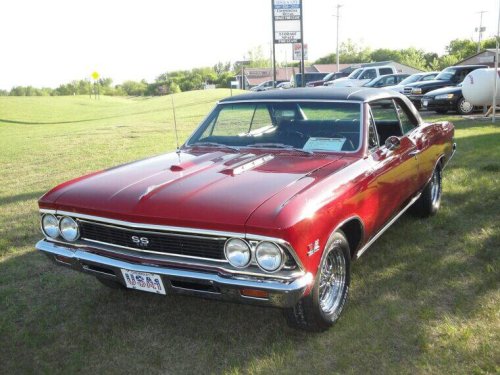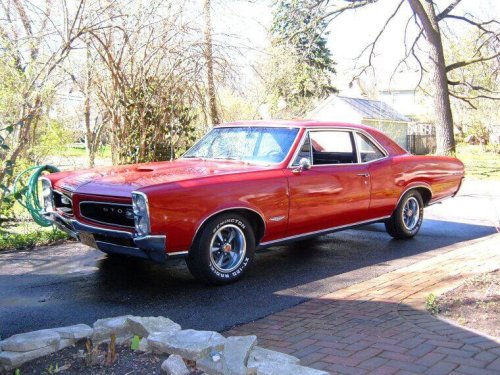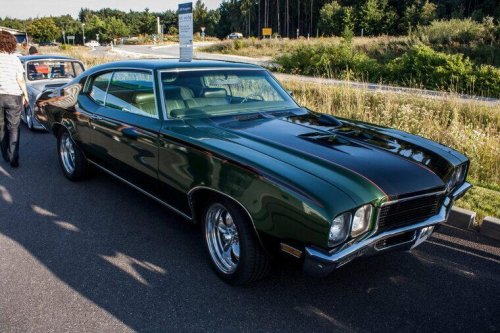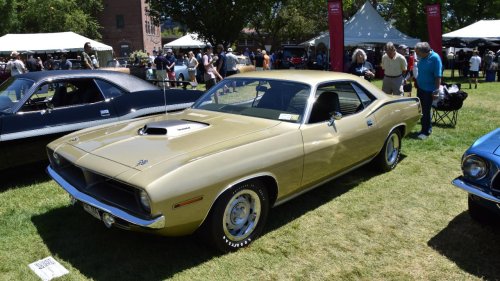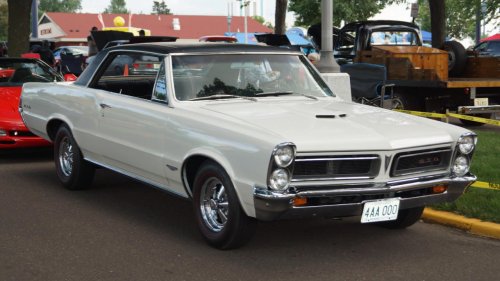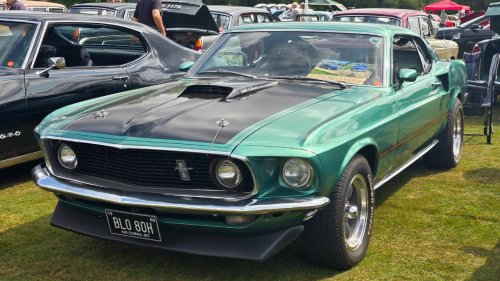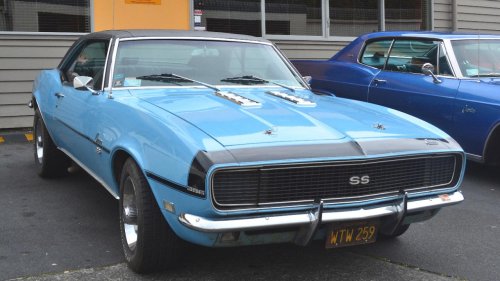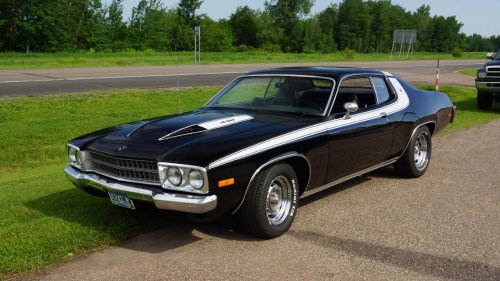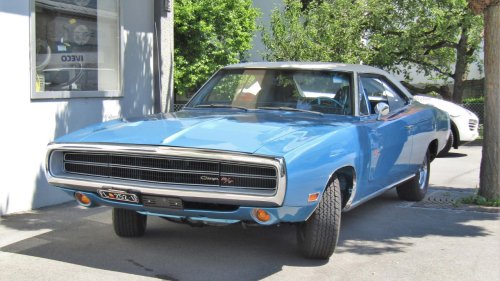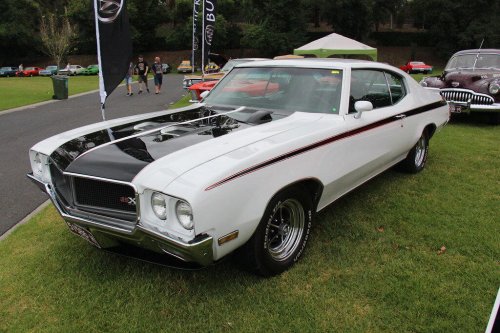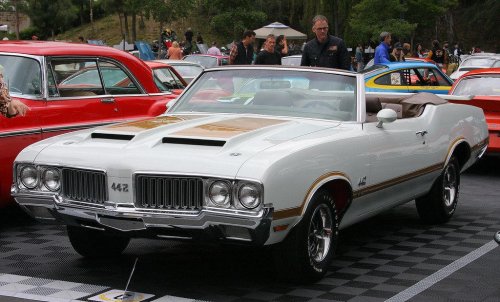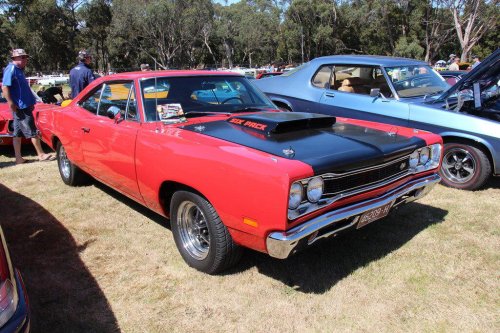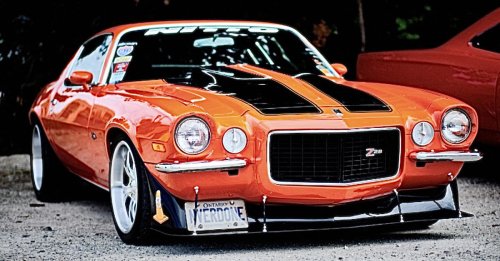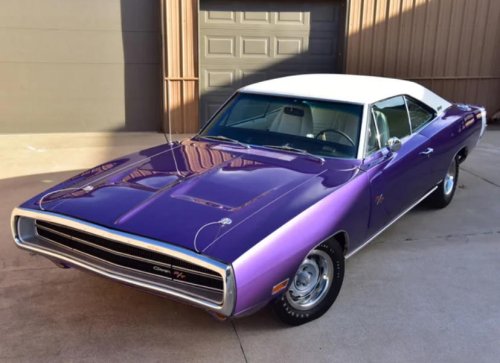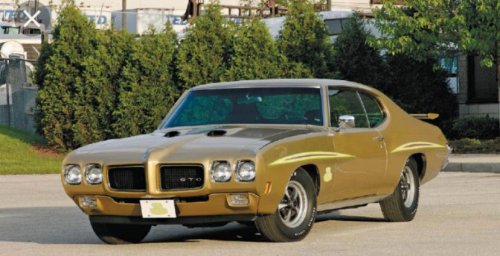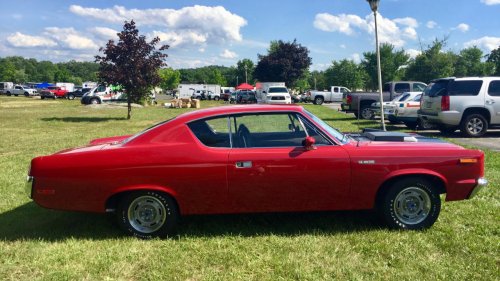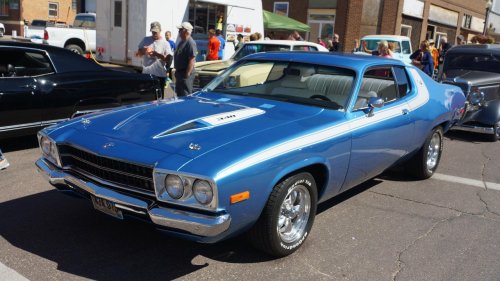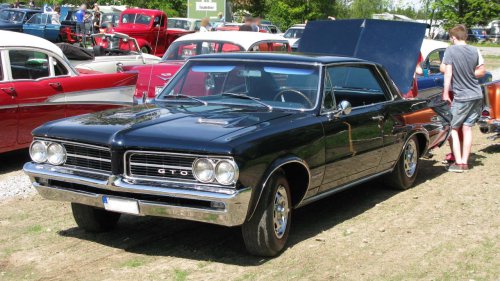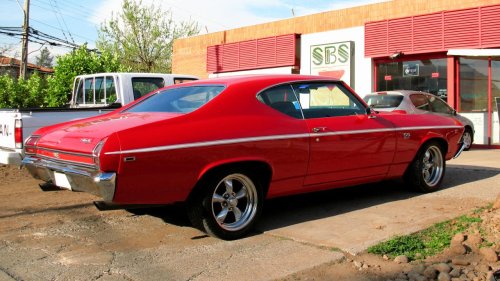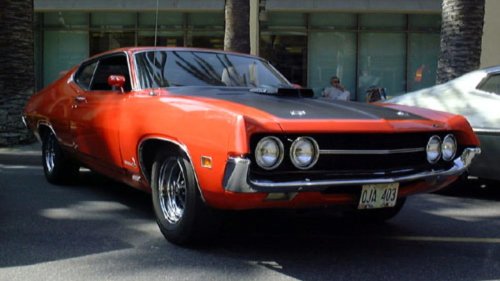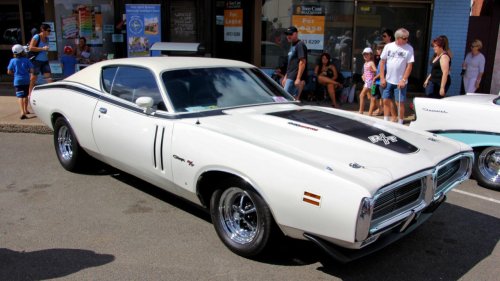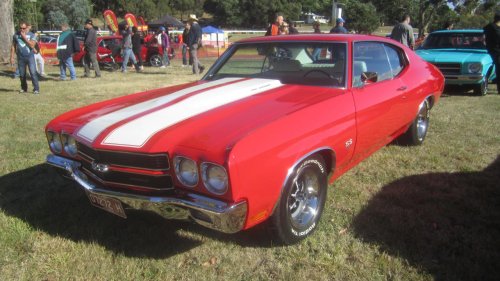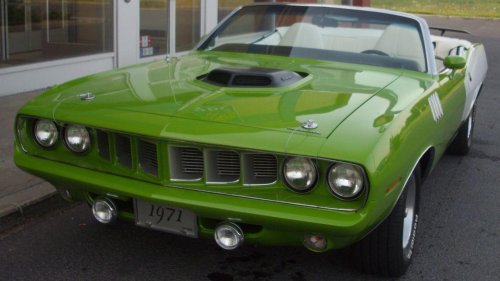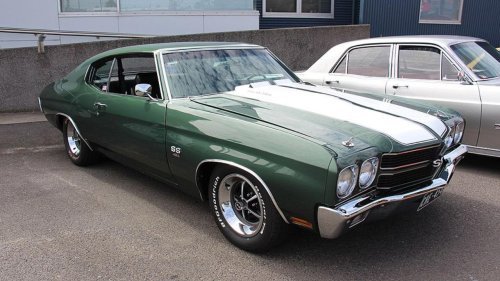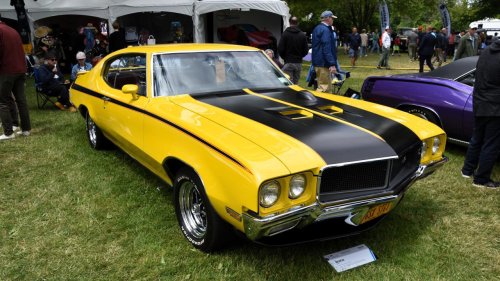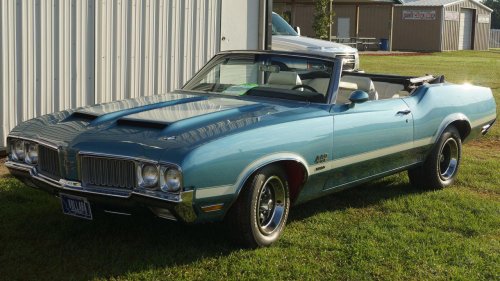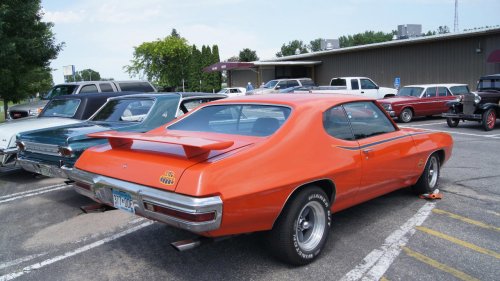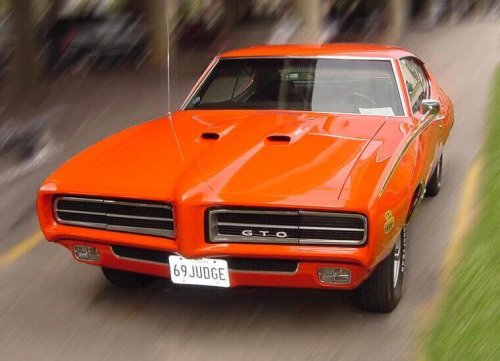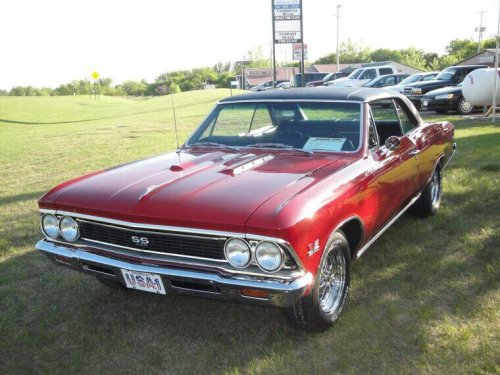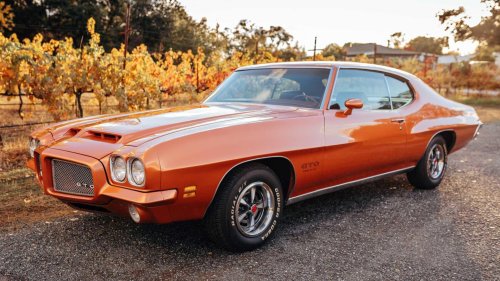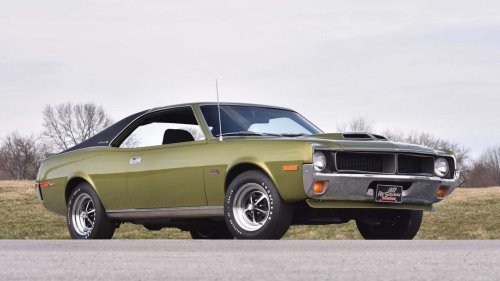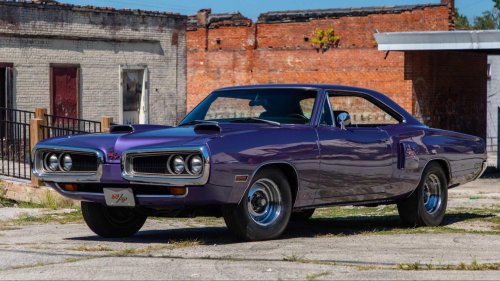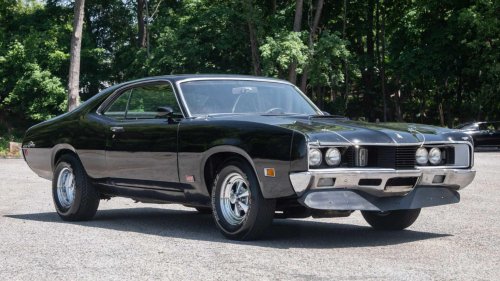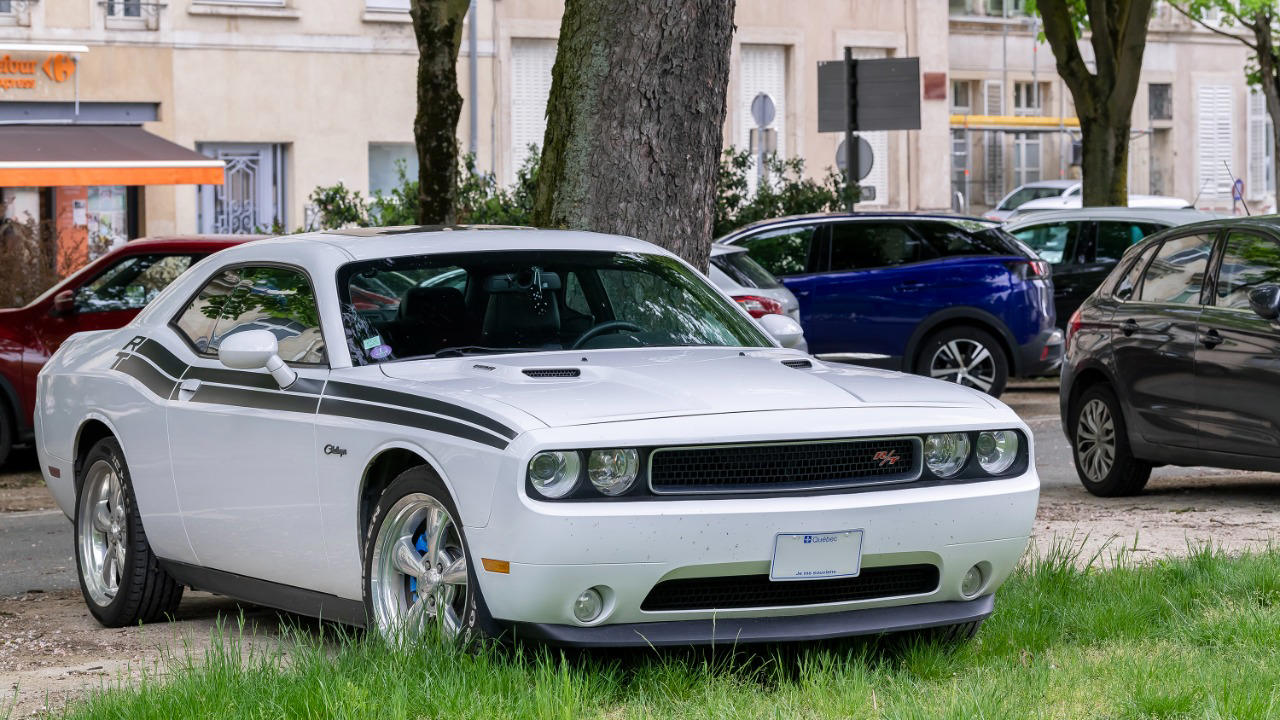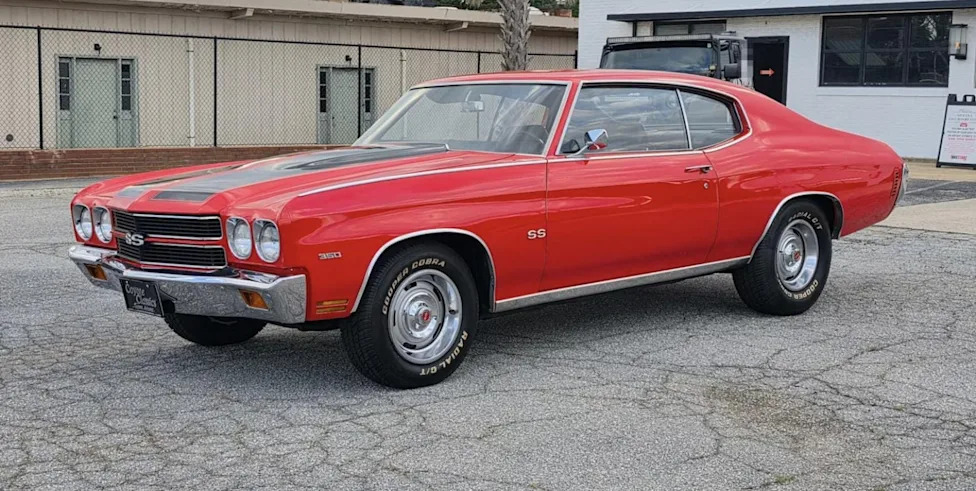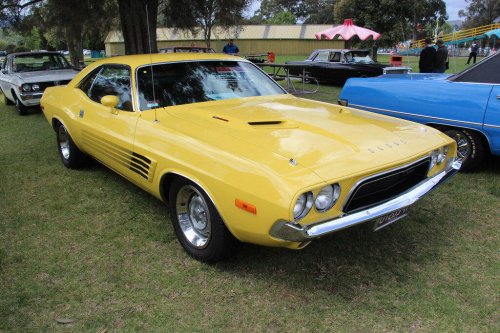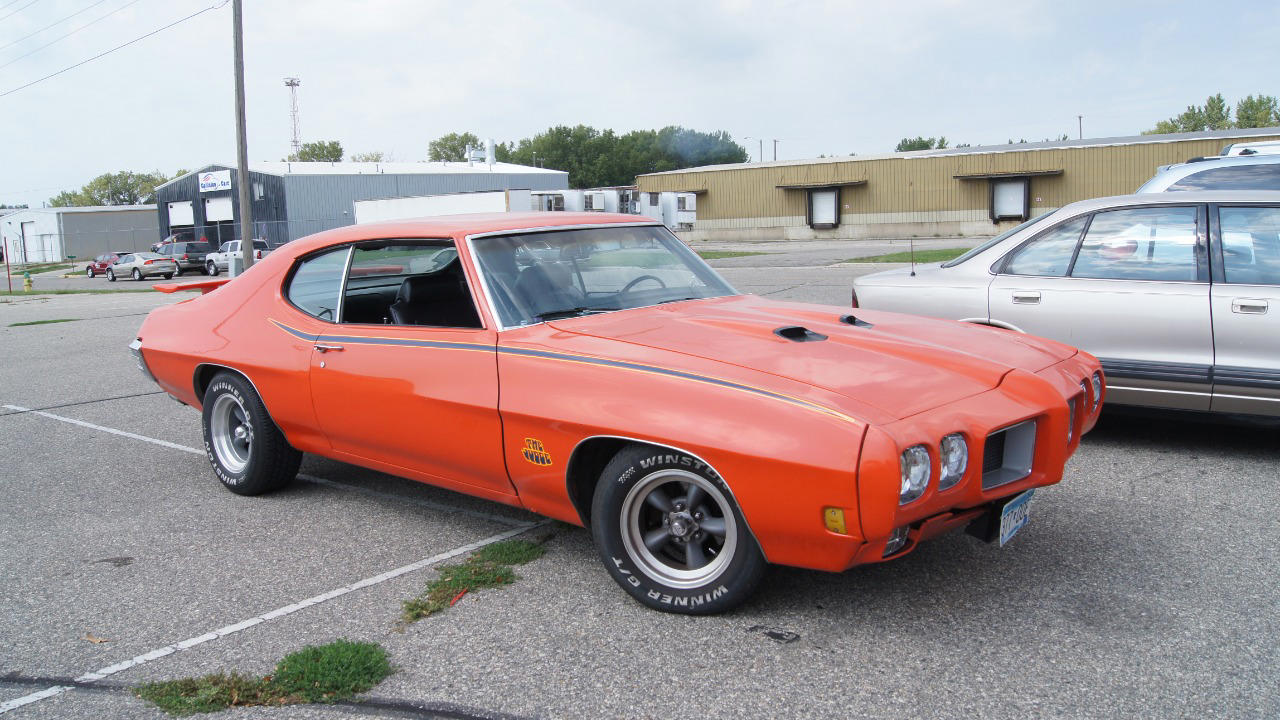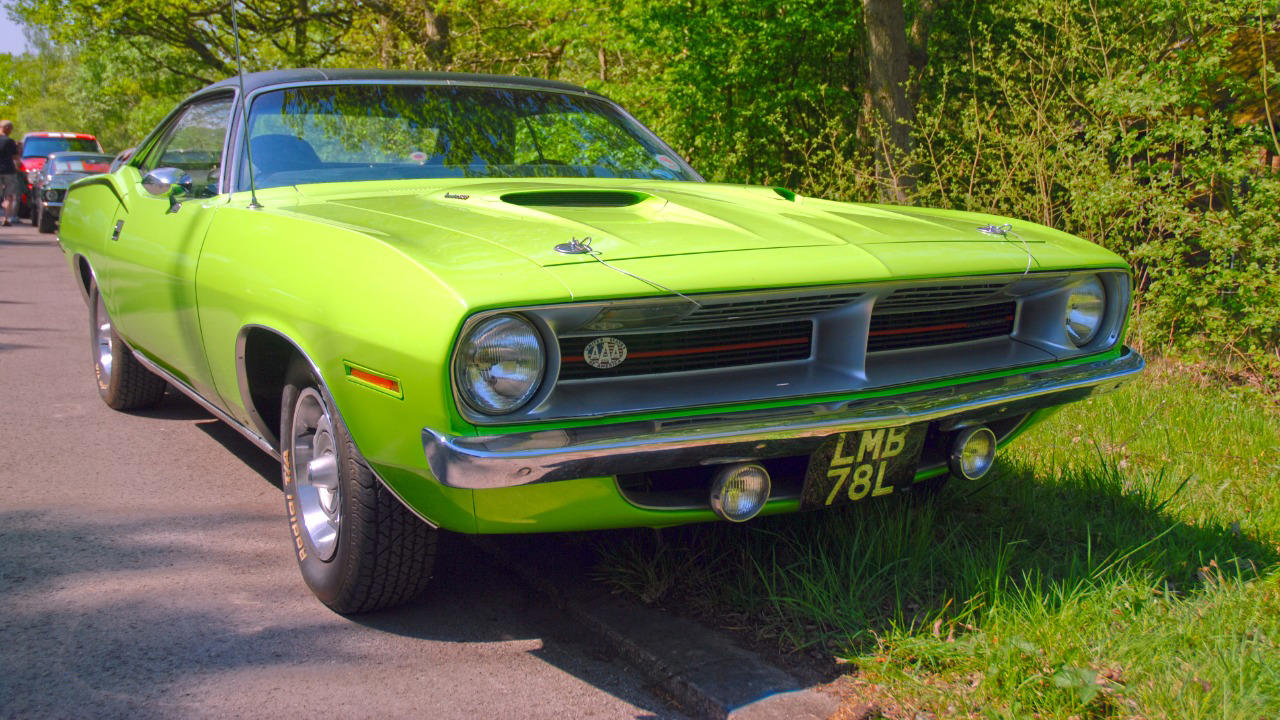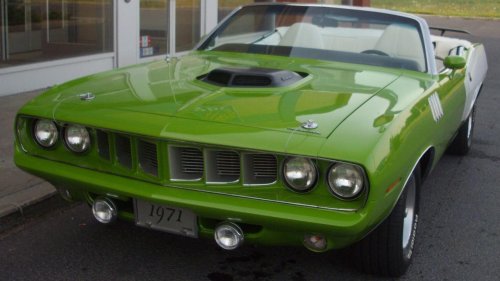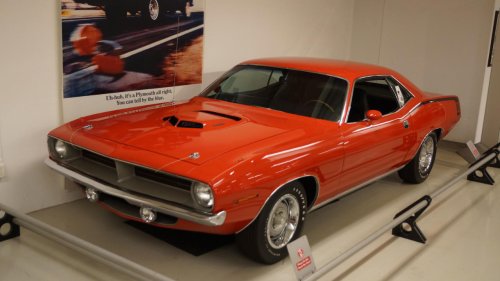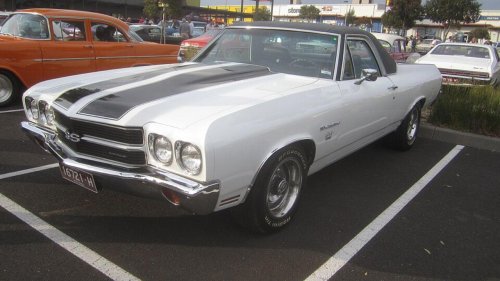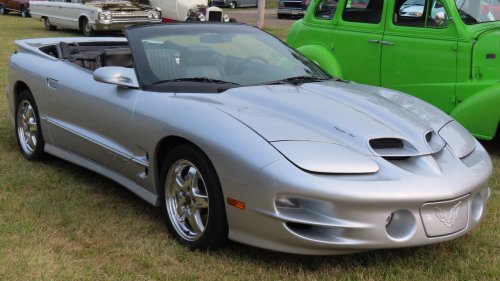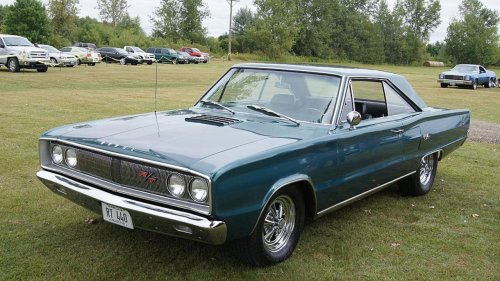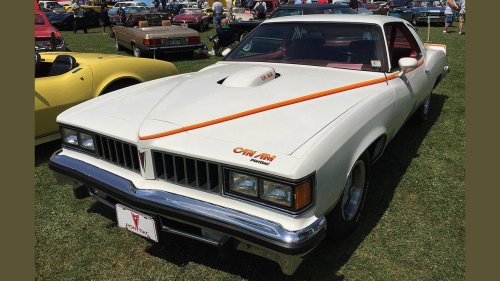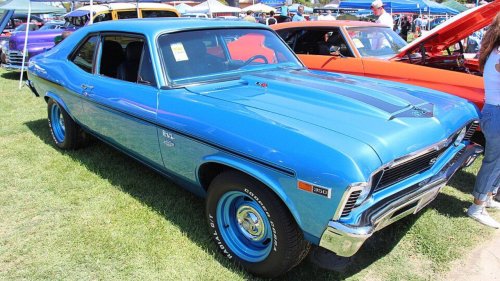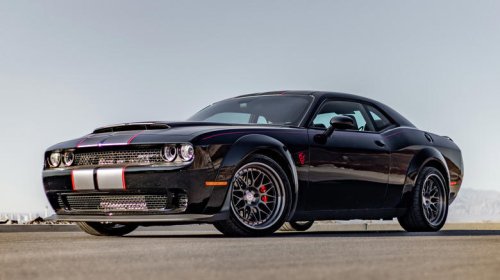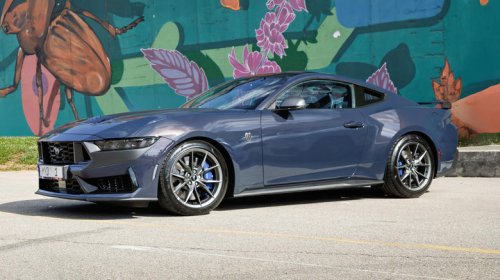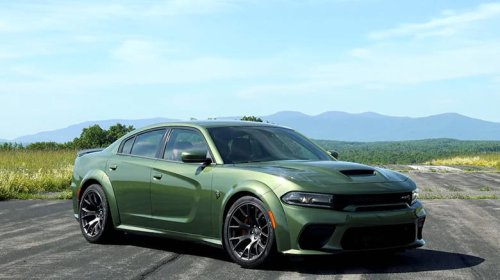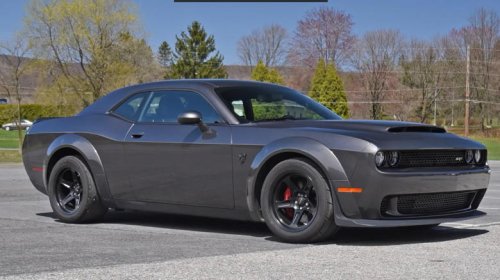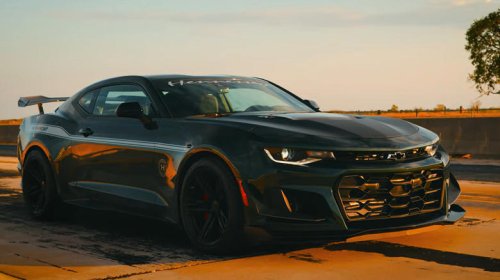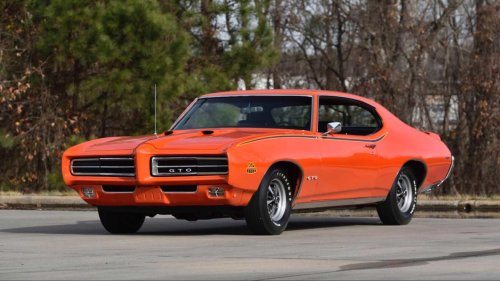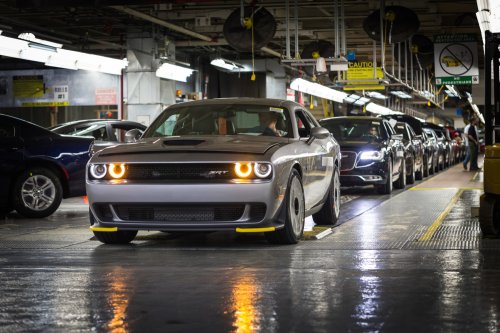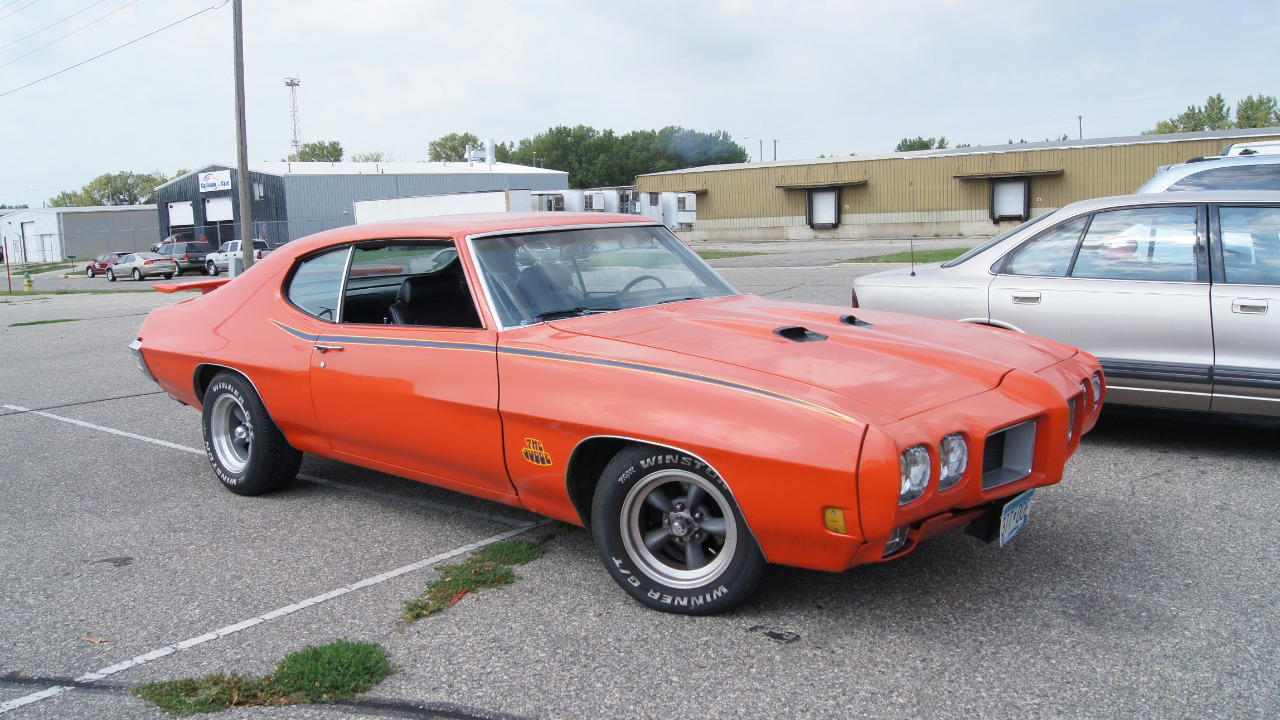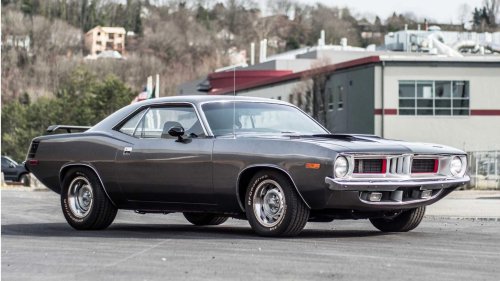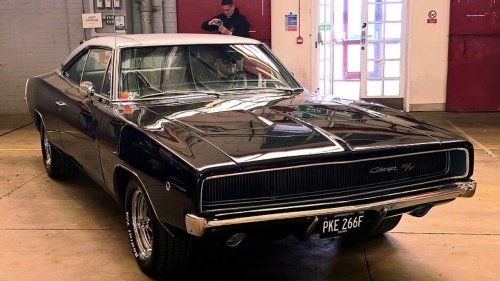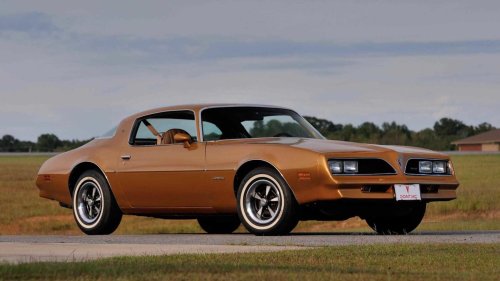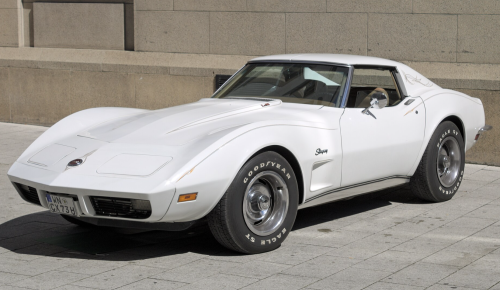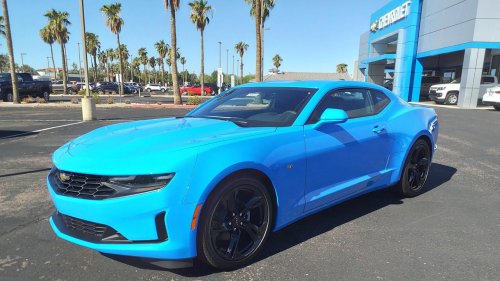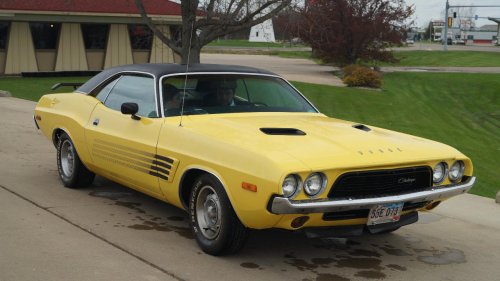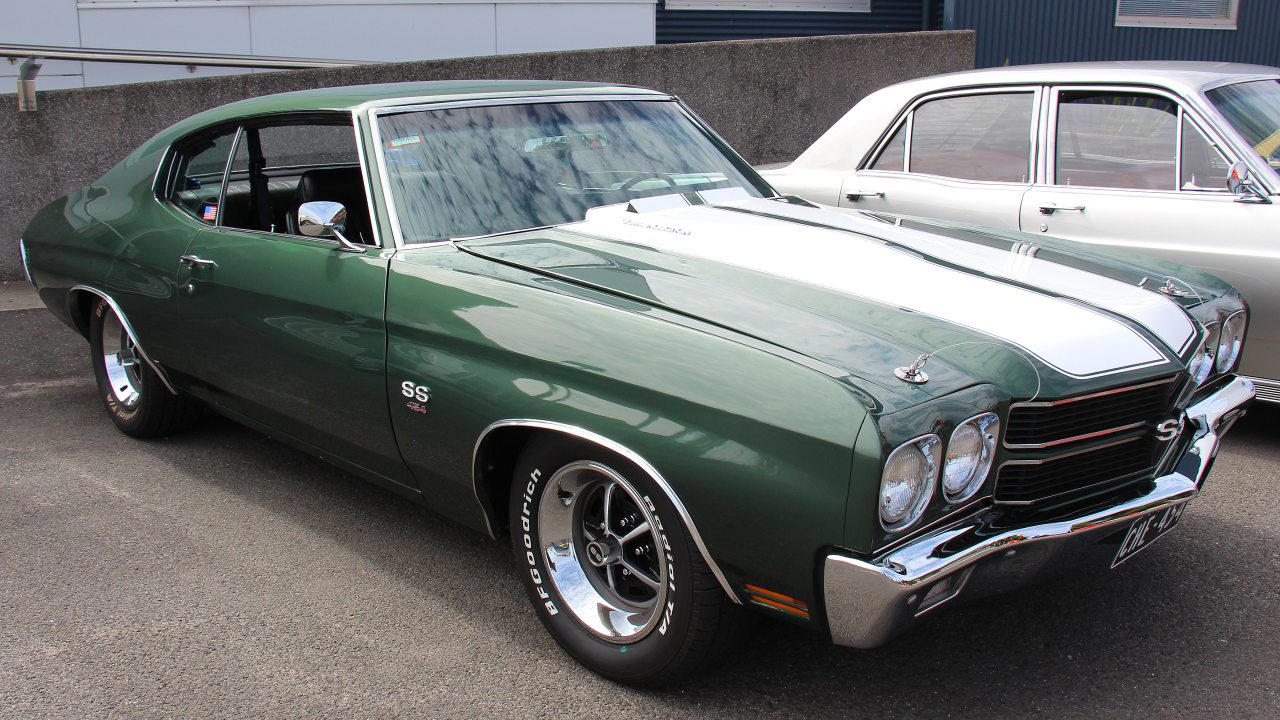



















Muscle cars that burned brightest often burned out fastest, leaving behind a single model year, a thin production run, and a thick layer of mythology. I see those one-season experiments as a window into the pressures that shaped Detroit, from insurance crackdowns to emissions rules to shifting tastes that punished anything too wild or too late. Looking at these short-lived machines, a pattern emerges: each tried to push the formula a little further, whether with outrageous horsepower, stripped-down performance, or a last stand for big displacement, only to be cut down by forces outside the brochure. Their brief lives, and the data that survives around them, help explain why some of the most talked‑about muscle cars were also among the least built. Why some muscle cars were born to be brief When I trace the history of one-year muscle cars, I keep coming back to the collision between engineering ambition and fast-changing rules. Automakers spent the late 1960s and early 1970s chasing ever higher output, then ran headlong into rising insurance premiums, new emissions standards, and the first oil shock, all of which punished heavy, thirsty performance models. That combination made it hard to justify niche variants that sold in the hundreds or low thousands, even when they generated plenty of showroom buzz. Regulatory and economic pressure did not just trim horsepower, it also reshaped product planning. Limited-run packages that had been greenlit as marketing tools suddenly looked like liabilities once fuel prices spiked and federal rules tightened. In several cases, manufacturers had already engineered high-compression engines or race-homologation specials when the market turned, so those cars reached production but were never renewed. The result is a cluster of one-year wonders that feel like snapshots taken at the exact moment the classic muscle era began to fracture. Plymouth Road Runner Superbird: aero excess in a changing market The Plymouth Road Runner Superbird is one of the clearest examples of a muscle car that existed to solve a racing problem rather than a retail one. I see it as a purpose-built NASCAR homologation special, created so Plymouth could field an aerodynamically optimized car with a pointed nose cone and towering rear wing. To qualify for competition, the company had to sell a road-going version, which produced a limited production run that lasted for a single model year before rule changes and corporate caution shut the project down. Contemporary production figures and surviving registry data consistently place output in the low thousands, underscoring how narrow its commercial footprint really was compared with mainstream Road Runners. On the street, the Superbird’s radical styling and race-bred hardware made it both unforgettable and hard to move off dealer lots. Period accounts describe dealers discounting unsold cars and, in some cases, removing the nose and wing to make them easier to sell as ordinary Road Runners. That mismatch between racing success and retail reality, combined with evolving NASCAR regulations and growing scrutiny of high-speed “aero cars,” meant Plymouth had little incentive to repeat the experiment. The Superbird’s single-year run, followed by its rapid ascent to collector status, shows how a car can fail as a showroom product yet thrive as a legend precisely because it was too specialized for its own time. Chevrolet Chevelle SS 454 LS6: peak power before the clampdown Image Credit: Sicnag, via Wikimedia Commons, CC BY 2.0 The 1970 Chevrolet Chevelle SS 454 LS6 represents another kind of one-year phenomenon, a car that pushed the muscle formula to its logical extreme just as the environment turned hostile. I view the LS6 package, with its 454 cubic inch big-block and factory rating of 450 horsepower, as a deliberate attempt to claim bragging rights in the horsepower wars. Insurance companies were already reacting to rising accident and claim data for high-performance models, and regulators were tightening emissions standards, yet Chevrolet still signed off on a street car that bordered on race hardware in both output and hardware specification. Production records and enthusiast research indicate that LS6-equipped Chevelles were built in relatively small numbers compared with the broader Chevelle SS line, which already limited their commercial impact. Within a year, compression ratios began to fall, net horsepower ratings replaced gross figures, and the industry shifted away from overtly aggressive packages that attracted regulatory and insurance attention. In that context, the LS6’s single-season appearance looks less like a marketing misstep and more like a last unfiltered expression of big-block muscle before external forces made such combinations untenable. Its rarity today is a direct consequence of that timing, which turned a short production window into long-term desirability. Pontiac GTO Judge: a brief, bright experiment in attitude Pontiac’s GTO Judge shows how a nameplate can be famous while one of its most iconic versions remains fleeting. I see the Judge package as an attempt to recapture youth appeal with louder graphics, a performance-focused suspension, and available Ram Air engines at a moment when the original GTO formula was losing momentum. The Judge debuted with bold colors and a marketing push that leaned into irreverence, but the broader market was already shifting toward smaller, more efficient cars, and the GTO’s sales trajectory was heading downward despite the added attitude. Production data confirms that Judge-badged GTOs made up only a fraction of total GTO output, and the package itself survived for a short span before Pontiac wound down the model. Rising insurance surcharges on high-compression V8s, along with tightening emissions rules, undercut the very attributes that made the Judge appealing. In hindsight, its limited run reads like a last attempt to double down on image and performance just as the ground was moving under Pontiac’s feet. That brevity is part of why collectors now treat surviving Judges as touchstones for the end of the classic muscle era rather than as a sustained chapter in the GTO story. Oldsmobile 442 W-30 and the cost of niche performance The Oldsmobile 442 W-30 package illustrates how even within a single model line, the most focused performance variants were often the first to disappear. I regard the W-30 as Oldsmobile’s way of signaling that it could compete with more overtly sporty brands, combining a high-output engine with specific induction, exhaust, and suspension upgrades that went beyond cosmetic changes. Yet Oldsmobile’s core customer base skewed more toward comfort and luxury, which meant the W-30’s harder edge appealed to a relatively small slice of buyers. Surviving build records and enthusiast registries show that W-30 cars accounted for a modest share of 442 production, and that the most aggressive configurations were confined to narrow windows within the broader model run. As fuel prices rose and emissions standards tightened, Oldsmobile prioritized more profitable, higher-volume trims that aligned with its reputation for refinement. The W-30’s short-lived peaks, often tied to specific engine and induction combinations that appeared for only a year at a time, demonstrate how quickly a manufacturer would retreat from niche performance once external pressures made every low-volume option harder to justify. Modern echoes: limited-run muscle in the revival era One-year wonders are not confined to the original muscle era, and I see the modern revival period as a second wave of tightly constrained performance experiments. Manufacturers brought back storied nameplates like the Dodge Challenger and Chevrolet Camaro, then layered on short-run variants that tested the limits of power, price, and regulatory tolerance. Some of these cars were explicitly planned as single-year or very short-cycle offerings, designed to spike interest and showcase engineering capability without committing to long-term volume. In the contemporary market, limited production is often a feature rather than a flaw, used to justify higher prices and to create instant collectability. Yet the underlying dynamics echo the past: increasingly strict emissions and fuel economy rules, along with looming transitions to electrification, make it difficult to sustain the most extreme internal combustion packages. When a high-output variant appears for only one model year before being replaced or detuned, it often reflects the same tension that shaped the classic one-year muscle cars, just filtered through modern technology and regulatory frameworks. What fleeting muscle cars reveal about the industry Looking across these examples, I read one-year muscle cars as pressure gauges for their eras. Each brief run captures a moment when engineers and marketers pushed as far as they could before external constraints snapped back. Whether the goal was NASCAR dominance, showroom bragging rights, or a last shot at youth appeal, the cars that lasted only a season tend to mark inflection points where the old rules stopped working. Their scarcity today is not just a function of low production, it is a record of how quickly the ground can shift under an automaker’s feet. When regulations, insurance data, or fuel prices change faster than product cycles, the most ambitious performance projects are often the first casualties. That is why I see these short-lived muscle machines as more than curiosities: they are concise case studies in how the car business balances desire, risk, and reality, and why some of its most memorable creations were never meant to last. More from Fast Lane Only: Unboxing the WWII Jeep in a Crate The Fastest Farm Truck Ever Built 10 Old Trucks That Were Built Like Tanks 12 Classic muscle cars still within reach for budget buyers *Created with AI assistance and editor review.