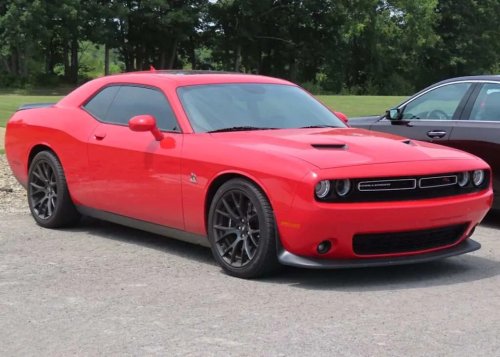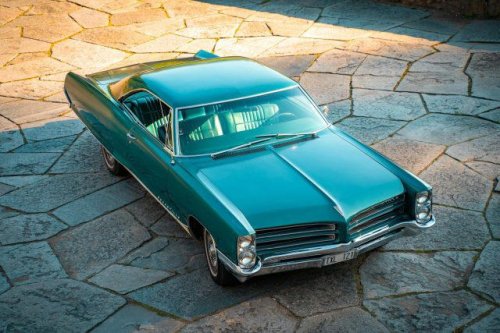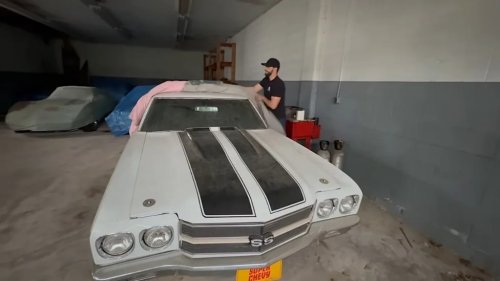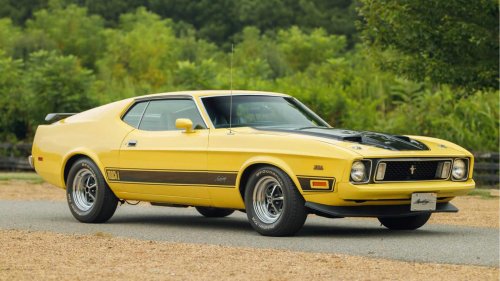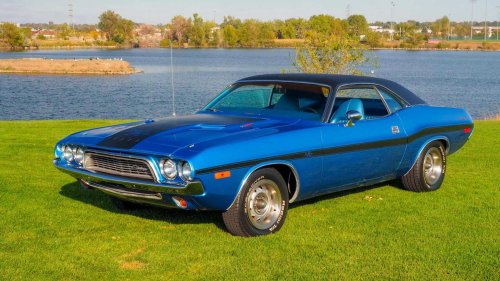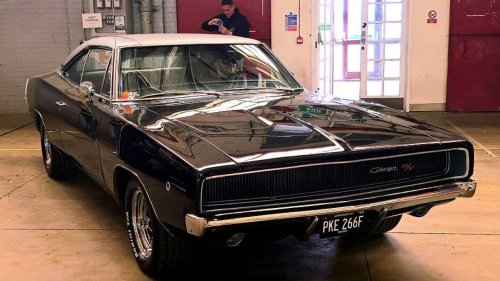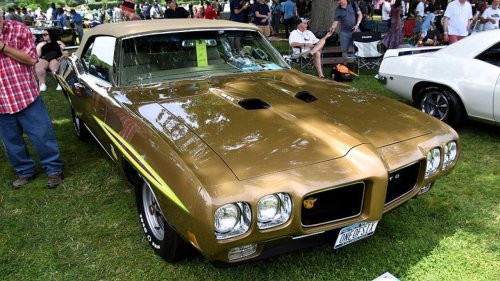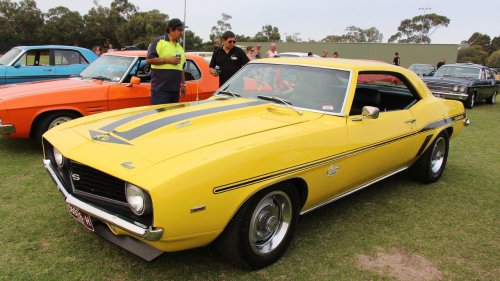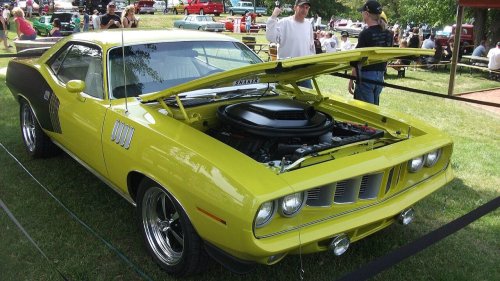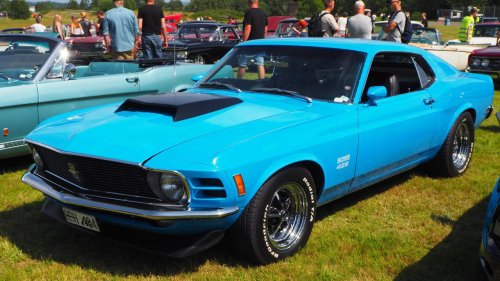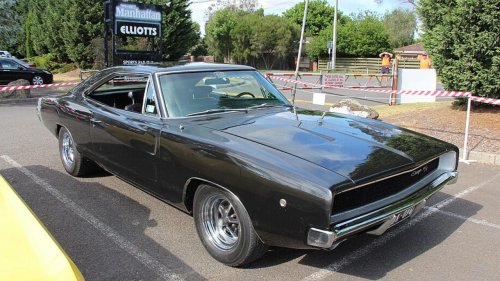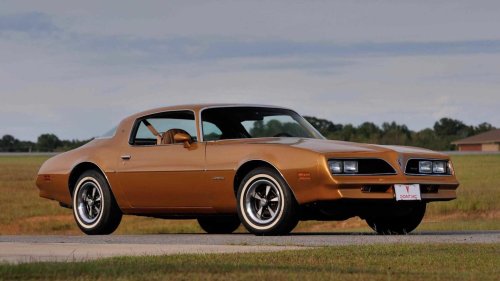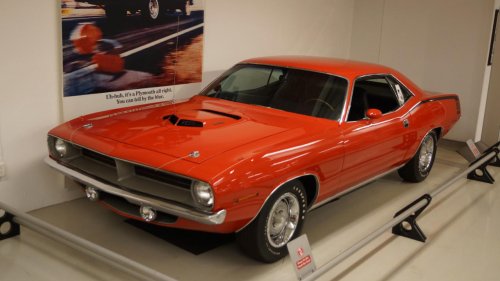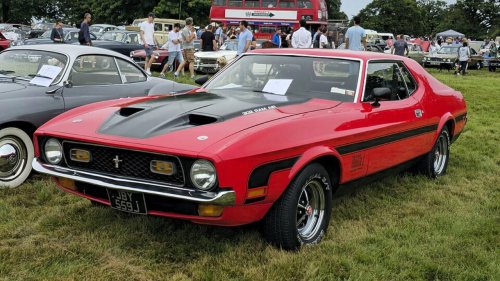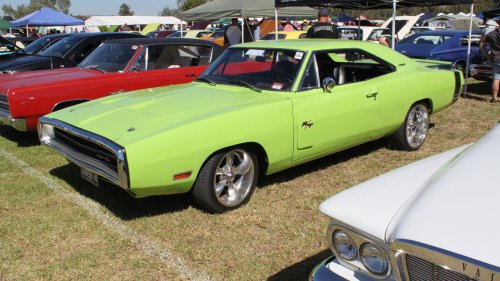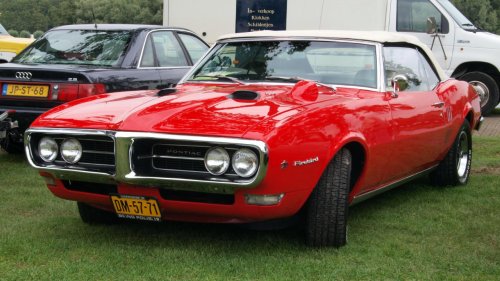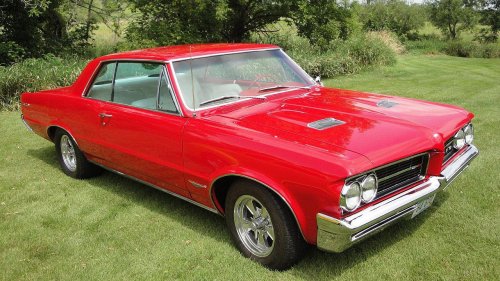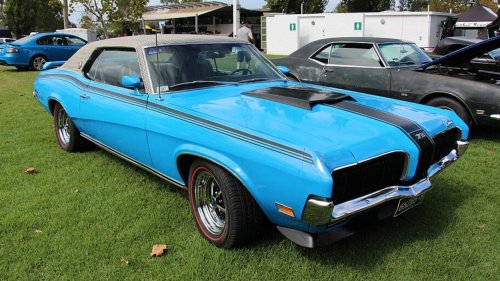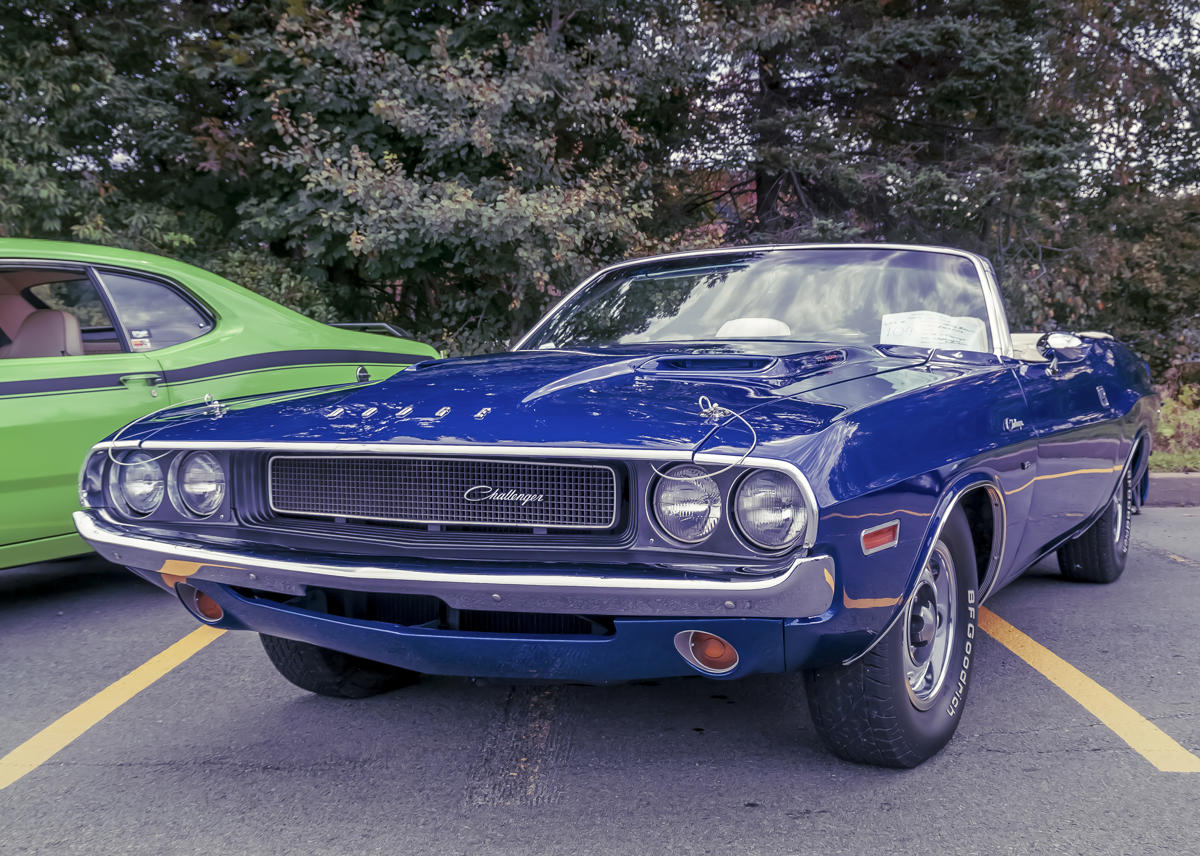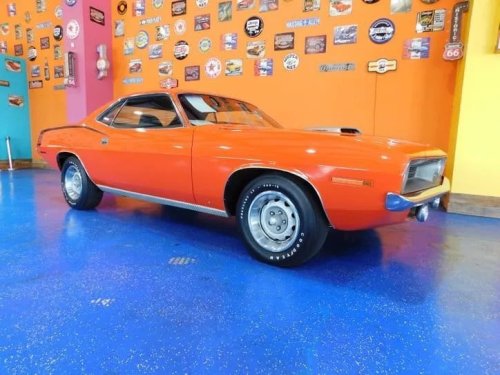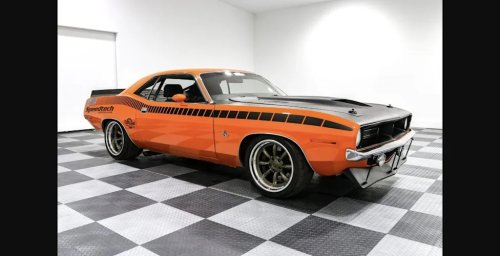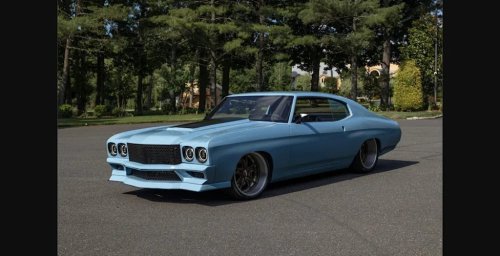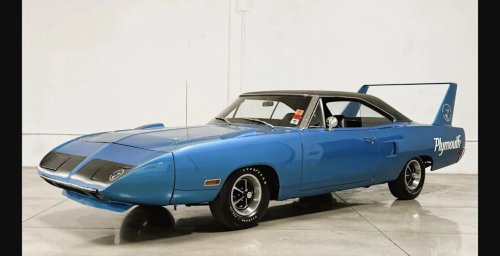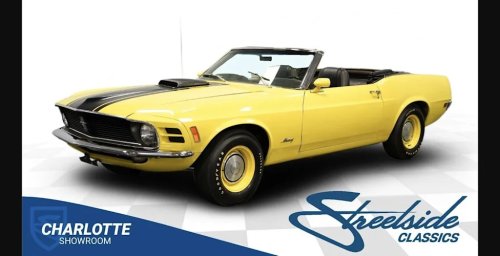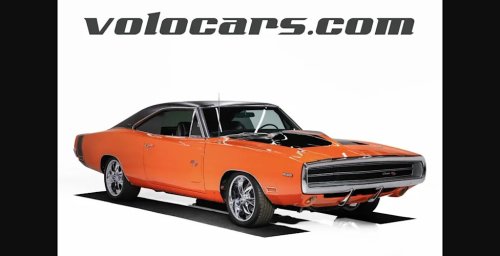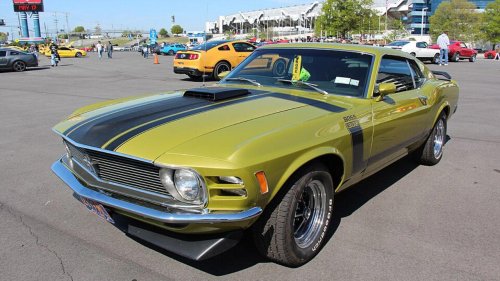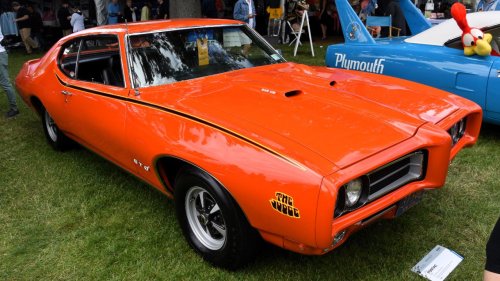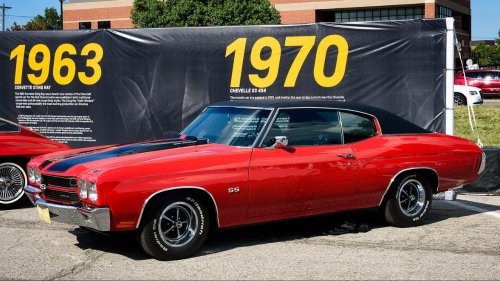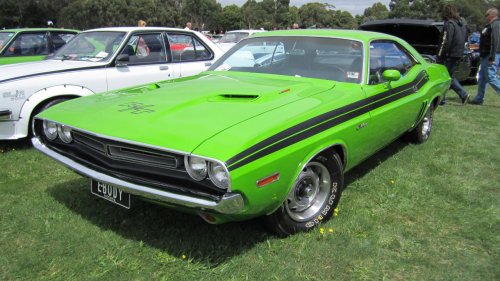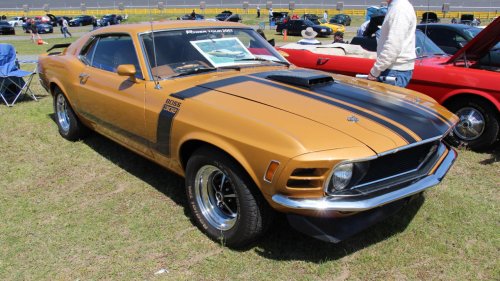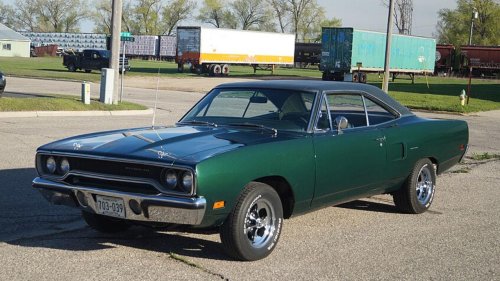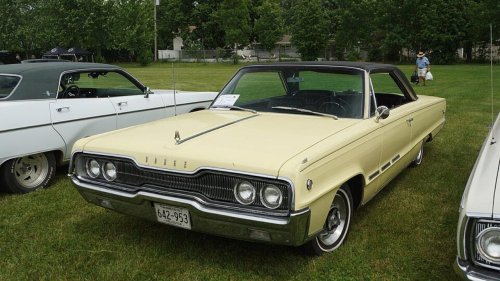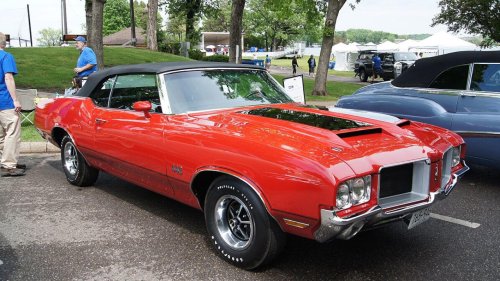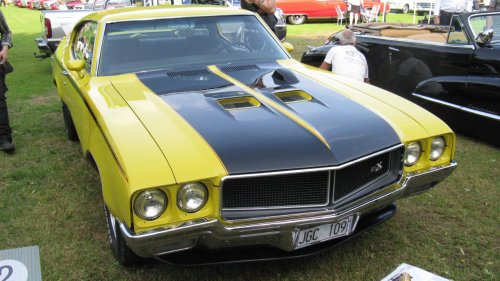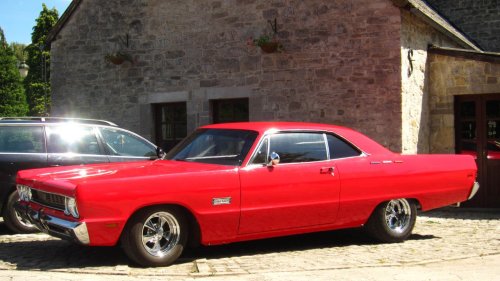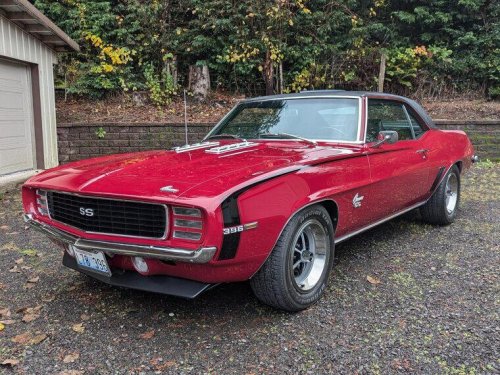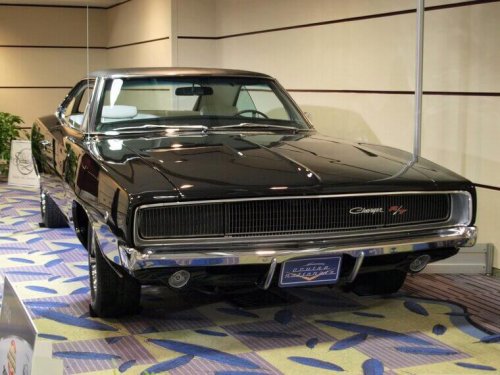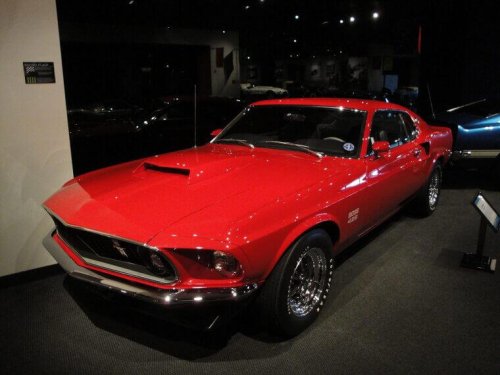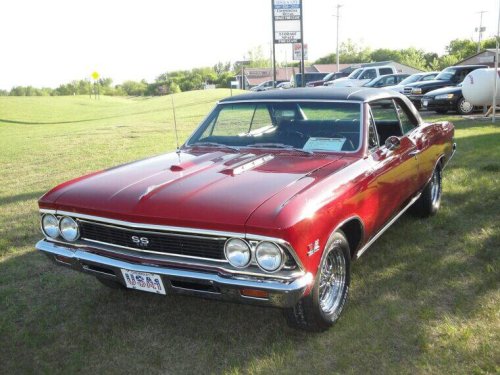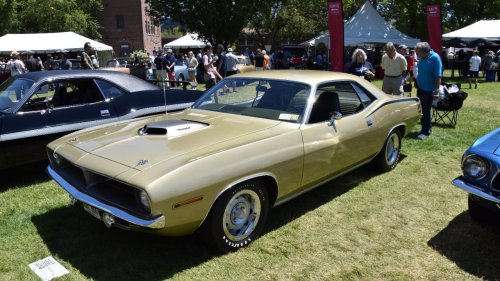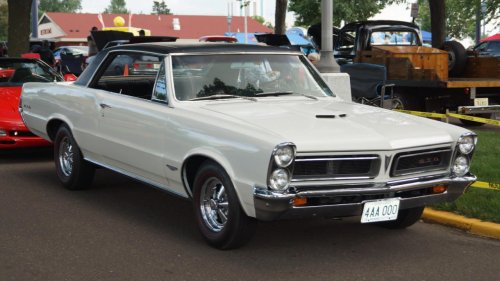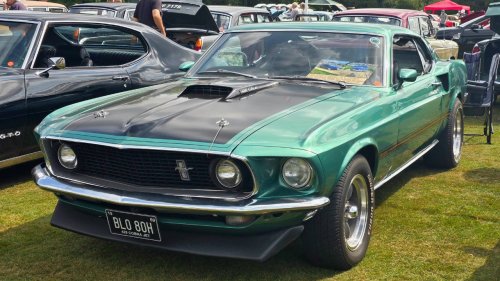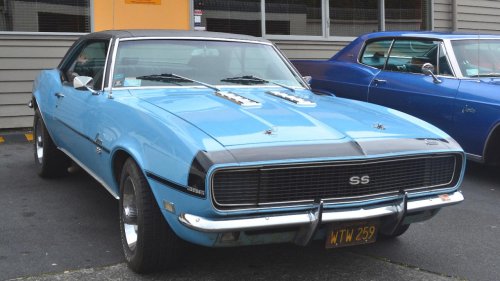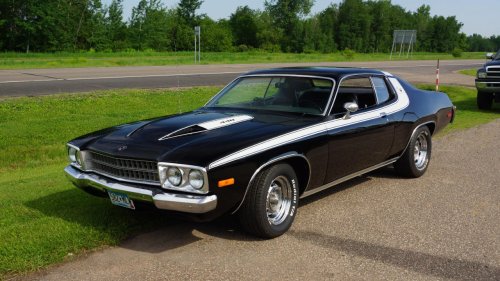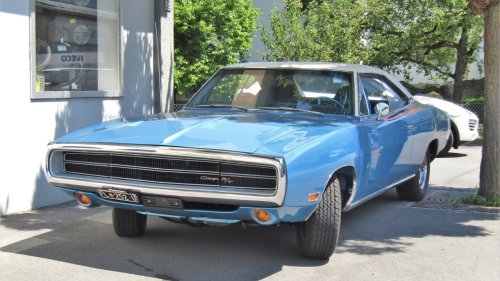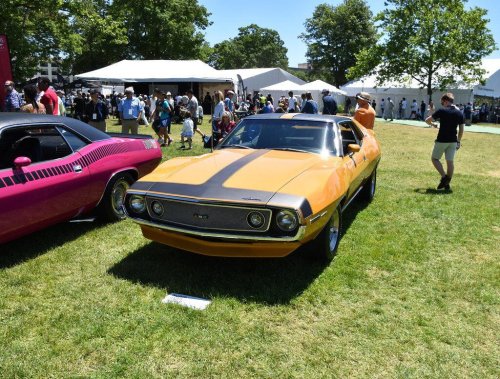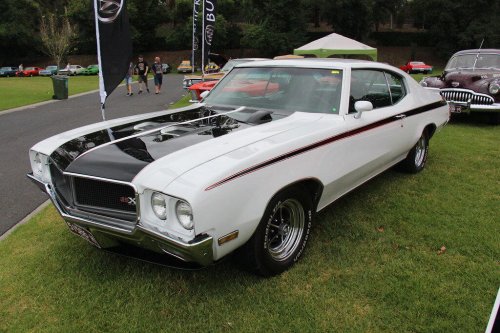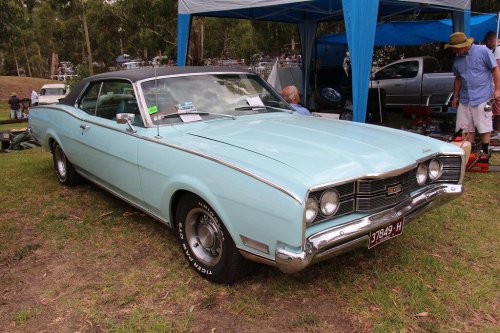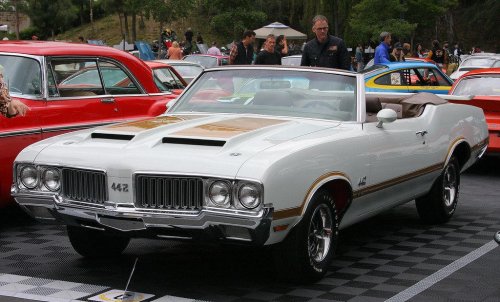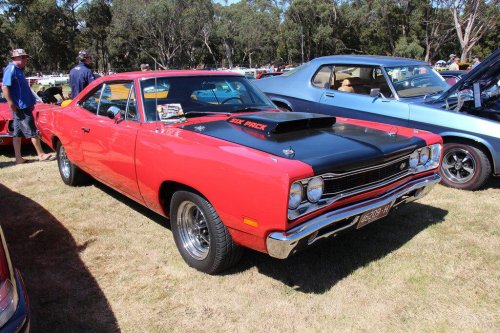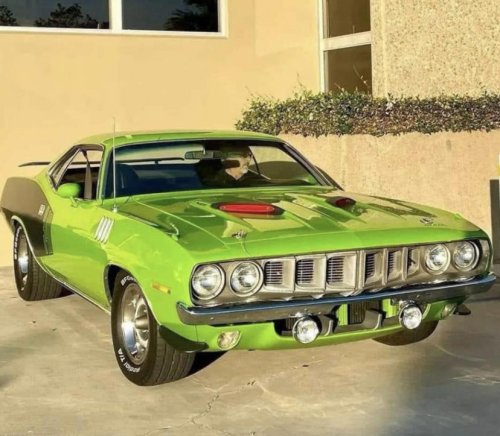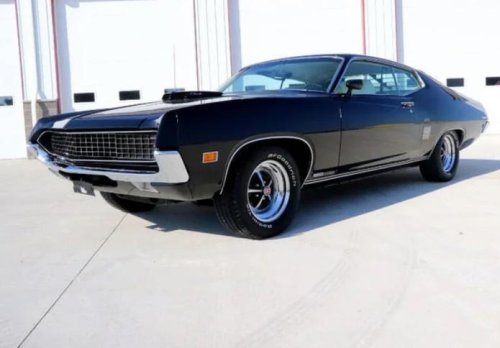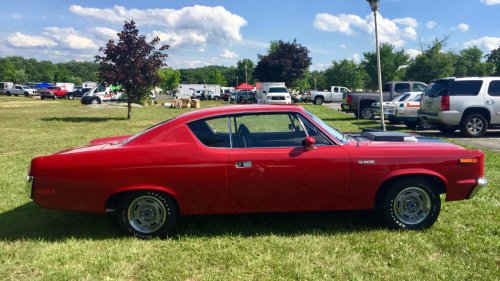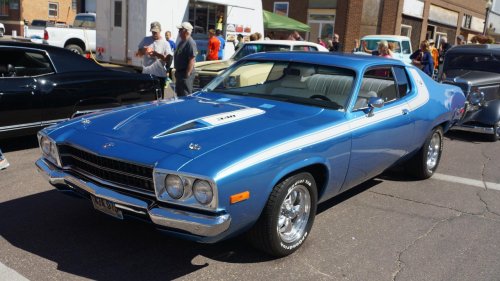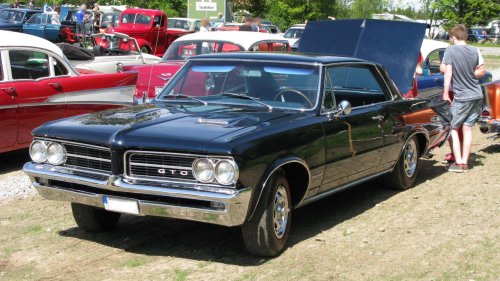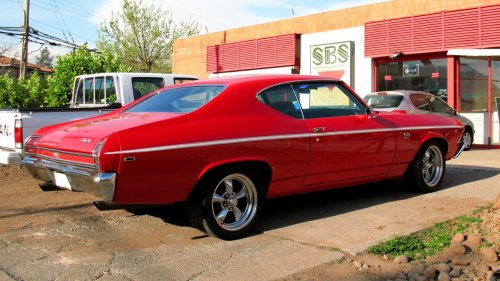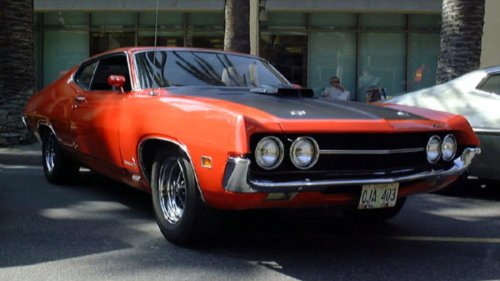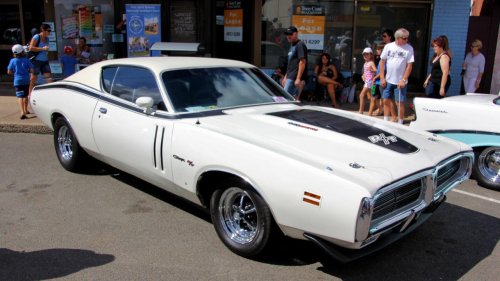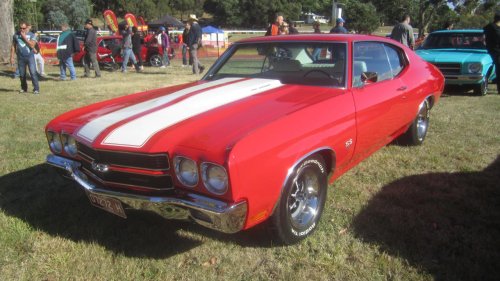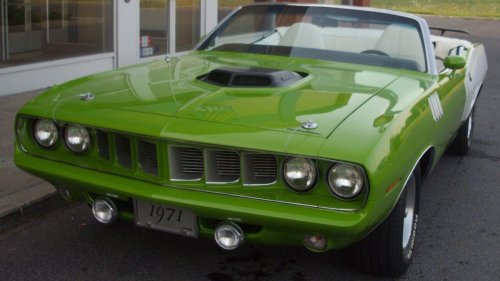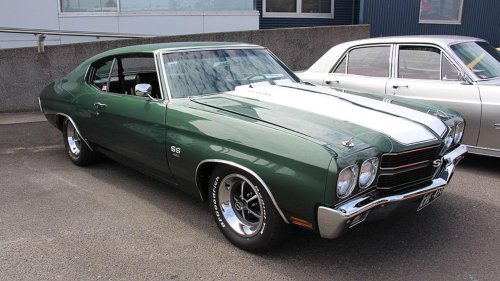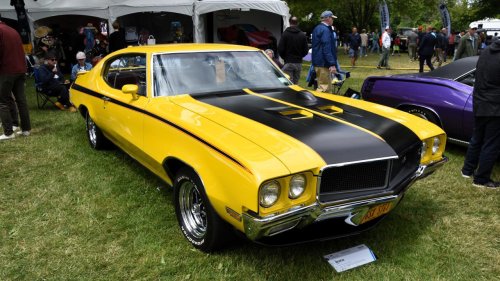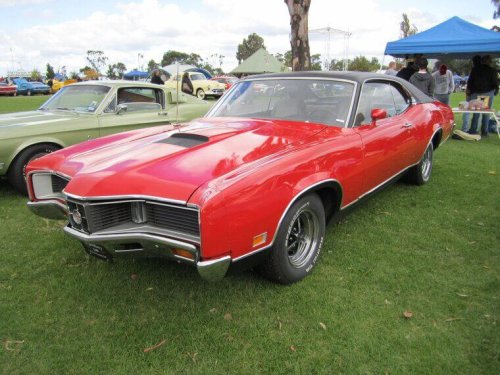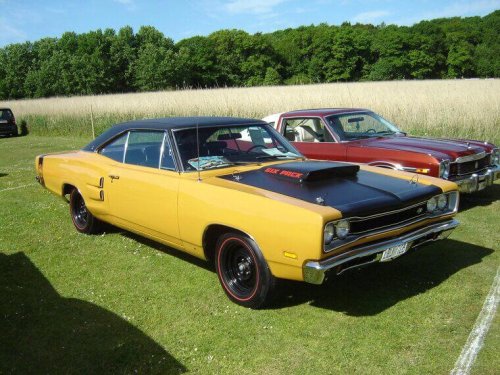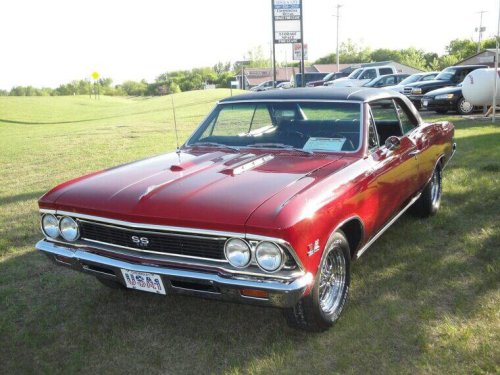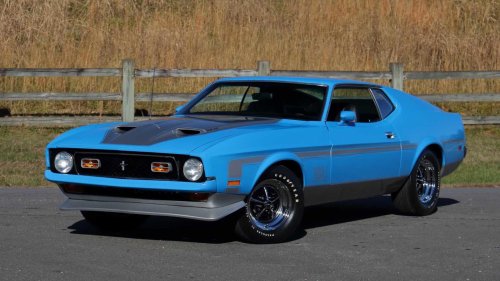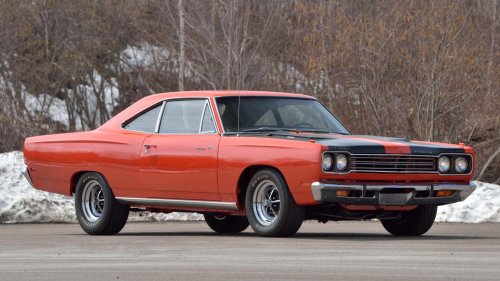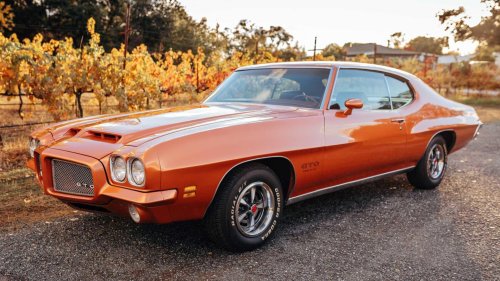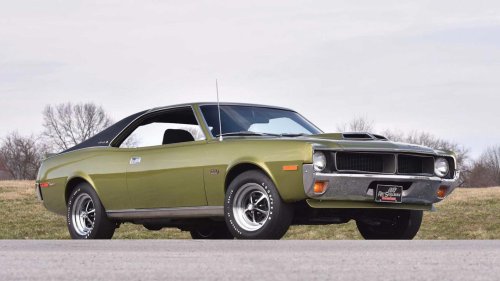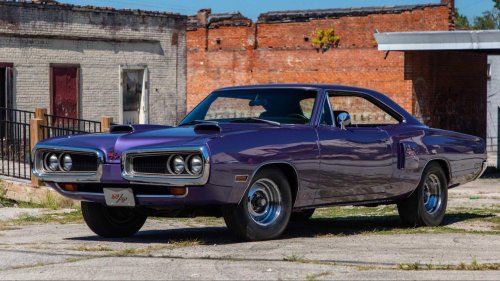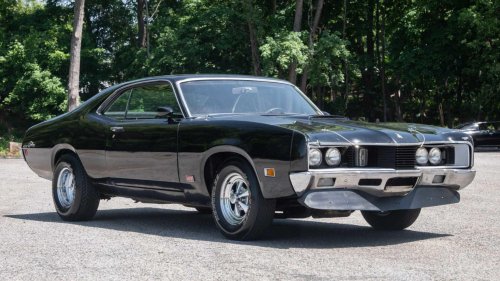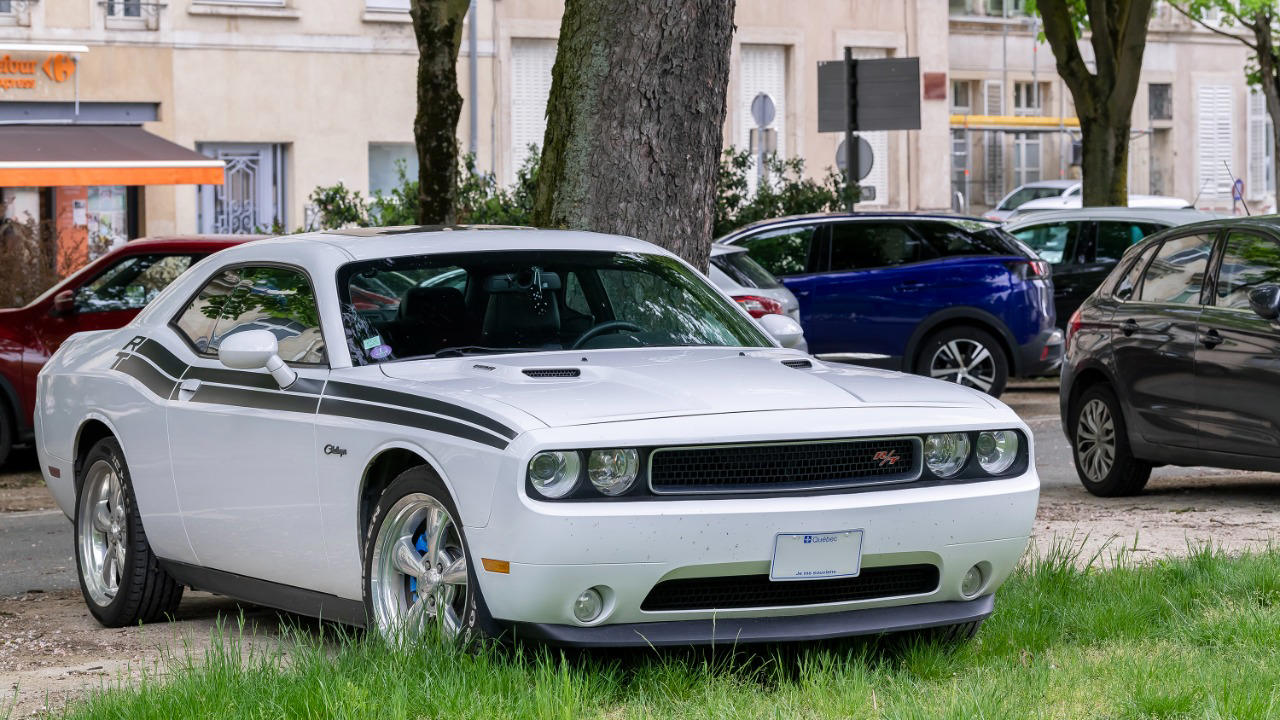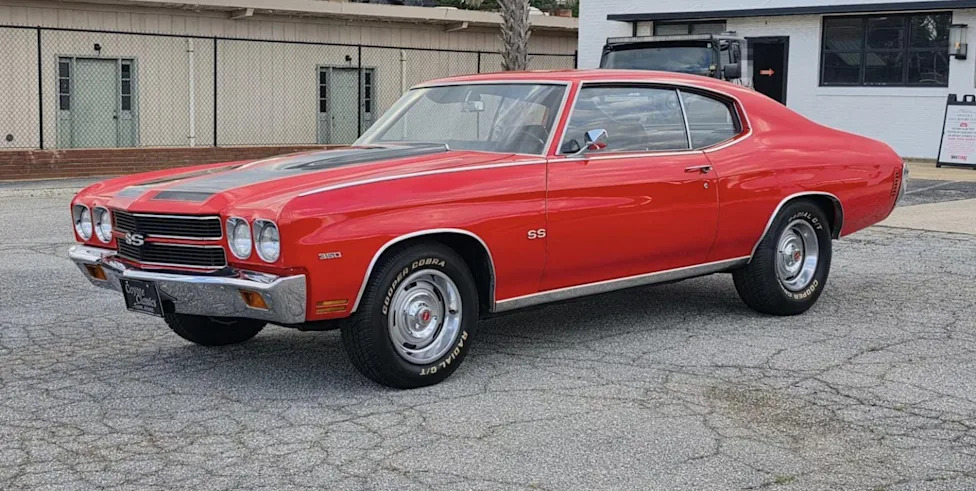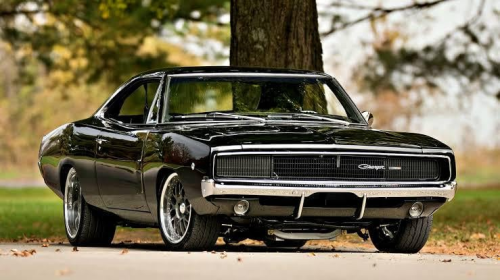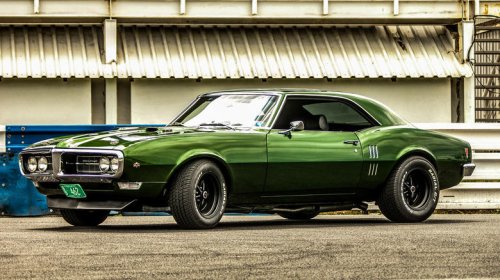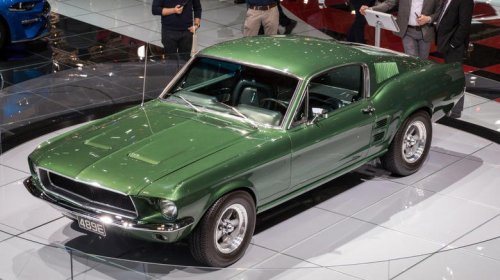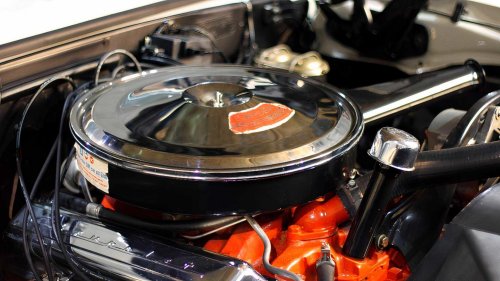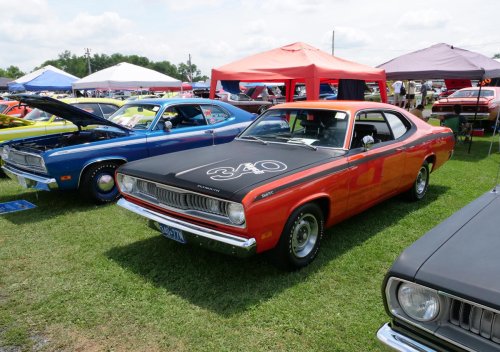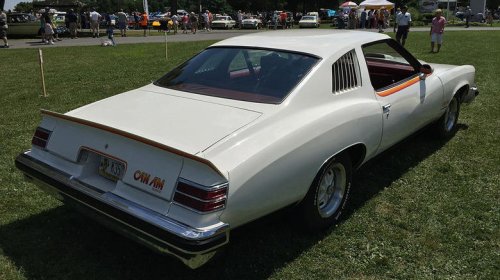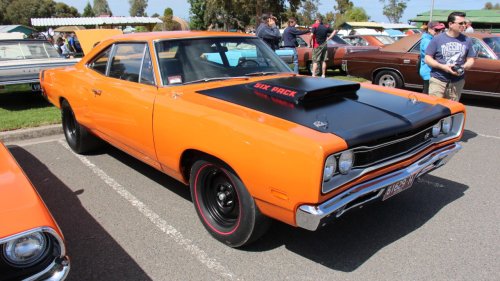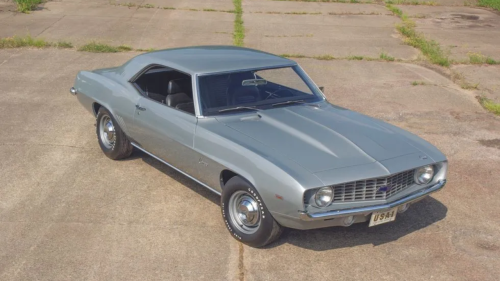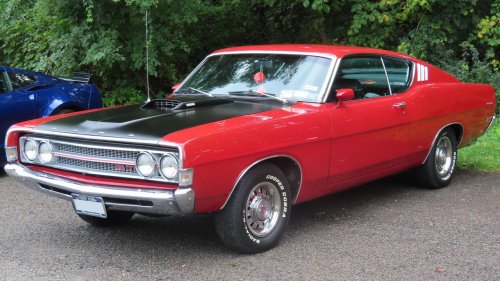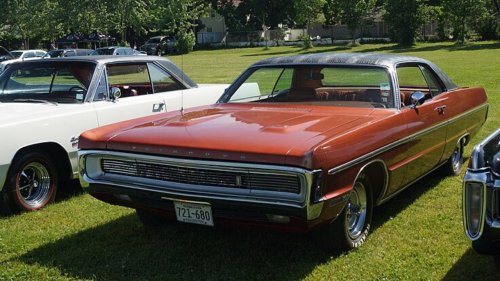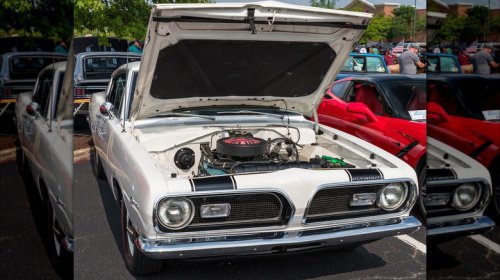
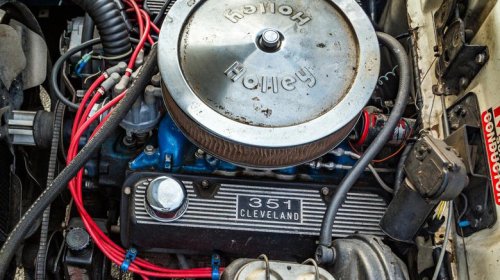
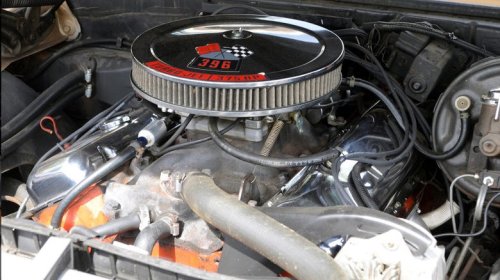
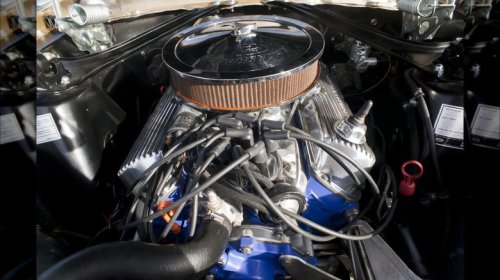
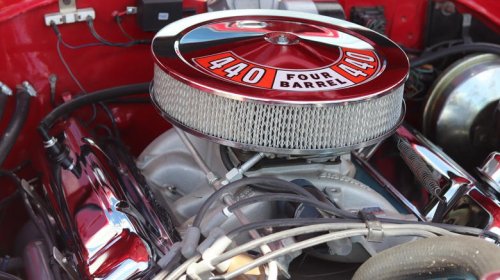
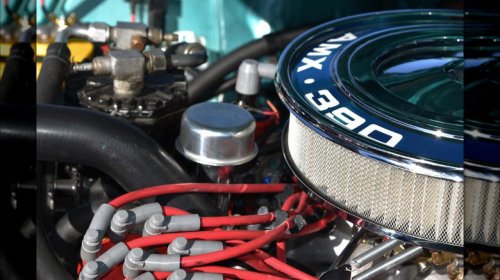



















Chrysler 426 HEMIChrysler's HEMI engine, first introduced in 1951, is the foundation for many of the greatest muscle cars of the '60s and many of the new generation of Chrysler muscle cars. Although Chrysler was not the first to make an engine with a hemispherical combustion chamber, it leaned into the design in its marketing in a way no other company has. This made it seem like an engineering design unique to Chrysler and uniquely better than the competition. Whether it was better or not, few would argue that HEMIs are not great engines.The combustion chambers on these engines are dome-shaped, allowing for the spark plug to be installed directly in the center, allowing for a closer spark that more fully burns the air charge. This is accompanied by a domed piston and valves installed at an angle, giving HEMI engines their characteristically wide cylinder heads. It was the second generation of engines that made a name for Chrysler, being found in the most iconic Mopar engines of the day, including Chargers, Superbirds, Coronets, and so forth. Perhaps the most popular engine from this group is the 426 Hemi. Although Chrysler also offered a 440 V8, the 426 HEMI made more power and was preferred by drag racers of the period. The 426 was first introduced in the Plymouth Belvedere specifically for NASCAR racing but quickly became a favorite among hot rodders everywhere until its demise in the early '70s.Ford 351 ClevelandFord Motor Company was a trailblazer when it first debuted the Ford Flathead V8 engine in the '30s. That 65-horsepower engine was the reliable and powerful engine choice for a generation, powering family cars, gangster outlaw rides, and military vehicles alike. After its technology became outdated, Ford pressed on with new overhead-valve designs, eventually releasing its 351 cu-in V8 in 1969. Its introduction filled an empty slot that existed between its smaller 289/302 engines and the big block 390/428 models. The more common 351 Windsor, named for the Canadian plant where it was produced, came as an enlarged version of the 302 and powered millions of cars through the '70s and '80s. However, the 351 Cleveland, named for the location where it was built, was a different design altogether.The Cleveland engine was designed with higher performance in mind and benefitted from having larger valves and a free-flowing head design. This resulted in an intermediate engine option that provided good performance without going to large displacement engines such as the 427. In early models, some 351 Cleveland-equipped cars could boast of having up to 300 horsepower with an even more respectable 385 ft-lb torque rating. This engine found itself in some of the finest Ford performance cars of the early '70s, including the Boss 351, Mach 1 Mustangs, and the Cougar XR7. By 1974, the horsepower party was drawing to a close, and the Cleveland's heyday was too. It remained in production for a while longer, but its power was severely diminished.Chevrolet 396By the mid-'60s, Chevrolet already offered its 409 and 427 engines for customers who wanted more torque for their intermediate and large cars. However, starting in 1965, Chevrolet offered the 396 as a high-performance engine option for its intermediate and smaller muscle cars. That meant you could order the SS 396 versions of a Nova, Camaro, Chevelle, or El Camino from 1965 to 1970, and these are now some of the most sought-after versions of these cars.The SS 396 V8 is good at making lots of power, often deceptively. For the 1966 to 1970 models, Chevrolet publicly published its power output of 375 horsepower. However, investigative journalists at publications such as Hot Rod found the actual numbers to be closer to 425 horsepower with torque shooting up to 445 lb-ft. It was also found during these tests that swapping the factory exhaust manifolds for a set of tuned headers could easily push the horsepower up to 457 and torque to an extremely healthy 464 ft-lb. The modified rating came from a cheap and easy swap of the exhaust and showed the potential to increase output to surpass even Chevy's own 454 V8. Production of these mills ended in 1970, avoiding being choked to death by regulations and unceremoniously left on the vine to wither. Still, this means they are harder to come by today and those original SS 396 cars are prized possessions of collectors everywhere.Ford Windsor 5.0For decades, one engine dominated Ford's high-performance lineup of cars — the 5.0 V8. While also found on a variety of family wagons, cop cars, and ½-ton trucks, it remained the mainstay for Mustang power throughout the '80s and '90s. However, it has roots in the late '60s when it was introduced as an engine choice for the Mustang, among others. When the Mustang first emerged, it could be ordered with an excellent 289 V8 engine. After several years it was enlarged, leading to the 1968 debut of the Ford 302, which would continue in production for several decades.The 302 initially came in its base form with a two-barrel carburetor producing 210 horsepower, moderate yet adequate for the time, but it saw a precipitous decline shortly thereafter. By 1977, horsepower was down to just 134. Despite these mostly lackluster performance figures, there were a couple of highlights. In its debut year, Ford released the 302 in its high-performance Shelby GT350 Mustang. In this package, the V8 produced 250 horsepower, although the previous year's 289 made 306. The lower power issue was rectified in 1969's Boss 302 Mustang. This new homologation special featured a 302 making a much better 290 horsepower officially, though some who tested it say it was closer to 314. The 302 ended up being a hugely successful engine that survived the power-starved years of the '70s. It powered dozens of Ford models and became the engine of choice for the Mustangs that would rule the streets again in the '90s.Chrysler 440When Chrysler introduced its 440 V8 in 1966, it was among the biggest engines found in passenger cars at the time. It may not have had the cultural cache and prestige of the popular HEMI engines, but it was easier and cheaper to produce, offering consumers an affordable way to get loads of power. Also called the Chrysler wedge engines due to the way their combustion chambers are shaped, a Charger or Challenger with the 440 delivered 375 horsepower and, due to its huge displacement, an enormous amount of torque. This engine could be ordered in various configurations, but the highest performing was the six-pack, which came with a trio of two-barrel carburetors, often topped with an air scoop poking out of the hood.Some of the most desirable cars equipped with the 440 include the Challenger, Barracuda, and Charger. British boutique automaker Jensen imported the huge V8 engines with Torqueflite transmissions for its luxury GT cars that were sold in a land where 2.0-liter engines were the norm –- the 440 is 7.2 liters. The 440 continued in production through the implementation of EPA regulations and lost considerable power as did the engines of other automakers. Most 440s were relegated to truck duty in this period, although it could also be found in the land barges of the day, such as the nearly 20-foot Imperial LeBaron. Chrysler adapted to the 440 in 1977 its new Lean Burn technology, which used primitive electronics to control spark timing and fuel mixture but proved to be highly problematic. Production of the engine ended the following year, another victim of efforts to clean up our cities' air.AMC 390Always standing in the shadows of Detroit's Big Three, the American Motors Corporation had to work with smaller budgets and fewer resources to develop cars that the buying public might be interested in. For many years, the company accomplished this and even built some fantastic models that were stellar not just in comparison to the others but in their own right. The muscle cars coming from the AMC offices include the Rebel Machine, SC/Rambler, Javelin, AMX, and short-lived Marlin.The most unique among the pony cars is the AMX, which has the distinction of being the only one with just two seats. It also has a shorter wheelbase than comparable cars but can get going thanks to its AMC 390 V8. Despite being available across the range, this engine became widely known simply as the AMX 390. AMC also did well with special editions, such as the smaller 1969 Hurst SC/Rambler. This came with the 390 making 315 horsepower while suppling prodigious torque through its 4-speed gearbox setup with a Hurst racing shifter. The 1970 Rebel Machine received the same 390 tuned up to 340 horsepower and 430 lb-ft of torque.AMC was an interesting company making cars that punched well above their weight. The 390 proved to be a tough engine that could be tuned to make an abundance of power. For collectors, they remain affordable and still have a fervent fan base, making them fan favorites always at car shows.