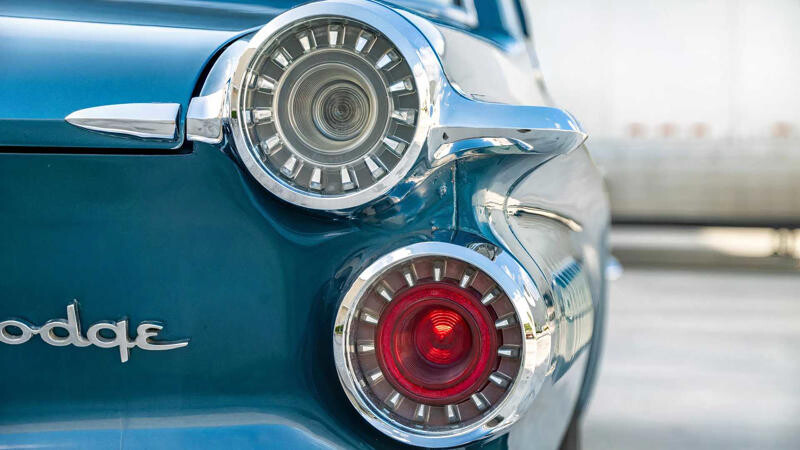
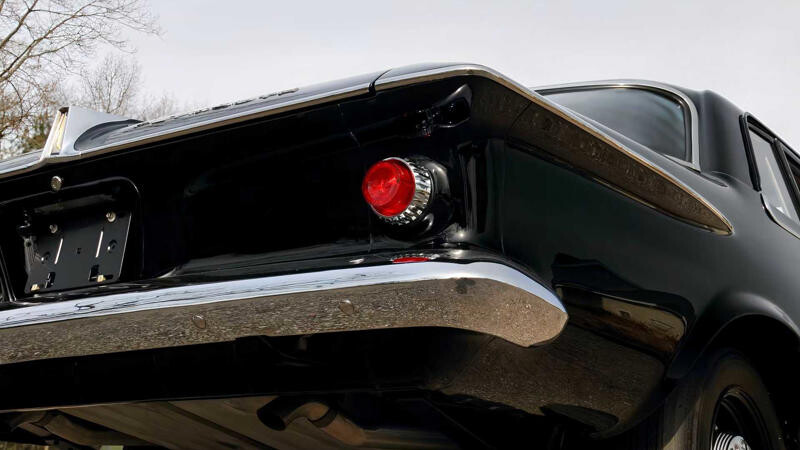
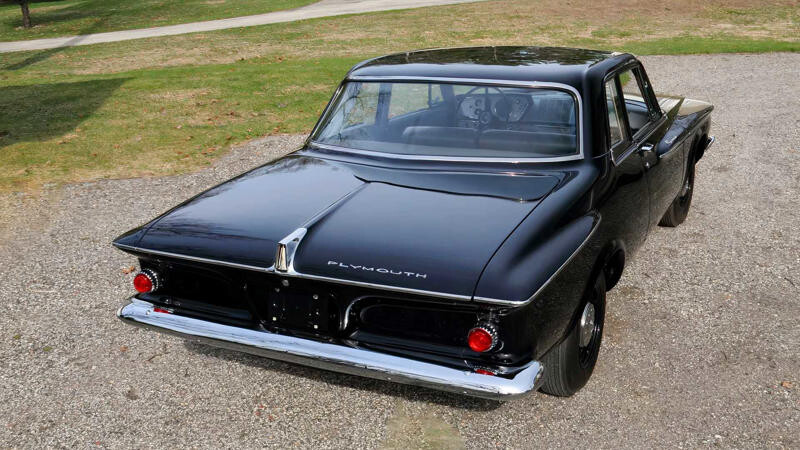
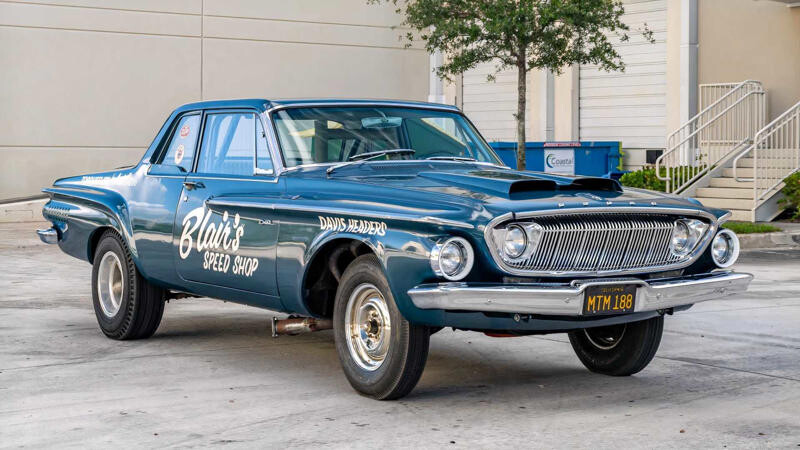
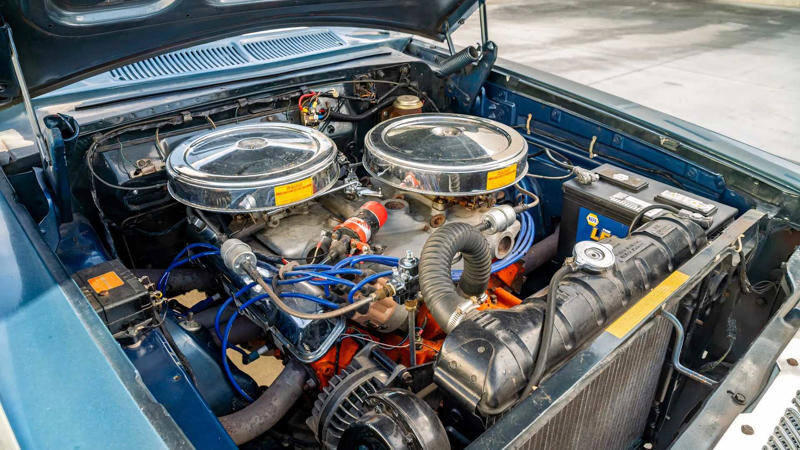
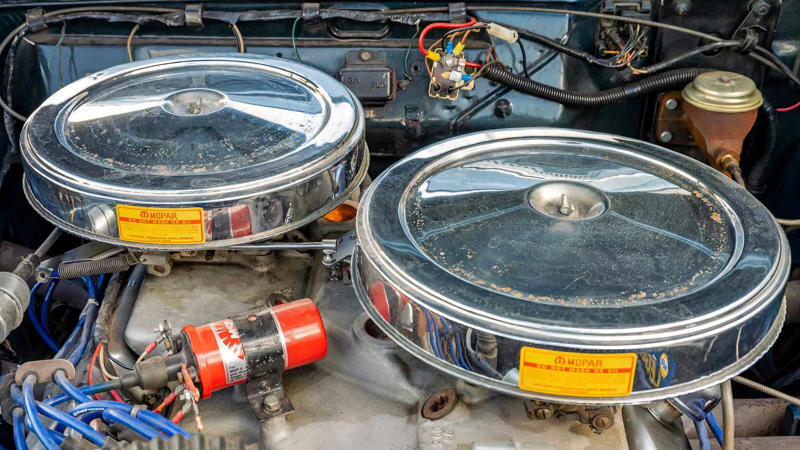
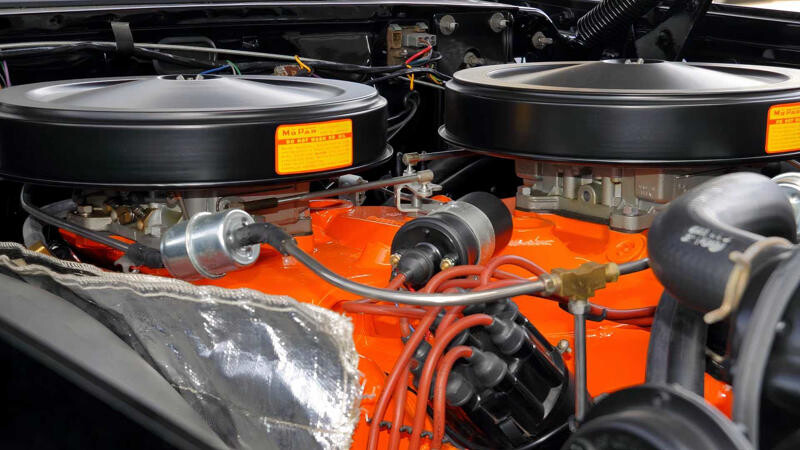
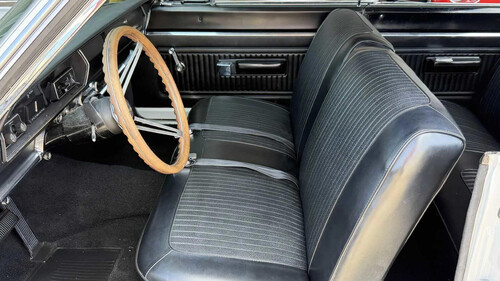
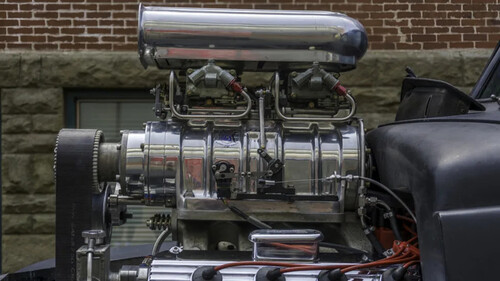
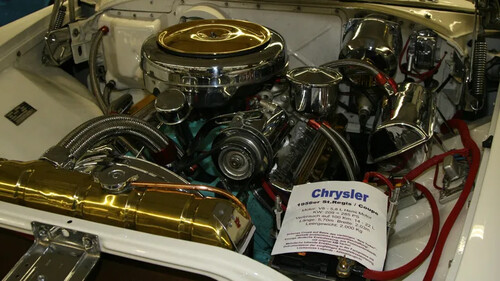
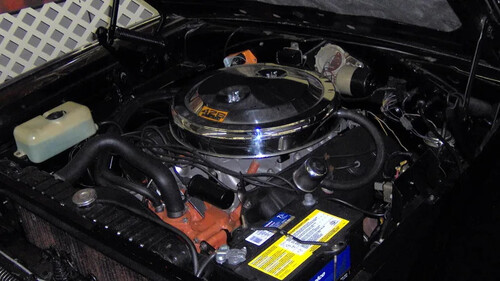
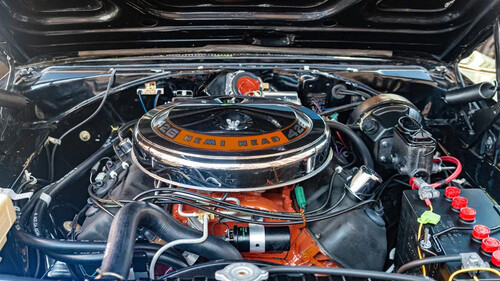
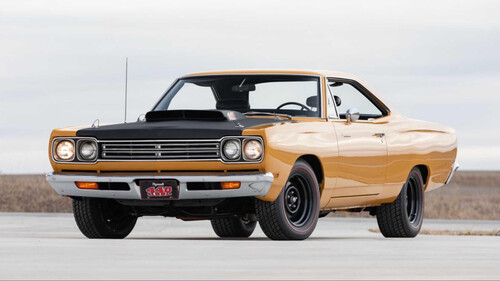
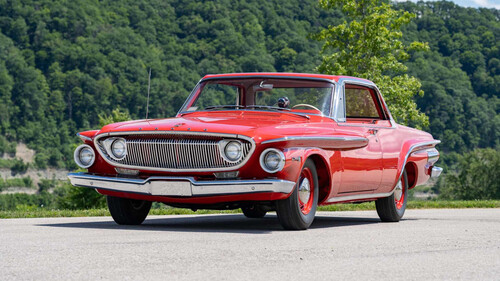
A bright yellow sticker carried a warning most drivers had never seen before. It told people, rather intriguingly, not to keep the throttle wide open for more than 15 seconds, which is about the least reassuring thing you could read before heading onto a drag strip. Chrysler, of course, read that same sticker and saw a selling point.That was the mood around the 1962 Max Wedge program. Before the 426 Hemi became the big-name Mopar brute everybody remembers, Chrysler had already built something wonderfully unfiltered. A factory package aimed squarely at quarter-mile dominance, street manners be damned. It lived in Dodge and Plymouth B-body cars, made as much as 420 horsepower and around 500 lb-ft of torque, and quickly earned a nickname that fit the attitude perfectly. The Orange Monster. Detroit Was Still Building Street Cars Chrysler Was Not Bring A TrailerIn the early '60s, everybody in Detroit wanted Super Stock credibility, but most brands still hedged their bets. Chevrolet’s 409, Pontiac’s 421, and Ford's 427 and 406 all chased straight-line speed while keeping the hardware package looking at least somewhat responsible. Heavier-duty brakes, stiffer frames, beefier springs, steering hardware, and uprated shocks were part of that thinking. These cars were fast, but they still arrived with a trace of corporate self-preservation.Chrysler looked at the same problem and walked in the opposite direction. The company’s first Dodge package car built specifically for straight-line acceleration was the 1962-64 Max Wedge, and the point of the thing was clear from the start. Instead of adding weight in the name of balance, Chrysler leaned hard into the lighter B-body platform and treated every saved pound like found money. That was the real shift here. This was a race car doing the bare minimum to remain printable in a brochure.That decision shaped everything that followed. The Max Wedge kept 10-inch drum brakes shared with six-cylinder models, rode on the base V8 suspension, skipped power steering and power brakes, and used the unitized B-body shell to stay lighter than the bigger body-on-frame competition.Chrysler’s logic was brutally simple. If the mission is to leave hard, run the quarter, and collect the slip, then extra street-car civility is just weight with a nice excuse attached to it. It’s a wonderfully unromantic way to build a hero car, if you think about it. The 413 Max Wedge ‘Orange Monster’ Came With A 15-Second Throttle Warning MecumAt the center of it all sat the 413 Max Wedge, a deeply reworked version of Mopar's ordinary 413 big-block. In Max Wedge form, buyers got either 410 horsepower or 420 horsepower depending on compression ratio, along with about 500 lb-ft of torque. Dodge called it the Ram-Charger 413, Plymouth called it the Super Stock 413, and neither name really captured the sheer oddness of what buyers were getting. This was a production engine built with the mentality of a parts-counter fever dream.The hardware list explains why. The Max Wedge used different heads with much larger ports and bigger valves, a high-lift camshaft, double valve springs, forged pistons, forged rods, a baffled oil pan, and a special intake with 15-inch runners feeding two 650-cfm carburetors. The cross-ram setup's been described as the closest thing ever seen on a Detroit production engine, which honestly feels about right. It looked half scientific experiment, half moonshine still, and that somehow made it even better. Sent With No Apology MecumThen there was the sticker. Chrysler warned drivers not to hold the throttle wide open for more than 15 seconds at a time, and the reason was as serious as the message itself. The high-volume oil pump could pull the standard pan dry during prolonged high-speed use, creating the risk of engine damage.Racers later figured out that a deeper 8-quart pan helped solve the issue, but the factory didn’t hide the warning. It printed it in bright yellow and sent the car out into the world anyway. That kind of honesty feels almost impossible now. Imagine buying a new car today and finding a label that basically says, “Please stop before physics gets rude.”Chrysler magazine ads of the period referred to the Max Wedge as the Orange Monster, and that nickname fits because the whole package had a kind of cheerful menace to it. Plenty of Muscle Cars are remembered for being fast. This one, however, is remembered for sounding like the company accidentally put a race-team memo into the owner experience and never bothered to take it back out. A Stripped Savoy Turned Into A Factory Drag Car MecumThe clever part was where Chrysler put this engine. Rather than dressing it up in luxury trim or pretending it belonged in some premium halo machine, Mopar stuffed it into plain B-body cars like the Plymouth Savoy and Dodge 330. Those were honest, basic sedans, the sort of cars that usually lived quiet lives involving grocery runs, church parking lots, and a permanent smell of vinyl. Chrysler took that familiar shell and turned it into a weapon with hubcaps.The Savoy angle is key because it shows how deliberate the whole formula was. Minimal trim and equipment kept weight down, the underlying platform was smaller and lighter than the larger rivals from Ford and General Motors. It's been noted that the B-body could be as much as 500 pounds lighter than some body-on-frame competitors, which helps explain why Chrysler felt comfortable sticking with lighter underpinnings. Not corner-cutting as much as it was corner-cutting with a stopwatch in hand. Built For The First 60 Feet Bring A TrailerEven so, the details still sound faintly unhinged. The Max Wedge package used 10-inch drum brakes and the base V8 suspension, though Chrysler did add special asymmetrical rear leaf springs and a longer cast-iron pinion snubber to help the car plant and leave hard. There was no front sway bar, because that would restrict the rapid front-end rise that helps weight transfer on launch. Every Component Was Chosen For Short Bursts Of Speed Bring A TrailerOnce you look closely, the whole car starts reading like a collection of quarter-mile priorities. The compression ratio climbed as high as 13.5:1. The camshaft was a 300-degree high-lift piece. The twin Carter AFBs sat atop that spectacular cross-ram manifold. Inside the engine were forged components and a baffled oil pan, because Chrysler knew this thing would live in conditions far nastier than ordinary boulevard duty.Rear gearing tells the same story. The Max Wedge’s standard rear axle ratio was a drag-ready 3.91. Don't think of it as Chrysler trying to give buyers flexibility. Instead, it was telling them exactly what the car was for. Highway comfort, fuel economy, and low-rpm civility were invited to the meeting only so they could be thrown out of it. Quarter-Mile Monster Bring A TrailerEven the rough edges made sense in context. The owner’s manual and factory bulletins admitted the long-duration cam caused rough idle and lazy low-speed response, and that ordinary gas mileage wasn’t something anyone should expect. None of that mattered when the same package could cover the quarter-mile in well under 13.5 seconds, which is exactly why the 15-second warning wasn’t considered a deal-breaker. Chrysler had built a car that asked one simple question: how long do you really need to be flat-out if the finish line is already coming at you? The 11-Second Barrier Fell Before The Hemi Took Over MecumIf the Max Wedge needed proof, it got it quickly. A 1962 Plymouth Savoy known as the 'Melrose Missile' became the first factory stock car to break into the 11-second range, recording a verified 11.93-second quarter-mile in July 1962. That was a huge marker for the era and a loud statement from a company that had clearly stopped worrying about whether its performance cars still felt civilized enough for polite company.There is, however, one important wrinkle in the story, and it’s worth acknowledging because this car deserves accuracy more than mythology. While the Melrose Missile’s 11.93-second run was presented as a 413 Max Wedge achievement, the NHRA Super Stock Diary says the engine had been re-bored to 426 cubic inches when that pass was made. So the run should be treated as part of the Max Wedge legend, but not cited carelessly as an undisputed stock-413 benchmark. The Writing On The Wall MecumWhat isn’t in dispute is the bigger point. Before the 426 Hemi became the engine everybody name-checks in every Mopar conversation within a fifty-foot radius, the Max Wedge had already laid down the philosophy. Strip the car, feed it big compression, give it serious induction, gear it for the track, tell the driver exactly how wild it is, and let the time slip do the rest. The Orange Monster was the draft copy for every factory drag special that came after it, written in yellow warning-label language and backed by a quarter-mile threat.Sources: Dodge Garage, Engine Labs, NHRA Superstock Diary.