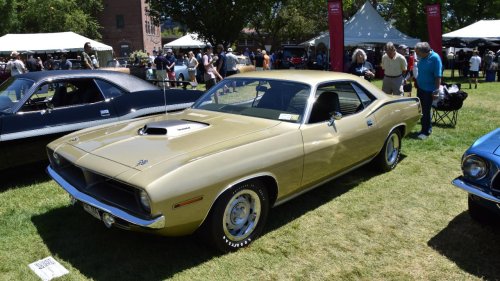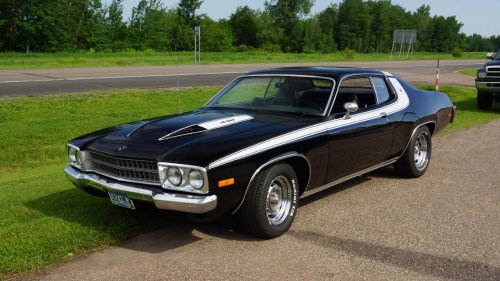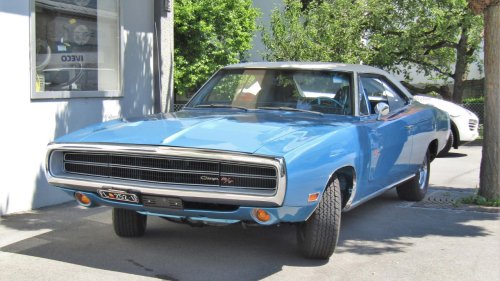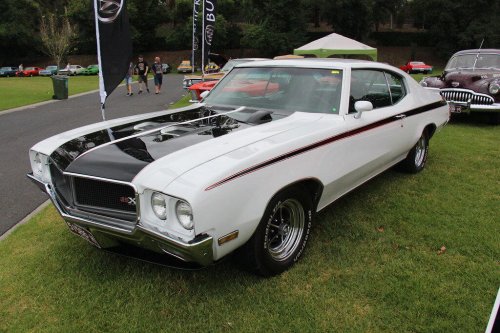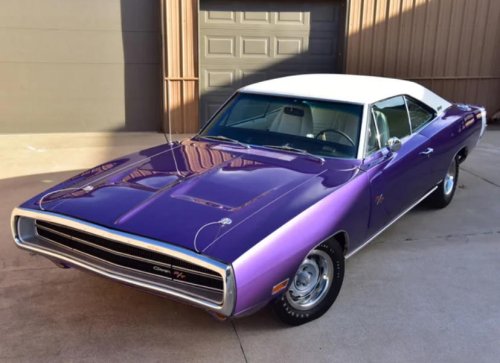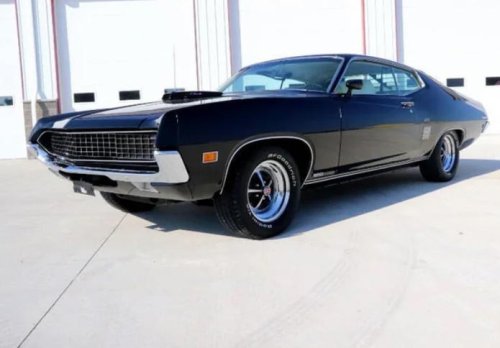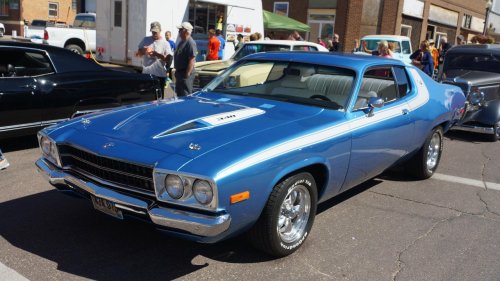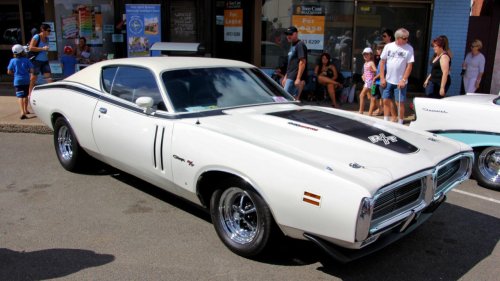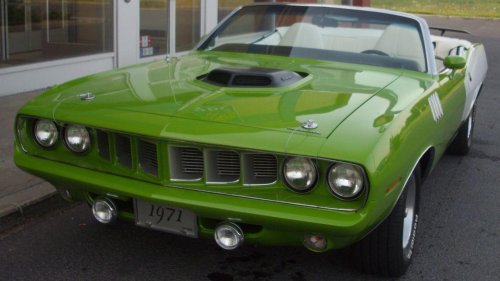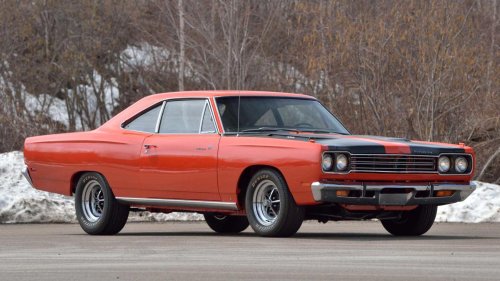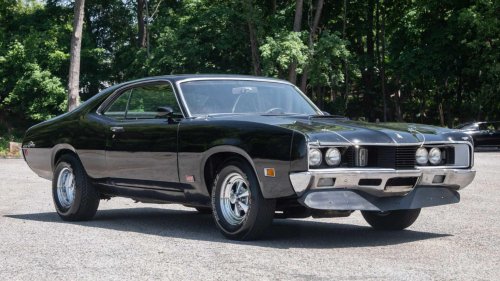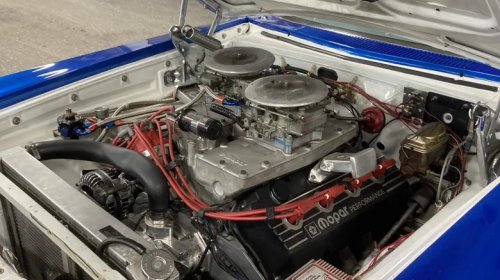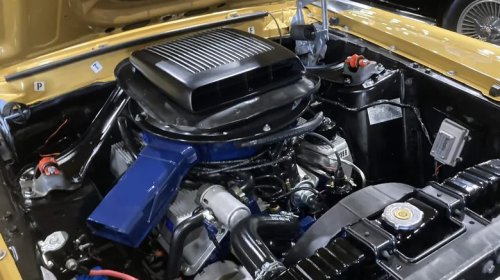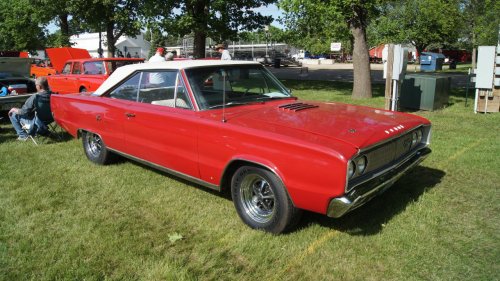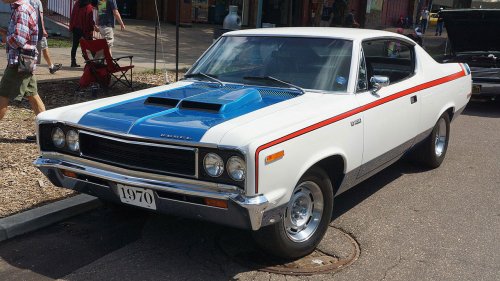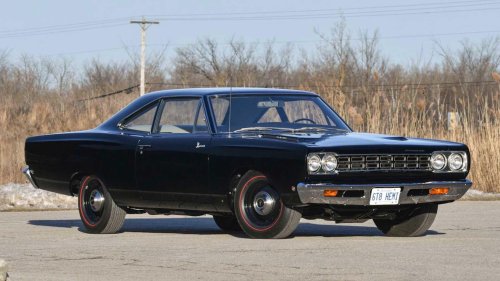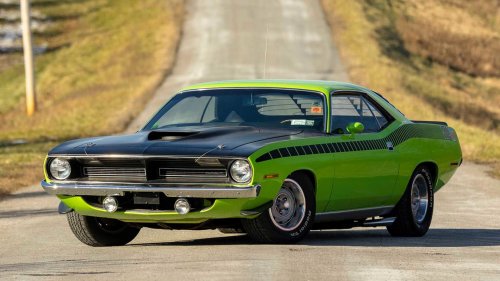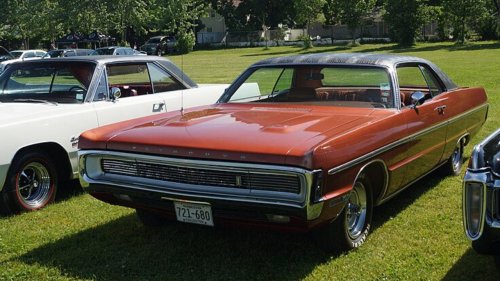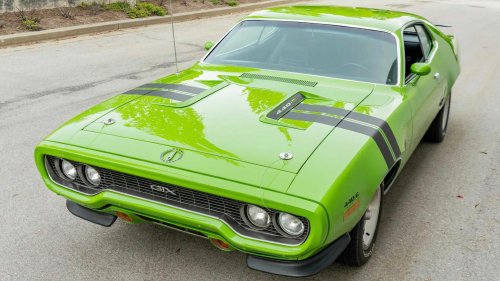
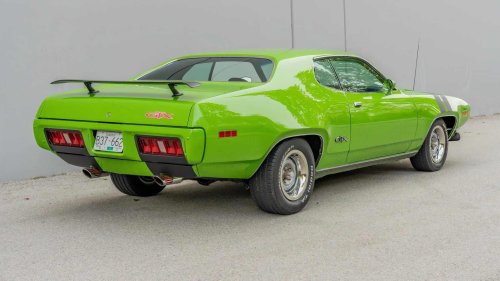
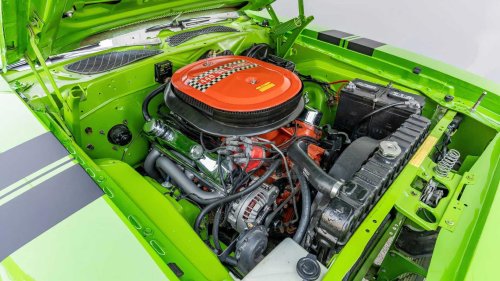
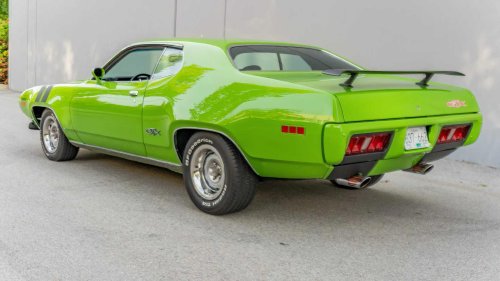
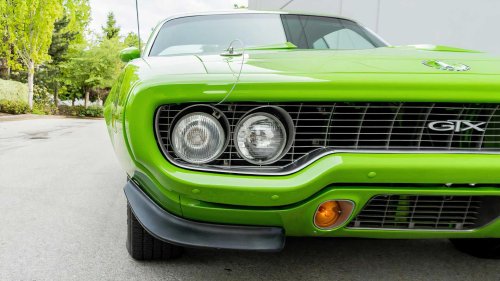
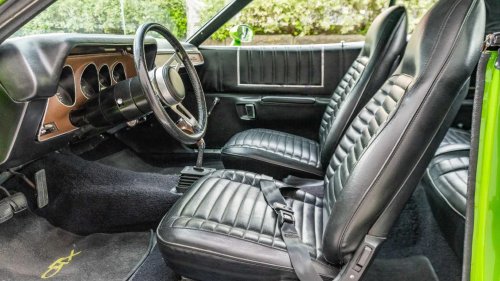
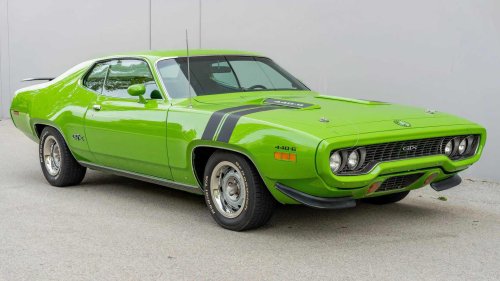
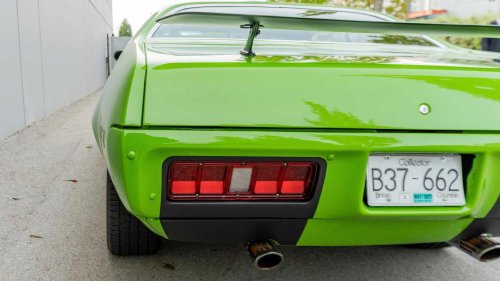



















The early 1970s were stacked with legends. You had Plymouth Road Runner and Chargers lighting up the streets, ‘Cudas prowling the strip, and Challengers flexing serious muscle. If it had a HEMI, it got attention. If it looked mean and sounded louder, it probably sold well. But somewhere in all that Mopar noise, one car got unfairly lost in the mix.It wasn’t because it lacked performance. Quite the opposite—it was a bruiser. It wasn’t because it looked bad—its curves were sharp enough to cut through a lineup of mid-size coupes. The real reason it got overlooked? Timing. This was a car that showed up when the party was just starting to wind down, and as a result, it didn’t get the recognition it deserved. At least, not back then. The 1971 Plymouth GTX 440+6 Was Seriously Underrated For Its Time Bring A Trailer The had already been around for a few years by 1971, originally positioned as a “gentleman’s muscle car.” That meant it came with a bit more trim and comfort compared to the bare-bones Road Runner, but it still packed a punch. By the time the ’71 model hit showrooms, the GTX had evolved into its final standalone year—and what a send-off it was. The GTX 440+6 Had Everything Going For It, But People Wouldn't Bite Bring A Trailer For this last hurrah, Plymouth dropped the GTX name onto the redesigned B-body platform. The result was a slick fastback with coke-bottle curves, sculpted lines, and arguably one of the best-looking Mopars of the era. The front end looked aggressive, the grille had attitude, and the body bulges gave it a serious street presence. But despite all that visual drama, buyers just weren’t biting.Part of the problem was that insurance premiums had started creeping up, emissions were tightening, and gas prices weren’t staying friendly. People were starting to cool on big-block performance, and unfortunately, that meant the 1971 GTX flew under the radar—despite being an absolute beast. The 440 Six-Pack Was Its Party Piece Bring A TrailerLet’s get to the real reason this car matters: the engine. Under the hood of the GTX, buyers could option up to the mighty 440 cubic-inch V8 with the “Six Barrel” carburetor setup—known to most of us as the 440+6. It wasn’t the top-dog 426 HEMI, but for all practical purposes, it was just as quick, and in some cases, even better for real-world driving.Bring A Trailer The 440+6 used three two-barrel Holley carbs to create a flow of fuel and air that made 385 horsepower and 490 lb-ft of torque. That torque number was no joke. It meant the GTX could rip through a quarter mile with authority, spinning tires with ease and pushing your back into the seat like a car twice its price. And since it made peak power lower in the rev range than the HEMI, it actually felt more usable on the street.Acceleration was brutal in the best way. A well-driven 440+6 GTX could dip into the low 13s in the quarter mile, sometimes even brushing the high 12s. That put it right in the middle of the muscle car elite. And because it wasn’t a HEMI, it didn’t carry the same “handle with care” mystique or service complexity. This was a muscle car you could actually drive hard without worrying about blowing it up. The '71 GTX 440+6 Was As Rare As They Come Bring A Trailer Here’s where the story takes a turn: not many people actually bought one. In 1971, Plymouth sold just over 2,900 GTXs total. That’s not a typo. And of those, only around 326 were equipped with the 440+6 and a 4-speed manual—making it one of the rarest configurations from any major muscle car nameplate of the era. The GTX 440+6, Sadly, Just Didn't Catch On Bring A Trailer To put that in perspective, Dodge sold over 10,000 Chargers that same year. Chevy moved tens of thousands of Chevelles. Even its own Plymouth Road Runner outsold the GTX by a wide margin. The GTX was a performance coupe in a shrinking segment, and as good as it was, it just didn’t catch on.It didn’t help that the ’71 model year was the final year the GTX stood on its own. After this, it got absorbed into the Road Runner lineup as a trim package—and eventually faded out altogether. That short run, paired with its low production numbers and high-performance setup, makes the ’71 GTX 440+6 a true unicorn today. '71 GTXs Today Don't Come Cheap Bring A Trailer If you want one now, be prepared to pay up. These cars have quietly become some of the most desirable (and expensive) Mopars you can find, especially if it’s a real-deal 440+6 car with matching numbers and a 4-speed. 1971 Plymouth GTX 440+6 Values Top recorded sale of $192,500 (as per Classic.com) 'Good Condition' example (as per Hagerty) valued at $166,000 Auction prices have been climbing steadily over the past few years. While a clean standard ’71 GTX might go for $60K–$80K, a properly restored 440+6 version can easily clear $150,000, and rarer color combos or HEMI cars push even higher. As per Hagerty, one in 'Good Condition' can run you back a whopping $166,000. The market knows how rare and underappreciated these are, and collectors are paying attention.They’re also appreciating how different this car is from the usual suspects. Everyone loves a ’Cuda or a Charger, but a 440+6 GTX? That gets you into real Mopar deep-cut territory. You’re not just buying a muscle car—you’re buying a conversation starter. The 1971 GTX Had The Looks To Back Up Its Muscle Bring A TrailerPower was one thing, but the ’71 GTX didn’t skimp on the visuals. The B-body redesign gave it wide hips, flared fenders, and a menacing stance. It looked modern compared to the boxier ‘60s Mopars, and the detail work was spot-on.That year, buyers could spec the Air Grabber hood—a vacuum-operated scoop that popped up under throttle for more air (and more intimidation). Graphics were bold, with optional stripes and bold badging. Inside, the GTX came with bucket seats, sporty gauges, and just enough trim to feel upscale compared to its Road Runner sibling.It was the kind of car you could drive to the strip on Saturday and take to dinner on Sunday. It had dual exhausts, a throaty idle, and a sense of swagger that most muscle cars either overdid or completely missed. The GTX struck a balance—aggressive but not obnoxious.