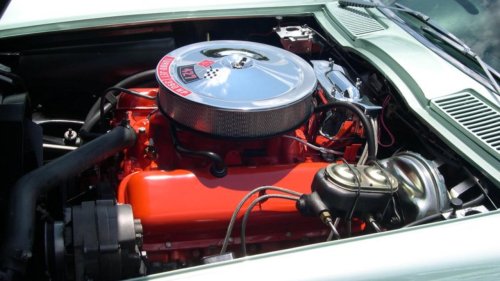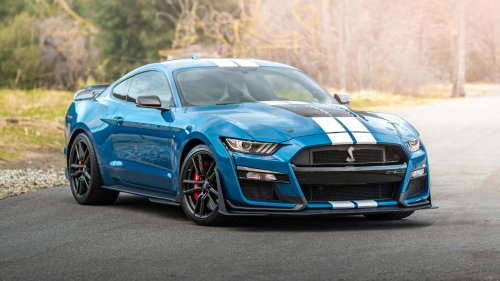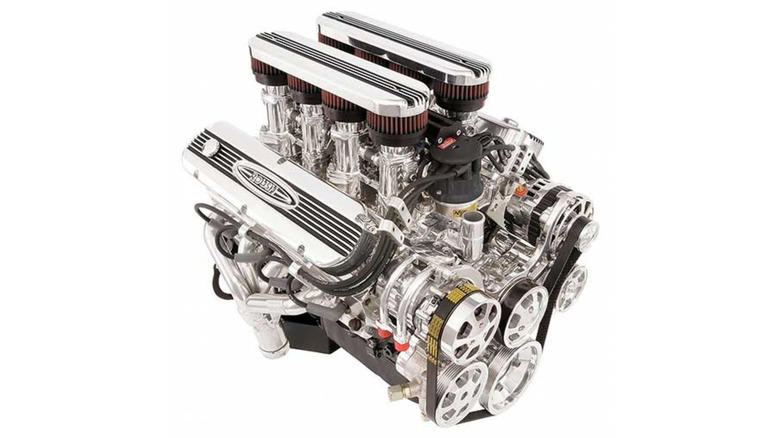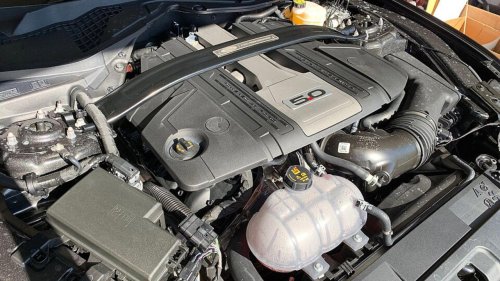
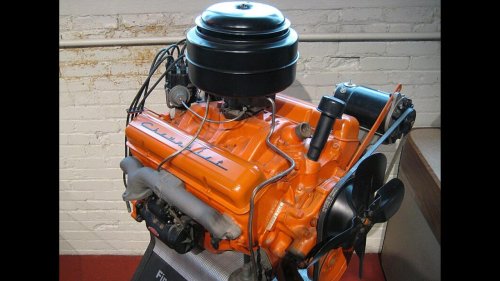
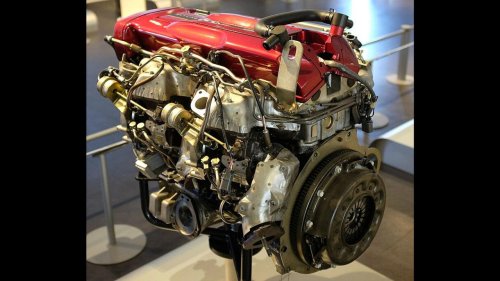
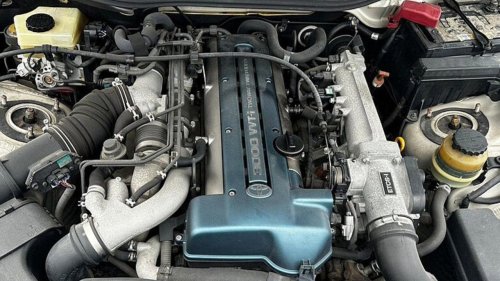
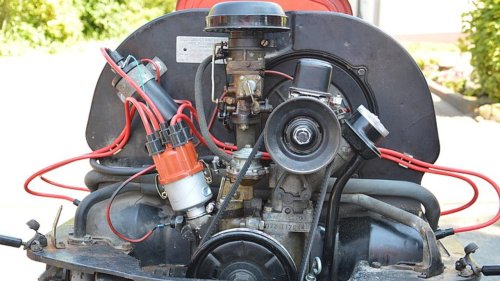



















The golden era of automotive engineering gave birth to some truly iconic engines, many of which continue to inspire tuners and car enthusiasts today. These powerplants are not only celebrated for their performance but also for their versatility, making them prime candidates for modifications and upgrades. Here are five legendary engines that have stood the test of time. 1. Ford 5.0L V8 (Coyote) Image Credit: Jpogi, via Wikimedia Commons, CC-BY-SA-4.0 The Ford 5.0L V8, commonly known as the Coyote engine, debuted in the 2011 Mustang GT and has since become a favorite among tuners. This engine features an aluminum block and DOHC architecture, allowing for high revs and impressive horsepower figures, often exceeding 400 hp in stock form. It’s not just about raw power; the Coyote’s responsiveness and tuning potential have made it a staple in the aftermarket scene. Enthusiasts have pushed this engine to new heights, achieving over 1,000 hp with the right modifications. Its compatibility with a wide range of aftermarket parts, including superchargers and turbo kits, means that tuners can easily tailor the engine to their specific performance goals. Whether in a classic Mustang or a modern performance vehicle, the Coyote continues to inspire innovation. 2. Chevrolet Small Block V8 Image Credit: JOHN LLOYD from Concrete, Washington, United States – Very First Chevrolet Small Block Built, via Wikimedia Commons, CC BY 2.0 The Chevrolet Small Block V8 is perhaps one of the most recognizable engines in automotive history. Originally introduced in 1955, this engine has been a cornerstone in American muscle cars, powering everything from the Corvette to the Camaro. Its simple design and robust construction have made it a favorite for modifications, with countless performance parts available. What sets the Small Block apart is its adaptability; tuners can easily swap components to create a unique setup. Whether it’s a naturally aspirated build or a boosted setup with a supercharger, the possibilities are endless. With its rich history and massive aftermarket support, the Chevrolet Small Block V8 remains a go-to choice for enthusiasts looking to enhance their vehicles. 3. Nissan RB26DETT Image Credit: RocketJohn – Own work, via Wikimedia Commons, CC BY-SA 4.0 The Nissan RB26DETT is legendary among JDM enthusiasts, celebrated for its incredible performance and tuning potential. This 2.6-liter twin-turbo inline-six debuted in the 1989 R32 Skyline GT-R, where its robust iron block and high-revving character set a new benchmark for Japanese performance engines. Although officially rated at around 280 horsepower due to Japan’s “gentleman’s agreement,” tuners quickly discovered that the RB26DETT could reliably produce far more power with only minor modifications. Its advanced engineering — including individual throttle bodies and a strong bottom end — made it a favorite in motorsport, where it dominated Group A racing. Today, the RB26DETT remains one of the most respected engines ever built, often capable of four-digit horsepower numbers in serious builds. 4. Toyota 2JZ-GTE Image Credit: Skif113 – Own work, via Wikimedia Commons, CC0 The Toyota 2JZ-GTE is another iconic engine that has left an indelible mark on the tuning community. This inline-six powerplant was introduced in the 1991 Toyota Supra and quickly became synonymous with high-performance tuning. With a robust design, including a cast-iron block and forged internals, the 2JZ-GTE can handle significant power increases without compromising reliability. Many tuners have achieved over 1,000 hp with this engine, thanks to its strong aftermarket support and the availability of performance parts. It’s a favorite in both street and racing applications, and its performance capabilities have made it a staple in the drifting community. The 2JZ-GTE’s legacy continues to inspire car enthusiasts around the world. 5. Volkswagen Air-Cooled Flat-Four Image Credit: Johannes Maximilian – Own work, via Wikimedia Commons, CC BY-SA 4.0 The Volkswagen Air-Cooled Flat-Four engine is a classic that has captured the hearts of many car enthusiasts since its introduction in the 1930s. This simple, reliable engine powered iconic models like the Beetle and the Bus, and its unique design allows for easy modifications. Tuners appreciate its lightweight construction and the distinctive sound it produces. Despite its small displacement, the air-cooled flat-four has proven to be a versatile platform for performance upgrades. From bolt-on turbo kits to custom exhaust systems, the tuning possibilities are vast. The nostalgic appeal of this engine, combined with its tuning potential, ensures that it remains a popular choice for enthusiasts looking to blend classic style with modern performance. Like Fast Lane Only’s content? Be sure to follow us. Here’s more from us: Unboxing the WWII Jeep in a Crate The Fastest Farm Truck Ever Built *Created with AI assistance and editor review.