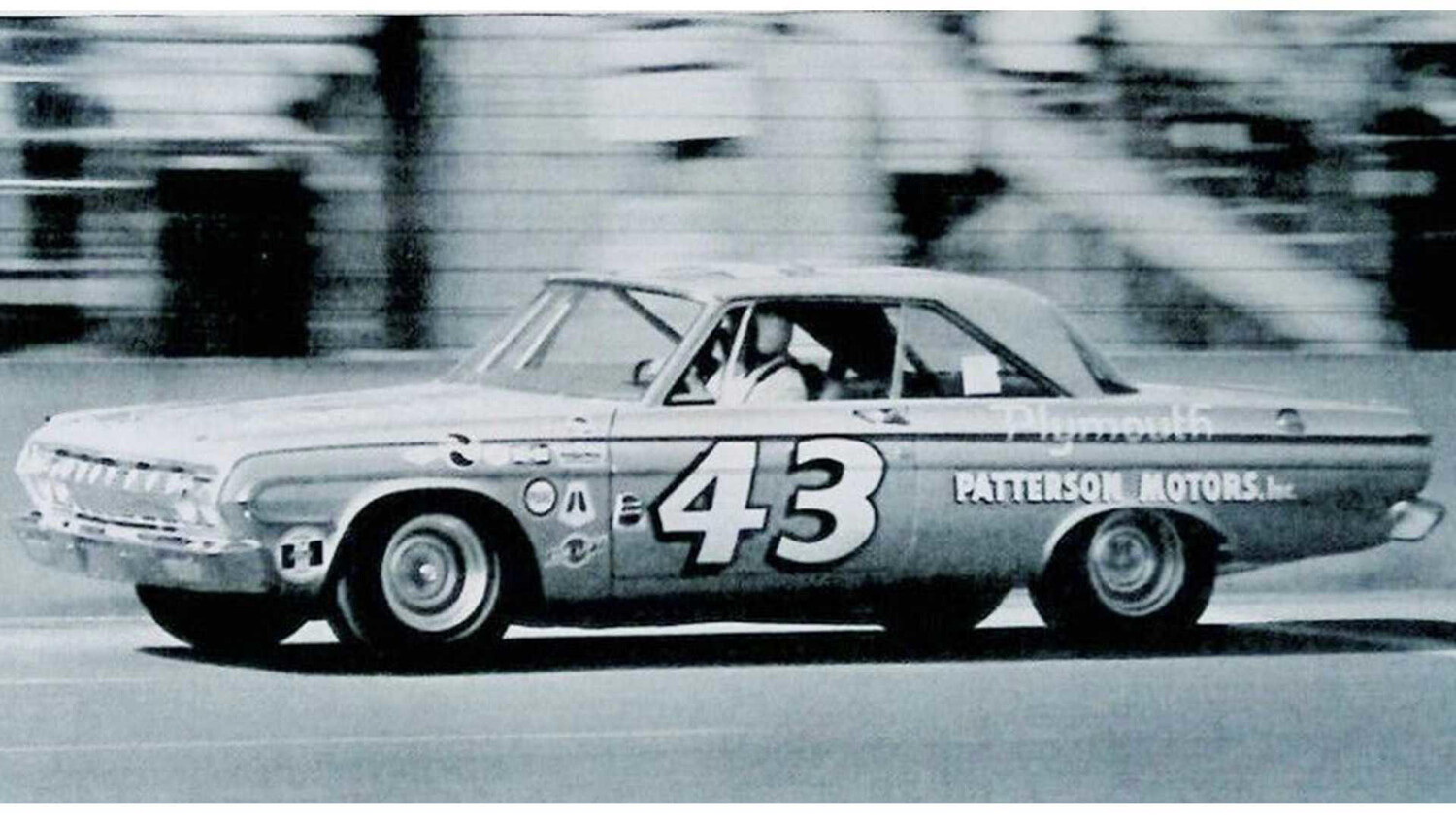
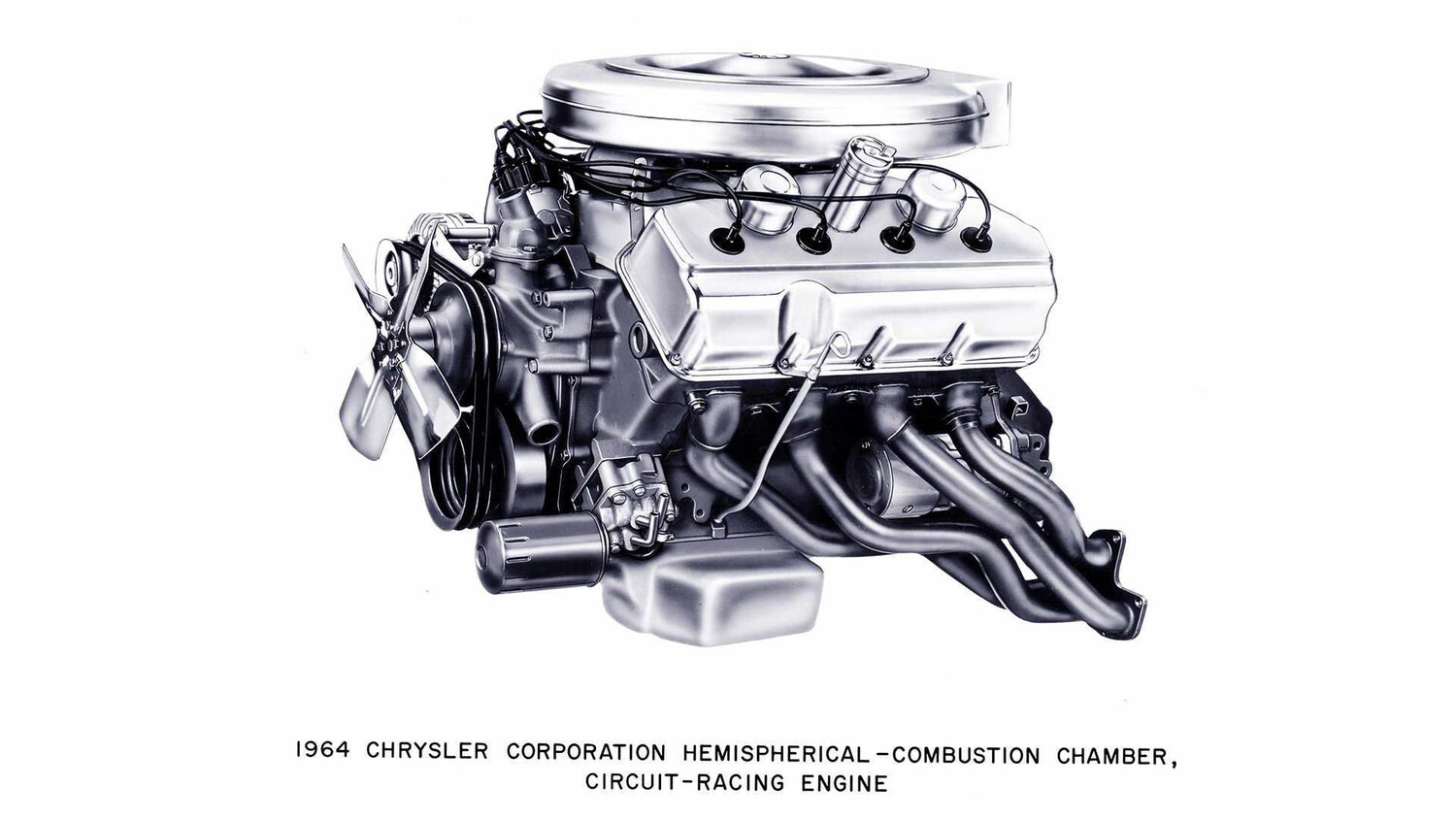
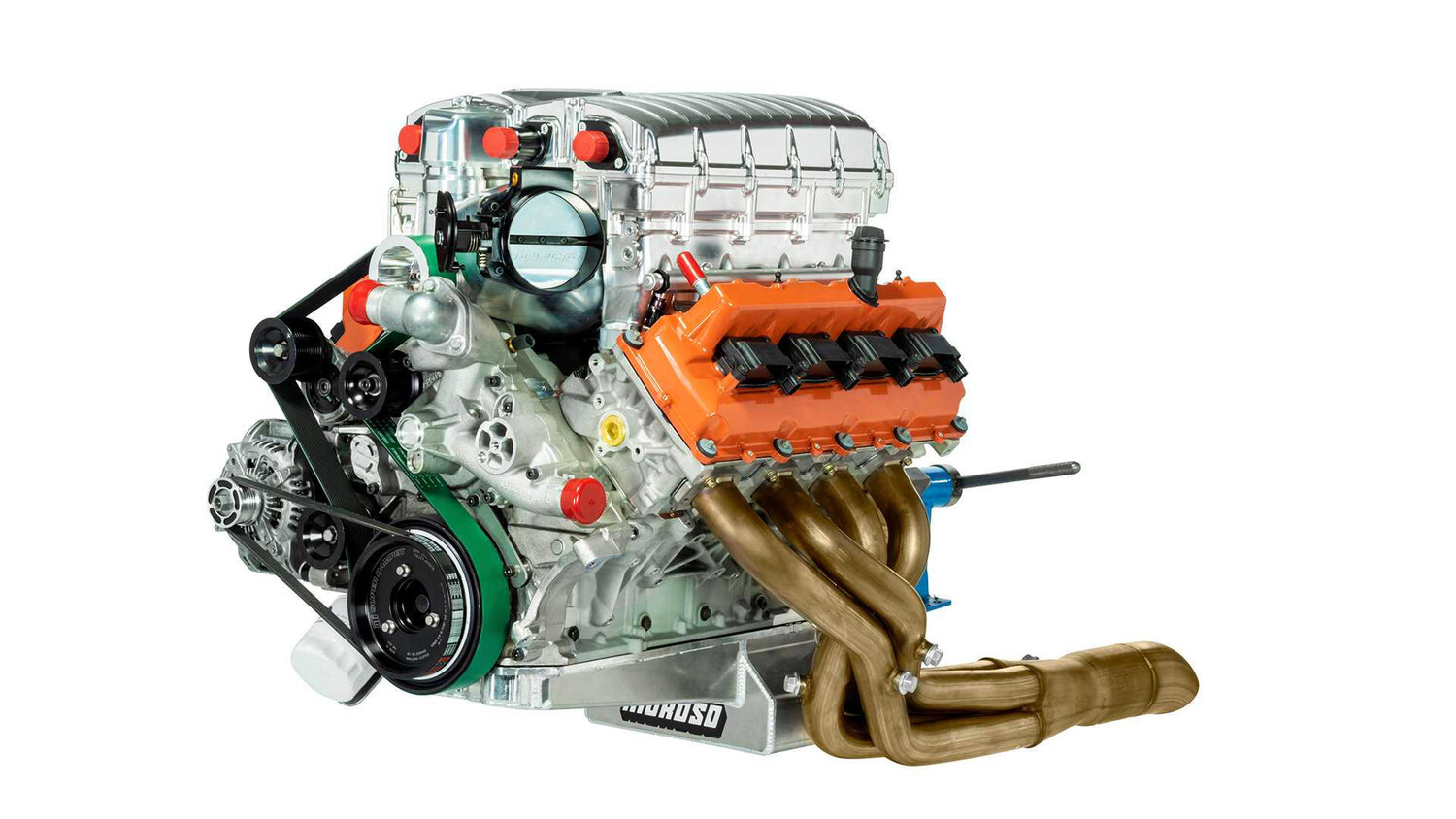
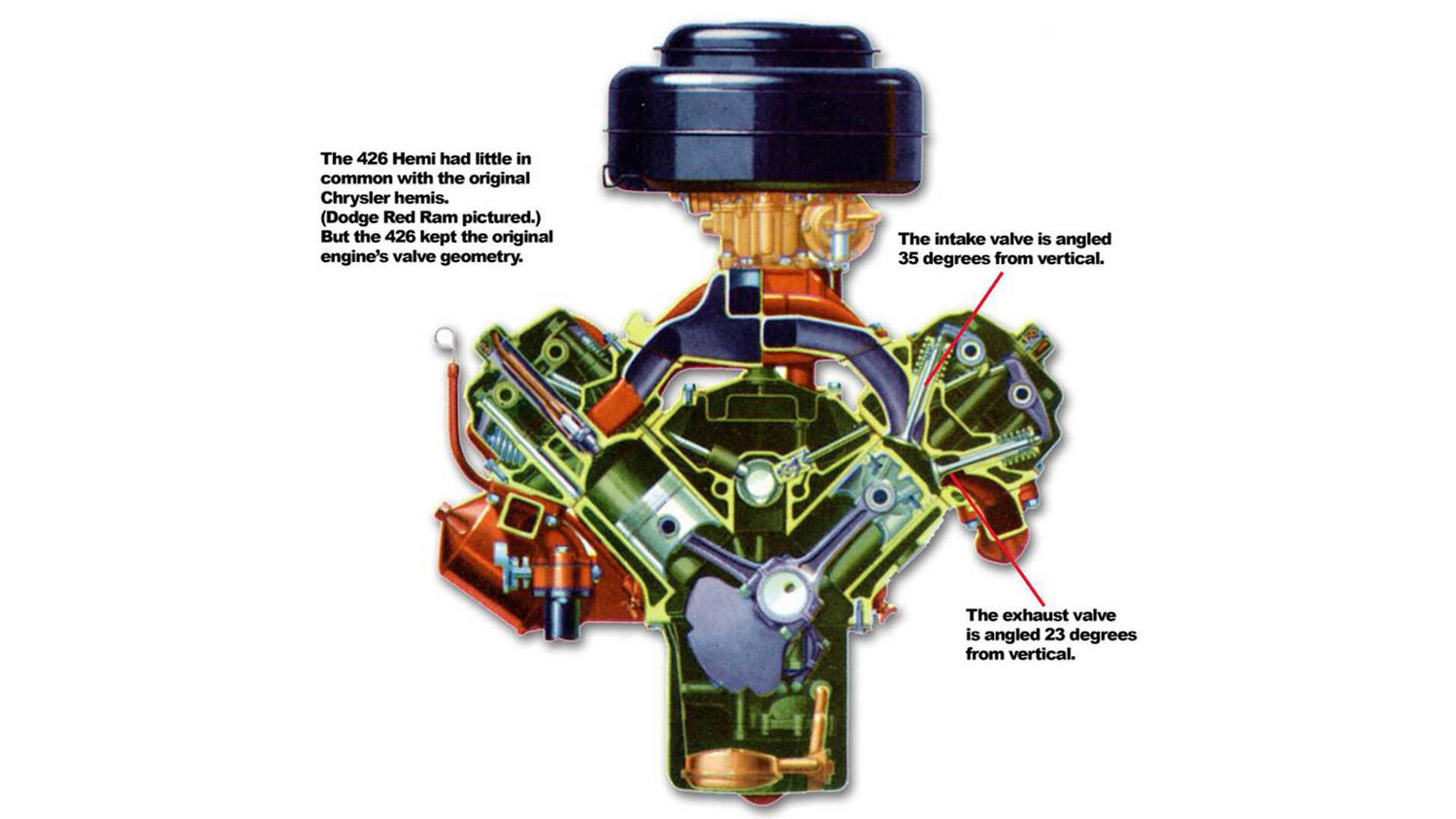
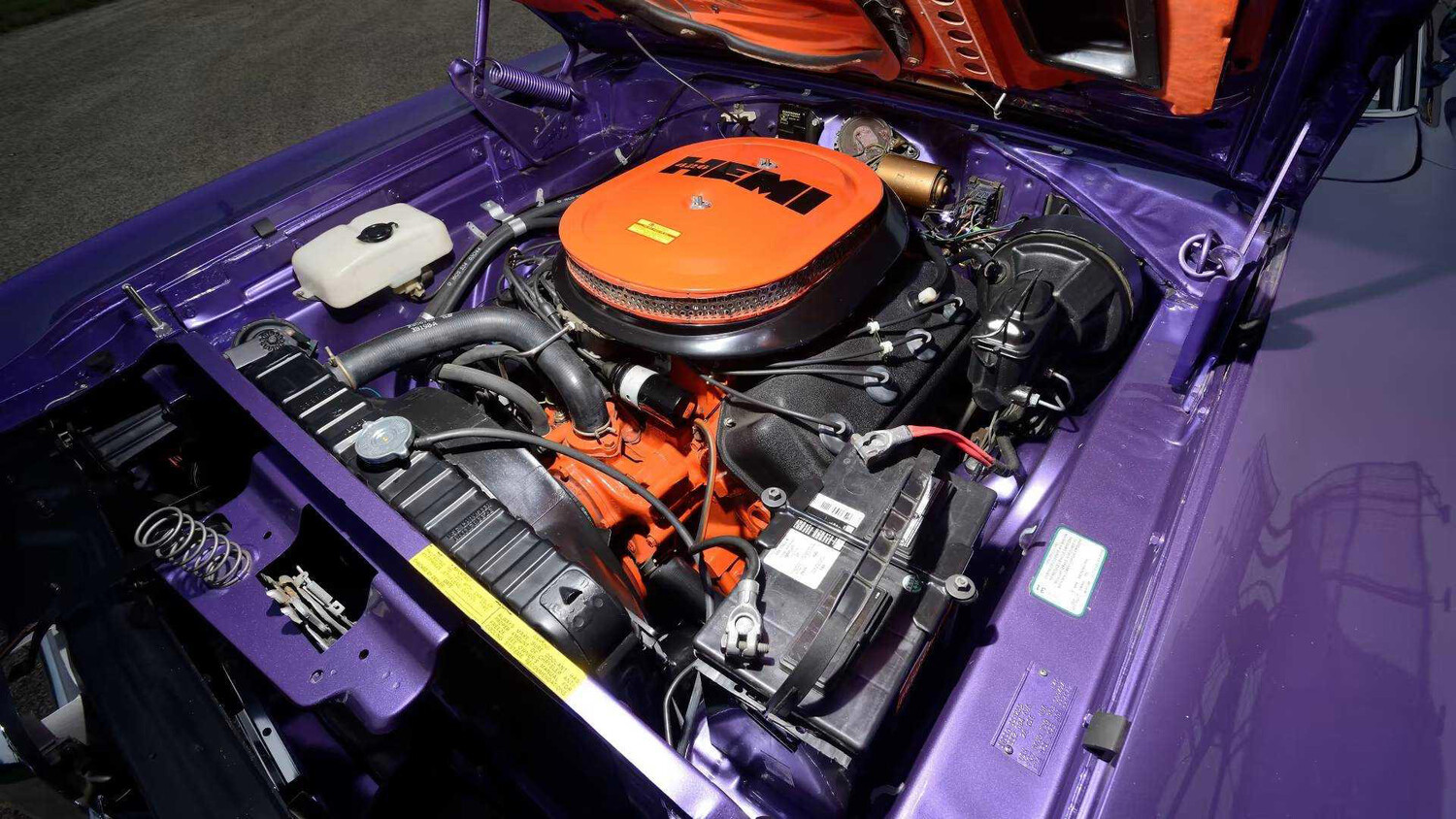
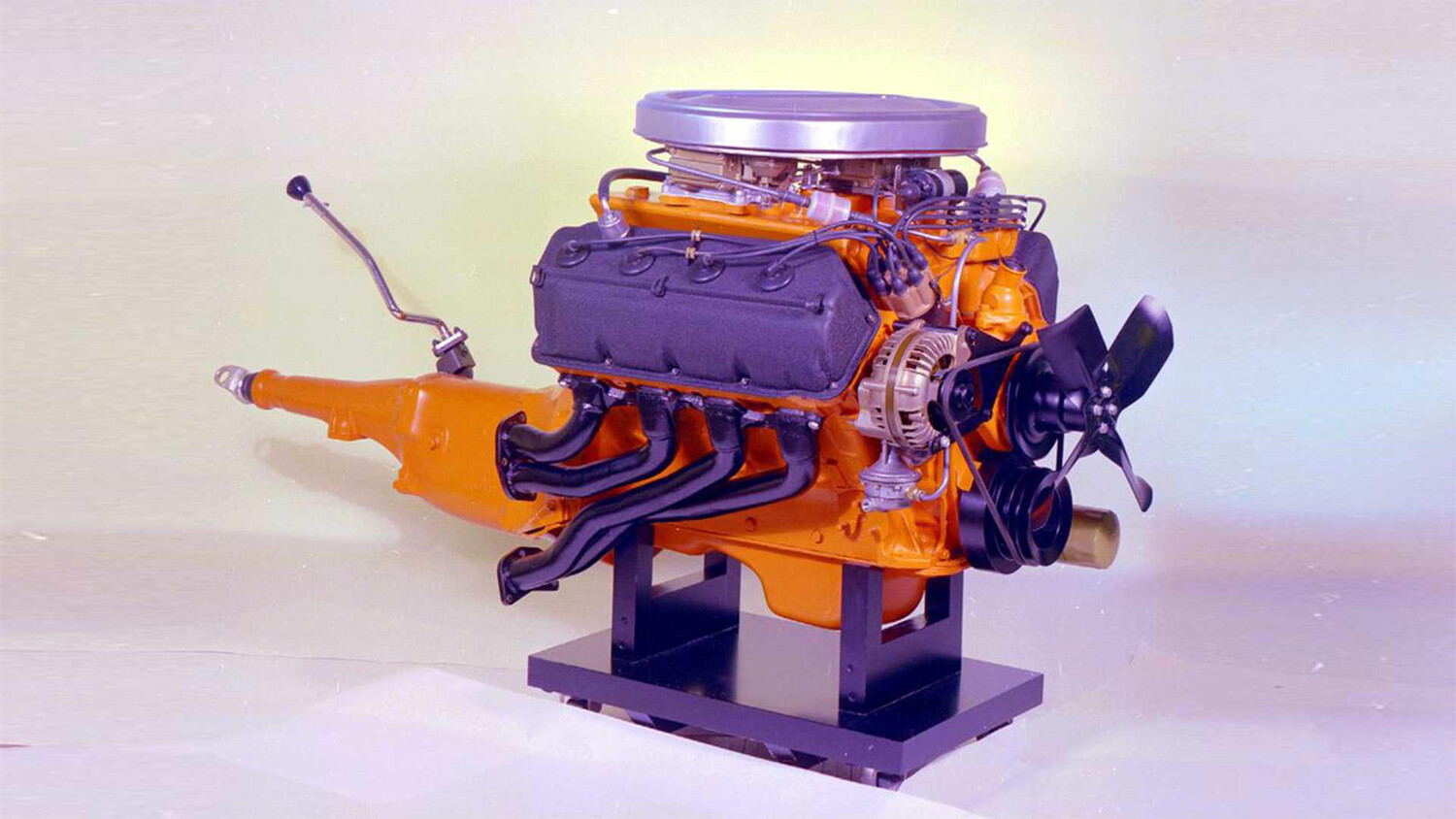
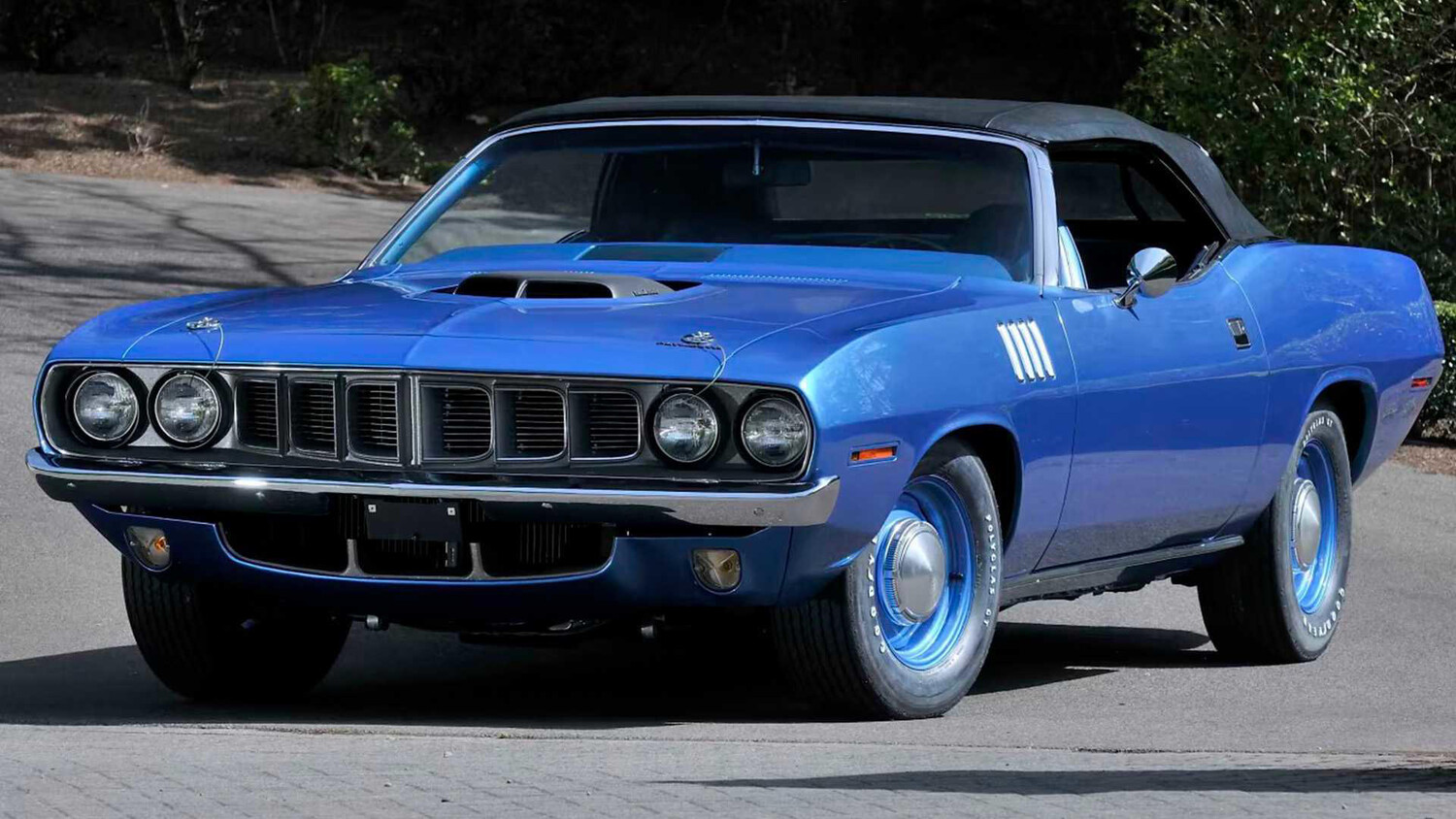
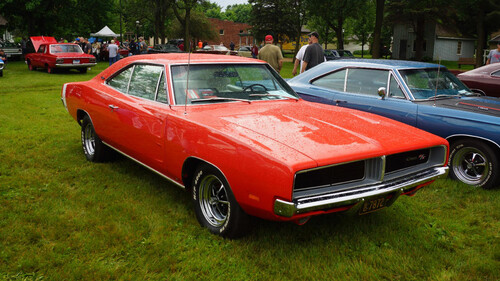
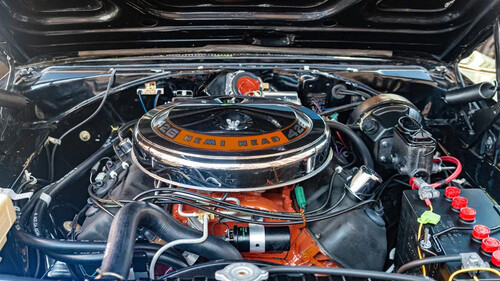
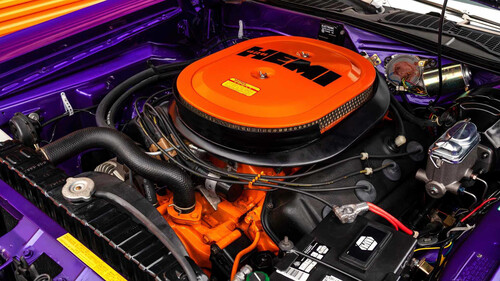
The mid-1960s ignited a horsepower war that transformed the American muscle car landscape into a high-octane battleground. It was an era defined by excess, where the smell of burnt rubber and the roar of uncorked exhausts signaled a cultural shift toward raw, unfiltered performance.At the center was a specialized V8 engine that dominated the drag strip as well as the oval track. This period birthed icons that would become the blueprint for American muscle, still celebrated by Dodge to this day. It came from an era of engineering without compromise, cementing a legacy that remains the gold standard for enthusiasts. The Muscle Cars Arms Race Of The 1960s Mecum The early 1960s were defined by a relentless pursuit of speed that had Detroit automakers cranking out one high-performance car after another to best each other on the street and the strip. Ford and General Motors were aggressively pushing displacement limits, leaving Chrysler in a precarious position. The corporate philosophy of the era was simple: win on Sunday, sell on Monday. During this period, track dominance served as the ultimate marketing tool.Failing to secure a win meant losing relevance in the showroom. Performance enthusiasts based their purchases on which brand held the trophies. Chrysler engineers quickly realized their existing wedge-head engines were reaching their physical limits. While reliable, the wedge design could not move enough air to keep pace with the massive powerhouses coming from the Blue Oval and GM factories.The stakes reached a fever pitch by 1963, forcing Chrysler to rethink its entire engine program to stay competitive in NASCAR. To reclaim the throne, the company sanctioned a skunkworks-style project to develop a specialized power plant. This secret endeavor focused on a radical overhead valve design intended to deliver unrivaled airflow and reliability. Its primary purpose was pure racing, built to survive the high-speed sustained loads of superspeedways. Its role in regular traffic was an afterthought.The goal was to create a mechanical monster that would not just compete but achieve total superiority. Engineers worked in the shadows to perfect a combustion chamber that could breathe better than anything on the grid. This hidden development phase was a desperate gamble to ensure that when the 1964 season opened, the competition would have no answer for the sheer force Chrysler was about to unleash. Birth Of The Elephant: The 426 Hemi Arrives StellantisThe automotive world changed forever at the 1964 Daytona 500. Chrysler unleashed the 426 Hemi, and the results were devastating for the competition. Hemi-powered Mopars decimated the field, sweeping the top three finishing positions and signaling the start of a new dominant era.The 426 Hemi quickly earned the nickname the Elephant because of its massive physical footprint and substantial weight. It was a beast of an engine that hit the scales at nearly 800 pounds. The increased torque and bulk required reinforcement of the chassis and heavy-duty suspension components.StellantisIts success on the track eventually led to a standoff with racing officials and rival manufacturers. NASCAR officials were concerned that the engine was a pure racing thoroughbred with no connection to the cars people could actually buy. New NASCAR homologation rules eventually demanded that engines used in competition must be available to the public in significant numbers. This mandate forced Chrysler to pivot and make this race-bred monster viable on the street.StellantisThe transition required softening the camshaft profile and lowering the compression ratio to handle pump gas, but the core DNA remained intact. This led to the 1966 debut of the legendary Street Hemi. It allowed ordinary drivers to own a piece of the same hardware that was currently terrorizing professional racers, effectively cementing the Hemi name as a permanent fixture in the bible of American performance cars. Hemispherical Design: Why The HEMI Ruled StellantisThe genius of the 426 Hemi lies in its namesake: the hemispherical combustion chamber. While standard wedge-style engines of the era relied on compact, flat-topped chambers, the Hemi utilized a design where the top of the cylinder was shaped like a bowl. This geometry was revolutionary because it allowed for a cross-flow design, positioning the massive intake and exhaust valves on opposite sides of the chamber. This arrangement facilitated a direct, unimpeded path for air and fuel to enter and for spent gases to exit, providing significantly better breathing capability than any wedge head could dream of achieving.Mecum When it arrived on the scene, the Hemi was a revelation. While factory-rated at 425 horsepower and 490 lb-ft of torque in its street-legal trim, dyno testing frequently showed the engine punching well above its weight, often closer to 470 horsepower. This output comfortably overshadowed the competition of the time, including the best from Ford and Chevrolet, which struggled to match the Hemi’s relentless power delivery across the entire rev range.Beyond airflow, the hemispherical shape offered superior thermal efficiency. The design allowed for the spark plug to be placed directly in the center of the combustion chamber. This central ignition meant the flame front had a shorter, more uniform distance to travel, resulting in a quicker, more complete burn of the air-fuel mixture. The reduced surface-area-to-volume ratio also minimized heat loss through the cylinder walls, further boosting power.StellantisChrysler engineers did not build the 426 for longevity in the traditional sense; they built it to survive extreme stress. The bottom end featured a forged steel crankshaft and heavy-duty, cross-bolted main bearing caps, a practice rarely seen in mass-produced passenger cars at the time. This overbuilt construction created an engine block that was virtually indestructible, capable of handling immense compression and extreme horsepower.It was this combination of advanced geometry and sheer structural integrity that earned the Hemi its enduring reputation as a superior engine. The 426 Hemi remained in production until 1971, with the final units powering models like the Dodge Challenger and Plymouth Cuda. Notably, throughout its tenure, the engine cemented itself as the heart of the most powerful production street cars of the muscle era. The Immortal Legend In Modern Muscle Stellantis The legacy of the 426 Hemi transcends its original production run. Today, it remains an icon of muscle car performance, despite so few being built in its day. Between 1966 and 1971, Chrysler only produced roughly 11,000 Street Hemi engines.The Hemi V8 powered several iconic muscle cars, but due to their limited numbers, high cost, and how hard they were driven, finding an original, numbers-matching Hemi Charger or Challenger today is like finding a needle in a haystack. These vehicles have become the holy grails of the collector car world, frequently trading hands for astronomical sums at auctions.Mecum While a solid Hemi car might start near $200,000, pristine or rare-optioned examples—especiallythe ultra-exclusive Hemi 'Cuda convertibles—regularly command between $2 million and $4.8 million. This rarity, paired with their legendary track performance, ensures they remain the most coveted machines among elite collectors.NHRAHowever, the Hemi influence is not just confined to climate-controlled garages or static car shows. It remains the backbone of professional drag racing. To this day, the Top Fuel dragster classes rely on engine architectures derived directly from the 426 design. When a dragster launches with over 10,000 horsepower, it is the fundamental Hemi geometry that makes such sustained, violent blasts of horsepower and torque possible. No other configuration has proven as reliable under the extreme conditions required to propel a car to over 330 mph in less than four seconds.The Hemi name eventually evolved into something much larger than a specific engine code. Today, the name serves as a primary marketing pillar for modern Mopar performance vehicles. It remains a celebrated symbol of power, reminding drivers and competitors alike that the spirit of the 1960s horsepower wars is still very much alive and roaring on the asphalt.