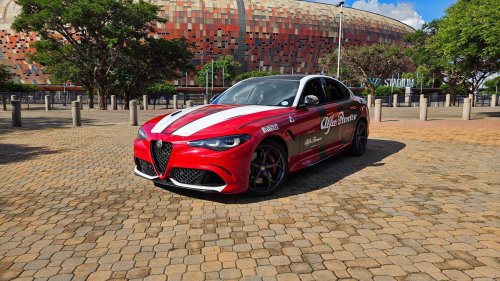
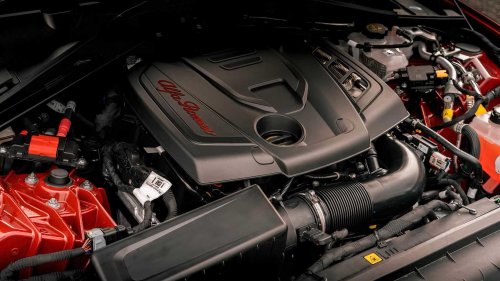
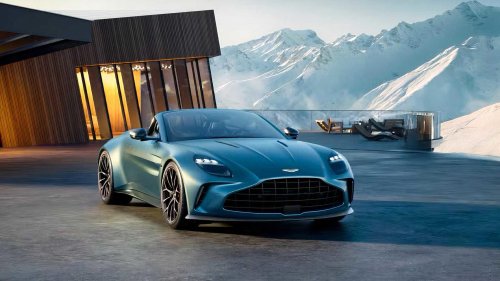
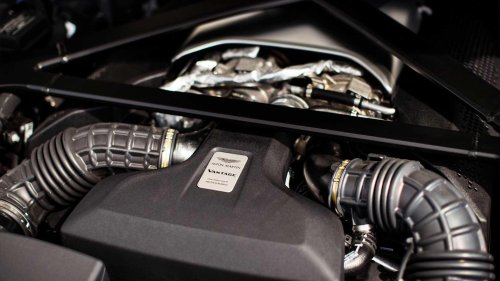
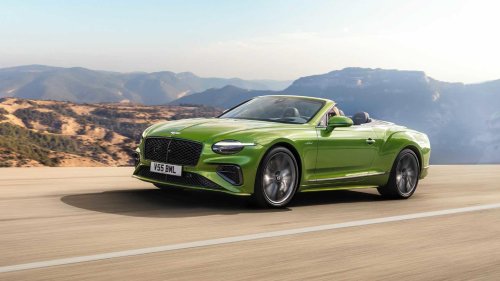
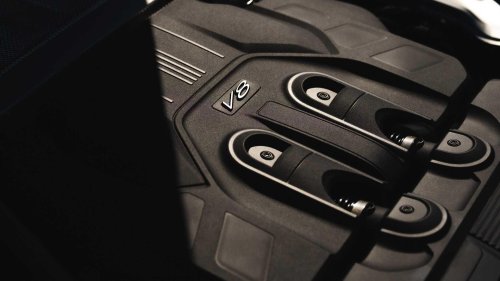


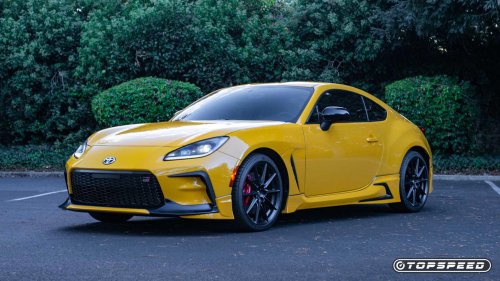
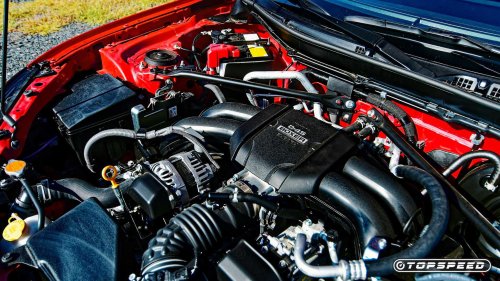





















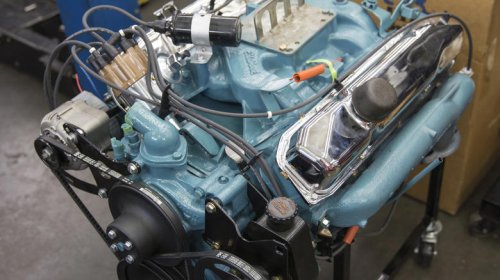
Parts sharing is a foundational pillar of the modern automotive industry, especially in the sports car segment. It enables manufacturers to achieve essential economies of scale, drastically reducing the research, development, and production costs associated with bringing a vehicle to market. By utilizing common platforms, electronics, suspension components, or interior fittings across multiple model lines or brands within a conglomerate, companies can amortize these massive engineering expenses over a much larger volume of units.When brands source entire engines from other manufacturers, they engage in a process often driven by the need to bypass the immense time and capital required to develop an entirely new powertrain from scratch. This is especially true when trying to meet shifting emissions regulations or performance targets. Engaging in this arrangement typically begins with a strategic partnership or contract manufacturing agreement where a primary manufacturer produces a completed engine. These engines are designed to meet the specific packaging, power, and efficiency requirements of the buying brand. 2026 Alfa Romeo Giulia Quadrifoglio Engine: Ferrari's F154 V-6 Prashirwin Naidu | TopSpeed The 2026 Alfa Romeo Giulia Quadrifoglio is powered by a 2.9-liter, 90-degree twin-turbocharged V-6 engine that is widely recognized for having its core architecture derived from Ferrari’s F154 engine family. This high-performance powertrain produces 520 horsepower and 443 pound-feet of torque. While based on a Ferrari unit, it's a specifically unique creation that is exclusive to the Giulia and its Stelvio SUV counterpart.Alfa Romeo connects this engine to an eight-speed automatic transmission that delivers power exclusively to the rear wheels. Regarding performance metrics, the Italian super saloon hits 0 to 60 MPH in 3.9 seconds and can reach a top speed of 191 MPH. While specific quarter-mile times can vary based on testing conditions and traction, the vehicle's sustained power delivery and chassis tuning are engineered for track-ready performance. Engine Specifications Car BuzzThe 690T engine powering the revived Alfa Romeo Giulia Quadrifoglio is an aluminum-intensive power plant designed with a 90-degree bank angle to optimize packaging and mass distribution. To ensure structural integrity and reduce internal friction, the engine block uses a closed-deck design with wet steel cylinder liners featuring a silicon carbide coating, while the rotating assembly incorporates forged steel connecting rods and a vanadium-alloyed steel crankshaft.Induction is managed by two parallel, single-scroll turbochargers supplied by IHI, which are paired with dedicated air-to-liquid intercoolers to maintain intake charge density and throttle response. This high-performance engine, which utilizes a sophisticated dual-fuel system combining port and direct injection, is manufactured exclusively at the Stellantis Termoli production facility in Italy. 2026 Aston Martin Vantage Engine: Mercedes-AMG's M177 Aston Martin The 2026 Aston Martin Vantage is powered by a hand-built 4.0-liter twin-turbocharged V-8 engine, which is sourced from Mercedes-AMG and specifically reworked by Aston Martin for the platform. This powertrain delivers between 665 and 670 hp, depending on whether you opt for the base or S trim, and 590 lb-ft of torque.Power is routed to the rear wheels through a ZF eight-speed automatic transmission. In terms of performance, the vehicle is capable of a 0 to 60 MPH sprint in as little as 3.3 seconds, with quarter-mile times generally recorded at 11.2 seconds at over 130 MPH. The Vantage reaches an electronically limited top speed of 202 MPH. Engine Specifications Aston MartinAMG's M177 consists of an aluminum block and heads, which is a design that emphasizes structural rigidity and mass efficiency. The engine utilizes a hot-V configuration, which places the high-flow, twin-scroll turbochargers within the V-bank to reduce turbo lag and create a more compact engine package.Beyond the block, the engine features fully CNC-machined combustion chambers and zirconium alloy cylinder heads, all managed by a sophisticated water-to-air charge cooling system. While this engine is developed in collaboration with Mercedes-AMG, the final assembly and specific tuning are conducted by Aston Martin to meet the brand's unique performance and character requirements. The engine is manufactured at the Mercedes-AMG production facility in Affalterbach, Germany, beforebeing integrated into the Vantage at Aston Martin's own facilities. 2026 Bentley Continental GT Engine: Volkswagen's EA825TT BentleyThe 2026 Bentley Continental GT is powered by a high-performance hybrid powertrain that replaces the brand’s previous W-12 engine. This system centers on a 4.0-liter twin-turbocharged V-8 engine, produced by the Volkswagen Group and specifically calibrated by Bentley, paired with a powerful electric motor to deliver a combined system output of 771 hp and 738 lb-ft of torque.This power is managed by an eight-speed dual-clutch automatic transmission and an all-wheel-drive system. In its flagship performance Speed trim, the Continental GT can accelerate from 0 to 60 mph in 3.1 seconds and reach a top speed of 208 MPH. While official quarter-mile figures can vary by specific trim and testing, the vehicle’s high torque output and dual-clutch transmission are engineered to deliver supercar-level performance alongside its luxury grand touring capabilities. Engine Specifications BentleyThe Bentley Continental GT and GTC Speed's V-8 engine is engineered with a focus on both high-output performance and efficiency, featuring an aluminum block and cylinder heads to manage weight and thermal dynamics effectively. Induction is achieved via twin-scroll turbochargers arranged to optimize response, while the internal architecture, including the crankshaft and pistons, is specifically strengthened to handle the substantial torque loads generated when the engine is paired with its high-output electric motor.Bentley maintains a deep heritage of manufacturing engines at its Dream Factory headquarters in Crewe, England. However, the powertrain for the new Continental GT is a result of extensive internal development combined with shared engineering resources within the Volkswagen Group. As a result, it benefits from advanced hybrid electrification technologies. The final assembly, integration, and bespoke tuning that define the distinct Bentley feel and power delivery are completed by the specialized engineering teams at the company's facility in Crewe, where the vehicles themselves are hand-assembled to the brand's exacting standards. 2026 Land Rover Defender OCTA Engine: BMW's S68B44T0 Land Rover USA The 2026 Land Rover Defender OCTA is powered by a 4.4-liter twin-turbocharged V-8 engine, which is a mild-hybrid powertrain supplied by BMW. This high-performance engine produces 626 hp and 553 lb-ft of torque. Power is managed by an eight-speed automatic transmission paired with a sophisticated all-wheel-drive system. Regarding performance, the vehicle is capable of accelerating from 0 to 60 MPH in 3.8 seconds, and it has an electronically limited top speed of up to 155 MPH, depending on the tire configuration. Engine Specifications Land Rover USAThe 2026 Land Rover Defender OCTA is sourced through a strategic supply partnership with BMW. This powertrain architecture is based on the Bavarian brand's S68 engine family. Constructed with a high-strength aluminum block and cylinder heads, the engine is engineered to handle the rigorous demands of extreme off-road performance while maintaining a punchy power delivery. The engines are manufactured by BMW at its specialized powertrain facilities in Germany, after which they are delivered to Land Rover for integration into the Defender OCTA chassis. 2026 Toyota GR86 Engine: Subaru's FA24D Amee Reehal | TopSpeedThe 2026 Toyota GR86 is powered by a naturally aspirated 2.4-liter flat-four engine, which is a product of the joint development partnership between Toyota and Subaru, with the engine itself manufactured by Subaru. This powertrain delivers 228 hp and 184 lb-ft of torque to the rear wheels.Buyers have the choice of a six-speed manual or a six-speed automatic transmission. Regarding performance, the manual-equipped model is capable of accelerating from 0 to 60 mph in approximately 5.4 seconds, while the automatic version typically performs the same sprint in 6.1. The vehicle has an electronically limited top speed of approximately 140 MPH, and while quarter-mile times can vary based on the driver and transmission, it generally clears the distance in the 14.0 to 14.7-second range. Engine Specifications TopSpeed | Michael FrankAdding this engine to the list is a bit of a stretch, because it was developed through the long-standing technical partnership between Toyota and Subaru. We have to acknowledge that the latter did most of the heavy lifting in creating it. This engine architecture is designed to sit exceptionally low within the chassis, which lowers the vehicle's center of gravity to enhance balance and cornering agility.To ensure efficient combustion and power delivery, the engine utilizes Toyota's D-4S technology, which integrates both direct and port fuel injection systems. The manufacturing of the engine, as well as the assembly of the vehicle itself, is handled by Subaru at its production facilities in Japan, ensuring consistent build quality for the mechanical twin of the Subaru BRZ.