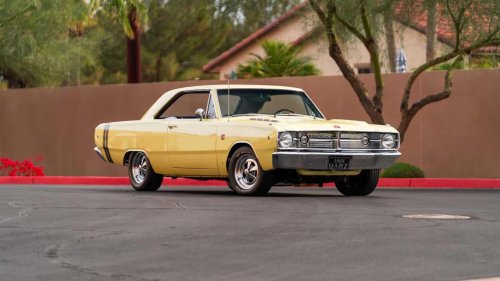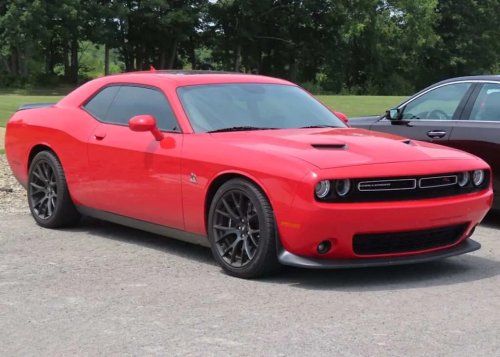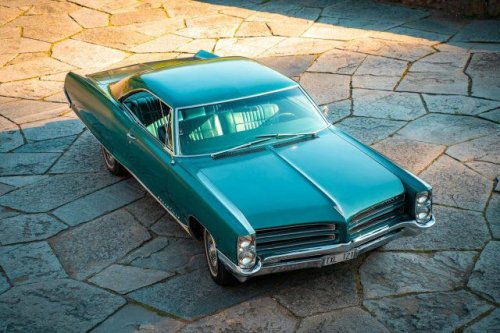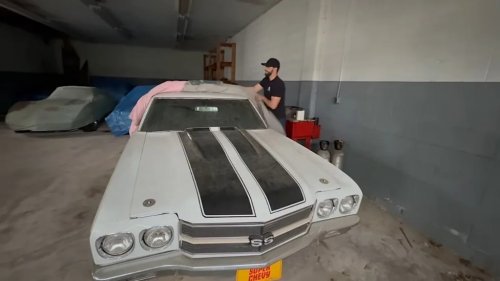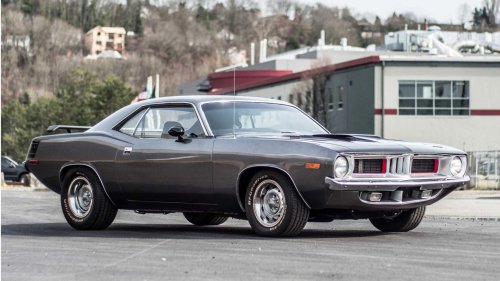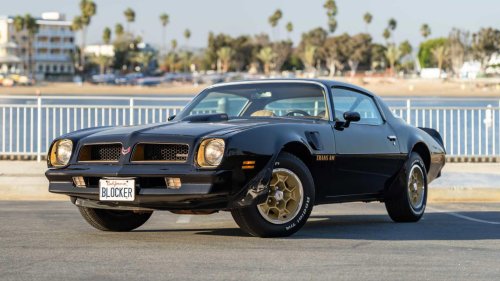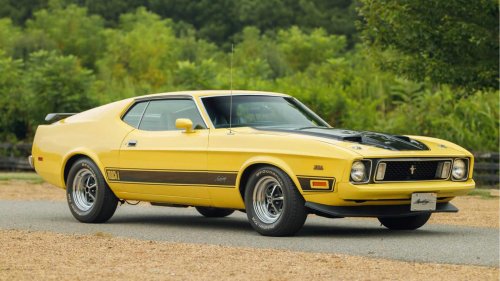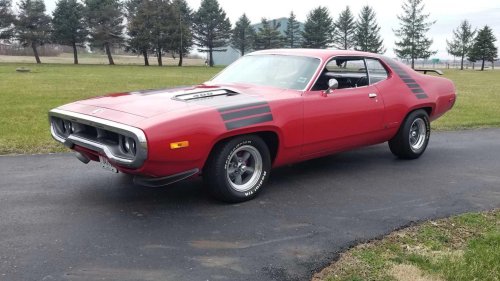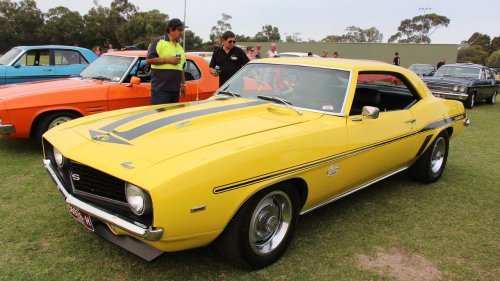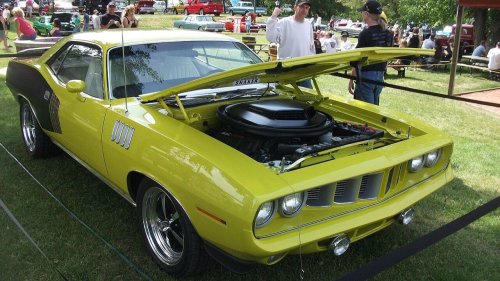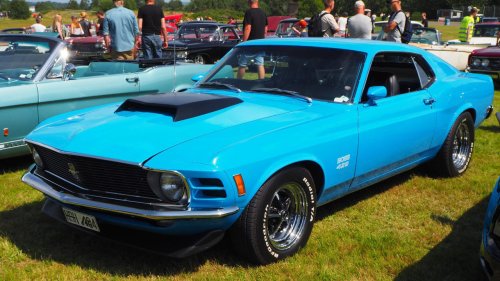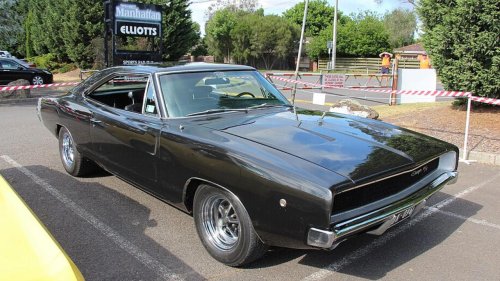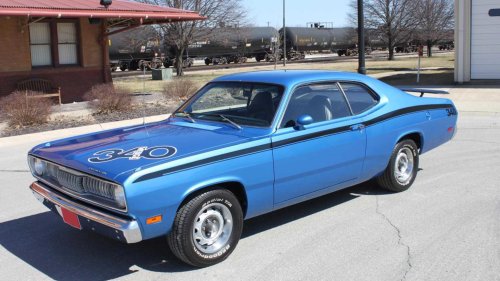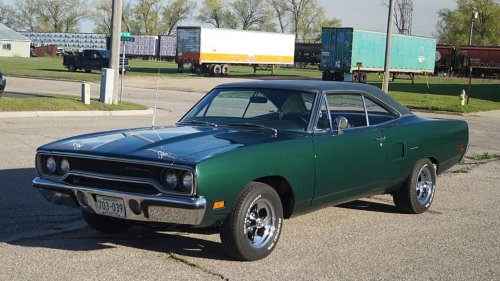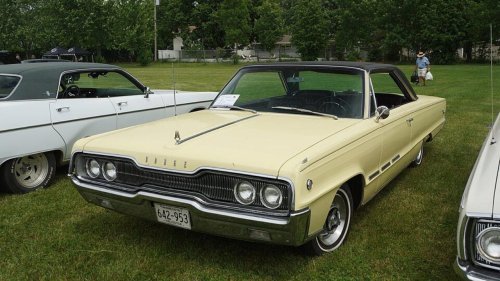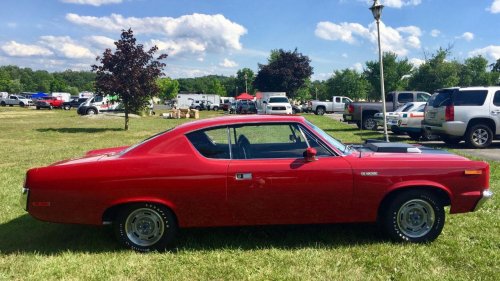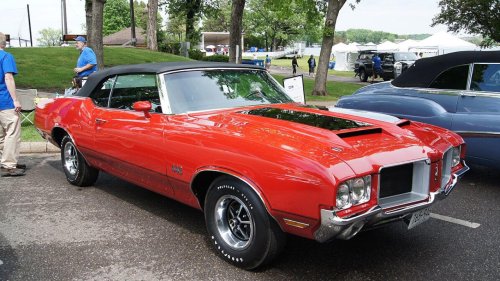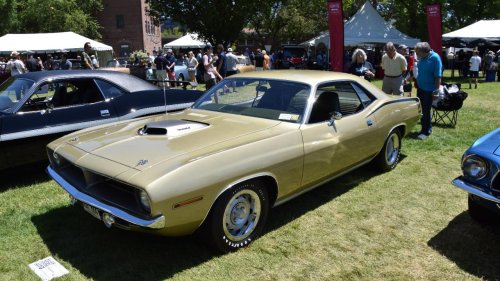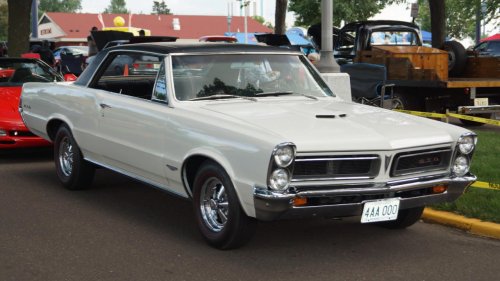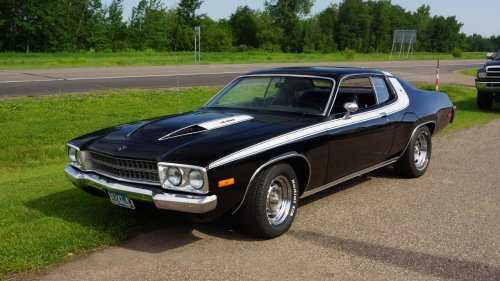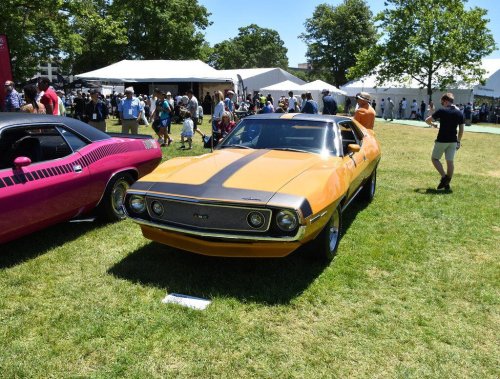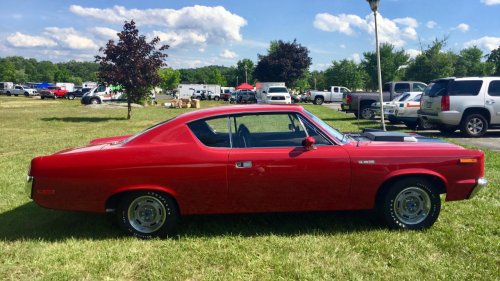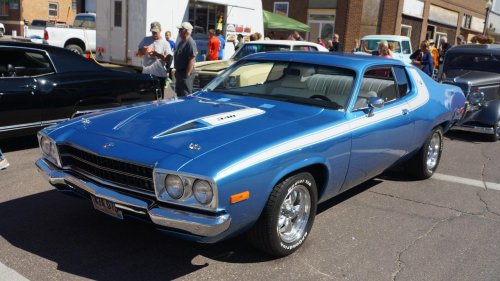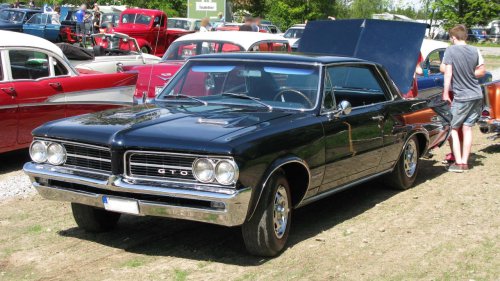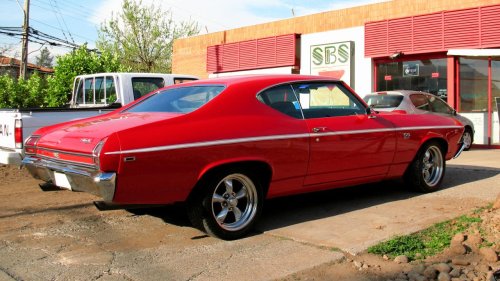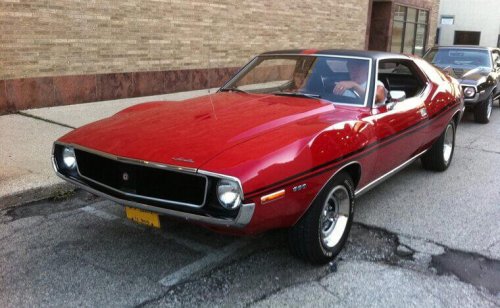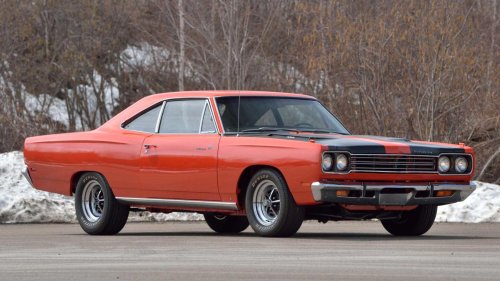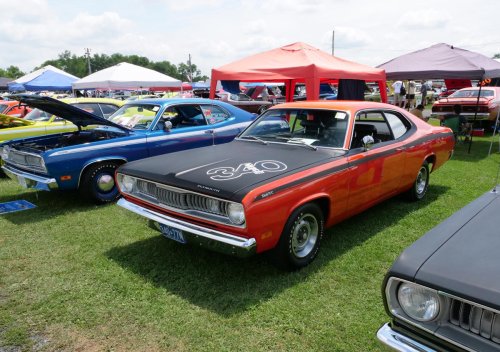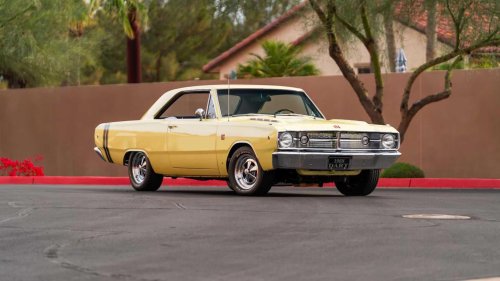
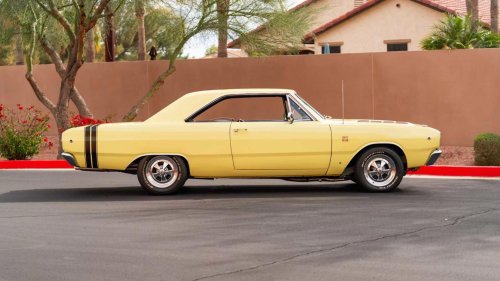
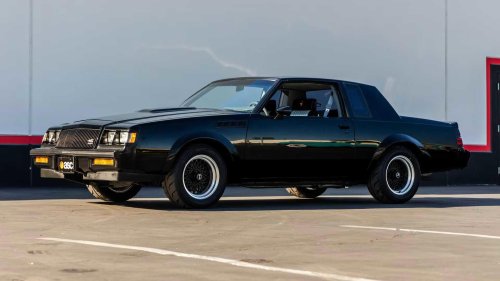
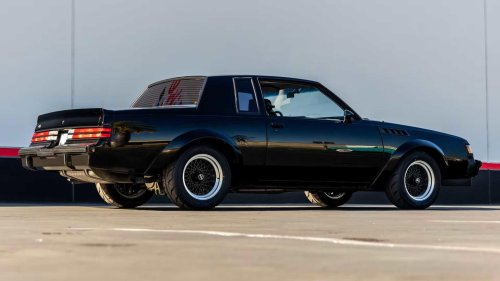
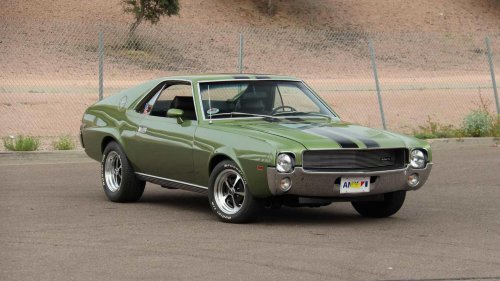
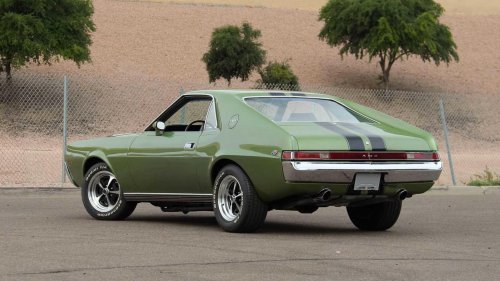
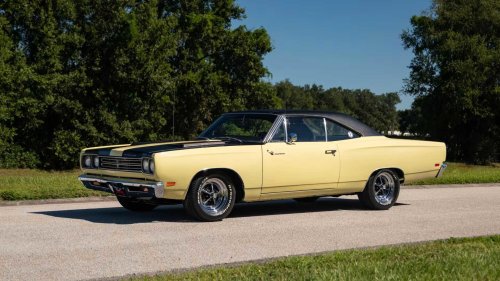
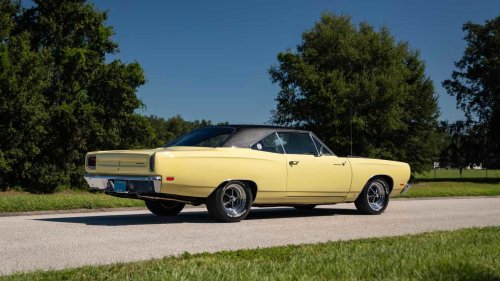
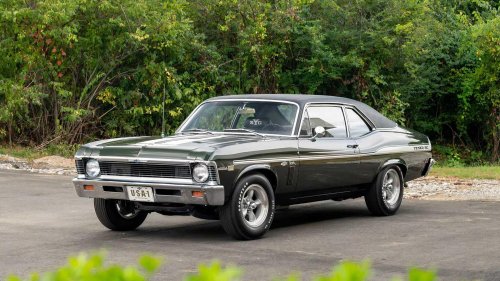
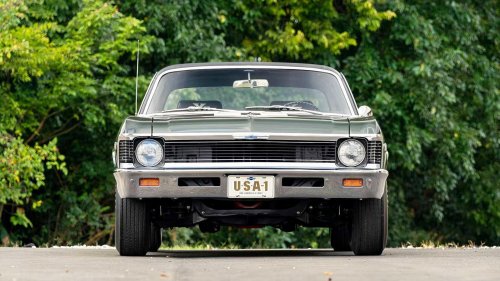



















Muscle Cars have always been about punching above their weight. When the Pontiac GTO debuted in the mid-1960s, it put the entire auto industry on notice, proving that power and speed weren't reserved only for sports cars and European exotics. By stuffing large V8s into mass-produced midsize or compact bodies with aggressive designs, manufacturers could create absolute monsters that could deliver acceleration comparable to elite sports cars like Corvettes and Ferraris at a fraction of the price.However, within the muscle car crowd, there are a few models that punched much harder above their weight than others, offering more performance and capability than their size, engine, or price tag suggested. These underdogs have exceptional power-to-weight ratios or superior driving dynamics compared to more powerful or expensive muscle cars or even sports cars, but they don't always get the respect they deserve. Let's dive in. 1968 Dodge Dart GTS 340 Horsepower: 275 HP Via Mecum AuctionsThe Dodge Dart lived many lives in the '60s, starting as a full-size model in the early '60s, evolving into a mid-size model, and downsizing to a compact giant killer towards the end of the decade. In 1968, the Dart had multiple engine options, ranging from a slant-six in the base models to a 383 at the top end, with the coveted Hemi available, but those were all specialized factory dragsters that were mostly bought by professional and semi-professional drag racers. Via Mecum AuctionsThe 383 offered the most power (300 hp) among the mass-produced 1968 Darts, but the 275-hp 340 was preferred since it combined a high-revving, lightweight engine with the Dart's compact chassis and aggressive 3.91 rear axle gears. The Dart GTS 340 matched and could even beat the nose-heavy 383 in 0-60 mph sprints because it could hook up better with less front-end weight bias, and its quarter-mile runs in the mid-to-high 14-second range also put it within striking distance of some of the more famous and powerful big-block muscle cars of the day. 1987 Buick GNX Horsepower: 276 HP Via Mecum AuctionsBy the mid-'80s, a combination of emission restrictions introduced about a decade earlier, the oil crisis, and stricter safety regulations had hit American muscle cars hard, and they were shadows of their former selves in terms of performance. Tired of the status quo, Buick enlisted the help of American company ASC/McLaren with one goal — to turn the Grand National into one of the most fearsome muscle cars of the '80s. The result was the GNX. Via Mecum AuctionsThe GNX looked like it meant business with its menacing, blacked-out look, and a peep under the hood confirmed everyone's suspicions. It had a suite of precision-engineered upgrades from ASC/McLaren that significantly increased its power to a claimed 276 hp, including an upgraded Garrett T-3 turbocharger that reduced turbo lag and a more efficient air-to-air intercooler. The GNX was light-years ahead of other 1980s muscle cars in the performance department, so much so that it started encroaching on performance territories held by some of the fastest supercars of the day. With a 0-60 as quick as 4.7 seconds in period tests, the GNX could outrun the Lamborghini Countach, Ferrari Testarossa, and other 1980s supercars. 1970 AMC AMX Horsepower: 325 HP Via Mecum AuctionsAny list about American cars that "punch above their weight" would be incomplete without an AMC model because the automaker's business model was an underdog story. Before it fell, AMC was one of the few independent American car manufacturers brave enough to take on Detroit's Big Three, and the AMX was one of its best creations. Via Mecum AuctionsDebuting in 1968, the AMC AMX was a two-door two-seater car intended to be a halo model competing against the Chevy Corvette. It was based on a shortened AMC Javelin platform and was powered by a 390 cubic-inch V8 dishing out 325 ponies and 430 lb-ft of torque in the 1970 model year. It could cover the quarter-mile in the high-14s to low-15s and was also fast and durable enough to set 106 class-based world speed and endurance records. With a retail price of around $3,395, the AMX offered great performance for about 25 percent less than the Corvette. 1968-1970 Plymouth Road Runner Horsepower: 335 HP (With 383 V8) Via Mecum AuctionsAs the more budget-friendly brand in the Mopar family, Plymouth always knew that it lacked the luxury appeal that Chryslers had or the performance image that Dodge had. Most Plymouths were stripped-down versions of other Mopars, but while they lacked some creature comforts, they were more affordable and offered a better power-to-weight ratio when equipped with the same engines as the other brands' cars. Such is the case with the Plymouth Road Runner, which was the budget-friendly, high-performance entry in Chrysler's mid-size B-body platform. Via Mecum AuctionsThe Road Runner was intended to be a back-to-basics high-performance muscle car that offered high levels of performance without breaking the bank by stripping away luxury features in Chrysler models and even the Plymouth GTX, which was classed as a gentleman's muscle car. Engine options for the first-generation Road Runner ranged from a 383 cubic-inch V8 to a 440 (the legendary Hemi was also available), but the Road Runner was far cheaper than similarly engined Mopars, with the Hemi-powered versions costing around $3,650. But regardless of the engine choice, the lightweight and stripped-down nature of the Road Runner gave it a superior power-to-weight ratio, making it a popular choice for racers. 1969 Yenko Nova Horsepower: 425 HP Via Mecum AuctionsIn 1969, legendary Chevy dealer Don Yenko wanted to stuff a massive 427 cubic-inch V8 into the lightweight Nova platform to create a lethal street machine. However, being a compact model, the Nova was never supposed to get an engine larger than 400 cubic inches with GM's engine displacement ban in effect at the time. Even the COPO loophole didn't work for the Nova, as GM refused to equip it with such a huge engine due to safety and liability concerns. This left Don Yenko with no option but to do the engine swaps himself, which led to the creation of a model that should probably have never been allowed to exist—the 1969 Yenko Nova. Via Mecum AuctionsTo create the 1969 Yenko Nova, Yenko ordered factory Nova SS models equipped with a 396 cubic-inch V8 and swapped it with a 427 cubic-inch L72 big-block V8, effectively creating a monster rated at 425 hp, but believed to produce over 450 hp. With a weight of around 3,100 pounds, the Yenko Nova had an incredible power-to-weight ratio that allowed it to destroy drag strips, with quarter-mile passes reportedly dipping into sub-11-second range with drag slicks and open headers. With emissions rules and insurance pressures mounting, Yenko switched to a more street-friendly 350 cubic-inch small-block V8 in the 1970 Yenko Deuce, another Nova-based model.Sources: Car and Driver, Motortrend, Hemmings