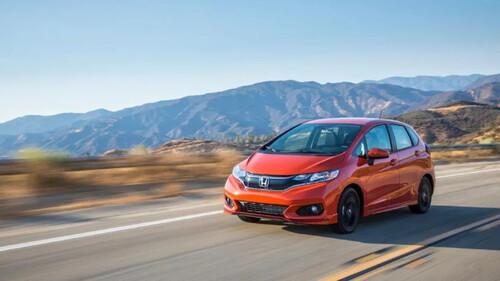
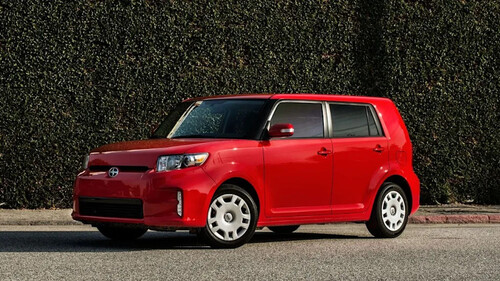
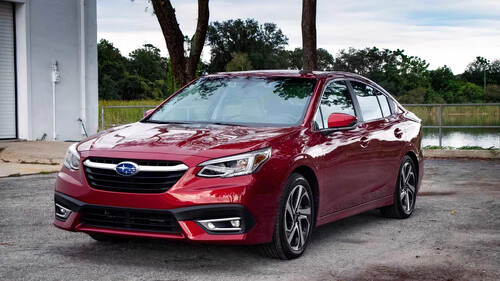
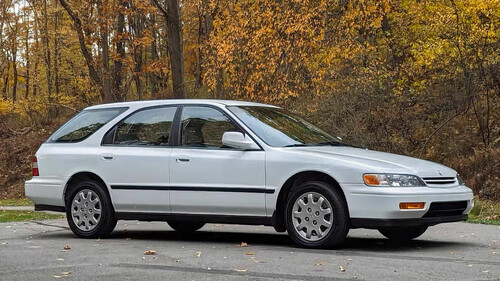
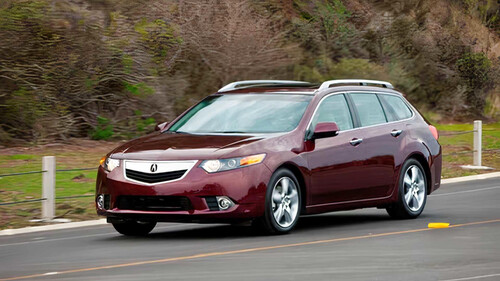
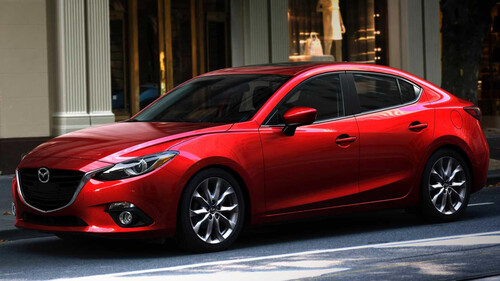
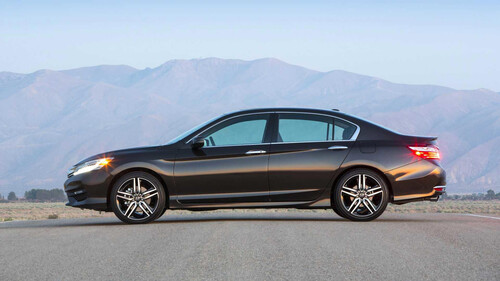
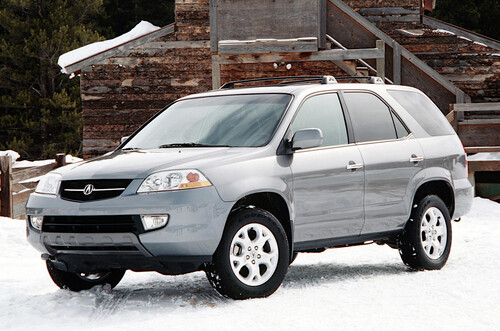
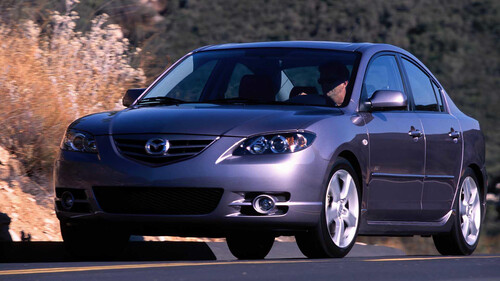
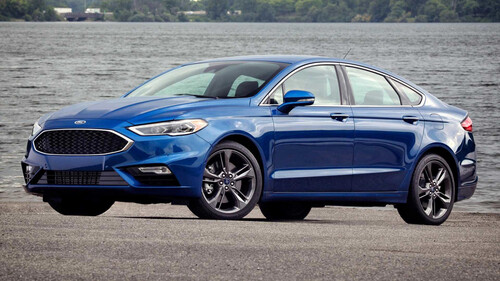
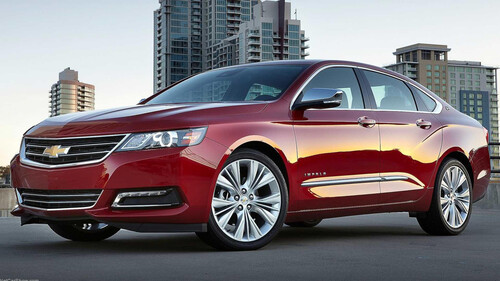
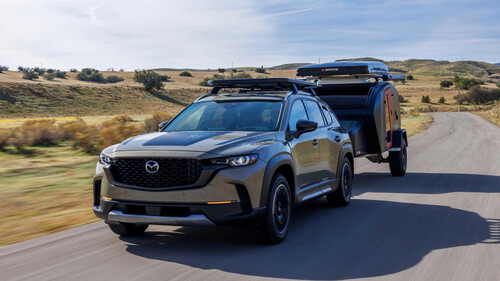
Image Credit: Lexus.A used car becomes a different kind of purchase when the plan is to keep it well past 100,000 miles. Flashy screens, giant wheels, complicated powertrains, and dramatic styling matter less when the real question is what the next owner will have to maintain, repair, and replace.For this list, “simple” does not mean primitive. It means naturally aspirated where possible, widely serviced, parts-supported, and not dependent on small turbochargers, rare drivetrain hardware, expensive hybrid batteries, or luxury systems that can turn an affordable used car into a repair gamble.That still does not make any used car automatic safe money. Age, maintenance history, rust, accident repairs, oil-change records, transmission service, and previous-owner habits matter more than the badge on the hood. A neglected Toyota, Honda, Mazda, Acura, Lexus, or Ford can still become expensive.AdvertisementAdvertisementThe best choices are the ones with proven engines, common parts, broad service knowledge, and cabins that still feel livable after years of commuting. For buyers planning to keep a car past 100,000 miles, these ten used models deserve a serious look.Toyota CorollaImage Credit: Toyota.The 2014 to 2019 Toyota Corolla sedan is one of the safest used-car choices for buyers who want simple transportation beyond 100,000 miles. Most trims used a 1.8-liter four-cylinder rated at 132 hp, while LE Eco versions used a 140-hp Valvematic version of the same basic displacement.The regular 132-hp Corolla is the cleaner fit for this article because it is modest, efficient, widely serviced, and built around ordinary daily driving rather than performance. It will not make a test drive feel exciting, but that is not the job here. The appeal is predictable ownership.The Corolla’s real strength is how little it asks from an owner when maintained properly. Parts are easy to find, independent shops know the platform well, fuel economy is strong, and the cabin is simple enough to age without feeling like old technology is fighting the driver.AdvertisementAdvertisementBuyers should still check for oil-change history, worn suspension parts, old tires, accident repairs, rust in harsh climates, and neglected CVT fluid on automatic cars. A clean Corolla with records can feel boring during the test drive, and that is exactly why many long-term used buyers keep coming back to it.Toyota CamryImage Credit: Toyota.The 2012 to 2017 Toyota Camry with the 2.5-liter four-cylinder is the better target for buyers who want more space than a Corolla without adding much mechanical risk. Toyota rated the 2012 Camry’s 2.5-liter four-cylinder at 178 hp and 170 lb-ft of torque, paired with a six-speed automatic.That combination is not glamorous, but it suits the car. The four-cylinder Camry has enough power for highway driving, a roomy cabin, a comfortable ride, and a service network that stretches across almost every American town. Independent shops know these cars well because they have spent years maintaining them for families, commuters, fleets, and second owners.The four-cylinder model is usually the smarter long-term budget buy than the V6. The V6 is smoother and quicker, but the 2.5-liter car keeps fuel costs lower and gives buyers the simpler ownership path. For someone who wants a sedan that simply keeps reporting for duty, this generation still makes sense.AdvertisementAdvertisementHigh-mileage Camrys need the same careful inspection as anything else. Look for service records, clean coolant, smooth automatic shifts, even tire wear, and signs the car was not abused as neglected fleet transportation. The badge helps, but the maintenance history still matters more.Honda AccordImage Credit: Honda.The 2008 to 2012 Honda Accord with the 2.4-liter four-cylinder remains one of the better used midsize sedans for buyers planning to keep a car for years. Honda offered this generation’s four-cylinder Accord with 177 hp in LX-style trims and 190 hp in higher four-cylinder trims.The four-cylinder Accord has the right long-term personality. It feels solid, roomy, easy to drive, and more responsive than many midsize sedans from the same period. The engine bay is familiar to many mechanics, parts support is strong, and the cabin and trunk still work for commuting, family use, and road trips.The four-cylinder is the cleaner recommendation than the V6 for this topic. The V6 Accord is stronger, but it brings more complexity and higher running costs. A four-cylinder Accord keeps the ownership logic closer to what long-term used buyers usually want: useful power, predictable service, and no unnecessary drama.AdvertisementAdvertisementThese cars are old enough now that condition matters more than reputation. Buyers should check for worn engine mounts, tired suspension parts, brake wear, leaks, rust, and poor automatic-transmission maintenance. A clean four-cylinder Accord with documented service still has the durable feel that makes high-mileage ownership less intimidating.Honda CivicImage Credit: Honda.The 2016 to 2021 Honda Civic sedan with the naturally aspirated 2.0-liter engine is the version long-term used buyers should focus on. Honda rated the 2016 Civic’s 2.0-liter four-cylinder at 158 hp and 138 lb-ft of torque, which is plenty for normal commuting without the extra heat and boost hardware of the 1.5-liter turbo.The tenth-generation Civic gives buyers a newer cabin, strong parts support, good efficiency, and more interior space than many compact shoppers expect. The 2.0-liter engine is the key detail here. It keeps the Civic closer to old-school Honda ownership logic while still giving buyers a modern compact car.That does not mean buyers can ignore the rest of the vehicle. Most 2.0-liter Civics use a CVT, so smooth operation and service history deserve attention. Suspension noise, worn tires, weak batteries, and malfunctioning electronics should also be checked before buying.AdvertisementAdvertisementFor buyers who want a newer compact to keep past 100,000 miles, the 2.0-liter Civic sedan from 2016 to 2021 is the cleanest target. The coupe is also worth considering, but only through the 2020 model year because Honda discontinued the Civic Coupe after that.Honda FitImage Credit: Honda.The 2009 to 2014 Honda Fit is small, but it is one of the smartest high-mileage used cars for buyers who value simple design and everyday usefulness. Honda rated the 2010 Fit’s 1.5-liter four-cylinder at 117 hp and 106 lb-ft of torque, with a five-speed manual standard and a five-speed automatic optional.The Fit does not need big power because its best tricks happen in normal driving. It is easy to park, easy to see out of, cheap to fuel, and light enough to feel responsive around town. The Magic Seat layout also gives it cargo flexibility that many larger cars fail to match.That rear-seat design is a major reason the Fit still works as a long-term used buy. It can carry groceries, small furniture, luggage, pet gear, or student-apartment cargo without the running costs of a larger vehicle. For city drivers, students, single commuters, and small households, it can make more sense than a bigger sedan.AdvertisementAdvertisementCondition is the trap. Many Fits were used hard because they were practical and inexpensive to run. Check for worn clutches on manual cars, smooth automatic shifts, water leaks, suspension noise, tired brakes, and evidence of regular oil changes. A well-maintained Fit is one of the most honest used cars on the road.Mazda3Image Credit: Mazda.The 2014 to 2018 Mazda3 gives buyers a compact car that feels sharper than the default economy choices without moving into luxury-car repair territory. Mazda’s 2014 overview lists the 2.0-liter Skyactiv-G four-cylinder at 155 hp and 150 lb-ft of torque, while the available 2.5-liter Skyactiv-G engine made 184 hp and 185 lb-ft.Both engines are naturally aspirated, which keeps them closer to this article’s long-term ownership logic than a small turbocharged engine. They are not crude old-school motors, though. Mazda’s Skyactiv engines use modern direct injection and high-compression design, so buyers should still care about maintenance history and fuel quality.The Mazda3 earns its place because it gives practical shoppers more personality. Steering feel, seating position, cabin quality, and road manners are all stronger than many compact cars from the same period. The hatchback is especially useful for buyers who need cargo flexibility without moving into a crossover.AdvertisementAdvertisementLong-term shoppers should inspect for rust in snowy climates, worn control arms, infotainment problems, accident repairs, and maintenance gaps. A clean, unmodified Mazda3 gives buyers much of the dependable used-car logic of a Corolla or Civic with a more enjoyable drive.Acura TSXImage Credit: Acura.The 2009 to 2014 Acura TSX with the 2.4-liter four-cylinder is a strong used choice for buyers who want Honda engineering with a nicer cabin. Acura rated the 2010 TSX’s 2.4-liter DOHC i-VTEC four-cylinder at 201 hp, with 172 lb-ft of torque in manual cars and 170 lb-ft in automatic versions.The TSX feels more polished than a typical compact sedan, but it does not carry the same mechanical risk as many aging European luxury cars. Its K-series four-cylinder is smooth, durable, and widely understood by Honda and Acura specialists. The driving position is comfortable, the cabin materials have aged well, and the engine has enough power to keep daily driving from feeling dull.Buyers should still budget for the fact that this is an Acura, not a Corolla. Acura specified premium unleaded fuel, and luxury-car wear items can cost more than economy-car repairs. Cheap TSX examples can hide overdue suspension work, neglected fluids, worn brakes, tired tires, or failing electronics.AdvertisementAdvertisementA good TSX is worth the patience. Look for service records, smooth transmission behavior, working electronics, clean suspension behavior, and evidence that the cabin has not been abused. The four-cylinder TSX is one of the better ways to buy a proven engine in a car that still feels a little special.Ford Fusion With the 2.5L Four-CylinderThe 2013 to 2020 Ford Fusion with the naturally aspirated 2.5-liter four-cylinder is the quiet value pick here. Edmunds lists the 2013 Fusion’s 2.5-liter engine at 175 hp and 175 lb-ft of torque, paired with a six-speed automatic and front-wheel drive.The important part is choosing the right Fusion. Many used examples have EcoBoost, hybrid, or plug-in hybrid powertrains, and those versions do not fit this article as cleanly. The 2.5-liter car is the simpler target for buyers who want a roomy sedan with mainstream parts and less mechanical risk.Used buyers often look at Toyota and Honda first, which can leave the 2.5-liter Fusion priced more attractively than better-known midsize rivals. It has a comfortable cabin, relaxed highway manners, a conventional sedan layout, and enough power for commuting without asking the engine to do anything dramatic.AdvertisementAdvertisementCondition matters heavily. Avoid rough fleet cars, poorly repaired accident cars, neglected interiors, and examples with uncertain transmission-service history. A private-owner 2.5-liter Fusion with records can be a smart buy, especially when it is priced well below a similar Camry or Accord.Lexus ES 350Image Credit: Lexus.The 2013 to 2018 Lexus ES 350 is the comfort choice for buyers who want a proven naturally aspirated V6 instead of a stressed small turbo engine. The 2014 ES 350 used a 3.5-liter V6 rated at 268 hp and 248 lb-ft of torque, paired with front-wheel drive and a six-speed automatic.The ES 350 suits high-mileage ownership because it pairs Toyota-family mechanical familiarity with a quiet cabin, comfortable seats, and a relaxed driving character. It does not encourage hard use in the way many sport sedans do, which can help buyers find cleaner examples if they shop carefully.This is still a luxury car, so it should not be treated like a Corolla with leather. Tires, brakes, suspension parts, electronics, interior repairs, and dealer-service bills can cost more than economy-car ownership. The engine may be proven, but the car around it still deserves a thorough inspection.The right ES 350 makes sense when the maintenance history is strong and the buyer wants comfort above all else. For long highway commutes, it is one of the easiest used sedans to live with, especially for shoppers who want quiet miles instead of sporty handling.Toyota MatrixImage Credit: Toyota.The 2009 to 2013 Toyota Matrix is a smart older choice for buyers who want Corolla-style mechanical simplicity with more cargo flexibility. The best fit for this article is the base front-wheel-drive Matrix with the 1.8-liter four-cylinder, rather than the more powerful 2.4-liter trims.The 2010 base Matrix used a 1.8-liter four-cylinder rated at 132 hp and 128 lb-ft of torque. It was available with a five-speed manual or a four-speed automatic, depending on configuration. That powertrain is not exciting, but it gives the Matrix the same basic appeal as a Corolla in a more useful hatchback shape.The hatchback body is the reason to look for one. A Matrix can handle bulky cargo better than a small sedan while keeping controls, running costs, and service needs easy to understand. Buyers can also look at the 2009 to 2010 Pontiac Vibe, which shared much of the Matrix’s Toyota-related engineering, but the Vibe ended after the 2010 model year.Age is the biggest issue now. Even good examples are older cars, so buyers should inspect for rust, worn suspension parts, old rubber components, tired brakes, leaks, and neglected fluids. A clean Matrix can still be a very useful long-term car for shoppers who want cargo space, low running costs, and simple mechanicals in one package.Proven Engines Still Reward Careful BuyersImage Credit: Mazda.A proven engine does not guarantee a good used car. A neglected Corolla, Accord, Civic, or Lexus can still become expensive if the previous owner skipped oil changes, ignored warning lights, overheated the engine, or let basic wear items pile up.The advantage is the starting point. Naturally aspirated four-cylinders, proven V6s, common parts, and familiar service procedures make ownership easier when a car is already past the mileage that scares casual shoppers.The smartest buys are usually the cleanest examples, not the cheapest ones. A car with maintenance records, matching tires, clean fluids, smooth shifting, and a quiet cold start is often worth paying more for than a rougher version with a lower asking price.The win is not bragging rights. It is a normal cold start, a smooth drive, a repair bill that does not wreck the month, and another year of commuting without drama. For buyers planning to keep a used car past 100,000 miles, simple mechanicals and careful maintenance still matter more than a complicated spec sheet.If you want more stories like this, follow Guessing Headlights on Yahoo so you don’t miss what’s coming next.