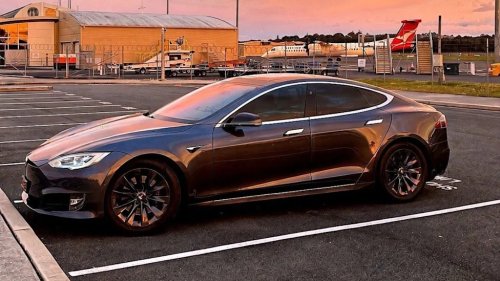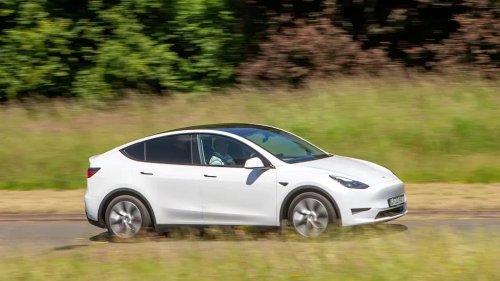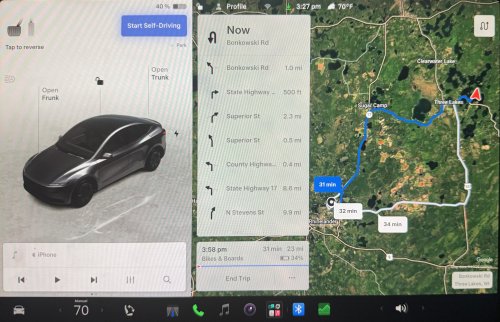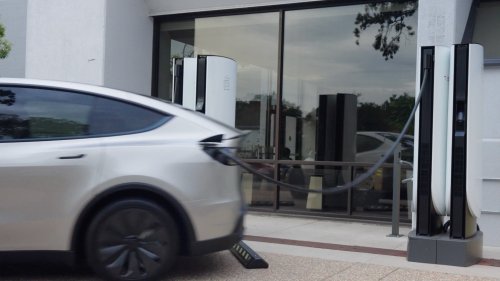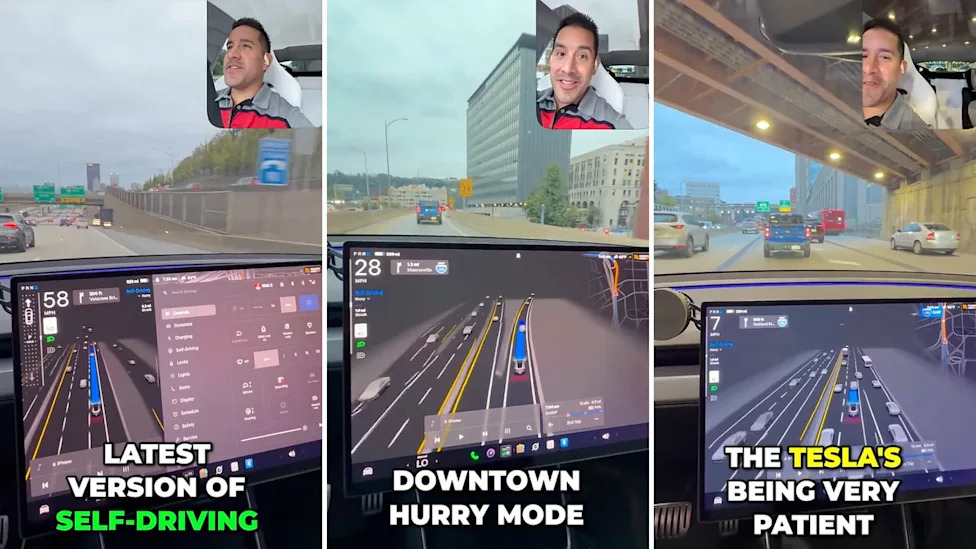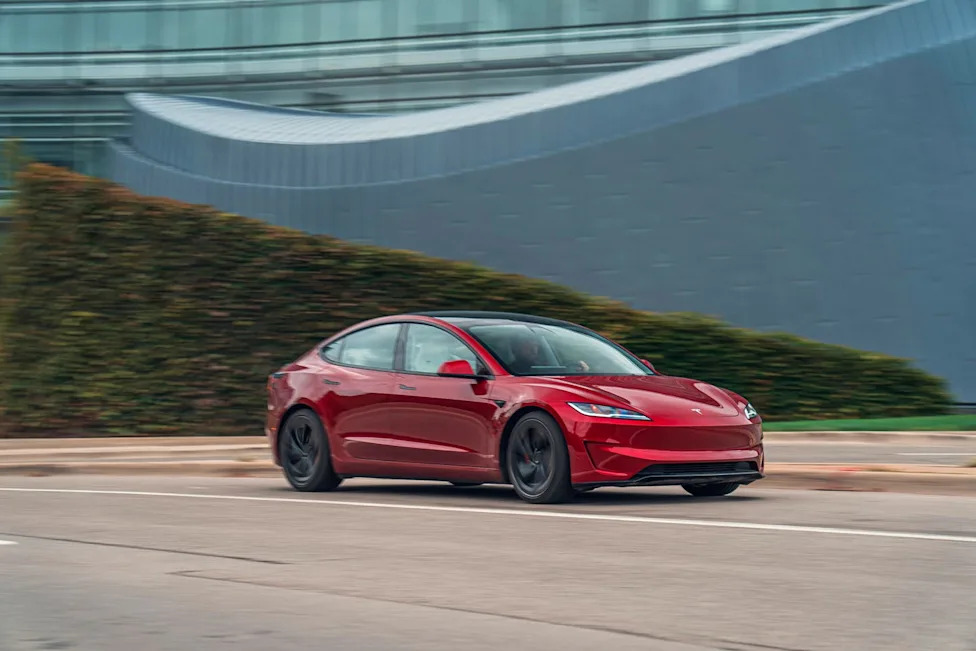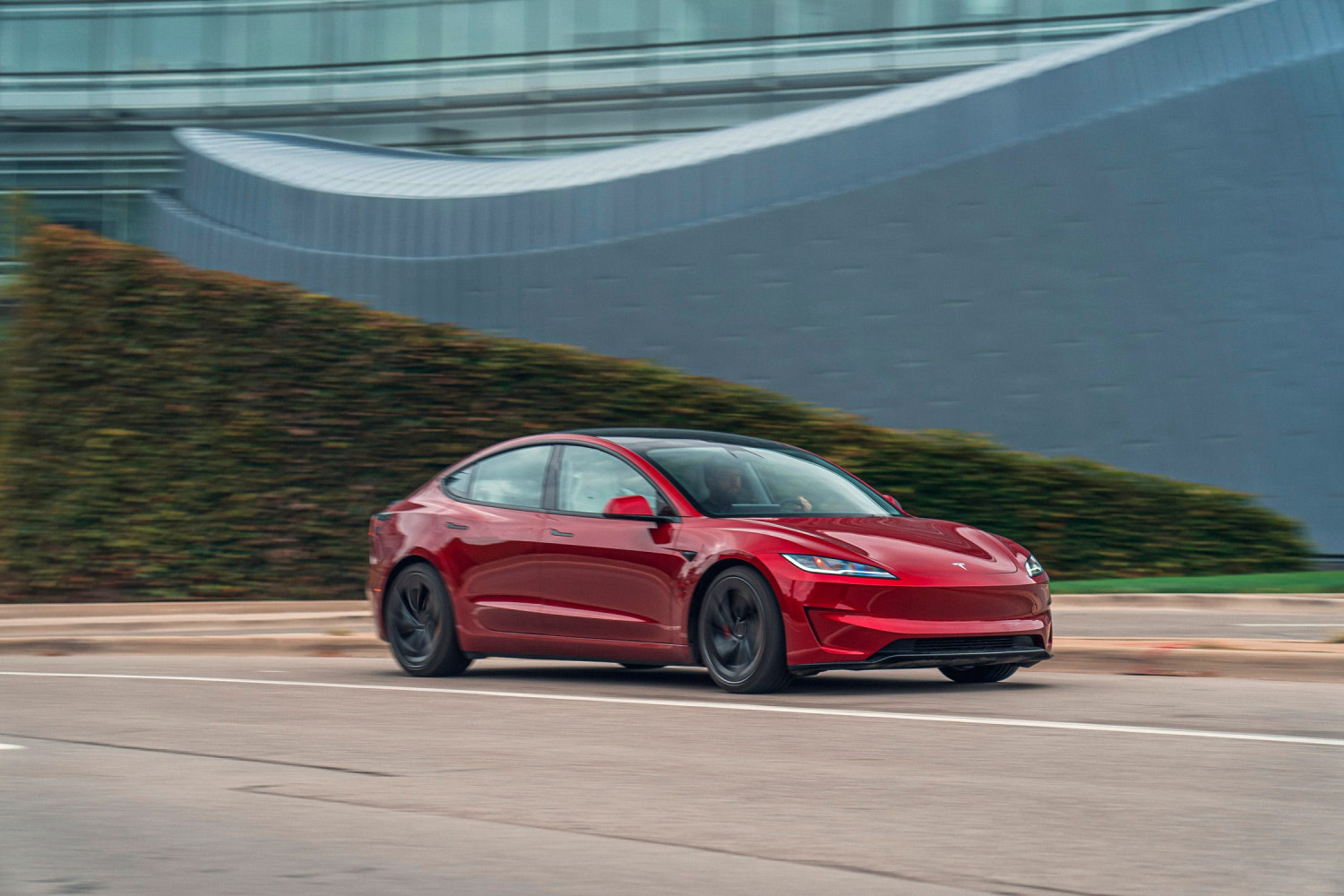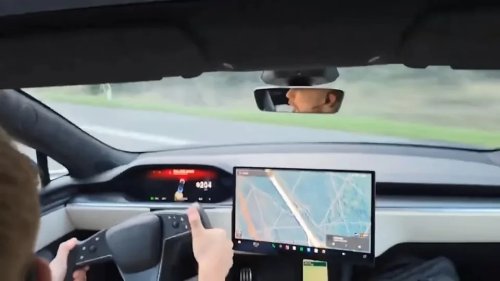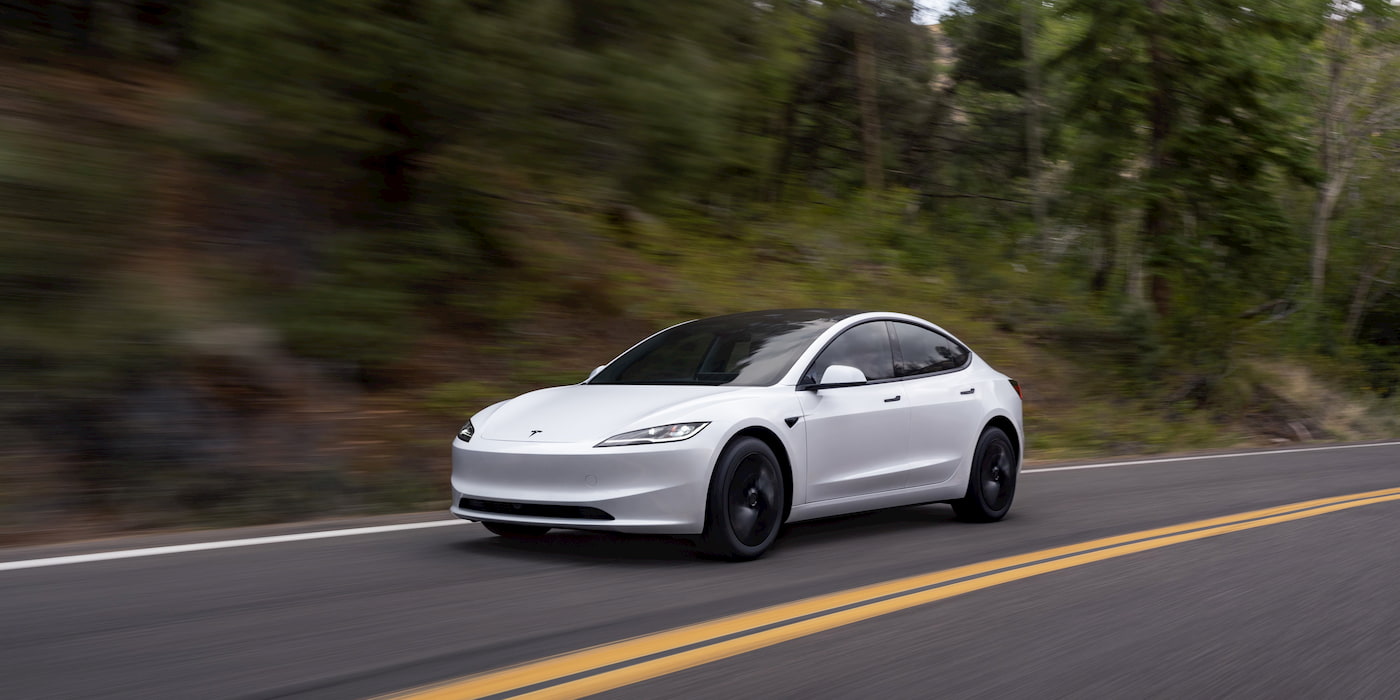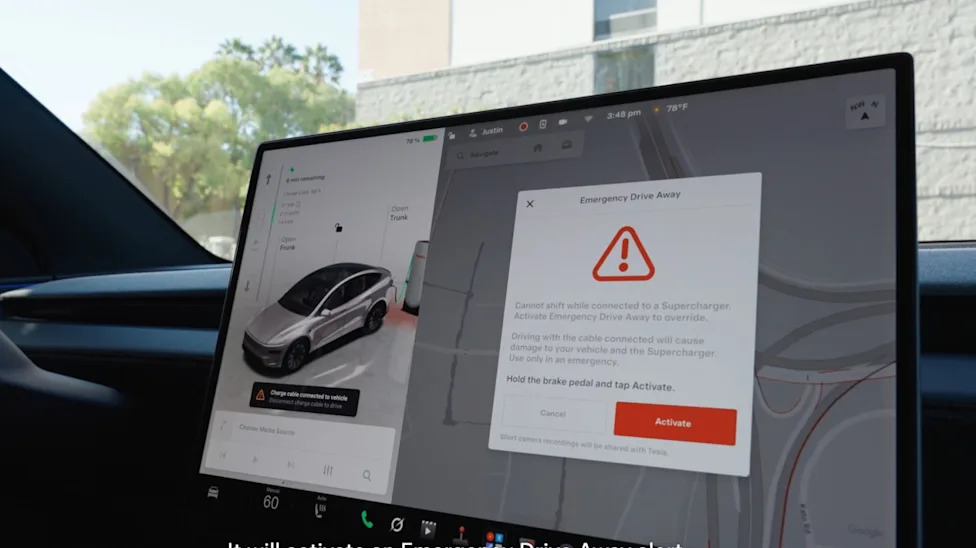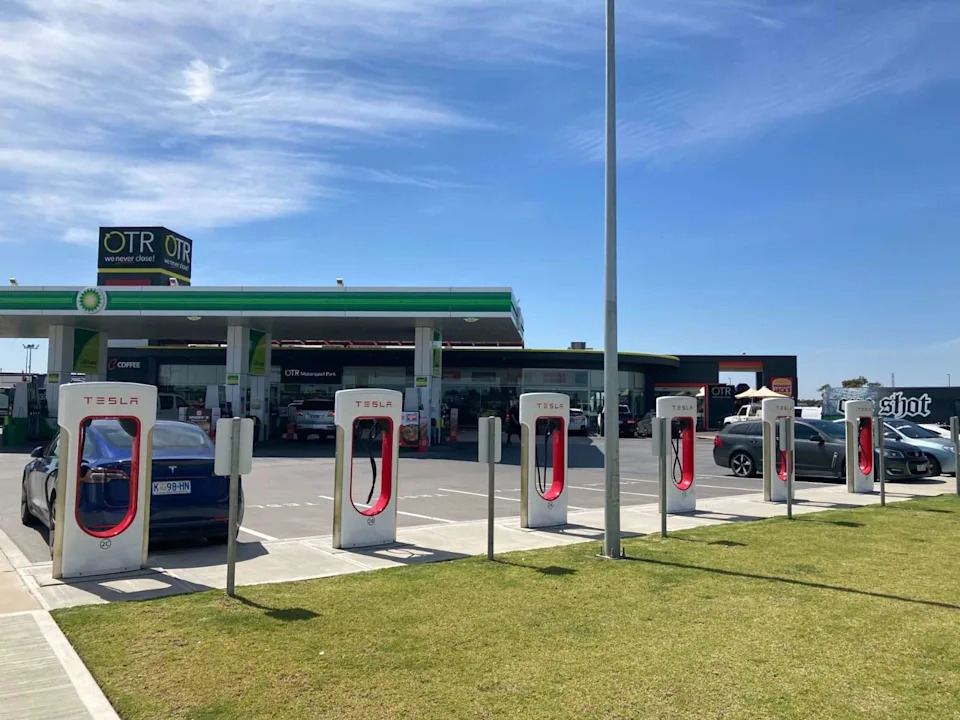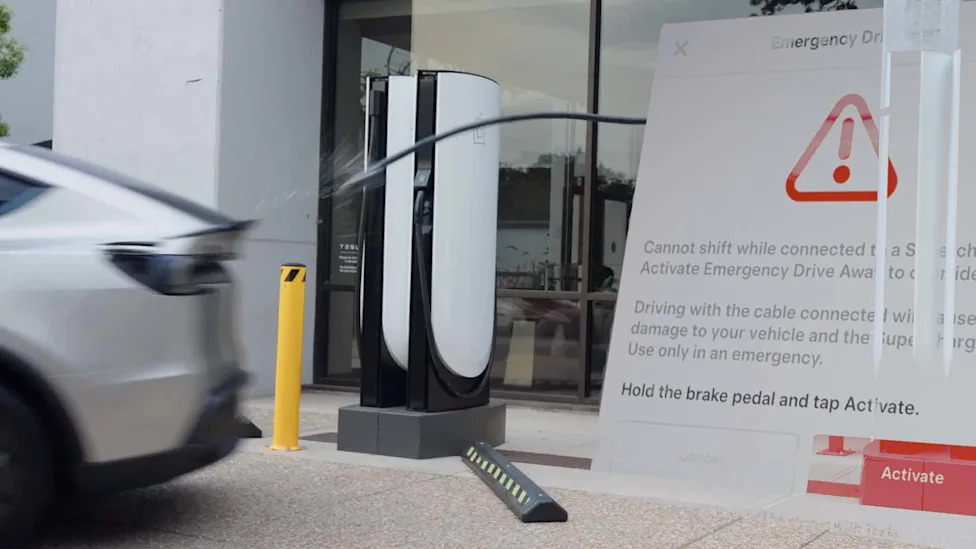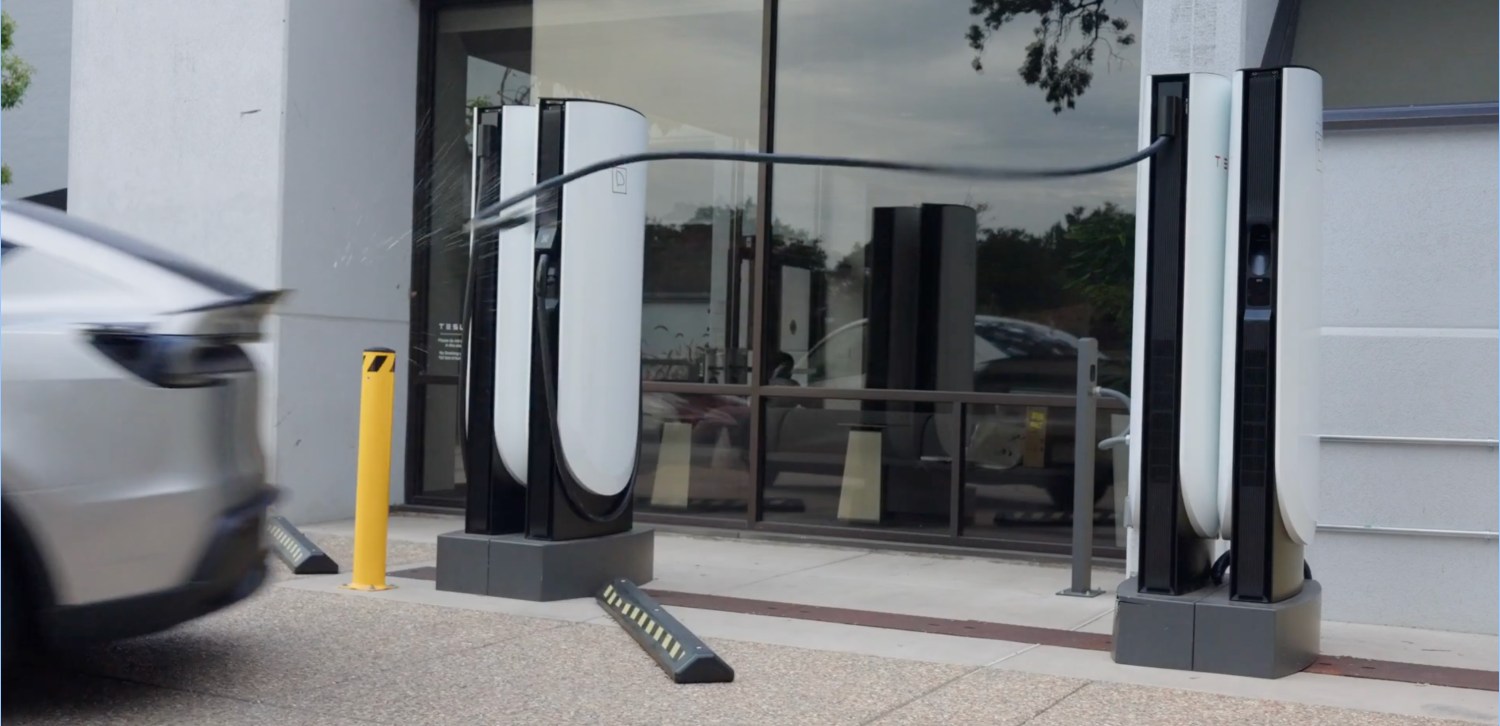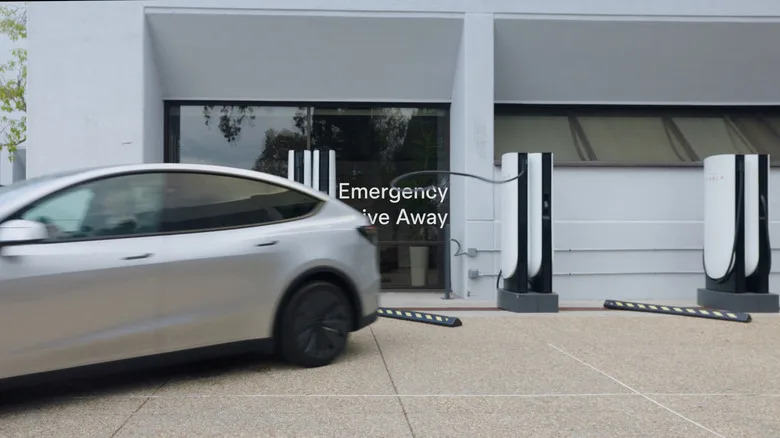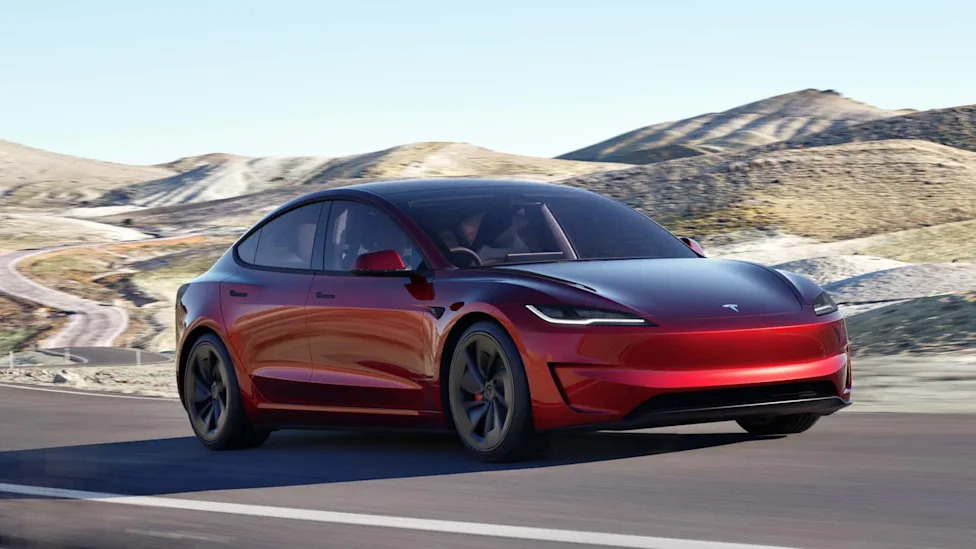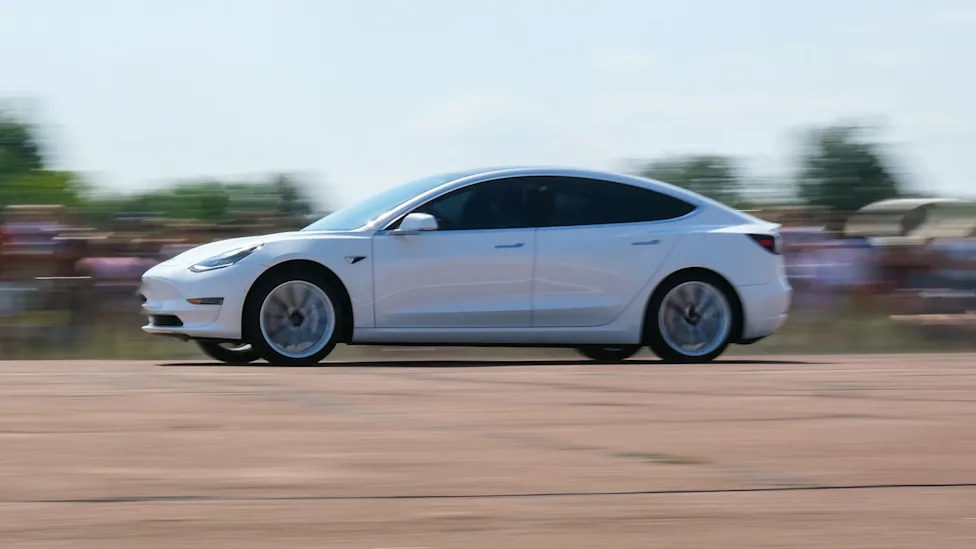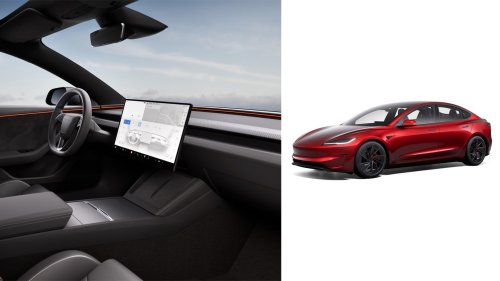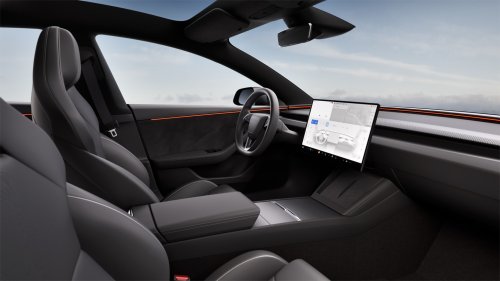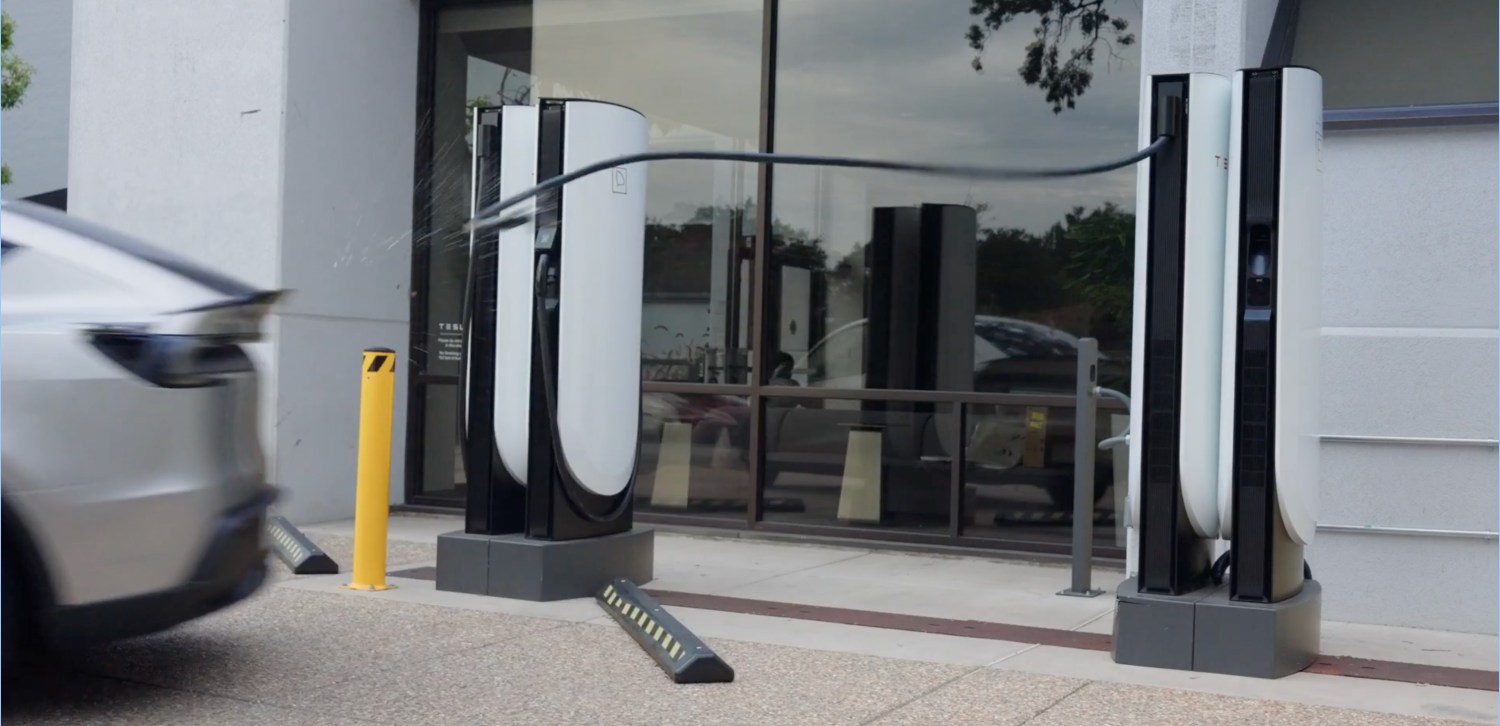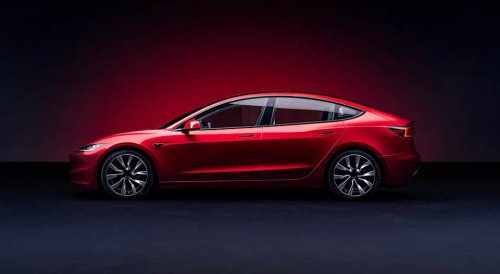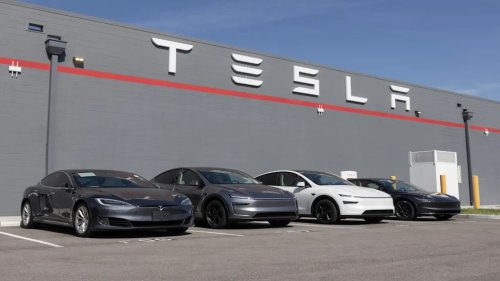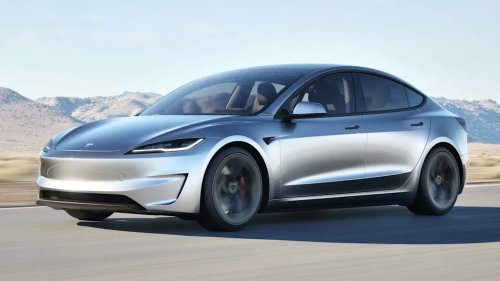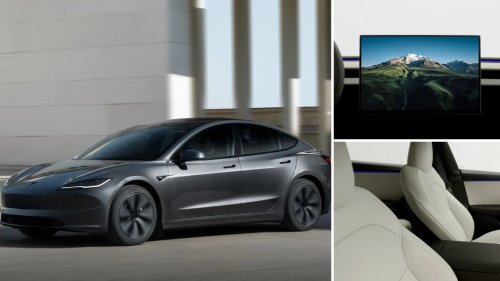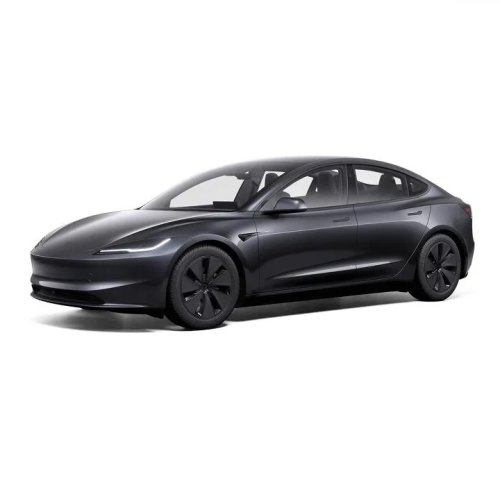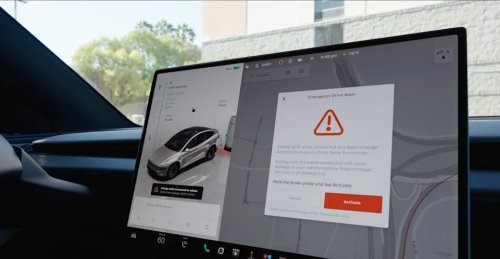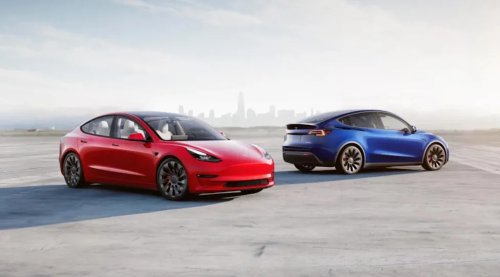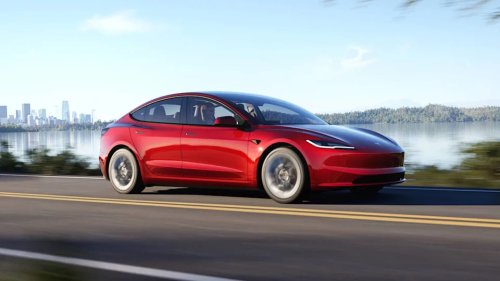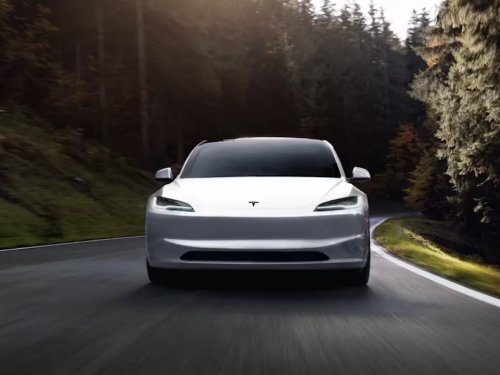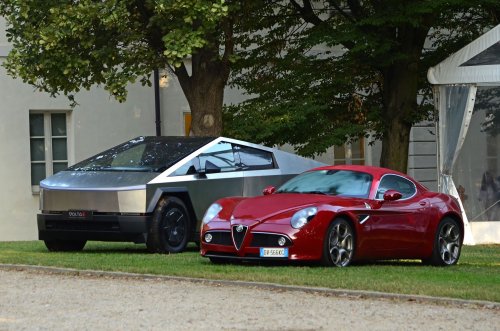


2019 and 2026 Model 3s. Zion National Park, Utah. 2022 and Pleasant Grove, Utah 2026 My odometer on my 2019 Model 3 now reads 171,696 miles. In the 6 ½ years we have owned the car; we have driven from Utah to Wisconsin round trip 6 times and have driven it coast to coast visiting our daughter in North Carolina and friends in Palm Springs, California. My wife and I both use Tesla’s “Full Self Driving” obsessively. Back in 2019, when I purchased my Tesla Model 3, I paid a $6,000 premium for Full Self Driving. At that time, FSD would automatically navigate my car on interstate highways from on-ramp to off-ramp. It would also give me smart cruise (speed control) that would slow down for slower moving cars and stop my car at a stop sign or stoplight if a car was in front of me in my lane. It would also steer my car on roads that had at least two yellow lines in the center of the road, and slow down for curves. However, it would fail if the turns were sharp (e.g., a rotary), and it would not navigate automatically on city streets. Over the last 6+ years, Tesla FSD has dramatically improved. It is to the point where I can put an address into the NAV, drive out onto a road or city street, and it will drive me to a street address or into a big box store parking lot. It will sometimes do this without intervention. The steering assist will keep my car rock steady in the center of the lane on any street or highway. In fact, it steers better than I can myself. It will generally handle stop signs, stop lights with double lane left hand turns, sharp turns, rotaries, and speed bumps properly. However, I seldom use its capability of parallel parking or Summon in a big parking lot. FSD Supervised v12.6.4, the latest version of FSD available for my car, won’t drive my car out of my garage or back in. It won’t find a parking place in a big lot and park. It sometimes gets in the wrong lane at stop signs and stop lights (which is inconsistent with the navigation). It doesn’t slow down to 20 mph for the flashing lights at school zones. It also ignores the sharp dips in the road we have in Utah that will scrape the bottom of my car on the pavement if I don’t slow down manually. When exiting 12 lane I-15 from the center H0V lane across 6 lanes of traffic I’m not confident that it will make it if the traffic is heavy. My car has Hardware V3, which includes a very powerful computer and 7 high resolution cameras. Sometime in mid 2024, Tesla started installing Hardware V4 on all its new cars, which includes an even more powerful computer and higher resolution cameras. The new FSD Supervised V14 that only runs on HW 4 cars has been getting rave reviews. Fewer interventions are required and it now handles the third and final stage of driving, the beginning and end of your trip, 100% automatically in many situations. It will now park and unpark your car in your garage or in a public parking lot. Three times recently, I have borrowed a new Model 3 or Model Y running FSD v14 from my local Tesla Service and Sales Center and taken it for a test drive. The car was delivered to me using Summon! I haven’t really used Summon on my car because it hasn’t been reliable. According to my salesman, it is much improved with V14. The demo car managed to exit properly from I-15, moving over two lanes in fairly heavy traffic. It also waited until the last second but managed to get in the correct lane at a stoplight on 1600 N in Orem, Utah, where V12 fails regularly. When I returned the car to the Tesla Service Center, it neatly and accurately backed the car into a parking place with no instructions from me. After the second and third times driving a Tesla Model 3 and Model Y with FSD V14, I now have a better understanding of what it will do and won’t do at the beginning and end of your trip. At Walmart, any big box store parking lot, or your parking lot at work, it automatically finds an empty parking spot and flawlessly backs in and parks. When you get back into your car, you push the START SELF DRIVING button and it drives out and proceeds to the destination you have programmed into the navigation. At home you have a choice between parking roadside or parking driveway. If you are doing one of those, it will park 100% automatically. However, the control to switch between roadside and driveway parking is not easy to access on the display screen. If I choose driveway, it parks perfectly in my driveway. However, usually, I would prefer to park in my garage. According to the Tesla sales representative, his car eventually learned to park in his garage. However, I have a big truck parked in the other stall in my garage and the fit is very tight. In three tries, I couldn’t get it to automatically drive into or out of my garage. Another end-trip (or mid-trip) situation is backing into Supercharger stalls. I hate backing into any parking spot and usually have my wife get out and guide me at Superchargers. I loved having the charging outlet on the front of my Nissan LEAF (not in the back like on a Tesla), so I could drive in forwards. According to my Tesla sales representative and my brother, FSD 14 backs you into a Supercharger stall automatically and flawlessly. I didn’t have time to try this with my short test drive. If you think about it, your car has enough cameras that it can back in as easily as it can go in frontwards. Another end trip situation is the drive-through lane at a fast-food restaurant or pharmacy outlet. According to the sales representative, FSD 14 will learn to do this. In my short test drive, my car would only find an empty parking spot at the fast-food place and back in. The new V 14 software makes many end-of-the-trip situations 100% automatic. It seems like there are a few more that could be made more automatic: Parking in an exact parking spot in your garage by inputting the location while you’re actually in the parking spot. Preferring a handicap parking spot. Specifying the drive-through lane at a fast food or pharmacy location. Others? Let me know if you come up with others. What about Tesla’s obsession with removing all knobs, buttons, and stalks and replacing these with buttons and sliders on the display screen? I heard that Tesla originally removed both the turn-signal stalk left of the steering wheel and the drive/reverse/FSD-stalk right of the steering wheel. However, now new Tesla cars still have a turn-signal stalk on the left, while the right-hand stalk is gone, replaced by a forward/reverse slider and a button for FSD on the screen. I found this to be a much inferior setup. The stalk was much easier to use than having to reach forward and perform the function on the screen, which must be done in some situations very frequently. Below, you see my brother’s 2024 Model Y which was delivered to him in December 2024. Sometime in mid 2024, Tesla started delivering cars with HW4 and soon started installing FSD 14. My brother reports dramatic improvements over his 2016 Model S running FSD 12. My brother’s 2024 Tesla Model Y on a road trip. If I had bought a new Model 3 or Y by the end of March (too late now), I could have transferred my FSD subscription to the new car for no charge and it would be able to run FSD 14, which is my main motivation for an upgrade. Perhaps Tesla will offer this again in the future when it is desperate for new sales. This would have been my last chance to get a new car with FSD included because going forward Tesla will only sell it as a monthly subscription for $100/month. I would prefer a Model Y because of the larger trunk opening. The bare bones version would cost $40,000. It would cost another $2,000 for dual motors (I need them to go up mountain canyons in the winter for skiing) and $1,000 for a receiver for my bikes that wouldn’t drag on the pavement like the aftermarket version on my Model 3. Tesla would give me $9,000 credit for trading in my Model 3. A new Model 3 or Model Y would come with a 0% loan for up to 6 years. The payments would be about $500/month. As a retired person with fixed income and no payments on my current car, this is not going to happen. Another option would be to buy a used 2024 or later Model Y from someone who has FSD, which would transfer to me. I could also bite the bullet and pay $100/month for FSD going forward. Will I ever see FSD V14 on my Model 3 with HW3? I have read reports that Tesla will offer FSD V14-lite for HW3 cars during the 2nd quarter (this quarter) of this year. However, according to my Tesla salesperson, there is no official word from Tesla on this. The HW3 computer and cameras on my 2019 Model 3 are very capable and I have no doubt that FSD V14-lite would be a big improvement over what I have now. The $64,000 question? Will Tesla offer FSD 14-lite to those millions of us driving cars with HW3. Why would they? If they don’t, it would be a great motivator to get customers to buy a new car. However, if Tesla does not, it will be breaking a promise that all cars with HW3 will eventually be able to drive at automation level 5 (that means you could go to sleep while your car drives you). Those of us who have observed Tesla repeatedly breaking promises to get to L5 automation are skeptical that it will ever happen in our lifetimes. Meanwhile, Waymo and others are offering driverless taxi rides in several geofenced cities now. However, they can’t drive automatically on every street in the US. As these technologies improve, they don’t have to be perfect, they just have to be able to save lives. At that point, there would be a moral imperative to make such technology required for all new cars. Referral Program: If you find any of my articles helpful to you and you are buying a new Tesla, please use my referral link: https://ts.la/arthur73734 (be sure to use it when you make your order). If you are buying a new Tesla and use my link, you’ll currently receive $1,000 off the purchase price of a Model S or X or Cybertruck, or 3 months of complimentary FSD with a Model 3 or Y.