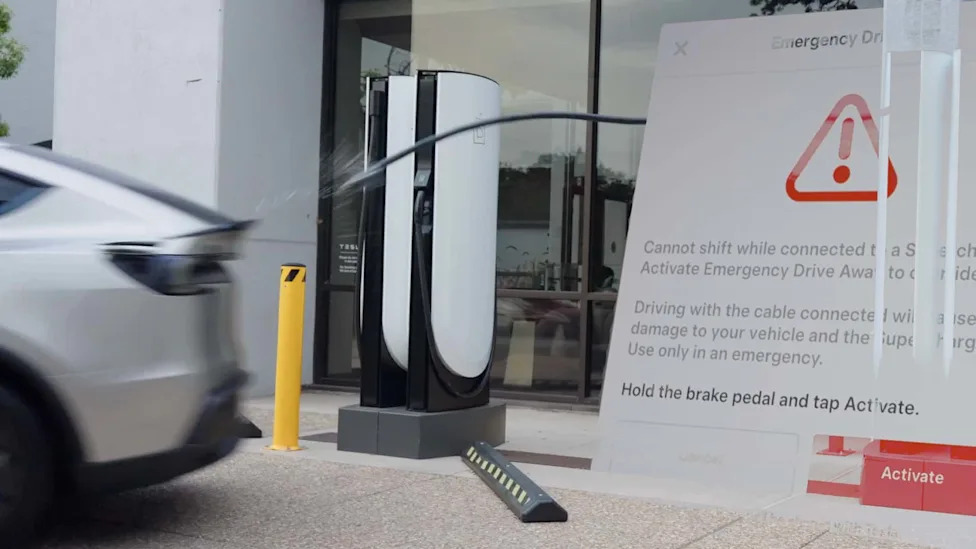
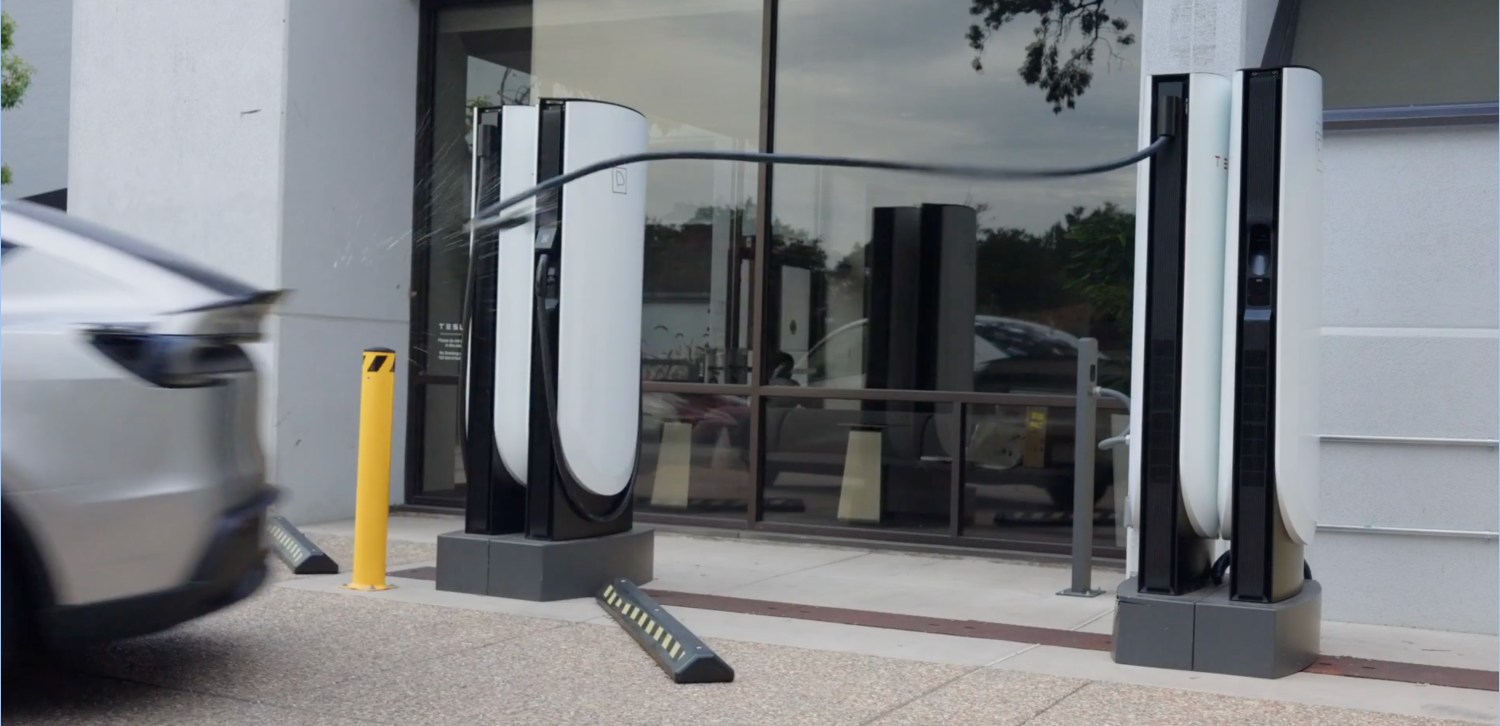
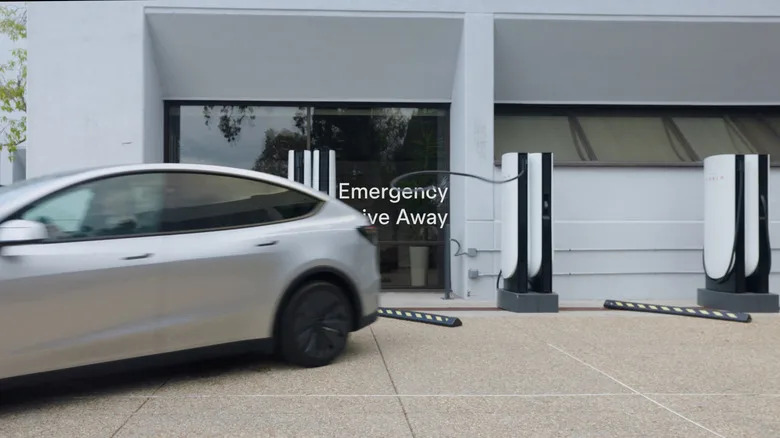
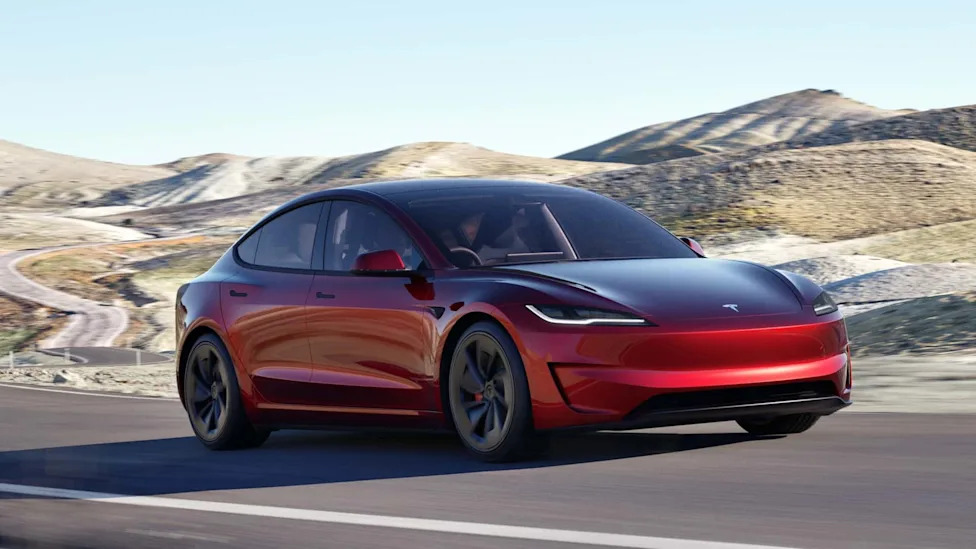
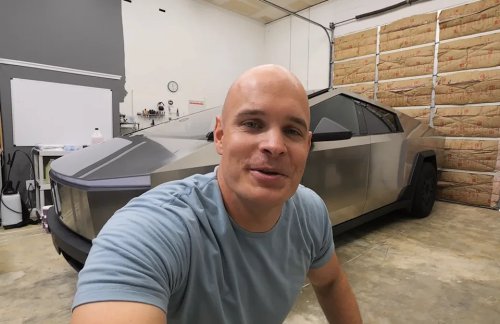
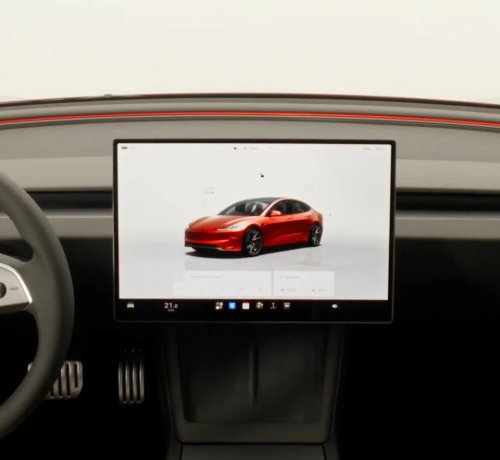
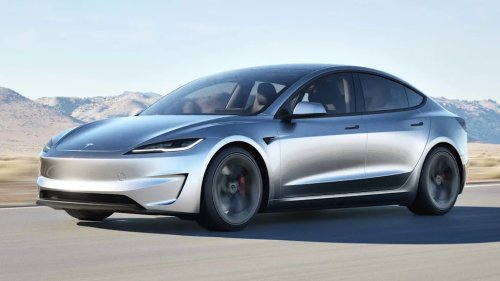
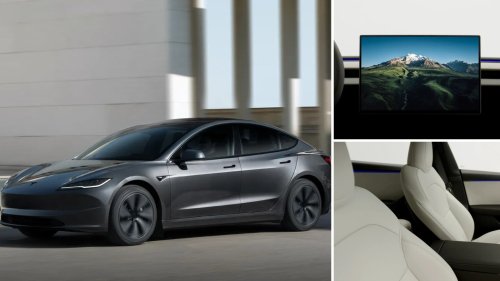
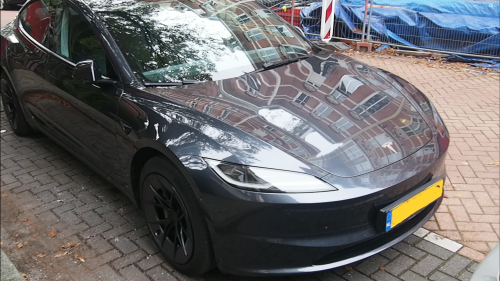
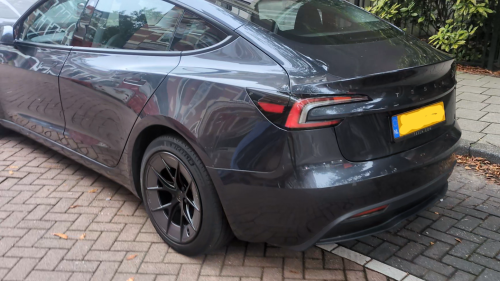
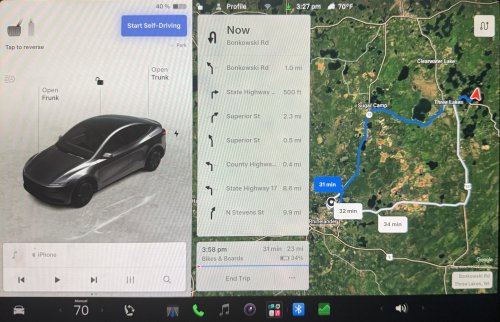
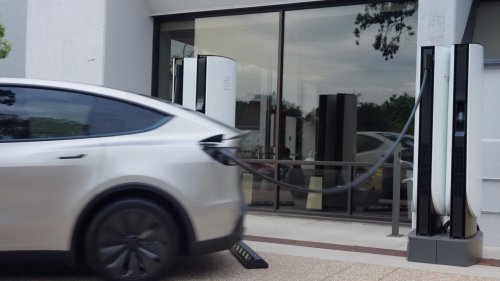
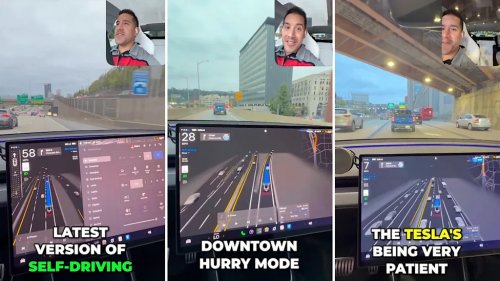
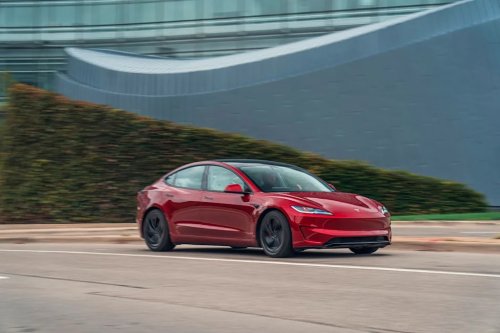
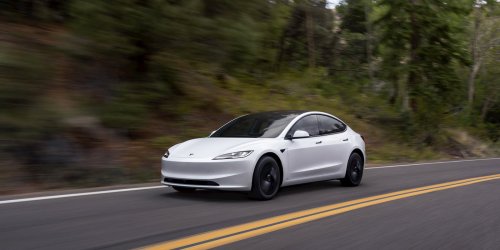
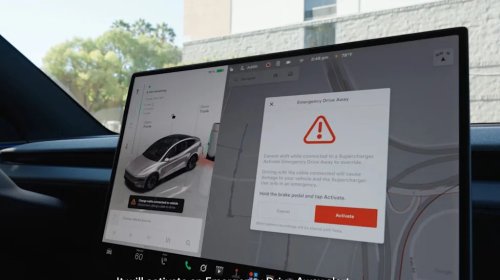
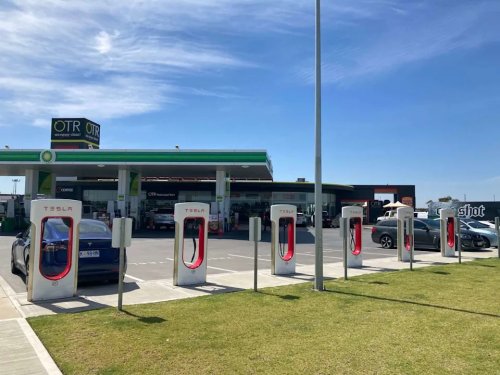
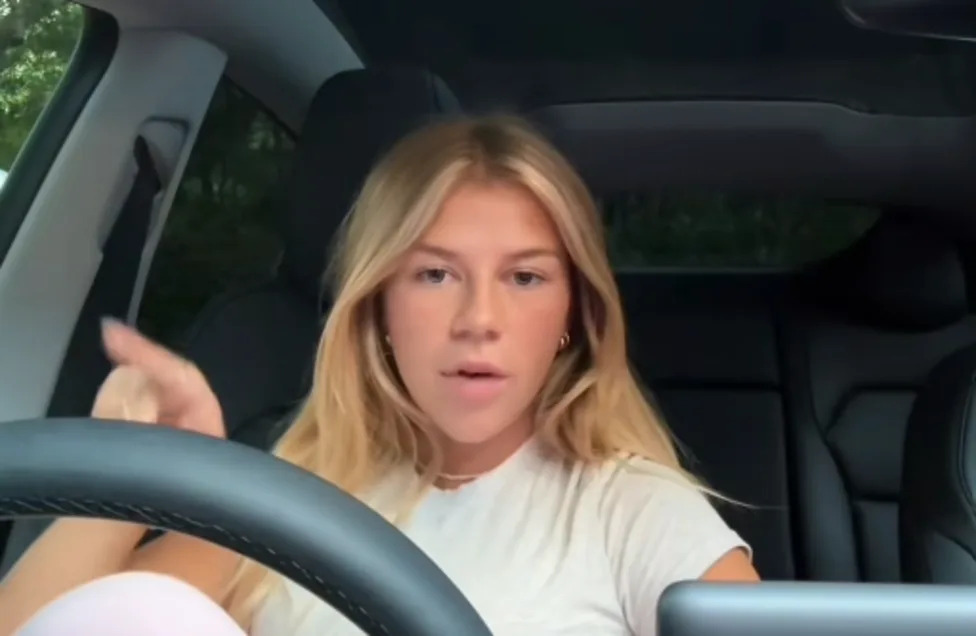
Image Credit: Lunzlyfe / TikTok.Buying a used Tesla comes with a unique set of surprises that traditional car buyers almost never encounter, and one new owner is making sure the internet hears all about them. A TikTok creator who goes by the handle @lunzlyfe recently posted a series of videos cataloging the things nobody thought to warn her about before she signed the paperwork on a pre-owned 2026 Tesla. The videos resonated with a lot of people, which probably tells you something.To be fair, Tesla is not a conventional purchase. Unlike buying a used Camry, where your biggest post-sale discovery is usually a forgotten parking ticket in the glovebox, taking ownership of a used Tesla involves app accounts, VIN transfers, digital interfaces, and a suite of software features that would baffle anyone who learned to drive on something with actual knobs. The car is less like a vehicle and more like a subscription service that also happens to move.The creator, Londyn Williams, purchased the Tesla from a previous owner, which is where the adventure began. She quickly learned that the prior owner's Tesla account was still linked to the vehicle's VIN, and that the handoff process is not exactly instantaneous. While she waited for Tesla to process the ownership transfer, she found herself in the awkward position of accidentally charging to the previous owner's account at a public charging station because her own account had not yet been connected to the car.AdvertisementAdvertisementThat particular situation would make most drivers uncomfortable, but it is also a fairly well-documented quirk of how Tesla handles private party sales. It is the kind of thing that should probably be explained at the point of purchase but, as Williams discovered, often is not.How Tesla's Ownership Transfer Process Actually WorksTesla has two primary methods for transferring vehicle ownership when a car changes hands. The first is a seller-initiated transfer, where the original owner uses the Tesla app to formally release the car and the buyer receives an email walking them through adding it to their own account. Straightforward enough, provided the seller actually does it.The second method is a buyer-initiated claim, which kicks in when the seller does not complete that step, and is considerably more involved. The new owner has to install the Tesla app, create or log into a Tesla account, select "Add Product," enter the VIN manually, and then upload documentation including a bill of sale, registration, or title.Tesla reviews all of this on their end before the car is officially linked to the new account. That review process can take anywhere from a few hours up to five business days under normal circumstances, and if there are complications involving loans, financing, or title disputes, the wait can stretch to ten days or more.The Air Conditioning Controls: A Legitimate ComplaintWilliams also took issue with the climate control interface, and this is not an unreasonable grievance. She described spending about twenty minutes with her mother trying to figure out how to adjust the airflow, and then accidentally toggling the system into a mode that changed the fan speed from numbered increments to low, medium, and high without knowing how it happened.AdvertisementAdvertisementWhat she likely stumbled into was the difference between Tesla's auto and manual climate modes. In auto mode, the system manages airflow on its own using a simplified low, medium, high display. Manual mode restores the numbered fan speed control through the touchscreen.The distinction between the two is not telegraphed particularly well, which is something Tesla could stand to improve given that every function in the car routes through that same touchscreen. For drivers accustomed to turning a physical dial to find exactly where they want the air, this kind of interface requires some adjustment.The Fart Noise SituationThis one is hard to cover with a straight face, but it is real. Williams discovered that she had activated Tesla's Emissions Testing Mode, a feature buried inside the Toybox section of the vehicle's app suite, which allows the car to play flatulence sounds triggered by turn signals, door openings, or steering wheel button presses. She could not figure out how to turn it off, and the noise apparently kept going off while she was driving.To disable it, drivers need to go back into the same Toybox menu and switch the setting off from there. Tesla has included this feature since at least 2019, and while it is genuinely harmless, Williams' experience of being unable to silence it mid-drive is a reminder that a touchscreen-only interface means there is no physical button to just make the car stop doing whatever it has decided to do.The "Fishbowl" Effect and Autosteer ImpressionsIn a follow-up video, Williams described the feeling of driving the Tesla as being inside a giant fishbowl, a reference to the large panoramic glass surfaces that define Tesla's cabin design. Without window tint, she felt visible to other drivers from every angle. This is a common complaint among Tesla owners, particularly those in sunnier climates, and the aftermarket window tinting industry has been happy to accommodate the demand.AdvertisementAdvertisementShe also mentioned using Tesla's Autosteer beta feature on the highway, noting that it helps her avoid inadvertently speeding because the car's acceleration is so effortless and quiet that it is easy to lose track of how fast you are going. That is a practical observation worth noting for anyone coming from a conventional internal combustion vehicle, where engine noise and vibration tend to provide a natural sense of speed.Williams summed up her experience with a piece of advice that applies to any technology-heavy vehicle purchase: do your research before you buy, not after. That is sound guidance for any car, but with Tesla, it applies more literally than most.If you want more stories like this, follow Guessing Headlights on Yahoo so you don't miss what's coming next.










 +63 others