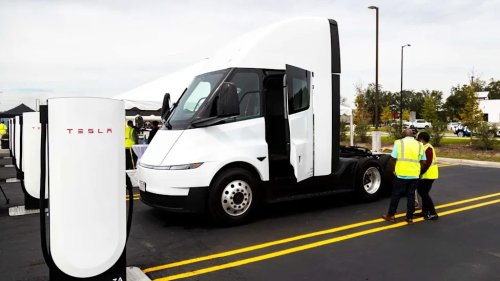
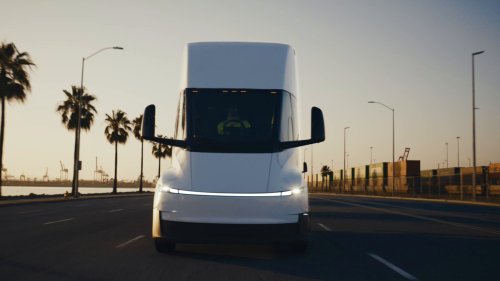
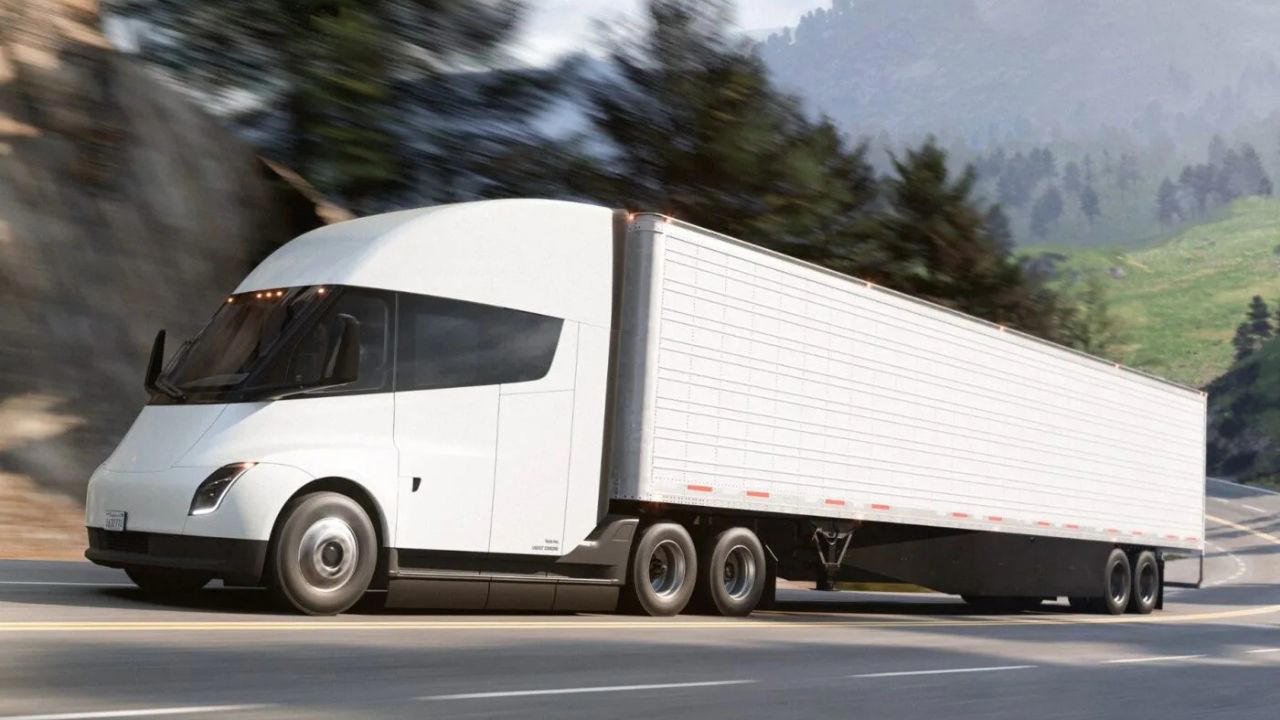
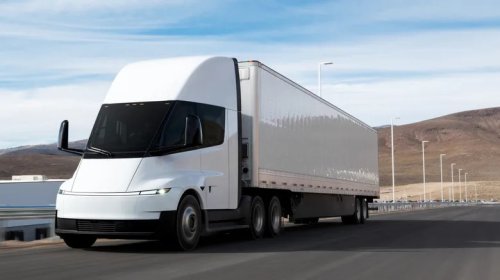
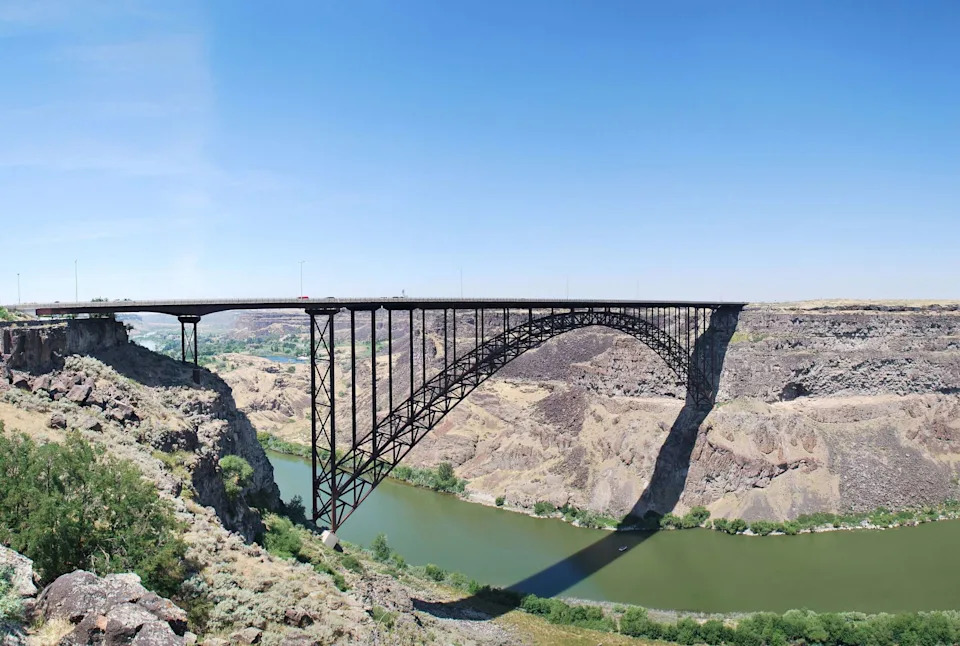
Tesla Semi takes on California’s Grapevine with a loaded trailer and exceeds expectationsTesla’s long-promised electric Class 8 truck just tackled one of North America’s most notorious freight routes with a fully loaded trailer, and a major fleet operator walked away “amazed.” The Tesla Semi’s climb over California’s Grapevine with a commercial payload is giving the trucking industry one of its clearest real-world looks yet at how the battery-powered rig performs under serious pressure. In a sector that lives and dies by grade, weight, and uptime, a successful Grapevine run is more than a viral video. It is a stress test that hints at whether Tesla’s truck can move from niche pilot projects into the mainstream freight network. How the Grapevine test raised the bar for Tesla Semi performance The latest run took place on the Grapevine segment of Interstate 5, the steep and sustained climb over the Tehachapi Mountains between California’s Central Valley and Los Angeles. Long-haul drivers know the stretch for its punishing grades, heavy traffic, and the way it exposes any weakness in powertrain, cooling, or braking. That is why the decision by Covenant Logistics to send a loaded Tesla Semi over the pass carries weight inside the trucking community. Covenant Logistics, a large fleet operator with national reach, loaded the Tesla Semi with a commercial trailer and sent it over the Grapevine as part of its evaluation program. According to the company’s feedback, the truck maintained speed on the climb and delivered consistent power without the gear hunting or noise that diesel drivers associate with pulling weight up that hill. Covenant’s representative described being “amazed” by the performance, a reaction that reflects both the high expectations and the skepticism that have surrounded electric Class 8 trucks. The test also underscored how the Semi’s electric drivetrain changes the driving experience. On the ascent, instant torque from multiple electric motors allowed the truck to hold pace with traffic rather than dropping into the slow lane. On the descent, regenerative braking recovered energy and reduced reliance on friction brakes, an advantage that matters on long downgrades where brake fade and overheating can become safety concerns. For fleets used to managing engine brake settings and monitoring brake temperatures, the promise of smoother, quieter control on grades like the Grapevine is a tangible operational benefit. Tesla has previously showcased the Semi on controlled routes and in company-run freight operations, but the Covenant test represents a step closer to the day-to-day reality of contract hauling. A major third-party fleet is now putting the truck against one of the toughest pieces of interstate infrastructure and publicly praising the result. That kind of endorsement carries more weight than any internal demo, because it comes from a company whose business depends on predictable delivery times and tight cost control, as described in the Grapevine evaluation. Why a successful Grapevine climb matters for freight, fleets, and Tesla The Grapevine is more than a scenic challenge. It is a critical artery for freight moving between the ports and warehouses of Southern California and the agricultural and industrial hubs of the Central Valley and beyond. Any truck that can handle that corridor with a full load, while maintaining speed and managing energy, signals that it can fit into some of the most demanding long-haul lanes in the western United States. For fleet operators, the key question is not just whether an electric truck can climb a hill, but whether it can do so while preserving range and schedule. The Tesla Semi’s performance on the Grapevine suggests that the truck can tackle high-load, high-grade segments without destroying its usable battery window. If energy consumption on the climb is balanced by regenerative gains on the descent and by efficient cruising on flatter stretches, then routes that include the Grapevine may be viable within a single charge cycle for certain freight profiles. That has direct implications for total cost of ownership. Diesel trucks burn significant fuel on climbs like the Grapevine, and the wear on brakes and transmissions adds to maintenance costs. An electric truck that converts much of that gravitational potential energy back into stored electricity while using fewer consumable components can change the cost equation, especially on routes that repeatedly cross mountain passes. For a fleet like Covenant Logistics, which manages large numbers of tractors and trailers, even small per-mile savings can scale into substantial annual gains. The test also matters for Tesla’s credibility in the heavy-duty segment. The Semi program has faced delays and questions about whether Tesla could deliver a truck that meets the daily realities of freight hauling. Real-world validation from a major fleet on a route as unforgiving as the Grapevine strengthens Tesla’s claim that the Semi is not just a tech showpiece but a working tool. It also gives Tesla a concrete example to point to when discussing performance, rather than relying on controlled demonstration runs or theoretical range figures. From a broader industry perspective, the Grapevine result feeds into a growing body of data that electric trucks can handle more than short urban delivery routes. Other manufacturers have focused early deployments on drayage, regional distribution, or municipal work, where range demands are lower and charging can be centralized. A loaded climb over the Tehachapi Mountains sits at the edge of that comfort zone and pushes closer to true long-haul territory. If the Semi can operate effectively in that environment, it pressures competitors to prove similar capabilities or risk ceding the high-performance end of the market to Tesla. The environmental stakes are also significant. Heavy-duty trucks account for a disproportionate share of freight emissions, particularly on corridors with steep grades where fuel burn spikes. Demonstrating that an electric Class 8 truck can handle those grades with a commercial payload suggests a path to cutting emissions on some of the most polluting segments of the highway system. For regulators and shippers under pressure to decarbonize supply chains, concrete performance on routes like the Grapevine is far more persuasive than lab tests or marketing claims. What the Grapevine run signals about Tesla Semi’s next phase The Covenant Logistics test on the Grapevine raises immediate questions about what comes next for Tesla’s truck program. A successful climb with one fleet partner is a strong signal, but broad adoption will depend on production capacity, charging infrastructure, and integration with existing freight networks. On the production side, Tesla will need to move from limited deployments to volume manufacturing if it wants the Semi to become a common sight on interstate corridors. Fleets like Covenant Logistics plan equipment purchases years in advance, and they require confidence that they can secure enough units, parts, and service coverage before they commit to large-scale electrification. The Grapevine run will likely feed into internal business cases at multiple carriers, but those cases will only convert into purchase orders if Tesla can guarantee supply and support. Charging infrastructure along key freight routes is another gating factor. A truck that excels on the Grapevine still needs reliable high-capacity charging at depots, distribution centers, and strategic highway locations. Tesla has talked about megawatt-class charging to support the Semi, but fleets will want clarity on where and when such chargers will be available on corridors that include the Grapevine and similar passes. Without that network, the Semi risks being confined to specific dedicated lanes rather than flexible deployment across a carrier’s portfolio of routes. Operationally, the Grapevine test gives fleets data they can plug into route planning and dispatch models. Dispatchers can begin to model how an electric truck behaves on grades, how long it might need to charge after a mountain crossing, and how driver schedules align with charging windows. If the Semi’s performance on climbs and descents allows for predictable planning, fleets may start with targeted lanes that include the Grapevine and then expand as they gain confidence. More from Fast Lane Only Unboxing the WWII Jeep in a Crate 15 rare Chevys collectors are quietly buying 10 underrated V8s still worth hunting down Police notice this before you even roll window down *Research for this article included AI assistance, with all final content reviewed by human editors. The post Tesla Semi takes on California’s Grapevine with a loaded trailer and exceeds expectations appeared first on FAST LANE ONLY.























![Tesla, Battery, Not sold on Tesla Powerwall? There are great battery alternatives out there [update]](https://cdn.topcarnews.net/thumb/id/aHR0cHM6Ly9pMC53cC5jb20vZWxlY3Ry-ZWsuY28vd3AtY29udGVudC91cGxvYWRz-L3NpdGVzLzMvMjAyNi8wNy9ob21lLXNv-bGFyLWJhdHRlcnkucG5nP3c9MTUwMCZh-bXA7cXVhbGl0eT04MiZhbXA7c3RyaXA9-YWxsJmFtcDtzc2w9MQ/18e81f395a77dbb42269ab5e106fea41.png?t=20261009&post_id=68280)
![Tesla, Battery, Not sold on Tesla Powerwall? There are great battery alternatives out there [update]](https://cdn.topcarnews.net/thumb/id/aHR0cHM6Ly9lbGVjdHJlay5jby93cC1j-b250ZW50L3VwbG9hZHMvc2l0ZXMvMy8y-MDI2LzA4L3NvbGl4LXgxLWNvcHkuanBn/a9fe4985234387a08124ce5984c09772.jpg?t=20261009&post_id=68280)
![Tesla, Battery, Not sold on Tesla Powerwall? There are great battery alternatives out there [update]](https://cdn.topcarnews.net/thumb/id/aHR0cHM6Ly9lbGVjdHJlay5jby93cC1j-b250ZW50L3VwbG9hZHMvc2l0ZXMvMy8y-MDI2LzA4L2JsdWV0dGlfRVA4MDAtY29w-eS5qcGc/2d9344a919e78ef6ada1803d9a030ce2.jpg?t=20261009&post_id=68280)
![Tesla, Battery, Not sold on Tesla Powerwall? There are great battery alternatives out there [update]](https://cdn.topcarnews.net/thumb/id/aHR0cHM6Ly9lbGVjdHJlay5jby93cC1j-b250ZW50L3VwbG9hZHMvc2l0ZXMvMy8y-MDI2LzA4L0Vjb0Zsb3ctREVMVEEtUHJv-LVVsdHJhLmpwZw/eff5ecb316465dcf28dd74e9eb1b324c.jpg?t=20261009&post_id=68280)
![Tesla, Battery, Not sold on Tesla Powerwall? There are great battery alternatives out there [update]](https://cdn.topcarnews.net/thumb/id/aHR0cHM6Ly9lbGVjdHJlay5jby93cC1j-b250ZW50L3VwbG9hZHMvc2l0ZXMvMy8y-MDI1LzEwL2dhcmFnZV9iYXR0ZXJ5XzVf-c3lzdGVtX2NvbnRyb2xsZXJfM19VUy0x-LmpwZw/116b4706c7e7c77633518a677e92bdc3.jpg?t=20261009&post_id=68280)
![Tesla, Battery, Not sold on Tesla Powerwall? There are great battery alternatives out there [update]](https://cdn.topcarnews.net/thumb/id/aHR0cHM6Ly9lbGVjdHJlay5jby93cC1j-b250ZW50L3VwbG9hZHMvc2l0ZXMvMy8y-MDI2LzAyL2dtLWVuZXJneS0xLTUud2Vi-cA/f6c358bbb69cf5917e5d0d7d5cb1c03d.webp?t=20261009&post_id=68280)