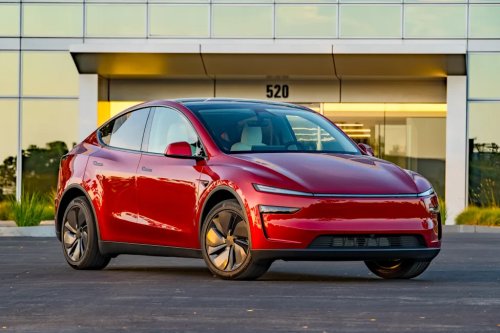
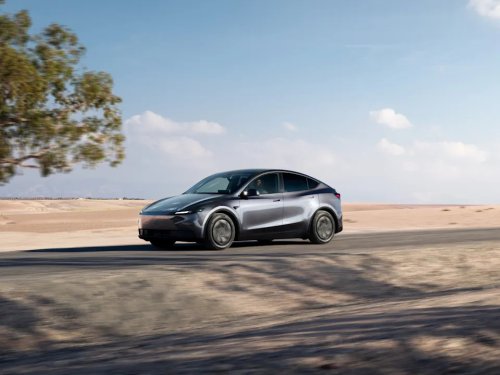
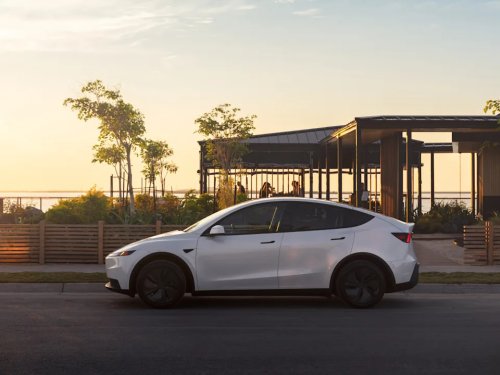
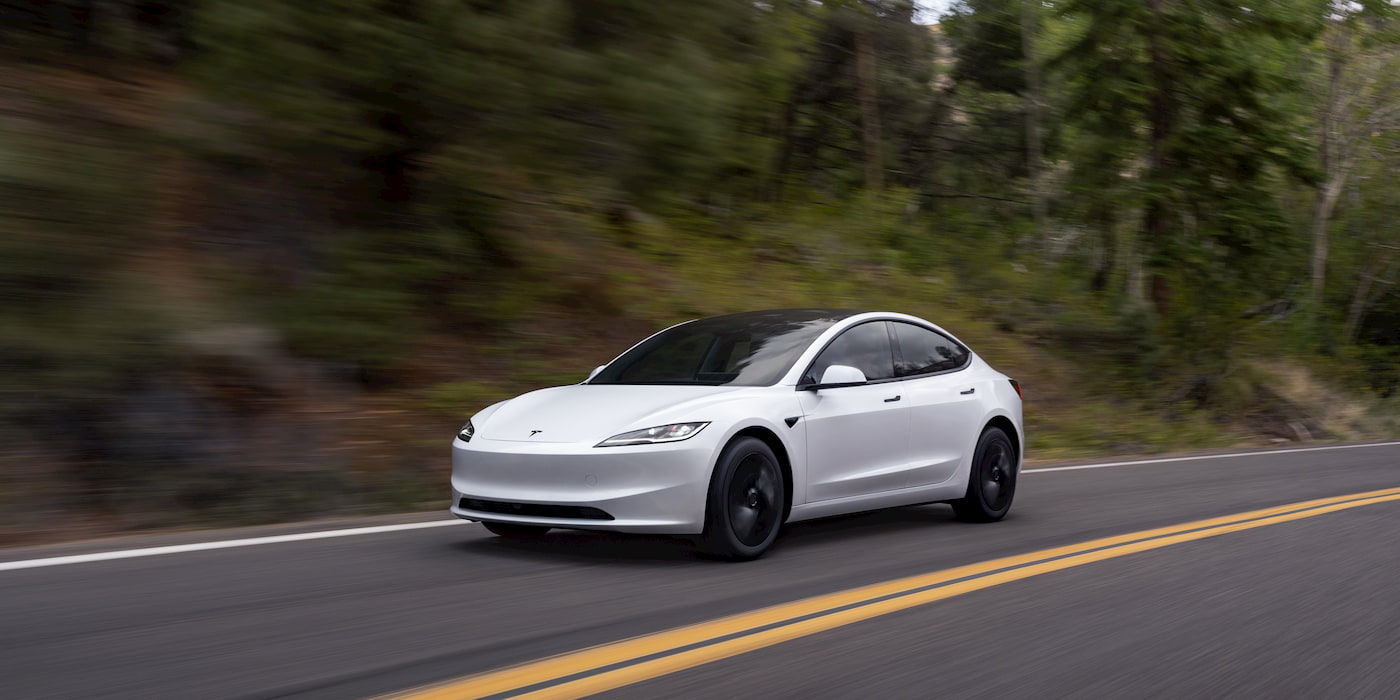
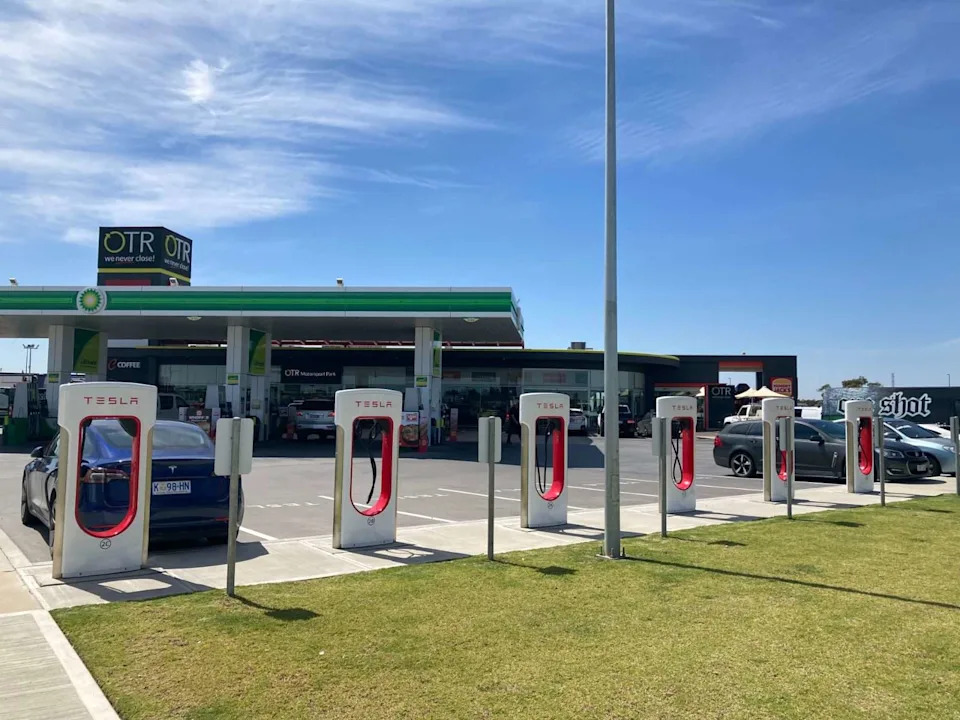
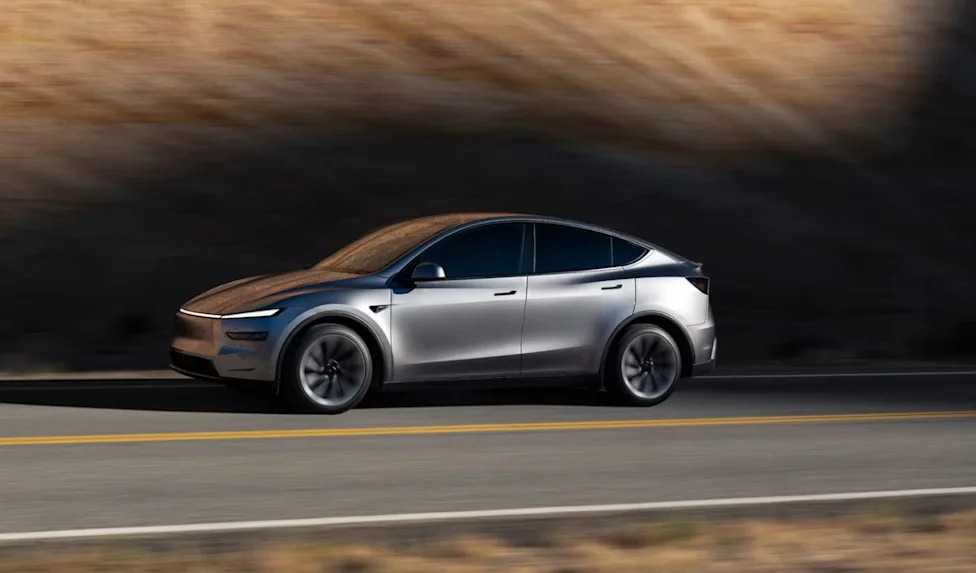
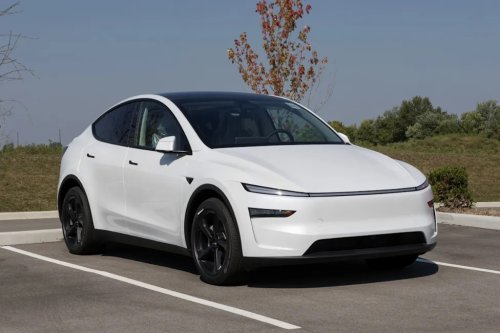
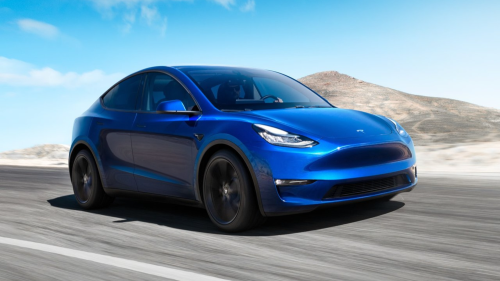
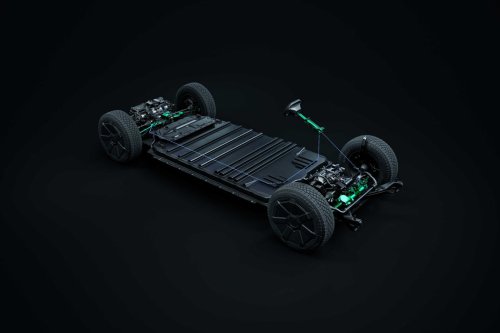
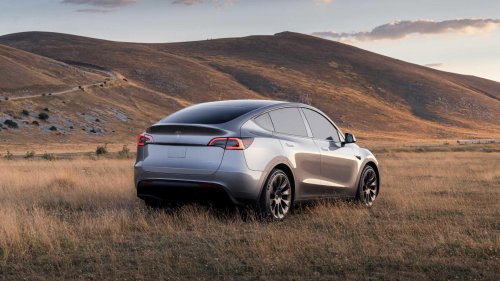
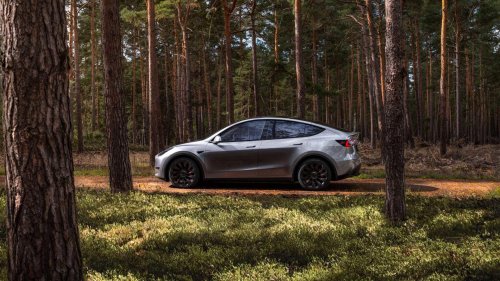
Jump LinksTesla Model Y resale value presents as quite the interesting case in the modern automotive market. At its launch in 2020 for the 2021 model year, and for a brief period following that, the Model Y barely saw depreciation at all, limited supply and surging demand contributing to pre-owned examples changing hands at near-new prices. This is probably the sort of thing that all manufacturers want to see when a new model is launched. However, all good things must come to an end, and early-adopters bore the brunt at the point it did.One can very easily take a look at depreciation percentages and be misled - the reality is that while depreciation of 44% might seem steep, considering this in real terms by paying attention to trim level, when the vehicle was purchased, and what subsequently happened to new car pricing contextualizes Model Y depreciation far better. And perhaps the biggest threat to the residual value of Model Ys wasn't necessarily mileage or wear and tear, but rather a decision that was made in a Tesla boardroom in 2023...We're looking at 1 to 5-year depreciation data for the Tesla Model Y and its competitors from validated sources that calculate the depreciation rate of new cars. Actual pricing for used models will vary based on location, condition, mileage, and features. Tesla Model Y Resale Value By Year And Trim Tesla Taking a look at Tesla Model Y resale value after 3 years, values have depreciated by an average of roughly 44% over the period, with current average private-party resale values sitting at around $28,700. This represents great value for buyers shopping in the pre-owned market. However, early adopters and those who rushed to take delivery of the first Model Ys in showrooms will have experienced significant depreciation relative to how long they may have owned their Model Ys for. How Tesla's 2023 Price Cuts Affected Model Y Resale Value In 2023 and 2024, steep price reductions for the Model Y had a knock-on effect in the resale market. Price cuts by as much as 20% in the US were seen on certain models, a dramatic departure from the strategy that Tesla had pursued in 2021 and 2022 when demand outpaced supply and prices for the Model Y were steadily increasing. This came after Elon Musk had admitted in the previous year that prices had become "embarrassingly high" and so aggressive price cuts were the agreed solution, but not without hurting existing owners."Used Tesla cars depreciated faster than any other brand last year"- Brett T. Evans, CarBuzz When a manufacturer opts to do something like this, prices of pre-owned vehicles tend to re-anchor almost immediately, and this is exactly what happened to the value of early adopters' vehicles, their 2020–2021 cars being worth as little as 40–55% of what they originally paid. While this is great for the manufacturer trying to push out new units and new conquest customers looking to buy into the brand, it's far from great for existing customers desperately trying to retain value in their asset. Which Model Year And Trim Retains The Most Value 2021 Tesla Model Y front three-quarterNewer models tend to retain a higher percentage of their original sale value, a good example being a one-year-old 2025 Model Y Value Trim that lists for $30,000–$34,000 on the pre-owned market. Two buyers who purchased the same Model Y just a year apart would likely see notably different depreciation outcomes due to the delta between the original purchase price, current market values, and the pricing re-adjustment in 2023 and 2024.The Long Range models tend to be the sweet spot for value retention, whereas the Performance models tend to lose a higher percentage of MSRP. However, they can fetch more in absolute dollars if they present with low mileage and a clean bill of health. RWD Standard models also lose less of their value in depreciation, though their limited range can also work against them in the pre-owned market with buyers looking for the practicality of a longer range. The most consistently cited value-retainer is the Long Range AWD with its broad appeal and long range, ultimately making it the most liquid of the Model Y range on the ore-owned market. Battery Health And Its Impact On Resale Price Tesla Much as one might have seen in certain pre-owned consumer electronics products, battery health has since emerged as a critical factor that now influences the resale value of an EV with diagnostic reports now providing confidence signals to would-be buyers of used EVs. This is of huge benefit to the buyer, and far easier than trying to determine the condition of a traditional reciprocating engine in a car. What owners and buyers are seeing is that battery degradation tends to be front-loaded, decreasing more rapidly in the first one to two years and then a much slower decline after that or around 1–2% per year after that.Charging habits play a notable role in this, with vehicles in a high-frequency DC fast charging group seeing degradation by as much as 3% per annum, quite different to the 1.5% per annum for vehicles that infrequently make use of fast chargers. It's also useful to know that a Battery Health Test is offered by Tesla through the Service section of the Tesla app. Tesla Model Y Depreciation vs Gas SUVs And Other EVs Despite the pricing turbulence, Tesla Model Y residual values have improved and are currently holding value better than the average electric crossover and better than many non-Tesla EVs, its three-year depreciation sitting in a similar range to that of the Honda CR-V and Toyota RAV4. A broad average of all-SUV depreciation sits at around 44.9%, showing that the Model Y sits just below that. Where The Used Model Y Market Stands In 2026 TeslaBy early 2026, it would seem as though the decline in values of pre-owned Model Ys has started to stabilize, in particular for clean, well-looked-after Long Range examples. There is significant value to be found in the used EV market, with a large portion of available inventory being made up of newer, lower-mileage examples at prices that are comparable to equivalent gas-powered vehicles. With the Model Y specifically, small year-over-year gains have been posted as opposed to the double-digit losses that we saw previously. It would seem as though the worst of the depreciation is behind us. What Your Model Y Is Really Worth, And Why TeslaThe story of the Tesla Model Y's depreciation by no means follows a conventional depreciation curve. The most significant factor here is market disruption by the manufacturer itself. Unlike usual cases of depreciation, where one's vehicle sits on that depreciation curve depends almost entirely on when the vehicle was purchased and not necessarily how the vehicle was driven.FAQQ: Does the Tesla Model Y hold its value well?In the current market, the Tesla Model Y holds its value better than other Evs that aren't manufactured by Tesla and more or less in-line with popular gas SUVs in that segment, such as the Kia Sportage, Toyota RAV4 and Honda CR-V. Early owners of the Model Y did experience higher than average depreciation, however, due to price cuts in 2023 and 2024.Q: How much does a Tesla Model Y depreciate per year?On average, depreciation of around $7,800 per year over the first three years of ownership is not uncommon. It's worth noting that this figure does very significantly by model year and trim, with the steepest drops occurring between 2023 and 2024 due to Tesla's factory price reductions.Q: What is the Tesla Model Y resale value after 3 years?The resale value of a Tesla Model Y after three years typically sits between 55–65% of the original purchase price, granted that normal mileage and condition are observed for the year model. In real dollar terms, a 2023 Tesla Model Y that was originally sold for $43,000 would now carry a private-party resale value of approximately $28,700, three years later.Q: Is a used Tesla Model Y a good buy in 2026?Very much so. A pre-owned Tesla Model Y represents excellent value with clean, low-mileage Long Range examples being listed at well below the price of a new vehicle and often even eligible for the $4,000 federal used EV tax credit. The key thing to prioritize here is verified battery health, as well as purchasing a post-2023 model which would have benefited from Tesla's price restructuring as opposed to having suffered from it.



















 +35 others