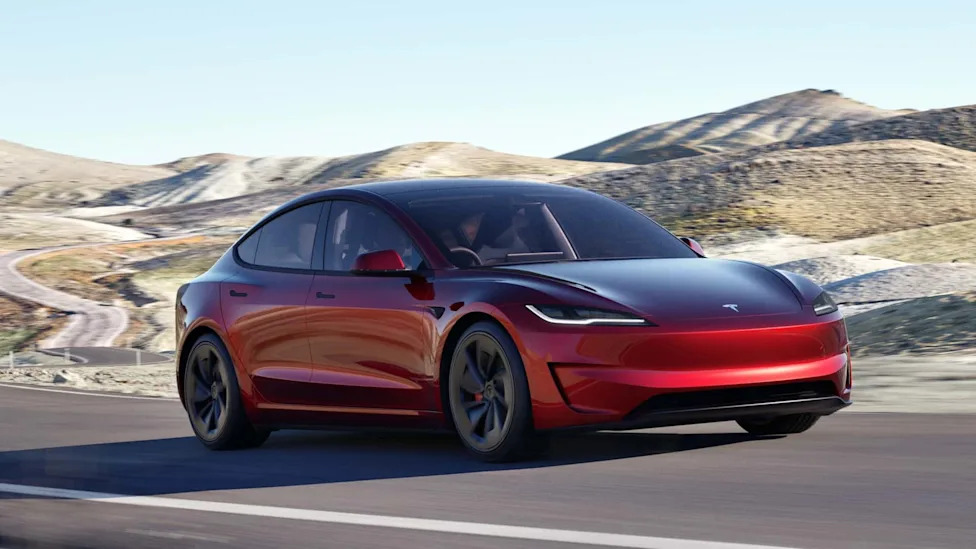
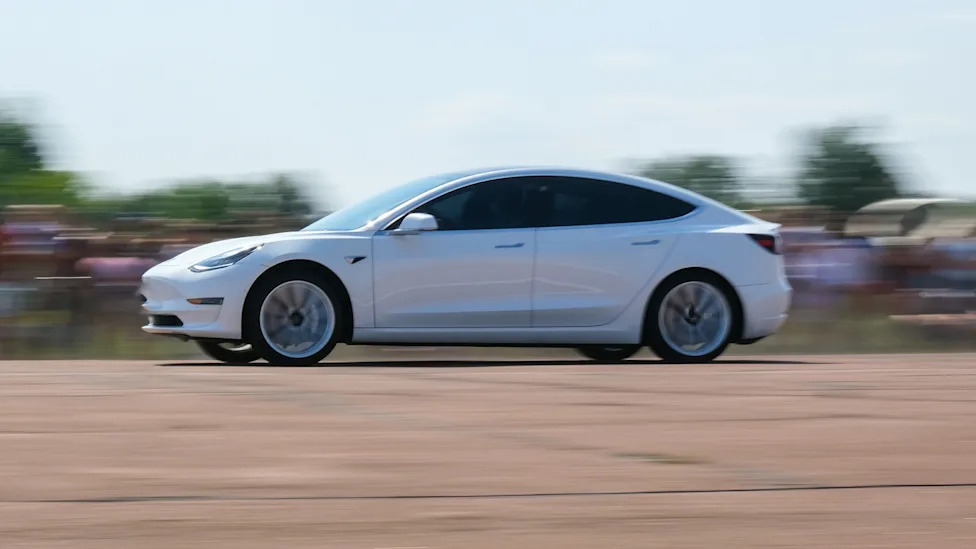
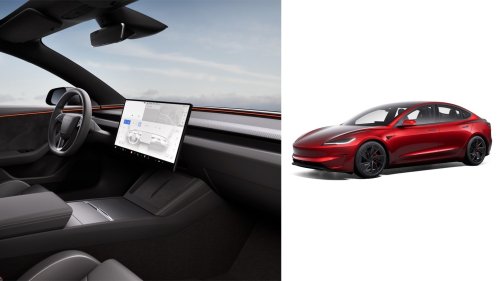
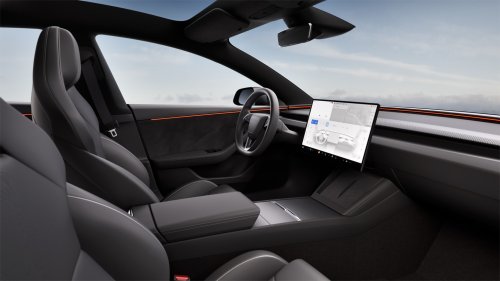
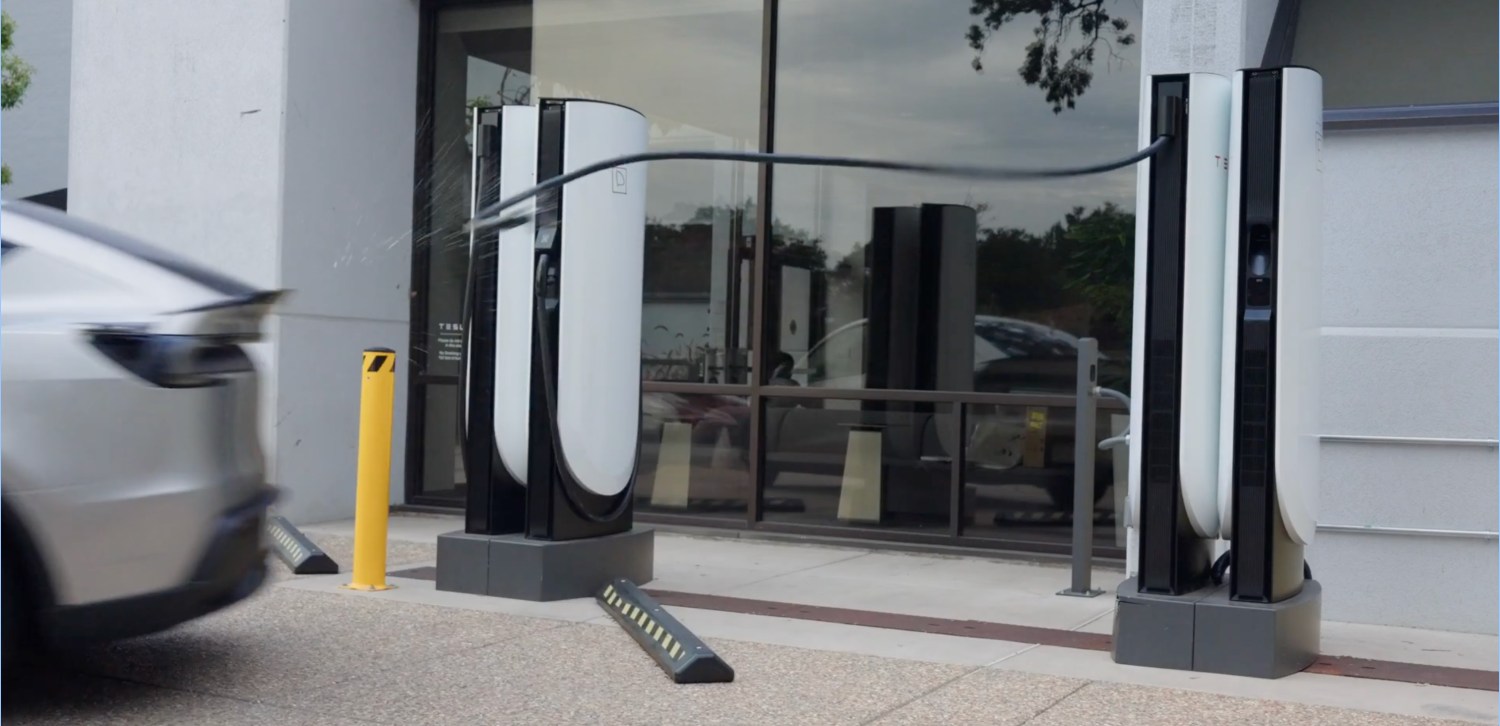
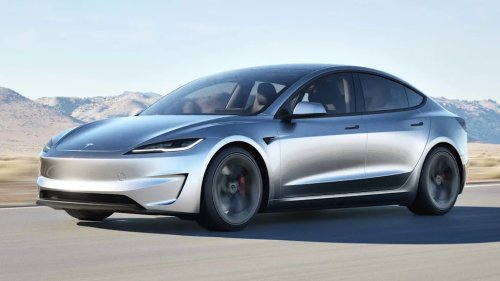
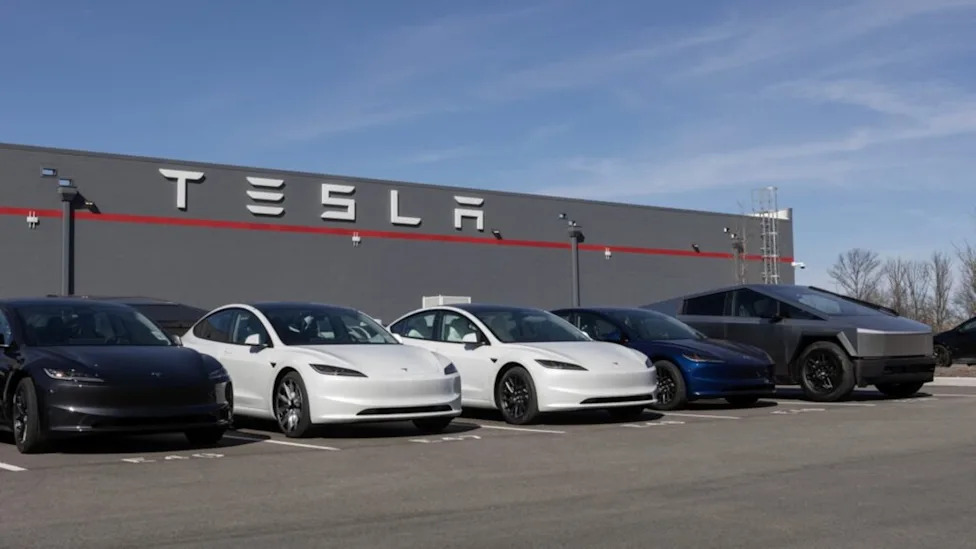
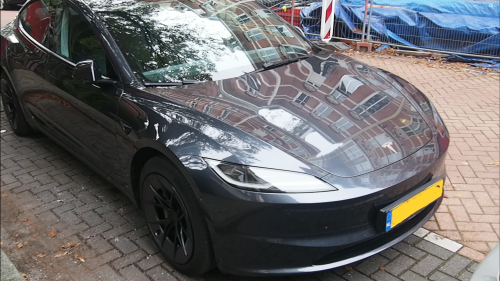
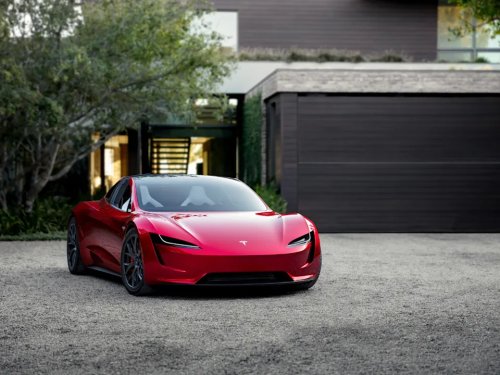
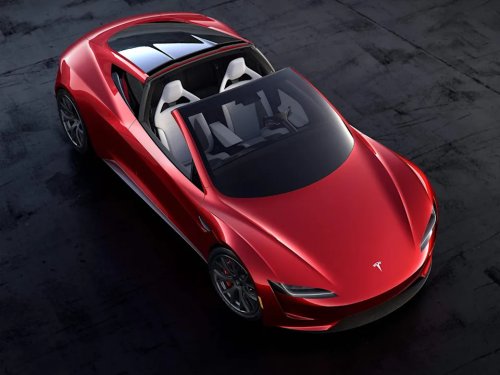
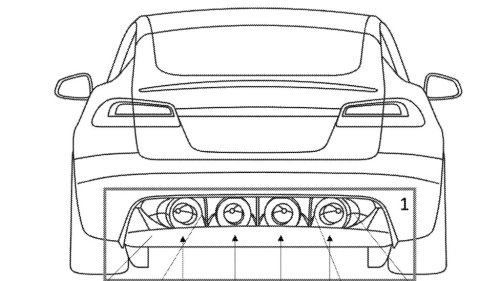
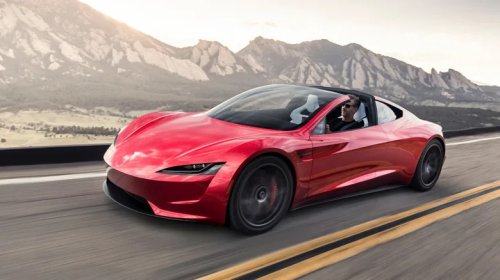
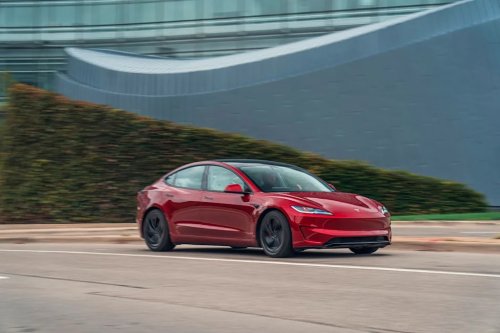
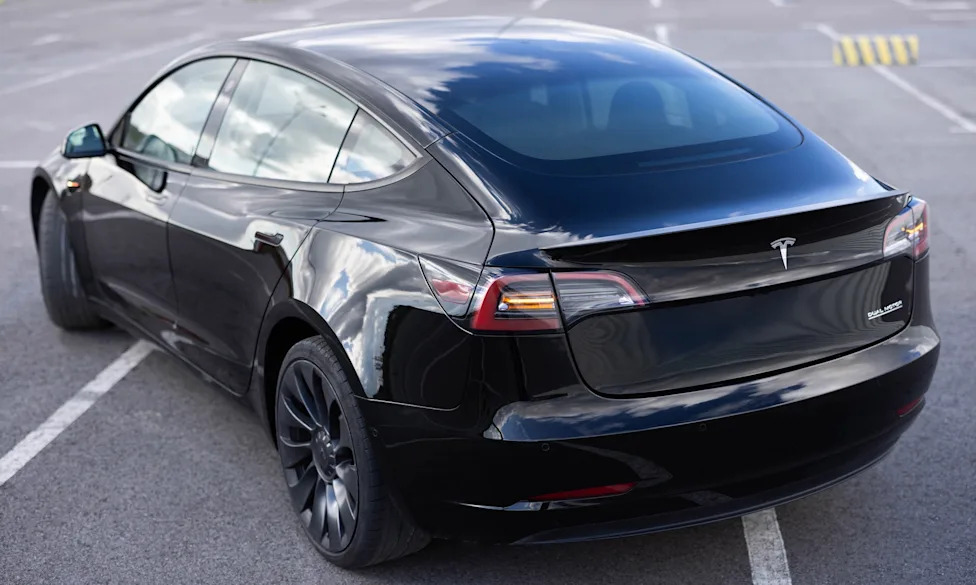
Photo Credit: iStockTesla fans may have just gotten one of the clearest signs yet that a tri-motor Model 3 has at least been discussed behind closed doors, though drivers hoping for a new Plaid badge anytime soon may want to keep their expectations in check.In Tesla's lineup, "Plaid" is the name given to its highest-performance models, like the Model S Plaid. It typically refers to versions with multiple motors and significantly faster acceleration, built for maximum speed and performance.During an appearance on the Ride The Lightning podcast, as reported by Inside EVs, Tesla engineering chief Lars Moravy said the idea of fitting Plaid hardware into a Model 3 crosses his mind "all the time," while also suggesting the company's most serious performance hardware is still being held for the long-delayed Roadster.AdvertisementAdvertisementMoravy said Tesla has at least considered the idea of a three-motor Model 3 from an engineering perspective.A Model 3 with even more power could bring supercar-like acceleration to a smaller, more attainable Tesla, but Moravy also made clear that the leap would require far more than simply adding another motor. Bigger brakes, better cooling, and other supporting upgrades would add complexity and likely raise costs.Tesla lists the U.S. Model 3 Performance at about 2.9 seconds from 0 to 60 mph, already placing it among the quickest sedans on the market. A true tri-motor version would likely push that acceleration even further, potentially elevating the Model 3 into a higher performance tier typically reserved for much more expensive flagship EVs.At the same time, Moravy's comments suggest Tesla still sees the Roadster as the more natural home for its fastest technology as it weighs engineering resources against consumer demand.AdvertisementAdvertisementMoravy himself sounded intrigued but cautious, saying the idea is tempting from an engineering standpoint even if it may not ultimately make sense as a production vehicle.Ultimately, Moravy described the idea as a "work for reward" decision. In turn, Tesla essentially has to decide whether the engineering and cost input will be worth the payoff. If you're thinking about going electric, one of the easiest ways to maximize savings is by charging at home, which is typically much cheaper than using public chargers and can save you hundreds of dollars a year. If you're looking to set up a faster home charging solution, Qmerit can provide free, instant estimates for Level 2 charger installations.Those savings can go even further when you pair an EV with solar panels, since generating your own electricity often costs less than relying on the grid or public charging stations. To explore options, you can check out the free solar tools from EnergySage, which can help you get competitive quotes from vetted solar providers.Get TCD's free newsletters for easy tips, smart advice, and a chance to earn $5,000 toward home upgrades. To see more stories like this one, change your Google preferences here.


















 +28 others