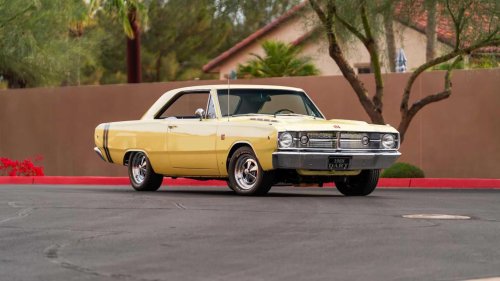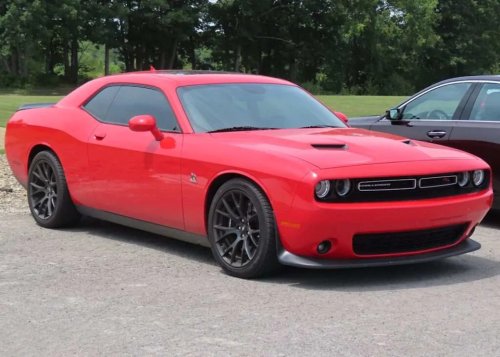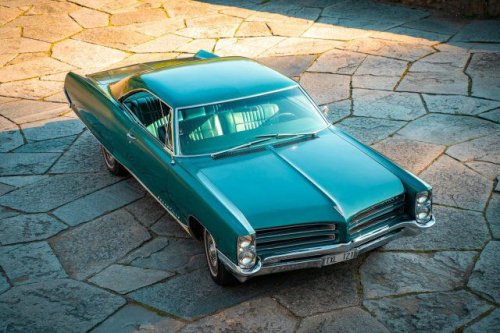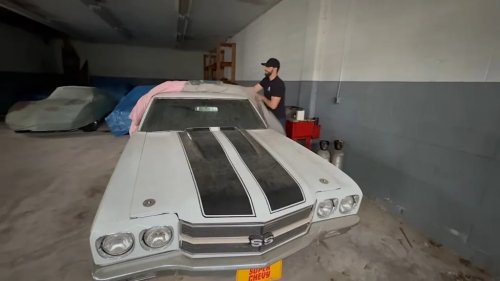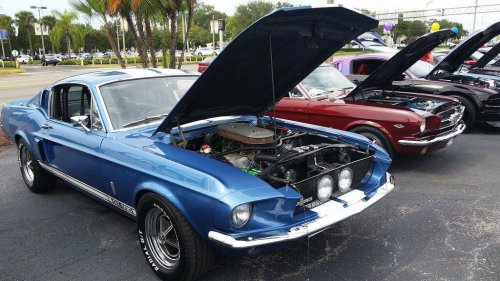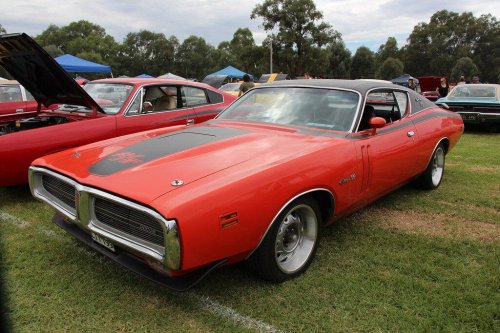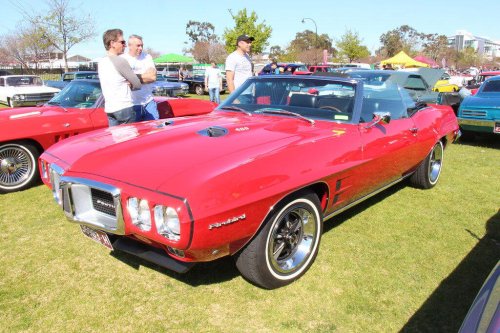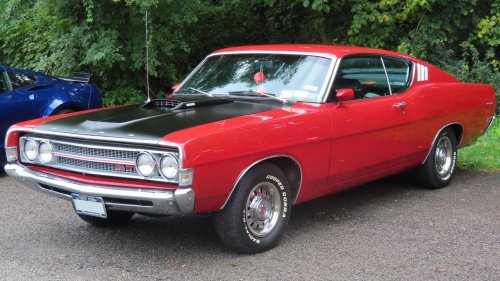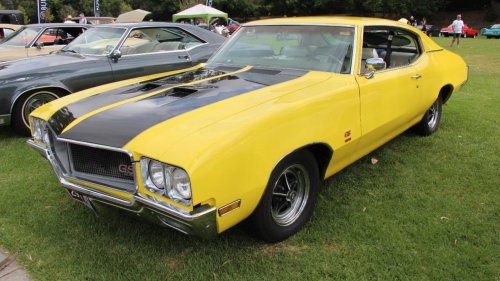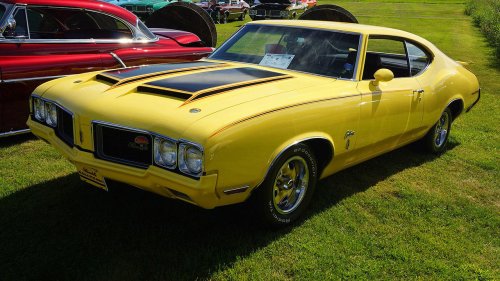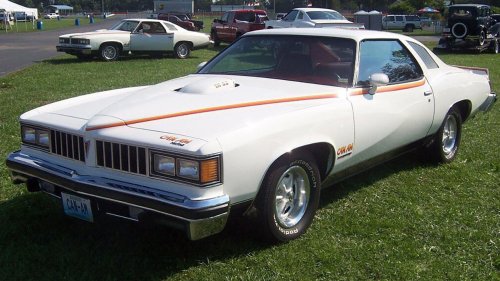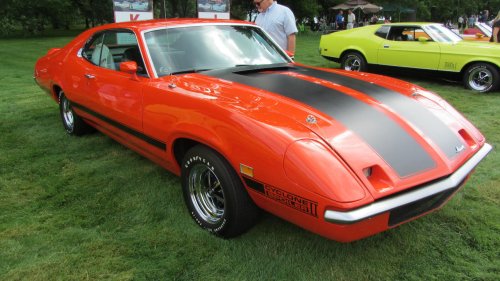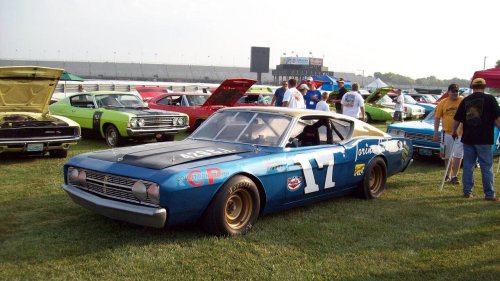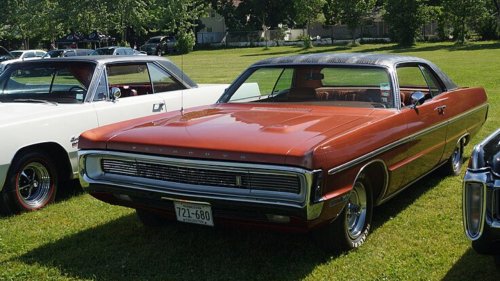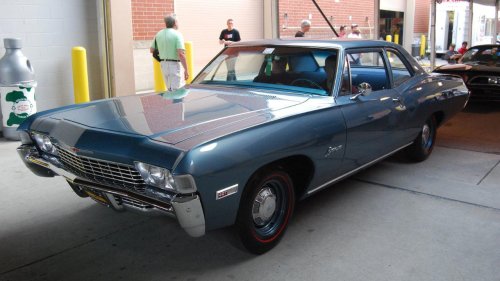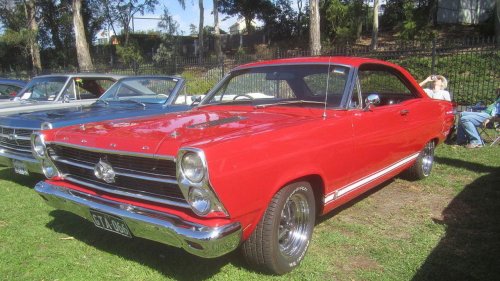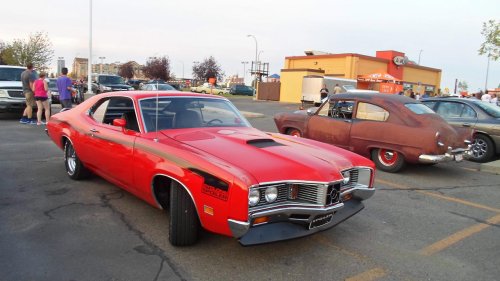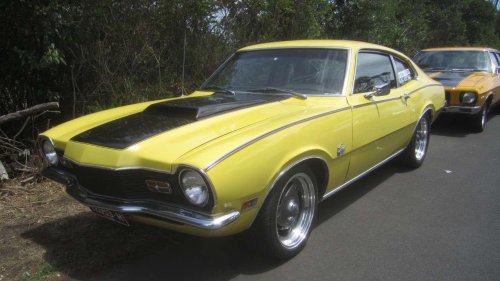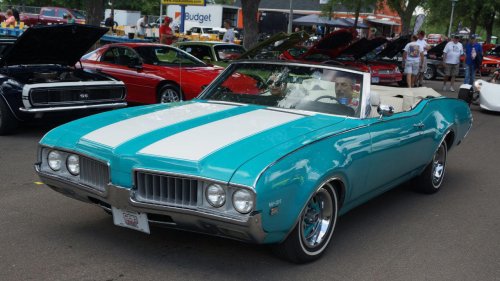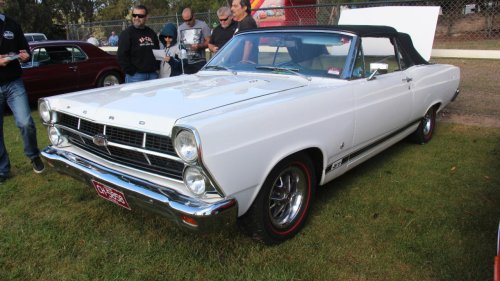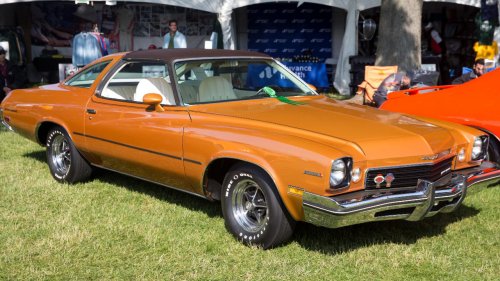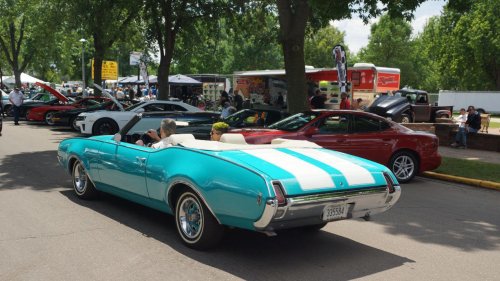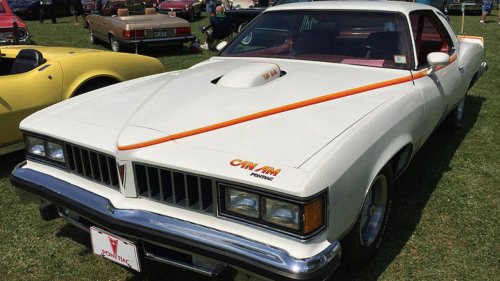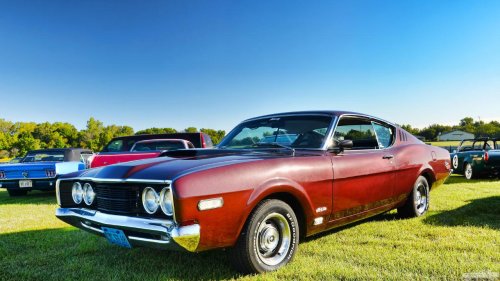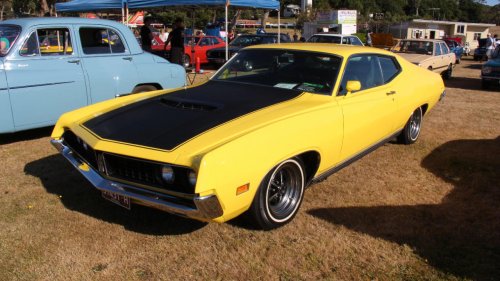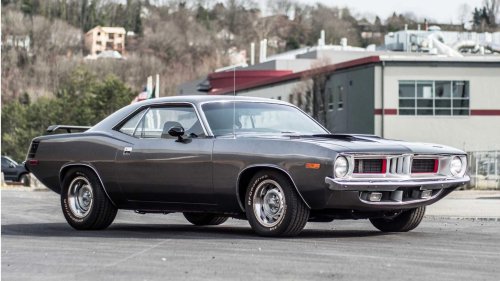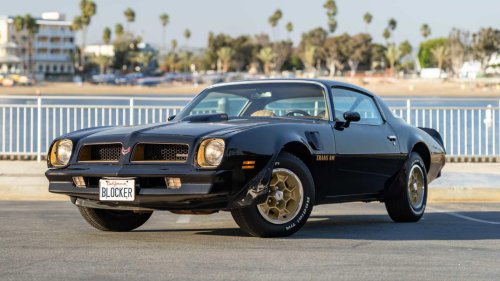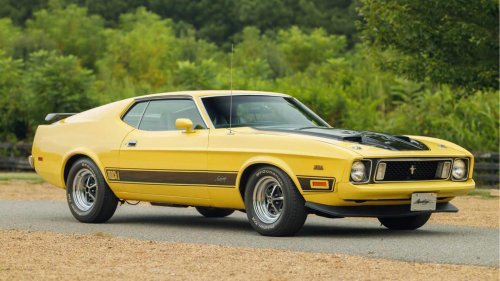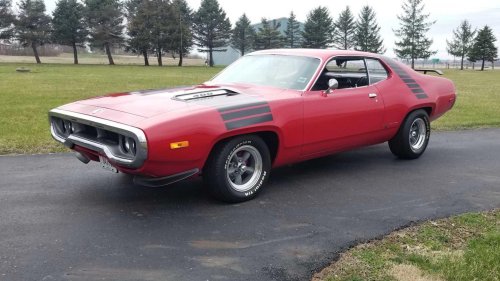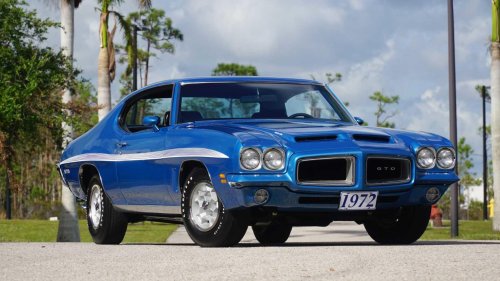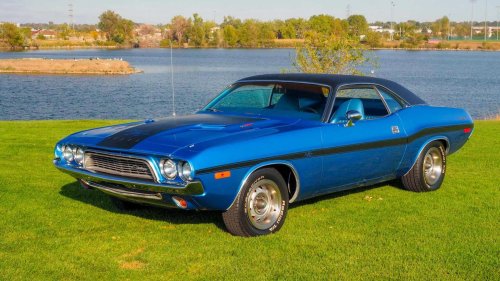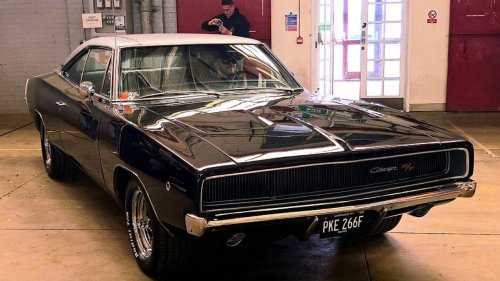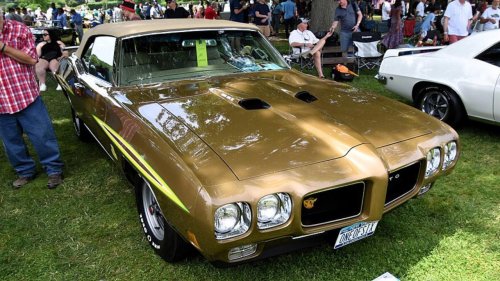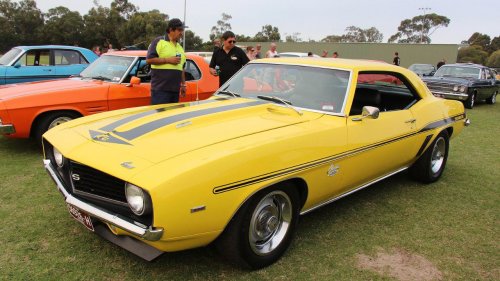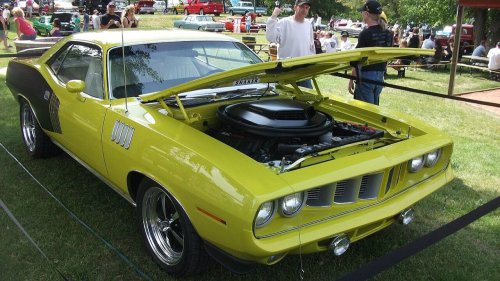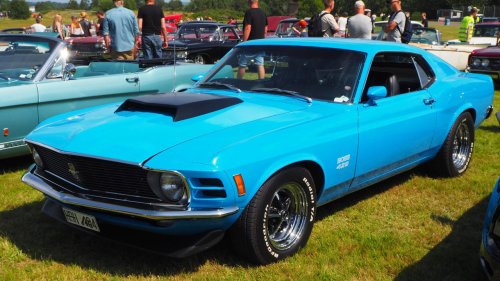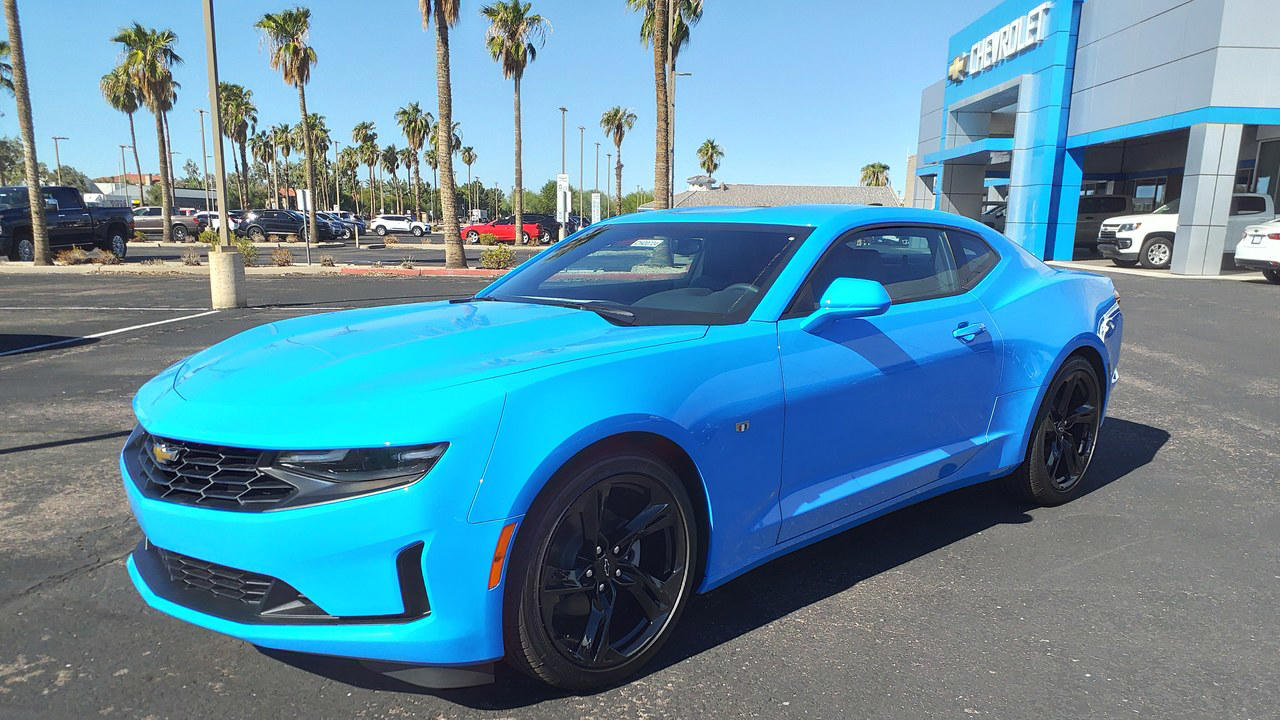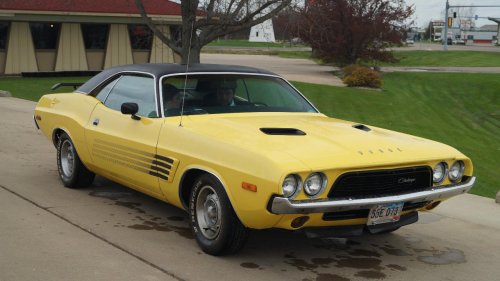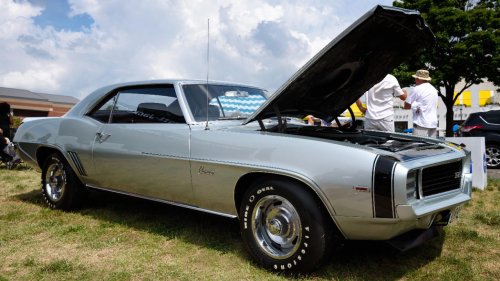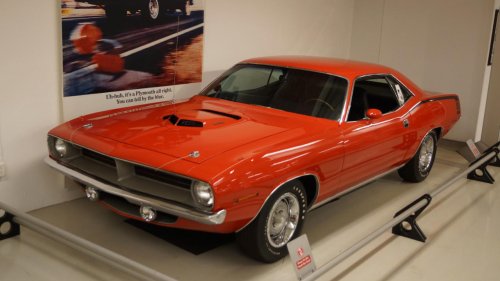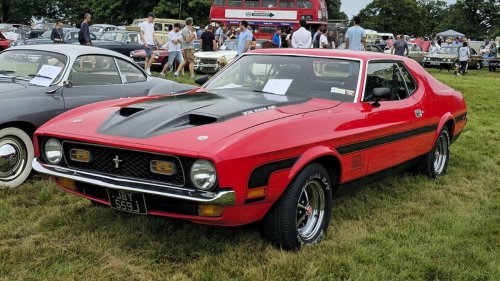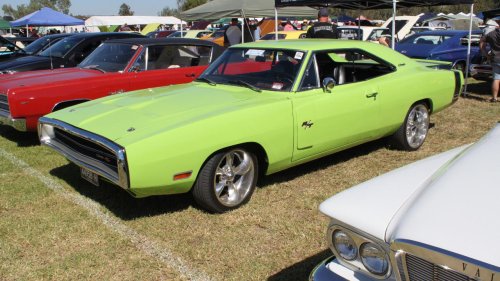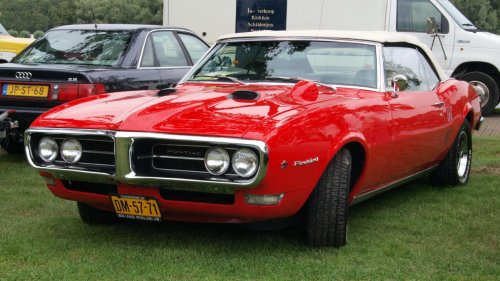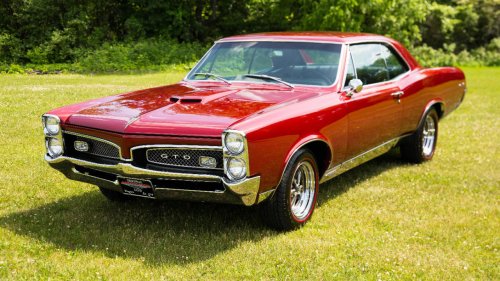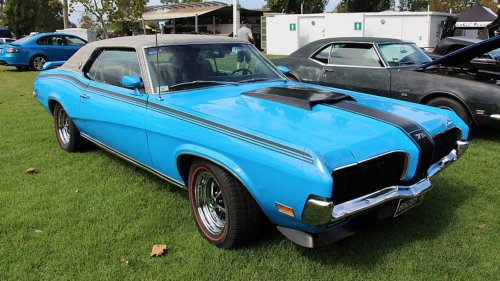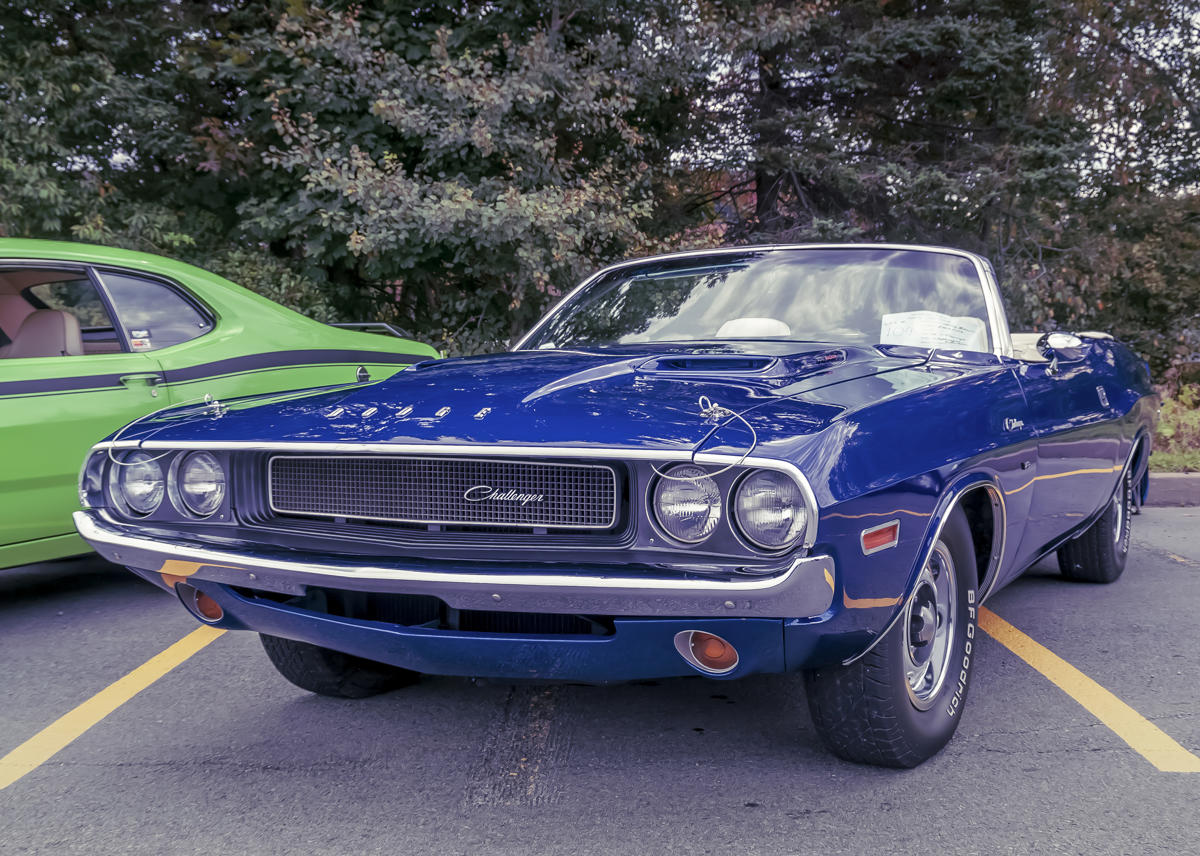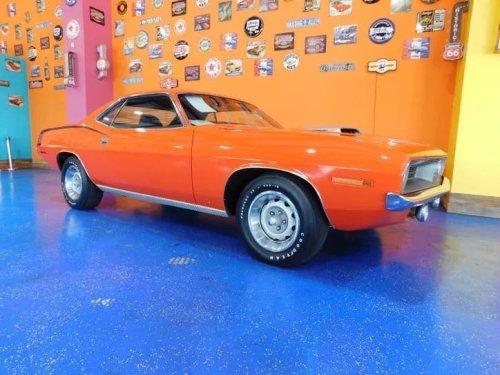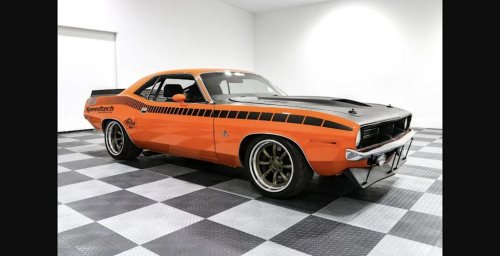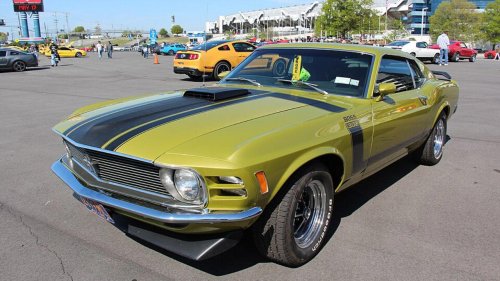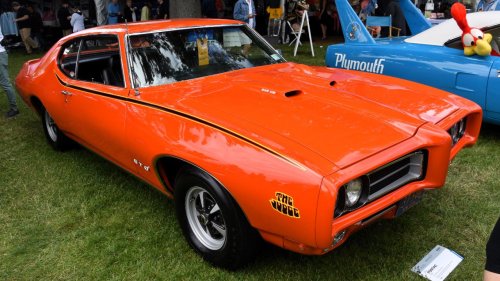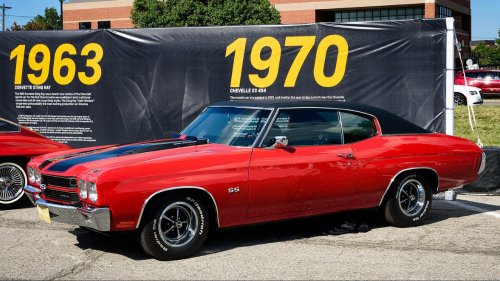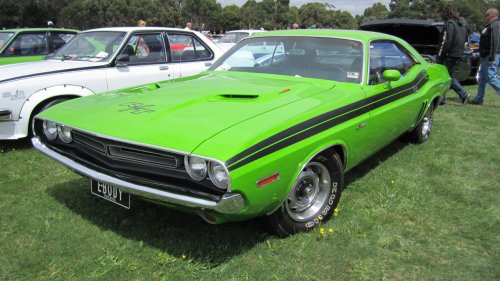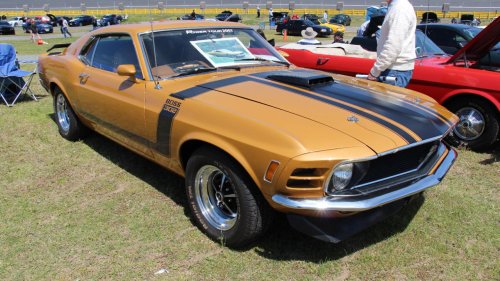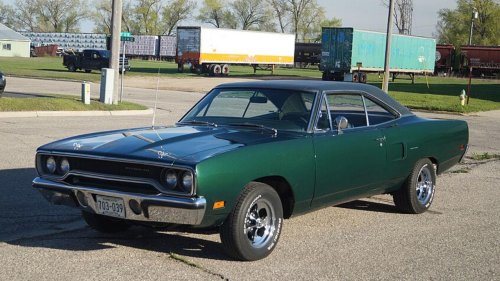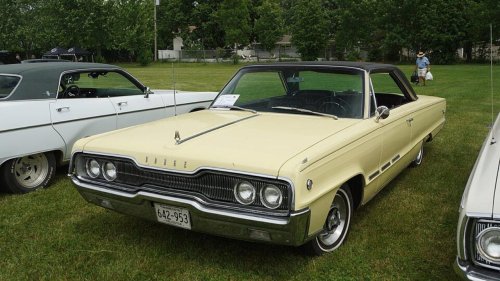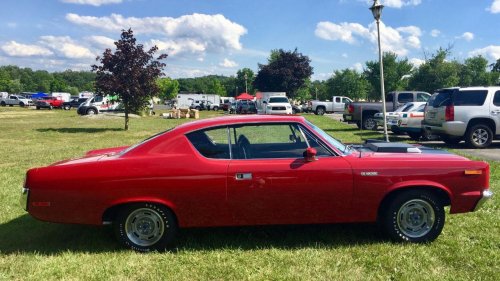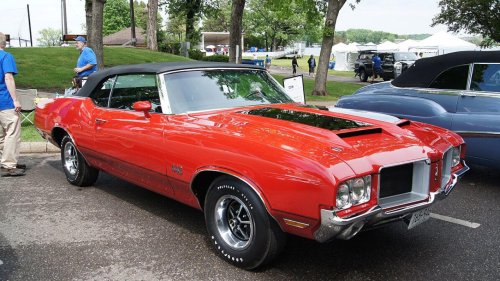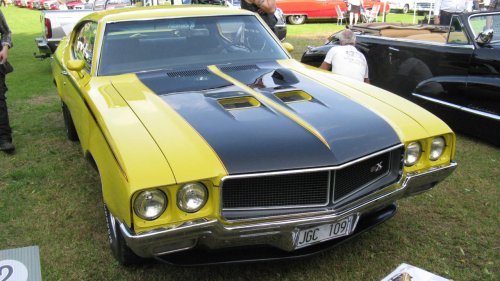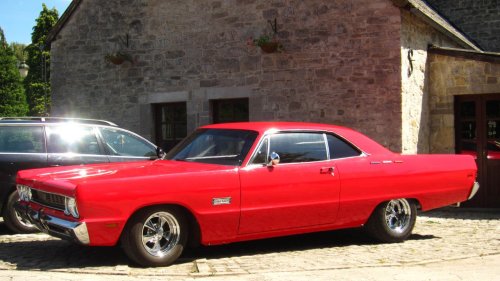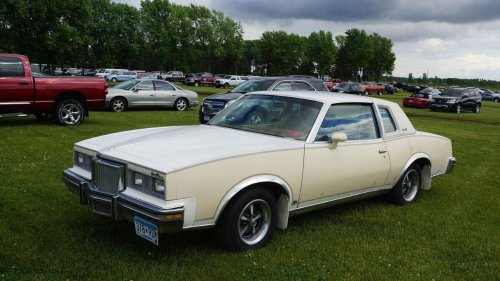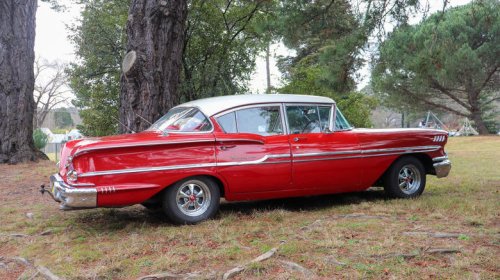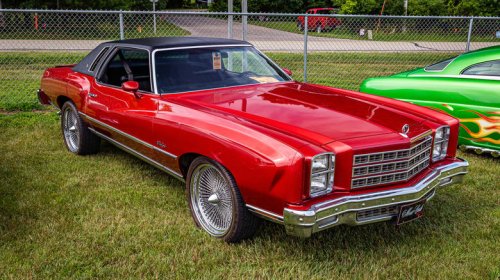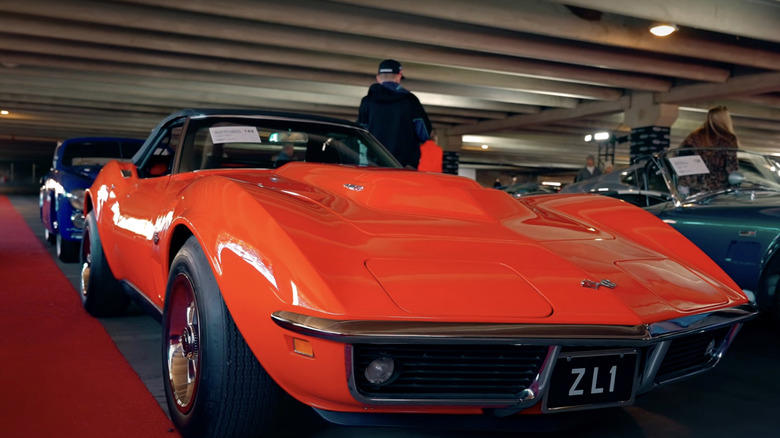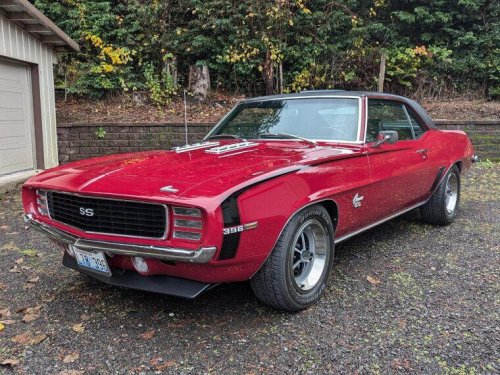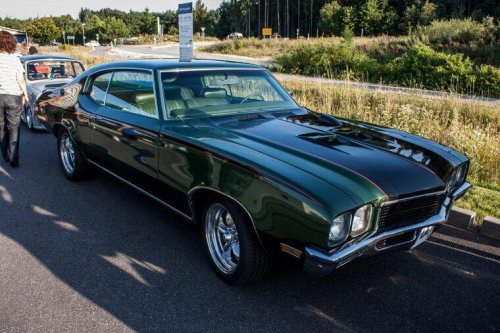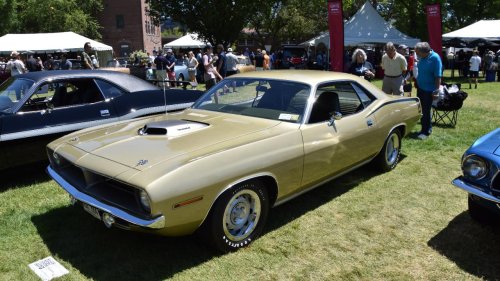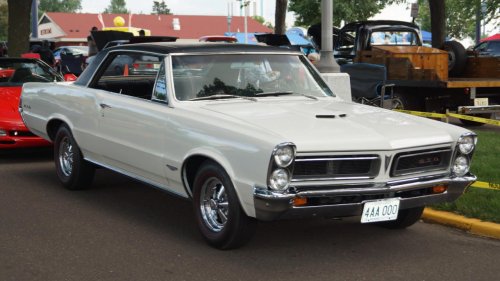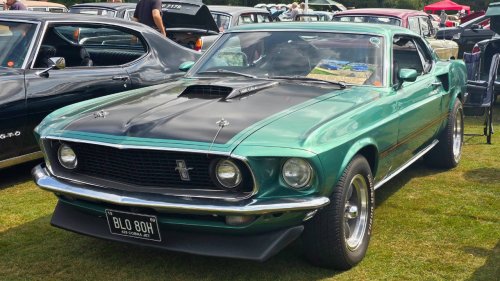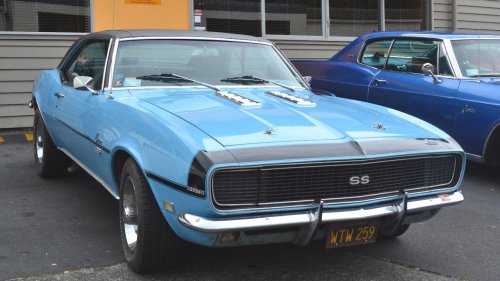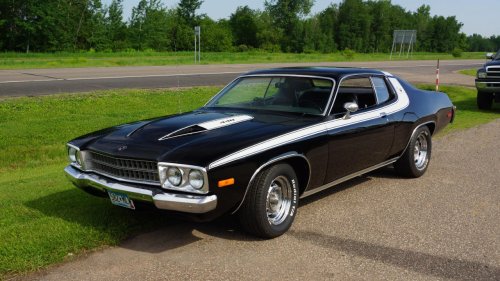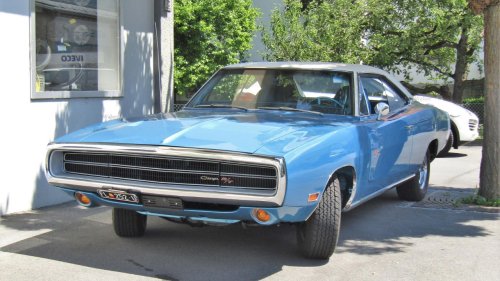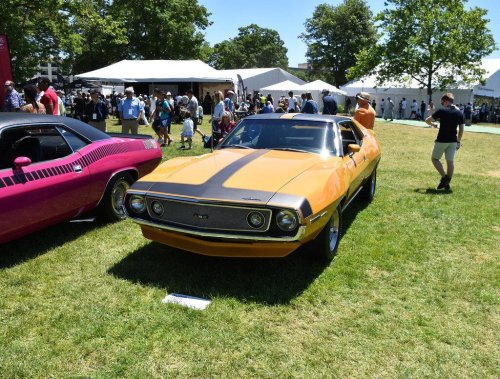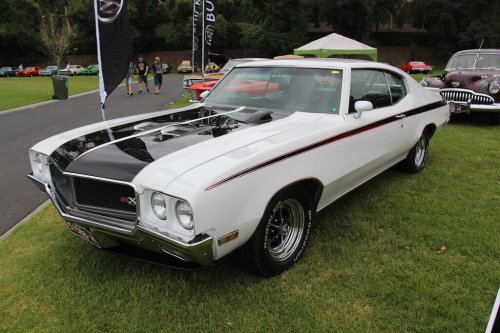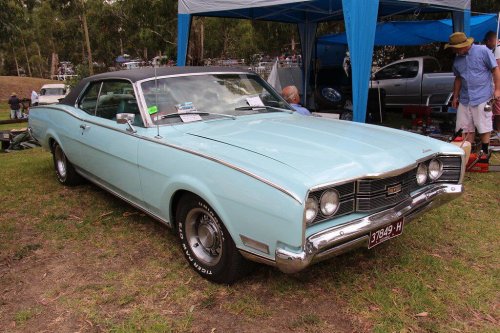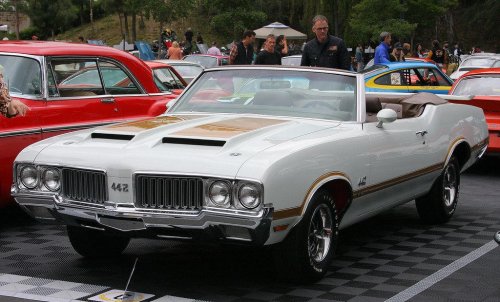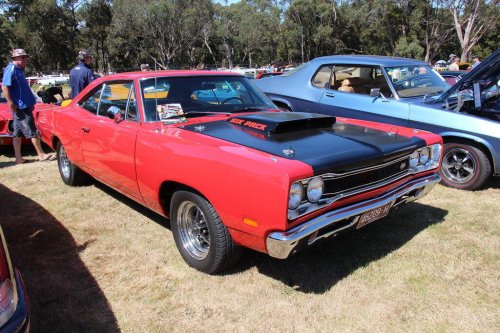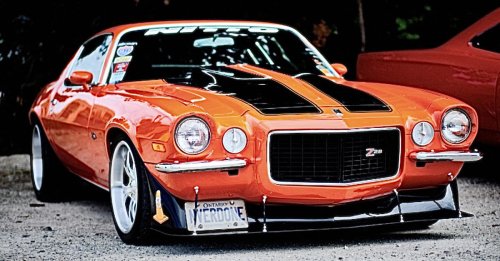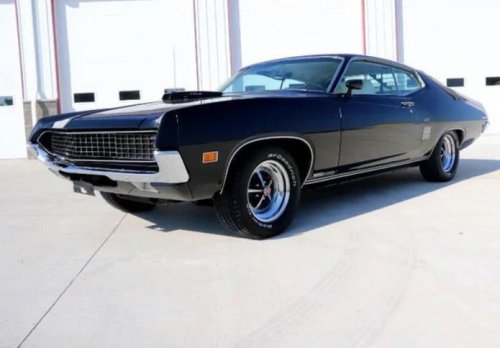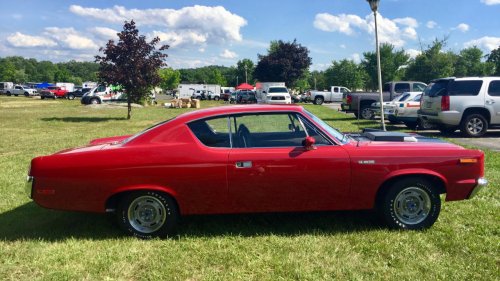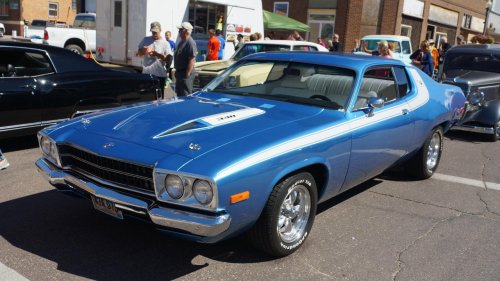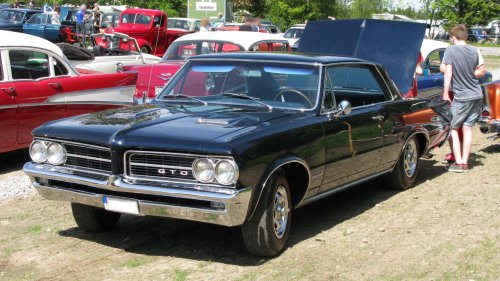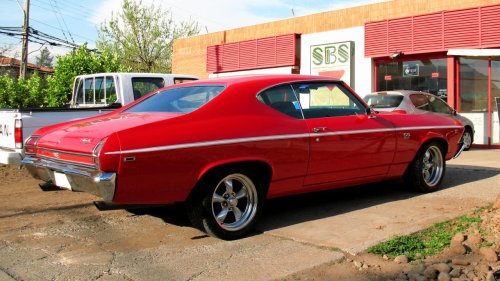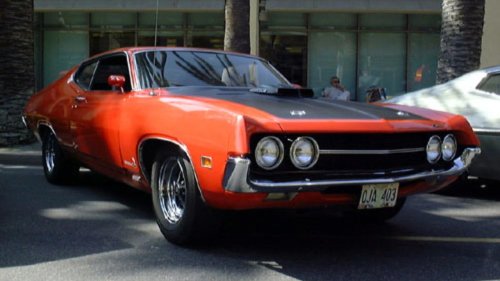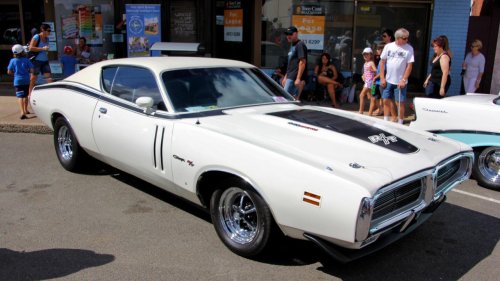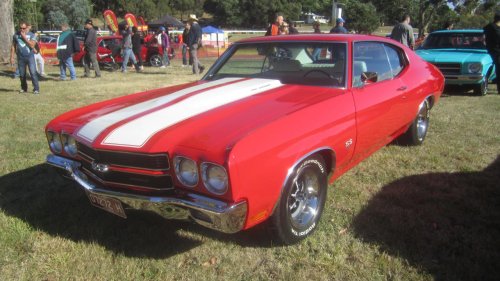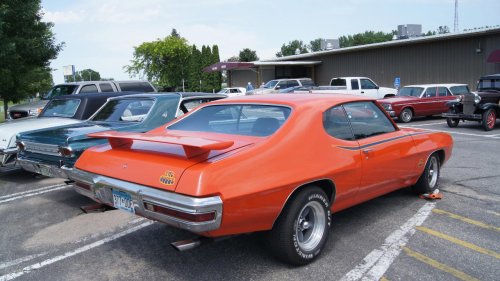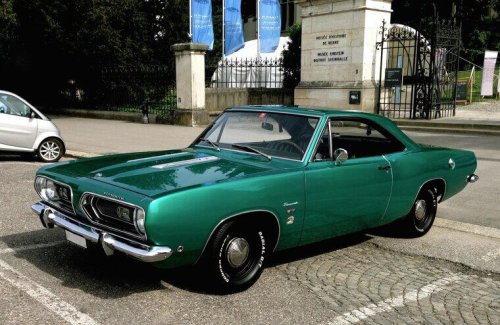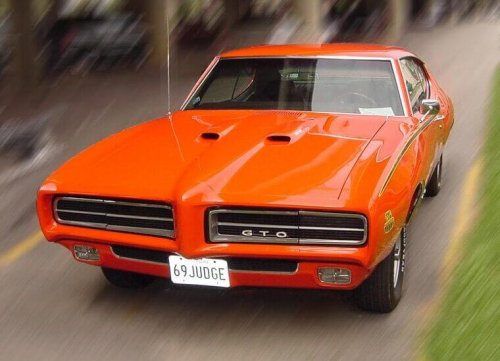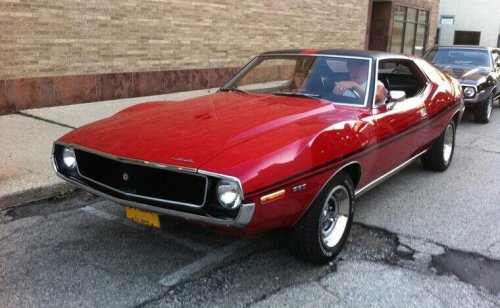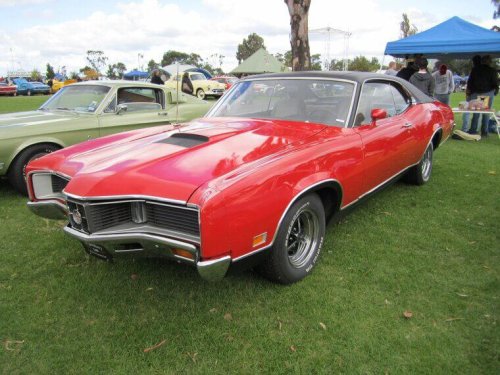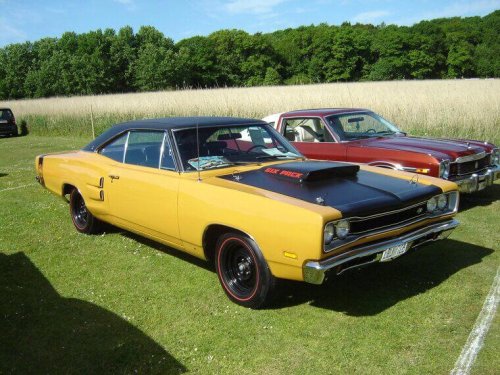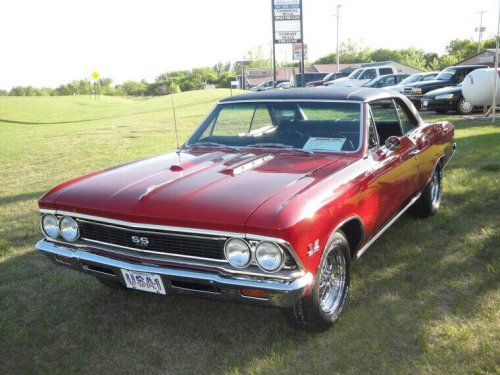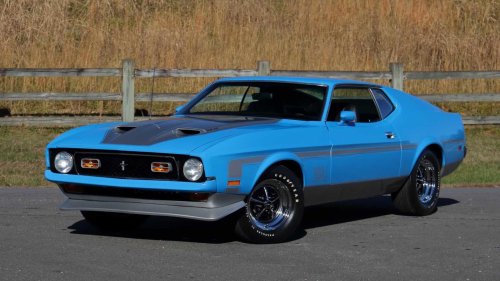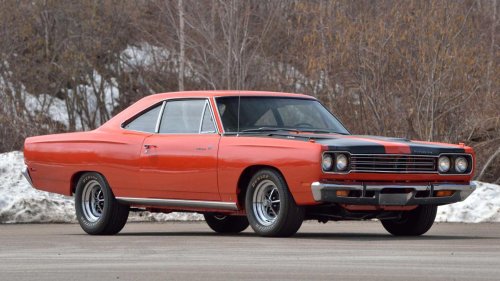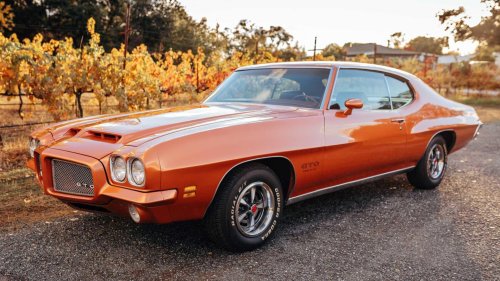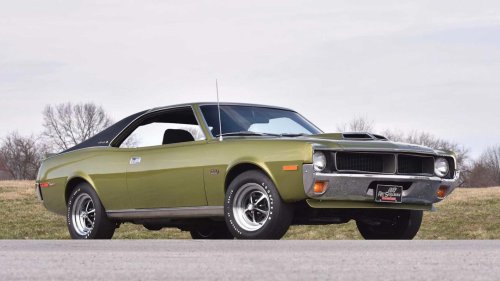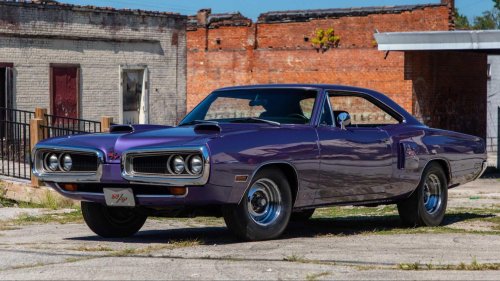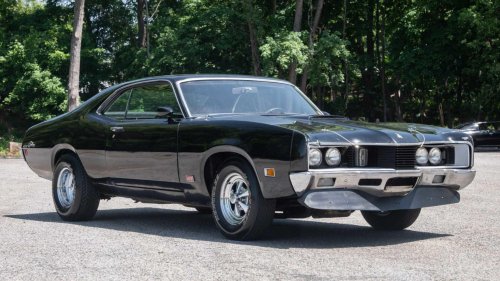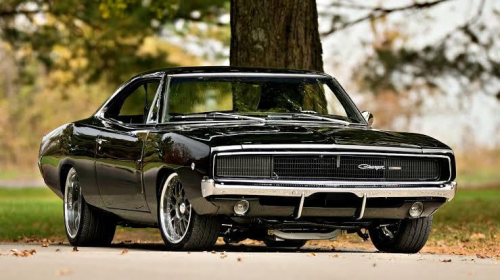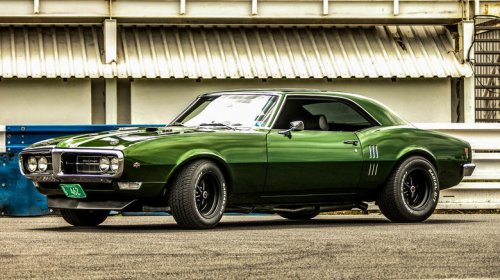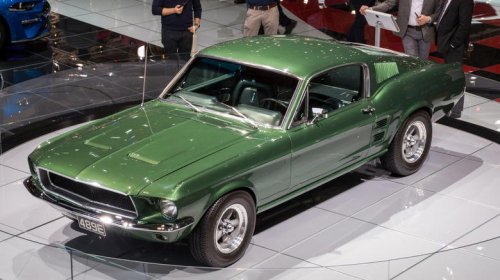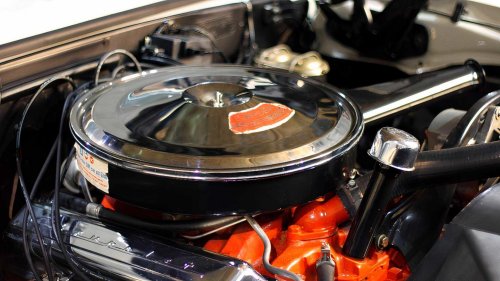

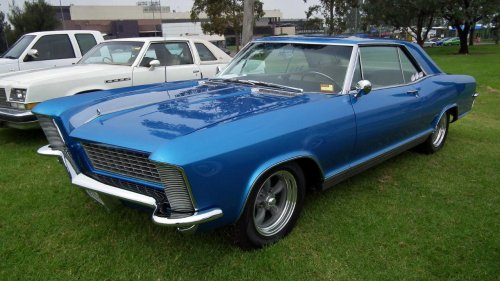



















When discussing muscle cars, names like Mustang and Camaro often dominate the conversation. However, several classic cars had the potential to become muscle icons had they followed a slightly different path. Let’s take a closer look at five such vehicles that could have easily joined the muscle car ranks. Pontiac Grand Prix Image Credit: Sicnag – CC BY 2.0/Wiki Commons The Pontiac Grand Prix, particularly the 1960s models, had all the makings of a muscle car. With its powerful V8 engines and sporty design, it could have easily rivaled its more famous siblings like the GTO. The Grand Prix’s 1965 model, for instance, came equipped with a 389-cubic-inch engine capable of producing 333 horsepower, which was quite impressive for its time. Despite its potential, the Grand Prix leaned more towards a personal luxury car image as opposed to the raw, aggressive persona of a muscle car. Had Pontiac marketed it differently, focusing on performance enhancements and sportier trims, the Grand Prix might be as celebrated as the GTO today. Mercury Cougar Image Credit: nakhon100 – CC BY 2.0/Wiki Commons The Mercury Cougar often lived in the shadow of the Ford Mustang, yet it offered a unique blend of style and performance. Introduced in 1967, it featured a longer wheelbase and a more upscale interior compared to the Mustang. The Cougar’s XR-7 and Eliminator models offered robust V8 engines that could have easily competed in the muscle car arena. While the Cougar did enjoy some success in motorsports, Mercury marketed it as a “luxury sports car,” which limited its muscle car appeal. A shift in focus towards street performance could have positioned it alongside the other muscle legends of its era. AMC Javelin Image Credit: Greg Gjerdingen, via Wikimedia Commons, CC BY 2.0 The AMC Javelin was a bold attempt by American Motors Corporation to enter the pony car market. With models like the 1971 Javelin AMX, fitted with a 401-cubic-inch V8 engine, it packed enough power to challenge its competitors. The car even found success in Trans-Am racing, showcasing its performance potential. However, the Javelin lacked the consistent marketing push and brand recognition of its rivals to solidify its place in muscle car history. With more strategic promotion and perhaps a bit more focus on raw power over versatility, the Javelin could have been a muscle car mainstay. Buick Riviera Photo by sv1ambo / Flickr / CC BY 2.0 The Buick Riviera, known for its distinctive styling and luxury features, had a hidden muscle car potential. The 1965 Riviera Gran Sport, equipped with a Super Wildcat 425 V8 engine, could produce 360 horsepower, making it a formidable performer on the road. Primarily positioned as a personal luxury car, the Riviera didn’t pursue the muscle car route aggressively. By emphasizing its performance capabilities and enhancing its sporty attributes, Buick could have transformed the Riviera into a muscle car legend. Chrysler 300 Image Credit: GPS 56 from New Zealand – 1966 Chrysler 300, CC BY 2.0, via Wikimedia Commons The Chrysler 300, particularly the 1960s models, showcased impressive performance credentials with its Hemi engines and sleek design. The 1966 Chrysler 300, equipped with a 440-cubic-inch V8 engine, demonstrated the brand’s ability to produce powerful vehicles. Despite its performance capabilities, the 300 series was marketed more as a luxury cruiser than a muscle car. A shift towards emphasizing speed and power, along with a focus on performance upgrades, could have allowed the Chrysler 300 to carve out a niche in muscle car history. Like Fast Lane Only’s content? Be sure to follow us. Here’s more from us: Unboxing the WWII Jeep in a Crate The Fastest Farm Truck Ever Built *Created with AI assistance and editor review.