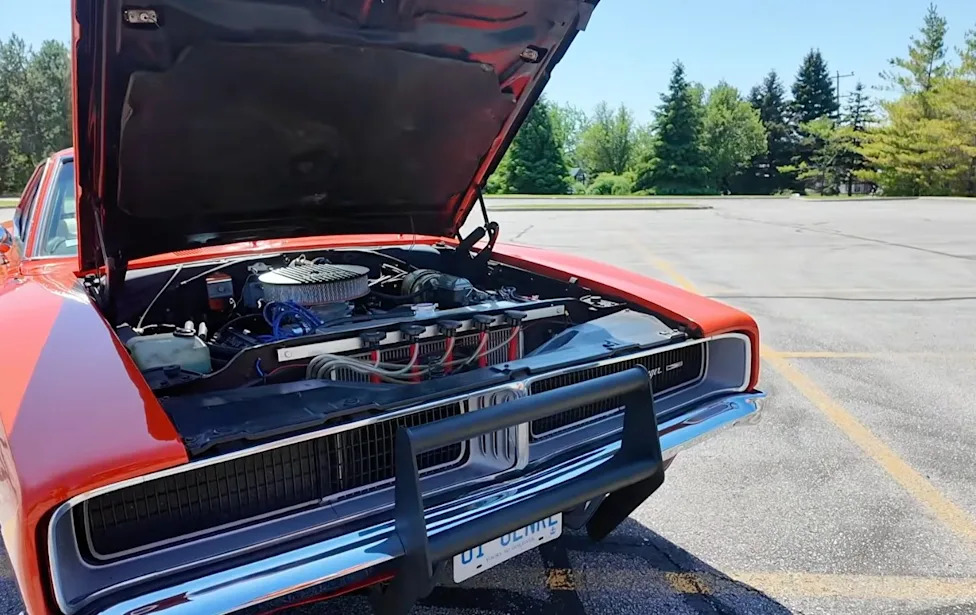
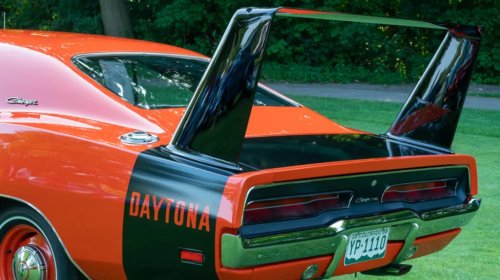
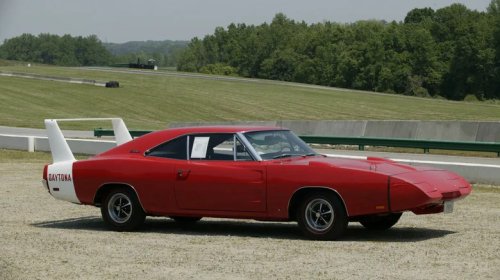
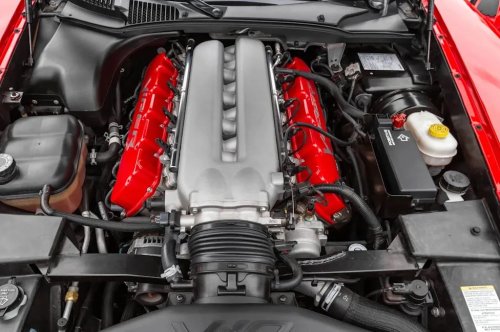
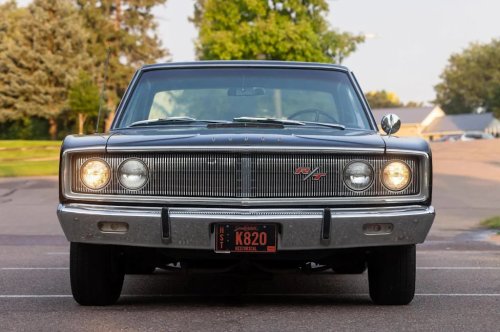
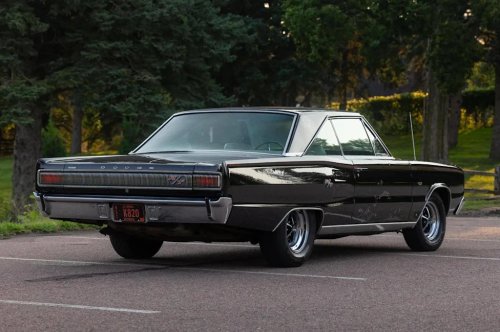
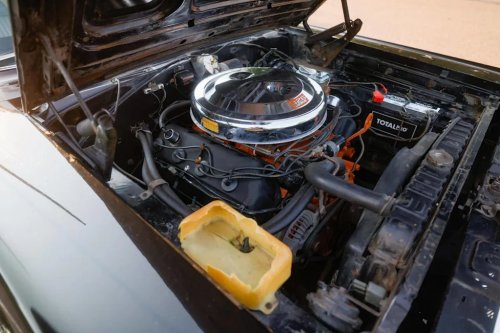
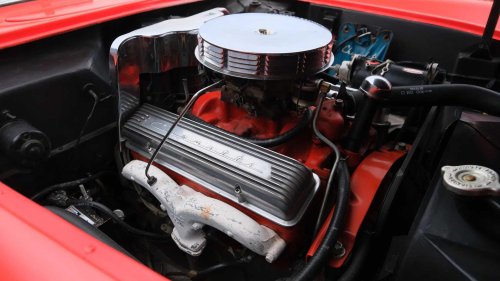
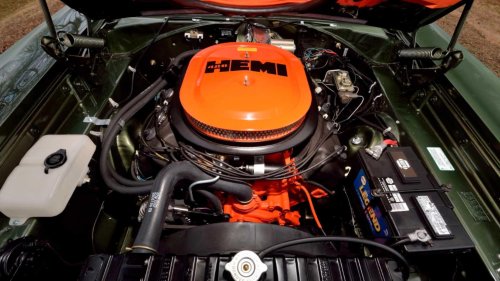
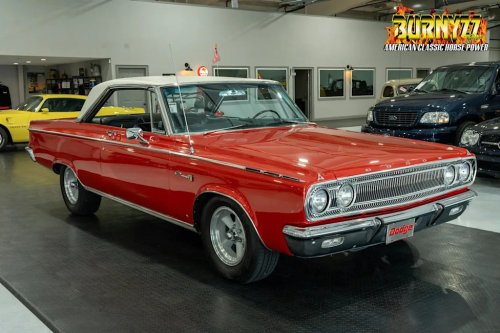
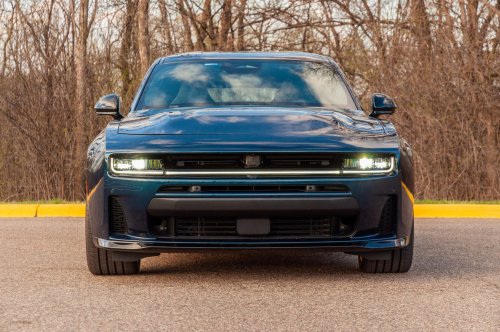
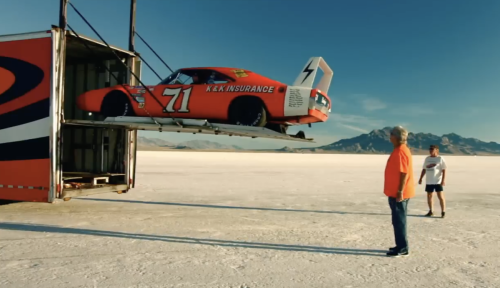
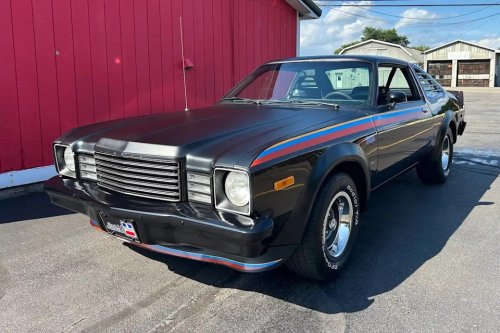
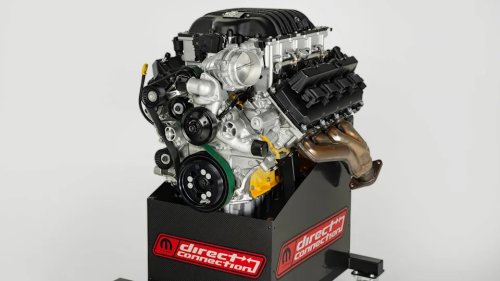
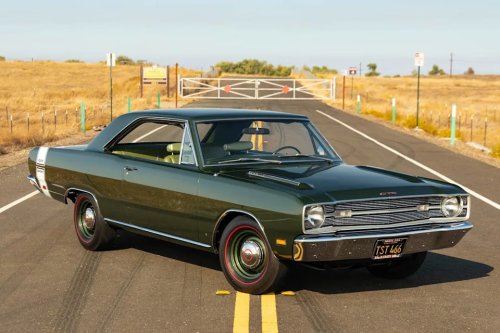
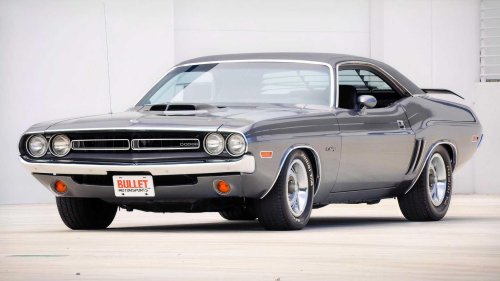
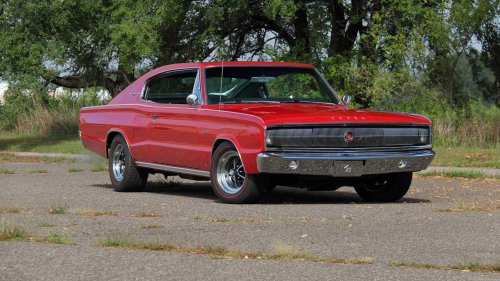
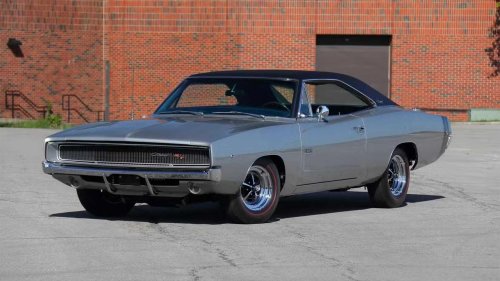
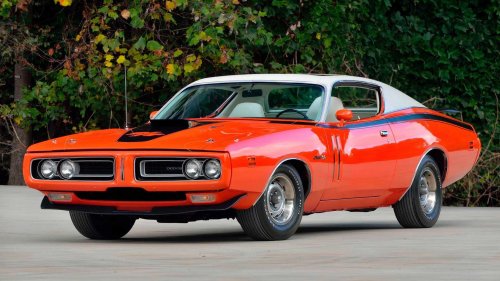
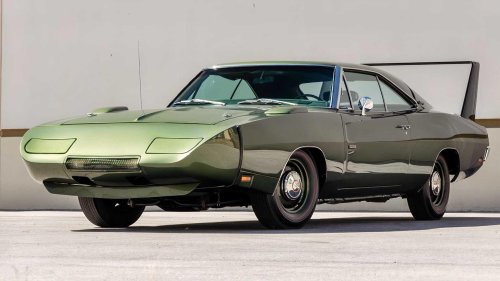
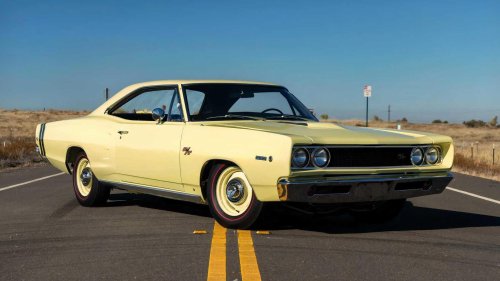
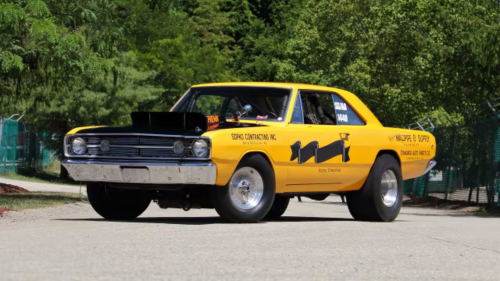
When it comes to classic American V8s, the 426 Hemi is up there as one of the most legendary. Not only did it dominate in NASCAR, but it also ended up powering some of the greatest Mopar muscle cars of all time. That included a homologation special, and a car that's so rare it's an event whenever one goes up for auction! It also appeared in some Plymouthmodels, and made some excursions outside of the world of American muscle.The "Street Hemi," as the road-legal version of the engine was known, was an absolute monster for its day. It was rated at 425 hp and roughly 490 lb-ft of torque from the factory, with real-world tests suggesting those numbers were more than a little conservative(racing versions were also reported to produce over 650 hp). The 426 Hemi always remained a symbol of performance, never detuned and always making roughly the same power in every street model it featured in. If you wanted the 426 in a Dodge back in the day, here are the only models you'd be looking at. Dodge Challenger R/T (First Generation) Bring a TrailerStarting things off, we've got a car that's perhaps one of the best classic muscle cars ever. The first-generation Dodge Challenger's looks have aged really well, and it got a range of great engines. This included the street 426 Hemi V8 at its full power (425 hp and 490 lb-ft). The 426 appeared as an option in the first-generation Challenger's first year of production (1970), and was only available in the Challenger R/T.Sadly, the 426 Hemi V8 only lasted as an engine option for two model years. The smaller 5.2, 5.6, and 5.9-liter V8s were the ones that survived into the mid-'70s. This was no doubt due to the industry-wide shift away from big block V8s, following tighter federal emissions regulations. Because of how much the engines would have had to be toned down to meet the new emissions standards, they were just replaced with smaller and more efficient high-performance V8s instead. Dodge Charger R/T (First Generation) MecumThe classic Dodge Charger has to be one of the most legendary and most influential muscle cars of all time. While the first-generation Charger may not be as lusted after as other generations, it's still a brilliant muscle car with plenty of great engine options. That included the 426 Hemi. It got this engine option at launch in 1966, which helped it achieve great success in NASCAR, with David Pearson scoring a championship win in that same year in his Cotton Owens-prepared Charger.Of course, road-legal chargers only got the "Street" Hemi instead of the racing version. That didn't stop it from being a real performance monster for its day, though, thanks to that claimed 425-hp figure. If you had one of these back in the mid-late '60s, there was a fair chance you would beat absolutely everybody at the lights. Dodge Charger R/T (Second Generation) Via: Bring A TrailerThe second-generation Charger is a particularly iconic version of the classic Charger. That's no doubt thanks to an example being immortalized as the villain car in Bullitt. This made its silhouette an era-defining one, a status it shared with the Ford Mustang fastback of the same era that was the movie's hero car.As well as the second generation of the classic Dodge Charger getting such an iconic status, it had brilliant engine options. This included that 426 Hemi engine. The 426 was available for the second-generation Charger's entire run as an optional engine in the R/T trim, always rated at 425 hp. It was also offered as an optional engine in the Super Bee. Both of these trims are very desirable now, especially if they come with that absolute performance monster of an engine. Dodge Charger R/T (Third Generation) MecumThe third-generation Dodge Charger is arguably the last of the 'proper' classic Chargers. It was also the final generation to be available with the 426. This was also the first generation made under a new system, where the naming conventions of the Dodge B-body cars were made more logical. While this spelled the end of the two-door Coronet, it gave the Charger a pretty much exclusive spot as the two-door muscle car in the Dodge lineup.Unfortunately, the 426 engine was only ever available for the 1971 model year in the third-generation Charger. As with what happened with the first-generation Challenger, the tightening of federal emissions regulations meant that the era of ultra-powerful big block V8s was over. Dodge Charger Daytona MecumAs well as being an engine option in more regular models, you could have the 426 engine in the Charger Daytona homologation special. This more aerodynamic, limited-production variant of the second-generation model was built specifically so that Dodge could use it in NASCAR. It only lasted a couple of years, but it made a huge impression by being the first NASCAR race car to reach 200 mph.A big reason why the Charger Daytona didn't last that long is because of NASCAR's regulations. NASCAR cracked down on what it called "aero cars" in the early 1970s. This meant that the Charger Daytona, along with its Plymouth Road Runner Superbird sibling, were completely banned from competition. Dodge Coronet R/T, 500, 440, Deluxe, And Super Bee (Fifth Generation) Bring a TrailerThe fifth-generation Dodge Coronet (1965-1970) is a true Mopar legend that still turns heads with its clean, aggressive lines and unmistakable muscle car presence. It offered a wide range of engines for every kind of enthusiast under the hood, including the mythical 426 Hemi V8. This Hemi wasn’t for every Coronet - it was reserved for the serious performance trims:Coronet 500 (1966–1967) Coronet 440 (1966) Coronet R/T (1967–1970) . Born from the Coronet platform but branded as its own no-nonsense muscle car starting in 1968, the Super Bee could also be fitted with a 426 Hemi. Slotting one of these engines into a Coronet or Super Bee instantly turned it into a street-legal rocket, capable of leaving most of the competition in the dust straight off the showroom lot. Dodge Dart LO23 via MecumThe Dodge Dart is a car that collectors usually aren't that into. But, there is one particular Dart model that they will always lust after. That's the LO23, or the Hemi Dart as it's often known. This limited-production special is a drag racing monster, exclusively powered by the 426 V8. So many race-specific parts were also added that it was almost completely different from the Dart GTS it was based on.The Dart is already smaller and lighter compared to the other Mopar cars on this list. That's only enhanced by the LO23 going on a crash diet as part of the modifications done to create it. It had lightweight body panels that were made of fibreglass, and anything that could be considered a luxury was stripped away. This included the radio, air conditioning, and even the rear seats.Source: Dodge.



















 +31 others