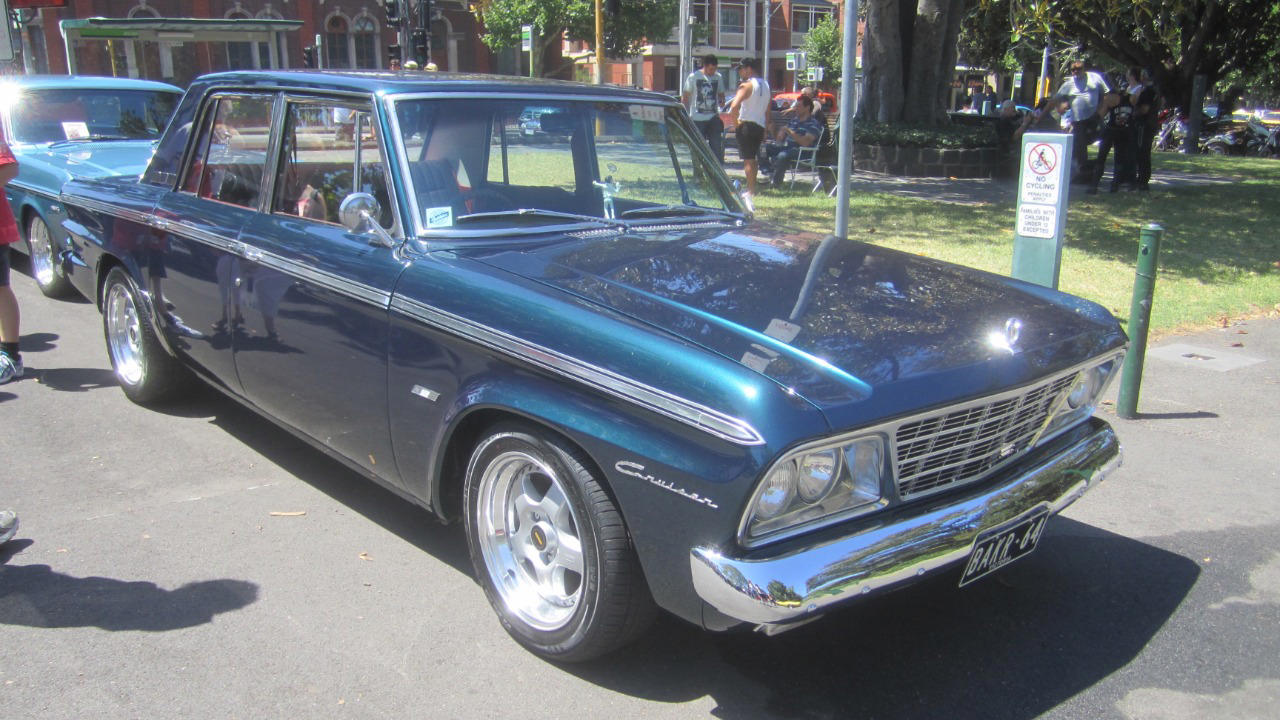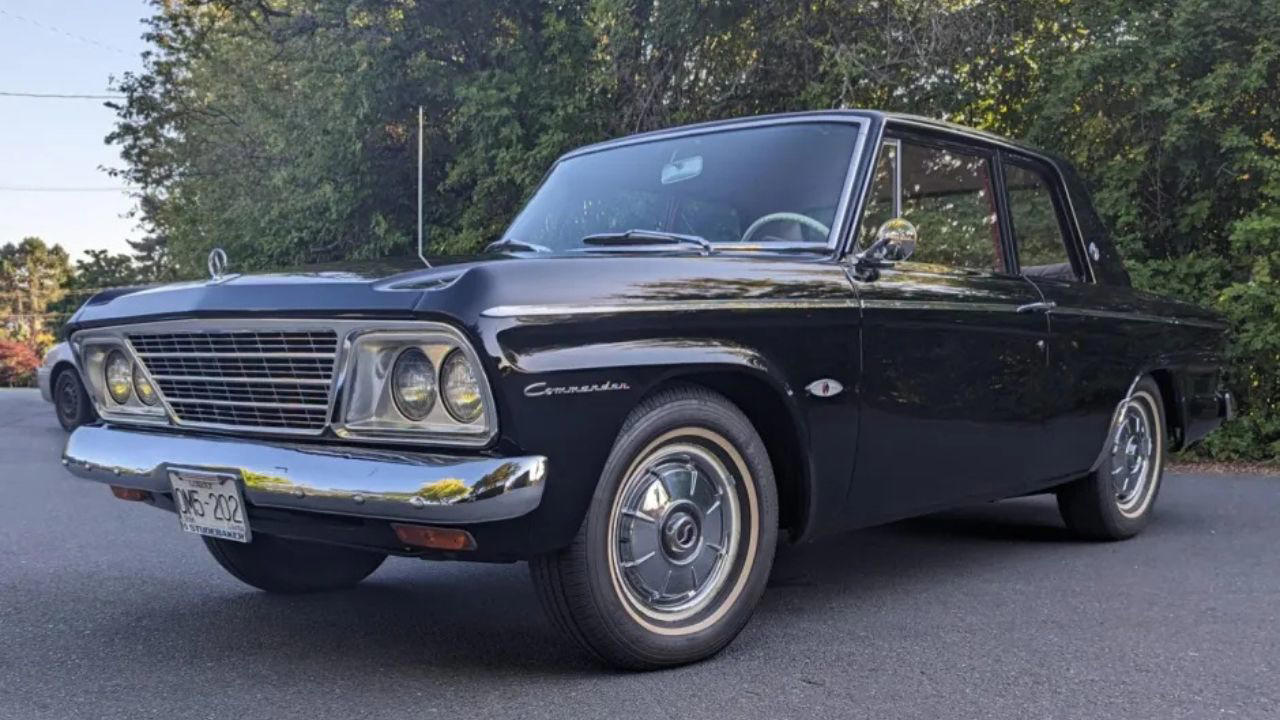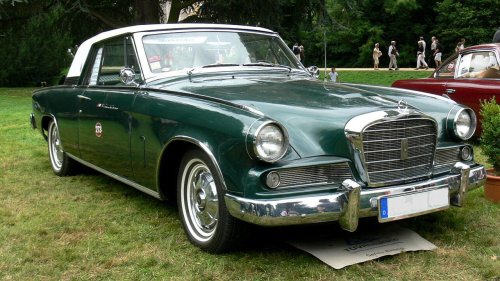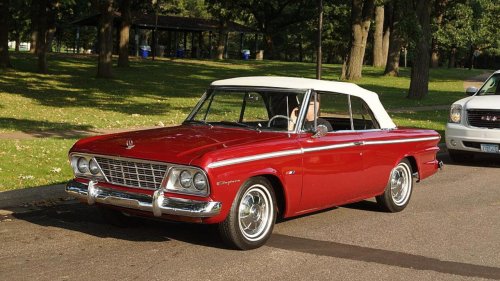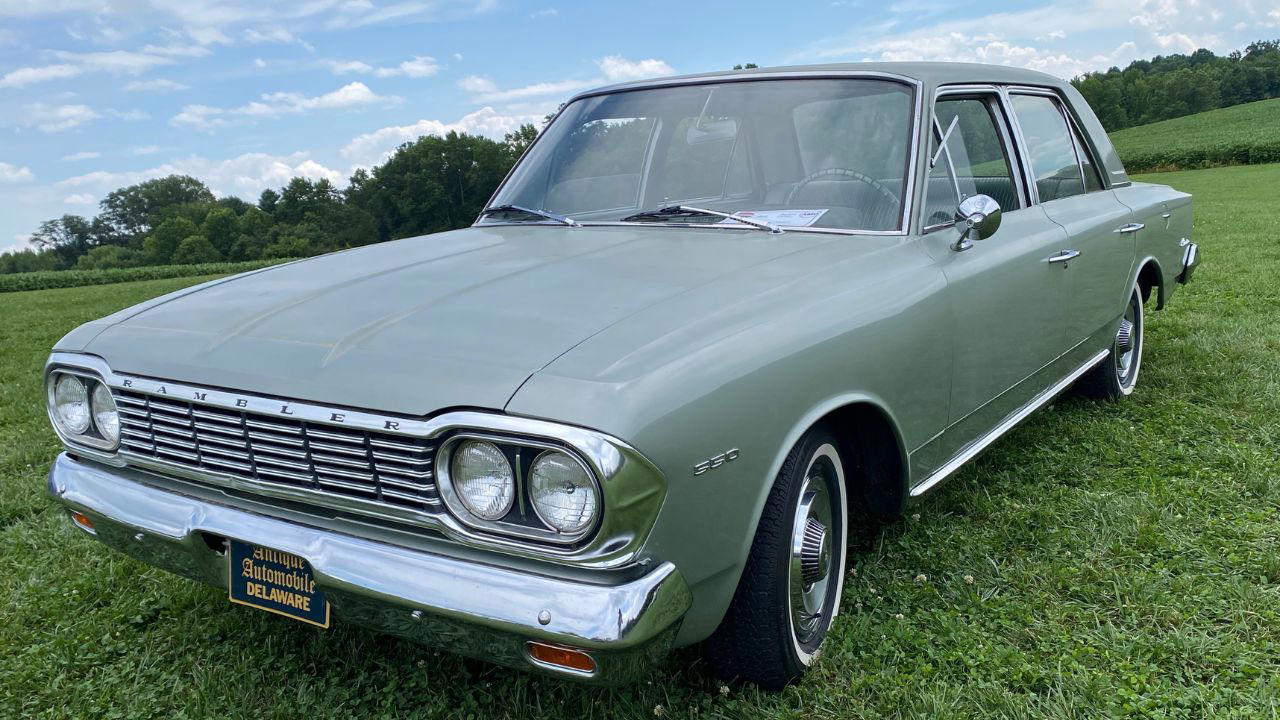


















1964 Studebaker Daytona and 1964 AMC Classic took different roads and it shows todayThe 1964 Studebaker Daytona and the 1964 AMC Rambler Classic arrived in the same American car market but followed very different corporate playbooks. One came from a company already fighting for survival, the other from a brand using fresh engineering to climb into the mainstream. Six decades later, those choices are written into their sheetmetal, their production numbers and the way collectors value them. Set side by side at a show, the contrast is striking: the Studebaker looks like a last, stylish exclamation point from a proud independent, while the Rambler Classic feels like the confident product of a company planning for the long haul. Sharing a model year, the two cars tell opposite stories about how to face a changing industry. Studebaker in survival mode By 1964, Studebaker was running out of road. Commenters and historians alike describe how the company was already in “survival mode” by that model year, a phrase that appears bluntly in a comparison of a 1964 Studebaker and a Rambler 770 Typhoon that notes simply that Studebaker was just. The struggle had deep roots. The company had been a powerhouse among independents, yet by the early sixties its basic car platform was old and its finances thin. One detailed review of the period notes that the 1964 redesign only made the aging Studebaker body “somewhat more modern looking” and that the underlying structure still dated back to the early fifties. The same account points out that the Daytona hardtop looked sharp and carried a very nice interior and dash, even as critics derided the brand with nicknames like “Stupidbaker” and saw it as doomed, a judgment embedded in a discussion of the 1964 Studebaker Cruiser. Corporate reality soon caught up. The Studebaker Corporation closed its South Bend, Indiana automotive manufacturing plant on December 20, 1963, ending the production of cars and trucks in the USA at that historic site, a milestone preserved in a retrospective on Studebaker Corporation in. For 1964, Studebaker cars for the American market were already ghosts of a factory that had gone quiet. Media coverage at the time did not help. Reports described Studebaker products as “orphan cars” and warned that parts might be hard to find, which discouraged buyers. A period video on the 1963 Wagonaire recalls how such coverage suggested that buying a Studebaker meant owning an orphan with difficult-to-obtain parts, a stigma that bled into perceptions of the 1964 range as well. Daytona: last gasp of performance and style Inside that corporate squeeze, the 1964 Studebaker Daytona represented a bold attempt to stay relevant. The Daytona name sat on the sportiest versions of the compact Lark line, with two-door hardtops, convertibles and wagons aimed at younger buyers. One enthusiast video highlights a restored 1964 hardtop Lark Daytona model with automatic, open rear end and bucket seats, presenting the Lark Daytona as a surprisingly well equipped, stylish package for its size. Production, however, was limited. One detailed breakdown gives total 1964 Studebaker production as exactly 36,697 units, with the total Daytona production being exactly 11,201 units. That same source explains that those Daytonas included a small run of convertibles, with the figures described as “either 647 or 55 convertibles, totaling 702,” all drawn from the Total 1964 Studebaker summary. Other reports refine those numbers and underline the car’s rarity. A valuation and history piece notes that once America’s most successful independent, Studebaker was reduced to producing fewer than 47,000 automobiles in 1964 and just 703 Daytona convertibles, figures that appear in a discussion of how Once America’s most reached its final years. Specific variants are even scarcer. A feature on a survivor car explains that the Daytona was not very popular at the time and that Studebaker ended up selling only 11,201 units, of which just 6,548 were built in South Bend, figures that appear in a closer look at the Daytona as an end-of-an-era car. Performance options were serious. Studebaker’s 210 hp 289 cubic inch V8 gave the Cruiser brisk performance, with one period test recording 0 to 60 in exactly 12.2 seconds, numbers that appear in a vintage review of the Studebaker. The Daytona shared that basic hardware and, in R-series trim, could be ordered with a supercharged 289 that carried R-2 fender emblems. A comparison thread notes that the Stude in question has R-2 emblems on the fender, indicating a supercharged 289, a detail spelled out in a discussion of how The Stude stacked up against The Rambler. Supercharged cars were extremely rare. One feature on a sleeper hardtop reports that Studebaker sold only 325 Larks with supercharged V8 power and that there were only 27 Daytona R2 hardtops in 1964, describing the car as a very rare gem and one of those extremely scarce units. That same piece compares its performance aura to a 426-cubic-inch HEMI, noting that the Studebaker Larks and R2 make proper muscle car noises despite their modest size. Even the standard V8 convertibles are scarce. A walkaround of a blue 1964 Studebaker Daytona Convertible explains that it is equipped with a 259 V8 engine and that this particular model is rare, with fewer than 400 V8 convertibles built, numbers that appear in a video focused on the Studebaker Daytona Convertible and its 259 V8. Rambler Classic: the modern alternative Across town in the same show parking lot, a 1964 Rambler Classic tells a very different story. American Motors Corporation, often shortened to AMC, had invested in a newer structure and a carefully defined niche rather than chasing the Big Three head on. One period analysis describes how Rambler had a great niche of quality compacts and notes that the 64 Classic’s style update was much more modern due to the more modern structure that came from 1963, a contrast drawn in a detailed comparison of Rambler. The newer engineering paid off in refinement and image. A vintage road test that pitted Studebaker against Rambler notes that a 64 Rambler Classic six automatic did 0 to 60 in 12.6 seconds, almost identical to the V8 Studebaker, yet carried a reputation for solid quality and value. Those numbers appear directly alongside the earlier mention of the Rambler Classic six’s performance. AMC’s broader strategy is captured in a separate look at the compact line. An overview of Rambler Reborn explains that with the 1964 Rambler American, AMC (American Motors) now had a modern, stylish offering in the low price field and that the Rambler American was a surprising success for Nash Motors and its successors. That assessment appears in a detailed history of Rambler Reborn and, and it helps explain why the Classic felt contemporary in a way the Daytona could not quite match. Within the Classic line, the 770 Typhoon coupe stood out as a sporty special, pitched directly at the same buyers who might otherwise have looked at a Daytona. The comparison that described Studebaker in survival mode also frames the Rambler as the safer choice unless it was a six cylinder, a remark that underscores how the The Rambler had a more secure reputation even when performance was similar. Two structures, two futures The structural differences between the two cars explain much of what enthusiasts see today. The Daytona was built on a platform that was 11 years old, which one analysis describes as ancient compared with the competition. That same piece notes that the design of the Chevy II, in contrast, dated back only to 1962, and that the Daytona platform simply could not hide its age. By comparison, the Rambler Classic and Rambler American rode on structures introduced for 1963 and 1964. That gave AMC the freedom to sculpt cleaner body sides, lower beltlines and a more modern greenhouse. A close look at the Studebaker Cruiser’s 1964 facelift shows how designer Brooks Stevens worked hard to disguise an older body shell with squared-off lines and new trim, as seen in the Studebaker Cruiser photos and related Curbside Classic image set. The result was handsome but could not change the underlying proportions. Those engineering choices still shape ownership. The Daytona was the highest trim Studebaker station wagon for 1964 and production of that Wagonaire-based model year was exactly 5,163 units, with most built with the signature sliding roof, figures that appear in a discussion of how The Daytona wagon compared with a Rambler Classic 770 Typhoon. Those low numbers make parts support more challenging, especially when combined with the “orphan car” stigma preserved in the Studebaker Wagonaire video. Performance heritage adds another twist. Studebaker created one of the fastest American production cars of its time and set exactly 29 national speed records at the Bonneville Sa, a fact recalled in a film about how Studebaker and American performance were showcased at Bonneville. That reputation fed directly into the R-series campaign that advertised high performance V8 engines with record runs at the Bonneville Salt Flats, a marketing push described in a feature on Studebaker. Rambler, on the other hand, built its image around practicality and quiet competence. The 1964 Rambler American and Classic did not chase top speed records. Instead, AMC emphasized value, economy and a sense of modernity at a reasonable price, choices that helped the company survive into the seventies even as Studebaker left the American car market. Collector values and reputations today The market today reflects those divergent paths. A valuation guide lists a Studebaker Daytona Base from the mid sixties with figures such as $9,800 and $15,500 for different years and conditions, benchmarks that appear in a tool focused on the Studebaker Daytona Base. Another source that tracks prices shows that a 1964 Studebaker Daytona 2 Door hardtop carried an Original MSRP of exactly $2,790 and now has a Low Retail value of exactly $7,825, numbers recorded in a listing. Despite that appreciation, the Daytona still trades below some better known contemporaries. A comparison with Ford’s pony car notes that the Mustang is deservedly one of the most popular collector cars and that it trades hands for twice the price of equivalent Daytonas, in spite of the Studebaker’s scarcity, a judgment embedded in a discussion of how Mustang and Daytonas compare in the collector market. At the same time, low production and survival rates make good Daytonas highly prized among enthusiasts. A feature on a convertible points out that the 1964 Studebaker Daytona conceded little to the fastest moving midsize cars on the street in its day and that its low production numbers make it a scarce collector vehicle today, an assessment centered on the Studebaker Daytona convertible. Rambler Classics, by contrast, tend to be more common and more affordable, although exact valuation figures are not detailed in the available sources. Their stronger period sales and less dramatic production drop mean more survivors and a broader parts base. That makes the Rambler Classic an easier entry point into sixties motoring, while the Daytona sits as a rarer, more fragile artifact of a company’s final stand. More from Fast Lane Only Unboxing the WWII Jeep in a Crate 15 rare Chevys collectors are quietly buying 10 underrated V8s still worth hunting down Police notice this before you even roll window down